Cosmetic Dentist Website Design
A cosmetic dentistry website sells an outcome people can see, so the site's whole job is to show it fast and make the next step easy. Egochi designs websites for cosmetic dentists around that decision path: before-and-after galleries that load quickly and rank in image search, procedure pages that pair matched cases with financing and cost context, consult requests that take one short form, and credential signals placed where comparison shoppers look for them. Egochi builds everything mobile-first, because smile research happens on phones, usually at night, usually right after seeing someone else's results, often a reveal on social media. Design is quoted by scope, or folded into a marketing plan from $1,500 monthly. Start with a free design quote for your practice.
Get Your Free Design Quote See What's Included
- 250+ Google Reviews
- 190+ Clutch Reviews at 5.0
- Google Premier Partner
As Featured In





What a Cosmetic Practice Website Has to Do
Four design decisions Egochi makes that separate consult machines from online brochures.
The gallery is architecture, not a page
Most practice sites treat before-and-afters as one buried gallery page. On the cosmetic sites Egochi builds, cases sit everywhere decisions happen: matched examples on each procedure page, a browsable library organized by treatment, and image markup so individual cases rank in image search on their own.
Financing context belongs next to the price question
Shoppers land on a veneer page asking one silent question: can I afford this. Egochi designs procedure pages that show cost ranges and monthly payment framing right there, keeping the shopper moving toward a consult. Hiding price does not make it go away; it sends the visitor to a competitor who answers.
Every extra field costs consults
A consult request should take a name, a contact method, and the treatment of interest. Long medical-history forms, portal signups, and phone-tag callbacks belong after booking, not before it. The practices winning elective patients make asking as easy as the purchase is big, and every paid procedure click lands on that same short form, so the fix multiplies across channels.
Phones carry the whole journey
Smile research is done on a phone: scrolling results at night, comparing galleries between practices, tapping to call. A site that loads slowly on cellular or crops its cases badly on a small screen loses shoppers before the work is ever seen. Egochi treats mobile as the site; desktop is the afterthought.
What's Inside a Cosmetic Dentist Website Build
Six things Egochi designs around the gallery, the price question, and the consult request.
-
Custom Design and Build
Egochi designs and builds a site that matches the caliber of your clinical work, on clean, fast code you own, not a template every competing practice can buy.
-
Gallery Architecture
Egochi organizes your case library by procedure, embeds matched examples on treatment pages, and adds the image markup that puts your work into image search results.
-
Procedure Pages That Sell
Egochi builds a page per treatment with real cases, honest cost and financing context, and answers to the questions shoppers compare practices on.
-
Speed and Core Web Vitals
Egochi keeps image-heavy sites fast with modern formats, lazy loading, and performance budgets, because gallery sites are exactly the ones that bloat.
-
Consult Request Paths
Egochi places one short form, tap-to-call, and booking links beside the proof on every page, with tracking on each so you know what converts.
-
Trust and Credential Signals
Egochi puts dentist bios, training, association logos, and review counts where comparison shoppers look, with the structured markup search engines read.
A Website AI Assistants Can Read and Cite
Smile research now runs through assistants as much as search boxes: patients ask Google AI Overviews, ChatGPT, Gemini, and Perplexity what veneers cost, what a makeover involves, and which cosmetic dentist nearby to consider. Egochi builds the site so those systems can parse the procedure, price-range, credential, and review data and identify your practice as the answer's source.
Google AI OverviewsChatGPTGeminiPerplexity
-
Structure is what machines read
Assistants cannot admire a design; they parse it. Egochi marks up each procedure, dentist, location, and FAQ in structured schema during the build, so AI Overviews and ChatGPT can identify what the practice does and who performs it without guessing.
-
Cost pages written to be quoted
When a patient asks what veneers cost nearby, the systems lift from pages that state honest ranges with a named source. Egochi builds those pages into the site architecture instead of leaving price to a phone call machines cannot hear.
-
A gallery search engines can see
Third-party gallery widgets are invisible to crawlers and assistants alike. Egochi builds cases into the site itself with descriptive filenames, alt text, and markup, so your before-and-after evidence exists for Gemini and image search, not just for visitors.
-
Fast pages get crawled and cited
Speed is a visibility signal as much as a conversion one: slow, bloated sites get crawled less and quoted less. The performance budgets Egochi enforces keep the site fast on cellular for shoppers and clean for the systems deciding what to cite.
How a Cosmetic Practice Site Gets Built
-
Consult-path audit
Egochi walks your current site the way a shopper does, on a phone, procedure by procedure, and logs where proof is missing, where price goes unanswered, and where the next step gets hard.
-
Case inventory and consent check
Existing before-and-after photos get gathered, matched to procedures, and checked against consent records, because the gallery is the load-bearing wall of the whole build.
-
Design around the decision
Egochi wireframes matched cases, financing context, and a short consult form onto every procedure page, so proof, price, and next step sit together where choices actually happen.
-
Build for phones and speed
Modern image formats, lazy loading, and a performance budget keep an image-heavy site fast on cellular, with tap-to-call and booking tested on real devices.
-
Migrate, then measure
Egochi maps and redirects every existing URL so current rankings survive launch, and form, call, and booking tracking goes live so the site reports what it converts.
Questions Practices Ask Before a Rebuild
Our site looks fine, so is design really costing us cases?
Fine on the office desktop is not the test. Shoppers compare practices side by side on phones at night, and the site that shows matched cases, answers the price question, and books in one form wins ties against better dentistry presented worse. Without tracking, the losses stay invisible: nobody calls to tell you the gallery looked thin.
A template with a gallery plugin costs a fraction of this.
It does, and for a general practice it can be enough. Cosmetic sites break templates in specific ways: plugin galleries load slowly and carry no image markup, procedure pages fight the theme layout, and the design ceiling shows against competitors selling the same procedures. Cheap up front usually means paying again once the site has to compete, which is why Egochi builds custom from the start.
Do elective patients book online, or do they all call?
Both, and the split follows the clock. Calls come during office hours; elective research peaks at night, when nobody answers the phone. A short form or booking link captures that after-hours intent, and without one the shopper simply keeps scrolling to the next practice on the comparison list.
How long does a build like this take?
The build itself moves quickly; the honest schedule risks are content and consent. Collecting cases, verifying releases, and getting dentist sign-off on procedure copy take longer than design rounds in most projects. Egochi sequences that gathering to start on day one, which is the difference between a launch date and a launch quarter.
Common Mistakes to Avoid
-
Launching with a handful of cases and a promise to add more; shoppers judge gallery depth the day they visit.
-
Compressing case photos until shade and texture differences disappear, quietly understating the work being sold.
-
Hosting the gallery in a third-party widget that search engines cannot read and phones load slowly.
-
Presenting every service with equal weight, so a veneer shopper cannot tell the practice is serious about cosmetic work.
-
Rebuilding without a redirect map and discovering after launch that the old procedure rankings left with the old URLs.
Case Studies Where the Site Did the Selling
Egochi restates every number below from the client's published case study. The cosmetic practice leads the row, and the engagement and conversion figures are the ones a website build answers to.
-
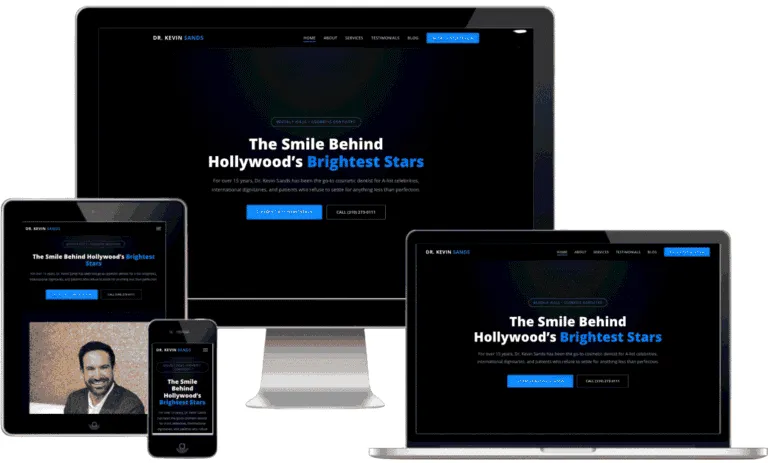
Cosmetic Dentistry Beverly Hills
Cosmetic Dentistry | Beverly Hills, CA
An elective practice losing shoppers in the first seconds of a visit. Egochi rebuilt the service pages patients research before a consult, and the same visitors started staying, reading, and acting.
- 22% Bounce Rate Reduction
- 41% More Time on Service Pages
- 64% Local Organic Sessions
-
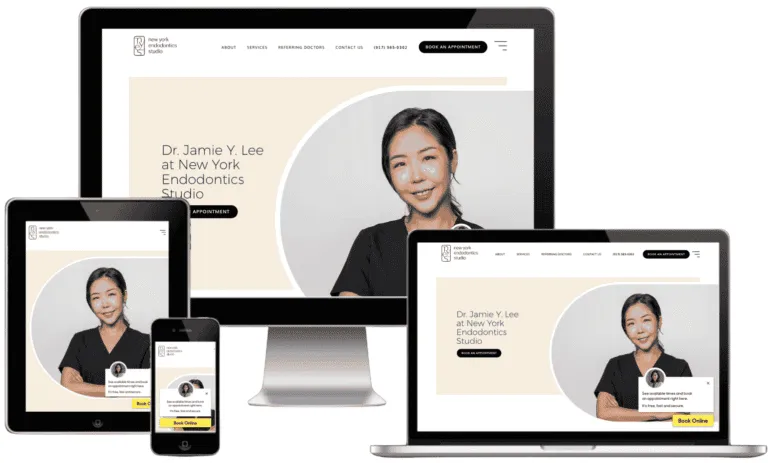
NY Endo Studio
Endodontics Studio | New York City
A specialty practice whose old pages undersold its work to patients and referring dentists alike. Egochi rebuilt the practice pages and profile, and new visitors kept arriving through both.
- 110% Organic Sessions Lift
- 96% New Users Increase
- 132% GBP Discovery Views
-
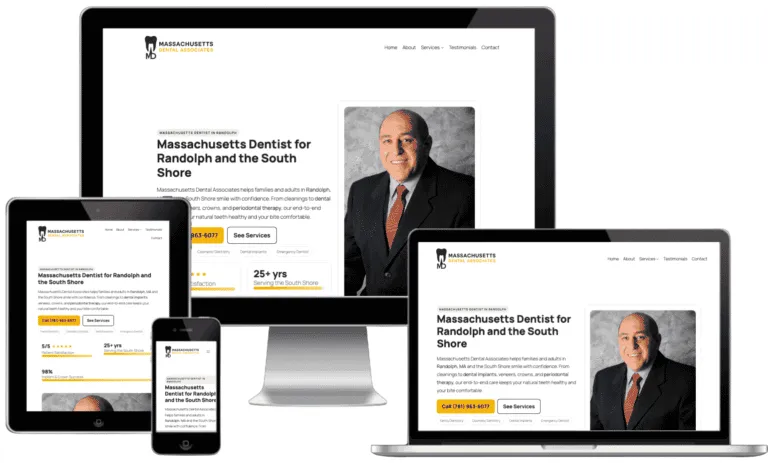
Massachusetts Dental
Dental Practice | Randolph, MA
A practice whose site gave nearby patients no reason to choose it. Egochi built the local visibility and pages that turned those searches into calls and booked appointments.
- 68% Booked Appointments Rise
- 120% Organic Sessions Lift
- 112% GBP Actions Growth
-
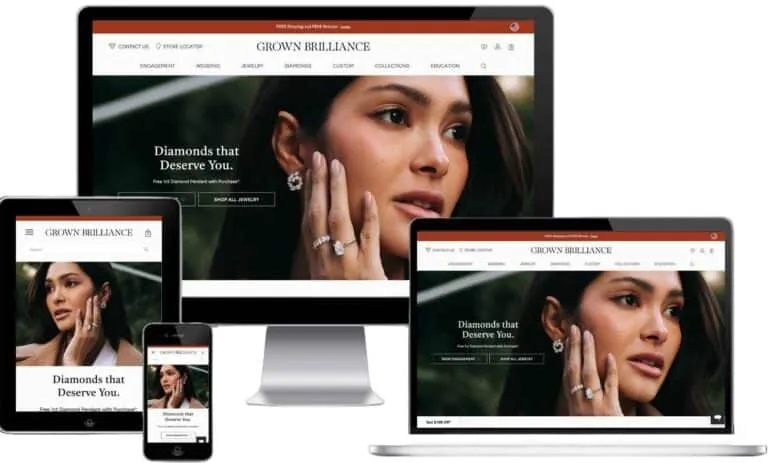
Grown Brilliance
Lab-Grown Diamonds | Ecommerce
An elective, image-driven purchase where the website is the showroom, exactly like a smile gallery. Egochi ran the program that turned that browsing into measurable revenue.
- +80% Conversion Increase
- 160K+ Organic Visits
- $200M Annual Revenue
-
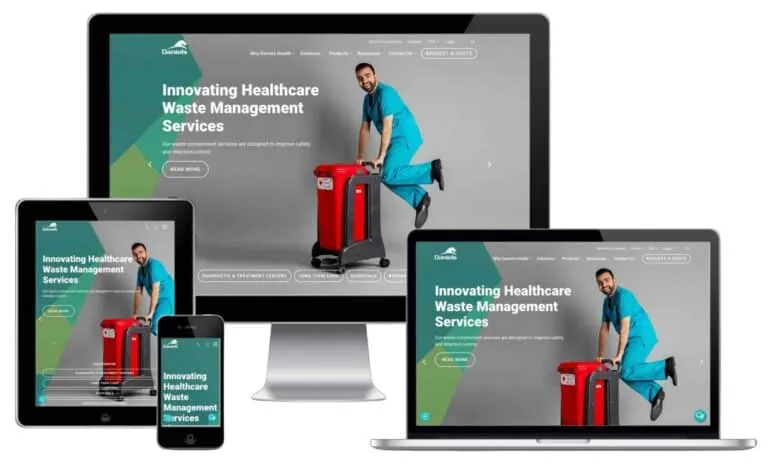
Daniels Health
Healthcare Services | National B2B
A healthcare company whose site had to carry authority against national incumbents. Egochi ran the content and link program that built it, proof structure and credibility compound in regulated fields.
- DR 58 Domain Rating
- +520 Referring Domains
- +73% Search Visibility
-
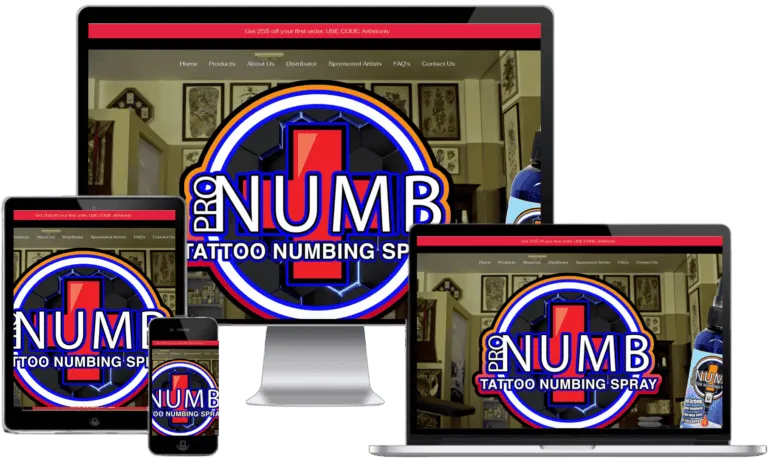
Pro Numb
Numbing Products | Ecommerce SEO
A health brand whose structured, answer-first pages now get cited by AI Overviews. Egochi built them, the same page construction this program puts behind every procedure.
- 47 Featured Snippets Won
- $2M+ Monthly Revenue
- +340% Organic Traffic
See How Egochi Works
A short look at how our team plans, builds, and reports on client work.
Is This Right for You?
This is for you if
- Your clinical work is better than your website makes it look, and shoppers cannot tell from the current site.
- You get traffic but few consult requests, and nobody can say which pages or forms are losing them.
- You are repositioning the practice toward veneers, aligners, and smile makeovers and the site still reads general-family.
This may not be the right fit if
- You want the cheapest possible template refresh. A template cannot carry a gallery-first, procedure-page architecture, and that architecture is the point.
- Your site already converts well and you mainly need more visitors; start with our cosmetic dentist SEO or PPC programs instead.
See the work: Dental case studies · Web design case studies
What Clients Tell Us
Parents looking for braces are finding us online now instead of going to the big chains. Egochi helped us compete against practices with much bigger marketing budgets. New patient consultations up 175%.
The Complete Cosmetic Dentistry Program
This page is one part of a five-part program. Each piece works alone and works better together.
-
Cosmetic Dentist Marketing
The full program for elective, high-ticket dentistry.
-
Cosmetic Dentist SEO
Procedure-page rankings and image search from your galleries.
-
Cosmetic Dentist PPC
Procedure campaigns tuned for elective spend and longer research.
-
Cosmetic Dentist Social Media
Smile reveals with consent done right, and DMs turned into consults.
Common Questions About Cosmetic Dentist Website Design
-
What does a cosmetic dentist website cost?
Standalone practice sites typically run $3,500 to $15,000 depending on page count and gallery scope. Many practices instead fold design into an Egochi marketing plan starting at $1,500 monthly, so the site, SEO, and gallery work build together. Either way, the quote is fixed before work starts.
-
What makes a good cosmetic dentistry website?
Proof you can see and a next step you can take. The gallery loads fast and is organized by procedure, every treatment page shows real cases with financing context, the dentist's credentials are visible without hunting, and a consult request takes one short form, not a phone-tag chase.
-
Can a website help a cosmetic dentist appear in AI search results?
Yes, and the build decides it. Google AI Overviews, ChatGPT, Gemini, and Perplexity identify practices through structured data: procedures, dentists, locations, honest cost ranges, and reviews marked up where systems can parse them. Egochi builds that structure into the site from day one, so the pages shoppers convert on are the same pages assistants can cite.
-
Will a new website affect my current rankings?
Only if the migration is handled carelessly. Egochi maps every existing URL, preserves or redirects each one, and carries over the content that earns your current traffic before improving it. Done right, a faster site with cleaner structure lifts rankings; done wrong, a redesign can erase them.
-
How do I choose a web design company for a cosmetic practice?
Ask how they treat the gallery; if it is one buried page or a third-party widget instead of matched cases on every procedure page, keep looking. Ask about the redirect map, because a careless migration can erase rankings that took years. Ask for a fixed quote before work starts and how they keep an image-heavy site fast on phones. A designer who never mentions consent records has not built for dentistry.
Awards and Partnerships Egochi Holds in 2026
-

Egochi Named 2026 Top Digital Marketing Agency by Clutch
Clutch, a B2B market research and reviews platform, names Egochi a top digital marketing agency for 2026. The distinction rests on overall market presence and, most importantly, verified client feedback. Egochi holds a 5.0 rating across 190+ reviews on Clutch.
-
Egochi Is a Certified Google Premier Partner
Egochi is a certified Google Premier Partner, a status Google grants to the top 3% of participating advertising agencies each year. The tier is earned on campaign performance, sustained client growth, and advanced Google Ads certification, and Google reviews it annually rather than granting it for life.
The Team Behind the Work
-

Jobin John
Chief Executive Officer
-

Justin Brown
Head of Search Engine Optimization
-

Bryan Thomson
Head of Web Design & Development
-

Ina Komins
Head of Social Media Marketing
-
Kierra Pita
Head of Advertising & Content Marketing
-
Patricia Turner
Chief Creative Officer
-
William Carter
Chief Digital Strategy Officer
-

Andrew Miller
Senior SEO Strategist
-
Amy Robinson
Content Marketing Manager
-

Betty Harrison
PPC Campaign Specialist
-

Anthony Carter
Lead Digital Account Executive
-

Amanda Cooper
Social Media Director
-
Carol Parker
Senior Client Success Manager
-

Barbara Bennett
Email Marketing Lead
-

Charles Turner
Technical SEO Analyst
-
Brian Sullivan
Creative Director
-

Christine Walker
Director of Project Management
-

Christopher Brooks
Digital Marketing Strategist
-

Daniel Wright
Senior Analytics Specialist
-

David Henderson
Lead Content Strategist
-
Donna Mitchell
Client Communications Manager
-
Elizabeth Foster
Director of Paid Advertising
-

Emily Baredi
Brand Experience Specialist
-

Emma Scott
Social Media Content Creator
-

George Crawford
Technical Solutions Architect
-
Jacob Evans
Digital Content Coordinator
-
James Anderson
Marketing Automation Specialist
-
Jason Palmer
Junior Copywriter
-

Jeffrey Reynolds
Paid Media Analyst
-

Jennifer Lewis
Community Engagement Specialist
-

Jonathan Murphy
SEO Reporting Specialist
-

Joseph Morgan
Influencer Marketing Coordinator
-

Kenneth Stevens
Digital PR Manager
-

Kimberly Harper
Digital Marketing Intern
-
Kevin Morris
SEO Outreach Specialist
-

Lee Dawson
Junior Web Developer
-

Linda Peterson
Email Campaign Coordinator
-

Lisa Thompson
Social Media Ads Specialist
-

Margaret Bradley
Marketing Operations Lead
-
Mark Richards
Data & Insights Analyst
-

Mary Kennedy
Senior Copyeditor
-

Matthew Clark
Growth Marketing Manager
-

Michelle Sanders
Junior Marketing Designer
-

Michael Foster
Senior Conversion Rate Specialist
-

Nancy Wheeler
Digital Analytics Manager
-
Nicholas Pierce
Affiliate Marketing Specialist
-

Nicole Adams
Outreach Program Coordinator
-

Paul Franklin
Paid Social Campaign Manager
-

Richard Barnes
Reputation Management Specialist
-

Robert Murphy
Lead Solutions Architect
-
Ronald Davis
Marketing Technology Analyst
-
Ryan Bell
Paid Media Buyer
-

Sandra Gregory
Digital Account Coordinator
-
Scott Hopkins
CRM Implementation Specialist
-

Shirley Ellis
Customer Insights Manager
-
Stephanie Cross
Brand Content Designer
-

Steven Greene
Web Analytics Specialist
-

Susan Price
Affiliate Campaign Manager
-

Thomas Fisher
Lead Technical Architect
-

Timothy Nash
Mobile Marketing Strategist
Certified & Accredited


A Website That Sells the Smile
Send us your current site and the procedures you want more of. Egochi, a 5.0 rated agency across 190+ Clutch reviews, quotes a fixed price and names the specific pages costing you consults today.
Egochi Stats
- 250+ Google Reviews
- 5.0 Clutch Rating
- 12+ Years Experience
- $200M+ Revenue Generated
- 4 US Offices
- 190+ Clutch Reviews
Blog Posts
- Aug 12, 2026 GEO vs. SEO: A Comparative Guide for Digital Marketers
- Aug 12, 2026 What is llms.txt? | How to Create llms.txt file for your website
- Aug 12, 2026 What is Semantic SEO? | How to Build Topical Authority That Ranks
- Aug 12, 2026 What is Schema Markup? | How to Add Structured Data to Your Website
- Aug 12, 2026 How to Optimize for Voice Search: A Realistic 2026 Guide