Web Design
Website Redesign Services
Website redesign services that rebuild the site without losing what it already earned: the rankings, the URLs, and the traffic your business runs on.
Get Your Free Redesign Review Call (888) 644-7795
- Every ranking URL mapped before design starts
- Staged launch with a monitoring window
- Free redesign review, no obligation
As Featured In






Egochi is a website redesign agency that rebuilds outdated websites for businesses that cannot afford to lose their Google rankings in the process: modern design, faster pages, and more leads, carried over a preservation discipline that treats every ranking URL as an asset. The work covers design and development, content migration, a page-by-page 301 redirect map, and a staged launch with a monitoring window behind it. It is the same discipline we run on egochi.com itself, which is mid-rebuild from WordPress to a modern static stack as you read this. Egochi has designed and redesigned websites since 2014, for local firms through national brands. The next step costs nothing: a free redesign review that shows what your current site should keep, what it should shed, and what the rebuild honestly costs.
How much does a website redesign cost?
Website redesigns are project-priced, and scope sets the number: a visual refresh on sound structure runs $3,500 to $5,000, a full redesign with content migration runs $8,000 to $15,000, and replatforming projects start near $20,000. The cost-drivers table below shows what moves a quote between those bands. Anyone pricing your redesign before counting your URLs is guessing.
Egochi has been doing this since 2014, from offices in New York, Miami, Milwaukee, and Madison, with 250+ Google reviews and 190+ Clutch reviews at a 5.0 rating behind the work. A redesign engagement here does not open with mockups: it opens with a crawl of your current site and a written inventory of what ranks, what converts, and what must survive the move, because the most expensive redesign decisions are the ones made before anyone knew what the old site was worth.
What is website redesign?
Website redesign is the rebuild of an existing site to improve design, user experience, speed, and conversion while keeping the search rankings the current site already earned. It differs from new-build web design in one decisive way: the old site has equity, URLs, content, links, and rankings, and the redesign either carries that equity over deliberately or loses it at launch.
Website Redesign Services We Offer
Twelve pieces of rebuild work. The redesign audit decides which ones your project needs, and which it can honestly skip.
-
Redesign Audit
Every project starts with a crawl and a reading of your search and analytics data: which pages rank, which convert, which the platform is holding back. The audit is the document the whole redesign answers to, including the honest finding when a full rebuild is not warranted.
-
Custom Redesign
A new visual layer designed in Figma against your brand and your buyers, approved on real content before development starts. Custom design, not a theme with your logo on it, and never a redesign that trades recognition for novelty.
-
WordPress Redesign
Theme replacement, plugin diet, and template rebuilds for the platform most redesigns arrive on. Where the WordPress work is search-side rather than design-side, our WordPress SEO services own that depth.
-
SEO Migration
The preservation layer: redirect mapping, verbatim carry-over of ranking pages, metadata and schema parity, and sitemap rebuilds. That same parity keeps the rebuilt pages readable to AI answer engines, not just Google. Redesigns hand off cleanly into ongoing search engine optimization services once the new site holds its ground.
-
Responsive Rebuilds
Mobile-first layouts rebuilt for the devices your visitors actually hold, with touch-sized targets, readable type, and templates tested across real screens rather than a resized browser window.
-
Page Speed and Core Web Vitals
Redesigns are the one moment a site can fix speed structurally instead of patching it: lighter templates, right-sized images, and code the browser does not have to fight. The new site has to pass the thresholds Google publishes, not just feel faster in a demo.
-
Conversion Rate Optimization
A redesign is dozens of page decisions, and each one should serve the next call, booking, or sale. Conversion paths get designed in from the wireframe stage; the testing discipline that keeps improving them afterward runs through our conversion rate optimization services.
-
Content Migration and Writing
Every page carried, improved, or retired by decision, never by accident. Copy that ranks moves verbatim; copy that never earned its place gets rewritten or merged, with the search data making the call instead of taste.
-
CMS and Platform Migration
Moves between WordPress, Shopify, Squarespace, Wix, and custom stacks when the platform itself is the constraint, with content, URLs, and redirects carried as one project. Replatforming is a separate decision from redesigning, and we will tell you which one you actually need.
-
Web Development
Clean, fast code on the platform that fits your business: custom templates, booking and payment connections, member areas, and the unglamorous build quality that decides how the site performs for years.
-
Brand Refresh
Logo cleanup, color and type systems, and visual identity work when the branding moves with the site. Scoped up front, because a new identity decided mid-project is how redesign timelines die.
-
Post-Launch Support
The watch window after launch, then ongoing maintenance from $150/month: updates, backups, security monitoring, and the small fixes that keep a rebuilt site from aging the way the old one did.
Signs Your Website Needs a Redesign
Eight signals that the current site is costing you business. One alone might be a repair; several together are the case for a rebuild, and the audit tells you which you have.
-
Not Mobile-Friendly
Pinch-zooming, broken layouts, or tap targets built for a mouse, on the screens where most of your visitors now arrive.
-
Slow Load Times
Pages that fail Core Web Vitals and lose visitors before the content paints, with a platform that resists every speed fix.
-
Declining Traffic
Organic traffic sliding or flat for quarters while competitors with better-built sites pass you on terms you used to own.
-
Outdated Design
A site that visibly belongs to another year, next to competitors whose sites look like they answer their phones.
-
Low Conversions
Traffic arrives but calls, bookings, and sales do not follow, and the paths from page to action were never designed at all.
-
Hard to Update
Simple content changes need a developer, so the site slowly freezes while the business keeps moving.
-
Security Concerns
An aging platform, unpatched plugins, or a CMS version past its support window, carrying your business on borrowed time.
-
The Business Outgrew It
New services, locations, or markets that the current structure cannot represent without bolting on pages that fit nowhere.
What a Website Redesign Actually Buys
Six outcomes a rebuild is accountable for. Each one is measurable, which is the point: a redesign should answer in numbers, not in compliments.
-
Better Google Rankings
A rebuilt site fixes the structural things Google measures: speed, mobile behavior, clean markup, and crawlable architecture, while the preservation work keeps the rankings you already hold.
-
Lower Bounce Rate
Pages that load fast and read clearly keep visitors moving instead of leaving, which is both a revenue fix and a signal search engines notice.
-
Higher Conversion Rate
A redesign is the one moment every page, form, and path is open for improvement at once. Sites designed around the next action convert more of the same traffic.
-
Stronger Brand Perception
Buyers judge competence by the site before they ever call. A current, fast, coherent site closes the gap between how good you are and how good you look.
-
Authority Carried Forward
Years of earned links and rankings are the old site’s real value. Done properly, a rebuild keeps every backlink resolving and every ranking page intact, so authority compounds instead of resetting.
-
Results You Can Measure
Analytics and event tracking rebuilt with the site, so the redesign answers for itself in traffic, leads, and revenue instead of impressions of prettiness.
How do you redesign a website without losing SEO?
Preserve before you improve: crawl and capture the current site first, map every old URL to exactly one new URL with a single-hop 301 redirect, keep titles, headings, and body content verbatim on pages that rank, launch on a private preview before switching DNS, and watch Search Console daily afterward. Every step exists because redesigns fail silently, page by page.
The Preservation Discipline We Run on Our Own Site
Every agency selling redesigns calls them SEO-safe. Here is our evidence: egochi.com, the site you are reading, is itself a ranking-preservation rebuild, moving from WordPress to a modern static stack under the discipline below. We publish the method because we trust it with our own rankings first.
-
Capture before anything
Before a line of the new site exists, the old one gets crawled and recorded whole: every page’s HTML, full screenshots per template, the image inventory, and how every URL currently behaves. The capture is the contract; nothing gets rebuilt from memory.
-
Ranking pages carry over verbatim
Titles, metas, headings, and body content on pages that rank are preserved word for word unless a change is argued page by page. A redesign is not an editing pass, and the fastest way to lose a ranking is to casually rewrite the page that earned it.
-
Single-hop redirects that never expire
Every legacy URL maps to exactly one destination in one hop, old chains flattened, and the map lives in the codebase under version control so it cannot quietly rot. Pages removed on purpose return a 410 instead of a lazy redirect to the homepage.
-
A build that fails on drift
Lint rules run on every build of our site and fail it outright on title or meta drift, duplicates, and schema that stopped matching the page. Preservation is enforced by the build system, not by someone remembering to check.
-
Staged launch, then a watch window
The new site lives on a private, noindexed preview until it passes parity checks against the live one. DNS flips only then, redirects live from the first minute, the old host held behind it, and rankings watched page by page afterward.
Is a website redesign worth it?
Only when the evidence says the current site is the constraint: pages that rank but do not convert, Core Web Vitals failures the platform cannot fix, mobile layouts that break, or a CMS that fights every edit. When the site ranks, converts, and loads fast, a redesign risks rankings for no gain, and we will say so in the audit.
The Evidence Tests Decide if You Rebuild, Refresh, or Leave It Alone
The short version of this test sits on our web design services page, where new builds live. This is the full version we run in discovery, with the evidence each verdict demands, because a rebuild sold to a site that needed a refresh is the most expensive kind of overservicing.
-
Leave it alone
The evidence: rankings holding in Search Console, Core Web Vitals passing on real-visitor data, conversion in line with your vertical. When all three hold, the site is not your constraint; the offer, the pricing, or the content is. A redesign here spends ranking equity to buy opinions, and we will decline it in writing.
-
Refresh it
The evidence: URLs rank and the architecture is sound, but the design visibly belongs to another year and trust suffers for it. A refresh replaces the visual layer on the same structure, same URLs, same content skeleton. It costs a fraction of a rebuild, keeps everything Google already trusts, and is the right answer more often than agencies admit.
-
Rebuild it
The evidence: the platform blocks Core Web Vitals no matter what gets tuned, mobile layouts break structurally, the CMS fights every edit, or the site’s architecture no longer matches how your buyers search. This is the full project on this page, preservation discipline included, because now there is something real to gain and something real to lose.
-
Ignore the anniversary
The industry rule that sites must be redesigned every three years is a sales calendar, not evidence. Age is not a symptom; the symptoms above are. Some five-year-old sites need nothing, and some two-year-old builds arrive already broken. The test is measurable, so run it before any anniversary spends your budget.
What Silently Disappears in Redesigns
Redesign damage is rarely dramatic. It is quiet subtraction: things the old site had that nobody listed, so nobody moved them. This is the parity audit we run against the capture, and each item on it was learned from a redesign that lost something.
-
Thin-looking pages that carry rankings
The ugly old page ranking for a money term is the first thing a design-led rebuild deletes. Search data decides what lives, not aesthetics: every page gets its impressions and clicks read before anyone decides it does not deserve to exist.
-
Image equity
Alt text, descriptive file names, and years of image-search visibility vanish when a rebuild re-exports every asset with fresh names and empty attributes. Images migrate with their equity or the traffic they earned goes with them.
-
The internal-link mesh
Years of in-body links, with anchors that tell Google what each page is about, get flattened into a shiny new nav. The mesh is part of why pages rank, so it gets mapped in the capture and rebuilt on the new site deliberately.
-
Hand-tuned metadata and schema
New platforms generate their own titles, metas, and markup, silently overwriting versions that were tuned by hand over years. Parity means the new page’s head matches the old one until a better version is argued, not defaulted.
-
The URLs nobody remembers
Parameter URLs, pagination, old campaign landing pages, and PDFs that still earn links and traffic. They never appear in a sitemap walkthrough; only the full crawl finds them, which is why the crawl comes first.
-
Forms, tracking, and history
Analytics properties, conversion events, and form endpoints break silently in rebuilds, taking attribution and lead flow with them. The new site launches with tracking proven end to end, so the data record survives the move.
How a Zero-Downtime Launch Actually Works
Zero downtime is claimed on every redesign services page and explained on almost none. Here is the actual sequence, the same one running on our own rebuild.
-
Build beside, never over
The new site is built on a private preview URL, marked noindex so search engines cannot find it early, while the old site keeps serving customers untouched. Nothing edits production.
-
Parity before launch
The parity audit above runs page by page against the capture, and the redirect map is tested until every old URL resolves to its one destination in one hop. Launch is gated on this, not scheduled around it.
-
The flip
Launch is a DNS switch, not a rebuild-in-place: redirects live from the first minute, sitemap submitted the same hour, and the noindex removed on a checklist rather than a memory.
-
The watch window
The old host stays live behind the new site until it proves stable, which turns rollback from a crisis into a settings change. Search Console, 404 logs, and page-level rank tracking get read daily through the first weeks.
-
Fix fast, in the open
Anything that slips gets reported when we find it, with the fix, not discovered by you in a quarterly report. Post-launch issues are normal; unwatched ones are how redesigns get their reputation.
The crawl-and-log discipline behind the watch window is the same one our technical SEO services run year-round; a redesign just compresses it into the weeks where it matters most.
Six Cost Drivers Set Website Redesign Pricing
Redesigns are project-priced from the same bands as new builds: a visual refresh on sound structure runs $3,500 to $5,000, a full redesign $8,000 to $15,000, and replatforming projects start near $20,000. What moves one site’s quote to five times another’s is not ambition. It is six measurable drivers, and an honest proposal names which ones apply to you.
| Cost driver | What it moves | Why it moves it |
|---|---|---|
| Page and URL count | The biggest multiplier | Every URL needs a decision: keep, merge, or retire with a redirect. A 40-page site and a 4,000-page site are different projects wearing the same word. |
| Ranking footprint | The preservation workload | Sites with real rankings need verbatim carry-over, parity checks, and a monitored launch. A site with nothing to lose can skip the discipline and the cost. |
| Content migration scope | Quotes between bands | Carrying copy as-is is cheap; rewriting page by page while protecting what ranks is writing work priced like writing work. |
| Platform change | Adds the migration layer | A same-CMS redesign reuses the plumbing. Replatforming adds data export, new URL patterns, redirect volume, and retraining your team. |
| Connected tools | The quiet multiplier | Booking, CRM, payments, gated content, member areas: each one gets rewired and tested end to end, and each one is invisible in a homepage mockup. |
| Brand scope | The design-side driver | Reskinning within an existing identity is design work. A new identity decided mid-project reopens every approved screen; scope it up front or pay for it twice. |
Website Redesign Pricing by Project Scope
The three bands the cost answer names, laid out so you can see what each level of project carries.
-
Visual Refresh
$3,500 - $5,000 project
A new visual layer on structure that is already sound.
- Redesign audit against your search and analytics data
- Custom design approved on real content
- Responsive rebuild for real devices
- Ranking pages carried over verbatim
- Launch watch window after DNS switch
-
Full Redesign
$8,000 - $15,000 project
The complete rebuild with content migration and SEO preservation.
- Content migration, page by page, by decision
- SEO migration with single-hop 301 redirect mapping
- Metadata and schema parity on ranking pages
- Page speed and Core Web Vitals work
- Conversion paths designed in from the wireframe stage
-
Replatforming
Custom, from $20,000 project
When the platform itself is the constraint, not just the design.
- CMS and platform migration as one project
- Content, URLs, and redirects carried together
- Custom development on the platform that fits
- Full preservation workflow at migration scale
- Post-launch support, then maintenance from $150/month
Why Businesses Pick Egochi for Website Redesign
-
SEO-first by structure
The rankings audit and the redirect map come before design, and launch is gated on them. Preservation is a project phase with a deliverable, not a bullet point on a services slide.
-
We run it on our own site
egochi.com is mid-rebuild under this exact discipline: capture first, verbatim carry-over, single-hop redirects, staged launch. You are reading the method, not a promise about it.
-
Conversion designed in
A redesign opens every page at once, so conversion paths get built into wireframes instead of retrofitted after launch. Each template answers one question: what should this visitor do next?
-
Technology chosen honestly
The platform recommendation comes from your team, your content, and your budget, not our convenience. Keeping your current CMS is usually possible and often right, and we say so when it is.
-
Migration with judgment
Content is carried, improved, or retired page by page with the search data open, never bulk-copied or bulk-deleted. The decisions are documented, so you can see why every page lived or died.
-
Zero-downtime launches
Preview build, parity gate, DNS flip, watch window. The sequence above is the whole trick, and the old site stays reachable behind the new one until stability is proven, not assumed.
Website Redesign by Platform
Eight platform situations we rebuild from and to. The platform question gets answered by the audit, not by whichever stack an agency prefers to sell.
-
WordPress Redesign
Theme replacement, plugin diet, and template rebuilds on the CMS most redesigns arrive on.
-
Shopify Redesign
Theme and section rebuilds, app cleanup, and checkout paths that stop leaking buyers.
-
WooCommerce Redesign
Store rebuilds where content and commerce share one WordPress stack, tuned to load like they do not.
-
Squarespace Migration
Moves off Squarespace when the template ceiling arrives, with content and URL equity carried over.
-
Wix Migration
Platform moves with redirects for Wix’s URL patterns, so the rankings built there survive the exit.
-
BigCommerce Redesign
Storefront modernization and B2B features on an enterprise SaaS commerce stack.
-
Magento Redesign
Rebuilds and performance work for stores deep enough to justify Magento’s weight.
-
Custom CMS Migration
Exits from legacy and homegrown systems, where the export is the project and the crawl is the only inventory.
Our Website Redesign Process, Built on VERTEX Core™
Every redesign runs inside the same 16-step framework as every Egochi website build, through its stages: Blueprint, Design, Build, Prove, Launch. The six phases below are that framework wearing redesign clothes.
-
Audit and Capture
The current site gets crawled and recorded whole: rankings, traffic, content, templates, and every URL’s behavior. The audit names what must survive the move and what the rebuild exists to fix.
-
Strategy and the Redirect Map
Site architecture, content decisions, and the page-by-page 301 map, written before design starts. This is where keep, merge, and retire gets decided for every URL, with search data at the table.
-
Design and UX
Wireframes settle structure and navigation, then custom UI mockups in Figma show the real site on desktop, tablet, and phone. You approve on real content, because lorem ipsum hides every hard decision.
-
Development on a Preview
The new site gets built on a private, noindexed staging URL while the old site serves customers untouched. Clean code, responsive templates, and connected tools wired and tested end to end.
-
Content Migration
Pages move per the map: ranking content verbatim, weak content rewritten or merged, images carried with their alt text and file names. The parity audit runs against the capture as the check.
-
Launch and the Watch Window
DNS flip with redirects live from minute one, sitemap submitted, noindex removed by checklist. Then the watch window: Search Console, 404 logs, and page-level rank tracking read daily until the site proves stable.
VERTEX Core™ is the build discipline inside the EGOCHI VERTEX™ Growth System, the operating system behind every Egochi engagement, rebuilds included.
Is a Website Redesign Right for You?
Who this is for
- Your site has real rankings and traffic, and your honest fear is that a redesign will cost them. That fear is well founded, and the preservation discipline on this page is the answer to it.
- The evidence backs a rebuild: Core Web Vitals failing on real-visitor data, mobile layouts breaking structurally, or a CMS your team has quietly stopped fighting.
- Traffic arrives but does not convert, and the constraint is structural: no designed paths from page to action, templates that bury the phone number, forms nobody finishes.
- You are replatforming for real reasons: a platform sunset, license costs, or a stack you can no longer hire for, and you need the move to carry your search equity with it.
When this may not be the right fit
- Sites that need a refresh, not a rebuild. If your URLs rank and the architecture is sound, the decision framework above will say refresh, and we will quote the smaller project instead of the one that pays us more.
- Brand-new businesses without a site yet. With nothing to preserve, this discipline is overhead you should not buy; that is a new-build project, and our web design team scopes those directly.
- Sites whose real problem is the offer or the messaging. A redesign cannot fix pricing nobody wants or copy that does not persuade, and the audit will say so before you spend five figures finding out.
Fair Questions Before You Touch a Ranking Site
Will a redesign hurt my rankings?
Done wrong, yes, and routinely: the redesigns we get called in to rescue lost traffic through unmapped URLs, ranking pages rewritten wholesale, heavier templates, or a staging noindex tag that shipped to production. None of those are bad luck; all of them are preventable process failures. That is the entire reason preservation discipline exists, and why ours is documented on this page instead of asserted. A redesign run capture-first, with a single-hop redirect map and verbatim carry-over of ranking pages, protects what you built while fixing what held it back.
Should I redesign because the site looks old?
Not on looks alone. Dated design is real, it costs trust and conversions, but by itself it argues for a refresh: a new visual layer on the same structure and URLs, at a fraction of rebuild cost. The full redesign earns its price when the evidence goes deeper than appearance: failing Core Web Vitals the platform cannot fix, broken mobile behavior, architecture that no longer matches how buyers search. Run the decision test above first. If looks are the only symptom, buy the smaller project.
How long does a website redesign take?
Honest ranges: a visual refresh runs three to four weeks, a full redesign six to ten, and a replatforming project ten to sixteen, sometimes longer when catalogs or member systems move. The redesign timeline runs longer than the same site built new, and the difference is the preservation work: the capture, the redirect map, the parity audit, and the staged launch. An agency quoting a two-week full redesign is skipping exactly the steps that protect your rankings, which is how two-week redesigns become six-month recoveries.
Can I keep my CMS?
Usually yes, and often you should. Most redesign goals, modern design, better speed, higher conversion, are achievable on the platform you already run, and keeping it preserves your team’s workflow and your training investment. Replatforming is a separate decision with its own costs and risks, justified by evidence like a platform sunset, structural performance ceilings, or licensing that no longer makes sense. A redesign is not, by itself, a reason to change platforms, and an agency that bundles the two without arguing the second is selling scope.
The Engagements Behind This Page
Most rebuilds here ran inside wider search and local programs, the way redesigns should, so every number below is register-fed and covers its engagement whole, read the way the client read it in the reports. No redesign-only attribution is invented.
-
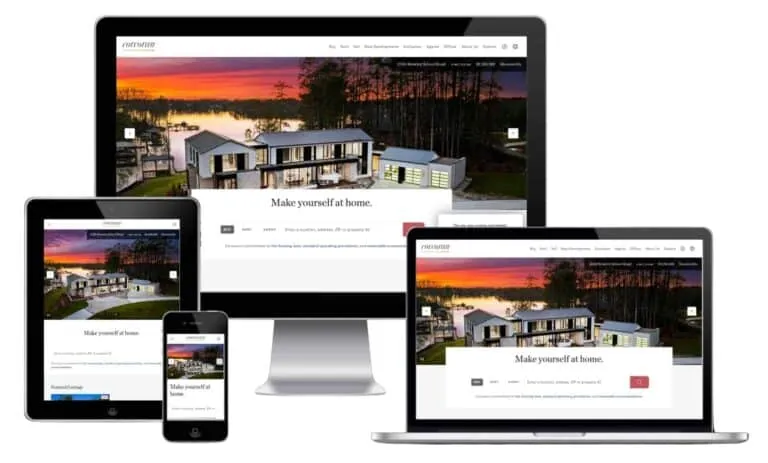
Corcoran Group
Luxury Real Estate | Template Rebuild + CWV
Web development and SEO for a premium New York real estate brand, one engagement covering both. Template rebuilds and Core Web Vitals work moved the loading metrics this page keeps talking about, with traffic and leads growing alongside. Whole-engagement numbers.
- 3.4s → 2.1s LCP
- 340ms → 195ms INP
- +120% Organic Traffic
-

Menards
B2C Ecommerce | BigCommerce
A home improvement catalog deep enough to break careless rebuilds. The storefront work paired category structure with disciplined page weight, and the engagement numbers below cover the web project whole.
- +245% Traffic
- +180% Conversions
- 2.3s Speed
-
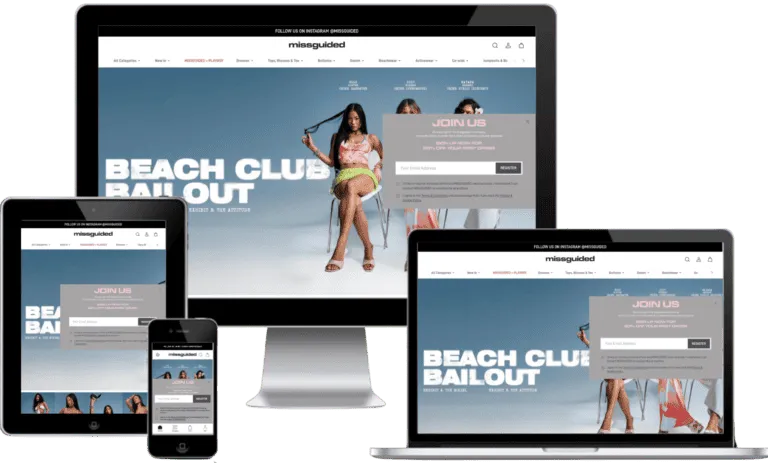
MissGuided
Fashion Ecommerce | Digital Refresh
A complete digital refresh for a fashion retailer whose revenue could not pause for a rebuild, the staged-launch case in commercial form. Numbers as published, covering the engagement whole.
- $2M-$3M Monthly Revenue
- 100K+ Visitors/mo
- 4.1% Conv. Rate
-
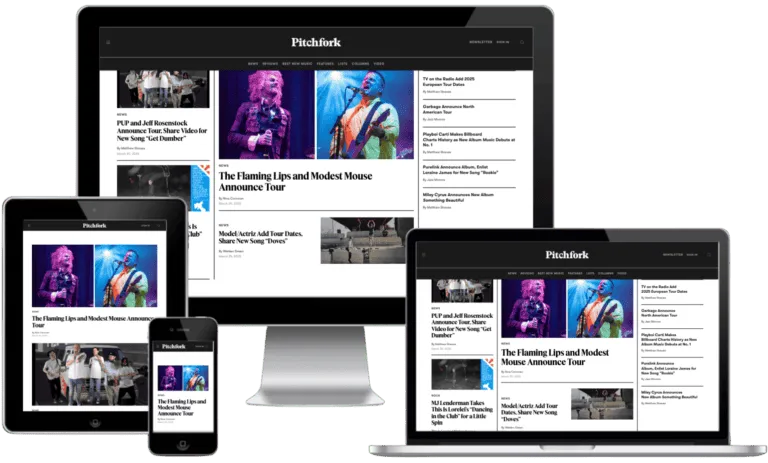
Pitchfork Media
Media Publishing | Speed at Scale
A refresh for an online music magazine with millions of monthly readers, where load time is the product. Publishing archives are where thin-looking pages carry the most equity, and the parity discipline earns its keep. Engagement-whole numbers.
- 2.6M Monthly Visitors
- -60% Load Time
- +320% Engagement
-

Culbertson Law
Family Law | Redesign + Local SEO
A Greensboro law firm whose rebuild ran inside a wider search and local program, the way most redesigns should. The registered engagement numbers below cover that program whole.
- +156% Organic Traffic
- +91% Qualified Calls
- 9 → 2 Map Pack
-

NY Endodontics Studio
NYC Dental Specialty | Conversion Rebuild
A Manhattan specialty practice that needed more booked consults from the visibility it already had. The rebuild ran with local search work as one program; numbers cover the engagement.
- 110% Organic Sessions Lift
- 96% New Users
- 132% GBP Discovery Views
-
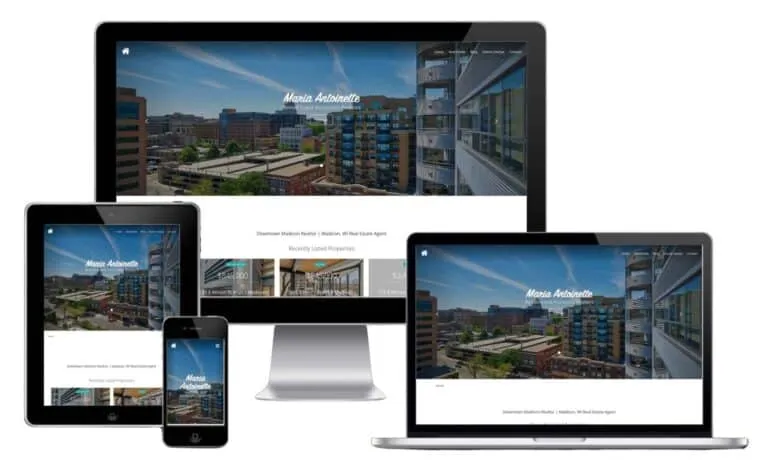
Maria Antoinette
Madison Real Estate | Site + Local Program
A Madison realtor whose dated site undersold real local expertise. The rebuild and the local search program ran together, and the registered numbers below read across that whole engagement.
- 4 → 24 monthly Organic Leads
- 70% Organic Traffic Growth
- 60% Local Visibility
-
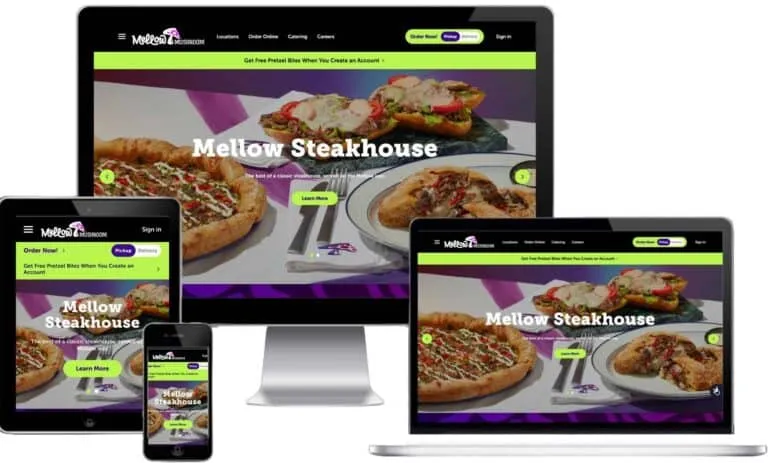
Mellow Mushroom
Pizza Franchise | Ordering Paths
Website and local search work for a national pizza franchise, run as one program. Clearer ordering paths and location templates carried the redesign’s conversion argument at franchise scale.
- +245% Online Orders
- +312% Local Traffic
- Top 3 Local Pack
-

Brilliant Earth
Fine Jewelry | Ecommerce Templates
Redesigned product paths and category templates for an ethically sourced jewelry retailer, paired with search work so the traffic growth carried through to purchases. Numbers as published, engagement whole.
- +428% Organic Traffic
- 3.8% Conv. Rate
- +186% Revenue
-

Original Penguin
Retail | Store Page Rollout
Store pages and profiles rebuilt location by location for a heritage apparel brand, the template-by-template rollout discipline a large redesign runs sitewide. Engagement numbers, reported as tracked.
- 10,400 → 24,600 Store Page Sessions
- 1,280 → 2,840 GBP Actions
- 195k → 410k Impressions
The full write-ups for this family live in our web design case studies, sliced by platform so you can find sites shaped like yours.
Meet Your Website Redesign Team
The designers and developers who rebuild the site, and the search specialists who make sure it keeps what it earned.
-

Jobin John
Chief Executive Officer
-

Justin Brown
Head of Search Engine Optimization
-

Bryan Thomson
Head of Web Design & Development
-

Ina Komins
Head of Social Media Marketing
-

Kierra Pita
Head of Advertising & Content Marketing
-

Patricia Turner
Chief Creative Officer
-

William Carter
Chief Digital Strategy Officer
-

Andrew Miller
Senior SEO Strategist
-

Amy Robinson
Content Marketing Manager
-

Betty Harrison
PPC Campaign Specialist
-

Anthony Carter
Lead Digital Account Executive
-

Amanda Cooper
Social Media Director
-

Carol Parker
Senior Client Success Manager
-

Barbara Bennett
Email Marketing Lead
-

Charles Turner
Technical SEO Analyst
-

Brian Sullivan
Creative Director
-

Christine Walker
Director of Project Management
-

Christopher Brooks
Digital Marketing Strategist
-

Daniel Wright
Senior Analytics Specialist
-

David Henderson
Lead Content Strategist
-

Donna Mitchell
Client Communications Manager
-

Elizabeth Foster
Director of Paid Advertising
-

Emily Baredi
Brand Experience Specialist
-

Emma Scott
Social Media Content Creator
-

George Crawford
Technical Solutions Architect
-

Jacob Evans
Digital Content Coordinator
-

James Anderson
Marketing Automation Specialist
-

Jason Palmer
Junior Copywriter
-

Jeffrey Reynolds
Paid Media Analyst
-

Jennifer Lewis
Community Engagement Specialist
-

Jonathan Murphy
SEO Reporting Specialist
-

Joseph Morgan
Influencer Marketing Coordinator
-

Kenneth Stevens
Digital PR Manager
-

Kimberly Harper
Digital Marketing Intern
-

Kevin Morris
SEO Outreach Specialist
-

Lee Dawson
Junior Web Developer
-

Linda Peterson
Email Campaign Coordinator
-

Lisa Thompson
Social Media Ads Specialist
-

Margaret Bradley
Marketing Operations Lead
-

Mark Richards
Data & Insights Analyst
-

Mary Kennedy
Senior Copyeditor
-

Matthew Clark
Growth Marketing Manager
-

Michelle Sanders
Junior Marketing Designer
-

Michael Foster
Senior Conversion Rate Specialist
-

Nancy Wheeler
Digital Analytics Manager
-

Nicholas Pierce
Affiliate Marketing Specialist
-

Nicole Adams
Outreach Program Coordinator
-

Paul Franklin
Paid Social Campaign Manager
-

Richard Barnes
Reputation Management Specialist
-

Robert Murphy
Lead Solutions Architect
-

Ronald Davis
Marketing Technology Analyst
-

Ryan Bell
Paid Media Buyer
-

Sandra Gregory
Digital Account Coordinator
-

Scott Hopkins
CRM Implementation Specialist
-

Shirley Ellis
Customer Insights Manager
-

Stephanie Cross
Brand Content Designer
-

Steven Greene
Web Analytics Specialist
-

Susan Price
Affiliate Campaign Manager
-

Thomas Fisher
Lead Technical Architect
-

Timothy Nash
Mobile Marketing Strategist
Website Redesign FAQs
Do you migrate all of my existing content?
Everything survives the move by decision, not by default. Pages that rank move verbatim, weak pages get rewritten or merged, and genuinely dead pages retire with an honest 410. Images travel with their alt text and file names, and the parity audit checks the result against the capture page by page, so nothing disappears by accident.
Can you redesign my site on a new platform?
Yes: we move sites between WordPress, Shopify, Squarespace, Wix, BigCommerce, Magento, and custom stacks, with content, URLs, and redirects carried as one project. But replatforming is a separate decision from redesigning, with its own costs, and the audit argues it on evidence. When your current platform can deliver the goals, we say so and quote the smaller project.
Will my website be down during the redesign?
No. The new site is built on a private, noindexed preview while your current site serves visitors untouched. Launch is a DNS switch with redirects live from the first minute, and the old host stays reachable behind the new site until stability is proven, which turns a rollback from a crisis into a settings change.
Do you monitor rankings after launch?
Yes, and we consider a redesign unfinished without it. The watch window runs through the first weeks after the flip: Search Console read daily, 404 logs checked for redirect gaps, and page-level rank tracking on the money terms the audit flagged. A slipping page gets caught and fixed in days, not discovered in a quarterly report.
What happens to my forms, tracking, and analytics history?
They move deliberately. Your analytics property carries over so the historical record stays unbroken, conversion events and goals get rebuilt and tested before launch, and form endpoints are verified end to end, including where the leads land. Tracking continuity is a launch gate on our checklist because it is the thing rebuilds most often break silently.
Do you provide training after the redesign?
Yes. Your team learns to update pages, publish posts, and manage media confidently, with recorded walkthroughs and documentation you can revisit after the handoff. A redesign that leaves you dependent on the agency for every comma has failed one of its own goals: the hard-to-update problem is one of the eight signs that started the project.
Do you redesign ecommerce websites?
Yes: Shopify, WooCommerce, BigCommerce, and Magento stores, with products, categories, customer accounts, and order history migrated and the URL equity of category and product pages preserved. Ecommerce redesigns carry the highest preservation stakes on this page, because category URLs often hold rankings worth more than the design budget itself.
What should I look for in a website redesign agency?
Ask how they build the redirect map and when; the honest answer is from a full crawl, before design starts. Ask what happens to pages that rank, how launch is staged, and how long rankings get watched afterward. Walk away from a quote produced before anyone counted your URLs, and from a two-week full redesign, which only fits by skipping the preservation work.
What does it cost to maintain the site after launch?
Maintenance runs from $150/month: platform updates, backups, security monitoring, and small content changes, scaled by platform and site size. We put the number in the proposal rather than leaving it for later, because a rebuilt site with no maintenance plan starts aging toward its next redesign immediately, and that cost belongs in your math today.
What is included in Egochi’s website redesign service?
A parity audit of the current site, a page-by-page redirect map with single-hop 301s, content migration, the redesigned build itself, metadata and schema parity, Core Web Vitals work, a staging review before launch, and a post-launch watch window. The rebuilt site is yours outright, and deliverables are named in the written scope by page and phase, so nothing hides behind the phrase full redesign.
How do I choose a website redesign company?
Ask five things before you sign. How will my current rankings be protected, and can I see a redirect map from a past project? What gets migrated verbatim and what gets rewritten? Is there a staging review before launch? Who watches the site in the weeks after? And what does the quote include, page by page? A shop that cannot answer the first question in specifics is pricing a rebuild, not a redesign.
Ready for a New Site That Keeps Its Rankings?
Tell us about your website and we will send back a redesign review with real findings in it: which pages carry your rankings, whether the evidence says rebuild, refresh, or leave it alone, and what the project honestly costs. If the answer is the smaller project, the review will say so.
Questions? Call (888) 644-7795 or email care@egochi.com
Egochi Stats
- 250+ Google Reviews
- 5.0 Clutch Rating
- 12+ Years Experience
- $200M+ Revenue Generated
- 4 US Offices
- 190+ Clutch Reviews
Blog Posts
- Aug 12, 2026 GEO vs. SEO: A Comparative Guide for Digital Marketers
- Aug 12, 2026 What is llms.txt? | How to Create llms.txt file for your website
- Aug 12, 2026 What is Semantic SEO? | How to Build Topical Authority That Ranks
- Aug 12, 2026 What is Schema Markup? | How to Add Structured Data to Your Website
- Aug 12, 2026 How to Optimize for Voice Search: A Realistic 2026 Guide