Franchise Digital Marketing Agency
Egochi is a franchise digital marketing agency for franchisors and franchisees who need one brand to perform in many markets at once. Every franchise program has two audiences: corporate wants brand control and a report that rolls the whole system up, and each franchisee wants their own phone to ring. Egochi builds programs that serve both, system-wide strategy with per-location execution, so the numbers corporate reviews and the numbers each owner acts on come from the same source. The honest failure mode in franchise marketing is a campaign that wins on average while half the locations starve; we report unit by unit so that never hides. Plans start at $1,500 monthly, pricing Egochi publishes up front. Start with a free audit of your system's per-location visibility.
Get Your Free Franchise Marketing Audit See What's Included
- 250+ Google Reviews
- 190+ Clutch Reviews at 5.0
- Google Premier Partner
As Featured In





What Makes Franchise Marketing Different
Four tensions Egochi helps every franchise system settle before marketing can work.
The average is the failure mode
A system-wide campaign can post a strong blended return while a third of the locations see nothing, because averages flatter the report and starve the outliers. Egochi reports unit by unit, so a struggling location shows up as a line item that gets budget and attention, not a rounding error.
Two audiences, one program
Corporate wants brand control and a roll-up it can put in front of leadership; each franchisee wants their own phone to ring and proof their contribution paid for it. Programs built for only one audience lose the other, and losing franchisee trust kills participation faster than bad results do.
Brand consistency is a workflow, not a veto
When every local post or ad waits on corporate sign-off, nothing local ships and owners route around the rules. The fix Egochi installs is governance: locked brand elements, a pre-approved library that publishes instantly, and a fast review lane for local originals. Make compliance quicker than going rogue.
Budget fairness decides buy-in
Equal splits feel fair and perform badly; opportunity-weighted allocation performs and feels rigged unless the math is public. Egochi publishes the allocation logic, search volume, competition, unit capacity, so every owner can see why their market got its number and what would change it.
What's Inside a Franchise Marketing Plan
Six services Egochi runs as one system: system-wide strategy, per-location execution, and reporting both audiences trust.
-
Franchise Search Rankings
Egochi builds search engine optimization for multi-location systems: location pages that rank in their own markets without duplicate-content traps. Full detail on our franchise SEO service at /digital-marketing-services/franchise-seo/.
-
Location Marketing Foundations
Egochi manages Google Business Profiles, listings, and review cadence per unit, the local presence work that decides which location the map shows first.
-
Territory-True Paid Search
Egochi runs PPC campaigns fenced to each franchisee’s territory, with budgets allocated by market opportunity and every conversion traced to a specific unit.
-
On-Brand Local Social
Egochi keeps local pages acting local inside corporate guardrails, fed by a shared content engine and governed by approval lanes that keep posting fast.
-
Roll-Up and Unit Reporting
Egochi delivers one dashboard for corporate with system trends and brand-fund accountability, and a per-location view each owner can read in five minutes and act on.
-
Franchise Development Add-On
Egochi runs campaigns for recruiting new franchisees as a separate track, because investor and consumer audiences never overlap. Added only when a system is actively selling units.
How Franchise Systems Earn Visibility in AI Search
Both franchise audiences now start with an assistant. Customers ask Google AI Overviews, ChatGPT, Gemini, and Perplexity for the nearest location, its hours, and whether the brand serves their town; prospective franchisees ask which franchises fit their budget and what ownership actually costs. Egochi structures per-location entity, NAP, hours, and review data at scale so the systems resolve every unit, and keeps brand-level and location-level signals consistent.
Google AI OverviewsChatGPTGeminiPerplexity
-
Every unit resolvable by the assistants
When a customer asks ChatGPT or Gemini for the nearest location, the answer comes from structured location data, profiles, and citations. Egochi maintains per-unit schema, exact name, address, and phone details, and hours across the whole system, so the assistant finds the right unit instead of skipping the brand.
-
System and unit signals that agree
AI engines cross-check what the brand site, each location page, and every profile say about a unit, and mismatches read as unreliability. Egochi keeps the franchisor-level entity and each franchisee-level presence telling the same story, which is governance work as much as markup.
-
Reviews decide the recommendation
Perplexity and Google AI Overviews lean on review volume and recency when a user asks which nearby option to trust, and they weigh it per location, not per brand. The per-unit review cadence Egochi runs is the same asset those engines read.
-
Franchise buyers ask assistants too
Prospects researching ownership now ask AI systems which franchises fit a budget and how systems compare. For franchisors recruiting owners, Egochi structures development content, investment ranges, and credentials so those answers cite the brand accurately, in the same answer-first shape that wins classic search.
Franchisors and Franchisees Need Different Marketing
One brand, two buyers: the system and the operator. Egochi runs programs for both, and we say plainly which side each deliverable serves.
-
Franchisors
Egochi builds system-wide visibility architecture: a location page model that scales without duplicate-content rot, brand standards the local work stays inside, and franchise development campaigns that recruit qualified operators rather than form-fillers.
-
Franchisees
Egochi runs local marketing inside brand guardrails: your territory's rankings, reviews, and ads, coordinated with corporate requirements and co-op rules so the local spend builds your unit's revenue, not just the brand's.
-
Emerging franchise brands
Challenger systems with a handful of units need proof more than polish: early location pages done right, a replicable local playbook, and marketing assets that help sell the next franchise as much as the next customer.
How a Franchise Engagement Runs
-
System-wide visibility audit
Egochi audits every location: search rankings in its own market, Google Business Profile health, review counts, and where current spend actually lands. Corporate gets the roll-up; each owner gets their own page of it.
-
Governance before campaigns
Egochi draws the lanes with corporate: what the brand locks, what locations may publish freely, what needs review and how fast review happens. Campaigns launched before governance turn into enforcement problems later.
-
Per-unit foundations
Location pages, profiles, listings, and review cadence get built or repaired unit by unit, because every later channel pays out through this layer. Weak foundations are why identical campaigns produce unequal results.
-
Channels by market, not by habit
Search, paid media, and social roll out per market based on opportunity: a dense metro unit and a small-town unit get different mixes. Egochi publishes the allocation logic to every owner.
-
Two-audience reporting
Corporate reads system trends and brand-fund accountability in one dashboard; each franchisee reads what their budget bought in their territory. Both views come from the same data, so the numbers never argue.
Questions Franchisors and Franchisees Ask
The brand fund already runs national campaigns. Why add local programs?
National campaigns build recognition; they rarely make a specific phone ring. The searches that produce customers name a service and a place, and they resolve at the location level through local rankings, profiles, and reviews. Systems that stop at national reach hand those searches to whichever independent competitor did the local work. Egochi builds the local layer those campaigns are missing.
If we loosen control, will franchisees damage the brand?
Brand damage usually traces to absence, not freedom: owners improvised because corporate provided nothing they could use. Locked elements, ready-to-post material, and a review lane that answers in days remove both the need and the excuse to improvise. Locations get room to be local, and the brand stays recognizable without policing.
Could each franchisee just hire a local agency?
Some do, and the system pays for it three ways: forty different versions of the brand, no comparable numbers across units, and forty separate learning curves billed at full price. A single program costs less per unit, keeps the brand recognizable, and lets what works in one market transfer to the rest in weeks.
What should a system expect in the first six months?
Foundations move first: profiles cleaned, location pages live, reviews climbing, spend redistributed to the territory map. Lead flow improves unevenly, strongest where foundations were weakest, and Egochi's per-unit reports make that visible. Judge the program on trend lines per location by month six, not on a system average in month two.
Common Mistakes to Avoid
-
Reporting the system average and calling it success while a third of the units get nothing from the spend.
-
Routing every local post and ad through slow corporate review until owners stop submitting anything at all.
-
Splitting budget equally across units because it avoids arguments, instead of by what each market can return.
-
Mixing franchise development and consumer campaigns, which muddles both audiences and both reports.
-
Collecting marketing fees without showing each owner what their share bought, the fastest way to lose buy-in.
Franchise Marketing Case Studies
Egochi publishes these receipts from chain, branch, and multi-market engagements, with the franchise restaurant leading. Every number restates the client's published case study, and the roster receipts are labeled for what they are.
-
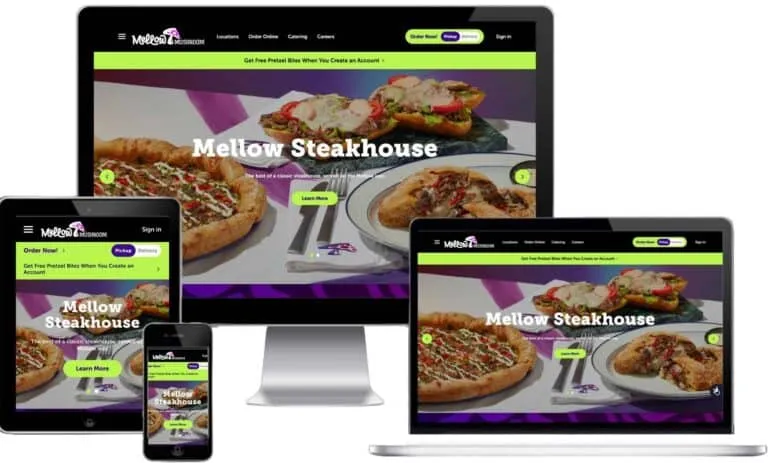
Mellow Mushroom
Restaurant Franchise | Local SEO & PPC
A franchise pizza brand whose locations each had to win their own neighborhoods. Egochi ran the local search and paid program that put units in the local pack and turned nearby searches into online orders.
- +312% Local Traffic Growth
- +245% Online Orders Increase
- Top 3 Local Pack Position
-
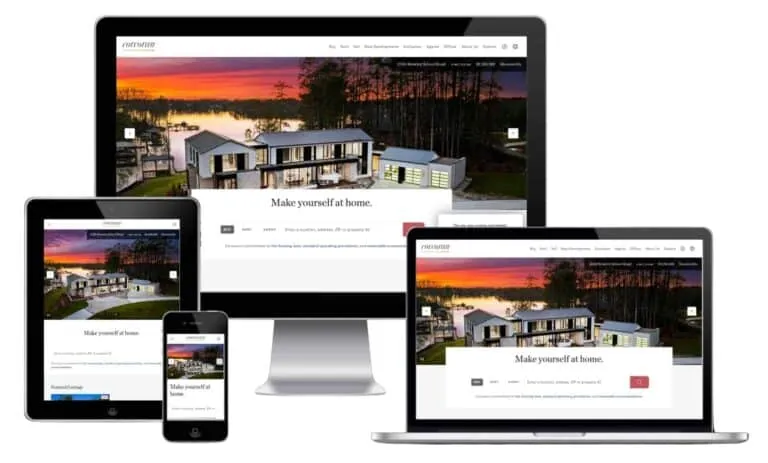
Corcoran Group
Real Estate Brokerage | New York
A brokerage with offices across New York submarkets, the same one-brand-many-territories problem every franchise system carries. Egochi rebuilt the search architecture its published numbers restate.
- +120% Organic Traffic Lift
- +288% Lead Growth
- 13.8 → 4.2 Average Position
-
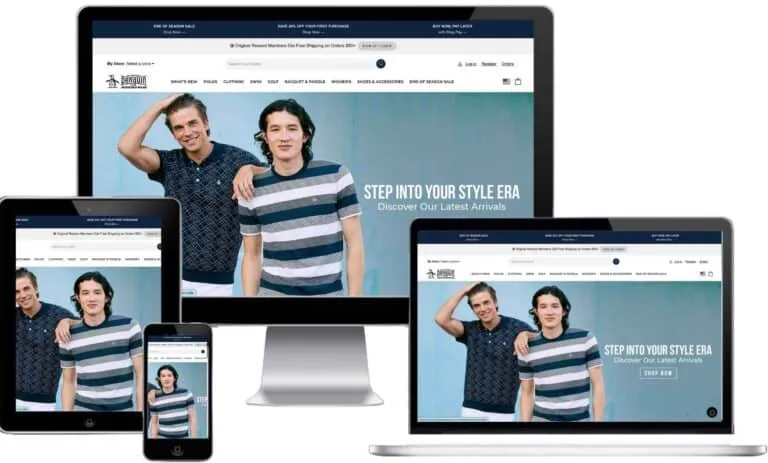
Original Penguin
Apparel Retail | South Florida Stores
A multi-store apparel presence where each location needed its own local demand. Egochi built the store pages and profile alignment behind these published figures.
- 10,400 → 24,600 Store Page Sessions
- 1,280 → 2,840 GBP Actions
- 195k → 410k Search Impressions
-
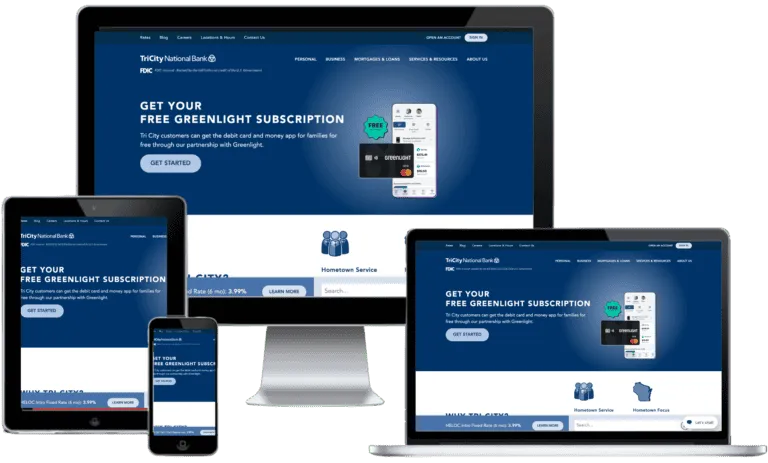
TriCity National Bank
Community Bank | Branch Network
A Wisconsin bank whose branches serve their own towns under one brand, governance and all. Egochi ran the search, paid, and email program its published numbers restate.
- +90% Organic Traffic Surge
- +77% PPC Conversion Rate
- +80% Email Engagement Lift
-
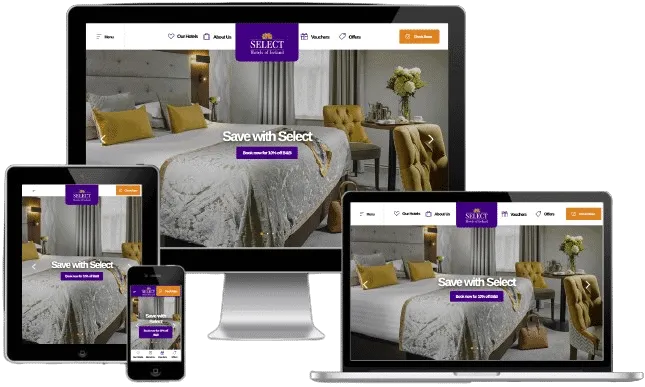
SELECT Hotels
Hotel Group | Multi-Property
A hotel group selling several properties through one site, the multi-unit conversion problem in another industry. Egochi built the experience these published numbers came from.
- +70% Inquiry Surge
- +55% Booking Conversion Lift
- +65% User Satisfaction Rise
-
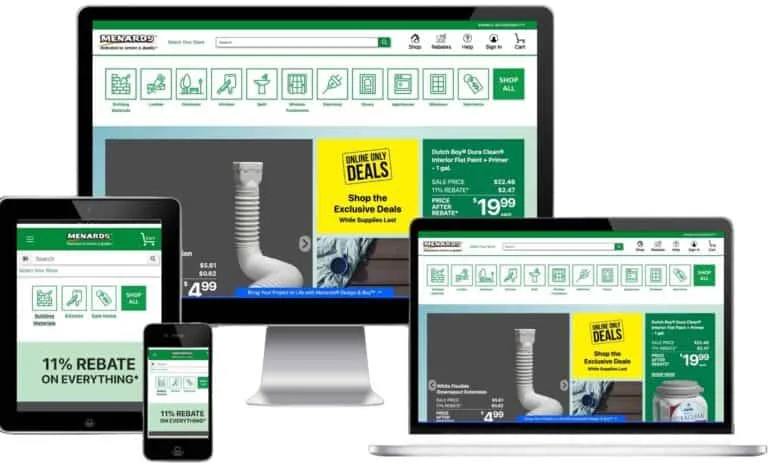
Menards
Home Improvement Retail | National
A national retail roster receipt: Egochi ran the SEO program these numbers restate, proof the method holds when the brand is a household name across hundreds of markets.
- +$8.7M Organic Revenue Added
- +250% Organic Traffic
- +435% Transactions
See How Egochi Works
A short look at how our team plans, builds, and reports on client work.
Is This Right for You?
This is for you if
- You are a franchisor who needs system-wide marketing that individual owners can see working in their own numbers.
- You are a franchisee whose corporate program looks fine in the aggregate but is not making your phone ring.
- You operate multiple units across markets and need budgets, reporting, and results split cleanly between them.
This may not be the right fit if
- You want franchise development as the core program: recruiting new owners is a separate intent we run only as an add-on to consumer marketing.
- Your franchise agreement routes all marketing through a mandated corporate vendor; check the agreement first and we will scope around what it allows.
See the work: Local SEO case studies · Google Business Profile case studies
What Clients Tell Us
Working with Egochi transformed our lead generation. They understood our B2B sales cycle and created content that attracts decision-makers. Marketing qualified leads increased 250% and our sales team loves them.
The Complete Franchise Program
This page is one part of a five-part program. Each piece works alone and works better together.
-
Franchise SEO
Search visibility for every territory under one brand.
-
Franchise PPC Management
Territory-true campaigns where no unit pays for another's clicks.
-
Franchise Social Media Marketing
On-brand local pages fed by a shared content engine.
-
Franchise Website Design
Location architecture where every unit ranks and new ones launch in days.
Common Questions About Franchise Marketing
-
How much does franchise marketing cost?
Egochi's franchise marketing plans start at $1,500 monthly and scale with system size and the channels each market needs. Funding varies by system: some corporates pay from the brand fund, some split costs with franchisees, some units buy in directly. We price it up front and show every location what its share bought.
-
How do franchises show up in AI search results?
Customers ask Google AI Overviews, ChatGPT, Gemini, and Perplexity for the nearest location and its hours, and franchise buyers ask which systems fit their budget. Both answers come from structured data: per-location entity, NAP, hours, and review signals for customers, and clear investment and credential content for buyers. Egochi structures both layers so the assistants resolve every unit and describe the brand accurately.
-
Should franchise marketing be run by corporate or by franchisees?
Both, in defined lanes. Corporate should own brand standards, system-wide campaigns, and the reporting spine; franchisees should own local offers, community presence, and their unit’s budget decisions inside those standards. Systems that centralize everything lose local energy; systems that decentralize everything lose the brand. The governance model matters more than the org chart.
-
Do you handle franchise development marketing?
As an add-on, not the core. Selling franchises targets investors researching a business purchase; filling locations targets consumers. Different searches, different audiences, different pages, and mixing them weakens both. Egochi runs consumer marketing first and attaches a franchise development campaign when a system is actively recruiting owners.
-
How do I choose a digital marketing agency for a franchise system?
Ask how they report: a system average that hides starving locations is the failure mode, so unit-by-unit numbers are non-negotiable. Ask whether the budget allocation logic gets published to every owner, how governance keeps local posting faster than going rogue, and whether franchisee and corporate views come from the same data. Ask for pricing up front, and how each location sees what its share bought. Egochi answers all of it before the first invoice.
Awards and Partnerships Egochi Holds in 2026
-

Egochi Named 2026 Top Digital Marketing Agency by Clutch
Clutch, a B2B market research and reviews platform, names Egochi a top digital marketing agency for 2026. The distinction rests on overall market presence and, most importantly, verified client feedback. Egochi holds a 5.0 rating across 190+ reviews on Clutch.
-
Egochi Is a Certified Google Premier Partner
Egochi is a certified Google Premier Partner, a status Google grants to the top 3% of participating advertising agencies each year. The tier is earned on campaign performance, sustained client growth, and advanced Google Ads certification, and Google reviews it annually rather than granting it for life.
The Team Behind the Work
-

Jobin John
Chief Executive Officer
-

Justin Brown
Head of Search Engine Optimization
-

Bryan Thomson
Head of Web Design & Development
-

Ina Komins
Head of Social Media Marketing
-

Kierra Pita
Head of Advertising & Content Marketing
-

Patricia Turner
Chief Creative Officer
-

William Carter
Chief Digital Strategy Officer
-

Andrew Miller
Senior SEO Strategist
-

Amy Robinson
Content Marketing Manager
-

Betty Harrison
PPC Campaign Specialist
-

Anthony Carter
Lead Digital Account Executive
-

Amanda Cooper
Social Media Director
-

Carol Parker
Senior Client Success Manager
-

Barbara Bennett
Email Marketing Lead
-

Charles Turner
Technical SEO Analyst
-

Brian Sullivan
Creative Director
-

Christine Walker
Director of Project Management
-

Christopher Brooks
Digital Marketing Strategist
-

Daniel Wright
Senior Analytics Specialist
-

David Henderson
Lead Content Strategist
-

Donna Mitchell
Client Communications Manager
-

Elizabeth Foster
Director of Paid Advertising
-

Emily Baredi
Brand Experience Specialist
-

Emma Scott
Social Media Content Creator
-

George Crawford
Technical Solutions Architect
-
Jacob Evans
Digital Content Coordinator
-

James Anderson
Marketing Automation Specialist
-

Jason Palmer
Junior Copywriter
-

Jeffrey Reynolds
Paid Media Analyst
-

Jennifer Lewis
Community Engagement Specialist
-

Jonathan Murphy
SEO Reporting Specialist
-

Joseph Morgan
Influencer Marketing Coordinator
-

Kenneth Stevens
Digital PR Manager
-

Kimberly Harper
Digital Marketing Intern
-

Kevin Morris
SEO Outreach Specialist
-

Lee Dawson
Junior Web Developer
-

Linda Peterson
Email Campaign Coordinator
-

Lisa Thompson
Social Media Ads Specialist
-

Margaret Bradley
Marketing Operations Lead
-

Mark Richards
Data & Insights Analyst
-

Mary Kennedy
Senior Copyeditor
-

Matthew Clark
Growth Marketing Manager
-

Michelle Sanders
Junior Marketing Designer
-

Michael Foster
Senior Conversion Rate Specialist
-

Nancy Wheeler
Digital Analytics Manager
-

Nicholas Pierce
Affiliate Marketing Specialist
-

Nicole Adams
Outreach Program Coordinator
-

Paul Franklin
Paid Social Campaign Manager
-

Richard Barnes
Reputation Management Specialist
-

Robert Murphy
Lead Solutions Architect
-

Ronald Davis
Marketing Technology Analyst
-

Ryan Bell
Paid Media Buyer
-

Sandra Gregory
Digital Account Coordinator
-

Scott Hopkins
CRM Implementation Specialist
-

Shirley Ellis
Customer Insights Manager
-

Stephanie Cross
Brand Content Designer
-

Steven Greene
Web Analytics Specialist
-

Susan Price
Affiliate Campaign Manager
-

Thomas Fisher
Lead Technical Architect
-

Timothy Nash
Mobile Marketing Strategist
Certified & Accredited


One Brand, Many Markets. Make Every Location Count.
Tell us your system size and markets. Egochi, a 5.0 rated agency across 190+ Clutch reviews, shows where blended numbers are hiding underperforming units and what fixing them is worth.
Egochi Stats
- 250+ Google Reviews
- 5.0 Clutch Rating
- 12+ Years Experience
- $200M+ Revenue Generated
- 4 US Offices
- 190+ Clutch Reviews
Blog Posts
- Aug 12, 2026 GEO vs. SEO: A Comparative Guide for Digital Marketers
- Aug 12, 2026 What is llms.txt? | How to Create llms.txt file for your website
- Aug 12, 2026 What is Semantic SEO? | How to Build Topical Authority That Ranks
- Aug 12, 2026 What is Schema Markup? | How to Add Structured Data to Your Website
- Aug 12, 2026 How to Optimize for Voice Search: A Realistic 2026 Guide