Content Marketing Services
Fewer, deeper pieces that rank, convert, and get cited, instead of a publishing quota that looks busy and sells nothing.
Content marketing services from Egochi cover content strategy, production, and measurement for businesses that would rather own twenty pages that sell than two hundred posts that sit. We build pillar pages, comparison content, proof pages, and email programs, and we judge every piece on rankings, conversions, and citations, never on volume.
Volume is easy to sell and easy to skip. Depth ranks, converts, and gets quoted.
As Featured In






What are content marketing services?
Content marketing services are the strategy, production, and measurement of content built to win customers: pillar pages, comparison pages, case studies, product copy, and email that answer what buyers ask before they purchase. Businesses hire the service to earn search traffic and AI citations without renting attention through ads. The output that matters is not a publishing calendar; it is content that ranks, converts, and gets quoted.
Egochi is a content marketing company that has run content programs since 2014 from offices in New York, Miami, Milwaukee, and Madison, with 250+ Google reviews and 190+ Clutch reviews at a 5.0 rating behind the work. Writers are assigned by vertical, you approve every piece before it publishes, and everything we produce is yours permanently. The next step costs nothing: a free content audit that shows what your current library earns and where the gaps are.
Content Across the Buyer Journey
Every stage of the decision has a content shape that fits it. A program that only writes for one stage leaves the rest of the pipeline to your competitors.
- Stage 1
Problem-Aware Research
Answer-first explainers
The buyer knows the symptom, not the solution yet. Explainers that answer the first question directly earn the visit, build brand awareness, and introduce the fix, and they only pay off when they link somewhere with buying intent.
- Stage 2
Comparison and Consideration
Honest versus pages and pricing breakdowns
The buyer is weighing options and wants the trade-offs named. Comparison pages that give competitors fair credit get trusted, shared, and quoted by AI answers; one-sided versions get closed.
- Stage 3
Decision and Bottom-Funnel
Service copy, case studies, pricing pages
The pages that take the order. This stage earns most of the revenue and gets written last by most teams, because these pieces are harder than blog posts. We write them first.
- Stage 4
Retention and Repeat Purchase
Email and newsletter programs
The cheapest revenue is from customers you already won. Email built on the same content engine keeps the brand present between purchases and turns one-time buyers into a list you own.
How much content do I actually need?
Less than most agencies quote. The real measure is coverage, not cadence: does a strong page exist for every question your buyers ask on the way to a purchase? A services firm might need twenty pages done well; an ecommerce catalog might need hundreds. The audit maps that gap and sequences it by revenue impact, and when the gap closes, production slows on purpose.
Content Types We Create
Six formats, one standard: every piece has a query, a buyer, and a job before it gets a draft.
-
Pillar and Hub Pages
Definitive pages on the topics your business must own, wired to the cluster of pages beneath them. Pillars concentrate authority instead of scattering it across forty disconnected posts.
-
Comparison and Pricing Content
The pages buyers read last before contacting someone: X versus Y, alternatives, and real cost breakdowns. Most competitors will not publish prices, which is exactly why these pages win.
-
Case Studies and Proof Pages
Documented engagements with the client named and the numbers on record. Proof content closes deals that no volume of blog posts can touch, and it feeds every sales conversation.
-
Product and Service Page Copy
The money pages themselves: conversion copywriting aimed at the query, the objection, and the next step. Traffic that lands on a weak service page was expensive to earn and free to lose.
-
Data Stories and Original Research
Surveys, benchmarks, and analyses that create facts nobody else has. Original numbers, designed into infographics and charts, earn links and press coverage that outreach alone cannot buy, and they keep getting cited for years.
-
Email and Newsletter Content
The channel you own outright. Every strong piece becomes email material, and the list keeps working when algorithms change, because no platform can take your subscribers away.
What we do not sell as content marketing: daily blog filler. Four thin articles a week look like progress in a status call and do nothing in a revenue report. If a piece has no query, no audience, and no job, we will not write it, whatever that does to the deliverable count.
Why Fewer, Deeper Pieces Win Now
Search has spent years learning to tell depth from padding. Pages that show first-hand experience, name real trade-offs, and answer the query directly keep winning against longer pages assembled from what already ranked. Word count was never the ranking factor; being the page that settles the question is.
AI answers raised the bar again. When ChatGPT, Perplexity, or Google AI features answer a buying question, they quote specific passages: clear definitions, sourced numbers, direct claims. A thin post gives an engine nothing to quote. The mechanics of making a page citable are covered in our generative engine optimization services; the raw material is content with something quotable in it.
The last honest correction is about traffic itself. Traffic that never converts is not an asset; it is a cost center with a dashboard. The test we hold every piece to is simple: does it move on queries with buying intent, and can the visit become a lead, a sale, or a cited answer? A content program that cannot pass that test is publishing for its own sake.
Our Content Marketing Process
Five steps, run in order, every engagement. The audit decides what gets written; the briefs decide how; the measurement decides what happens next.
-
Content Audit and Coverage Map
Every existing URL gets a verdict: keep, refresh, consolidate, or cut. The coverage map that results is the content marketing strategy: the questions your buyers ask that no page answers, sequenced by revenue impact, not by what is easiest to write. In vertical work the map is built around the offering page, the condition, procedure, practice-area, class, or collection page, because that page, not the blog, is usually the true ranking unit.
-
Briefs Before Drafts
Each piece gets a brief: the single query it targets, the intent it serves, the pages it must not compete with, the internal links it carries, and the original insight that earns its ranking. No brief, no draft.
-
Production With Expert Review
Writers matched to your vertical draft from interviews with your team, so the pages carry knowledge competitors cannot copy. You approve every piece before it publishes, and everything we produce is yours.
-
Publication and Internal Linking
On-page work ships with the piece: titles, headings, schema where it fits, and internal links that wire the new page into its hub and toward the money pages it supports. No orphan posts.
-
Measurement and Refresh
Performance is read in queries with buying intent, conversions, and citations, not raw traffic. Winners get expanded, decaying pages get refreshed, and pieces that never earned their place get consolidated instead of defended.
Content production at Egochi runs as the Create stage of VERTEX Search™, the search framework inside the EGOCHI VERTEX™ Growth System, so every piece ships already wired into the rankings work around it.
How much does content marketing cost?
Content marketing at Egochi starts at $1,500 monthly and scales with the depth and volume of the pieces, research requirements, and whether the program includes original data work, up to $15,000 for full-funnel engagements. You pay for fewer, deeper assets rather than a post count. The free content audit ends with a fixed quote, so the full fee is known before you commit.
Content Agency vs In-House vs Freelancers
Three honest ways to get content made. Each one wins something real; the right choice depends on the gap you are actually trying to close.
| Factor | Content Agency (Egochi) | Freelancers | In-House |
|---|---|---|---|
| Monthly Cost | $1,500 - $15,000 monthly, scoped by depth and volume | $500 - $3,000, per piece or light retainer | $8,000 - $20,000+ in salaries for a real team |
| Strategy | Coverage maps, briefs, and cannibalization checks included | Writers, not strategists, in most cases | Depends entirely on the hire |
| SEO Discipline | Keyword research and intent mapping built into every brief | Rarely trained past basic keyword use | Usually a separate skillset and hire |
| Product Knowledge | Learned through interviews and expert review | Hit or miss by assignment | Unmatched: they live with the product daily |
| Volume Flexibility | Scales up and down without hiring | Fine for volume once strategy exists | Capped by headcount and competing duties |
| Original Data and Design | Research, surveys, and design support in one team | Words only, in most cases | Needs additional hires or vendors |
| Measurement | Reported against queries with buying intent | Not included | Setup and discipline required |
| Best For | Programs judged on rankings, leads, and revenue | Extra production capacity under an existing strategy | Brands where daily product immersion is the content |
The Verdict
Give every option its honest due. An in-house writer beats any agency on product knowledge, because nobody outside the building lives with the product daily. Freelancers are the right call for volume when someone else owns the strategy. The gap an agency closes is everything around the writing: coverage maps instead of brainstorms, briefs with search demand behind them, pages wired into the site instead of orphaned, and measurement in revenue terms. Hire for the gap you actually have. The audit will say which case you are, even when the answer is not us.
Is Content Marketing Right for You?
This is for you if
- You sell a considered purchase: B2B, professional services, healthcare, high-ticket home services, anywhere buyers research for weeks and arrive with questions a strong page can answer before the first call.
- Your expertise is the product. Firms whose knowledge wins deals get outsized returns from content, because the pages carry the same authority the partners do, at scale and around the clock.
- You run an ecommerce catalog with category depth. Buying-decision content across categories compounds into rankings that product listings alone never earn.
This may not be the right fit if
- You need calls this week. Content compounds on a scale of months, and pretending otherwise is how bad agencies sell it. When the pipeline is empty right now, our PPC management services put offers in front of buyers within days, and content follows once the pressure is off.
- Your site has a technical ceiling. If crawl, indexing, or speed problems cap the pages you already have, new content inherits the cap on day one. Our technical SEO services clear the ceiling first, so every later piece lands on a site that can rank it.
Fair Questions Before You Hire a Content Marketing Agency
Why did our last 50 blog posts do nothing?
Run the autopsy and the same findings appear almost every time. The topics came from a brainstorm instead of search demand, so nobody was looking for them. Each post was too thin to beat the pages already ranking. Nothing linked up to the pages that sell, so even the posts that got read led nowhere. And the bottom-funnel pieces that produce revenue were never written, because a quota rewards easy posts. Ahrefs measured in 2023 that 96.55% of pages in their index get no traffic from Google at all; a mill program is a machine for adding to that pile.
Can AI just write our content now?
For drafting speed, yes, and we use drafting tools where they help. For the things that make content worth publishing, no. AI cannot supply first-hand experience, original data, a defensible opinion, or a fact it was never trained on, and those are exactly the signals search engines and AI answers reward, because they are exactly what readers cannot get anywhere else. Publish-at-scale AI content is the new thin content: cheap to make, identical to everyone else using the same prompt, and already being filtered the way the last generation of thin content was.
How long until content pays for itself?
Months, not weeks, and any agency promising faster is selling the exception. New pages on an established site usually show ranking movement inside three to six months, refreshes often move sooner, and bottom-funnel pieces tend to earn first because they enter smaller, higher-intent queries. The compounding is the point: a page that ranks keeps producing without new spend, which is why ROI judged at month twelve looks so different from ROI judged at week six. We set the timeline against your site in the audit, not after the contract.
Do we own the content you create?
Yes. Everything, always. Every piece is produced as work for hire: it publishes on your domain, under your brand, and stays yours permanently, along with the briefs, research, and editorial calendar behind it. If the engagement ends, nothing gets held back and nothing gets relicensed. Ask this question before hiring any content agency, and walk away from any answer longer than one sentence.
Content Marketing Case Studies
Receipts from engagements where content carried real weight. Where an engagement was bigger than content alone, the numbers cover the whole engagement, labeled honestly.
-

MissGuided
Fast Fashion Ecommerce
A fast-fashion brand competing on velocity. Topic clusters built around dresses, tops, and activewear turned category demand into rankings, with featured snippet wins carrying terms the product pages could not. Whole-engagement numbers, labeled honestly.
- 32,000 → 56,000 Organic Sessions
- +55% Revenue Growth
- 28 Featured Snippets Won
-

The Pioneer Woman
Food & Lifestyle Media
A content platform at a scale most brands never see, where every publishing decision moves real numbers. The work proved the same discipline that fixes a twenty-page library: format, structure, and internal links that keep readers on the site.
- 30M+ Monthly Visitors
- +45% Time on Site
- +250% Lead Generation
-

Pitchfork Media
Music Publication
A music publication with two decades of archives. The engagement centered on refresh over new: restructured content and faster pages that let an established library earn what it had already paid for. Whole-engagement numbers, labeled honestly.
- 2.6M Monthly Visitors
- +40% Organic Traffic
- -60% Load Time
-

Grown Brilliance
Luxury Jewelry Ecommerce
A lab-grown diamond retailer whose buyers research for weeks before spending thousands. Educational buying content and lab-versus-mined comparison pages met that research and carried it to product, with non-brand revenue as the scoreboard.
- 160K+ Organic Visits
- $2.1M → $4.2M Non-brand Organic Revenue
- +80% Conversion Increase
-

Menards
Home Improvement Retail
A national home improvement retailer with a catalog too wide for thin copy. Category content and project explainers matched to how shoppers search turned informational demand into transactions. Whole-engagement numbers, labeled honestly.
- +$8.7M Organic Revenue
- +250% Organic Traffic
- +435% Transactions
-
Pro Numb
Topical Anesthetic Brand
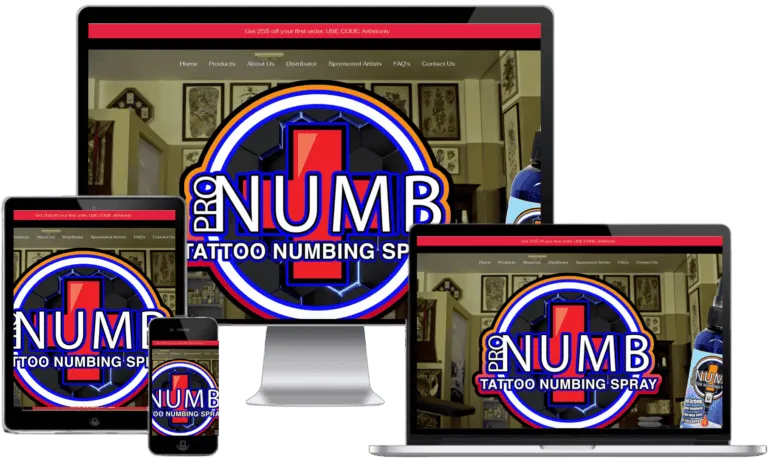
A numbing spray brand in a category full of first-time questions. FAQ and extraction-ready content built to be quoted won featured snippets and AI-surface presence for competitive terms, with revenue on record.
- +340% Organic Traffic
- 47 Featured Snippets Won
- $2M+ Monthly Revenue
What Our Content Marketing Clients Say
-

Krispen Culbertson
Sr. Partner, Culbertson Law
"Finally, content that converts"
Egochi built practice-area pillar pages that rank for competitive keywords and turn readers into consultations. Qualified calls rose 91% across the whole engagement, with signed cases going from 8 to 41 monthly. Quality over quantity works. Source: CallRail and case records.
-

Maria Antoinette
Founder, Antoinette Realtors
"Our neighborhood pages rank"
Egochi replaced our listing-feed blog with neighborhood pages built around how buyers actually search, and organic leads grew from 4 to 24 monthly in 3 months across the whole engagement. Source: GA4 and GBP Insights.
-

Justin Tyme
Owner, Reef Side Tattoo
"Bookings through the roof"
Aftercare explainers and style pages made us the shop that answers questions before you walk in. Weekly bookings climbed from 18 to 56 in 4 months across the whole engagement, with direction requests up 96%. Source: GA4 and GBP Insights.
"The results are just amazing"
"Egochi is the best"
Meet Your Content Team
The writers, editors, and strategists who produce the work you just read about.
-

Jobin John
Chief Executive Officer
-

Justin Brown
Head of Search Engine Optimization
-

Bryan Thomson
Head of Web Design & Development
-

Ina Komins
Head of Social Media Marketing
-

Kierra Pita
Head of Advertising & Content Marketing
-

Patricia Turner
Chief Creative Officer
-

William Carter
Chief Digital Strategy Officer
-

Andrew Miller
Senior SEO Strategist
-

Amy Robinson
Content Marketing Manager
-

Betty Harrison
PPC Campaign Specialist
-

Anthony Carter
Lead Digital Account Executive
-

Amanda Cooper
Social Media Director
-

Carol Parker
Senior Client Success Manager
-

Barbara Bennett
Email Marketing Lead
-

Charles Turner
Technical SEO Analyst
-

Brian Sullivan
Creative Director
-

Christine Walker
Director of Project Management
-

Christopher Brooks
Digital Marketing Strategist
-

Daniel Wright
Senior Analytics Specialist
-

David Henderson
Lead Content Strategist
-

Donna Mitchell
Client Communications Manager
-

Elizabeth Foster
Director of Paid Advertising
-

Emily Baredi
Brand Experience Specialist
-

Emma Scott
Social Media Content Creator
-

George Crawford
Technical Solutions Architect
-

Jacob Evans
Digital Content Coordinator
-

James Anderson
Marketing Automation Specialist
-

Jason Palmer
Junior Copywriter
-

Jeffrey Reynolds
Paid Media Analyst
-

Jennifer Lewis
Community Engagement Specialist
-

Jonathan Murphy
SEO Reporting Specialist
-

Joseph Morgan
Influencer Marketing Coordinator
-

Kenneth Stevens
Digital PR Manager
-

Kimberly Harper
Digital Marketing Intern
-

Kevin Morris
SEO Outreach Specialist
-

Lee Dawson
Junior Web Developer
-

Linda Peterson
Email Campaign Coordinator
-

Lisa Thompson
Social Media Ads Specialist
-

Margaret Bradley
Marketing Operations Lead
-

Mark Richards
Data & Insights Analyst
-

Mary Kennedy
Senior Copyeditor
-

Matthew Clark
Growth Marketing Manager
-

Michelle Sanders
Junior Marketing Designer
-

Michael Foster
Senior Conversion Rate Specialist
-

Nancy Wheeler
Digital Analytics Manager
-

Nicholas Pierce
Affiliate Marketing Specialist
-

Nicole Adams
Outreach Program Coordinator
-

Paul Franklin
Paid Social Campaign Manager
-

Richard Barnes
Reputation Management Specialist
-

Robert Murphy
Lead Solutions Architect
-

Ronald Davis
Marketing Technology Analyst
-

Ryan Bell
Paid Media Buyer
-

Sandra Gregory
Digital Account Coordinator
-

Scott Hopkins
CRM Implementation Specialist
-

Shirley Ellis
Customer Insights Manager
-

Stephanie Cross
Brand Content Designer
-

Steven Greene
Web Analytics Specialist
-

Susan Price
Affiliate Campaign Manager
-

Thomas Fisher
Lead Technical Architect
-

Timothy Nash
Mobile Marketing Strategist
Does content marketing work for AI search?
Yes; it is what AI search runs on. When ChatGPT, Perplexity, or Google AI features answer a buying question, they quote passages from published pages, and pages with clear definitions, sourced numbers, and direct answers get quoted most. Content built for depth already carries those traits. Making a specific page citable is its own discipline, covered inside our AI search work.
Content Marketing FAQs
What is included in Egochi’s content marketing service?
A coverage map and content calendar, briefs for every piece, content creation by writers matched to your vertical, on-page search work, internal linking, publication, and monthly measurement against queries with buying intent. Email and data-story programs are scoped where they fit the goal. Deliverables are named in the agreement by piece and depth, so nothing hides behind the phrase full service.
Do you work with our existing content or start over?
Existing content first, almost always. Most libraries hold pages that can be refreshed or consolidated into something that ranks faster than a new piece could, because they already carry age and links. The audit gives every URL a verdict before anything new gets written. Starting over is the right call only when the library is thin or the site is new.
How do you keep content in our brand voice?
Onboarding builds a voice reference from your best existing material and interviews with your team, and the first pieces go through a calibration round where your edits teach the writers. You approve every piece before it publishes. Most clients approve in one pass after the first month, because the reference gets tighter with every cycle.
Who actually writes the content?
Egochi writers assigned by vertical, working from briefs and from interviews with your subject matter experts. We do not resell anonymous marketplace writing, and drafting tools never replace the interview: the value in expertise-led content is knowledge that only your team holds. Every byline and every claim gets your review before publication.
What does the free content audit include?
A verdict on every meaningful URL: keep, refresh, consolidate, or cut. A coverage map of buyer questions no page answers. A cannibalization check for pages competing against each other. And a sequenced plan with a fixed quote for closing the gaps. You keep the findings either way, whether or not you hire us.
Can you write for regulated or technical industries?
Yes, with the workflow those industries require: writers assigned by vertical, subject matter interviews before drafting, and a review path where your compliance or clinical team signs off before anything publishes. Legal, healthcare, and finance content moves slower per piece by design. Rushed content in a regulated field is a liability, not an asset.
How do you measure whether content is working?
Against the queries the piece was briefed to win and the actions it was built to produce: rankings on terms with buying intent, conversions and assisted conversions, and citations in AI answers where they can be observed. Raw traffic appears as a diagnostic, never as the headline, because traffic that never converts is a cost, not a result.
Does content marketing include distribution?
Where distribution fits the piece, yes. Data stories get pitched to publications that cover your category, cornerstone pieces get repurposed for email and social, and everything ships with internal links that put it in front of the audience you already have. What we do not do is spray every post across every channel and call it a strategy.
How do I choose a content marketing agency?
Ask to see a real brief before you sign: the target query, the intent, and the original insight that earns the ranking. Ask how success gets reported; the honest answer names queries with buying intent and conversions, not raw traffic. Walk away from anyone selling a monthly post quota, and from any ownership answer longer than one sentence. Month-to-month terms tell you the rest.
Do you require long-term contracts?
No. Engagements run month-to-month after an initial three-month period, consistent with how all Egochi services work. We do recommend planning for at least six months, because content compounds and judging it at week six measures the ramp, not the program. The retainer gets re-earned with reporting, never defended with a lock-in clause.
Free Content Audit
Get a verdict on every meaningful page, a coverage map of the buyer questions your site never answers, and a sequenced plan with a fixed quote. You keep the findings either way, whether or not you hire us.
Ready to Publish Less and Win More?
Tell us about your business and your current library. We will send back a plan with real numbers in it: the pages worth writing, the pages worth fixing, and the fixed monthly fee. Every piece feeds the same engine as our search engine optimization services, so the content work and the rankings work never pull apart.
Questions? Call (888) 644-7795 or email care@egochi.com
Egochi Stats
- 250+ Google Reviews
- 5.0 Clutch Rating
- 12+ Years Experience
- $200M+ Revenue Generated
- 4 US Offices
- 190+ Clutch Reviews
Blog Posts
- Aug 12, 2026 GEO vs. SEO: A Comparative Guide for Digital Marketers
- Aug 12, 2026 What is llms.txt? | How to Create llms.txt file for your website
- Aug 12, 2026 What is Semantic SEO? | How to Build Topical Authority That Ranks
- Aug 12, 2026 What is Schema Markup? | How to Add Structured Data to Your Website
- Aug 12, 2026 How to Optimize for Voice Search: A Realistic 2026 Guide