Healthcare Digital Marketing Agency
Egochi is a digital marketing agency for healthcare: private practices, specialty groups, and multi-location providers. Healthcare marketing runs under rules most agencies never face. Medical content ranks only when real clinicians review it. HIPAA reaches into the ad stack, deciding which pixels may load and what a review reply may say. And patients pick providers on condition, insurance, and distance, not brand campaigns. Egochi builds the full program inside those rules: search rankings for the conditions you treat, patient-acquisition campaigns run within platform health policies, provider content that earns trust, and reporting that counts booked appointments instead of clicks. Plans start at $1,500 monthly with pricing Egochi publishes up front. Start with a free audit of how patients find you today.
Get Your Free Healthcare Marketing Audit See What's Included
- 250+ Google Reviews
- 190+ Clutch Reviews at 5.0
- Google Premier Partner
As Featured In





What Makes Healthcare Marketing Different
Four rules of this category that shape every channel decision Egochi makes.
Medical content without medical review does not rank
Google holds health pages to the strictest quality bar it has. Condition and treatment content needs a credentialed reviewer, a named author with a real bio, and citations, or it sits on page five no matter how well it reads. Egochi builds the review workflow with your clinicians instead of writing around them.
HIPAA reaches further into marketing than most agencies admit
Remarketing pixels cannot sit on pages tied to patient identity. A review reply must never confirm the reviewer was a patient. Google and Meta restrict health targeting on top of that. An honest healthcare plan starts with what cannot be done, then wins inside what can, which is why Egochi names the restricted tactics in writing before a dollar moves.
Patients search condition first, provider second
The real query is condition plus symptom plus insurance plus location: "knee pain specialist near me", "dermatologist who takes my plan". The condition and treatment page is the ranking unit, and healthcare SEO at Egochi builds one for every service line you want to fill.
The winnable ground against hospital systems
Hospital domains carry authority no practice site can match on head terms, and fighting them there burns budget. The winnable ground is local intent: the Map Pack, long-tail condition searches, provider bios with credentials, and insurance-specific pages the big systems never bother to build. Egochi presses exactly that ground.
The Full Healthcare Program
Six services Egochi runs as one program, each built inside the rules of the category.
-
Healthcare SEO
Egochi builds condition, treatment, and provider-bio rankings on a clinician review workflow, aimed at the local and long-tail searches practices actually win.
-
Patient-Acquisition PPC
Egochi structures paid campaigns around platform health policies and HIPAA-safe measurement, landing on pages built to book rather than bounce.
-
Provider Social Media
Egochi produces trust content with real clinicians on camera, patient education by service line, and replies trained to never confirm patient status.
-
Practice Web Design
Egochi builds accessible, fast practice sites where requesting an appointment takes a minute and no tracking script fires on a sensitive page.
-
Reputation Management
Egochi grows reviews across Google and health directories with HIPAA-safe response patterns, because one careless reply can disclose a care relationship.
-
Appointment-Level Reporting
Egochi wires privacy-safe call and form tracking that reports in appointment requests by channel, so budget follows what fills the schedule.
How Healthcare Providers Earn Visibility in AI Search
Patients now ask AI assistants questions that used to take a dozen searches: what a symptom might mean, which treatment options exist, what insurance may cover, and which nearby provider treats their condition. Egochi structures provider, specialty, location, credential, and FAQ data so these systems can identify the practice and cite it, and never writes the medical-outcome claims a health answer must not make.
Google AI OverviewsChatGPTGeminiPerplexity
-
Condition content AI engines can quote
AI Overviews and ChatGPT cite pages that answer one patient question cleanly with the credentials visible. Egochi structures condition and treatment pages so the direct answer, the reviewing clinician, and the insurance context sit where a system can lift them, the same shape that wins featured snippets in classic search.
-
Entity and schema work behind every page
Egochi keeps one consistent identity for the practice across your site, Google Business Profile, and health directories, and marks up provider, specialty, location, and FAQ data in structured schema. Gemini and Perplexity resolve which provider treats what through exactly these signals before recommending anyone.
-
Proof the assistants weigh, honestly stated
When a patient asks which provider nearby to trust, AI systems lean on review volume, recency, and whether your site and profiles agree with each other. Egochi runs that review cadence and keeps every public claim inside what the practice can back up, because in a health category an inflated claim costs more than it earns.
-
One program carries Google and AI together
The structured pages, clean entities, and current reviews that earn AI citations are the same assets that move the Map Pack and organic rankings. Egochi reports both surfaces as one program with one set of numbers, so you never pay twice for the same work.
How the Program Runs
-
Compliance and visibility audit
Egochi maps where patients find you for every service line, what your profiles and reviews show them, and where your current stack carries risk: pixels on sensitive pages, replies that overshare, content with no reviewer. You see the gaps and the exposure before you spend a dollar.
-
Medical review workflow
Egochi sets a lightweight sign-off routine with your clinicians: who reviews what, how their credentials appear, and how little of their time it takes. This is the foundation every ranking depends on, so it comes before any content ships.
-
Condition pages and the local layer
Condition and treatment pages roll out by service line, prioritized by margin and winnability, alongside Google Business Profile work for every location. This is the owned visibility hospital systems cannot take back.
-
Campaigns inside the platform rules
Egochi launches paid search and social with health-policy limits designed in from the start, not discovered through disapprovals. Measurement stays privacy-safe, and restricted tactics are named as off-limits in writing.
-
Reporting in booked appointments
Monthly reporting ties every channel to appointment requests, not impressions. Egochi shifts budget toward the service lines and channels that fill the schedule, and you see the reasoning behind every move.
Fair Questions Practice Owners Ask
Our schedule fills from referrals. Why market at all?
Referral flow measures how many physicians know you, and it moves when one retires, joins a hospital system, or changes networks. Egochi builds owned visibility as the counterweight: patients who find you directly, at the moment of need, through channels no referral relationship controls. Practices with both negotiate from strength when payer mixes shift.
Is marketing even allowed under HIPAA?
Yes. HIPAA governs how you market, not whether you may. What it restricts is the use of patient information: no PHI in ad platforms, no remarketing built on patient identity, no reply that confirms someone received care. Egochi designs every healthcare program around those lines from day one; a generic agency playbook applied to healthcare does not survive them.
Can a private practice compete with the hospital system online?
Locally, yes. Hospital domains win the broad head terms, but the Map Pack, condition-specific long-tail searches, provider bios, and insurance pages are decided by relevance and proximity, not domain size. Most patients book from exactly those searches. Where a practice should not fight is broad national terms nobody books from anyway, and Egochi will say so in the audit.
We ran ads before and got clicks, not patients.
That autopsy is common and usually structural: broad keywords, clicks landing on a homepage whose only next step is a portal login, and no tracking connecting spend to appointment requests. Rebuilt by Egochi around condition keywords, booking-path landing pages, and privacy-safe measurement, the same budget reads very differently. If it still does not, we say so with data.
Common Mistakes to Avoid
-
Publishing condition content with no clinician reviewer or author credentials, then concluding search does not work for medical practices.
-
Loading standard remarketing pixels on appointment and portal pages, turning a marketing shortcut into a compliance incident.
-
Replying to a negative review in a way that confirms the reviewer was a patient, which no public apology is worth.
-
One generic services page instead of a page per condition and treatment, so nothing on the site matches what patients type.
-
Spending the budget on head terms the hospital system owns instead of the local and long-tail searches a practice can win.
Healthcare Marketing Case Studies
Egochi publishes these receipts from healthcare engagements across the client roster, from single practices to national health brands. Every number restates the client's published case study.
-
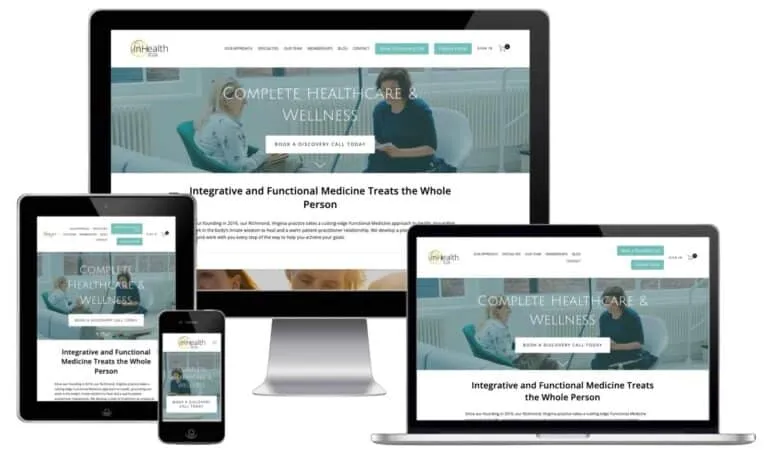
InHealth RVA
Functional Medicine | Richmond, VA
A functional medicine center whose appointment requests had gone flat. Egochi rebuilt the site, wrote the plain-language health content, and brought every page to accessibility standards, so patients could find the care and actually book it.
- +82% Organic Traffic Growth
- 120 Monthly Appointment Requests
- 98% ADA Compliance Score
-
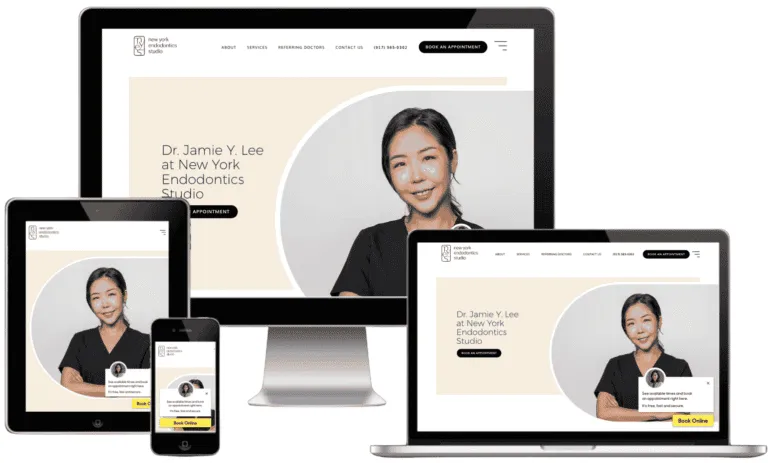
NY Endo Studio
Endodontics Studio | New York City
A specialty practice competing for referral and emergency searches in the hardest healthcare market in the country. Egochi rebuilt the practice pages and Google Business Profile so patients and referring dentists both found the studio first.
- 110% Organic Sessions Lift
- 132% GBP Discovery Views
- 32% Lower Cost per Lead
-
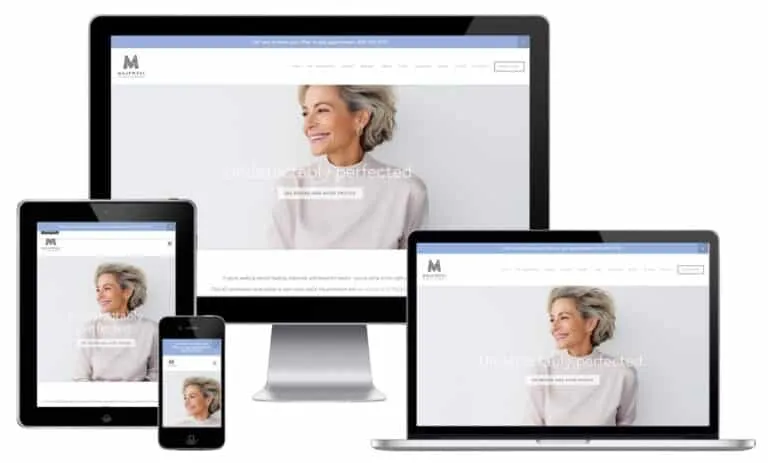
Majewski Plastic Surgery
Plastic Surgery & Med Spa | Jonesboro, AR
A surgical practice and med spa whose site buried its lead forms. Egochi redesigned the procedure pages and the booking paths, and the consult schedule followed.
- +75% Organic Traffic Growth
- 120 Monthly Patient Inquiries
- $150K Added Monthly Revenue
-
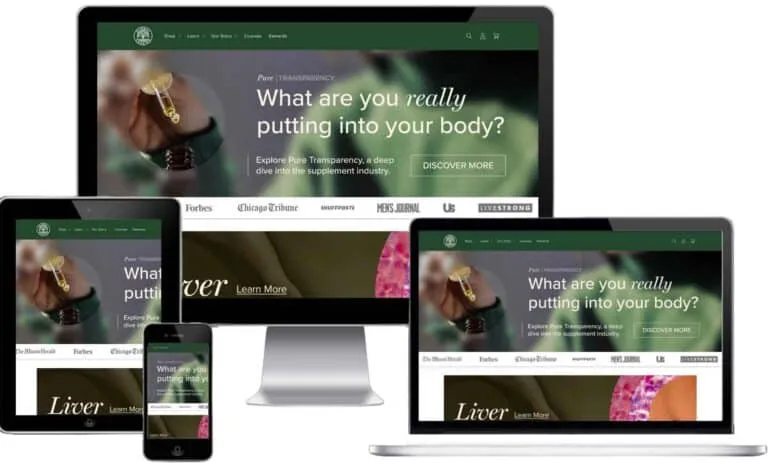
Global Healing
Health Supplements | National Ecommerce
An organic supplement brand with a plateaued store. Egochi rebuilt design, accessibility, SEO, and content as one program, proof the method scales from practice sites to national health catalogs.
- +60% Organic Traffic Growth
- +35% Mobile Revenue Rise
- $40M+ Annual Revenue
-
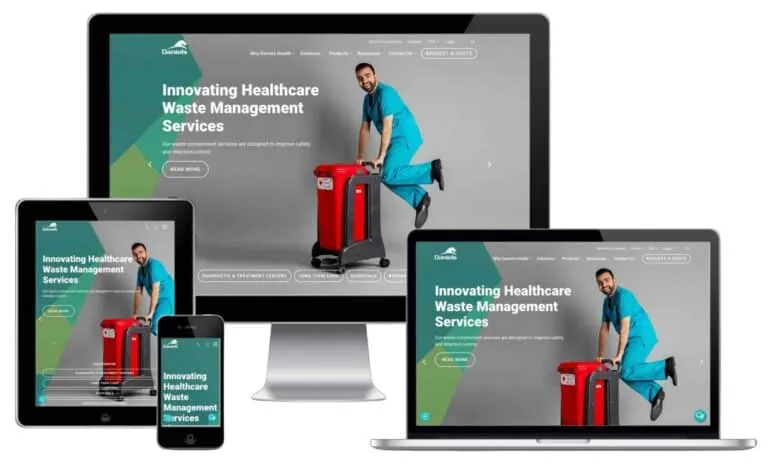
Daniels Health
Healthcare Services | National B2B
A clinical waste company competing on authority against national incumbents. Egochi ran the link and content program that moved its search visibility, proof the method holds in regulated healthcare.
- +520 Referring Domains
- +73% Search Visibility
- DR 58 Domain Rating
-
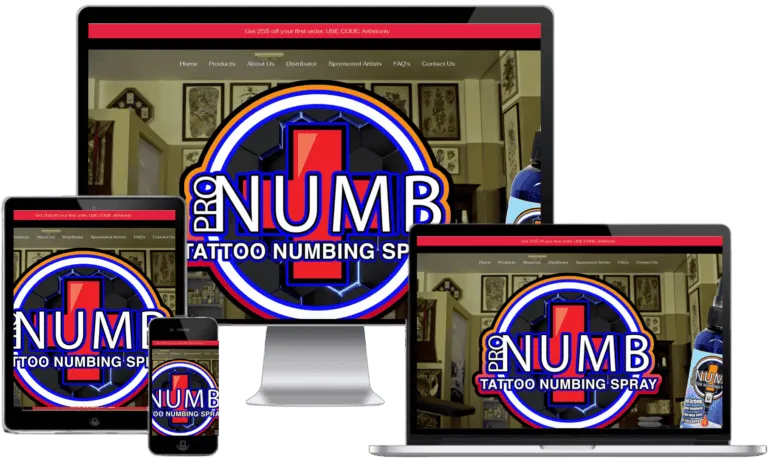
Pro Numb
Numbing Products | Ecommerce SEO
A health product brand that now gets cited by AI Overviews for its category. The structured, answer-first pages Egochi builds for providers earned this brand its citations and its snippets.
- +340% Organic Traffic
- 47 Featured Snippets Won
- $2M+ Monthly Revenue
See How Egochi Works
A short look at how our team plans, builds, and reports on client work.
Is This Right for You?
This is for you if
- You run a private practice or specialty group and want patient volume from channels you own, not referral luck.
- You operate multiple locations and need every one of them visible in its own market with its own profile and pages.
- You want marketing run inside compliance from day one, with the restricted tactics named in writing.
This may not be the right fit if
- You want a guaranteed number of new patients per month; Egochi does not promise patient volume in a regulated category, and no honest agency does.
- Your clinicians cannot give any review time; medical content without their sign-off will not rank, and we will not publish it.
See the work: Healthcare case studies · Local SEO case studies
The Complete Healthcare Program
This page is one part of a five-part program. Each piece works alone and works better together.
-
Healthcare SEO
Condition and treatment rankings that fill schedules against hospital systems.
-
Healthcare PPC
Patient-acquisition campaigns run inside the platform rules for health ads.
-
Healthcare Social Media
Trust-building provider content that stays compliant while it converts.
-
Healthcare Web Design
Accessible, fast practice sites built for patient booking flows.
Common Questions About Healthcare Digital Marketing
-
How much does healthcare digital marketing cost?
Egochi's healthcare marketing plans start at $1,500 monthly and scale with your locations, service lines, and the channels in play. Pricing is published up front, ad spend for paid campaigns is separate and always reported beside the management fee, and the free audit shows what your market requires before you commit.
-
How do healthcare practices show up in AI search results?
Patients ask Google AI Overviews, ChatGPT, Gemini, and Perplexity what a symptom might mean, which treatment options exist, what insurance may cover, and which nearby provider treats their condition. Egochi structures provider, specialty, location, credential, and FAQ information so those systems can identify the practice and cite it, and the same structure wins classic rankings.
-
What marketing works best for medical practices?
Local search does the heaviest lifting, because patients choose from the Map Pack and the condition pages that answer their exact search. Reviews decide between the finalists. Paid campaigns cover the service lines organic has not won yet, and social content builds the trust that makes booking feel safe. The mix depends on your specialty and capacity, and the Egochi audit recommends one honestly.
-
How long before marketing brings in new patients?
Paid campaigns can produce appointment requests within weeks of launch. Google Business Profile and review work often moves local visibility in one to two months. Condition-page rankings take three to six months to mature, which is why Egochi runs them alongside faster channels instead of after them. Anyone promising a full schedule in week one is guessing.
-
How do I choose a healthcare marketing agency?
Ask what they refuse to do: an agency fluent in this category names restricted tactics in writing, keeps tracking pixels off appointment pages, and trains replies that never confirm patient status. Ask how medical content gets clinician review, and how results are reported, in appointment requests rather than clicks. Ask for pricing before the call ends; Egochi answers every one of those up front.
Awards and Partnerships Egochi Holds in 2026
-

Egochi Named 2026 Top Digital Marketing Agency by Clutch
Clutch, a B2B market research and reviews platform, names Egochi a top digital marketing agency for 2026. The distinction rests on overall market presence and, most importantly, verified client feedback. Egochi holds a 5.0 rating across 190+ reviews on Clutch.
-

Egochi Is a Certified Google Premier Partner
Egochi is a certified Google Premier Partner, a status Google grants to the top 3% of participating advertising agencies each year. The tier is earned on campaign performance, sustained client growth, and advanced Google Ads certification, and Google reviews it annually rather than granting it for life.
The Team Behind the Work
-

Jobin John
Chief Executive Officer
-

Justin Brown
Head of Search Engine Optimization
-

Bryan Thomson
Head of Web Design & Development
-

Ina Komins
Head of Social Media Marketing
-

Kierra Pita
Head of Advertising & Content Marketing
-

Patricia Turner
Chief Creative Officer
-
William Carter
Chief Digital Strategy Officer
-

Andrew Miller
Senior SEO Strategist
-

Amy Robinson
Content Marketing Manager
-

Betty Harrison
PPC Campaign Specialist
-

Anthony Carter
Lead Digital Account Executive
-

Amanda Cooper
Social Media Director
-
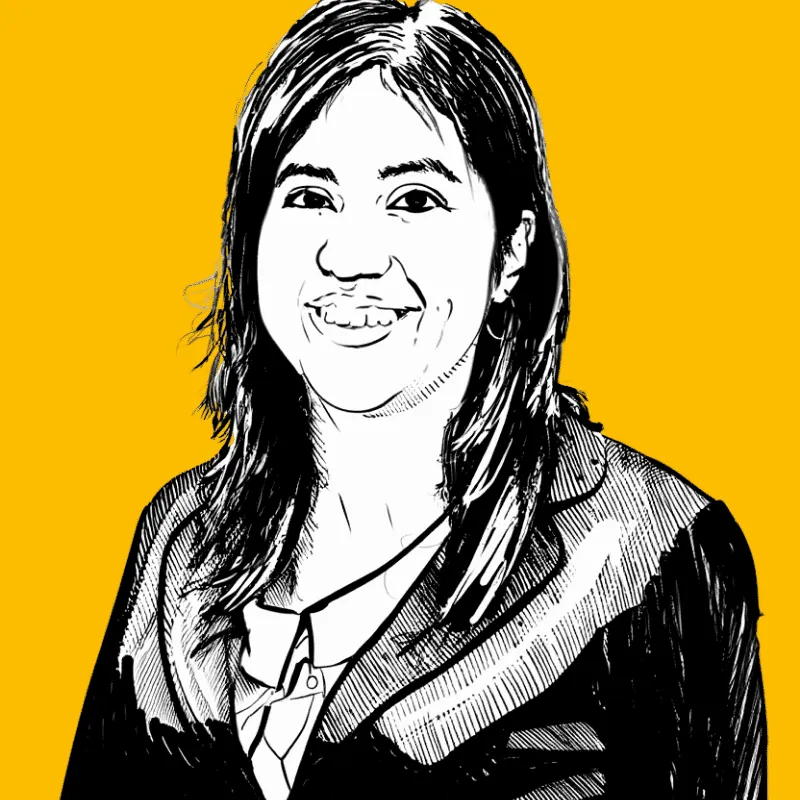
Carol Parker
Senior Client Success Manager
-
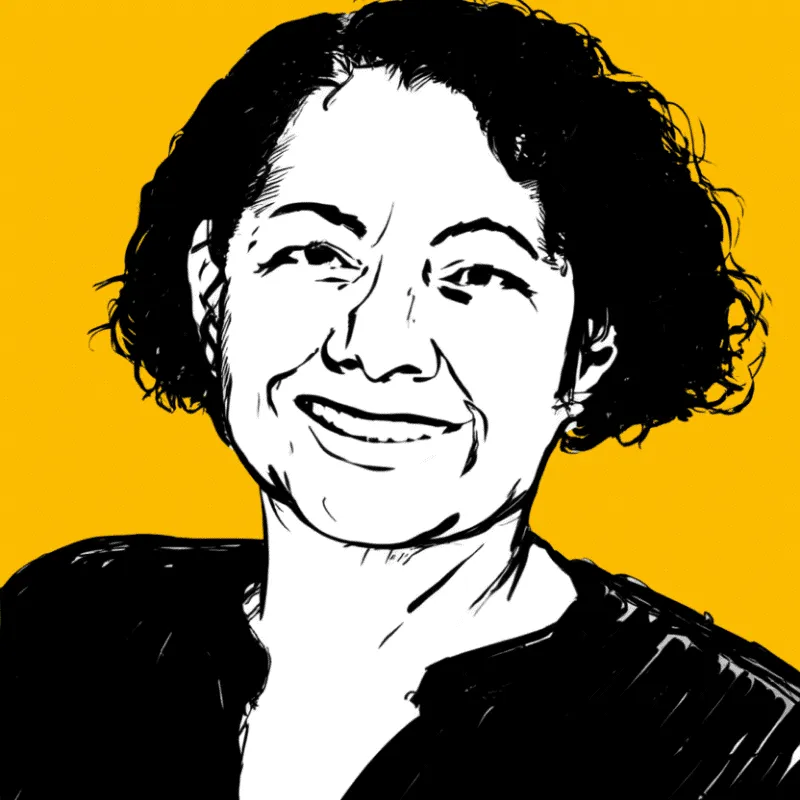
Barbara Bennett
Email Marketing Lead
-

Charles Turner
Technical SEO Analyst
-
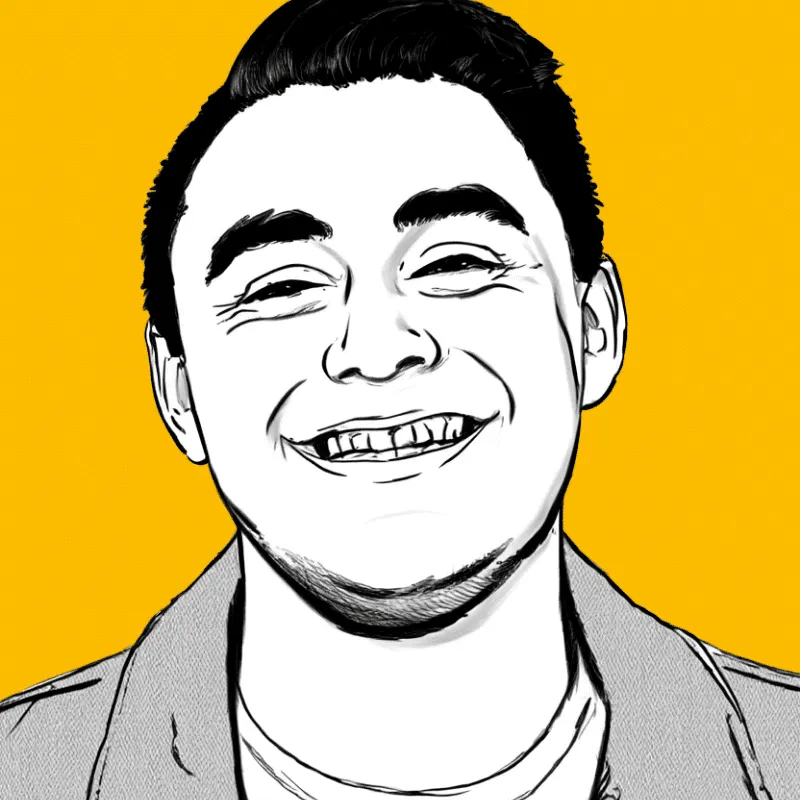
Brian Sullivan
Creative Director
-

Christine Walker
Director of Project Management
-
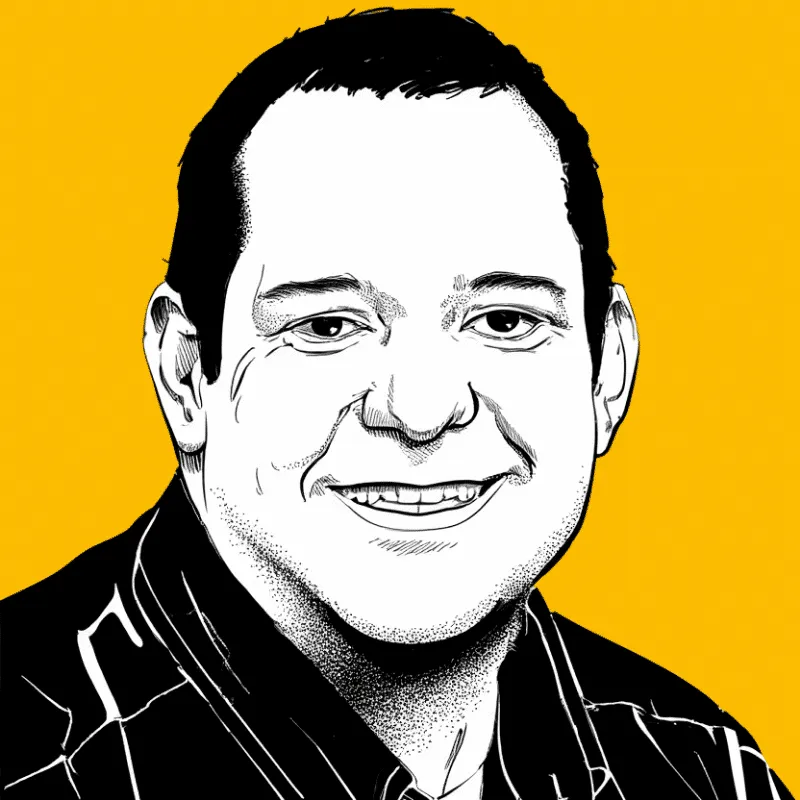
Christopher Brooks
Digital Marketing Strategist
-

Daniel Wright
Senior Analytics Specialist
-

David Henderson
Lead Content Strategist
-

Donna Mitchell
Client Communications Manager
-

Elizabeth Foster
Director of Paid Advertising
-

Emily Baredi
Brand Experience Specialist
-

Emma Scott
Social Media Content Creator
-

George Crawford
Technical Solutions Architect
-
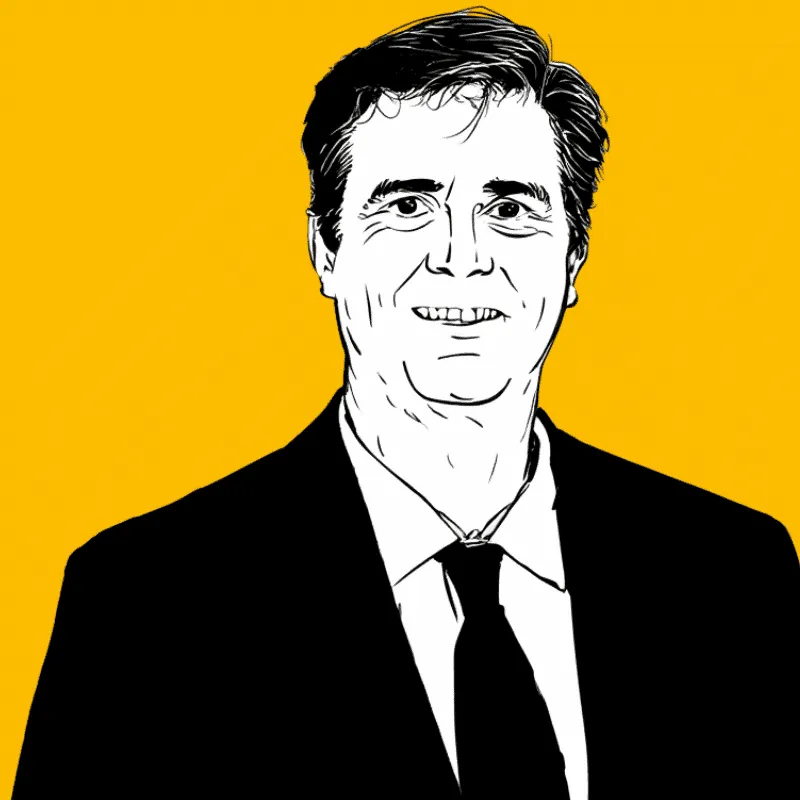
Jacob Evans
Digital Content Coordinator
-
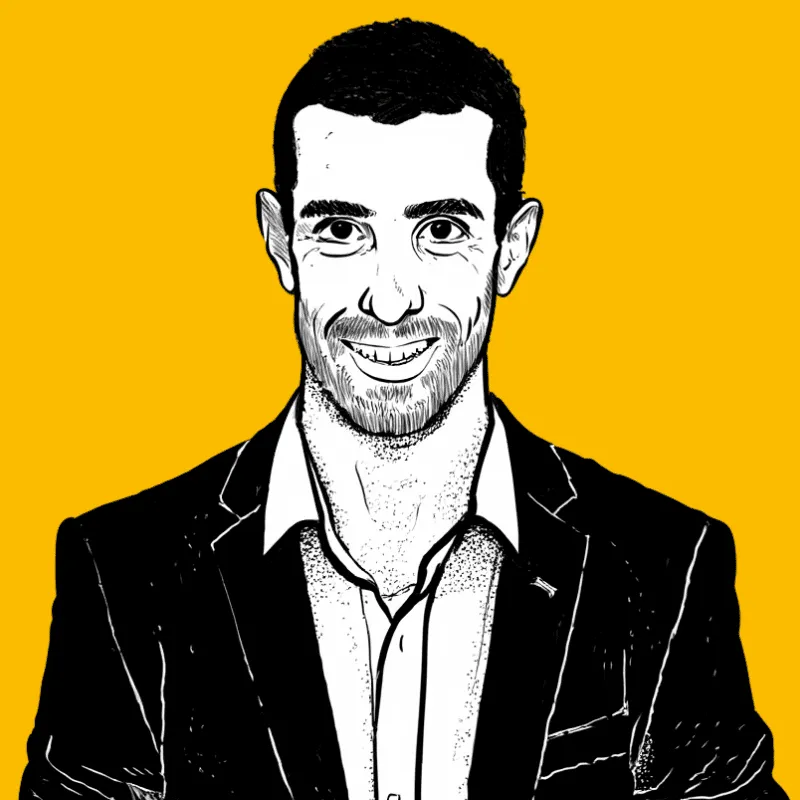
James Anderson
Marketing Automation Specialist
-
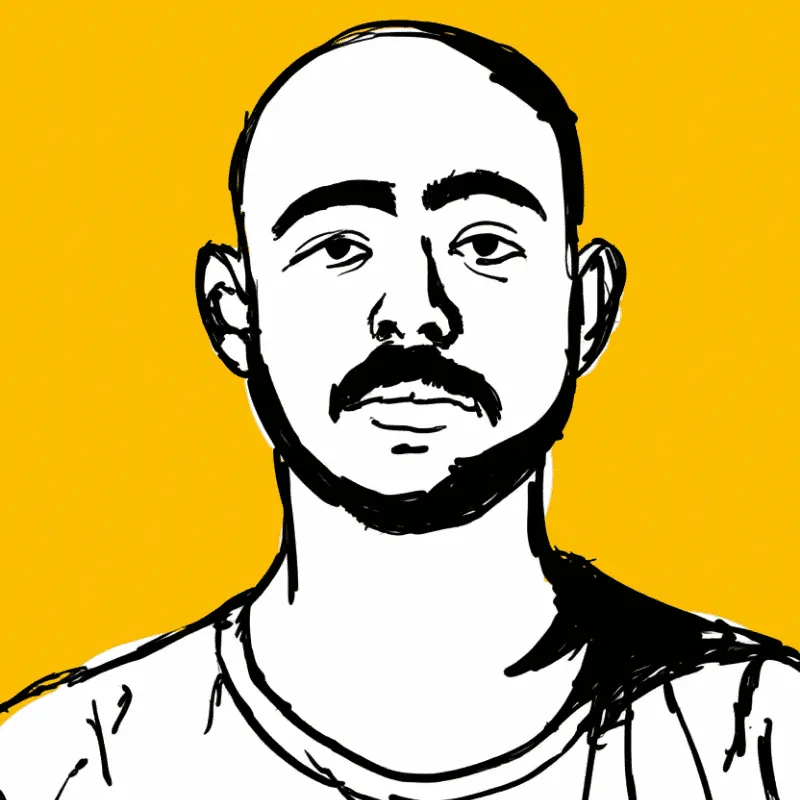
Jason Palmer
Junior Copywriter
-
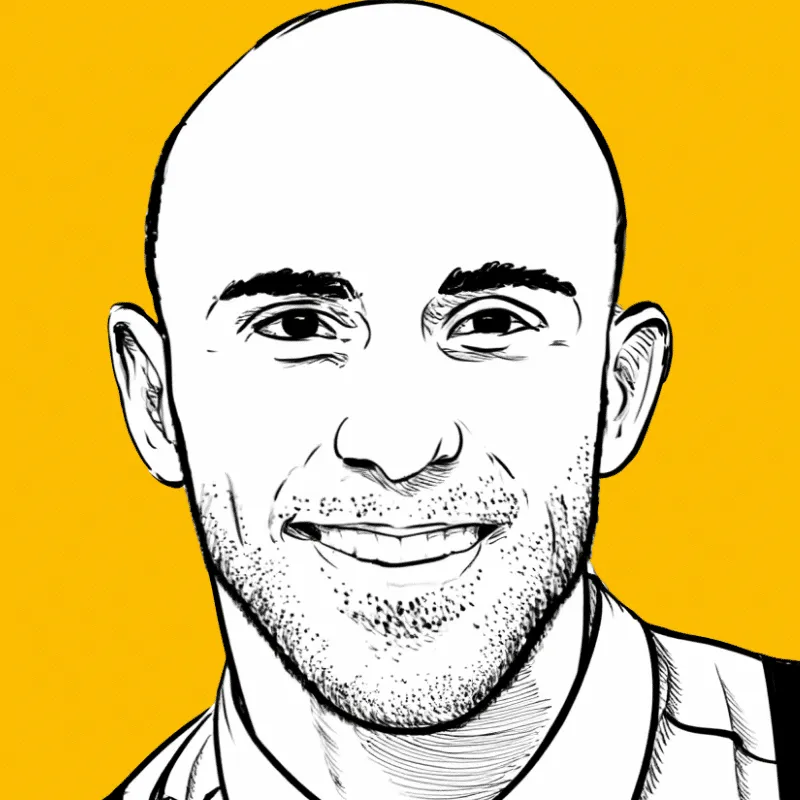
Jeffrey Reynolds
Paid Media Analyst
-

Jennifer Lewis
Community Engagement Specialist
-

Jonathan Murphy
SEO Reporting Specialist
-

Joseph Morgan
Influencer Marketing Coordinator
-

Kenneth Stevens
Digital PR Manager
-

Kimberly Harper
Digital Marketing Intern
-

Kevin Morris
SEO Outreach Specialist
-

Lee Dawson
Junior Web Developer
-

Linda Peterson
Email Campaign Coordinator
-
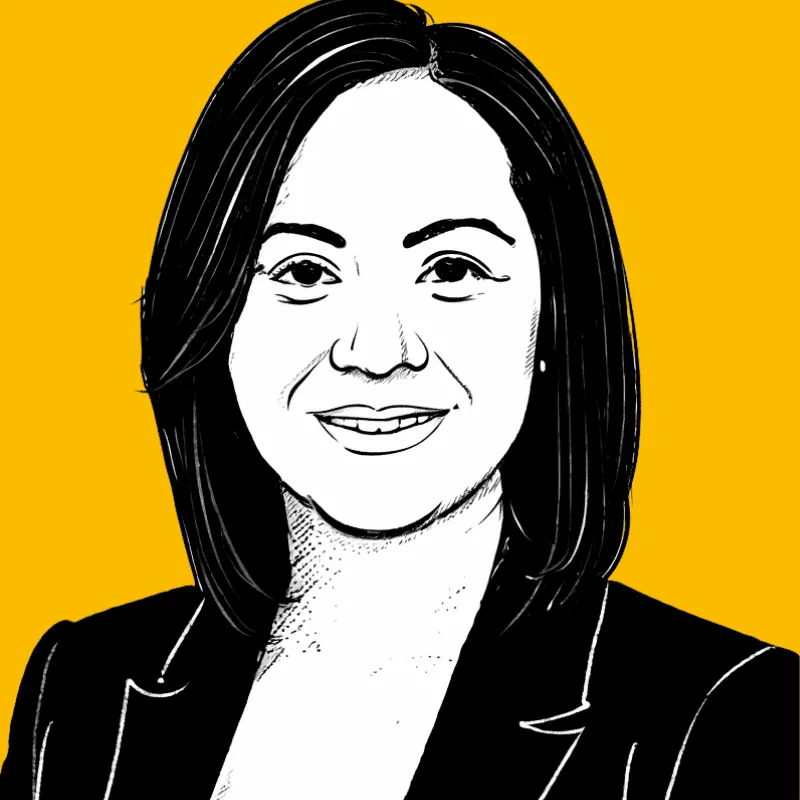
Lisa Thompson
Social Media Ads Specialist
-

Margaret Bradley
Marketing Operations Lead
-

Mark Richards
Data & Insights Analyst
-

Mary Kennedy
Senior Copyeditor
-

Matthew Clark
Growth Marketing Manager
-

Michelle Sanders
Junior Marketing Designer
-

Michael Foster
Senior Conversion Rate Specialist
-

Nancy Wheeler
Digital Analytics Manager
-

Nicholas Pierce
Affiliate Marketing Specialist
-

Nicole Adams
Outreach Program Coordinator
-

Paul Franklin
Paid Social Campaign Manager
-

Richard Barnes
Reputation Management Specialist
-

Robert Murphy
Lead Solutions Architect
-
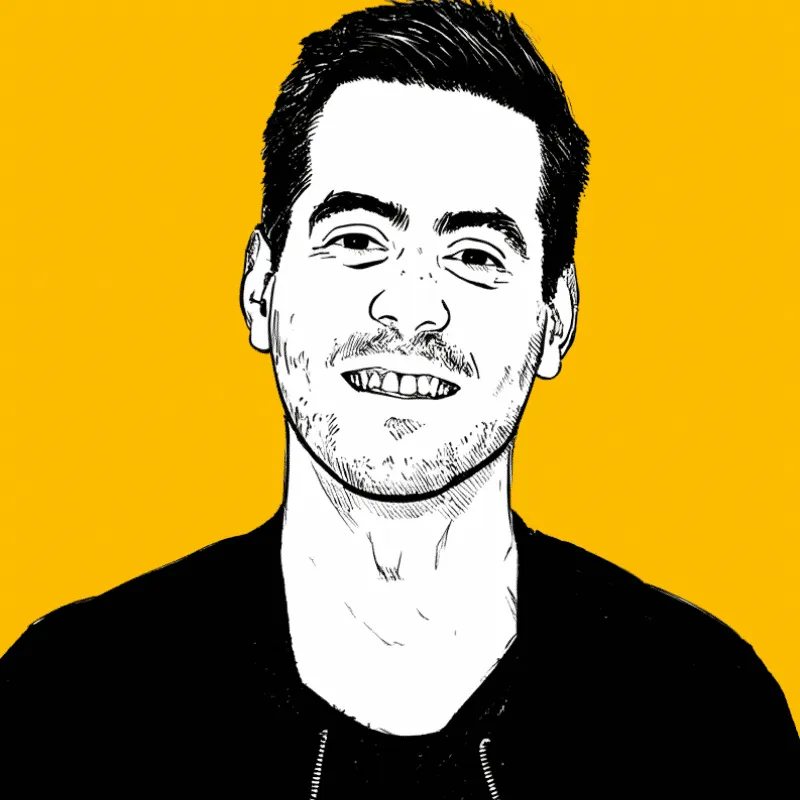
Ronald Davis
Marketing Technology Analyst
-
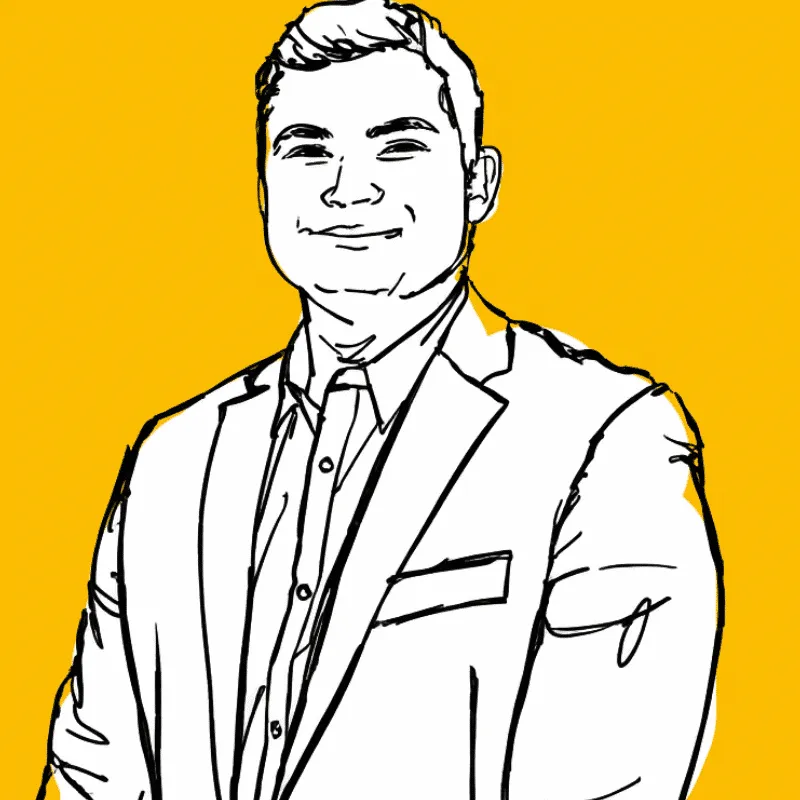
Ryan Bell
Paid Media Buyer
-

Sandra Gregory
Digital Account Coordinator
-
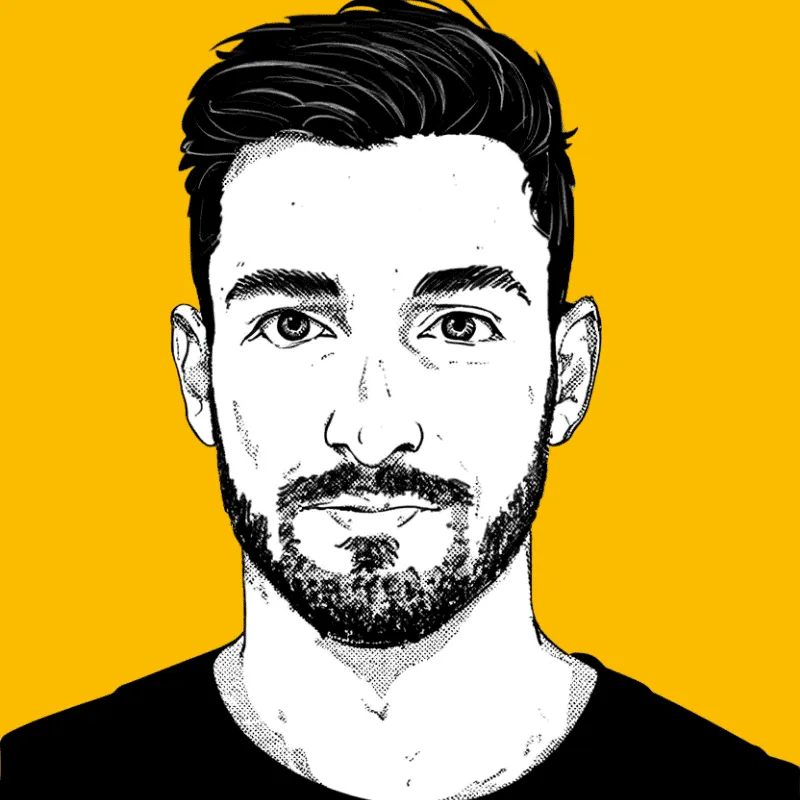
Scott Hopkins
CRM Implementation Specialist
-

Shirley Ellis
Customer Insights Manager
-

Stephanie Cross
Brand Content Designer
-

Steven Greene
Web Analytics Specialist
-

Susan Price
Affiliate Campaign Manager
-

Thomas Fisher
Lead Technical Architect
-

Timothy Nash
Mobile Marketing Strategist
Certified & Accredited


Grow the Practice Inside the Rules
Tell us your specialty, locations, and service lines. Egochi, a 5.0 rated healthcare marketing agency across 190+ Clutch reviews, audits where patients find you today, where the hospital system takes them instead, and what a compliant program changes.
Egochi Stats
- 250+ Google Reviews
- 5.0 Clutch Rating
- 12+ Years Experience
- $200M+ Revenue Generated
- 4 US Offices
- 190+ Clutch Reviews
Blog Posts
- Aug 12, 2026 GEO vs. SEO: A Comparative Guide for Digital Marketers
- Aug 12, 2026 What is llms.txt? | How to Create llms.txt file for your website
- Aug 12, 2026 What is Semantic SEO? | How to Build Topical Authority That Ranks
- Aug 12, 2026 What is Schema Markup? | How to Add Structured Data to Your Website
- Aug 12, 2026 How to Optimize for Voice Search: A Realistic 2026 Guide