Web Design
Logo Design Services
Custom logo design with three real concept directions, a revision policy with names instead of promises, and every source file yours at delivery.
Get Your Free Proposal Call (888) 644-7795
- Copyright and every source file handed at delivery
- Three genuinely different concept directions
- Free proposal names the scope and the honest cost
As Featured In





Egochi is a logo design company creating custom logos and brand identity systems for businesses from local shops through corporate and enterprise brands. The work solves a specific problem: a mark that has to perform on a browser tab, a truck door, an invoice, and a storefront sign without falling apart, delivered so completely that you never have to ask a designer for your own logo back. Every project runs the same way: discovery before sketches, three genuinely different concept directions, named revision rounds, then every source file and the copyright handed over. The next step costs nothing: a free proposal that names the right scope and what it honestly costs.
How much does professional logo design cost?
Logo design services at Egochi are priced by scope, not by the hour. A focused logo project runs from $499 to $999 depending on how many concept directions the brief calls for, and full brand identity work with guidelines and collateral starts near $2,499. Every price includes the complete file package and the copyright transfer; nothing is held back for an upsell.
Egochi has designed brands and the websites they live on since 2014, from offices in New York, Miami, Milwaukee, and Madison, with 250+ Google reviews and 190+ Clutch reviews at a 5.0 rating behind the work. The design team is led by Bryan Thomson, and it is the same team that ships full builds for enterprise brands, which is why our logo design services run with the discipline of a launch, with a written scope, delivery gates, and files in your name. What stands behind this page is 12+ years of design work, the engagements in our case library, and one embarrassing lesson from our own rebuild, told a few sections down.
Logo Design Pricing by Scope
The two scopes the cost answer names, with what each one carries. Ownership is never a tier; every project includes the files and the copyright.
-
Focused Logo Project
$499 - $999 one-time
A single mark, priced by how many concept directions the brief calls for.
- Scope and price named in writing at the discovery call
- Concept directions presented in real contexts at real sizes
- Three named revision rounds on the chosen direction
- The five-check scalability gate before anything ships
- Complete file package with source files
- Copyright transfer in writing
-
Brand Identity System
Custom, from $2,499 one-time
The full identity around the mark, quoted by scope after discovery.
- Everything in a focused logo project
- Brand guidelines that keep the mark alive after us
- Mark variations for every surface
- Fonts named and licensed
- Trademark screening with honest limits
How We Price a Logo Project
Every logo quote is built from the same three variables, so you can place your project between $499 and $2,499 and up before the discovery call.
-
Concept depth
How many distinct directions the brief calls for is the main variable inside the focused range: a mark explored through more concept rounds carries more design time, which is what moves a project from $499 toward $999.
-
The system around the mark
A logo alone and a working identity are different projects. Once guidelines, collateral, and usage variations surround the mark, the scope becomes an identity system, and identity work starts near $2,499.
-
Rounds and timeline
Revision rounds are defined in the written scope, in numbers, before work starts. A compressed timeline or added review layers change the staffing, and the quote reflects that up front rather than through mid-project change orders.
Every scope, at every price, includes the complete file package and the copyright transfer. Ownership is never a tier.
Logo Design Services We Offer
Eight pieces of work, from a single mark to the identity system around it. Discovery decides which your business needs, and which it can honestly skip.
-
New Logo Design
Original marks for new businesses and first rebrands, drawn from a real discovery phase rather than a style quiz. A new logo often rides a new website, and when it does, the build discipline lives with our web design services, one team across both.
-
Logo Redesign
Modernizing a dated mark while keeping the recognition it has earned, because equity is the one asset a redesign must not spend. When the brand refresh rides a full site rebuild, the preservation discipline runs through our website redesign services.
-
Brand Identity Systems
The full visual system around the mark: color palette with named codes, typography, spacing rules, and the collateral that carries them. An identity system is what keeps the brand consistent after the tenth person touches it.
-
Wordmark and Lettermark Design
Custom typography that turns your name, or its initials, into the logo itself. The craft is in the letterforms: spacing, weight, and the one distinctive move that makes the name recognizable without a symbol.
-
Icon and Symbol Design
Standalone brand marks built on simple geometry that survives a favicon. Designed to work beside your name first, because a symbol earns the right to stand alone only after recognition has been built.
-
Mascot Design
Illustrated characters for brands that sell on personality, drawn with the simplified versions a mascot needs for small sizes and one-color uses. Priced honestly, because a mascot costs more to apply everywhere than a mark does.
-
Complete File Packages
Vector source, layered working files, print and web exports, and every color variant of your company logo, organized and named so a printer or developer never has to email us for a version. File completeness is a delivery gate here, not a courtesy.
-
Brand Guidelines
A working document covering logo usage, clear space, minimum sizes, color codes, typography, and the misuses to refuse. Guidelines are the deliverable that outlives the logo, because they protect the mark from a thousand small future decisions.
How many logo concepts will I see?
Three genuinely different concept directions, not one idea in three colors. Each direction takes a different strategic route out of the creative brief, and each is presented in real contexts, on a sign, a screen, and an invoice, rather than centered on an empty canvas. You pick one direction and the revision rounds refine it to final.
Six Logo Types and the Business Each One Honestly Fits
Every logo generator shows you these six types as styles to browse. The useful question is different: which type fits how your business is actually named, bought, and remembered. Here is the honest map, including the cautions a style menu never mentions.
-
A Wordmark Turns Your Name Into the Logo
Custom lettering that makes the name itself the mark. The right call when your name is short, distinctive, and does the talking. The caution: a wordmark cannot rescue a generic name, and it asks real craft of its letterforms, because type is all there is.
-
A Lettermark Shrinks a Long Name to Its Initials
Two to four letters standing in for a name too long to set everywhere. Right for firms with multi-word names, wrong for young businesses that skip straight to initials: letters carry no meaning until years of use put it there, so pair them with the full name first.
-
A Brand Mark Stands Alone Once People Know You
A symbol with no text at all. It is the logo everyone wants and the one fewest businesses have earned, because a symbol-only mark works on recognition you build over years. The honest sequence is a combination mark now and the standalone symbol later.
-
An Emblem Wraps the Name Inside a Badge
Name and symbol locked into one crest or seal. It reads as heritage and authority, which suits schools, breweries, and civic organizations. The caution is mechanical: emblem detail dies at favicon sizes, so a good one ships with a simplified small-size version.
-
A Combination Mark Grows With the Business
Symbol and wordmark designed to work together and apart. This is the honest default for most businesses on this page, because it hedges nothing: the name builds recognition now, and the symbol is ready to stand alone once recognition exists.
-
A Mascot Gives the Brand a Face
An illustrated character that makes the brand approachable, strongest in food, kids, and entertainment where personality sells. Budget honestly: a character costs more to apply across sizes and materials than a flat mark, and it still needs a simple version for small uses.
Every Logo Design We Ship Has to Pass the Scalability Test
A logo presentation happens on a big bright screen. A logo career happens on browser tabs, stitched polos, invoices, and truck doors. These are the five checks every concept here passes before you see it, and the reason some beautiful marks fail them.
-
It Reads at Sixteen Pixels
The browser tab is the smallest place your brand lives and one of the most visited. Fine linework, thin type, and clever detail all vanish at this size, so the mark needs one bold move that survives the shrink.
-
It Survives a Single Color
Embroidery, engraving, stamps, and vinyl cutting all take one color, no gradients, no shadows. A mark that needs its color effects to hold together will spend its life being apologized for on merchandise.
-
It Works From Across the Street
Signage is judged at distance and at an angle, in a half-second glance from a moving car. Silhouette wins here: if the shape is not recognizable as a shape, no amount of close-up polish saves it.
-
It Prints in Plain Grayscale
Invoices, contracts, shipping labels, and newsprint strip the palette away. Every delivery includes black, white, and grayscale versions tested on paper, because that is where a business logo spends most of its working hours.
-
It Starts as Clean Vector Geometry
Every size above comes from one source of truth: a vector file whose curves are drawn, not traced. Auto-traced logos carry thousands of junk points that blur at scale and bloat on the web, which is a lesson this site learned on itself, told below.
Where Custom Logo Design Beats a Template, and Where It Does Not
The logo maker and generator products on this search result are real competition, and the honest comparison is not custom good, template bad. It is a trade, and here is what each side of it actually buys.
| The question | Custom logo design | A template or AI generator |
|---|---|---|
| Originality | drawn for your business alone, from a brief | assembled from shared parts; the same mark can ship to thousands of buyers |
| Trademark position | knockout-screened, files prepared for filing | exclusivity often impossible to establish; generator terms rarely promise it |
| Files you receive | every source file, exports, variants, guidelines | usually exports only; source and one-color versions cost extra or do not exist |
| Scalability | tested at 16px, one color, and sign distance before delivery | whatever the template happens to do; small-size failures surface later |
| Cost reality | $499 to $2,499 and up, quoted by scope | free to about $50, genuinely the right spend at idea stage |
| The honest fit | businesses whose brand shows up on real surfaces and carries the sale | testing an offer, pre-revenue, or a placeholder while the business proves itself |
Read the last row without embarrassment in either direction. A generator logo at idea stage is smart money, and we say so in the fit section below. The switch point is when the mark starts living on real surfaces, signs, invoices, uniforms, a storefront, because that is when originality, files, and trademark position begin costing real money to lack.
What files do I get with my logo?
Everything, including the source. The working vector files (AI, EPS, SVG), print and web exports (PDF, PNG, JPG) in full color, black, white, and grayscale, and a brand guidelines document covering colors, type, spacing, and misuse. Fonts are named with their licenses, and the copyright transfers to you with final payment.
Every Source File Leaves With You, Always
The quiet failure mode of logo projects is not bad design, it is incomplete delivery: the mark exists, the source files do not, and years later nobody can produce the original vector. We can speak to that failure with unusual authority, because it happened to us.
-
Our Own Logo Taught Us This Lesson
When we rebuilt egochi.com this year, the original vector source of our own logo was nowhere to be found. What survived was a 756KB automatic trace of a bitmap, thousands of junk points pretending to be curves, and restoring it cost real hours. Nobody did anything wrong; files simply outlive the projects that made them. That is exactly why delivery here is a gate: you get every source file, always.
-
The Source Files Leave With You
Not just exports: the working AI, EPS, and SVG files, layered and organized, plus every print and web format. If you take the files to another designer tomorrow, they can pick up exactly where we stopped, and that is the point.
-
The Copyright Transfers in Writing
You fully own the finished mark: the copyright assigns on final payment, no royalties, no license terms, no per-use fees. A logo you cannot legally own is a subscription wearing a design, and plenty of generator and gig terms read exactly that way if you check.
-
The Fonts Are Named and Licensed
Logo text ships converted to outlines so it renders anywhere, and the underlying typefaces are documented with their license terms so you can buy and use them across the brand. An unnamed font is a small time bomb in every future edit.
-
Trademark Screening Comes With Honest Limits
Every mark gets a knockout search against existing logos and registrations before finalization, and the files are prepared for a trademark filing. The honest limit: legal clearance is an attorney job, not a designer job, and anyone who sells you certainty there is overselling.
-
Guidelines Keep the Mark Alive After Us
The brand guidelines document is the deliverable that outlives the logo: clear space, minimum sizes, color codes, typography, and the misuses to refuse. It is how the mark survives its tenth intern, its fifth printer, and its next agency.
Why Businesses Pick Egochi for Logo Design
-
Strategy Before Sketches
Discovery reads your market, your competitors, and how customers actually meet your brand before anyone draws. A logo is a positioning decision wearing a shape, and the brief is where the real design work starts.
-
Original Work, Screened Honestly
Every mark is drawn from scratch by our logo designers: no stock marks, no template packs, no recycled concepts. Before finalization it gets a knockout search against existing marks, and the trademark honesty section above names what that does and does not cover.
-
A Revision Policy With Names
Three concept directions, then three named rounds on the one you choose: direction adjustments, refinement, production polish. No unlimited-revisions promise, because that promise is usually a scoped lie, and the Fair Questions below explain the trade in full.
-
Concepts Presented in Context
Every direction arrives already placed on a sign, a screen, an invoice, and a tab, at the sizes it will really live at. A logo judged on an empty canvas is a logo judged on the one surface it will never occupy.
-
One Team From Logo to Launch
The designers behind the mark also build websites and run search programs, so the identity, the site, and the visibility work can run as one engagement instead of three handoffs. Plenty of logo projects here start as web builds, and the reverse.
-
Delivery Is a Gate, Not a Zip File
Every engagement closes against the same checklist: vector source, layered files, exports, color variants, named fonts with licenses, guidelines, copyright assignment. The project is not done when the logo looks right; it is done when the files prove it.
How long does logo design take?
Most logo projects run a two to three week turnaround from kickoff to final files, with concept directions presented inside the first week and named revision rounds after. Brand identity systems run four to six weeks. The honest schedule risk is decision speed on your side, so feedback windows get agreed at kickoff instead of hoped for.
Our Logo Design Process, Built on VERTEX Core™
Every identity project runs inside the same 16-step framework as every Egochi design engagement, through its stages: Blueprint, Design, Build, Prove, Launch. The six phases below are that framework carrying a logo project.
-
Discovery Call
Your business, your customers, the surfaces the mark will live on, and what the current identity gets wrong. Scope and price get named here, in writing, before any design starts.
-
Research and the Creative Brief
A competitive read of the marks around you and a written brief naming the position this logo has to hold. The brief is the contract every later decision gets tested against, including yours.
-
Three Concept Directions
Three genuinely different routes out of the brief, each presented in real contexts at real sizes, with the reasoning written down. You pick a direction, and the other two are retired honestly rather than resold.
-
Named Revision Rounds
Three rounds on the chosen direction: direction adjustments first, refinement second, production polish last. Each round has a job, which is what keeps feedback specific and the timeline true.
-
Finalization and the Scalability Gate
Final color, type, and spacing decisions, then the five checks from the scalability section: sixteen pixels, one color, distance, grayscale, clean vector geometry. A mark that fails a check gets fixed, not shipped.
-
File Delivery and Guidelines
The complete package delivered against the checklist: source files, exports, variants, named fonts, brand guidelines, and the copyright assignment. Everything in your hands and your name, which is the whole point of this page.
VERTEX Core™ is the build discipline inside the EGOCHI VERTEX™ Growth System, the operating system behind every Egochi engagement, whatever the size of the mark it carries.
Is Professional Logo Design Right for You?
Who this is for
- Your brand lives on real surfaces: signs, vehicles, uniforms, packaging, invoices, a storefront. The mark has to perform across all of them, and that is a graphic design problem worth paying for.
- You have outgrown a DIY or generator logo: it embarrasses you in proposals, falls apart small, or turned out to be shared with businesses you can name.
- Your business has changed and the mark has not: the logo says what you were, and a careful redesign can say what you are without spending the recognition you have earned.
- You are building a business you intend to protect: you want original work, files prepared for a trademark filing, and ownership that is yours on paper.
When this may not be the right fit
- Idea-stage founders testing an offer. A Looka, Canva, or AI-generated mark is genuinely the right spend until the business proves itself, and we will say so on the call rather than sell you originality you do not need yet.
- Businesses that need a full rebrand, not a logo: new name, new positioning, new architecture. That is brand strategy work upstream of design, and a new mark alone would paper over the real problem.
- Anyone hoping a logo will fix a demand problem. A logo converts nothing by itself, and if leads are the issue, the same budget belongs in visibility work first. The Fair Questions below say this in full.
A logo's job stops at recognition. It cannot rank a page, run an ad, or close a sale by itself; it makes each of those easier to trust. The surfaces where the mark earns its keep, starting with your website, belong to the web design service named in the cards above, and the honest order is mark first, then the surfaces that carry it.
Fair Questions Before You Pay for a Logo
Will a new logo bring in customers?
No, and a designer promising otherwise is selling the wrong thing. Demand comes from search visibility, ads, reviews, and referrals; a logo converts none of that by itself. What a logo does is compound recognition: the customer who saw your truck trusts your invoice, and the one who saw your sign recognizes your ad. Buy it as identity infrastructure that makes every other channel work slightly harder, never as a growth lever.
Why not just use Looka, Canva, or an AI generator?
Sometimes you should, and the fit section above says exactly when: idea stage, pre-revenue, a placeholder while the offer proves itself. The generators are fast, cheap, and better than they were. What they cannot sell you is exclusivity, source files, trademark position, or a mark designed around your surfaces, and those start costing real money the day your brand goes on a sign, a uniform, or a filing. The dividing line is real surfaces, not taste.
Do I actually own the logo and every file?
Here, yes: the copyright assigns to you in writing at final payment, and the source files, exports, fonts list, and guidelines all leave with you. Treat that as the standard everywhere, because plenty of arrangements fail it: gig deals where usage rights depend on the tier, generator terms that license rather than transfer, and designers who keep the vector source as quiet leverage. Ask any shop one question before hiring: if I leave tomorrow, what exactly do I take with me?
What does unlimited revisions really mean?
Usually less than it sounds. In practice, unlimited is scoped to the concept you already picked, capped by the timeline, and rationed by everyone running out of patience, none of which appears in the promise. Our own old page promised unlimited revisions, and the truer sentence is rounds with names: direction adjustments, refinement, production polish, each with a job. If the brief itself changes mid-project, that is a re-scope, priced openly, not a fight disguised as a favor.
The Design Engagements Behind This Page
Every number below is register-fed and covers its engagement whole. Design scope is stated only where the case register records it, platform tags render exactly as recorded, and no logo-only attribution is invented.
-
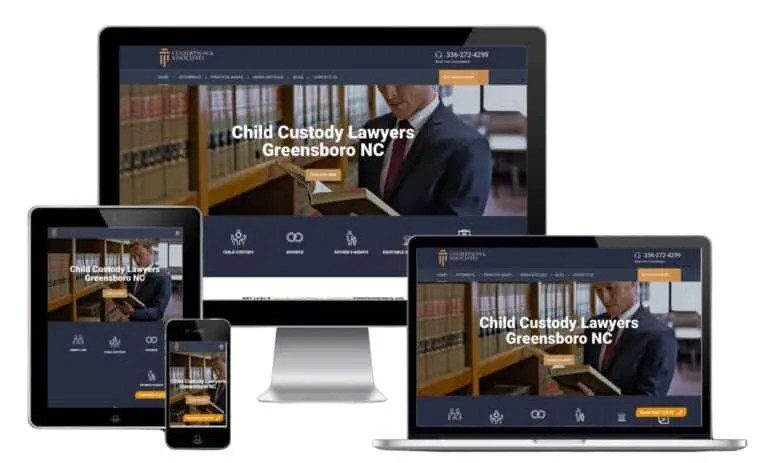
Culbertson Law
Family Law | WordPress, Greensboro NC
A family law practice whose brand had to read as authority and empathy at once. Identity, the WordPress build, and the search program ran as one engagement, and the registered numbers cover it whole.
- +91% Qualified Calls
- +156% Organic Sessions
- 8 → 41 monthly Signed Cases
-
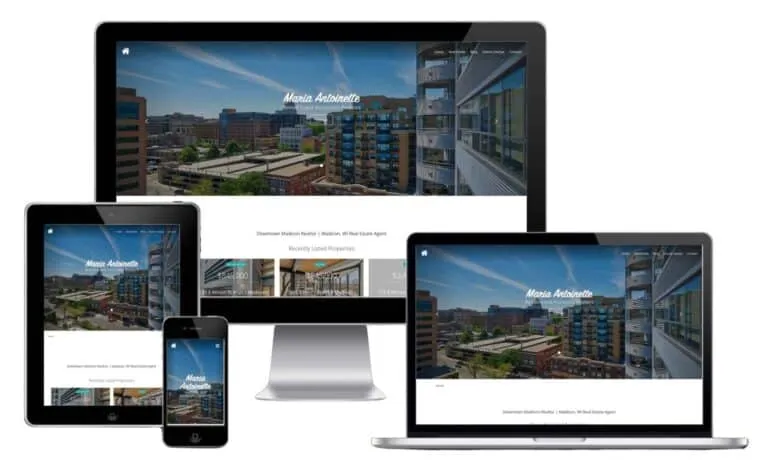
Maria Antoinette
Real Estate | WordPress, Madison WI
An independent realtor whose personal brand competes with brokerage giants on every sign and mailer. Design, WordPress build, and local search ran together; the engagement reads whole.
- 4 → 24 monthly Organic Leads
- 70% Organic Traffic Growth
- 50% Email Open Rate
-
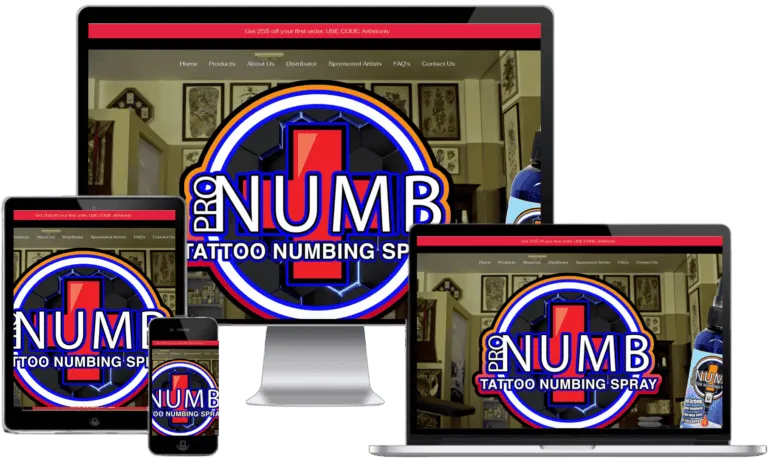
Pro Numb
Topical Anesthetics | Shopify DTC
A brand selling trust to professional tattoo artists, where looking clinical and credible is the product. Store design, content, and search ran as one program; all figures confirmed and whole.
- $2M+ Monthly Revenue
- +340% Organic Traffic
- 47 Featured Snippets
-
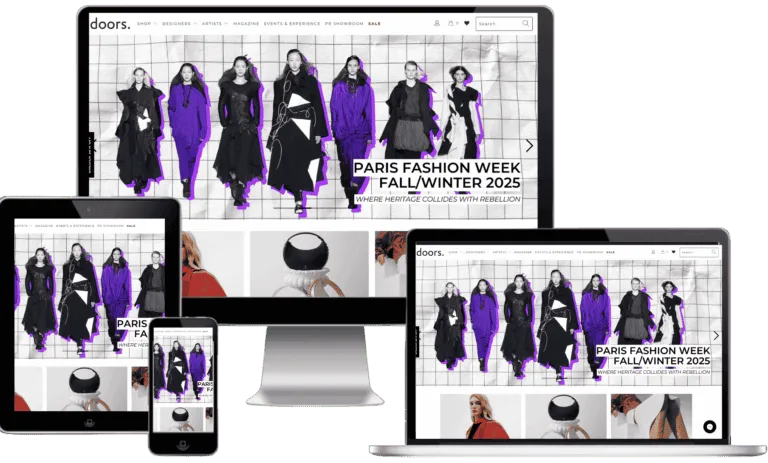
DOORS NYC
Fashion Retail | Shopify, New York
A fashion retailer whose identity carries the sale, online and at the door. The Shopify design work and the search program ran together, and the registered numbers read across the engagement.
- ↑58% Calls from Search
- ↑62% Organic Sessions
- 12.4 → 3.1 Avg. Position
-
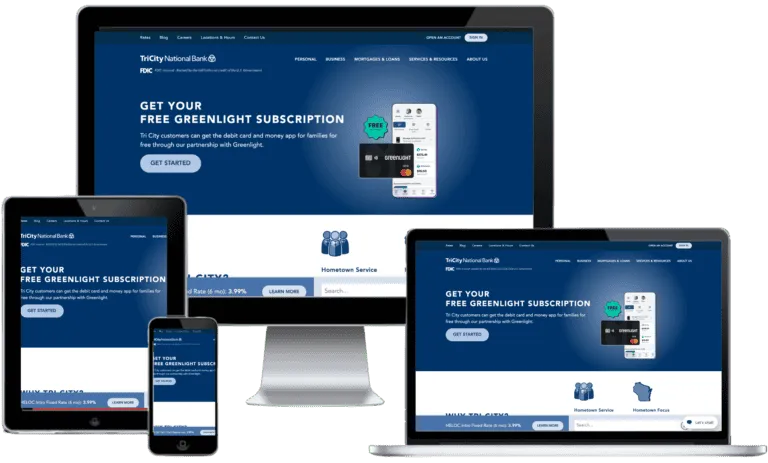
TriCity National Bank
Community Bank | Custom Build, Wisconsin
A community bank whose brand competes locally against national names, where consistent identity is trust itself. Web, search, paid, and email ran together; numbers cover the engagement whole.
- +90% Organic Traffic
- +77% PPC Conversion Rate
- +80% Email Engagement
-
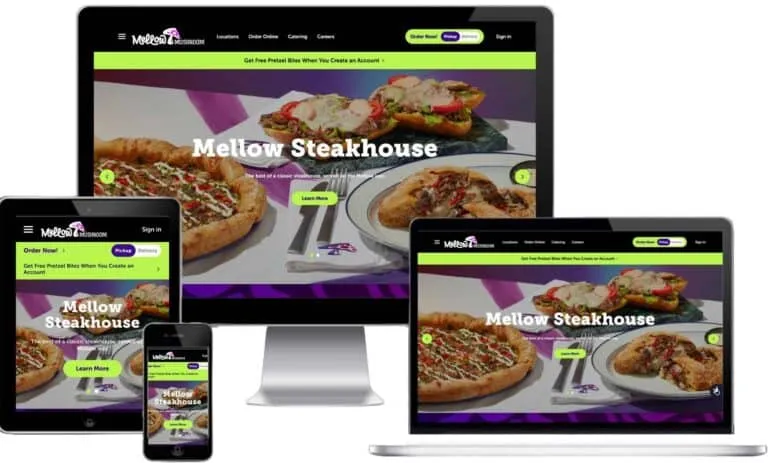
Mellow Mushroom
Restaurants | Custom Build, Multi-Location
A restaurant brand applying one identity across locations that each fight their own local battle, which is exactly what brand guidelines exist for. Whole-engagement numbers as published.
- +312% Local Traffic
- +245% Online Orders
- Top 3 Local Pack
-
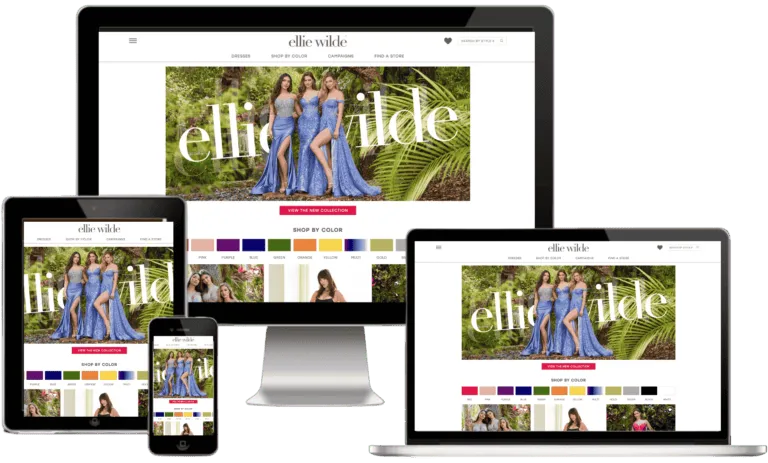
Ellie Wilde
Prom Fashion | Ecommerce
A prom fashion brand in a category bought on look and feel, where design and merchandising are the same job. Design, paid, email, and search ran as one program; the numbers read whole.
- 100K+ Monthly Organic Visitors
- 80% Social Engagement Growth
- 70% Email Open Rate Lift
The full write-ups live in the case library, sliced so you can read the builds closest to yours: web design case studies.
Meet Your Logo Design Team
The designers who draw the mark, led by Bryan Thomson, and the search and content specialists who put it to work.
-

Jobin John
Chief Executive Officer
-

Justin Brown
Head of Search Engine Optimization
-

Bryan Thomson
Head of Web Design & Development
-

Ina Komins
Head of Social Media Marketing
-

Kierra Pita
Head of Advertising & Content Marketing
-

Patricia Turner
Chief Creative Officer
-
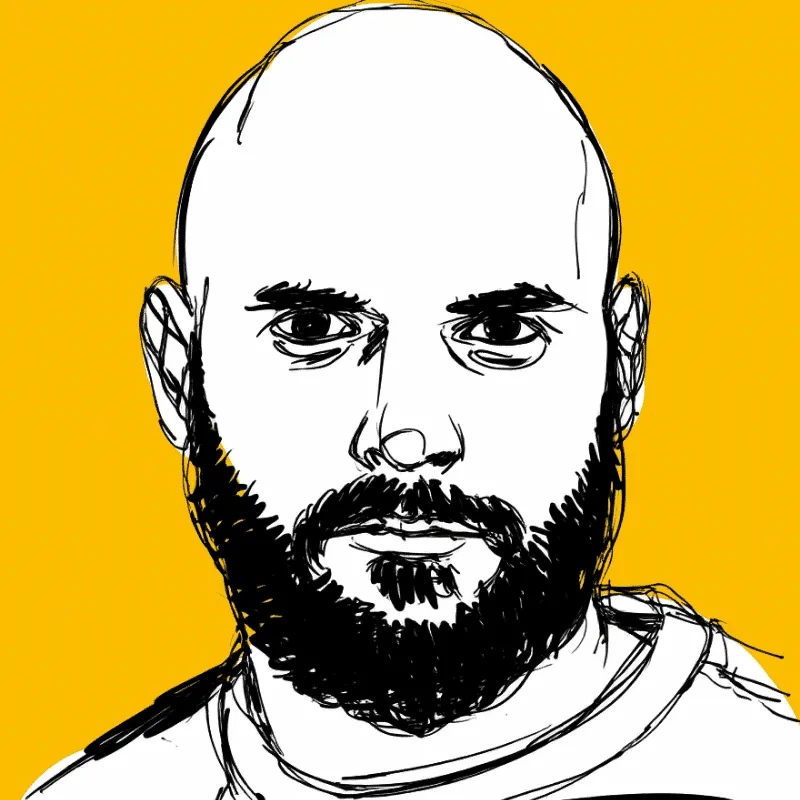
William Carter
Chief Digital Strategy Officer
-

Andrew Miller
Senior SEO Strategist
-

Amy Robinson
Content Marketing Manager
-

Betty Harrison
PPC Campaign Specialist
-

Anthony Carter
Lead Digital Account Executive
-

Amanda Cooper
Social Media Director
-

Carol Parker
Senior Client Success Manager
-

Barbara Bennett
Email Marketing Lead
-

Charles Turner
Technical SEO Analyst
-

Brian Sullivan
Creative Director
-

Christine Walker
Director of Project Management
-

Christopher Brooks
Digital Marketing Strategist
-

Daniel Wright
Senior Analytics Specialist
-

David Henderson
Lead Content Strategist
-

Donna Mitchell
Client Communications Manager
-

Elizabeth Foster
Director of Paid Advertising
-

Emily Baredi
Brand Experience Specialist
-

Emma Scott
Social Media Content Creator
-

George Crawford
Technical Solutions Architect
-

Jacob Evans
Digital Content Coordinator
-

James Anderson
Marketing Automation Specialist
-

Jason Palmer
Junior Copywriter
-

Jeffrey Reynolds
Paid Media Analyst
-

Jennifer Lewis
Community Engagement Specialist
-

Jonathan Murphy
SEO Reporting Specialist
-

Joseph Morgan
Influencer Marketing Coordinator
-

Kenneth Stevens
Digital PR Manager
-

Kimberly Harper
Digital Marketing Intern
-

Kevin Morris
SEO Outreach Specialist
-

Lee Dawson
Junior Web Developer
-

Linda Peterson
Email Campaign Coordinator
-

Lisa Thompson
Social Media Ads Specialist
-

Margaret Bradley
Marketing Operations Lead
-

Mark Richards
Data & Insights Analyst
-

Mary Kennedy
Senior Copyeditor
-

Matthew Clark
Growth Marketing Manager
-

Michelle Sanders
Junior Marketing Designer
-

Michael Foster
Senior Conversion Rate Specialist
-

Nancy Wheeler
Digital Analytics Manager
-

Nicholas Pierce
Affiliate Marketing Specialist
-
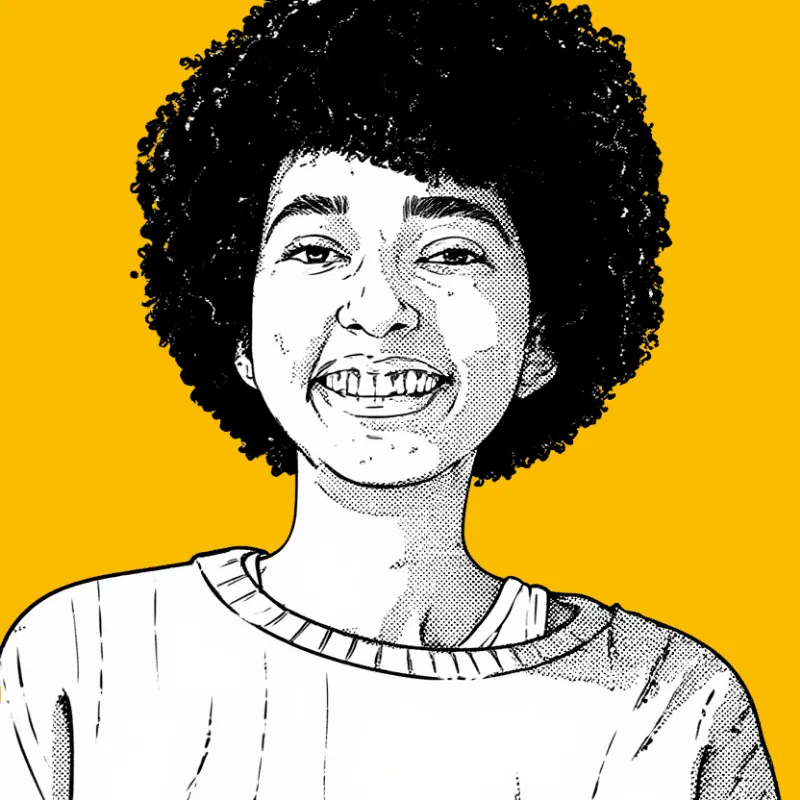
Nicole Adams
Outreach Program Coordinator
-

Paul Franklin
Paid Social Campaign Manager
-

Richard Barnes
Reputation Management Specialist
-

Robert Murphy
Lead Solutions Architect
-

Ronald Davis
Marketing Technology Analyst
-

Ryan Bell
Paid Media Buyer
-

Sandra Gregory
Digital Account Coordinator
-

Scott Hopkins
CRM Implementation Specialist
-

Shirley Ellis
Customer Insights Manager
-
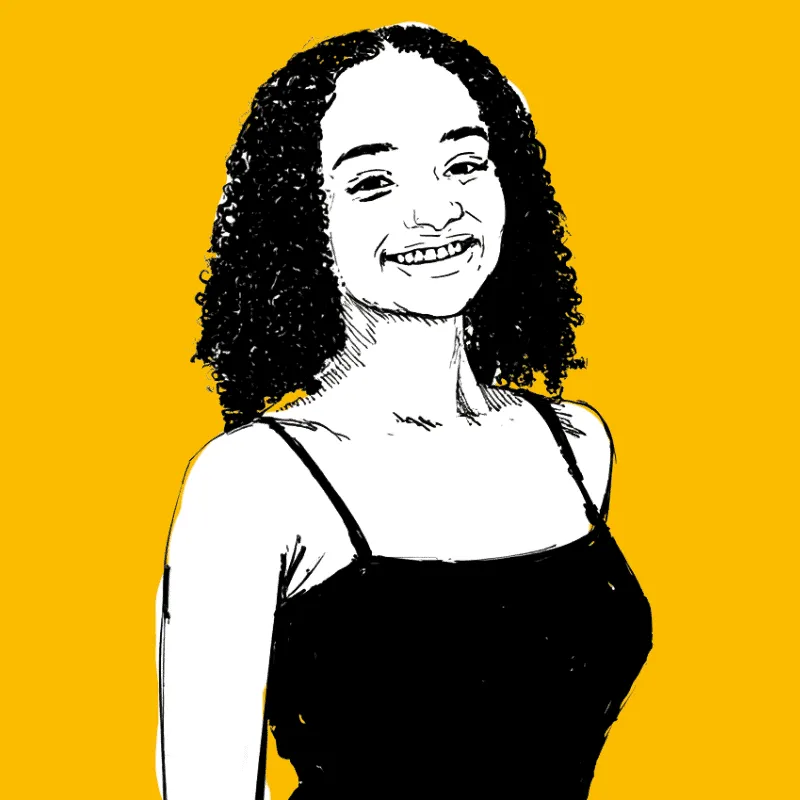
Stephanie Cross
Brand Content Designer
-

Steven Greene
Web Analytics Specialist
-

Susan Price
Affiliate Campaign Manager
-

Thomas Fisher
Lead Technical Architect
-
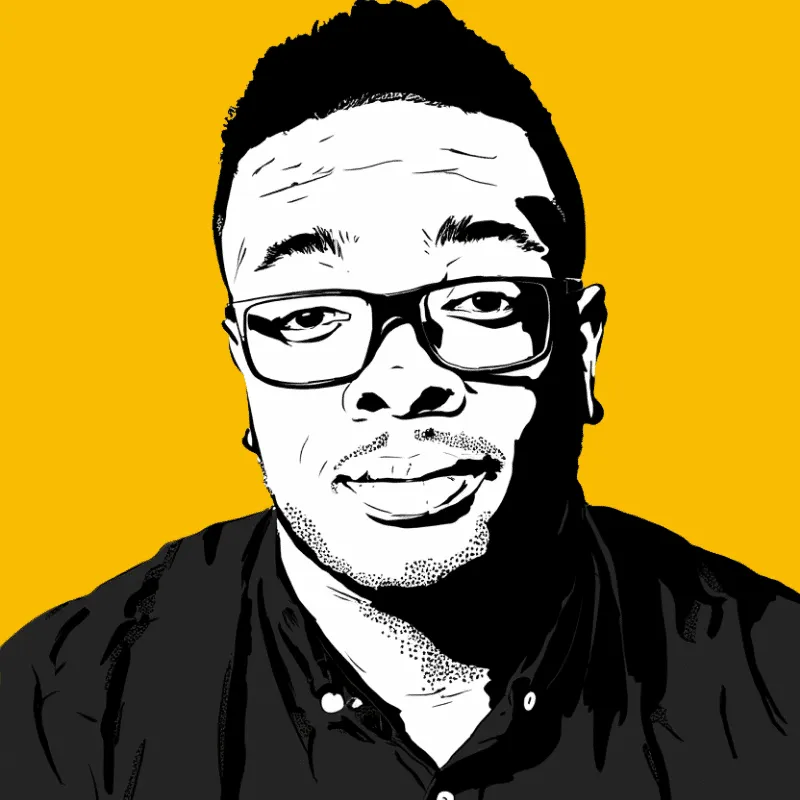
Timothy Nash
Mobile Marketing Strategist
Logo Design FAQs
What happens in each of the three revision rounds?
Round one adjusts direction: the big moves, a different weight, a reconsidered symbol, a color shift. Round two refines: letterspacing, curve quality, proportion, balance. Round three is production polish: how the mark sits at small sizes, in one color, and in its lockups. Scoping rounds by job keeps feedback specific, and it is why the process finishes instead of orbiting.
Can I trademark the logo you design?
The work supports it: every mark is drawn from scratch, screened with a knockout search against existing marks, and delivered in the vector formats a filing requires. What we will not sell you is legal certainty, because clearance and registration are attorney work. Budget for an hour with a trademark attorney around finalization; it is the cheapest insurance in branding.
Do you redesign existing logos or only create new ones?
Both, and redesigns are often the more delicate job. An established mark carries recognition your customers paid years to build, so the work starts by naming what must survive, a shape, a color, a silhouette, before anything modernizes around it. A redesign that reads as a stranger spends brand equity to buy novelty, and we will argue against that trade when we see it coming.
Can you design a logo that matches my existing website?
Yes, and the reverse happens just as often: a new mark sets the palette and type direction for a site refresh that follows. Either way the two get designed against each other, same colors by code, same type logic, so the brand reads as one decision. If the site is due for deeper work than a palette match, we will say so plainly rather than force a logo onto a layout that fights it.
What do you need from me to get started?
About an hour of honesty: what the business does, who buys, who you lose to, what you like and hate about the current identity, and where the mark will live, from vehicles to invoices. Existing brand assets help if they exist. You do not need design ideas; the brief is our job. The strongest input clients give is examples of what they never want to look like.
Do you design business cards, letterheads, and other collateral?
Yes, inside brand identity scope: cards, letterhead, branded stationery, social profiles and templates, email signatures, and the packaging or vehicle layouts your business actually uses. Collateral is where guidelines prove themselves, because each piece tests the system. A logo-only project skips collateral to keep its price honest, and you can add pieces later since you own every source file.
What if I do not like any of the three concepts?
We go back to the brief together, because that is where misses live. If the directions answered the brief and the brief was wrong, we rewrite it and redraw, and we own our share of that openly. If the brief changed after approval, the redraw is a re-scope, priced before work continues. What we will not do is grind out endless free variations, because that produces exhausted approvals, not good marks.
Do you use AI to generate the logos?
Not for the mark itself. The concepts are drawn by designers, because AI generators assemble from patterns they have seen, which is the opposite of a mark meant to be unmistakably yours, and it muddies both originality and your trademark position. Where AI genuinely helps, research volume and mood exploration, we use it like any tool. The vector in your final files is drawn geometry, point by point.
How is a logo project priced?
By scope, quoted in writing after the discovery call. The honest range on this page runs from $499 for a focused mark to $2,499 and up for a full identity system, and what moves the number is concept depth and how much system surrounds the mark: guidelines, collateral, variations. Every scope includes the complete file package and copyright transfer; ownership is never a tier.
How do I choose a logo designer?
Ask what files arrive at delivery; the answer must include the working vector source, not just exports, plus a written copyright transfer. Ask for the revision policy in numbers, since unlimited usually means capped by timeline and patience. Ask to see past concepts presented on real surfaces at real sizes. And ask what happens if you hate every concept, because the honest answer involves the brief, not endless free variations.
How do I get started?
Send the proposal form below or call, and tell us what the business does and why the identity feels wrong or missing. You get back a written scope with a named price and timeline, and an honest recommendation, including, sometimes, that a generator logo or a rebrand strategist serves you better right now. The call costs nothing and neither does hearing no from us.
Ready for a Logo That Works Everywhere Your Business Does?
Tell us about your business and we will send back a written scope with a named price, a timeline, and an honest recommendation. If the truthful answer is a generator logo for now, or a rebrand strategist before any design, the proposal will say so.
Questions? Call (888) 644-7795 or email care@egochi.com
Egochi Stats
- 250+ Google Reviews
- 5.0 Clutch Rating
- 12+ Years Experience
- $200M+ Revenue Generated
- 4 US Offices
- 190+ Clutch Reviews
Blog Posts
- Aug 12, 2026 GEO vs. SEO: A Comparative Guide for Digital Marketers
- Aug 12, 2026 What is llms.txt? | How to Create llms.txt file for your website
- Aug 12, 2026 What is Semantic SEO? | How to Build Topical Authority That Ranks
- Aug 12, 2026 What is Schema Markup? | How to Add Structured Data to Your Website
- Aug 12, 2026 How to Optimize for Voice Search: A Realistic 2026 Guide