Enterprise SEO Services
Crawl-budget control, template-level fixes, and dev-ready tickets that survive sprint planning: SEO built for sites where scale is the problem.
Enterprise SEO services grow organic revenue for websites where scale changes the work: estates of tens of thousands of URLs, multiple teams shipping changes, and dev queues that decide what goes live. Egochi runs the audits, writes the tickets, and follows them into production for organizations from multi-location operators to global brands.
At enterprise scale the bottleneck is rarely knowing what to fix. It is shipping the fix. We write dev-ready tickets and follow them through.
As Featured In






What are enterprise SEO services?
Enterprise SEO services are search programs built for websites where scale changes the work: tens of thousands to millions of URLs, templated pages, multiple teams shipping changes, and dev queues that decide what actually goes live. The unit of work is the template and the ticket, not the individual page, and progress depends as much on process as on strategy.
Egochi has been running search programs since 2014, from offices in New York, Miami, Milwaukee, and Madison, with 250+ Google reviews and 190+ Clutch reviews at a 5.0 rating behind the work. The same discipline serves local firms and global estates: enterprise is where the process gets forged, not a wall around who we work with. Enterprise engagements here are judged on shipped changes and non-brand organic revenue, never on the thickness of an audit deck. The next step costs nothing: a free enterprise audit that names what is stuck between recommendation and production.
Why Enterprise Sites Break Standard SEO
Standard tactics assume a site that one person can hold in their head. Enterprise sites change faster than any page-by-page plan. Find your symptom on a card below; the second half is what the audit usually finds behind it.
-
One template bug breaks a hundred thousand pages at once
What you see: Indexed pages drop by the tens of thousands in Search Console within weeks, and no release note explains it.
What is usually wrong: Template multiplication. On an enterprise site nobody edits pages, they edit templates, and a stray noindex, a broken canonical, or a render change in one component deploys to every URL built from it. The leverage that makes template fixes powerful makes template mistakes expensive.
-
SEO recommendations die in the dev queue
What you see: The audit was delivered a year ago. Everyone agreed with it. Almost none of it is live.
What is usually wrong: Recommendations that are not tickets. An audit PDF asks an engineering manager to do the translation work, so it loses to any spec that arrives sized and testable. Findings have to enter the backlog as dev-ready tickets with acceptance criteria, or they stay findings.
-
Googlebot spends its visits on URLs that cannot rank
What you see: New and updated pages take weeks to get indexed while Search Console shows millions of discovered URLs you never planned.
What is usually wrong: Parameter and facet waste. Filters, sort orders, session parameters, and internal search pages mint URLs faster than anyone reviews them. Google’s own crawl-budget guidance applies from roughly 10,000 fast-changing pages, and past 1 million pages it is unavoidable. Most enterprise estates are deep into that territory.
-
Rankings move and nobody knows which team caused it
What you see: Traffic dropped after a release week. Three teams shipped. The postmortem is a shrug.
What is usually wrong: Uncoordinated deploys. Product, brand, and regional teams change templates, navigation, and content without a shared change log, so cause and effect decouple. Without deploy annotations laid over search data, every drop becomes an unsolvable mystery and every win goes unclaimed.
-
International pages rank in the wrong countries
What you see: German users land on the US page, the UK page cannibalizes the Australian one, and translated pages sit unindexed.
What is usually wrong: Hand-managed hreflang. At a few dozen pages you can maintain annotations manually; across fifty thousand URLs and a dozen markets, hreflang has to be generated from template rules and validated continuously, or the map quietly rots with every release.
-
Every department publishes, nobody owns quality
What you see: Thousands of pages nobody remembers creating: near-duplicates, thin stubs, and orphans with no internal links.
What is usually wrong: Missing governance. When five teams publish through the same CMS without shared standards, keyword assignments, or quality gates, the estate accretes pages that compete with each other and drag sitewide quality signals down. Scale without governance is just faster debt.
-
Your own pages compete for the same query
What you see: The corporate page, a product page, and two blog posts trade positions for one term, and none of them holds it.
What is usually wrong: Brand and product teams targeting keywords independently. Each page splits the query’s signals, so Google rotates between them instead of ranking one with conviction. One keyword, one owner, one page is a governance decision before it is an SEO tactic.
-
Three analytics setups, three different truths
What you see: The SEO report, the product dashboard, and finance each show a different organic number for the same month.
What is usually wrong: Analytics fragmentation. Regional properties, legacy tags, and per-team dashboards define channels differently, so nobody trusts any number enough to act on it. Before reporting can drive budget, one measurement layer has to be agreed, documented, and used by everyone.
How do you work with our in-house SEO and dev teams?
As the specialist arm beside them, not over them. Your team keeps ownership; we bring log-file analysis, template recommendations written as dev-ready tickets with acceptance criteria, priority calls backed by ranking evidence, and a second set of eyes in sprint planning. Recommendations arrive in your ticketing system, sized and testable, so nothing dies in a slide deck.
What Is Inside the Enterprise SEO Program
Six workstreams under one owner, because at enterprise scale the handoffs between them are where programs die.
-
Enterprise technical audits
Log-file analysis, estate-scale crawls, indexation review, and crawl-budget control: which URLs Googlebot wastes its visits on, which templates cap revenue, and what to change, ranked by impact. The deliverable is a fix list your engineers can act on, not a PDF nobody opens.
-
Dev-ready tickets and sprint support
The differentiator: recommendations arrive as tickets with acceptance criteria, affected templates and URL patterns, QA steps, and a priority tied to ranking impact. Our SEO experts join sprint planning, answer engineers mid-ticket, and verify every deploy, so audits become production changes instead of shelfware.
-
Template-level content strategy
Fix once, rank thousands. Title and heading logic, on-page structure, and internal linking modules engineered at the template layer, plus editorial standards for the pages that still need hand work. Content decisions get made where they multiply, not one URL at a time.
-
Governance and content velocity
Publishing standards multiple teams can actually follow: who owns which query classes, how new pages get keywords assigned, and which quality gates stop thin or duplicate pages from shipping. Governance is what keeps next year’s estate from becoming next year’s cleanup.
-
Stakeholder reporting on two layers
C-suite dashboards tied to non-brand revenue, ROI, and share of the queries that matter, and practitioner reports with crawl stats, template rankings, and ticket status. Same data, two altitudes, so budget conversations and standups both get the numbers they need.
-
AI search visibility at scale
Entity consistency, schema coverage across the estate, and content structured so ChatGPT, Perplexity, and Google’s AI Overviews can quote it. At enterprise scale this is template work too: markup and entity signals deployed once, inherited by every page.
Our Enterprise SEO Process, Built on VERTEX Search™
Enterprise engagements run the same 18-step framework as our full SEO programs, compressed into five moves that follow its stages: Discover, Structure, Create, Validate, Amplify.
-
Discover
Estate Audit and Stakeholder Map
A crawl sized to the estate, log-file analysis, Search Console and GA4 history, and a map of who owns what: which teams control templates, content, releases, and approval workflows. The deliverable is a fix list priced by ranking impact and by what it takes to ship.
-
Structure
Architecture and Crawl Control
Facet and parameter rules set (index, canonical, or block), duplicate templates consolidated, internal-link modules designed, and hreflang generated from rules instead of hands. Every change enters your backlog as a dev-ready ticket with acceptance criteria.
-
Create
Template Content and Schema
Title, heading, and on-page logic fixed at the template layer so thousands of pages move together, editorial standards for the pages that need hand work, and schema plus entity markup deployed across the estate for rankings and LLM answers alike.
-
Validate
Shipped-Change Verification
Each deploy verified in production, then measured: crawl stats, index coverage, template-level rankings, and the brand versus non-brand revenue split. Whatever did not move gets rediagnosed instead of redeclared done, and the findings feed the next quarter.
-
Amplify
Scale, Links, and Reporting
Winning template patterns rolled across more of the estate, digital PR and backlinks pointed at the templates that carry revenue, and two-layer reporting: leadership dashboards tied to revenue, practitioner detail tied to tickets. Quarterly, the roadmap reprices itself.
VERTEX Search™ is the search discipline inside the EGOCHI VERTEX™ Growth System, the operating system behind every Egochi engagement.
How is enterprise SEO different from regular SEO?
Scale flips the economics. On a small site you fix pages; on an enterprise site you fix templates, and one template change moves thousands of URLs at once. Crawl budget, faceted URLs, and hreflang become real constraints, approval chains stretch timelines, and the deciding skill shifts from knowing what to change to getting the change shipped through other teams.
Enterprise SEO vs Standard SEO
An enterprise site is not a big small site. Five structural differences change how the work is done, and agencies that miss them deliver page-by-page effort into a template-scale problem.
| Factor | Standard SEO | Enterprise SEO |
|---|---|---|
| Scale | Dozens to a few hundred URLs, each touchable by hand | Tens of thousands to millions of URLs generated by templates |
| Unit of work | The page: write it, tune it, link it | The template and the ticket: fix once, move thousands of pages |
| Timeline | Changes ship in days, straight into the CMS | Changes ride release cycles; results follow what reaches production |
| Who is involved | An owner or a marketing manager saying yes | SEO, dev, product, brand, legal, and analytics teams, each with a gate |
| Measurement | Rankings, traffic, conversions, and leads by source | Non-brand organic revenue by template and market, reported to two audiences |
How much does enterprise SEO cost?
Enterprise engagements here start at $7,500 monthly and scale to $15,000 based on page count, market count, and how much dev support the program carries. A one-time enterprise audit runs $2,500 to $10,000 depending on estate size. The number is scoped after the free audit and stays transparent: you see the fix list before you see a contract, and there are no setup fees.
Enterprise SEO Agency vs In-House Team vs Platform
Three honest ways to run enterprise search, and they are not really rivals: platforms watch, teams own, agencies ship. Which mix fits depends on what your org already has.
| Factor | Enterprise SEO Agency (Egochi) | In-House Team | Platform (BrightEdge-class) |
|---|---|---|---|
| Monthly Cost | $7,500 - $15,000, scoped by estate size and dev support | Salaries plus tools; covering every skill set costs multiples of a retainer | License fees before anyone does the work |
| Strategy and Priority Calls | Trade-offs decided on ranking impact and revenue | Depends entirely on the seniority of the hire | Dashboards flag issues; they do not decide trade-offs |
| Dev-Ready Tickets and Sprint Support | Acceptance criteria, QA steps, priority by impact | Native access to the backlog, when bandwidth exists | Exports findings; someone still writes the ticket |
| Crawl and Log Data at Scale | Log-file analysis plus enterprise crawlers, per engagement | If the tooling budget is there | The genuine strength: continuous monitoring at estate scale |
| Org Knowledge and Internal Politics | Learned engagement by engagement | Unmatched: they sit in the meetings that decide | None |
| Reporting to Leadership | Two layers: C-suite dashboards plus practitioner detail | Custom to the org, if the skill is there | Strong charts, no narrative and no accountability |
| Continuity | Team backup and documented playbooks | Knowledge leaves with a resignation | The license renews and the data stays |
| Best For | Estates that need strategy, tickets, and follow-through at once | Orgs wanting daily internal ownership, with budget for a full team | The data layer under a team that acts on it |
The Verdict
A platform is a telescope, not an astronomer. BrightEdge, Conductor, and Botify are genuinely good at watching an estate; none of them writes a ticket, argues priority in sprint planning, or takes responsibility for a number. An in-house team does all of that with org knowledge no outsider matches, and the strongest setups we work in pair that internal owner with our specialists and whatever platform is already licensed. The agency case is the gap in the middle: strategy plus shipped changes, accountable monthly.
Enterprise SEO Pricing
Two ways in, both scoped in writing: the one-time estate audit, or the ongoing program it prices.
-
Enterprise SEO Audit
$2,500 - $10,000 one-time
The estate audit that prices the program, scoped by site size.
- A crawl sized to the estate plus log-file analysis
- Search Console and GA4 history review
- Stakeholder map of who owns templates, content, and releases
- Fix list priced by ranking impact and what it takes to ship
- You see the fix list before you see a contract
-
Enterprise SEO Program
Custom, from $7,500 per month
Scoped by page count, market count, and dev support, scaling to $15,000.
- Dev-ready tickets and sprint support
- Template-level content strategy and schema
- Governance and content velocity
- Stakeholder reporting on two layers
- AI search visibility at scale
How We Price an Enterprise Program
Enterprise programs run from $7,500 to $15,000 monthly. Three variables decide where inside that band a program lands.
-
Size of the estate
Page count drives audit depth, template work, and monitoring. The one-time estate audit runs $2,500 to $10,000 by size, and the ongoing program scales the same way: a fifty-thousand-page catalog is priced on the templates and systems it actually contains.
-
Market and team count
Each added market or brand adds keyword sets, content governance, and stakeholders. Programs that coordinate across several product or regional teams carry more strategy and meeting time, and the quote says so plainly instead of hiding it in a blended rate.
-
How much dev support the program carries
Some clients want dev-ready tickets for their own engineers; others want our team shipping fixes inside their release cycle. The second scope carries hands-on engineering hours, and it is the variable most likely to move a program toward the top of the band.
The mechanics stay fixed at every size: no setup fees, month-to-month after the initial scope, and you see the fix list before you see a contract.
Is Enterprise SEO Right for Your Organization?
Who this is for
- Your estate is past roughly 10,000 pages, the range where Google’s own crawl-budget guidance says crawl priorities start to matter, and template quality outweighs page-by-page effort.
- Multiple teams touch the site: product, brand, regional, and dev groups shipping changes that need one search strategy holding them together.
- You are replatforming, migrating, or consolidating domains and subdomains, and you know that is where large sites lose years of equity in a weekend.
- You run a multi-location or international estate where market-level pages, hreflang, and local signals have to be governed centrally and shipped at scale.
When this may not be the right fit
- Your site is a few hundred pages. Our standard SEO program moves faster and costs less at that size, and the audit will route you there honestly.
- The need is purely technical: crawl, rendering, and Core Web Vitals, with content and links already handled. A focused technical engagement fits better than a full enterprise program.
Franchise systems run their own version of this problem, corporate pages versus franchisee pages: our franchise SEO services cover it. And when the blocker is purely technical, start with our technical SEO services and come back once the crawl is clean.
Fair Questions Before You Hire an Enterprise SEO Company
Why does a tiny competitor outrank our enterprise site?
Because authority only wins when the plumbing works. A ten-page site with clean templates, fast pages, and exact-intent content beats a hundred-thousand-page estate whose category template buries the answer, duplicates itself across parameters, drags the user experience, and takes a quarter to change. Agility is a ranking factor in practice: the small site ships fixes the same week it finds them. The fix is not more authority. It is making template quality and release speed stop canceling the authority you already have.
Our dev team has no bandwidth. Will the program stall?
This is the exact constraint the program is built around. Three answers: tickets written to spec get sized smaller and accepted faster, because nobody has to translate an audit PDF into work. A meaningful share of the roadmap needs no engineering at all: content, metadata, internal links, and CMS-level changes ship through editors while the queue moves. And priority order comes from ranking impact, so the two dev tickets that do land in a quarter are the two that move revenue most.
We already pay for BrightEdge. Why would we need an agency?
Keep the platform; it is good at what it is for. BrightEdge, Conductor, and similar suites monitor an estate, flag issues, and chart visibility over time. What they do not do is choose trade-offs, write the ticket, sit in sprint planning, or own an outcome. If your team has the strategy and the bandwidth, the platform plus your people may be everything you need, and we will say so in the audit. Where we get hired is the gap between what the dashboard flags and what actually ships.
How do you prove SEO revenue to a CFO?
Carefully, and without attribution theater. No model can trace every enterprise deal back to a keyword, and pretending otherwise burns credibility with finance. What holds up: non-brand organic revenue split from brand in GA4, query-class trends from Search Console tied to the changes that shipped, and pipeline influence reported as influence rather than last-click gospel. We would rather show a CFO a smaller number that survives questioning than a large one that dies under the first.
Enterprise Results, as Published in Our Portfolio
Receipts from engagements at estate scale. Where an engagement was bigger than the search work, the numbers cover the whole engagement, labeled honestly.
-

Microsoft
B2B Technology | Enterprise SEO
A B2B technology engagement where the working surface was templates, stakeholders, and a dev queue. Reported the way every engagement here is reported: pipeline and leads first, traffic as the supporting number.
- $2.4M Pipeline Revenue
- +300% Lead Generation
- +150% Organic Traffic
-

Toshiba Lifestyle
Global Consumer Electronics
A global consumer electronics estate where template-level fixes moved thousands of rankings together. The kind of engagement where one shipped change outweighs a quarter of recommendations.
- +185% Organic Traffic
- 2,400+ Rankings Improved
- +67% Revenue Growth
-

Menards
Home Improvement Retail
A very large retail catalog judged in dollars. Architecture, crawl control, and template work across a catalog that mints URLs faster than any team can hand-edit, measured as organic revenue rather than positions.
- +$8.7M Organic Revenue
- +250% Organic Traffic
- +435% Transactions
-

Corcoran Group
Luxury Real Estate | Multi-Office
A multi-office luxury real estate brand where lead volume and template speed both had to move. The LCP figure sits on this card because slow templates were part of the diagnosis, not a side note.
- +120% Organic Traffic
- 48 → 186 Lead Generation
- 3.4s → 2.1s LCP
-

The Pioneer Woman
Food and Lifestyle Media | Enterprise Scale
A media platform serving one of the largest audiences in its category, where content and technical decisions ship at template scale. The program grew traffic while keeping readers on the page longer, measured the same way the rest of this page is measured.
- 30M+ Monthly Visitors
- +45% Time on Site
- +250% Lead Generation
-
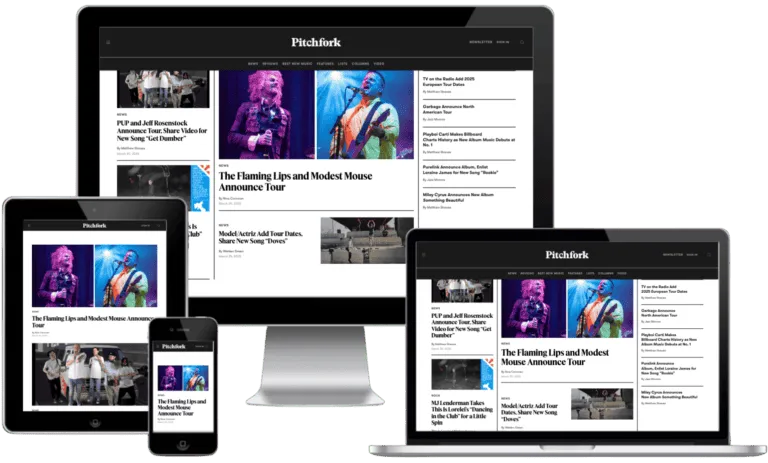
Pitchfork Media
Music and Entertainment Media
A media enterprise where load time was a revenue problem before it was a rankings one. Technical improvements and a content refresh ran together, judged on traffic and speed rather than activity lists.
- 2.6M Monthly Visitors
- +40% Organic Traffic
- -60% Load Time
More engagements, sliced by service, industry, and platform, live in our SEO case studies.
What Our Clients Say
The same process runs local firms through global estates, and the testimonials below span that range on purpose.
-

Krispen Culbertson
Sr. Partner, Culbertson Law
"Blown away by the results"
Organic sessions grew from 7,200 to 18,400 in 6 months and qualified calls rose 91%. The monthly report always said what changed and why. Source: GA4 and CallRail.
-

Justin Tyme
Owner, Reef Side Tattoo
"Couldn’t be happier"
Weekly bookings climbed from 18 to 56 in 4 months once Egochi rebuilt our portfolio pages and tuned everything behind them. Clients keep telling us they found us on Google. Source: GA4 and GBP insights.
-

Maria Antoinette
Founder, Antoinette Realtors
"Significant increase in leads"
Organic leads went from 4 to 24 monthly in 3 months, and organic traffic grew 70% after Egochi rebuilt our pages one by one. Source: GA4 and GBP insights.
"The results are just amazing"
"Egochi is the best"
Meet Your Enterprise SEO Team
The senior team that works inside large sites, release cycles, and stakeholder reviews.
-

Jobin John
Chief Executive Officer
-

Justin Brown
Head of Search Engine Optimization
-

Bryan Thomson
Head of Web Design & Development
-

Ina Komins
Head of Social Media Marketing
-

Kierra Pita
Head of Advertising & Content Marketing
-

Patricia Turner
Chief Creative Officer
-

William Carter
Chief Digital Strategy Officer
-

Andrew Miller
Senior SEO Strategist
-

Amy Robinson
Content Marketing Manager
-

Betty Harrison
PPC Campaign Specialist
-

Anthony Carter
Lead Digital Account Executive
-

Amanda Cooper
Social Media Director
-

Carol Parker
Senior Client Success Manager
-

Barbara Bennett
Email Marketing Lead
-

Charles Turner
Technical SEO Analyst
-

Brian Sullivan
Creative Director
-

Christine Walker
Director of Project Management
-

Christopher Brooks
Digital Marketing Strategist
-

Daniel Wright
Senior Analytics Specialist
-

David Henderson
Lead Content Strategist
-

Donna Mitchell
Client Communications Manager
-

Elizabeth Foster
Director of Paid Advertising
-

Emily Baredi
Brand Experience Specialist
-

Emma Scott
Social Media Content Creator
-

George Crawford
Technical Solutions Architect
-

Jacob Evans
Digital Content Coordinator
-

James Anderson
Marketing Automation Specialist
-

Jason Palmer
Junior Copywriter
-

Jeffrey Reynolds
Paid Media Analyst
-

Jennifer Lewis
Community Engagement Specialist
-

Jonathan Murphy
SEO Reporting Specialist
-

Joseph Morgan
Influencer Marketing Coordinator
-

Kenneth Stevens
Digital PR Manager
-

Kimberly Harper
Digital Marketing Intern
-

Kevin Morris
SEO Outreach Specialist
-

Lee Dawson
Junior Web Developer
-

Linda Peterson
Email Campaign Coordinator
-

Lisa Thompson
Social Media Ads Specialist
-

Margaret Bradley
Marketing Operations Lead
-

Mark Richards
Data & Insights Analyst
-

Mary Kennedy
Senior Copyeditor
-

Matthew Clark
Growth Marketing Manager
-

Michelle Sanders
Junior Marketing Designer
-

Michael Foster
Senior Conversion Rate Specialist
-

Nancy Wheeler
Digital Analytics Manager
-

Nicholas Pierce
Affiliate Marketing Specialist
-

Nicole Adams
Outreach Program Coordinator
-

Paul Franklin
Paid Social Campaign Manager
-

Richard Barnes
Reputation Management Specialist
-

Robert Murphy
Lead Solutions Architect
-

Ronald Davis
Marketing Technology Analyst
-

Ryan Bell
Paid Media Buyer
-

Sandra Gregory
Digital Account Coordinator
-

Scott Hopkins
CRM Implementation Specialist
-

Shirley Ellis
Customer Insights Manager
-

Stephanie Cross
Brand Content Designer
-

Steven Greene
Web Analytics Specialist
-

Susan Price
Affiliate Campaign Manager
-

Thomas Fisher
Lead Technical Architect
-

Timothy Nash
Mobile Marketing Strategist
Enterprise SEO FAQs
How long does enterprise SEO take to show results?
Technical fixes that reach production show in Search Console within 30 to 60 days. The honest variable is your release cycle: a ticket that ships this sprint starts earning months before one that waits two quarters. Most enterprise engagements show measurable movement by month three to six and compounding template-level gains across the six to twelve month window.
Which enterprise platforms do you work with?
Adobe Experience Manager, Sitecore, Salesforce Commerce Cloud, SAP Hybris, BigCommerce Enterprise, Shopify Plus, Drupal, and WordPress VIP are the ones we see most, plus headless and custom stacks where there is developer access. Each platform fails in its own way, and knowing those patterns in advance is most of the diagnostic speed on an enterprise audit.
Do you support site migrations and replatforming?
Yes, and it is where enterprise SEO earns its keep, because migrations are where large sites lose years of equity in a weekend. The work covers a pre-migration benchmark, a full redirect map at template level, staging crawls before cutover, launch-day checks, and post-launch monitoring against the benchmark until rankings settle. Migration support is scoped per project.
Can you help after an algorithm update hit?
Yes. The first step is diagnosis, not activity: which templates lost, which query classes, and what changed in the update window. Enterprise sites usually get hit at the template level, so recovery means fixing the pattern, thin templated pages, duplicate content, or intent mismatch, then waiting for a recrawl at scale. Anyone promising a fast recovery is guessing.
How do you manage crawl budget on a large site?
With server logs, not guesses. Log-file analysis shows where Googlebot actually spends its visits; on most large websites a meaningful share goes to parameter URLs, duplicate templates, and pages that cannot rank. We cut the waste with robots rules, canonicals, and internal-link changes, then point the reclaimed crawl at revenue templates through sitemaps and site architecture.
What is your approach to international SEO and hreflang?
Hreflang at scale is generated, never hand-edited: the rules live in templates and feeds so a thousand new pages inherit correct annotations automatically. Beyond the markup, the work covers market-by-market keyword research, since translated keywords are rarely the searched ones, geo-targeting in Search Console, and a URL strategy, usually subdirectories, agreed with your teams before anything ships.
Who writes the code, your team or ours?
Usually yours, and the program is built for that reality. We deliver dev-ready tickets: the change, the URLs and templates affected, acceptance criteria, an estimate of ranking impact for priority, and QA steps. Where you want us hands-on, we work in the CMS directly or pair with your developers. Either way, nothing ships without your review gates.
Can you work inside our legal and brand approval process?
Yes, and pretending those gates do not exist is how enterprise SEO fails. We write recommendations so they survive review: sourced claims, no copy that trips regulatory language, and variants prepared where legal is likely to push back. Approval time gets planned into the roadmap, and quick wins that need no review run in parallel so quarters are never empty.
How do you report enterprise SEO performance?
Two layers, because a CMO and a channel manager need different numbers. Leadership gets a dashboard tied to non-brand organic revenue, pipeline, and share of the query classes that matter. Practitioners get the working detail: crawl stats, template-level rankings, ticket status, and what shipped versus what stalled. Both layers name their data sources, GA4 and Search Console first.
How do I choose an enterprise SEO agency?
Ask what a recommendation looks like when it leaves the agency; the right answer is a dev-ready ticket with acceptance criteria, not a hundred-page audit deck. Ask whether the team reads server logs or only crawls, and whether it sits in sprint planning after delivery. Judge proposals on shipped changes and non-brand revenue reporting; an agency that measures itself in deliverables will bury you in them.
Do you require long-term contracts for enterprise SEO?
No. Engagements run month to month after the initial scope. Enterprise SEO does need runway, template changes ride your release cycle and take months to compound, so we recommend planning on six to twelve months. But the retainer is earned by the monthly evidence: shipped tickets, moved templates, and revenue reporting, not by a signature.
Free Enterprise SEO Audit
Get a free review of your crawl picture, template quality, and the gap between what has been recommended and what has shipped, with every fix named, sized, and priced. You keep the findings either way, whether or not you hire us.
Ready to Ship SEO at Scale?
Enterprise SEO is one discipline inside our full search engine optimization services, so architecture, content, links, and reporting run as one program with one owner. Tell us about your estate and we will send a plan with real numbers in it.
Questions? Call (888) 644-7795 or email care@egochi.com
Egochi Stats
- 250+ Google Reviews
- 5.0 Clutch Rating
- 12+ Years Experience
- $200M+ Revenue Generated
- 4 US Offices
- 190+ Clutch Reviews
Blog Posts
- Aug 12, 2026 GEO vs. SEO: A Comparative Guide for Digital Marketers
- Aug 12, 2026 What is llms.txt? | How to Create llms.txt file for your website
- Aug 12, 2026 What is Semantic SEO? | How to Build Topical Authority That Ranks
- Aug 12, 2026 What is Schema Markup? | How to Add Structured Data to Your Website
- Aug 12, 2026 How to Optimize for Voice Search: A Realistic 2026 Guide