SaaS Digital Marketing Agency
Egochi is a digital marketing agency for B2B SaaS companies, and the first thing we set up is the math. Marketing priced against lead volume rewards the wrong things in software: a $50 cost per lead is a bargain at a $30,000 annual contract and a slow bleed at a $3,000 one with heavy churn. So every channel Egochi runs, SEO, PPC, social, and the site itself, gets planned and reported against LTV:CAC and payback, the language your board already reads. We build for how software buyers actually move: problem searches, category and alternative searches, competitor comparisons, review-site shortlists, and the quiet LinkedIn evaluation that precedes most demo requests. Plans start at $1,500 monthly with pricing Egochi publishes up front. Start with a free growth audit.
Get Your Free SaaS Growth Audit See What's Included
- 250+ Google Reviews
- 190+ Clutch Reviews at 5.0
- Google Premier Partner
As Featured In






What Makes SaaS Marketing Different
Four realities of selling subscription software that shape every channel decision Egochi makes.
A $50 lead is cheap or ruinous, and only your math knows which
Priced against a $30,000 contract with low churn, a $50 cost per lead is a rounding error. Priced against a $3,000 contract that churns in eight months, it quietly eats the company. Lead-count reporting hides that difference, so Egochi sets targets and reports every channel in LTV:CAC and payback period from the first month.
Trial or demo is a strategy decision, not a button label
A free-trial motion wants low-friction signups, activation follow-up, and campaigns judged on trial-to-paid rates. A demo motion wants qualification, proof, and patience with a long sales cycle. Every CTA, landing page, and campaign structure follows from that choice, so Egochi settles it with you before building anything.
Content velocity is not a strategy
Three posts a week can grow traffic for a year without starting a single trial, because readers of broad informational content are rarely buyers of your product. The pages that close, comparisons, alternatives, and problem pages written with real product depth, are fewer and harder. That is where Egochi's SaaS SEO program starts.
Review sites and AI answers now share a source
When a buyer asks ChatGPT or an AI Overview for the best software in your category, the answer leans on G2, Capterra, and comparison content it can crawl. The same profiles shape human shortlists. A thin review presence now costs you twice, in the answer box and on the buying committee's spreadsheet, which is why Egochi works those surfaces as part of the search program.
The Full SaaS Growth Program
Six services Egochi runs as one program, all reporting into the same pipeline math.
-
SaaS SEO
Egochi builds problem, category, and comparison rankings with real product depth, weighted toward the bottom-funnel pages that produce trials rather than the traffic that only produces charts.
-
SaaS PPC Management
Egochi runs intent-tiered paid search with brand defense, conversion events wired to your CRM, and bids priced against LTV instead of a cost-per-lead target picked from air.
-
LinkedIn and Social
Egochi drafts founder-led and company content that warms the silent evaluators who read for months before booking, measured by pipeline influence rather than likes.
-
Marketing Site and Conversion Work
Egochi architects the site around your trial or demo motion, with real product screenshots, an honest pricing page, and signup paths measured in seconds.
-
Review and AI Visibility
Egochi keeps a G2 and Capterra cadence going and builds crawlable comparison content, so both AI answers and human shortlists have something accurate to cite about you.
-
Revenue-Level Reporting
Egochi reports CAC by channel, payback period, and pipeline contribution in one monthly report, with the management fee and ad spend shown side by side.
How SaaS Companies Earn Visibility in AI Search
Software buyers now ask AI assistants the questions that used to fill a week of tabs: which tool fits their stack, what it really costs, how it compares to the incumbent, and what the alternatives are. Google AI Overviews, ChatGPT, Gemini, and Perplexity assemble those answers from crawlable comparisons, review-site data, and structured product information. Egochi structures your product, category, compatibility, and pricing data so the systems can cite your product in the recommendation instead of a competitor's framing of it.
Google AI OverviewsChatGPTGeminiPerplexity
-
Recommendation answers buyers never scroll past
When someone asks an assistant for the best software in your category for their team size and stack, the shortlist in that answer is the whole game. Egochi builds the category, comparison, and use-case pages those answers draw from, written with real feature and pricing detail a system can lift cleanly.
-
Entity and schema work behind the product
Egochi keeps one consistent identity for your product and company across the site, G2, Capterra, and the directories buyers check, and marks up product, pricing, FAQ, and organization data in structured schema. Gemini and Perplexity resolve software vendors through exactly these signals before recommending anyone.
-
The review-site reality behind AI answers
Assistants weigh review volume, recency, and whether your site and your G2 profile tell the same story, the same evidence human buying committees put in their spreadsheets. Egochi runs that review cadence and keeps every public claim aligned with what the product actually does.
-
One program carries Google and AI together
None of this is a separate bill. The structured comparisons, clean entities, and fresh reviews that earn AI citations are the same assets that rank in classic search and convert evaluators, so Egochi reports Google visibility and AI visibility as one program with one set of numbers.
How the Program Runs
-
Unit-economics intake
Before any channel work, Egochi sits with your ACV, churn, close rates, and sales motion, and turns them into a target CAC and payback ceiling. Every later decision gets judged against those two numbers.
-
Funnel and channel audit
We map where signups and demos come from today, which intent tiers you rank for, whether competitors bid on your name, and where the current spend leaks. You get the gap list before you commit.
-
Motion-matched foundations
Egochi rebuilds landing pages, CTAs, and tracking around your trial or demo motion, with conversion data flowing from the CRM back to the channels, so nothing gets judged on form fills alone.
-
Channels in payback order
Egochi starts where the payback math is shortest: usually brand defense, comparison pages, and the highest-intent paid tiers, then expands into category and problem coverage as results fund it.
-
Report in board language
Monthly reporting reads in CAC, payback, and pipeline contribution by channel. Budget shifts toward what earns, and Egochi shows you the reasoning behind every move, not just the invoice.
Fair Questions SaaS Founders Ask
We are product-led. Do we need a marketing agency at all?
Product-led growth still needs the top of the funnel filled: trials come from searches, comparisons, and recommendations, not from the product alone. Where PLG changes things is downstream, since activation and expansion do work sales would otherwise do. If your trial flow converts well and signups are growing without spend, you may genuinely not need us yet.
Why an agency instead of our first marketing hire?
Not instead; usually alongside. One in-house marketer cannot be strong at technical SEO, paid media, positioning, and design at once, and the first hire burns out trying. The pattern that works is an in-house owner for strategy and voice, with an agency like Egochi supplying channel depth. If you already have a full-stack team, you need us less.
Agencies burned us before. What would actually be different?
Most SaaS agency failures share an autopsy: a generalist retainer, content volume without product depth, reporting in clicks, and no connection to the CRM. The structural fix is unit-economics targets set first, channels judged on payback, and revenue data closing the loop. If a quarter of honest numbers shows the math failing, Egochi says that too.
How fast can marketing actually move MRR?
Paid campaigns produce signal in weeks; whether it is good signal depends on your close rates. Organic compounds over months, with comparison pages moving fastest because the buyers there are closest to a decision. A realistic first quarter buys clean data and early wins, not a hockey stick, and anyone promising one is guessing with your runway.
Common Mistakes to Avoid
-
Reporting marketing in leads and clicks while the board reads CAC payback, so nobody can tell whether the spend works.
-
Publishing three blog posts a week while the comparison and alternative pages that close deals stay unwritten.
-
Running identical campaigns for a free-trial product and a demo-only product, when the two motions share almost nothing.
-
Ignoring G2 and Capterra until a competitor's review count starts writing your prospects' shortlists for them.
-
Leaving your brand name unbid while competitors run ads on it, then wondering why branded demo requests dipped.
SaaS and B2B Tech Case Studies
Egochi publishes these receipts from software, technology, and B2B engagements across the client roster. Every number restates the client's published case study, and the software platforms lead the row.
-
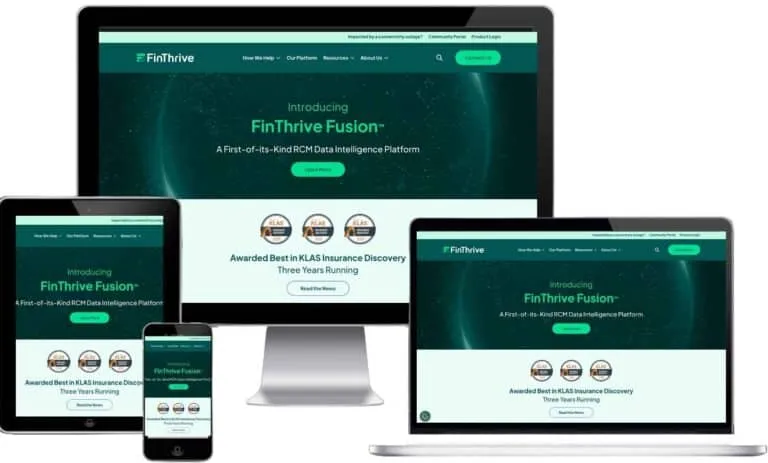
FinThrive
Revenue-Cycle Software | B2B Healthcare Tech
A B2B software platform selling to hospitals on a demo motion, where every second of friction costs a meeting. Egochi rebuilt the marketing site so evaluators reached proof faster, and the demo pipeline followed.
- 300 Monthly Demo Requests
- 50% Bounce Rate Drop
- 40% Page Load Time Cut
-

Frontend Masters
Developer Education Platform | Custom Build
A developer platform whose buyers scroll past anything that smells like marketing. Egochi shipped the redesign, the custom class software, and the SEO program that grew enrollments together.
- +65% Course Enrollment Growth
- +70% Organic Traffic Lift
- +60% Revenue Growth
-
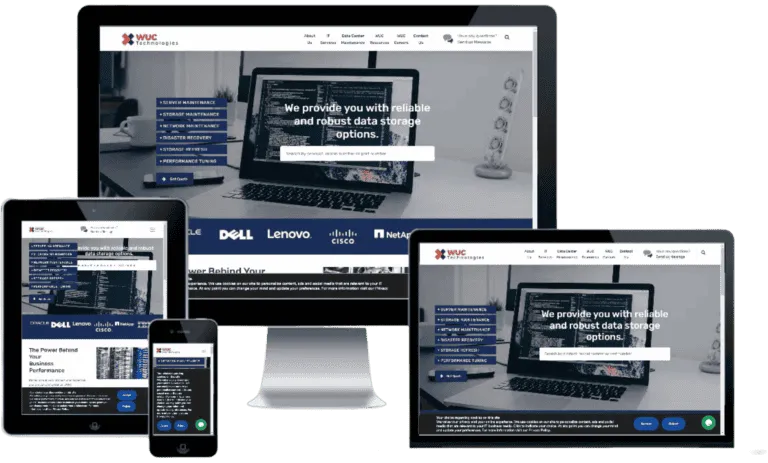
WUC Technologies
IT Services | B2B Technology
A B2B server and IT support company whose site hid its technical depth. Egochi rebuilt the platform and the keyword strategy so business clients could actually find and evaluate the services.
- +75% Organic Traffic Increase
- +60% User Engagement Lift
- +50% Qualified Inquiry Rise
-
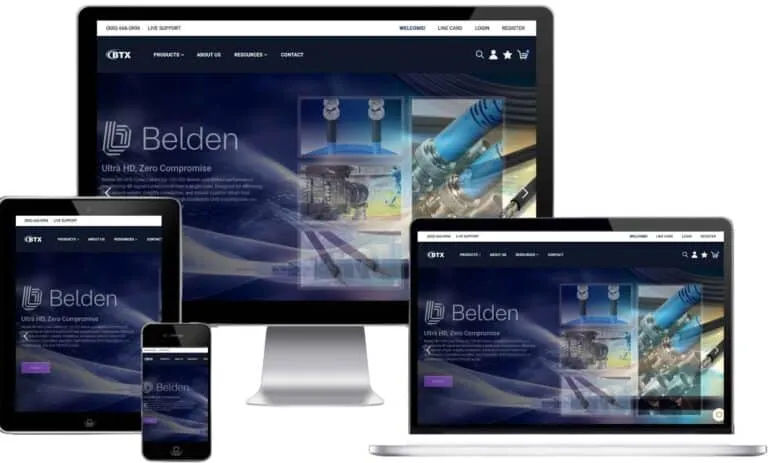
BTX Technologies
AV Equipment | B2B Industrial Tech
A technical B2B manufacturer selling to industrial buyers with long evaluation cycles. Egochi rebuilt the storefront and ran the search and paid campaigns that turned technical traffic into qualified leads.
- +80% Organic Traffic Lift
- 1.5K Extra Monthly Qualified Leads
- $200K Added Revenue
-
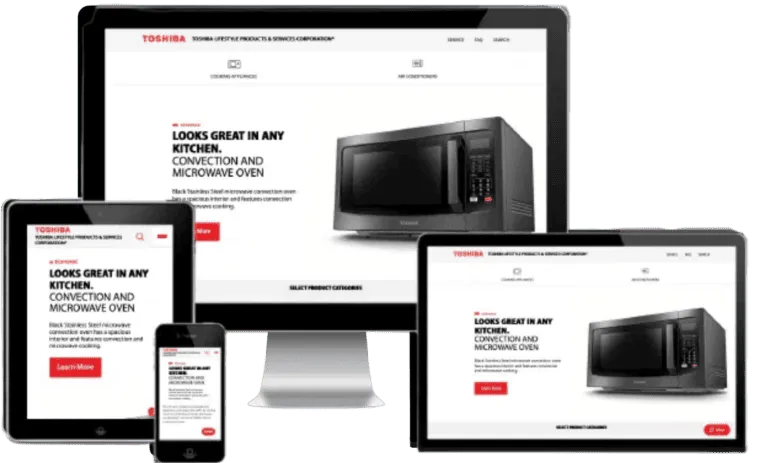
Toshiba Lifestyle
Enterprise Brand | SEO at Scale
An enterprise catalog with thousands of pages competing at scale, the same structural fight a multi-product platform faces. Egochi ran the SEO program that moved rankings across the whole catalog.
- +185% Organic Traffic
- 2,400+ Rankings Improved
- +67% Revenue Growth
-
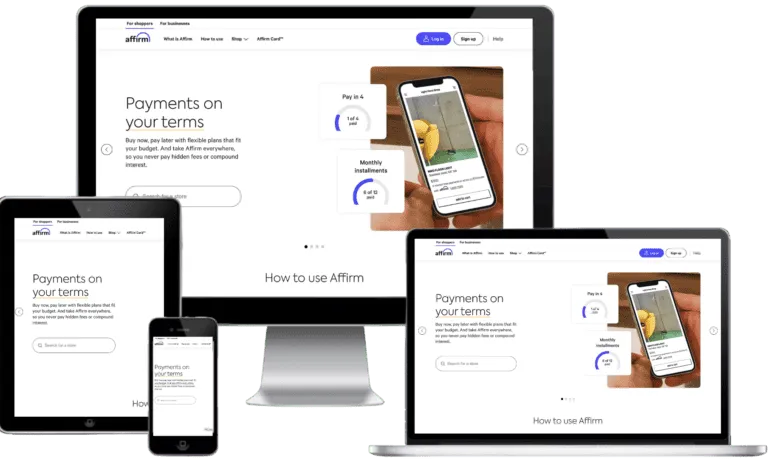
Affirm Holdings
Fintech Platform | Custom Website
A consumer fintech platform that needed an accessible build without losing conversion. Egochi delivered the custom ADA-compliant website, and traffic and signups rose together.
- +74% Organic Traffic Increase
- +80% User Engagement Improvement
- +68% Conversion Rate Lift
See How Egochi Works
A short look at how our team plans, builds, and reports on client work.
Is This Right for You?
This is for you if
- You sell B2B software on subscription and know your ACV and churn well enough to hold marketing to LTV:CAC.
- You have product-market fit and a working sales motion, and growth is now a distribution problem.
- You want one program across search, paid, social, and the site instead of four vendors reporting four ways.
This may not be the right fit if
- You are pre-product-market fit; spend amplifies a message you have not proven yet, and we will say so in the audit.
- You need MRR to move this month; paid can start fast, but the program compounds over quarters, not weeks.
See the work: Technology case studies · SEO case studies
The Complete B2B SaaS Program
This page is one part of a five-part program. Each piece works alone and works better together.
-
SaaS SEO
Problem, feature, and comparison rankings that compound while ads rent.
-
SaaS PPC
Intent-tiered campaigns priced against LTV, not lead volume.
-
SaaS Social Media
LinkedIn-first authority that shortens sales cycles before the demo call.
-
SaaS Web Design
Marketing sites that explain the product fast and convert trials without a rebuild.
Common Questions About SaaS Digital Marketing
-
How much does SaaS digital marketing cost?
Egochi's SaaS marketing plans start at $1,500 monthly and scale with the channels in play and the competitiveness of your category. Ad spend is separate and reported beside the fee, so your CAC math stays honest. Pricing is published up front, and the free audit sizes the program before you commit to anything.
-
How do SaaS companies show up in AI search results?
Buyers now ask Google AI Overviews, ChatGPT, Gemini, and Perplexity which tool fits their stack, what it costs, and what the alternatives are. Those systems assemble answers from crawlable comparison pages, review-site data, and structured product and pricing information. Egochi builds and structures exactly those assets, so the work that ranks you in Google also gets your product cited in the recommendation.
-
What is a good LTV to CAC ratio for a SaaS company?
The common benchmark is around 3:1 with CAC paid back inside 12 to 18 months, but the honest answer depends on your capital and growth stage. A funded company buying market share can run leaner ratios on purpose; a bootstrapped one usually cannot. Egochi sets the target from your numbers, not from a benchmark chart.
-
Should a SaaS company start with SEO or paid ads?
Usually both, in different roles. Paid buys immediate data on which messages and intent tiers convert, which is worth real money early. SEO compounds into pipeline you stop renting, with comparison pages paying back first. Runway decides the mix: short runway leans paid, patient capital leans organic, and Egochi's audit shows the math for your case.
-
What should a SaaS company look for in a marketing agency?
Ask what numbers they request before proposing anything; an agency that plans without your ACV, churn, and close rates is guessing. Ask whether reporting reads in CAC and payback wired to your CRM, whether they raise the trial-or-demo question early, and for pricing before the call ends; Egochi answers all of that up front. And if you are pre-product-market fit, the honest ones will tell you to wait.
Awards and Partnerships Egochi Holds in 2026
-

Egochi Named 2026 Top Digital Marketing Agency by Clutch
Clutch, a B2B market research and reviews platform, names Egochi a top digital marketing agency for 2026. The distinction rests on overall market presence and, most importantly, verified client feedback. Egochi holds a 5.0 rating across 190+ reviews on Clutch.
-

Egochi Is a Certified Google Premier Partner
Egochi is a certified Google Premier Partner, a status Google grants to the top 3% of participating advertising agencies each year. The tier is earned on campaign performance, sustained client growth, and advanced Google Ads certification, and Google reviews it annually rather than granting it for life.
The Team Behind the Work
-

Jobin John
Chief Executive Officer
-

Justin Brown
Head of Search Engine Optimization
-

Bryan Thomson
Head of Web Design & Development
-

Ina Komins
Head of Social Media Marketing
-

Kierra Pita
Head of Advertising & Content Marketing
-

Patricia Turner
Chief Creative Officer
-

William Carter
Chief Digital Strategy Officer
-

Andrew Miller
Senior SEO Strategist
-

Amy Robinson
Content Marketing Manager
-

Betty Harrison
PPC Campaign Specialist
-

Anthony Carter
Lead Digital Account Executive
-

Amanda Cooper
Social Media Director
-

Carol Parker
Senior Client Success Manager
-

Barbara Bennett
Email Marketing Lead
-

Charles Turner
Technical SEO Analyst
-

Brian Sullivan
Creative Director
-

Christine Walker
Director of Project Management
-

Christopher Brooks
Digital Marketing Strategist
-

Daniel Wright
Senior Analytics Specialist
-

David Henderson
Lead Content Strategist
-

Donna Mitchell
Client Communications Manager
-

Elizabeth Foster
Director of Paid Advertising
-

Emily Baredi
Brand Experience Specialist
-

Emma Scott
Social Media Content Creator
-

George Crawford
Technical Solutions Architect
-

Jacob Evans
Digital Content Coordinator
-

James Anderson
Marketing Automation Specialist
-

Jason Palmer
Junior Copywriter
-

Jeffrey Reynolds
Paid Media Analyst
-

Jennifer Lewis
Community Engagement Specialist
-

Jonathan Murphy
SEO Reporting Specialist
-

Joseph Morgan
Influencer Marketing Coordinator
-

Kenneth Stevens
Digital PR Manager
-

Kimberly Harper
Digital Marketing Intern
-

Kevin Morris
SEO Outreach Specialist
-

Lee Dawson
Junior Web Developer
-

Linda Peterson
Email Campaign Coordinator
-

Lisa Thompson
Social Media Ads Specialist
-

Margaret Bradley
Marketing Operations Lead
-

Mark Richards
Data & Insights Analyst
-

Mary Kennedy
Senior Copyeditor
-

Matthew Clark
Growth Marketing Manager
-

Michelle Sanders
Junior Marketing Designer
-

Michael Foster
Senior Conversion Rate Specialist
-

Nancy Wheeler
Digital Analytics Manager
-

Nicholas Pierce
Affiliate Marketing Specialist
-

Nicole Adams
Outreach Program Coordinator
-

Paul Franklin
Paid Social Campaign Manager
-

Richard Barnes
Reputation Management Specialist
-

Robert Murphy
Lead Solutions Architect
-

Ronald Davis
Marketing Technology Analyst
-

Ryan Bell
Paid Media Buyer
-

Sandra Gregory
Digital Account Coordinator
-

Scott Hopkins
CRM Implementation Specialist
-

Shirley Ellis
Customer Insights Manager
-

Stephanie Cross
Brand Content Designer
-

Steven Greene
Web Analytics Specialist
-

Susan Price
Affiliate Campaign Manager
-

Thomas Fisher
Lead Technical Architect
-

Timothy Nash
Mobile Marketing Strategist
Certified & Accredited


Growth That Pencils Out in LTV-to-CAC
Tell us your ACV, churn, and sales motion. Egochi, a 5.0 rated agency across 190+ Clutch reviews, audits where signups and demos come from today and where the payback math says to spend next.
Egochi Stats
- 250+ Google Reviews
- 5.0 Clutch Rating
- 12+ Years Experience
- $200M+ Revenue Generated
- 4 US Offices
- 190+ Clutch Reviews
Blog Posts
- Aug 12, 2026 GEO vs. SEO: A Comparative Guide for Digital Marketers
- Aug 12, 2026 What is llms.txt? | How to Create llms.txt file for your website
- Aug 12, 2026 What is Semantic SEO? | How to Build Topical Authority That Ranks
- Aug 12, 2026 What is Schema Markup? | How to Add Structured Data to Your Website
- Aug 12, 2026 How to Optimize for Voice Search: A Realistic 2026 Guide