Conversion Rate Optimization
Conversion research, A/B tests, and honest readouts that turn the traffic you already have into more sales.
Conversion rate optimization from Egochi finds where your funnel leaks and proves the fix before it ships. Conversion research names the friction, a scored backlog picks the next experiment, and controlled A/B tests separate real lifts from luck. Winners get implemented, losers get reported, and every readout ends in revenue.
Sometimes the variant loses. An honest loss that saves a bad redesign pays for itself too.
As Featured In





What is conversion rate optimization?
Conversion rate optimization (CRO) is the practice of increasing the percentage of visitors who complete the desired action a page exists for: a purchase, a booked call, a completed form. It combines conversion research, hypothesis building, and controlled experiments such as A/B tests, so changes are proven on real traffic before they become permanent. Done honestly, it turns existing traffic into more revenue without buying more visitors.
Egochi is a conversion rate optimization agency that has run conversion work since 2014 from offices in New York, Miami, Milwaukee, and Madison, with 250+ Google reviews and 190+ Clutch reviews at a 5.0 rating behind it. Tests run in your accounts, winners ship only after you see the readout, and losing tests get reported as plainly as winning ones. The next step costs nothing: a free CRO audit that names the biggest leaks in your funnel and the order we would fix them.
What Is Inside the CRO Program
Six disciplines, one loop: research finds the leaks, experiments prove the fixes, and the readout decides what ships. Nothing here is a random-changes retainer wearing a testing label.
-
Conversion Research
Analytics, session recordings, and on-site surveys, read together rather than in separate dashboards. The numbers say where visitors leave, the recordings show what they were doing when they left, and the surveys let them tell you why in their own words.
-
Hypothesis Backlog
Every research finding becomes a testable hypothesis scored on three axes: expected impact, build effort, and the strength of the evidence behind it. The backlog decides the testing schedule, so the loudest opinion in the room never does.
-
A/B and Split Testing
Controlled experiments with sample sizes calculated before launch and verdicts called only when the math allows it. One change at a time, measured against the current page, kept only when it wins on the metric named up front.
-
Landing Page and Form Work
The pages your campaigns pay to fill and the forms that gate every lead. Message clarity, call-to-action placement, social proof, field count, and error handling get tested where traffic allows, and repaired directly where the evidence is already strong.
-
Checkout and Funnel Repair
Baymard Institute’s running average across dozens of published checkout studies puts cart abandonment near 70%. For ecommerce engagements we walk every step from cart to confirmation, fixing the surprise costs, forced signups, and trust gaps that empty carts.
-
Honest Readouts and Shipped Winners
Monthly readouts report every test: winners, losers, and flats, with revenue impact wherever it can be measured honestly. Winners get implemented in real code rather than left running in an overlay tool that slows the site down.
We Run Experiments Instead of Hunches Because Tested Beats Guessed
The strongest case for testing is not that our ideas are better than yours. It is that nobody’s ideas survive contact with real visitors as often as they expect, and there is published data to prove it.
-
Most Confident Opinions Lose
Microsoft’s experimentation team published the number most agencies keep quiet: only about one-third of tested ideas improved the metrics they were designed to improve. Kohavi and Thomke reported in Harvard Business Review that at Google and Bing, roughly 10% to 20% of experiments produce positive results. Those are elite teams testing their own ideas on enormous traffic. The lesson is not that ideas are worthless; it is that nobody, including us, can reliably tell winners from losers by looking. The only cheap place to be wrong is inside an experiment.
-
The Sample-Size Honesty
A real split test needs enough conversions per variant to tell a lift from luck, and many sites simply do not have that volume on most pages. We say so instead of running theater. Low-traffic engagements work differently: sequential tests reserved for the highest-traffic page, research-led fixes shipped directly where the evidence is strong, and before-and-after readings reported with their caveats stated plainly, because a before-and-after cannot rule out seasonality the way a split can.
-
The Peeking Problem, in Plain Words
Check a running test every morning and stop it the day it looks good, and you will manufacture winners out of noise: random variation crosses the significance line repeatedly on its way to nowhere. This is the peeking problem, and it quietly invalidates a large share of self-run test results. Our tests commit to a sample size and duration before launch, and the readout happens when the test earns one, not when the dashboard flatters.
How much traffic do I need for A/B testing?
More than most sites have, and an honest agency says so up front. A split test needs enough conversions per variant to separate a real lift from luck, which usually takes thousands of visitors per version. Below that, we run sequential tests on your highest-traffic pages, ship research-led fixes directly, and read before-and-after results with the caveats stated plainly.
Our Conversion Rate Optimization Process
Five steps, run in order, every engagement. The research decides what gets tested; the math decides when a test is done; the readout decides what ships.
-
Conversion Research
Analytics, session recordings, surveys, and a manual walk of every funnel step, from first landing to thank-you page. The research names where visitors leave, what they were trying to do, and which leaks carry the most revenue.
-
Hypothesis Backlog
Findings become hypotheses, each one naming the change, the reason it should work, and the metric that will judge it. Scoring by impact, effort, and evidence sets the order, so the schedule follows math rather than taste.
-
Test Design and Sizing
The variant gets designed and built, the sample size and duration get calculated before launch, and the success metric is written down where nobody can move it later. Tests that cannot reach a verdict do not launch.
-
Run and Read Honestly
The experiment runs to its planned sample, monitored for technical problems but never called early. The readout states the verdict plainly: winner, loser, or flat, with segment detail after the verdict, not instead of it.
-
Ship, Log, Repeat
Winners get implemented in real code, the overlay test comes down, and every outcome enters the test log so learning compounds. The next experiment starts from a smarter backlog than the last one did.
Conversion work at Egochi runs as the Transform phase of the EGOCHI VERTEX™ Growth System: the traffic your search and paid channels earn becomes the revenue the experiments compound.
CRO and SEO Compound When They Run Together
Rankings decide how many people arrive and conversion work decides what their visits earn, so each discipline multiplies the other instead of competing for budget.
The Same Traffic Earns More
SEO pays to earn a visitor and CRO raises what that visitor is worth. When the conversion rate climbs, every ranking you already hold produces more leads and revenue without a single new position, which is the cheapest growth most sites ever buy.
Better Pages Send Better Signals
Conversion work strips the friction that makes visitors give up: slow templates, buried answers, forms that fight back. Faster, clearer pages lift Core Web Vitals, a signal Google measures directly, and satisfy the intent that search engines reward with durable rankings.
Winning Copy Feeds the Pages That Rank
Every test readout tells you which headline, proof, and objection-handling your market responds to. That evidence flows back into the pages SEO builds, so ranking copy stops being guesswork and starts being the language your buyers already voted for.
That is why conversion work at Egochi sits one door down from our search engine optimization services: the experiments run on the traffic the rankings earn, and the readouts sharpen the pages that rank.
How much does conversion rate optimization cost?
Conversion rate optimization at Egochi starts at $1,500 monthly and scales with traffic volume, testing velocity, and how much design and development each variant needs, up to $15,000 for full-funnel programs. The free CRO audit ends with a fixed quote, so the complete cost is on the table before you commit, and the first tests are scoped inside it.
CRO Agency vs DIY Tools vs In-House
Three honest ways to run conversion work. Each one wins something real; the right choice depends on the gap you are actually trying to close.
| Factor | CRO Agency (Egochi) | DIY Tools Only | In-House CRO Hire |
|---|---|---|---|
| Monthly Cost | $1,500 - $15,000 monthly, scoped by traffic and test velocity | $200 - $500 in tool subscriptions, plus your hours | $8,000 - $15,000+ in salary, plus the same tools |
| Research Method | Recordings, surveys, and analytics read together before anything is tested | Tools collect data; reading it is still a job | Depends entirely on the hire |
| Statistical Discipline | Sample sizes set before launch; no early calls | Dashboards declare winners early by default | One person’s training, with nobody checking the math |
| Variant Design and Build | Design and development included | You supply both, or test copy changes only | Borrows design and developer time from other teams |
| Product Context | Learned through research and your approvals | Yours by definition, when time allows | Unmatched: they live inside the product |
| Cross-Industry Patterns | Test learnings carried across industries and funnels | Your own data only | One company’s history |
| Best For | Sites with real traffic and a funnel worth fixing | High-traffic teams with an analyst who owns it | Enterprises where testing is a full-time job |
The Verdict
Fair credit where it is due. DIY testing tools are genuinely capable in the hands of a high-traffic team with an analyst who owns the program; the software was never the gap. An in-house hire beats any agency on product context, because nobody outside the building knows the customer or the roadmap as well. The gap an agency closes is method: research that finds the right things to test, statistical discipline that keeps false winners from shipping, and a pattern library built across industries that shortens the road to a real lift. Hire for the gap you actually have. The audit will say which case you are, even when the answer is not us.
Is CRO Right for You?
This is for you if
- Your site already gets meaningful traffic and the visitor-to-sale math is the weak link. Every month the funnel leaks, the marketing budget upstream of it buys less than it should.
- You run an ecommerce store where carts fill and quietly empty. Checkout and funnel repair is usually the highest-yield work in the whole program, because the buyer had already decided once.
- Your lead generation runs through forms, quote requests, or booked calls. Small completion gains multiply across everything you spend to earn the visit, in every channel at once.
- You buy traffic and the ROI needs a lift. A conversion gain lowers the cost per lead on every campaign at the same time; our pay-per-click management services and CRO compound each other for exactly this reason.
This may not be the right fit if
- You have little traffic yet. A test on a page nobody visits cannot reach a verdict, and research has nothing to watch. Our search engine optimization services build the visitor flow first, and testing joins once there is user behavior to measure.
- Your site needs a full rebuild first. When the platform is slow, dated, or the user experience breaks on phones, testing headlines on it is repainting a condemned house. Our web design services rebuild the foundation, and conversion work takes over from there to make it earn.
Fair Questions Before You Hire a CRO Agency
Why not just redesign the site instead?
Because a redesign is dozens of untested changes shipped at once with no control group. When conversions move afterward, nobody can say which change did it; when they drop, there is nothing to roll back except the whole project. Testing inverts that risk: one change at a time, measured against the current page, kept only when it wins. Some sites genuinely do need a rebuild first, and we say so in the audit. But a redesign chosen to avoid measurement is a five-figure coin flip wearing a strategy deck.
Our conversion rate is fine. How would we actually know?
Not from benchmarks, which average industries, traffic sources, and price points that have nothing to do with yours. The tells are internal: paid clicks that cost more each quarter while leads stay flat, carts that fill and quietly empty, a form most visitors start and few finish, recordings where people fight the navigation to find information the page hides. The audit puts a number on each leak and ranks them by the revenue behind them. Sometimes the answer really is that the funnel is healthy, and we report that too.
Do those ‘we increased conversions 300%’ case studies mean anything?
Less than they should. Agencies publish their winners and quietly archive their losses, so a wall of triple-digit lifts is a filtered sample, not a track record. The honest questions to ask any CRO agency: how many tests lost last year, what the median result was across all tests rather than the best one, and whether success was measured on revenue or on a soft metric that flatters. Our case numbers are labeled, whole-engagement figures say so on the card, and losing tests appear in our readouts, because that is what a readout is for.
Will testing slow down our site?
It can, and pretending otherwise is how agencies lose trust. Client-side testing scripts add real weight, and a badly configured test can flicker, flashing the original page for a moment before the variant swaps in. We keep the script off pages that are not under test, configure anti-flicker behavior deliberately instead of accepting tool defaults, watch Core Web Vitals through every test wave, and take the tooling down entirely between waves. A conversion lift that costs you your page speed is a trade nobody should accept quietly.
Conversion Rate Optimization Case Studies
Receipts from engagements where conversion work carried real weight. Where an engagement was bigger than CRO alone, the numbers cover the whole engagement, labeled honestly.
-
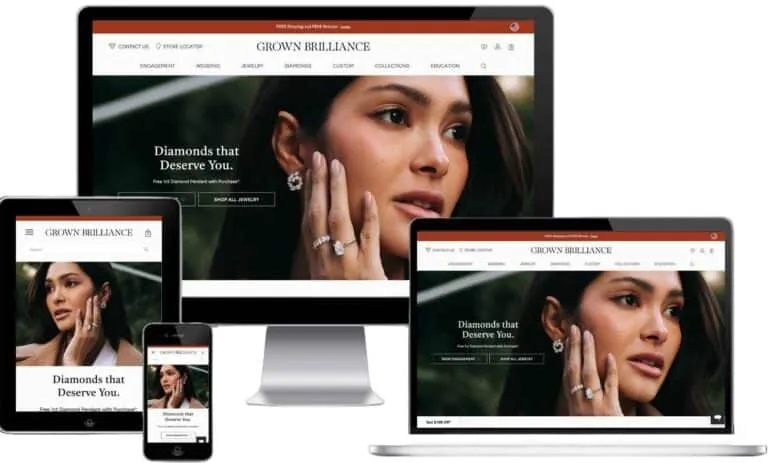
Grown Brilliance
Luxury Jewelry Ecommerce
Buyers comparing lab-grown diamonds for weeks leave and return many times before spending thousands. Product page clarity and consideration-window work carried more of them to checkout. Whole-engagement numbers, labeled honestly.
- +80% Conversion Increase
- 160K+ Organic Visits
- $200M Annual Revenue
-
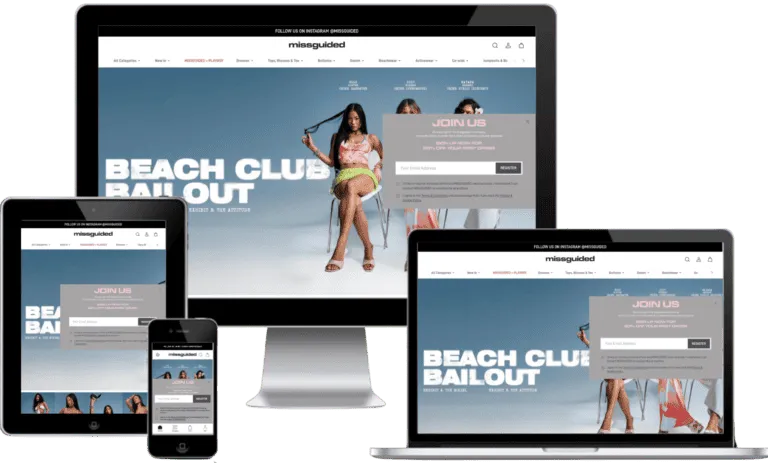
MissGuided
Fast Fashion Ecommerce
A fast-fashion catalog where a tenth of a point of conversion moves real money. Funnel work ran inside an engagement that spanned search and content, and the rate journey is the number that matters. Whole-engagement numbers, labeled honestly.
- 1.8% → 3.1% Conversion Rate Change
- $2M-$3M Monthly Revenue
- 100K+ Monthly Visitors
-
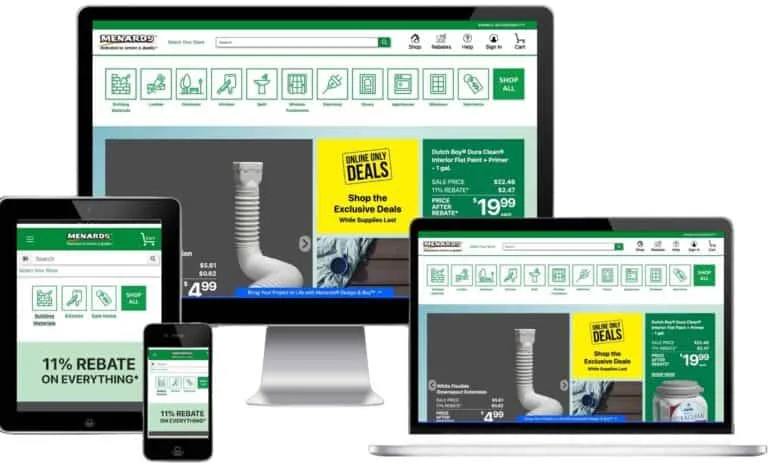
Menards
Home Improvement Retail
A national retailer with a catalog too wide for one-size pages. The conversions figure is from the web rebuild inside the engagement; the traffic and revenue figures cover the whole engagement, labeled honestly.
- +180% Conversions
- +245% Traffic
- +$8.7M Organic Revenue
-
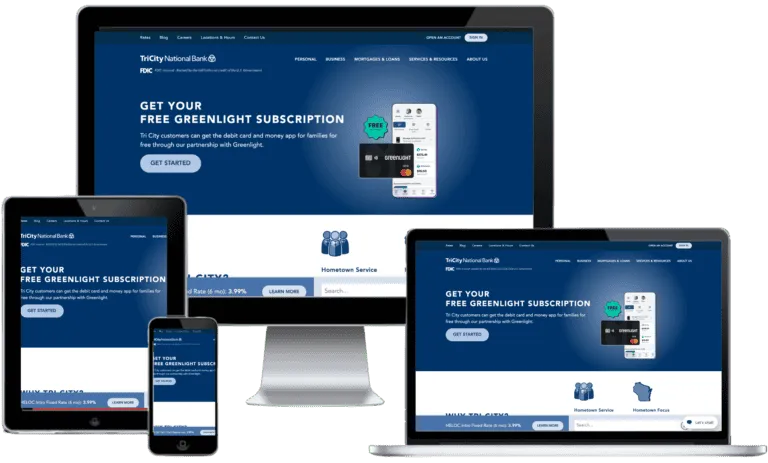
TriCity National Bank
Community Banking
A Wisconsin community bank whose forms and quote paths gate every account opened online. Conversion work ran alongside search, paid, and email; each figure names its channel, and all cover the whole engagement, labeled honestly.
- +77% PPC Conversion Rate
- +80% Email Engagement Lift
- +90% Organic Traffic
-
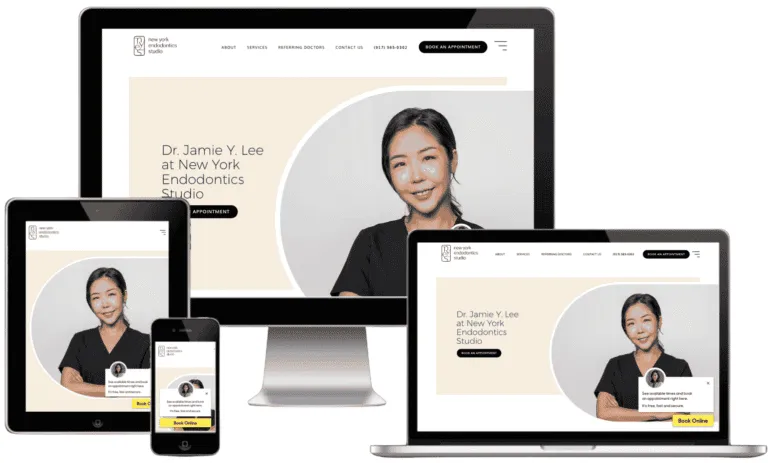
New York Endodontics
Specialist Dental Practice
A specialist practice where the booking form is the business. Landing page and follow-up work lowered what each appointment request cost, from traffic the practice was already earning. Whole-engagement numbers, labeled honestly.
- 32% Lower Cost per Lead
- 110% Organic Sessions Lift
- 132% GBP Discovery Views
-
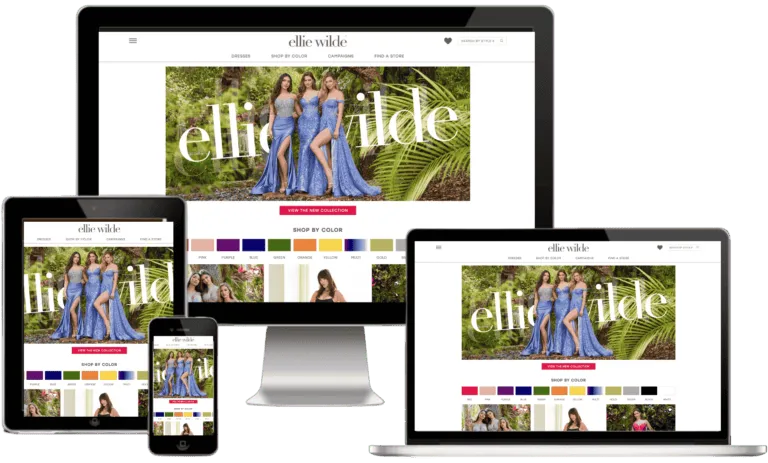
Ellie Wilde
Prom Dress Ecommerce
A prom dress brand with one compressed buying season a year, where every checkout stall is a dress bought somewhere else. Paid landing pages and funnel work ran inside a wider engagement. Whole-engagement numbers, labeled honestly.
- 60% PPC Click-Through Increase
- 80% Social Engagement Growth
- 100K+ Monthly Organic Visitors
What Our CRO Clients Say
-

Maria Antoinette
Founder, Antoinette Realtors
"The forms finally pull their weight"
Egochi watched the recordings, found where people quit our inquiry forms, and rebuilt the path step by step. Organic leads went from 4 to 24 monthly across the whole engagement, from the same traffic we already had. Source: GA4 and GBP Insights.
-

Krispen Culbertson
Sr. Partner, Culbertson Law
"Finally, data instead of opinions"
No more arguing about the website in partner meetings. Egochi tests the change, shows us the readout, and ships what won. Qualified calls rose 91% across the whole engagement. Source: CallRail.
-

Justin Tyme
Owner, Reef Side Tattoo
"The booking flow just works"
Egochi rebuilt our booking path from their research, small changes I never would have picked myself. Weekly bookings climbed from 18 to 56 in 4 months across the whole engagement. Source: GA4 and GBP Insights.
"The results are just amazing"
"Egochi is the best"
Meet Your CRO Team
The researchers and testers who turn more of your traffic into customers.
-
Jobin John
Chief Executive Officer
-

Justin Brown
Head of Search Engine Optimization
-

Bryan Thomson
Head of Web Design & Development
-

Ina Komins
Head of Social Media Marketing
-
Kierra Pita
Head of Advertising & Content Marketing
-
Patricia Turner
Chief Creative Officer
-
William Carter
Chief Digital Strategy Officer
-

Andrew Miller
Senior SEO Strategist
-

Amy Robinson
Content Marketing Manager
-

Betty Harrison
PPC Campaign Specialist
-

Anthony Carter
Lead Digital Account Executive
-

Amanda Cooper
Social Media Director
-
Carol Parker
Senior Client Success Manager
-
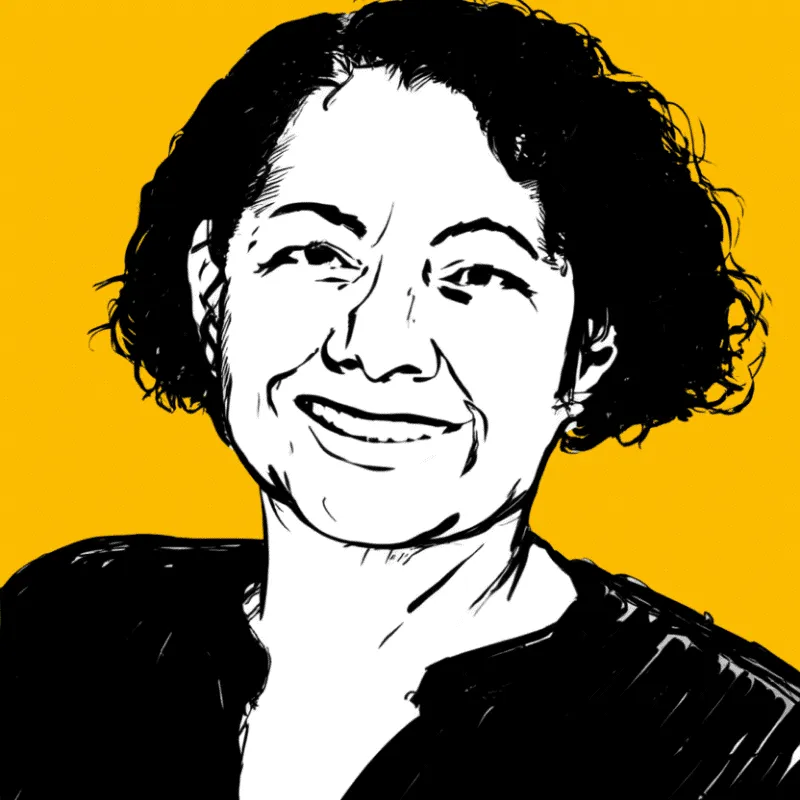
Barbara Bennett
Email Marketing Lead
-

Charles Turner
Technical SEO Analyst
-
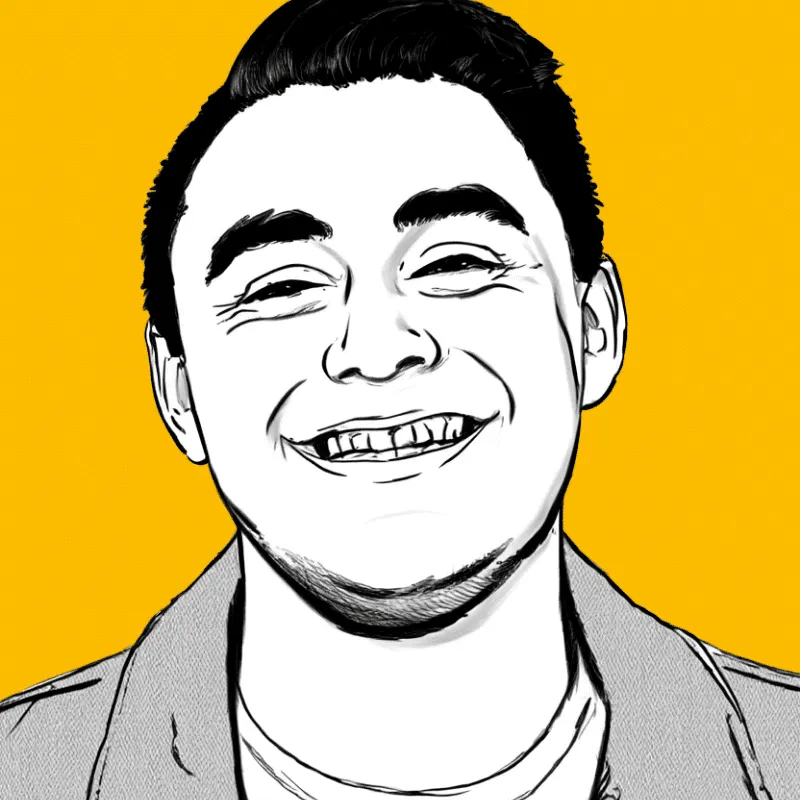
Brian Sullivan
Creative Director
-

Christine Walker
Director of Project Management
-
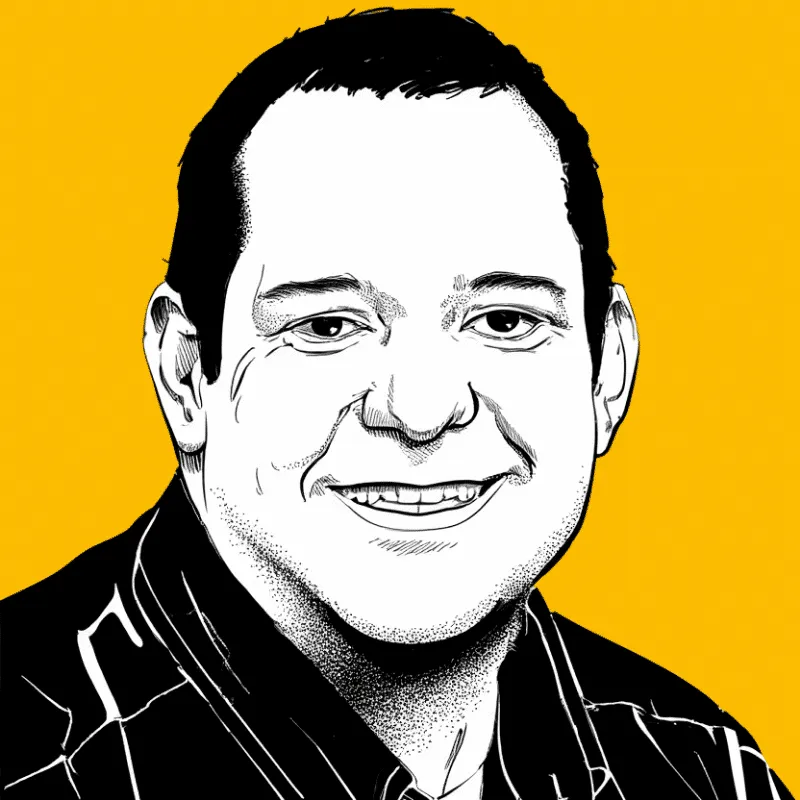
Christopher Brooks
Digital Marketing Strategist
-

Daniel Wright
Senior Analytics Specialist
-

David Henderson
Lead Content Strategist
-

Donna Mitchell
Client Communications Manager
-

Elizabeth Foster
Director of Paid Advertising
-

Emily Baredi
Brand Experience Specialist
-

Emma Scott
Social Media Content Creator
-

George Crawford
Technical Solutions Architect
-

Jacob Evans
Digital Content Coordinator
-
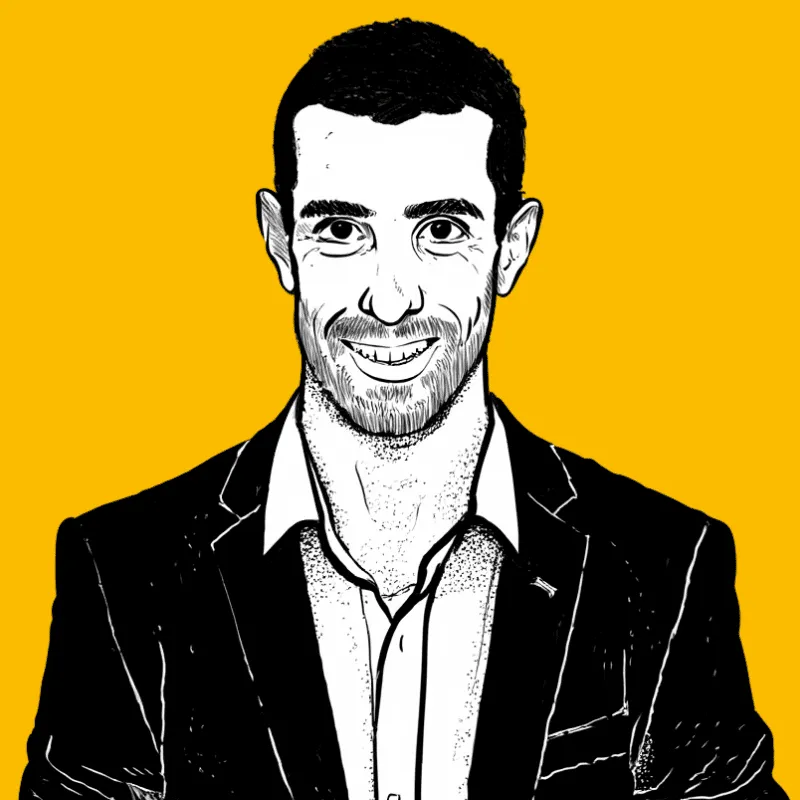
James Anderson
Marketing Automation Specialist
-
Jason Palmer
Junior Copywriter
-
Jeffrey Reynolds
Paid Media Analyst
-

Jennifer Lewis
Community Engagement Specialist
-

Jonathan Murphy
SEO Reporting Specialist
-
Joseph Morgan
Influencer Marketing Coordinator
-

Kenneth Stevens
Digital PR Manager
-

Kimberly Harper
Digital Marketing Intern
-
Kevin Morris
SEO Outreach Specialist
-

Lee Dawson
Junior Web Developer
-

Linda Peterson
Email Campaign Coordinator
-
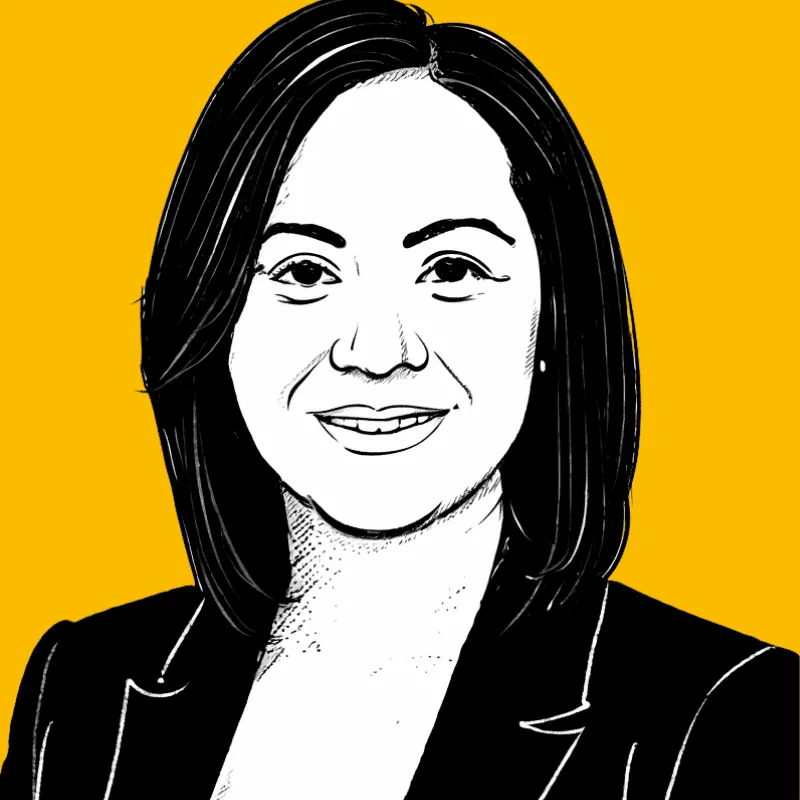
Lisa Thompson
Social Media Ads Specialist
-

Margaret Bradley
Marketing Operations Lead
-

Mark Richards
Data & Insights Analyst
-

Mary Kennedy
Senior Copyeditor
-

Matthew Clark
Growth Marketing Manager
-

Michelle Sanders
Junior Marketing Designer
-

Michael Foster
Senior Conversion Rate Specialist
-

Nancy Wheeler
Digital Analytics Manager
-

Nicholas Pierce
Affiliate Marketing Specialist
-

Nicole Adams
Outreach Program Coordinator
-

Paul Franklin
Paid Social Campaign Manager
-

Richard Barnes
Reputation Management Specialist
-

Robert Murphy
Lead Solutions Architect
-
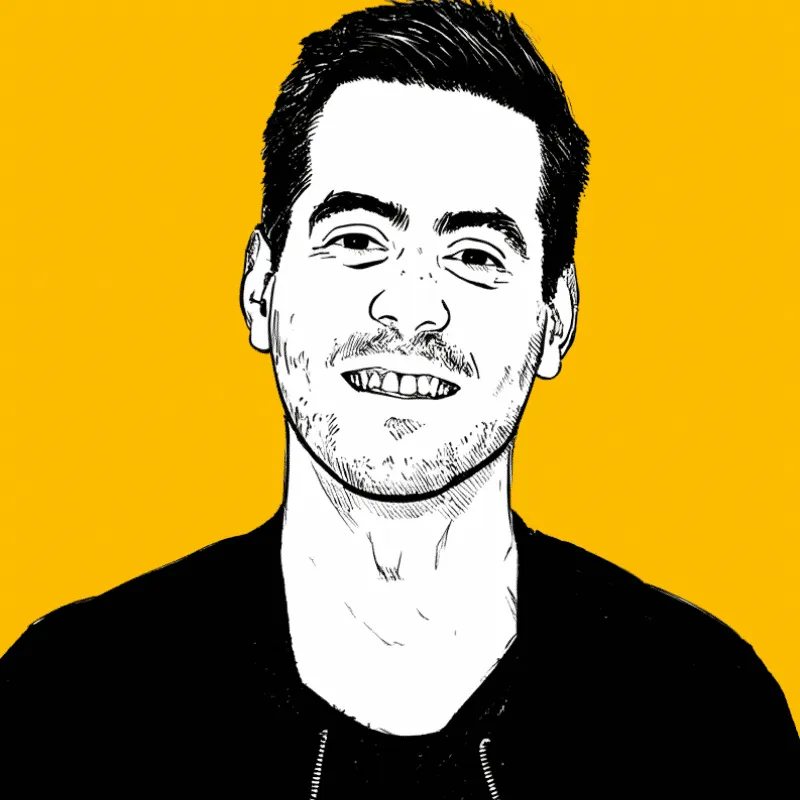
Ronald Davis
Marketing Technology Analyst
-
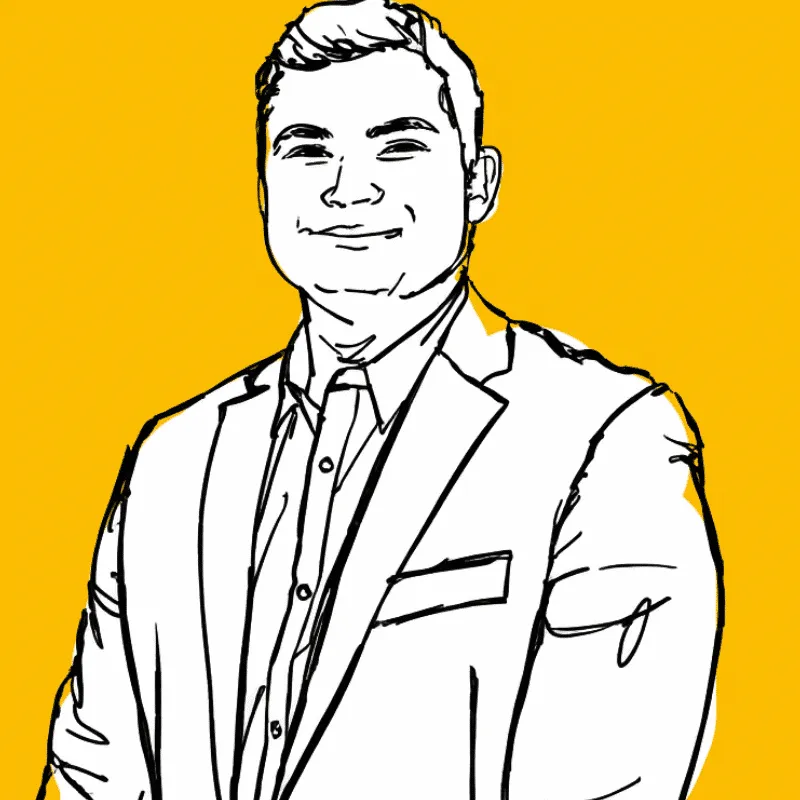
Ryan Bell
Paid Media Buyer
-

Sandra Gregory
Digital Account Coordinator
-

Scott Hopkins
CRM Implementation Specialist
-

Shirley Ellis
Customer Insights Manager
-
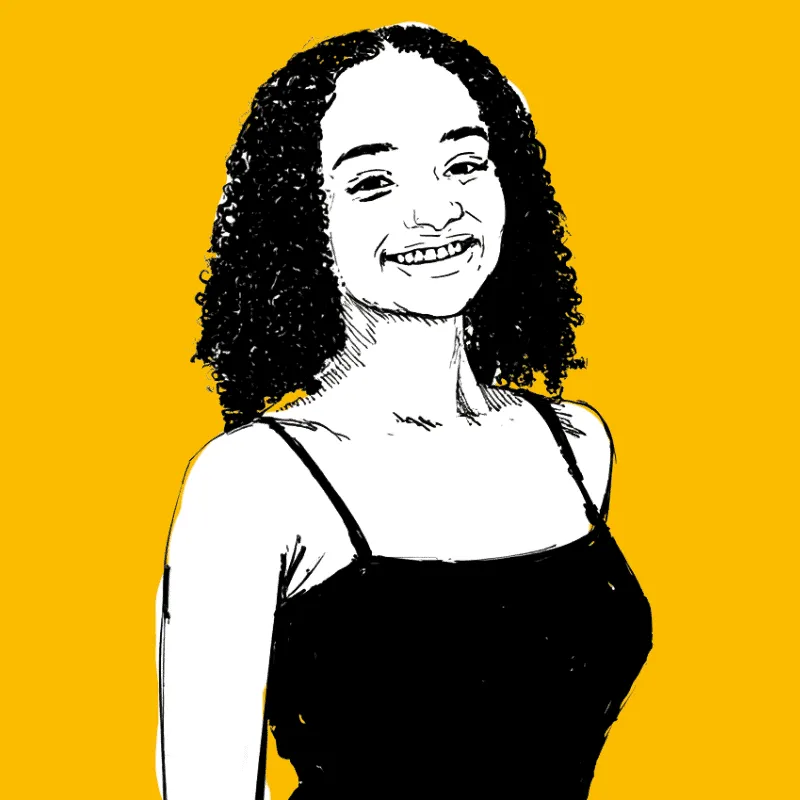
Stephanie Cross
Brand Content Designer
-

Steven Greene
Web Analytics Specialist
-

Susan Price
Affiliate Campaign Manager
-

Thomas Fisher
Lead Technical Architect
-

Timothy Nash
Mobile Marketing Strategist
What is a good conversion rate?
Higher than yours was last quarter. Published benchmarks mislead because they average wildly different industries, traffic sources, price points, and definitions of a conversion, so chasing someone else’s number is chasing noise. The honest benchmark is your own baseline: measure it carefully, test against it, and judge the program on the revenue the improvement produced. A rate that rose and held is good.
Conversion Rate Optimization FAQs
What is included in Egochi’s conversion rate optimization services?
A conversion audit, ongoing research through analytics, recordings, and surveys, a scored hypothesis backlog, A/B test design and execution including the variant design and development, checkout and form repair where the funnel needs it, and monthly readouts that report winners, losers, and revenue impact. Deliverables are named in the agreement by test and research cadence, so nothing hides behind the phrase full service.
What tools do you use for CRO?
Testing runs through platforms like VWO, Optimizely, and Convert, chosen to fit your stack and privacy requirements. Research uses Microsoft Clarity or Hotjar for recordings and heatmaps, plus GA4 for funnel measurement. The tool matters less than the discipline behind it: the same platforms produce false winners in careless hands, so we would rather run fewer tests correctly than many tests fast.
How long does a single A/B test run?
Until it reaches the sample size calculated before launch, which for most sites means two to six weeks. Traffic volume, baseline conversion rate, and the size of lift worth detecting set the math. We commit to the duration up front and do not call tests early, because a test stopped the day it looks good is how false winners get shipped.
What happens when a test loses or comes back flat?
It gets reported with the same prominence as a winner, because that is what you are paying for. A losing variant that never shipped is a redesign mistake you did not make, and a flat result tells us that element does not drive behavior, which narrows the next hypothesis. Every outcome enters the test log, so learning compounds instead of evaporating.
Can A/B testing hurt our SEO?
Not when it follows Google’s own testing guidance: no cloaking, canonical tags on variant URLs, redirects marked temporary, and experiments ended once they reach a verdict. Google runs experiments on its own products and publishes rules for doing it safely. The real risk is leaving heavy testing scripts running between tests, which is a speed problem, and we remove them.
What is the difference between A/B testing and multivariate testing?
An A/B test compares whole versions of a page, one change at a time, and works at most traffic levels. Multivariate testing tries combinations of several elements simultaneously and needs far more traffic to read, because each combination splits the sample further. Most sites get more value from a disciplined A/B queue; we recommend multivariate only where volume genuinely supports it.
What pages should we test first?
The ones closest to the money with the most traffic: checkout steps, cart pages, top landing pages, and the lead form your paid campaigns feed. Prioritization is a math exercise, not a taste one. The hypothesis backlog scores every idea by traffic exposed, expected impact, build effort, and the evidence behind it, and the schedule simply follows the scores.
Do you work with Shopify and other ecommerce platforms?
Yes. Checkout and funnel work runs on Shopify, WooCommerce, BigCommerce, Magento, and custom builds, with the honest caveat that platforms limit what checkout steps can change; Shopify’s checkout, for example, is locked below certain plan tiers. We tell you what is testable on your stack before the engagement starts, so nothing in the plan depends on access you do not have.
Who builds the variants and implements the winners?
We do both. Variant design and development are part of the service, tests run through the testing platform without permanent code changes, and once a winner is proven we implement it properly in your codebase or hand your developers a documented spec, whichever you prefer. Overlay tools are for testing; winners deserve real code that loads fast and stays.
What should I look for in a CRO agency?
Ask how sample sizes get set and whether tests ever get called early; the honest answer commits to a duration before launch. Ask who builds the variants and who implements winners in real code. Ask what the plan looks like on your traffic level; anyone selling a full testing program without checking your volume is selling theater. And expect losing tests in the readouts, not just wins.
Do you require long-term contracts?
No. Engagements run month-to-month after an initial three-month period, consistent with how all Egochi services work. Three months exists because research, a first test wave, and honest readouts need at least that long at most traffic levels. After that, the retainer gets re-earned by the test log and the revenue it moved, never defended with a lock-in clause.
How do I choose a CRO agency?
Ask what gets tested first and why; the honest answer starts with your data, not a template of tricks. Ask how long a test runs and what traffic it needs, because underpowered tests produce fiction. Ask to see a losing test and what was learned from it; a shop with only winners is editing its history. Ask who implements the changes, and ask how results are reported against revenue rather than click-through.
Free CRO Audit
Get a walkthrough of your funnel with the leaks ranked by the revenue behind them, the first experiments worth running, and a fixed quote. You keep the findings either way, whether or not you hire us.
Ready to Find Out What Actually Converts?
Tell us about your traffic, your funnel, and where you think it leaks. We will send back a plan with real numbers in it: the research your funnel needs, the first tests worth running, and the fixed monthly fee.
Questions? Call (888) 644-7795 or email care@egochi.com
Egochi Stats
- 250+ Google Reviews
- 5.0 Clutch Rating
- 12+ Years Experience
- $200M+ Revenue Generated
- 4 US Offices
- 190+ Clutch Reviews
Blog Posts
- Aug 12, 2026 GEO vs. SEO: A Comparative Guide for Digital Marketers
- Aug 12, 2026 What is llms.txt? | How to Create llms.txt file for your website
- Aug 12, 2026 What is Semantic SEO? | How to Build Topical Authority That Ranks
- Aug 12, 2026 What is Schema Markup? | How to Add Structured Data to Your Website
- Aug 12, 2026 How to Optimize for Voice Search: A Realistic 2026 Guide