Franchise PPC Management
Egochi manages paid search and paid social for franchise systems where every dollar has to answer to two bosses: the brand that owns the message and the franchisee who paid for the click. Generic multi-account setups fail both, with territories bleeding into each other and corporate reports that hide which units are starving. Egochi builds territory-true campaign architecture: each franchisee's budget works only their ground, ad copy stays brand-approved with local insertions, and conversion tracking rolls up for corporate while staying actionable per unit. Programs start at $1,500 monthly per engagement scope. Start with a free audit of how your system's current spend actually distributes across territories.
Get Your Free Franchise PPC Audit See What's Included
- 250+ Google Reviews
- 190+ Clutch Reviews at 5.0
- Google Premier Partner
As Featured In





What Makes Franchise PPC Different
Four structural problems Egochi fixes in franchise paid media, because they decide the results.
Territory bleed is silent budget theft
Loose geo settings mean one franchisee pays for clicks in a neighboring territory, and nobody notices because the system-wide numbers look fine. Egochi checks radius and location targeting per campaign against the actual franchise map, unglamorous work that returns real money to the units funding it.
Averages hide starving locations
A system-wide campaign that wins on average can still leave half the units without leads, because dense markets absorb the spend. Egochi runs per-location budgets and per-location reporting that make underperformance visible, which is uncomfortable and exactly the point.
Brand control and local relevance can coexist
Corporate needs every ad on-message; each unit needs its town, offer, and phone number in the copy. The answer is approved templates with structured local insertions, so legal signs off once and every territory still sounds like it belongs there.
Local Services Ads change the math for service brands
For home-service and care franchises, pay-per-lead LSA placements often beat classic search ads on cost per booked job, and they carry review signals per location. A franchise paid program that ignores LSAs leaves the cheapest leads to whoever claims them first.
What's Inside a Franchise PPC Plan
Architecture, governance, and reporting Egochi builds for systems, not single accounts.
-
Territory-True Campaigns
Egochi builds campaign-per-location structure with geo boundaries matched to the actual franchise map, so no unit pays for another territory's clicks.
-
Opportunity-Based Budgets
Egochi allocates spend by market size and performance rather than equal splits, revisited monthly with each unit's numbers on the table.
-
Brand-Approved Ad Copy
Egochi writes from corporate-cleared templates with structured local insertions, so every ad is on-message and still names the town, offer, and unit.
-
Local Services Ads
Egochi handles LSA setup and management per eligible location, with the review velocity work that decides pay-per-lead placement.
-
Unit-Level Tracking
Egochi attributes calls, forms, and bookings to the exact location and campaign that earned them, rolled up for corporate without losing the detail.
-
Franchisee Reporting
Egochi delivers a monthly report each owner can read in five minutes: what their budget bought, in their territory, in plain numbers.
Where AI Search Meets Franchise Advertising
Franchise customers now start with an assistant as often as a search box. They ask Google AI Overviews, ChatGPT, Gemini, and Perplexity for the nearest location, whether it is open, and which nearby option to trust, and those answers arrive from location data and reviews before any auction runs. Egochi keeps every unit resolvable by those systems so the paid program converts demand the assistants no longer filter away.
Google AI OverviewsChatGPTGeminiPerplexity
-
Assistant answers sit ahead of the ads
AI Overviews increasingly answer near-me questions above the paid results, drawing on structured location data rather than bids. Egochi structures per-unit entity, NAP, and hours data so the assistant layer surfaces your locations, protecting the demand each franchisee's campaigns then convert.
-
Unit data the engines can resolve
When ChatGPT or Gemini recommends a nearby business, it cross-checks profiles, location pages, and citations. Egochi keeps that data exact per unit and consistent with the brand level, so the location a customer is sent to is the one whose territory they live in.
-
Reviews pay out in two auctions
Perplexity and AI Overviews weigh review volume and recency the same way Local Services Ads placement does. The per-unit review cadence Egochi runs for LSAs is the same asset the answer engines read, one effort winning both.
-
One report covers ads, Google, and AI
Egochi reports paid results per unit beside organic and AI visibility, because a territory strong in one layer and absent in another is a budget decision waiting to be made. Corporate and each owner read it from the same data.
How Franchise PPC Gets Built
-
Spend distribution audit
Before changing anything, Egochi maps where every current dollar lands against the actual territory map. Most systems discover a few units have been funding their neighbors for years, and that finding alone reshapes the budget conversation.
-
Territory-true architecture
Campaigns get rebuilt per location with geo boundaries matched to franchise agreements, negative keyword builds, and a tracking number and form path per unit, so attribution starts clean instead of getting untangled later.
-
Copy governance setup
Corporate signs off on ad templates once, with structured slots for town, offer, and unit details. Legal review happens one time instead of per ad, which is what keeps local relevance fast.
-
Pilot, then rollout
Egochi launches a handful of representative markets first: one dense metro, one mid-size, one small territory. The playbook that emerges rolls out to the rest with numbers behind it, not assumptions.
-
Monthly rebalance in the open
Budgets shift by unit results, and the logic ships with the report: what moved, why, and what a unit can do to earn more. Owners argue less with math they can read.
Objections We Hear From Franchise Systems
One shared account is simpler. Why complicate it?
Simpler to administer, impossible to govern. In a shared account with loose targeting, nobody can say which unit a click served, budget drifts to the densest market, and every franchisee suspects they are funding someone else. Per-location structure costs setup effort once and repays it monthly in trust and traceable results.
Is per-location management worth the overhead for smaller systems?
A small system feels every wasted dollar faster than a large one, and territory bleed does not shrink just because the budget did. Egochi uses templates and shared automation to keep the management cost nearly flat as units join, which is the point: the accountability scales without the overhead scaling with it.
Our franchisees want to run their own ads. Should we allow it?
Allow it with lanes or lose control of it anyway. Owner-run ads without templates and geo rules produce the exact brand and territory disputes systems fear. The workable middle: corporate-approved templates, hard territory boundaries, and unit-level reporting, with each owner keeping budget authority inside them. Units keep their spend; the system keeps its shape.
What return should a single unit expect from paid search?
It depends on market density, category click prices, and the unit review profile, which is why Egochi refuses to quote a universal number. What a unit should expect from us is a per-territory forecast before launch, actual cost per lead reported against it monthly, and budget moved or paused when the math stops working.
Common Mistakes to Avoid
-
Setting one radius for every unit when territories differ in shape, so border zip codes get bought twice.
-
Letting dense metros absorb shared budget while small-market units quietly fund clicks they never receive.
-
Copy so locked down it cannot name the town or the offer, which wastes the local relevance paid search rewards.
-
Skipping per-unit conversion tracking, leaving every budget argument to run on opinion instead of numbers.
-
Ignoring Local Services Ads in eligible categories, leaving pay-per-lead placements to the first competitor who claims them.
Franchise PPC Case Studies
Egochi publishes these receipts from paid and multi-market engagements, franchise restaurant first. Every number restates the client's published case study, and the enterprise roster receipts close the row honestly labeled.
-
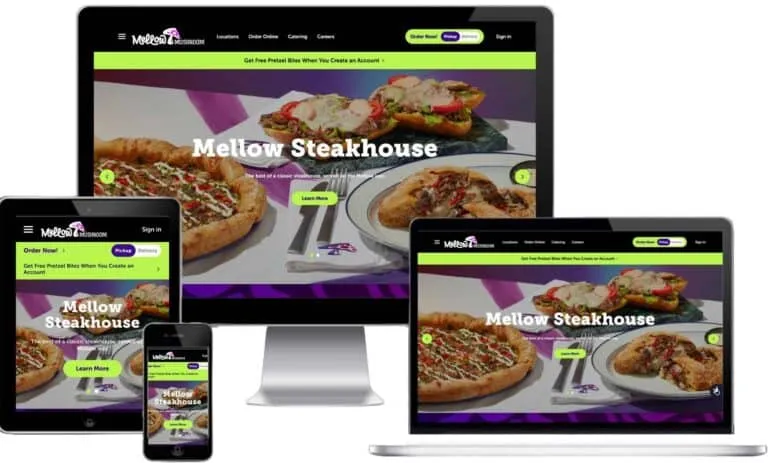
Mellow Mushroom
Restaurant Franchise | Local SEO & PPC
A franchise pizza brand where paid spend had to work store by store, not as one blended buy. Egochi ran the local and paid program these published numbers restate.
- +70% PPC Click-Through Rate
- 35% Lower Cost per Lead
- +85% Local Search Visibility
-
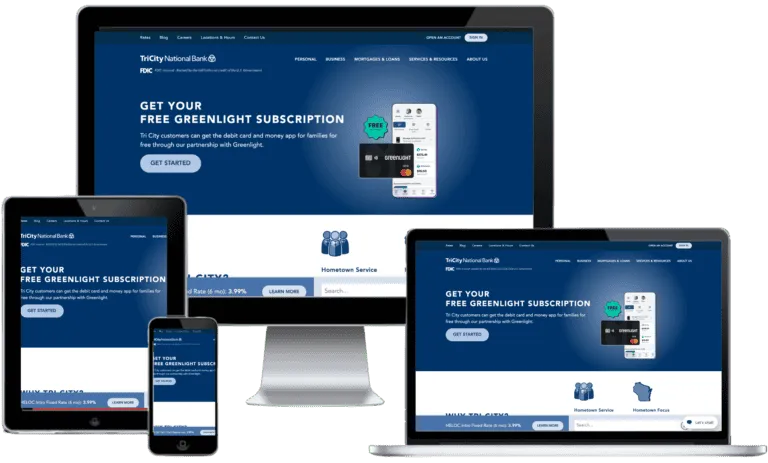
TriCity National Bank
Community Bank | Branch Network
A Wisconsin bank whose branch territories mirror franchise geography. Egochi ran the paid and search program that kept every branch funded and findable in its own town.
- +77% PPC Conversion Rate
- +90% Organic Traffic Surge
- +80% Email Engagement Lift
-
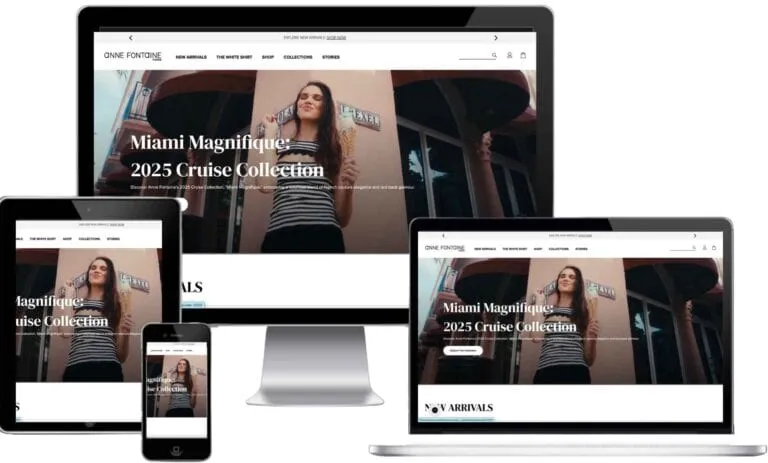
Anne Fontaine
Luxury Fashion | Boutique Brand
A Parisian label with US boutiques, one brand voice across many storefronts. Egochi ran the paid and social program its published portfolio numbers restate.
- $500K PPC Revenue Generated
- 100K+ Instagram Following
-
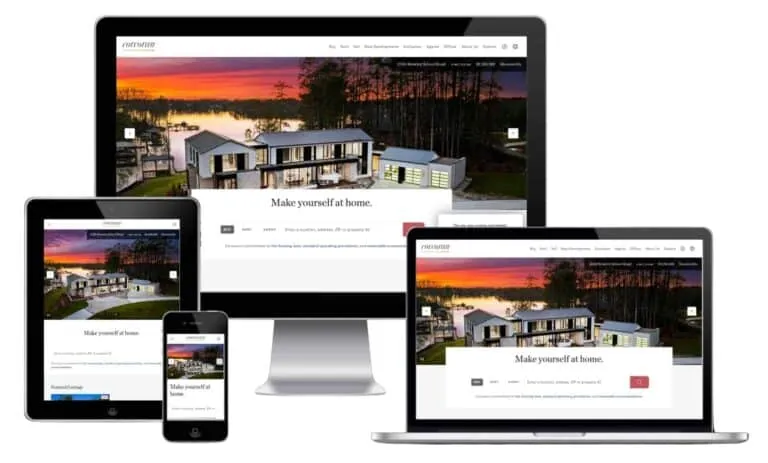
Corcoran Group
Real Estate Brokerage | New York
A brokerage with offices across New York submarkets, many territories under one brand. Egochi rebuilt the search architecture behind these published figures.
- +120% Organic Traffic Lift
- +288% Lead Growth
- 13.8 → 4.2 Average Position
-
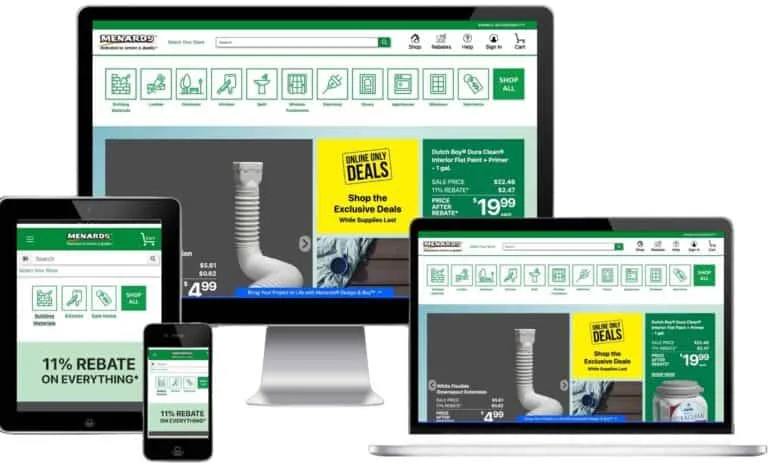
Menards
Home Improvement Retail | National
A national retail roster receipt at enterprise budget scale. Egochi ran the search program these numbers restate, the same measurement discipline every territory gets.
- +$8.7M Organic Revenue Added
- +250% Organic Traffic
- +435% Transactions
-
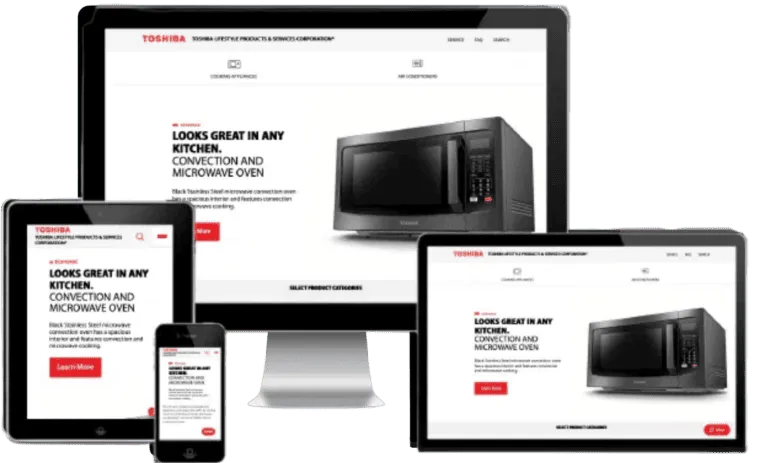
Toshiba Lifestyle
Consumer Electronics | Enterprise
A global brand roster receipt: Egochi ran the visibility program the published numbers restate, proof the reporting rigor holds at any scale a system grows into.
- +185% Organic Traffic
- 2,400+ Rankings Improved
- +67% Revenue Growth
See How Egochi Works
A short look at how our team plans, builds, and reports on client work.
Is This Right for You?
This is for you if
- Your franchisees fund their own ads and keep asking corporate what they are actually getting for it.
- You are expanding into new territories and need campaigns live in each market the week the doors open.
- Your current setup is one big account where dense markets eat the budget and quiet markets get scraps.
This may not be the right fit if
- Your priority is selling franchises rather than filling each location; franchise development is a different funnel we scope separately.
- You want one system-wide campaign because per-unit reporting feels like too much accountability; averages are where paid budgets go to leak.
See the work: PPC case studies · Local SEO case studies
What Clients Tell Us
Working with Egochi transformed our lead generation. They understood our B2B sales cycle and created content that attracts decision-makers. Marketing qualified leads increased 250% and our sales team loves them.
The Complete Franchise Program
This page is one part of a five-part program. Each piece works alone and works better together.
-
Franchise Marketing Agency
One brand, many markets: system strategy with per-location execution.
-
Franchise SEO
Search visibility for every territory under one brand.
-
Franchise Social Media Marketing
On-brand local pages fed by a shared content engine.
-
Franchise Website Design
Location architecture where every unit ranks and new ones launch in days.
Common Questions About Franchise PPC
-
How much does franchise PPC management cost?
Egochi's franchise PPC programs start at $1,500 monthly and scale with the number of locations and platforms under management. Ad spend is separate and set per territory. The free audit shows how your current spend distributes across units before anything changes.
-
How does AI search change franchise advertising?
Google AI Overviews, ChatGPT, Gemini, and Perplexity now answer near-me questions before the paid results load, and they answer from structured location data and per-unit reviews rather than bids. Egochi keeps every unit's entity, NAP, hours, and review data resolvable by those systems, so the assistant layer sends customers to your territories instead of filtering the brand out ahead of the auction.
-
Who should control franchise ad spend, corporate or franchisees?
The systems that work split it: corporate owns message, templates, and standards; each franchisee owns their local budget and sees their own results. What breaks trust is pooled spend with no unit-level reporting, because nobody can tell what they paid for. Egochi builds the reporting spine both sides read.
-
Do Local Services Ads work for franchises?
For eligible service categories they often deliver the cheapest booked jobs in the account, because you pay per lead rather than per click and reviews carry the placement. Each location needs its own profile and review cadence, which is exactly the kind of per-unit work franchise programs skip and Egochi builds first.
-
How do we choose a franchise PPC agency?
Ask how campaigns map to your actual territory boundaries and how budget gets allocated across units. Ask to see a sample per-location report a franchisee could read in five minutes. Ask for pricing before the sales call ends; Egochi publishes its floor. If an agency proposes one shared campaign judged on system-wide averages, keep looking; averages are where territory bleed and starving units hide.
Awards and Partnerships Egochi Holds in 2026
-

Egochi Named 2026 Top Digital Marketing Agency by Clutch
Clutch, a B2B market research and reviews platform, names Egochi a top digital marketing agency for 2026. The distinction rests on overall market presence and, most importantly, verified client feedback. Egochi holds a 5.0 rating across 190+ reviews on Clutch.
-
Egochi Is a Certified Google Premier Partner
Egochi is a certified Google Premier Partner, a status Google grants to the top 3% of participating advertising agencies each year. The tier is earned on campaign performance, sustained client growth, and advanced Google Ads certification, and Google reviews it annually rather than granting it for life.
The Team Behind the Work
-

Jobin John
Chief Executive Officer
-

Justin Brown
Head of Search Engine Optimization
-

Bryan Thomson
Head of Web Design & Development
-

Ina Komins
Head of Social Media Marketing
-

Kierra Pita
Head of Advertising & Content Marketing
-

Patricia Turner
Chief Creative Officer
-

William Carter
Chief Digital Strategy Officer
-

Andrew Miller
Senior SEO Strategist
-

Amy Robinson
Content Marketing Manager
-

Betty Harrison
PPC Campaign Specialist
-

Anthony Carter
Lead Digital Account Executive
-

Amanda Cooper
Social Media Director
-

Carol Parker
Senior Client Success Manager
-

Barbara Bennett
Email Marketing Lead
-

Charles Turner
Technical SEO Analyst
-

Brian Sullivan
Creative Director
-

Christine Walker
Director of Project Management
-

Christopher Brooks
Digital Marketing Strategist
-

Daniel Wright
Senior Analytics Specialist
-

David Henderson
Lead Content Strategist
-

Donna Mitchell
Client Communications Manager
-

Elizabeth Foster
Director of Paid Advertising
-

Emily Baredi
Brand Experience Specialist
-

Emma Scott
Social Media Content Creator
-

George Crawford
Technical Solutions Architect
-

Jacob Evans
Digital Content Coordinator
-

James Anderson
Marketing Automation Specialist
-

Jason Palmer
Junior Copywriter
-

Jeffrey Reynolds
Paid Media Analyst
-

Jennifer Lewis
Community Engagement Specialist
-

Jonathan Murphy
SEO Reporting Specialist
-

Joseph Morgan
Influencer Marketing Coordinator
-

Kenneth Stevens
Digital PR Manager
-

Kimberly Harper
Digital Marketing Intern
-

Kevin Morris
SEO Outreach Specialist
-

Lee Dawson
Junior Web Developer
-

Linda Peterson
Email Campaign Coordinator
-

Lisa Thompson
Social Media Ads Specialist
-

Margaret Bradley
Marketing Operations Lead
-

Mark Richards
Data & Insights Analyst
-

Mary Kennedy
Senior Copyeditor
-

Matthew Clark
Growth Marketing Manager
-

Michelle Sanders
Junior Marketing Designer
-

Michael Foster
Senior Conversion Rate Specialist
-

Nancy Wheeler
Digital Analytics Manager
-

Nicholas Pierce
Affiliate Marketing Specialist
-

Nicole Adams
Outreach Program Coordinator
-

Paul Franklin
Paid Social Campaign Manager
-

Richard Barnes
Reputation Management Specialist
-

Robert Murphy
Lead Solutions Architect
-

Ronald Davis
Marketing Technology Analyst
-

Ryan Bell
Paid Media Buyer
-

Sandra Gregory
Digital Account Coordinator
-

Scott Hopkins
CRM Implementation Specialist
-

Shirley Ellis
Customer Insights Manager
-

Stephanie Cross
Brand Content Designer
-

Steven Greene
Web Analytics Specialist
-

Susan Price
Affiliate Campaign Manager
-

Thomas Fisher
Lead Technical Architect
-

Timothy Nash
Mobile Marketing Strategist
Certified & Accredited


Every Territory Funded. Every Dollar Traced.
Tell us your system size and how spend works today. Egochi, a 5.0 rated agency across 190+ Clutch reviews, maps where the budget actually goes, unit by unit.
Egochi Stats
- 250+ Google Reviews
- 5.0 Clutch Rating
- 12+ Years Experience
- $200M+ Revenue Generated
- 4 US Offices
- 190+ Clutch Reviews
Blog Posts
- Aug 12, 2026 GEO vs. SEO: A Comparative Guide for Digital Marketers
- Aug 12, 2026 What is llms.txt? | How to Create llms.txt file for your website
- Aug 12, 2026 What is Semantic SEO? | How to Build Topical Authority That Ranks
- Aug 12, 2026 What is Schema Markup? | How to Add Structured Data to Your Website
- Aug 12, 2026 How to Optimize for Voice Search: A Realistic 2026 Guide