The Walters Art Museum Case Study
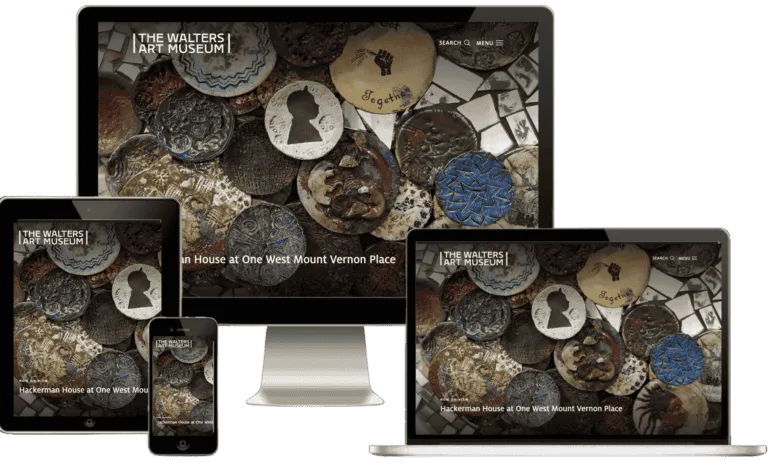
Project Overview
The Walters Art Museum, a prestigious public organization located in Baltimore’s historic Mount Vernon neighborhood, is renowned for its exceptional collection of mid-19th century art and sculpture amassed by collectors such as William Thompson Walters and his son, Henry Walters. With a rich legacy dating back to the Civil War time, the museum needed a digital platform that could honor its historical significance while appealing a modern audience. To meet this challenge, Egochi reimagined the museum’s website on WordPress, focusing on an elegant design and strong development process that would highlight its storied collection and enhance visitor engagement.
The Challenge
Despite its impressive legacy and cultural importance, the museum’s digital presence was underwhelming. The existing website was cluttered and failed to convey the historical depth and artistic value of the collection. Visitors found it difficult to navigate the extensive archives, and the online experience did not reflect the museum’s stature as a premier cultural organization.
Strategy & Solution
Egochi undertook a complete redesign and development overhaul focused on storytelling and user engagement. The process began with extensive research into the museum’s history and audience needs, resulting in a visually refined layout that balanced modern aesthetics with classical elegance. The new design emphasizes intuitive navigation, high-resolution imagery, and interactive elements that primer visitors through the museum’s rich collections. Strategic SEO enhancements were incorporated to ensure the museum’s digital content reached art enthusiasts worldwide.
Results
The new website has redefined the museum’s digital presence, driving a remarkable +95% increase in organic traffic, a +82% lift in user engagement, and a +90% rise in average monthly visits. These improvements not only enhance the museum’s visibility but also offer visitors an immersive online experience that reflects its historical prestige and ongoing cultural relevance.