Dental PPC Advertising Agency
Egochi runs paid search for dental practices, and we judge it the only way that matters: booked appointments and the case types behind them. Dental clicks are expensive, and the difference between a campaign that pays and one that drains is structure. An emergency toothache searcher, an implant researcher, and a family picking a new dentist by their insurance plan are three different buyers who deserve three different campaigns, budgets, and landing pages. We build them separately, bid them against case value (one accepted implant case can be worth 20 to 80 cleanings), and track every call to an answered-or-missed outcome, because ads pay for calls whether or not the front desk picks up. Management starts at $1,500 monthly, separate from ad spend and priced openly. Start with a free audit of where your current spend leaks.
Get Your Free Dental PPC Audit See What's Included
- 250+ Google Reviews
- 190+ Clutch Reviews at 5.0
- Google Premier Partner
As Featured In





Where Dental Ad Budgets Actually Leak
Four spend patterns Egochi corrects in almost every dental account we take over.
Case value should set the bid, not the keyword planner
Implant and Invisalign clicks cost multiples of a checkup click, and plenty of practices flinch at them. Priced per accepted case instead of per click, they are usually the cheapest patients in the account. Blended budgets cannot see this; Egochi splits campaigns by case type so the math turns visible and the expensive clicks prove themselves.
Three intents, three campaigns
The 9pm broken-tooth searcher needs a call button and an answer about tonight. The implant researcher needs cost context and financing before booking a consult. The new family needs to know you take their plan. Blending them into one campaign means one budget, one message, and one landing page failing three different buyers at once.
The front desk is half the campaign
Call tracking regularly shows a chunk of paid calls ringing out or dying on hold, spend gone with nothing booked. Egochi reports answered versus missed by hour, so scheduling gets fixed alongside bidding. It is the least glamorous number in the report and often the fastest revenue gain in the account. The rest of a dental marketing program compounds while ads buy the demand it has not won yet.
Insurance terms are the bargain nobody bids
Searches like "dentist that takes Cigna" carry near-appointment intent, cost less than generic dentist terms, and almost no practice pairs them with a landing page naming the plan. The small always-on insurance campaign Egochi runs routinely books patients at a fraction of what near-me terms cost.
What's Inside a Dental PPC Plan
Egochi builds separate campaign structures for emergency, procedure, and new-patient demand, each shaped by how its buyer decides.
-
Emergency Call Campaigns
Egochi runs call-focused ads for toothache and broken-tooth searches, scheduled around hours your practice can actually answer, with after-hours handling agreed up front.
-
Procedure Consult Campaigns
Egochi builds implant and Invisalign campaigns that land on pages with honest cost ranges and financing context, made to book consults, not collect curious clicks.
-
Insurance & New-Patient Ads
Egochi writes campaigns for plan-name and new-dentist searches, each landing on a page that confirms coverage before asking for anything.
-
Negative-Keyword Discipline
Egochi maintains exclusion lists per campaign: DIY remedies, dental-school queries, jobs, free-clinic searches, filtered before they spend.
-
Landing Page Matching
Egochi lands every ad on the page that answers it: the procedure, the plan, the emergency path. No homepage dumping.
-
Booked-Appointment Reporting
Egochi tracks calls and forms to booked-or-not and answered-or-missed, with the management fee and ad spend shown side by side.
Where Paid Search Meets AI Search for Dental Practices
Patients who once typed a search now ask AI Overviews, ChatGPT, Gemini, or Perplexity which dentist to call, and ads cannot buy a citation there. Egochi runs dental PPC so the paid layer and the AI layer reinforce each other: landing pages structured like answers, an identity assistants can verify, and spend pointed at the demand AI has not absorbed.
Google AI OverviewsChatGPTGeminiPerplexity
-
Landing pages that do double duty
The implant and insurance pages Egochi builds for campaigns carry honest cost ranges and financing answers in liftable form. Google reads those same pages when assembling AI Overviews, so a page built to convert a click can also earn the citation a generic landing page never will.
-
An identity that survives verification
Before ChatGPT or Gemini recommends a practice, the signals get checked: consistent name and address, real reviews, a site that matches the profile. Egochi keeps that identity clean across every page the ads point to, because a mismatch costs trust in auctions and assistants alike.
-
Budget aimed where AI cannot answer
AI Overviews absorb research questions, but "emergency dentist open now" and plan-name searches still end in a call, not a summary. Egochi weights spend toward the intents that stay transactional, so the budget buys patients instead of competing with a free answer.
-
One report across paid and AI visibility
Egochi, one team reporting paid and organic together, tracks booked appointments from campaigns beside how often the practice surfaces in AI Overviews, ChatGPT, Gemini, and Perplexity. As citations grow, paid budget shifts to the case types that still need buying, and you see the reasoning.
How We Rebuild a Dental Ad Account
-
Leak audit
Egochi, the team that will run the account, reads your search-term reports, geography, and schedules before touching anything, marking spend going to DIY researchers, out-of-area clicks, and hours nobody answers the phone. The leaks are usually specific and fixable.
-
Tracking first
Egochi installs call tracking and form attribution before any budget moves, including answered-versus-missed reporting, so every later decision rests on booked-patient numbers instead of platform-reported conversions.
-
Campaign separation
Egochi gives emergency, procedure, and new-patient demand their own campaigns with their own budgets, messages, and landing pages, because three buyers blended into one structure can only be managed to an average.
-
Launch and negative discipline
Egochi launches with exclusion lists built from your market and reviews search terms monthly to catch the junk queries that regrow like weeds.
-
Budget shifts by case type
Egochi reports cost per booked appointment monthly by campaign and case type. If implant consults out-earn new-patient clicks in your account, the spend follows, and you see the reasoning.
Straight Answers on Dental PPC
Dental clicks cost a fortune. Is PPC even worth it for a practice?
Per click, dental is one of the pricier categories. Per case, it often is not: an accepted implant case can carry the entire month of a well-run campaign. The practices that lose money on ads are almost always paying procedure-level click prices for cleaning-level cases, which is a structure problem, not a channel problem.
We ran Google Ads and got price shoppers and no-shows. Why would this differ?
Most burned dental budgets share an autopsy: one blended campaign, discount-led ad copy, clicks dumped on the homepage, and no call tracking. Discount copy selects for discount patients. The campaigns Egochi aims at procedure, insurance, and emergency intent, landing on pages that answer the actual question, pull people with a problem worth solving, and the tracking proves it either way.
Can our office manager run the ads in-house?
A sharp office manager with steady spare hours can run a modest account, and some do. The honest checklist: monthly search-term reviews, negative lists per campaign, landing pages per intent, and bid changes justified by cost per booked appointment. When those slip to quarterly, which busy front offices tend to, handing the account to Egochi, a team that does that review every month, costs less than the drift.
What should the first three months look like?
Weeks one to four go to tracking, restructure, and cleanup, so judge nothing yet. By month two the negative lists and schedule changes show up as cheaper, closer, answerable calls. By month three you should see a stable cost per booked appointment by campaign and know which case type earns your next dollar. Anyone promising full chairs in week one is guessing.
Common Mistakes to Avoid
-
Running one blended campaign where emergency, implant, and new-patient clicks fight over the same budget and land on the same page.
-
Sending every click to the homepage and asking someone with a broken tooth to find the phone number themselves.
-
Running emergency ads around the clock while the phone goes to voicemail at noon on Fridays.
-
Bidding on implant terms with no cost or financing context on the landing page, paying premium prices for visitors who bounce at the first unanswered question.
-
Ignoring the missed-call report, so the budget keeps buying calls the front desk never picks up.
Dental PPC Case Studies
Egochi, the agency behind each engagement below, publishes these receipts from dental clients and the wider roster. The dental practices lead, every number restates a published case study, and the roster items show tracked-call and paid mechanics proven in other industries.
-
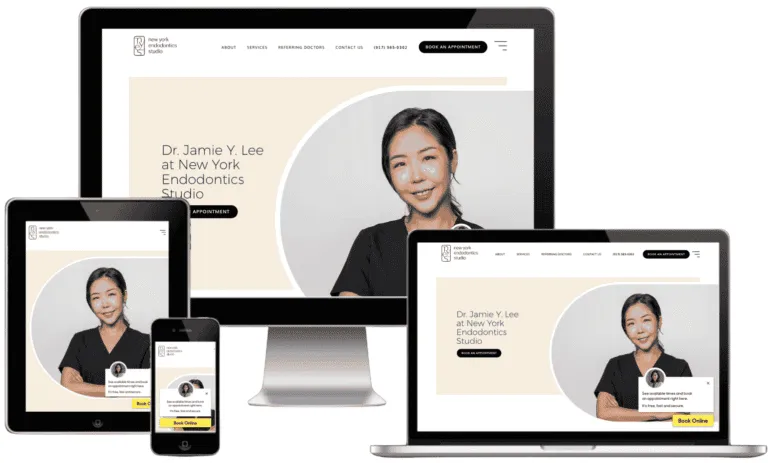
NY Endo Studio
Endodontics Studio | New York City
A specialty studio paying Manhattan prices for referral and emergency visibility. Egochi tightened the targeting and rebuilt the pages behind it, and the cost of a lead fell while sessions climbed.
- 32% Lower Cost per Lead
- 110% Organic Sessions Lift
- 132% GBP Discovery Views
-
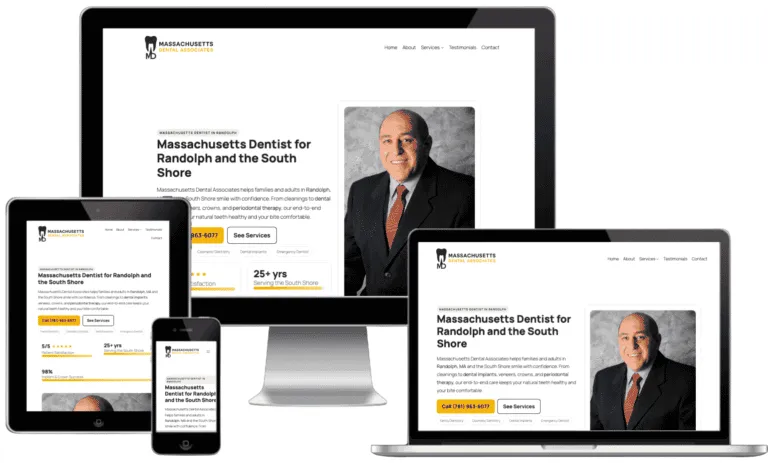
Massachusetts Dental
Dental Practice | Randolph, MA
A practice that needed calls it owned instead of insurance-list volume. Egochi built the visibility and the tracking, and new patient calls and booked appointments rose at a falling cost per lead.
- 95% More New Patient Calls
- 68% Booked Appointments Rise
- 28% Lower Cost per Lead
-
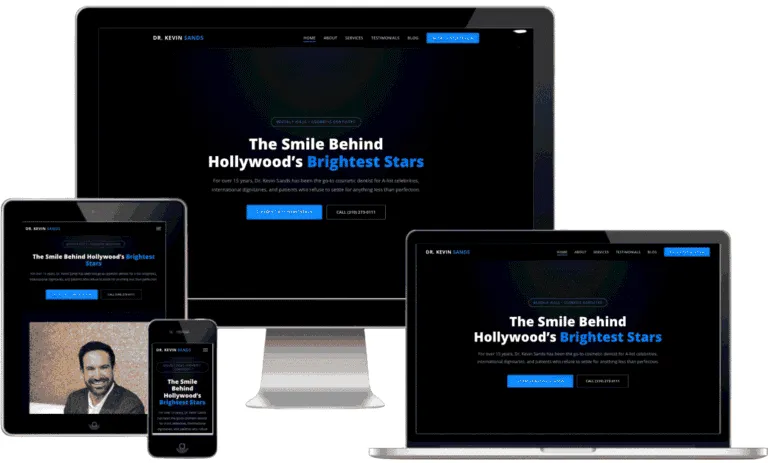
Cosmetic Dentistry Beverly Hills
Cosmetic Dentistry | Beverly Hills, CA
An elective practice in a market where every dentist advertises. Egochi rebuilt the pages that campaigns and rankings both land on, and visitors stayed to read instead of bouncing at the first unanswered question.
- 58% GBP Actions Increase
- 64% Local Organic Sessions
- 22% Bounce Rate Reduction
-

Culbertson Law
Family Law Firm | Tracked Local Calls
A local firm in another licensed profession, judged the way Egochi judges dental accounts: on tracked, qualified calls. Calls rose sharply and the cost per lead fell while the reviews kept coming.
- +91% Qualified Calls
- 30% Lower Cost Per Lead
- 47 New Google Reviews
-
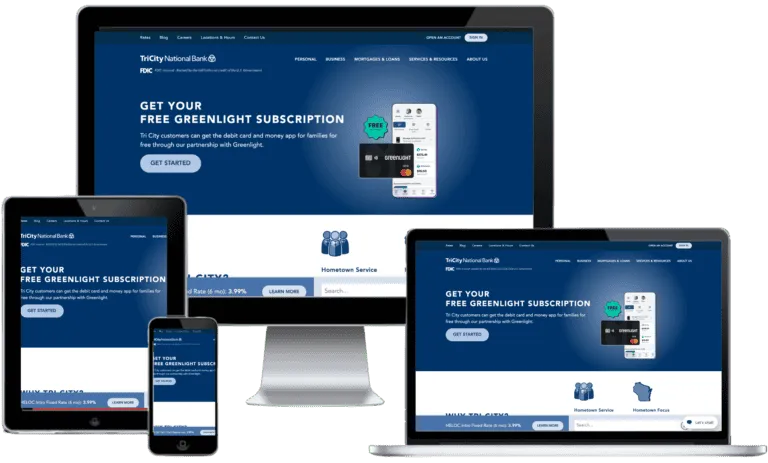
TriCity National Bank
Community Bank | Paid Conversion Work
A community bank whose paid accounts Egochi ran alongside search. Ad conversion rates climbed steeply, the structure-first result the dental campaigns above are built to repeat.
- +77% PPC Conversion Rate
- +90% Organic Traffic Surge
- +80% Email Engagement Lift
-
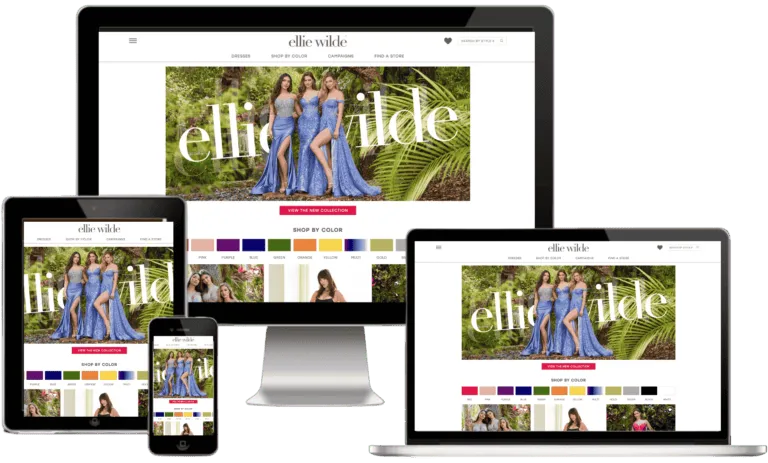
Ellie Wilde
Fashion Ecommerce | Paid Click-Throughs
A prom dress brand where ad creative had to earn every click against national retailers. Egochi ran the paid and content work, and click-through rates rose along with the visitor base.
- 60% PPC Click-Through Increase
- 100K+ Monthly Organic Visitors
- 70% Email Open Rate Increase
See How Egochi Works
A short look at how our team plans, builds, and reports on client work.
Is This Right for You?
This is for you if
- You want paid campaigns judged on booked appointments and case types, with the fee and the spend both visible.
- Implant, Invisalign, or emergency demand matters to your production and deserves its own budget.
- You already run ads and suspect the account structure, not the channel, is what leaks.
This may not be the right fit if
- Your front desk cannot answer more calls than it gets today; fixing scheduling comes before paying to make the phone ring more.
- You want a guaranteed number of new patients per month; auction prices and local demand move, and honest forecasting reflects that.
See the work: Dental case studies · PPC case studies
The Complete Dental Program
This page is one part of a five-part program. Each piece works alone and works better together.
-
Dental Marketing Agency
The full program that keeps chairs booked: search, reviews, recall campaigns.
-
Dental SEO
Procedure-page rankings and Map Pack visibility for high-value treatments.
-
Dental Social Media
Before-and-after proof and patient education that make choosing easy.
-
Dental Web Design
Practice sites where the booking path survives every device and insurance question.
Common Questions About Dental PPC
-
How much does dental PPC management cost?
Egochi's dental PPC management starts at $1,500 monthly, separate from the ad spend you pay Google. Both numbers appear side by side in your reporting, so you always see the true cost per booked appointment. Spend levels depend on your market and which case types the campaigns chase.
-
Can ads put a dental practice in AI search results?
Not directly. AI Overviews, ChatGPT, Gemini, and Perplexity cite practices on organic signals: structured pages, consistent identity data, and real reviews. What paid search buys is the transactional demand those systems hand off, the emergency and plan-name calls. Egochi builds campaign landing pages in citation-ready shape anyway, so the paid work feeds the organic case at no extra cost.
-
What do dental ad clicks cost?
It varies widely by market and term. Emergency and implant keywords sit at the expensive end, plan-name and brand searches at the cheap end. The click price matters less than the arithmetic behind it: what a click leads to in booked appointments and accepted cases, which is exactly what Egochi's reporting shows.
-
Should a dental practice bid on its own name?
Usually yes, and cheaply. Competitors and dental directories bid on practice names to intercept patients who were already looking for you, and a small branded campaign defends that traffic for a fraction of generic term costs. If nobody bids against your name in your market, Egochi scales it back and moves the budget.
-
How do I choose a dental PPC agency?
Ask whether emergency, procedure, and insurance intent get separate campaigns; one blended structure managed to an average is the usual autopsy on a burned budget. Ask whether call tracking includes answered versus missed, because ads pay for calls whether the front desk picks up or not. Ask to see the management fee and ad spend side by side, which Egochi shows on every report. Anyone promising full chairs in week one is guessing.
Awards and Partnerships Egochi Holds in 2026
-

Egochi Named 2026 Top Digital Marketing Agency by Clutch
Clutch, a B2B market research and reviews platform, names Egochi a top digital marketing agency for 2026. The distinction rests on overall market presence and, most importantly, verified client feedback. Egochi holds a 5.0 rating across 190+ reviews on Clutch.
-
Egochi Is a Certified Google Premier Partner
Egochi is a certified Google Premier Partner, a status Google grants to the top 3% of participating advertising agencies each year. The tier is earned on campaign performance, sustained client growth, and advanced Google Ads certification, and Google reviews it annually rather than granting it for life.
The Team Behind the Work
-
Jobin John
Chief Executive Officer
-

Justin Brown
Head of Search Engine Optimization
-

Bryan Thomson
Head of Web Design & Development
-

Ina Komins
Head of Social Media Marketing
-
Kierra Pita
Head of Advertising & Content Marketing
-
Patricia Turner
Chief Creative Officer
-
William Carter
Chief Digital Strategy Officer
-

Andrew Miller
Senior SEO Strategist
-
Amy Robinson
Content Marketing Manager
-

Betty Harrison
PPC Campaign Specialist
-

Anthony Carter
Lead Digital Account Executive
-
Amanda Cooper
Social Media Director
-
Carol Parker
Senior Client Success Manager
-
Barbara Bennett
Email Marketing Lead
-

Charles Turner
Technical SEO Analyst
-
Brian Sullivan
Creative Director
-

Christine Walker
Director of Project Management
-
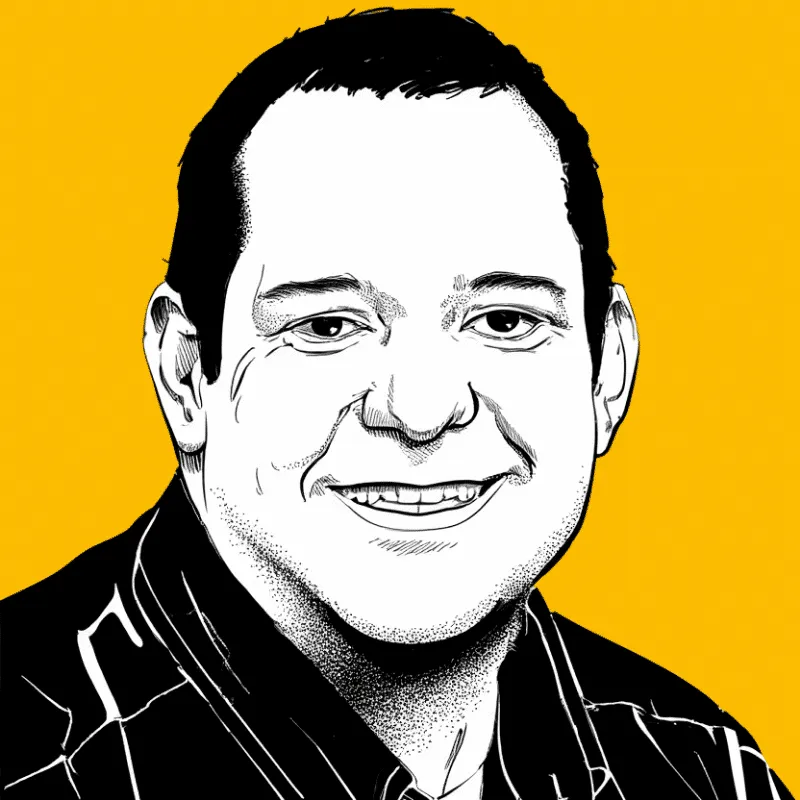
Christopher Brooks
Digital Marketing Strategist
-

Daniel Wright
Senior Analytics Specialist
-

David Henderson
Lead Content Strategist
-

Donna Mitchell
Client Communications Manager
-
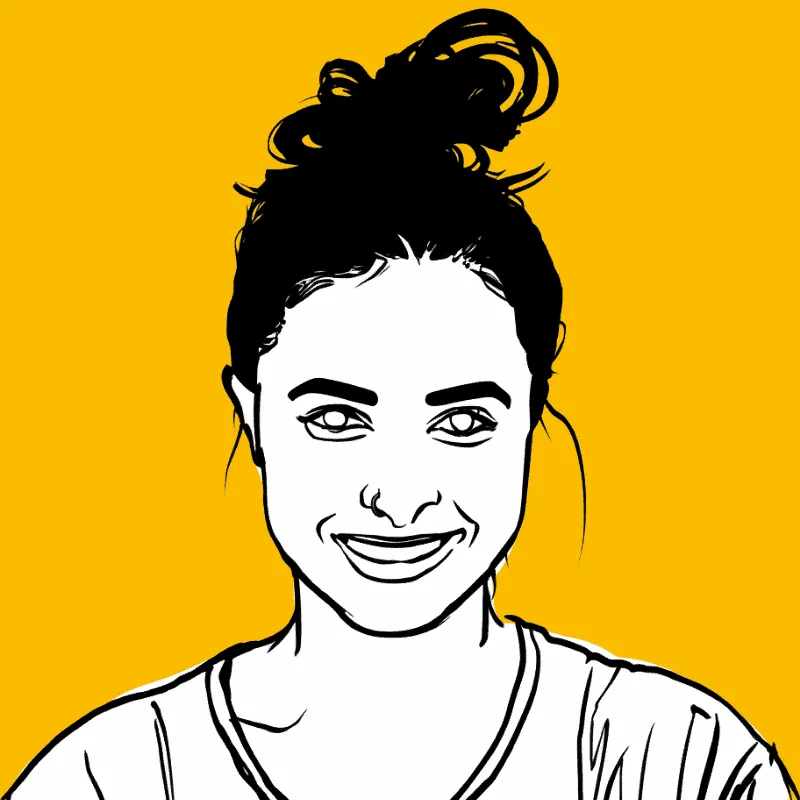
Elizabeth Foster
Director of Paid Advertising
-

Emily Baredi
Brand Experience Specialist
-

Emma Scott
Social Media Content Creator
-

George Crawford
Technical Solutions Architect
-
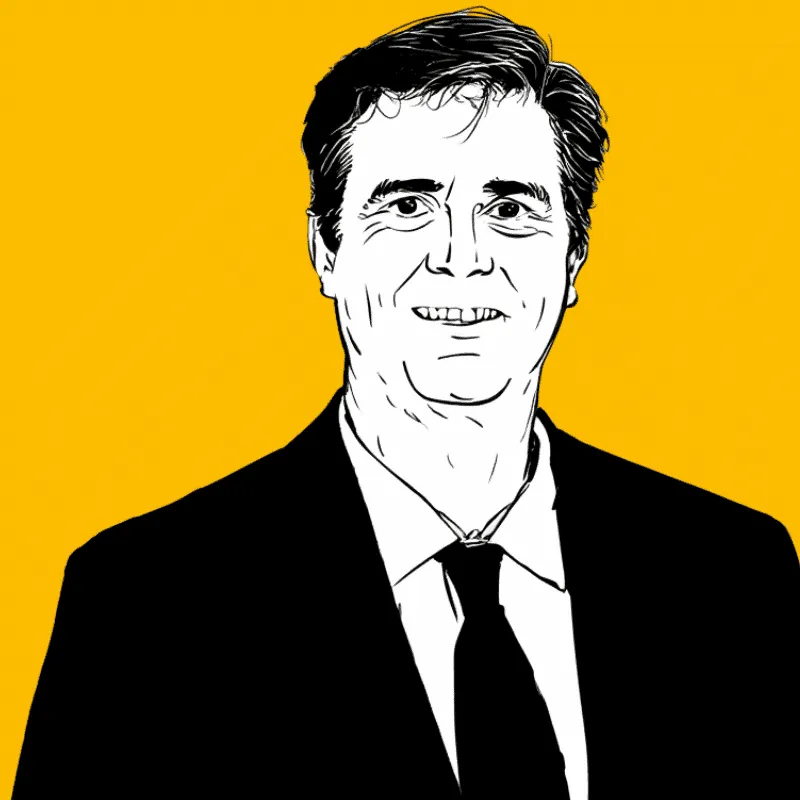
Jacob Evans
Digital Content Coordinator
-
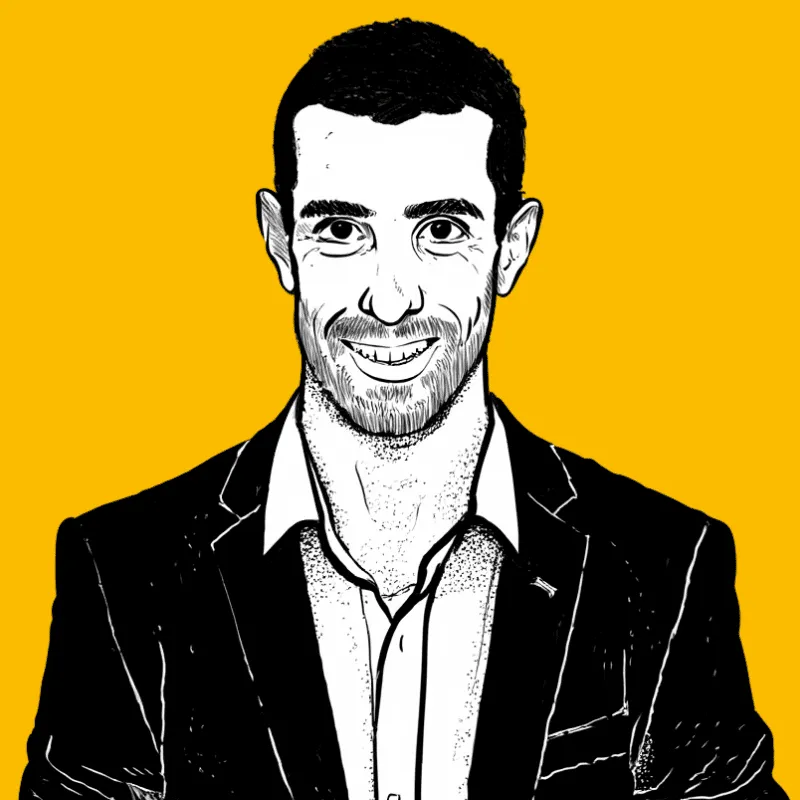
James Anderson
Marketing Automation Specialist
-
Jason Palmer
Junior Copywriter
-
Jeffrey Reynolds
Paid Media Analyst
-

Jennifer Lewis
Community Engagement Specialist
-

Jonathan Murphy
SEO Reporting Specialist
-
Joseph Morgan
Influencer Marketing Coordinator
-

Kenneth Stevens
Digital PR Manager
-
Kimberly Harper
Digital Marketing Intern
-

Kevin Morris
SEO Outreach Specialist
-

Lee Dawson
Junior Web Developer
-

Linda Peterson
Email Campaign Coordinator
-
Lisa Thompson
Social Media Ads Specialist
-

Margaret Bradley
Marketing Operations Lead
-
Mark Richards
Data & Insights Analyst
-

Mary Kennedy
Senior Copyeditor
-

Matthew Clark
Growth Marketing Manager
-
Michelle Sanders
Junior Marketing Designer
-

Michael Foster
Senior Conversion Rate Specialist
-

Nancy Wheeler
Digital Analytics Manager
-

Nicholas Pierce
Affiliate Marketing Specialist
-
Nicole Adams
Outreach Program Coordinator
-

Paul Franklin
Paid Social Campaign Manager
-

Richard Barnes
Reputation Management Specialist
-

Robert Murphy
Lead Solutions Architect
-
Ronald Davis
Marketing Technology Analyst
-
Ryan Bell
Paid Media Buyer
-

Sandra Gregory
Digital Account Coordinator
-
Scott Hopkins
CRM Implementation Specialist
-
Shirley Ellis
Customer Insights Manager
-
Stephanie Cross
Brand Content Designer
-

Steven Greene
Web Analytics Specialist
-

Susan Price
Affiliate Campaign Manager
-

Thomas Fisher
Lead Technical Architect
-

Timothy Nash
Mobile Marketing Strategist
Certified & Accredited


Stop Paying for Calls Nobody Answers
Tell us your case-type priorities and your current spend. Egochi, a 5.0 rated agency across 190+ Clutch reviews, audits where the budget leaks, what a separated structure recovers, and what your phone data says about missed revenue.
Egochi Stats
- 250+ Google Reviews
- 5.0 Clutch Rating
- 12+ Years Experience
- $200M+ Revenue Generated
- 4 US Offices
- 190+ Clutch Reviews
Blog Posts
- Aug 12, 2026 GEO vs. SEO: A Comparative Guide for Digital Marketers
- Aug 12, 2026 What is llms.txt? | How to Create llms.txt file for your website
- Aug 12, 2026 What is Semantic SEO? | How to Build Topical Authority That Ranks
- Aug 12, 2026 What is Schema Markup? | How to Add Structured Data to Your Website
- Aug 12, 2026 How to Optimize for Voice Search: A Realistic 2026 Guide