HVAC Website Design
Egochi designs HVAC websites around the two visitors who decide your revenue: the homeowner with a dead system who needs your number within seconds, and the replacement shopper comparing three quotes who needs financing terms, equipment options, and proof. Most contractor sites serve neither, with the phone number buried, one thin page pretending to cover thirty towns, and load times that lose the phone visitor before anything renders. Egochi builds a genuine page for every town you serve, puts tap-to-call and the emergency path above the fold, and gives replacements, financing, and maintenance-plan signup their own pages. Builds are quoted per project, and pairing one with a marketing plan from $1,500 monthly is how most clients start. Get a free teardown of your current site.
Get Your Free Site Teardown See What's Included
- 250+ Google Reviews
- 190+ Clutch Reviews at 5.0
- Google Premier Partner
As Featured In






What Makes HVAC Website Design Different
Four realities of how homeowners use contractor sites that shape every build decision Egochi makes.
Service-area architecture is a design decision
Where town pages sit in the navigation, how they link to services, and which modules each carries decide whether the site can rank beyond your home base. Egochi designs the town-page system into the build itself, with room for genuine local detail on every page, so growth means adding pages instead of rebuilding.
The emergency visitor gives you one screen
A homeowner whose AC died in a heat wave decides on the first phone screen: a number to tap, confirmation you serve their town, and whether anyone answers tonight. Every element above the fold earns its place against those three questions, and everything decorative moves down the page.
Replacement shoppers read, so give them something to read
A system replacement gets compared across multiple quotes over days or weeks, and the site gets visited more than once before anyone calls. Financing terms, equipment lines, what install day looks like, and honest pricing context are what survive that comparison. A site with only "call now" loses it silently.
Phone speed decides before design does
Most HVAC searches happen on a phone, often in a hot house or a cold one, and a site that takes ages to render has already lost regardless of how it looks. Egochi builds static-first, keeps images disciplined, and treats green Core Web Vitals as a launch requirement, not a follow-up.
What's Inside an HVAC Website Build
Architecture, conversion paths, and speed Egochi builds for phones and for every town you serve.
-
Town Page System
Egochi designs a framework for a real page per town, with slots for local jobs, local reviews, and area detail, never a name swapped into one repeating template.
-
Emergency Conversion Path
Egochi puts tap-to-call in the first screen, states after-hours availability plainly, and adds a sticky call bar on mobile so the number travels with the panicked visitor.
-
Financing and Replacement Pages
Egochi builds payment options, equipment comparisons, and an install-day walkthrough that let a comparison shopper choose you before the quote appointment happens.
-
Maintenance-Plan Signup
Egochi presents plan tiers clearly with an online signup path, so membership growth does not depend on a tech remembering the pitch at the door.
-
Mobile Speed Engineering
Egochi ships static-first builds with disciplined images and no page-builder bloat, measured against Core Web Vitals until every template passes on a real phone.
-
SEO-Ready Foundations
Egochi wires schema, heading structure, and internal linking in from the first wireframe, so the site is ready for an SEO program instead of fighting one.
A Site AI Assistants Can Read and Cite
Homeowners now ask AI Overviews, ChatGPT, Gemini, and Perplexity what a replacement costs, who services their brand nearby, and who answers tonight, and the systems answer from whatever your site lets them read. Egochi builds HVAC sites so the service, brand, service-area, hours, and review data those systems need is structured, consistent, and liftable.
Google AI OverviewsChatGPTGeminiPerplexity
-
Structure assistants can parse
Egochi marks up services, equipment brands, service areas, hours, and FAQs in schema and keeps headings direct, so an AI system reading the site finds answers instead of slogans. A site built this way gets cited; a slider full of stock photos gets skipped.
-
Cost and availability answers on the page
Assistants quote pages that state what a repair visit costs, what financing looks like, and whether someone answers at night. The financing and town pages Egochi builds carry those answers in a shape both a shopper and a machine can lift.
-
One identity across every surface
Gemini and Perplexity cross-check the site against your Google Business Profile and directories before recommending anyone. Egochi keeps name, towns, hours, and services identical everywhere, so the checks come back agreeing.
-
Fast pages get read first
The static-first speed that converts a panicked phone visitor also makes every page easy for crawlers and AI systems to fetch and parse. One build decision serves the homeowner, the rankings, and the citations at once.
How an HVAC Site Build Runs
-
Teardown and town mapping
Egochi audits your current site as the emergency visitor and as the replacement shopper, tests it on a mid-range phone, and maps every town that deserves its own page, ranked by search demand.
-
Architecture before design
Egochi draws the sitemap first: town pages, service pages, financing, and plan signup, and how they all link. Getting that structure right decides whether the site can rank, so it comes before any visual work.
-
Design and copy in parallel
Egochi designs the templates around the first phone screen while town and service copy gets written with real local detail, so neither track waits on the other and launch stays on schedule.
-
Build, migrate, verify
Egochi builds static pages, redirects every old URL to its successor in a single hop, wires up call tracking and form routing, and holds launch until Core Web Vitals pass on real devices.
-
Post-launch tuning
The first weeks of call and form data show where visitors hesitate. Egochi adjusts the call path and page order from that evidence, then hands the site over fully documented.
Questions Owners Ask Before a Rebuild
Why not just buy a cheap template site?
A template puts you online; it rarely puts you in front of anyone. The find-and-replace town pages those packages generate are exactly what Google filters out, and load speed on phones is usually poor. If you only need an address on the internet, a template is honest value. If the site is supposed to produce calls, structure and speed are the product.
Will a rebuild hurt the rankings we already have?
Only a careless one. Ranking loss after a redesign almost always traces to dropped URLs and vanished pages, not to new visuals. A mapped migration redirects every old address to its successor and keeps the content that earned links, which is how Egochi runs every rebuild. Done that way, rankings typically hold, then climb as speed and structure take effect.
Do we really need a page for towns twenty minutes away?
If you want calls from those towns, yes. A homeowner searching from the next suburb picks among companies that visibly serve their area, and a footer mention is not visible service. The pages only work with genuine local content, which is why Egochi builds them in batches rather than stamping out the county in a week.
Does showing financing give away too much?
Shoppers comparing replacement quotes ask about the monthly payment before almost anything else, and a site that answers gets shortlisted while silent competitors get skipped. Showing your financing programs is not publishing a price book; it is proof the purchase is survivable. The shoppers you lose by hiding it never call to tell you.
Common Mistakes to Avoid
-
Burying the phone number in a hamburger menu while the visitor stands in a hot house with a dead system.
-
Shipping one "areas we serve" list instead of real town pages, then paying for ads to cover rankings the site never earned.
-
Loading the homepage with sliders and stock handshake photos that push the call button below the fold on every phone.
-
Launching without call tracking or form routing, so nobody can say which pages produce jobs and which just look nice.
-
Rebuilding on a page builder that fails Core Web Vitals out of the box, then blaming SEO for rankings that never arrive.
Builds and Rebuilds From the Roster
Egochi has not published an HVAC build yet, so these receipts come from trade and local-business sites we designed or rebuilt, with the visibility work that ran beside them. Every number restates the client's published case study.
-
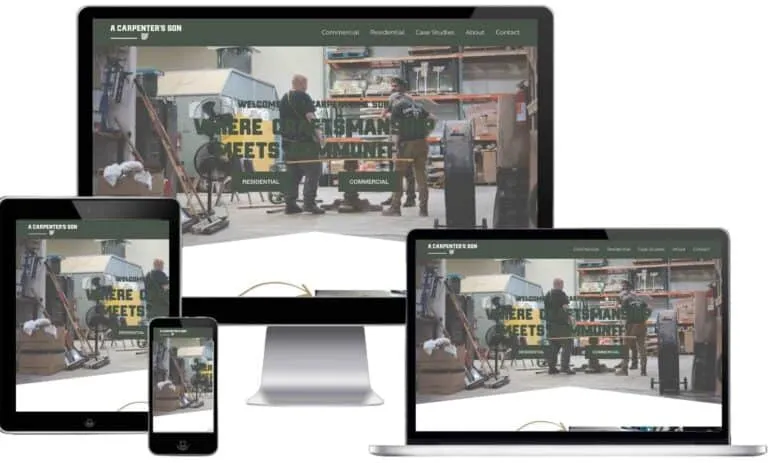
A Carpenter's Son Design Company
Custom Carpentry | Design & Build
A craft trade whose site had to sell considered, big-ticket work, exactly what a replacement page does. Egochi rebuilt the site around the portfolio and the quote path, and order revenue climbed with the traffic.
- +85% Custom Order Revenue Rise
- +87% Organic Traffic Increase
- +80% PPC Conversion Rate Climb
-
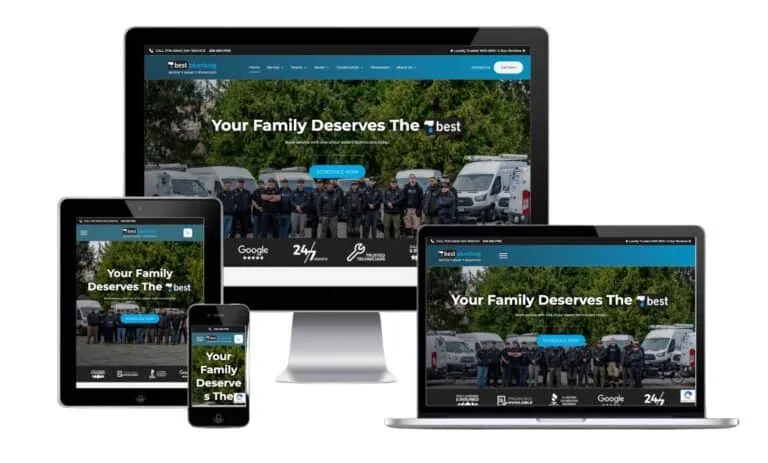
Best Plumbing
Plumbing Contractor | Seattle, WA
A Seattle contractor site that buried its services and its call path. Egochi redesigned it around the local visitor, and inquiries and conversion rate both rose across twelve months.
- +50% Conversion Rate Improvement
- +65% Local Inquiry Growth
- +75% Organic Traffic Increase
-
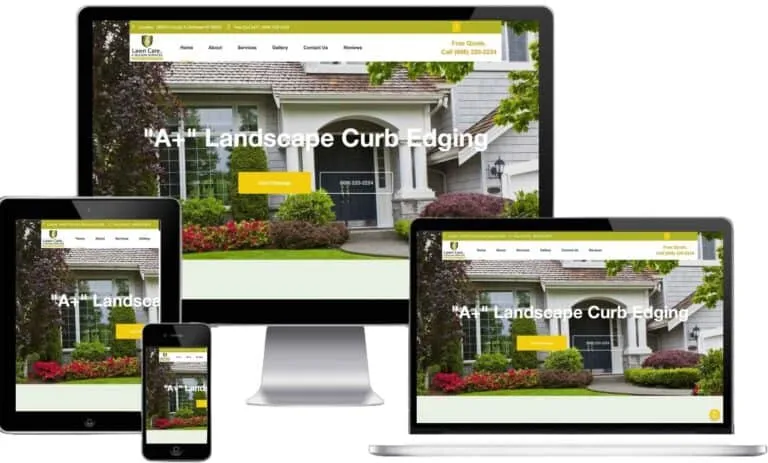
A+ Lawn Care
Lawn Care Company | Local Home Services
A home-services site that failed to show the quality of the work. Egochi rebuilt the design and the local content together, and map visibility turned into customer inquiries.
- +80% Organic Traffic Increase
- +70% Local Map Visibility Lift
- +60% Customer Inquiry Growth
-
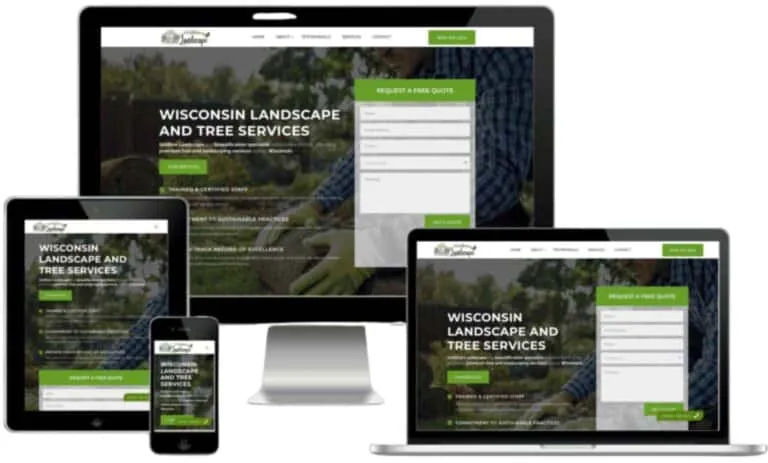
Gridline Landscape
Landscaping & Lawn Care | Wisconsin
A Wisconsin outdoor trade with a dated site and unclear messaging. Egochi redesigned the layout and rewrote the services, and local leads followed the clearer story.
- +70% Local Lead Growth
- +80% Organic Traffic Increase
- +60% Online Engagement Lift
-
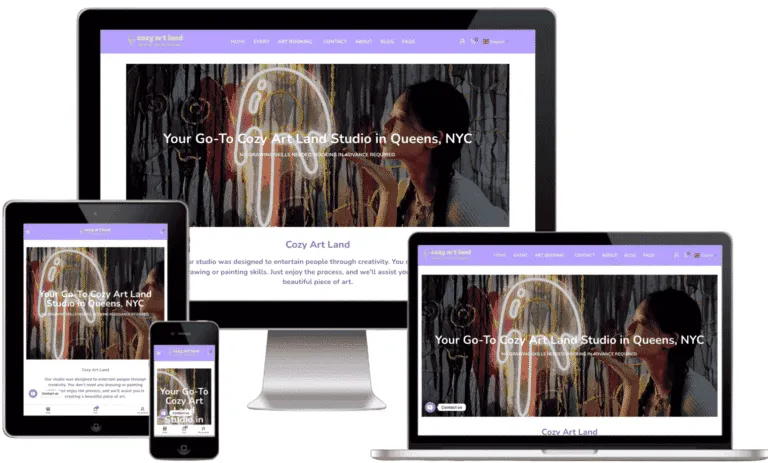
Cozy Art Land
Art Studio | Long Island City, NYC
A neighborhood studio whose site and profile now pull together. Egochi took a tracked keyword from seventeen to one and grew the calls and directions a local page exists to produce.
- 17 → 1 Tracked Keyword Position
- +110% GBP Direction Requests
- +120% Organic Sessions
-

Culbertson Law
Family Law Firm | Local Map Pack
A professional practice whose site had to convert the Map Pack clicks it started winning. Egochi built the pages behind the pack position, and qualified calls nearly doubled.
- 9 → 2 Map Pack Position
- +91% Qualified Calls
- 47 New Google Reviews
See How Egochi Works
A short look at how our team plans, builds, and reports on client work.
Is This Right for You?
This is for you if
- You serve a long list of towns and your current site barely mentions any of them.
- Replacement shoppers find nothing to compare on your site, so every quote starts from zero on the phone.
- You have watched your own site load on a phone at a job site and run out of patience.
This may not be the right fit if
- You want the cheapest template stamped out this week. Find-and-replace town pages are the one thing Egochi will not build.
- Your site is fast, ranks, and converts. You likely need marketing, not another design bill, and the teardown will say so.
See the work: HVAC SEO program · Web design case studies
What Clients Tell Us
Phone started ringing more within the first month. Now we’re booked out two weeks in advance during peak season. Egochi handles our Google Ads and SEO, and both are performing great.
The Complete HVAC Program
This page is one part of a five-part program. Each piece works alone and works better together.
-
HVAC Marketing Agency
The full program: how budget moves between channels across both peak seasons.
-
HVAC SEO
Service-area rankings and emergency-intent coverage that outlast any ad budget.
-
HVAC PPC Advertising
Surge-aware paid campaigns for the days everyone bids on the same heat wave.
-
HVAC Social Media Marketing
Pre-season campaigns and crew content that fill the demand valleys.
Common Questions About HVAC Website Design
-
How much does an HVAC website cost?
HVAC site builds at Egochi start around $3,500 for a single-market company and scale with the number of town pages and features like financing applications and plan signup. Most clients pair the build with a marketing plan from $1,500 monthly. The free teardown quotes your exact scope.
-
Can AI assistants read an HVAC website?
Only if the site gives them structure. AI Overviews, ChatGPT, Gemini, and Perplexity answer homeowner questions from pages with direct cost, service, and availability statements, marked-up schema, and identity data that matches your Google profile. Egochi builds those signals into the site itself, so the build earns citations along with conversions.
-
What should an HVAC website show above the fold?
On a phone: a tappable number, the towns or area you serve, and whether someone answers after hours. The emergency visitor decides on that first screen. Awards, sliders, and mission statements can live further down the page, where the replacement shopper scrolling for detail will still find them.
-
Should HVAC websites show financing?
Yes. Replacement buyers compare quotes partly on monthly payment, and a site that shows financing options and an application path before the sales visit wins consideration a "call for pricing" page never sees. Show the programs you actually offer and let the shopper qualify themselves early.
-
How do we choose an HVAC website design company?
Test their past work on a mid-range phone first, because speed decides before design does. Ask how town pages get built; find-and-replace templates are the thing to walk away from. Ask whether the migration plan redirects every old URL, whether call tracking ships at launch, and where the tap-to-call path sits on the first screen. Egochi answers all of that in the free teardown.
Awards and Partnerships Egochi Holds in 2026
-

Egochi Named 2026 Top Digital Marketing Agency by Clutch
Clutch, a B2B market research and reviews platform, names Egochi a top digital marketing agency for 2026. The distinction rests on overall market presence and, most importantly, verified client feedback. Egochi holds a 5.0 rating across 190+ reviews on Clutch.
-

Egochi Is a Certified Google Premier Partner
Egochi is a certified Google Premier Partner, a status Google grants to the top 3% of participating advertising agencies each year. The tier is earned on campaign performance, sustained client growth, and advanced Google Ads certification, and Google reviews it annually rather than granting it for life.
The Team Behind the Work
-

Jobin John
Chief Executive Officer
-

Justin Brown
Head of Search Engine Optimization
-

Bryan Thomson
Head of Web Design & Development
-

Ina Komins
Head of Social Media Marketing
-

Kierra Pita
Head of Advertising & Content Marketing
-

Patricia Turner
Chief Creative Officer
-

William Carter
Chief Digital Strategy Officer
-

Andrew Miller
Senior SEO Strategist
-

Amy Robinson
Content Marketing Manager
-

Betty Harrison
PPC Campaign Specialist
-

Anthony Carter
Lead Digital Account Executive
-

Amanda Cooper
Social Media Director
-

Carol Parker
Senior Client Success Manager
-

Barbara Bennett
Email Marketing Lead
-

Charles Turner
Technical SEO Analyst
-

Brian Sullivan
Creative Director
-

Christine Walker
Director of Project Management
-

Christopher Brooks
Digital Marketing Strategist
-

Daniel Wright
Senior Analytics Specialist
-

David Henderson
Lead Content Strategist
-

Donna Mitchell
Client Communications Manager
-

Elizabeth Foster
Director of Paid Advertising
-

Emily Baredi
Brand Experience Specialist
-

Emma Scott
Social Media Content Creator
-

George Crawford
Technical Solutions Architect
-

Jacob Evans
Digital Content Coordinator
-

James Anderson
Marketing Automation Specialist
-

Jason Palmer
Junior Copywriter
-

Jeffrey Reynolds
Paid Media Analyst
-

Jennifer Lewis
Community Engagement Specialist
-

Jonathan Murphy
SEO Reporting Specialist
-

Joseph Morgan
Influencer Marketing Coordinator
-

Kenneth Stevens
Digital PR Manager
-

Kimberly Harper
Digital Marketing Intern
-

Kevin Morris
SEO Outreach Specialist
-

Lee Dawson
Junior Web Developer
-

Linda Peterson
Email Campaign Coordinator
-

Lisa Thompson
Social Media Ads Specialist
-

Margaret Bradley
Marketing Operations Lead
-

Mark Richards
Data & Insights Analyst
-

Mary Kennedy
Senior Copyeditor
-

Matthew Clark
Growth Marketing Manager
-

Michelle Sanders
Junior Marketing Designer
-

Michael Foster
Senior Conversion Rate Specialist
-

Nancy Wheeler
Digital Analytics Manager
-

Nicholas Pierce
Affiliate Marketing Specialist
-

Nicole Adams
Outreach Program Coordinator
-

Paul Franklin
Paid Social Campaign Manager
-

Richard Barnes
Reputation Management Specialist
-

Robert Murphy
Lead Solutions Architect
-

Ronald Davis
Marketing Technology Analyst
-

Ryan Bell
Paid Media Buyer
-

Sandra Gregory
Digital Account Coordinator
-

Scott Hopkins
CRM Implementation Specialist
-

Shirley Ellis
Customer Insights Manager
-

Stephanie Cross
Brand Content Designer
-

Steven Greene
Web Analytics Specialist
-

Susan Price
Affiliate Campaign Manager
-

Thomas Fisher
Lead Technical Architect
-

Timothy Nash
Mobile Marketing Strategist
Certified & Accredited


Built for the Five-Second Visitor
Send us your current site and your town list. Egochi's teardown shows what the emergency visitor sees, what the replacement shopper is missing, and what a rebuild should cost.
Egochi Stats
- 250+ Google Reviews
- 5.0 Clutch Rating
- 12+ Years Experience
- $200M+ Revenue Generated
- 4 US Offices
- 190+ Clutch Reviews
Blog Posts
- Aug 12, 2026 GEO vs. SEO: A Comparative Guide for Digital Marketers
- Aug 12, 2026 What is llms.txt? | How to Create llms.txt file for your website
- Aug 12, 2026 What is Semantic SEO? | How to Build Topical Authority That Ranks
- Aug 12, 2026 What is Schema Markup? | How to Add Structured Data to Your Website
- Aug 12, 2026 How to Optimize for Voice Search: A Realistic 2026 Guide