MSP Website Design
Egochi designs websites for managed service providers that do the one job an MSP site actually has: convince a non-technical decision-maker to book a meeting. Every prospect checks your site before the discovery call, usually after a referral or a search, and what they find either confirms the recommendation or quietly kills it. Tool logos and acronym walls lose that moment; plain outcome language, honest proof, and a booking path that takes seconds win it. Egochi builds MSP sites as demand engines: a page per offering and vertical, credibility signals ordered the way buyers scan, and speed that respects an executive's patience. Design engagements pair with marketing plans from $1,500 monthly. Start with a free teardown of your current site.
Get Your Free MSP Website Teardown See What's Included
- 250+ Google Reviews
- 190+ Clutch Reviews at 5.0
- Google Premier Partner
As Featured In





What Makes an MSP Website Convert
Four findings from how business buyers evaluate IT providers online, built into every site Egochi ships.
The site is a credibility check, not a discovery channel
Most MSP prospects arrive already pointed at you by a referral, a search, or a LinkedIn touch. They are not browsing; they are verifying. The design job Egochi takes on is surviving scrutiny: who you serve, what you take responsibility for, and what happens when something breaks, all findable in under a minute.
Outcome language beats tool language
The buyer is an owner or CFO who cares about uptime, predictable cost, and not being the next breach headline. Pages organized around vendor stacks read as noise to them. Certifications belong on the page, but as supporting proof under outcomes, never as the headline.
Generic contact forms lose considered buyers
A B2B buyer weighing a multi-year contract does not want to send a message and wait. A visible calendar with a named person, a stated agenda for the first call, and a promise of what they leave with converts far better than a form that disappears into a queue.
Proof has to be specific to survive
Every MSP site claims fast response and friendly techs. The sites Egochi builds show specifics instead: real response-time commitments, named industries served, client logos where permitted, and case stories with the messy middle left in. Vague proof reads as no proof.
What's Inside an MSP Website Build
Structure, proof, and booking flow Egochi designs for a considered B2B decision.
-
Outcome-First Messaging
Egochi writes the homepage and service pages in the language of uptime, cost certainty, and security posture, with technical depth one click below for the IT-literate evaluator.
-
Offering & Vertical Pages
Egochi builds a page per service line (managed IT, co-managed, security, compliance) and per industry served, each able to rank and each speaking to one buying situation.
-
Proof Architecture
Egochi orders certifications, partner badges, and client evidence the way buyers scan, with response commitments stated only where you genuinely keep them.
-
Meeting-Booking Flow
Egochi embeds scheduling with a named contact and a clear first-call agenda, so the next step feels like a conversation, not a sales trap.
-
Speed & Technical Build
Egochi ships fast static pages, clean semantic markup, and technical SEO groundwork so the site earns rankings instead of holding them back.
-
Lead-Source Reporting
Egochi wires tracking to booked meetings by source, so you can see which pages and channels produce pipeline, not just visits.
How an MSP Website Earns AI Citations
When a business owner asks AI Overviews, ChatGPT, Gemini, or Perplexity what managed IT costs or which local firm handles HIPAA, the answer gets assembled from websites those systems can read and trust. Egochi builds MSP sites to be that source: service, certification, industry-served, location, and review data structured so an assistant can identify your firm and cite it.
Google AI OverviewsChatGPTGeminiPerplexity
-
Pages that answer one question each
Assistants lift from pages that answer a single buying question cleanly: what co-managed IT covers, what compliance support costs, who serves medical offices in your metro. The page-per-offering and page-per-vertical architecture Egochi builds gives every one of those questions a citable home.
-
Schema and entity data under the design
Egochi marks up services, locations, credentials, and FAQs in structured schema and keeps the firm's identity consistent with your Google Business Profile and directories. Those are the signals Gemini and Perplexity resolve before recommending any provider.
-
Claims an assistant can verify
Vague promises die in AI answers. Real response commitments, named industries, and honest pricing logic stated in liftable form give ChatGPT something concrete to quote, and give the buyer reading the citation the same confidence. Egochi publishes only what your firm genuinely delivers.
-
One build serves both readers
The fast, clean semantic build Egochi ships for executive patience is the same build crawlers and AI systems parse without friction. One engineering standard covers the CFO checking you at midnight and the assistant answering them.
How the Website Build Runs
-
Teardown of the current site
Egochi walks your site the way a CFO does the night before a call: what you do, who you serve, what happens when a server dies, how to book. Every point where the answer takes over a minute gets flagged with its cost.
-
Message architecture
Egochi maps offerings and verticals to pages, one buying situation each, and writes outcome-first copy with technical depth kept a click below. The acronyms move off the headlines and into the supporting proof.
-
Design and build
Egochi ships fast static pages, clean markup, and proof ordered the way buyers scan, with the meeting-booking flow embedded rather than bolted on. Speed budgets are set before design starts, not negotiated after.
-
Proof gathering
Egochi pulls real response commitments, client industries, and case stories from your team in short interviews, publishing only what you genuinely deliver. Specific beats impressive, and honest beats both.
-
Launch and measurement
Egochi takes tracking live with the site: booked meetings by page and source, not visit counts. The first quarter of data tells us which pages earn their place and which need another pass.
Fair Questions About MSP Websites
Our clients come from referrals. Does the site really matter?
Referrals do not skip the site; they end there. Nearly every referred prospect visits before replying, and a confusing or dated site quietly kills recommendations you never hear about. You cannot measure the meetings that never got booked, which is exactly why the credibility check deserves engineering, not leftovers.
Why not use a template or a site builder?
For a placeholder, a template is fine and Egochi will say so. The limits show up fast: you look like every third MSP using the same theme, adding a real page per offering and vertical fights the tool, and page speed sits outside your control. If the site must book meetings with executives, those limits are the product.
A freelancer offered a rebuild for a fraction of this. What differs?
Usually the freelancer sells design and you keep the old words. The expensive problems on MSP sites are message problems: tool-first copy, missing vertical pages, proof that says nothing, no booking flow. A rebuild that keeps those keeps the results. Pay for the thinking, or get the pretty version of the same site.
What can a new site realistically change?
A site converts the demand that reaches it; it does not create demand on its own. Realistic wins are referred prospects who book instead of stalling, higher meeting rates from the same traffic, and rankings unlocked by pages that finally target one search each. Pair it with visibility work and the two multiply.
Common Mistakes to Avoid
-
Leading with tool logos and certifications the buyer cannot read, while the outage story that sells goes untold.
-
Burying co-managed IT, security, and compliance on a single services page that speaks to nobody in particular.
-
Hiding the people: buyers signing a multi-year contract want to see who answers when things break.
-
A contact form with no promise of what happens next, which reads as a queue and loses executive patience.
-
Redesigning the look while keeping the old copy, then blaming the design when meetings stay flat.
Website Builds From the Egochi Roster
Egochi publishes these receipts from web design and build engagements across the client roster. The B2B technology clients lead the row, and every number restates the client's published case study.
-
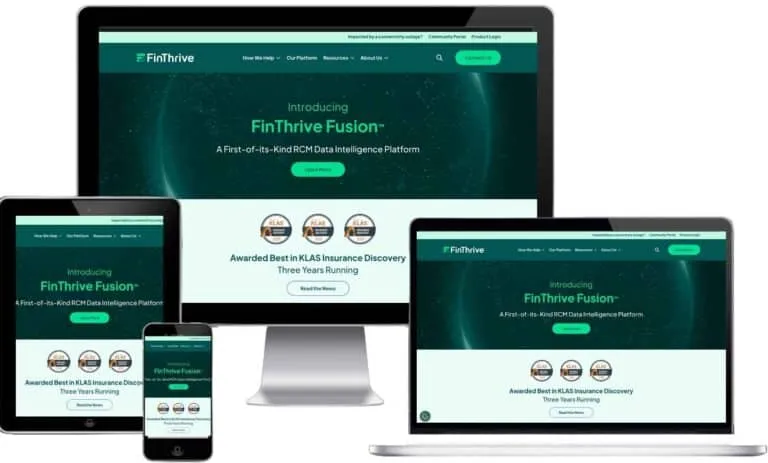
FinThrive
B2B Software | Healthcare Revenue Cycle
A B2B software platform selling into hospitals, a buyer as skeptical as any CFO choosing an MSP. Egochi rebuilt the Magento site so evaluators stayed, read, and booked demos in the hundreds each month.
- 300 Monthly Demo Requests
- 50% Bounce Rate Drop
- 40% Page Load Time Cut
-
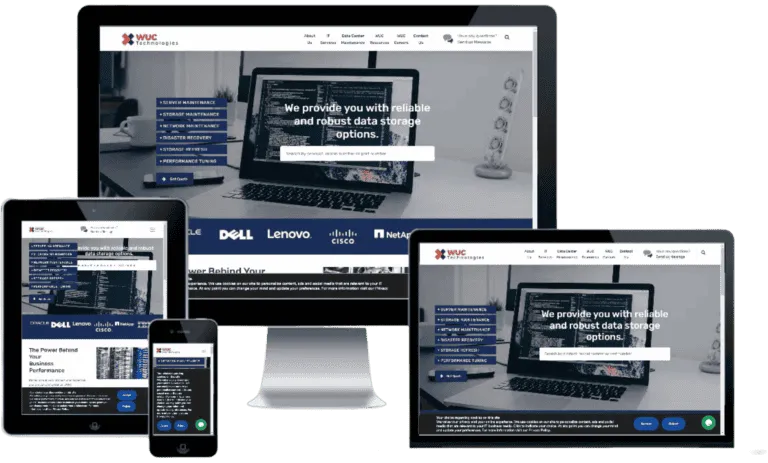
WUC Technologies
IT Support Company | B2B Technology
An IT support company whose old site buried its server, network, and support capabilities, the exact failure this page describes. Egochi rebuilt the WordPress platform around clear service lines, and inquiries rose with the clarity.
- +50% Qualified Inquiry Rise
- +60% User Engagement Lift
- +75% Organic Traffic Increase
-
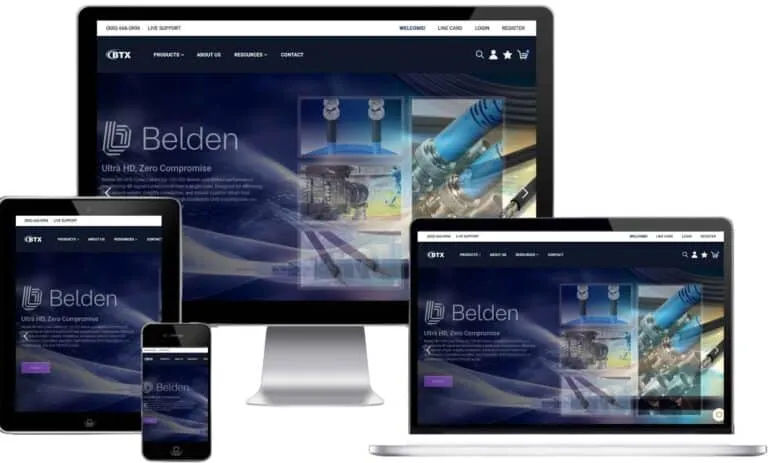
BTX Technologies
Audiovisual Technology | B2B Distributor
A B2B technology distributor whose dated storefront undersold advanced products. Egochi rebuilt the Magento experience with clear product detail for industrial buyers, and leads and revenue followed.
- +80% Organic Traffic Lift
- 1.5K Extra Monthly Qualified Leads
- $200K Added Revenue
-
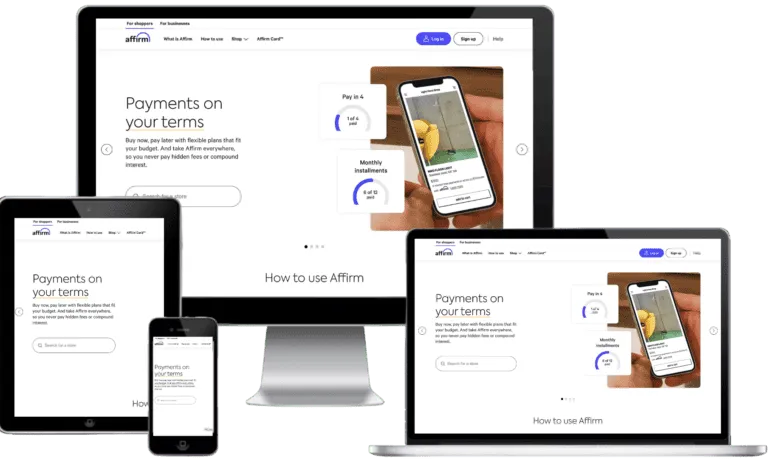
Affirm Holdings
Financial Technology | Custom ADA Build
A consumer fintech that needed a custom, accessible build worthy of a regulated brand. Egochi delivered the ADA-compliant site, and traffic, engagement, and conversion moved together.
- +74% Organic Traffic Increase
- +80% User Engagement Improvement
- +68% Conversion Rate Lift
-
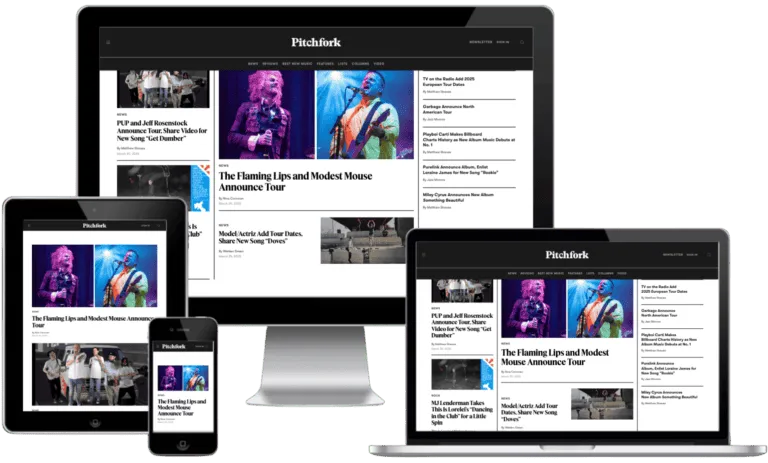
Pitchfork Media
Digital Publisher | Speed at Scale
A publisher serving millions of monthly readers, where speed is the product. Egochi cut load time and the reader numbers answered, the same speed discipline every MSP build here gets.
- 2.6M Monthly Visitors
- -60% Load Time
- +320% Engagement
-
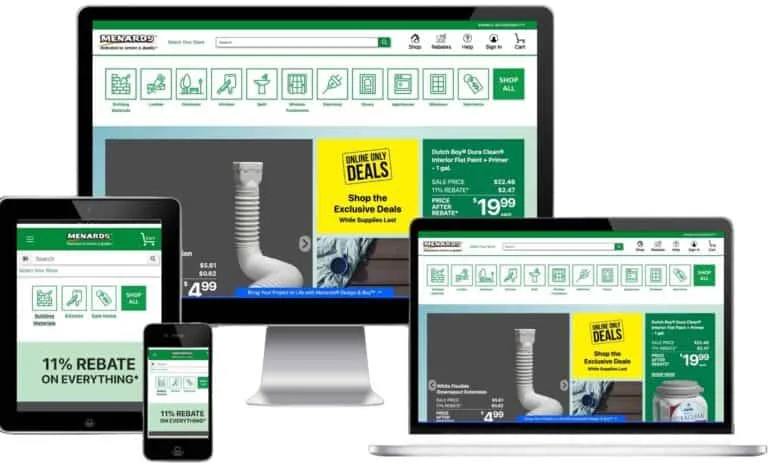
Menards
National Retailer | Enterprise Rebuild
A national retailer whose rebuild had to carry serious traffic without slowing down. Egochi shipped the redesign and conversions climbed, proof the build standard holds at enterprise scale.
- +245% Traffic
- +180% Conversions
- 2.3s Speed
See How Egochi Works
A short look at how our team plans, builds, and reports on client work.
Is This Right for You?
This is for you if
- Your site was built years ago around tool logos and your referrals quietly stall after people visit it.
- You are moving upmarket and need the site to hold up in front of CFOs and boards, not just office managers.
- You sell into regulated verticals and need compliance fluency visible on the page.
This may not be the right fit if
- You want a brochure refresh without changing what the site says; new paint on tool-first messaging does not move meetings.
- You have no capacity to take new clients this quarter; fix delivery first, then build the engine.
See the work: Technology case studies · Web design case studies
What Clients Tell Us
Cybersecurity marketing requires technical credibility. Egochi created content that resonated with CISOs and IT directors. Demo requests from enterprise prospects increased 180%.
The Complete Managed IT & Cybersecurity Program
This page is one part of a five-part program. Each piece works alone and works better together.
-
MSP Marketing Agency
The full program priced against recurring-contract economics.
-
MSP SEO
Rankings for the plain-language searches non-technical buyers actually run.
-
MSP PPC Advertising
Google for intent, LinkedIn for titles, measured in booked contracts.
-
MSP Social Media Marketing
LinkedIn-first authority through your founders and engineers.
Common Questions About MSP Website Design
-
How much does an MSP website cost?
Project scope depends on how many offerings and verticals need dedicated pages. Egochi pairs website builds with MSP marketing plans starting at $1,500 monthly, and the free teardown shows what your current site costs you in stalled referrals before you commit to anything.
-
What should an MSP website include?
A page per offering and per industry served, plain-language outcome messaging for non-technical buyers, specific proof such as certifications and honest response commitments, and an embedded meeting-booking flow. The test Egochi builds to is simple: can a CFO understand what you do and book a call in under a minute.
-
How does an MSP website show up in AI answers?
AI Overviews, ChatGPT, Gemini, and Perplexity assemble managed IT answers from sites they can parse and verify. A page per offering and vertical, structured schema for services, locations, and credentials, and an identity consistent with your profiles let those systems identify and cite your firm. Egochi builds every MSP site to that standard, and the same structure wins classic rankings.
-
Should an MSP website list prices?
Naming exact prices is rare in managed services because scope varies, but publishing how pricing works, per-seat versus per-device and what changes the number, filters unqualified leads and builds trust. Buyers researching cost land on that page, and most competitors refuse to write it. Egochi, an agency that publishes its own pricing, builds that page gladly.
-
How do we pick a website design company for an MSP?
Ask whether the engagement rewrites the message or only the look, because the expensive problems on MSP sites are message problems: tool-first copy, missing vertical pages, proof that says nothing. Ask how the build serves a non-technical CFO, whether booking ends in a scheduled meeting with a named person, and how speed gets verified before launch. A design-only quote keeps the old results.
Awards and Partnerships Egochi Holds in 2026
-

Egochi Named 2026 Top Digital Marketing Agency by Clutch
Clutch, a B2B market research and reviews platform, names Egochi a top digital marketing agency for 2026. The distinction rests on overall market presence and, most importantly, verified client feedback. Egochi holds a 5.0 rating across 190+ reviews on Clutch.
-

Egochi Is a Certified Google Premier Partner
Egochi is a certified Google Premier Partner, a status Google grants to the top 3% of participating advertising agencies each year. The tier is earned on campaign performance, sustained client growth, and advanced Google Ads certification, and Google reviews it annually rather than granting it for life.
The Team Behind the Work
-

Jobin John
Chief Executive Officer
-

Justin Brown
Head of Search Engine Optimization
-

Bryan Thomson
Head of Web Design & Development
-

Ina Komins
Head of Social Media Marketing
-

Kierra Pita
Head of Advertising & Content Marketing
-

Patricia Turner
Chief Creative Officer
-

William Carter
Chief Digital Strategy Officer
-

Andrew Miller
Senior SEO Strategist
-

Amy Robinson
Content Marketing Manager
-

Betty Harrison
PPC Campaign Specialist
-

Anthony Carter
Lead Digital Account Executive
-

Amanda Cooper
Social Media Director
-
Carol Parker
Senior Client Success Manager
-

Barbara Bennett
Email Marketing Lead
-

Charles Turner
Technical SEO Analyst
-

Brian Sullivan
Creative Director
-

Christine Walker
Director of Project Management
-

Christopher Brooks
Digital Marketing Strategist
-

Daniel Wright
Senior Analytics Specialist
-

David Henderson
Lead Content Strategist
-

Donna Mitchell
Client Communications Manager
-

Elizabeth Foster
Director of Paid Advertising
-

Emily Baredi
Brand Experience Specialist
-

Emma Scott
Social Media Content Creator
-

George Crawford
Technical Solutions Architect
-

Jacob Evans
Digital Content Coordinator
-

James Anderson
Marketing Automation Specialist
-

Jason Palmer
Junior Copywriter
-

Jeffrey Reynolds
Paid Media Analyst
-

Jennifer Lewis
Community Engagement Specialist
-

Jonathan Murphy
SEO Reporting Specialist
-

Joseph Morgan
Influencer Marketing Coordinator
-

Kenneth Stevens
Digital PR Manager
-

Kimberly Harper
Digital Marketing Intern
-

Kevin Morris
SEO Outreach Specialist
-

Lee Dawson
Junior Web Developer
-

Linda Peterson
Email Campaign Coordinator
-
Lisa Thompson
Social Media Ads Specialist
-

Margaret Bradley
Marketing Operations Lead
-

Mark Richards
Data & Insights Analyst
-

Mary Kennedy
Senior Copyeditor
-

Matthew Clark
Growth Marketing Manager
-

Michelle Sanders
Junior Marketing Designer
-

Michael Foster
Senior Conversion Rate Specialist
-

Nancy Wheeler
Digital Analytics Manager
-

Nicholas Pierce
Affiliate Marketing Specialist
-

Nicole Adams
Outreach Program Coordinator
-

Paul Franklin
Paid Social Campaign Manager
-

Richard Barnes
Reputation Management Specialist
-

Robert Murphy
Lead Solutions Architect
-

Ronald Davis
Marketing Technology Analyst
-

Ryan Bell
Paid Media Buyer
-

Sandra Gregory
Digital Account Coordinator
-

Scott Hopkins
CRM Implementation Specialist
-

Shirley Ellis
Customer Insights Manager
-

Stephanie Cross
Brand Content Designer
-

Steven Greene
Web Analytics Specialist
-

Susan Price
Affiliate Campaign Manager
-

Thomas Fisher
Lead Technical Architect
-

Timothy Nash
Mobile Marketing Strategist
Certified & Accredited


Make the Credibility Check End in a Meeting
Tell us who you serve and what you want to be known for. Egochi, a 5.0 rated agency across 190+ Clutch reviews, tears down where your current site loses buyers and shows what to build instead.
Egochi Stats
- 250+ Google Reviews
- 5.0 Clutch Rating
- 12+ Years Experience
- $200M+ Revenue Generated
- 4 US Offices
- 190+ Clutch Reviews
Blog Posts
- Aug 12, 2026 GEO vs. SEO: A Comparative Guide for Digital Marketers
- Aug 12, 2026 What is llms.txt? | How to Create llms.txt file for your website
- Aug 12, 2026 What is Semantic SEO? | How to Build Topical Authority That Ranks
- Aug 12, 2026 What is Schema Markup? | How to Add Structured Data to Your Website
- Aug 12, 2026 How to Optimize for Voice Search: A Realistic 2026 Guide