Plastic Surgery Advertising
Egochi runs advertising for plastic surgery practices inside a constraint most agencies learn the hard way: Google prohibits before-and-after comparisons in ads, so campaigns must sell a five-figure procedure without your strongest proof. That changes everything downstream. Creative has to earn the click on credibility and specificity, clicks in this specialty run among the most expensive in local marketing, and a loose keyword match can burn a month's budget on research-stage searches. Egochi builds exact-match discipline, procedure-specific landing pages, and remarketing that stays present through a weeks-long decision, and judges all of it on consult requests. Management plans start at $1,500 monthly plus your ad spend. Start with a free audit of your current account.
Get Your Free Ad Account Audit See What's Included
- 250+ Google Reviews
- 190+ Clutch Reviews at 5.0
- Google Premier Partner
As Featured In





What Makes Plastic Surgery Advertising Different
Four constraints Egochi manages that separate profitable accounts from expensive ones.
The best-converting asset is banned from ads
Before-and-after comparisons are prohibited in Google ad creative, so the ad cannot show the result; it can only earn a credible click. That puts the persuasion on the landing page and gallery, and it means Egochi writes ad copy that sells certification, specialization, and specificity instead of imagery.
Click prices punish loose match types
Procedure keywords in competitive metros cost more per click than most industries pay per lead. At those prices, broad match quietly drains budget into "is rhinoplasty painful" research queries. Exact-match structure, aggressive negatives, and per-procedure budgets are where Egochi decides the account’s profit.
One landing page per procedure, no exceptions
Sending a costly "breast augmentation" click to the homepage forfeits most of its value. Egochi gives each campaign a landing page about that procedure: candidacy, the surgeon’s specific experience with it, cost context, and a consult request above the fold. Message match is the cheapest conversion gain available.
Remarketing carries the long middle
Almost nobody books a surgical consult on first click; the decision runs weeks. Egochi builds remarketing that stays present with education and credentials, within the platforms’ health-category limits, converting researchers who would otherwise book with whichever practice they saw last.
What's Inside a Plastic Surgery Advertising Plan
Six services Egochi runs as one account: policy-safe campaigns, procedure economics, and tracking that ends at the consult.
-
Exact-Match Search Campaigns
Egochi builds per-procedure campaigns with tight match types, negative lists, and budgets set to each operation’s case value, so premium clicks land on consult-ready searches.
-
Policy-Safe Creative
Egochi writes ad copy and assets to Google’s cosmetic-procedure and health rules from the first draft, keeping the account clear of rejections and policy risk.
-
Procedure Landing Pages
Egochi builds a dedicated page per advertised procedure with candidacy, surgeon experience, cost context, and a consult request, matched to the ad that brought the click.
-
Remarketing Sequences
Egochi runs audience sequences that follow the weeks-long research cycle with education and credentials, built inside platform limits on health-category targeting.
-
Consult-Request Tracking
Egochi wires call tracking and form attribution to consult requests per procedure, so the account is judged on booked consults instead of click reports.
-
Case-Economics Reporting
Egochi reports monthly with spend against consults and cases by procedure, showing which campaigns fund themselves and which need cutting.
Where AI Search Fits Around Paid Campaigns
Before a patient ever clicks an ad, they now ask ChatGPT, Gemini, and Perplexity what a procedure costs and which board-certified surgeon nearby to consider, and Google’s AI Overviews sit above the paid results on the searches you bid on. Egochi structures your procedure, credential, price-range, location, and review data so the answer layer can cite the practice, which protects premium ad spend instead of competing with it.
Google AI OverviewsChatGPTGeminiPerplexity
-
The answer layer sits above your auction
On many procedure searches, an AI Overview now loads before the first ad. A practice cited in that answer gets seen before any bid is paid. Egochi structures your procedure pages so cost ranges, candidacy answers, and the operating surgeon are liftable, putting the practice in the answer as well as the auction.
-
Assistants absorb the research clicks
The "is a tummy tuck painful" queries that used to drain broad-match budgets increasingly go to ChatGPT and Perplexity instead. Egochi keeps paid spend on consult-ready exact match and lets structured organic pages carry the research stage, which is the cheaper place for it to live.
-
Verification data the systems check
When an assistant names surgeons, it leans on credentials it can confirm and reviews that agree across sources. Egochi marks up physician, procedure, and location data in schema and keeps your certification story identical everywhere, with no claim an engine could catch overreaching.
-
One report across paid, organic, and AI
Egochi reports ad spend, organic movement, and AI visibility as one set of numbers tied to consult requests, so you can see when a structured page starts earning answers your budget used to buy.
How We Build a Policy-Safe Account
-
Account and policy audit
Egochi reviews your campaigns for policy exposure, loose match types, and research-query leakage, then prices what each procedure currently pays per consult request. Practices starting from zero get a market and competitor audit instead.
-
Per-procedure economics
Egochi sets budget per operation against its case value and your consult-to-surgery rate, because a facelift and a revision rhinoplasty justify very different costs per click and per consult.
-
Campaign and page build
Exact-match campaigns, deep negative lists, and creative written inside cosmetic-procedure policy from the first draft, each paired with a landing page about that one operation and nothing else.
-
Remarketing sequences
Audiences built within health-category limits keep your credentials and education in front of researchers across the weeks they compare surgeons, so the consult lands with you rather than the last practice they saw.
-
Consult-level reporting
Call tracking and form attribution connect spend to consult requests per procedure every month, and Egochi moves budget away from campaigns that fail to produce consults over a fair window toward the ones that do.
Fair Doubts About Advertising a Surgical Practice
Are ads worth it at these click prices?
At the click level the prices look absurd; at the case level they usually work. When a procedure is worth five figures, a campaign can pay hundreds per consult request and still return multiples on the case. The accounts that fail are rarely killed by click price alone. They die from leakage: broad match, research queries, and clicks sent to a homepage that converts none of them.
Why do cheap PPC providers fail in this specialty?
Because the discipline is the product. A low-cost provider spreads one strategist across dozens of accounts, and the weekly search-term reviews, negative-list work, and policy checks are the first things dropped. In most industries that shows up as mild waste. At surgical click prices it burns real budget fast, and a single policy misstep can suspend the account that feeds your consult calendar.
Can our office manager run the ads instead?
For a small campaign in a quiet market, possibly. The honest test is time and policy fluency: staying inside cosmetic-procedure rules, maintaining negatives weekly, and improving landing pages is a hands-on workload, and mistakes are priced at your click costs. Some practices start in-house and hand Egochi the account once spend grows past the point where errors cost more than management.
What results should we expect in the first quarter?
Consult requests usually arrive within the first weeks, since paid search reaches people already looking. What takes a quarter is calibration: Egochi learns which procedures, hours, and searches produce consults that become surgeries, then reweights spend. Judge the first ninety days on the trend in cost per consult and the quality your coordinators report, not on any single week.
Common Mistakes to Avoid
-
Running broad match on procedure terms and paying surgical click prices for questions people ask years before they book anything.
-
Sending every click to the homepage, where a costly breast augmentation search meets a slideshow instead of the page it wanted.
-
Uploading before-and-after creative and treating repeated ad rejections as bad luck instead of the policy the platform published.
-
Pausing remarketing to save money, then losing weeks of research-stage prospects to whichever competitor stayed visible at the decision.
-
Reporting clicks and impressions to the surgeon while nobody connects spend to consult requests or booked cases per procedure.
Plastic Surgery Advertising Case Studies
Egochi publishes these receipts from aesthetic, healthcare, and lead-generation engagements. Every number restates the client's published case study, and the surgical practice leads the row.
-
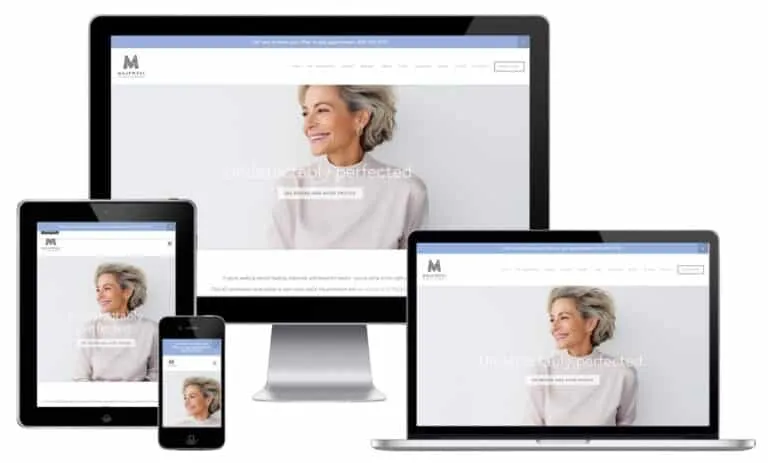
Majewski Plastic Surgery
Plastic Surgery & Med Spa | Jonesboro, AR
A surgical practice whose consult requests died in buried forms, the conversion gap that wastes ad budgets fastest. Egochi rebuilt the procedure pages and inquiry paths every campaign depends on.
- +75% Organic Traffic Growth
- 120 Monthly Patient Inquiries
- $150K Added Monthly Revenue
-
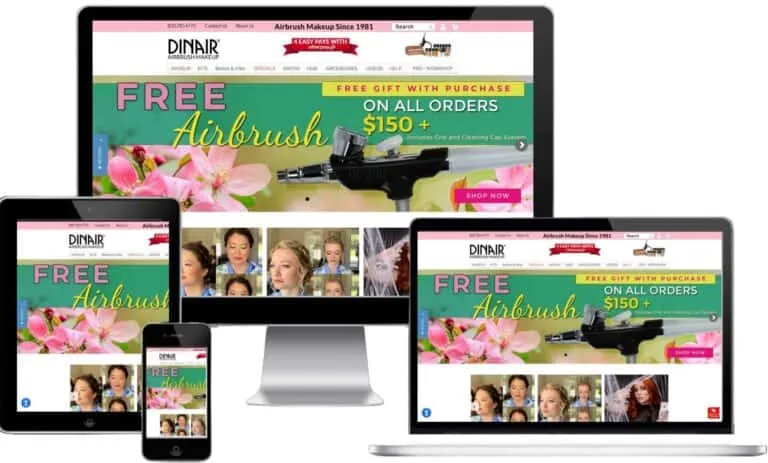
Airbrush Makeup
Beauty Brand | PPC & SEO
An aesthetics brand in a niche where loose targeting burns money. Egochi ran the tightly targeted paid campaigns and redesign that turned premium clicks into customers.
- +75% Organic Traffic Lift
- 20K New Monthly Customers
- $300K Added Quarterly Revenue
-
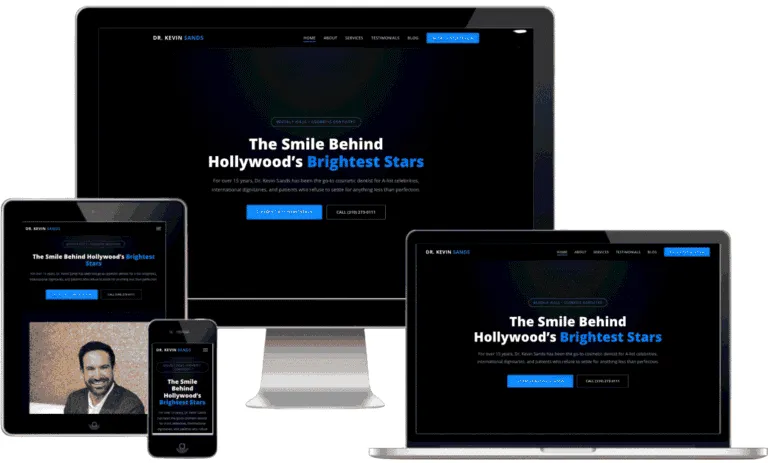
Cosmetic Dentistry Beverly Hills
Cosmetic Dentistry | Beverly Hills, CA
Elective aesthetics in a metro where every provider bids on the same shoppers. Egochi rebuilt the pages those expensive visits land on, and the practice stopped losing them in a bounce.
- 64% Local Organic Sessions
- 58% GBP Actions Increase
- 22% Bounce Rate Reduction
-
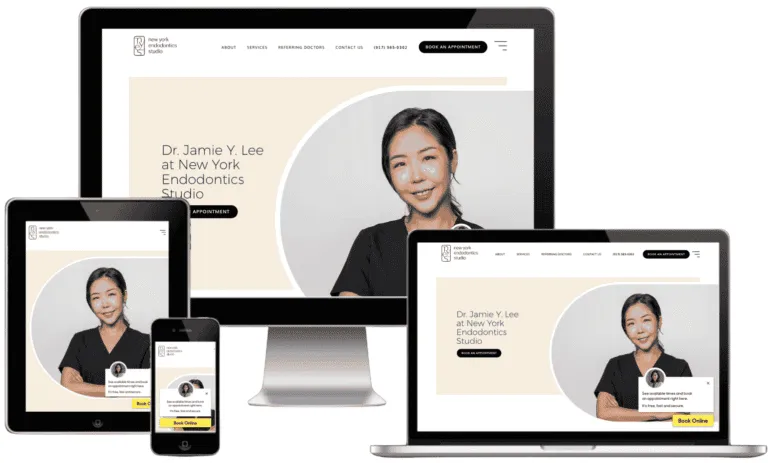
NY Endo Studio
Specialty Practice | New York City
A specialty medical practice paying New York acquisition costs. Egochi rebuilt its visibility so each new patient cost less to win, the number that decides whether campaigns survive.
- 32% Lower Cost per Lead
- 110% Organic Sessions Lift
- 132% GBP Discovery Views
-
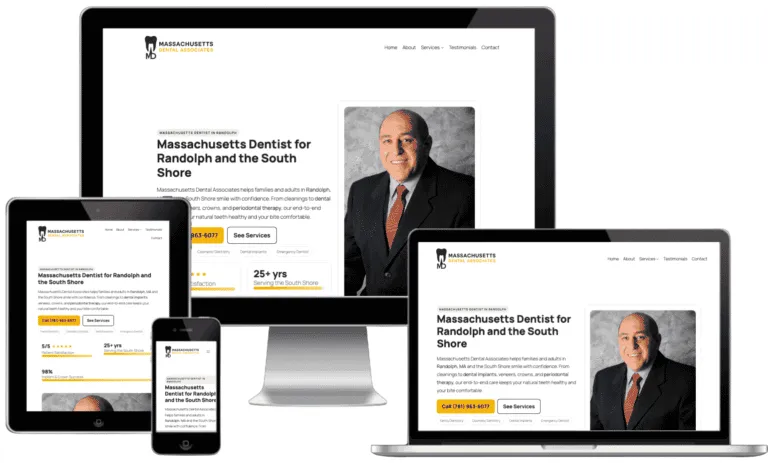
Massachusetts Dental
Dental Practice | Randolph, MA
A health practice where Egochi drove the cost of a new patient down while call volume rose, the same per-lead economics a surgical account is judged on.
- 28% Lower Cost per Lead
- 95% More New Patient Calls
- 68% Booked Appointments Rise
-

Culbertson Law
Family Law Firm | Qualified Calls
A licensed professional practice where a lead only counts if it becomes a signed client, the surgical consult problem in a different field. Egochi built the visibility that made the phone ring with the right calls.
- +91% Qualified Calls
- 9 → 2 Map Pack Position
- 47 New Google Reviews
See How Egochi Works
A short look at how our team plans, builds, and reports on client work.
Is This Right for You?
This is for you if
- You are already spending on ads and suspect the account is judged on clicks instead of consults.
- You want specific procedures to grow and need budgets and pages structured around each one.
- You have had creative rejected under cosmetic-procedure policies and want campaigns built to the rules from day one.
This may not be the right fit if
- You want ads that show before-and-after results; the platforms prohibit that, and we build inside policy rather than around it.
- Your website cannot yet carry the conversion: without procedure pages and a gallery, ad spend buys traffic that has nowhere to convert.
See the work: Healthcare case studies · PPC case studies
What Clients Tell Us
Healthcare marketing requires expertise in both digital strategy and compliance. Egochi has both. They’ve helped us grow patient volume across three locations while staying fully HIPAA compliant.
The Complete Plastic Surgery Program
This page is one part of a five-part program. Each piece works alone and works better together.
-
Plastic Surgeon Marketing
The full program for five-figure procedures and weeks-long decisions.
-
Plastic Surgeon SEO
Procedure-plus-city rankings in the most competitive local niche there is.
-
Plastic Surgeon Social Media
Surgeon-on-camera authority and consent-managed galleries.
-
Plastic Surgery Website Design
A site that survives the many visits patients make before a consult.
Common Questions About Plastic Surgery Advertising
-
How much does plastic surgery advertising cost?
Egochi's ad management plans start at $1,500 monthly, separate from your ad spend, which varies by procedure and metro since clicks in this specialty run premium. Egochi sets spend per procedure against its case value, so the budget follows the operations that pay for it.
-
Can plastic surgeons run before-and-after photos in ads?
No. Google prohibits before-and-after comparisons in ad creative, and other platforms restrict them heavily. Galleries belong on your website, where policy allows them and where researching patients return repeatedly. Ads earn the credible click; the gallery does the convincing.
-
Why are plastic surgery clicks so expensive?
Because every practice in a metro bids on the same procedure terms and a single case is worth five figures, auction prices climb to match. Expensive clicks are survivable; wasted ones are not. Egochi runs exact-match structure and research-query negatives so the price buys a prospective patient, not a browser.
-
Do AI search results change plastic surgery advertising?
Yes. Google AI Overviews now load above paid results on many procedure searches, and patients ask ChatGPT, Gemini, and Perplexity about costs and surgeons before clicking anything. Egochi structures your procedure, credential, and review data so the answer layer can cite the practice, which puts you in front of patients your budget never had to buy.
-
How do we choose an agency to run plastic surgery ads?
Policy fluency first: ask how they keep creative inside the cosmetic-procedure rules, because one misstep can suspend the account that feeds your consult calendar. Then ask who reviews search terms each week, whether every procedure gets its own landing page, and whether reporting ends at clicks or at consult requests and booked cases. Keep the ad account in your own name, whoever manages it; Egochi insists on that either way.
Awards and Partnerships Egochi Holds in 2026
-

Egochi Named 2026 Top Digital Marketing Agency by Clutch
Clutch, a B2B market research and reviews platform, names Egochi a top digital marketing agency for 2026. The distinction rests on overall market presence and, most importantly, verified client feedback. Egochi holds a 5.0 rating across 190+ reviews on Clutch.
-
Egochi Is a Certified Google Premier Partner
Egochi is a certified Google Premier Partner, a status Google grants to the top 3% of participating advertising agencies each year. The tier is earned on campaign performance, sustained client growth, and advanced Google Ads certification, and Google reviews it annually rather than granting it for life.
The Team Behind the Work
-
Jobin John
Chief Executive Officer
-

Justin Brown
Head of Search Engine Optimization
-
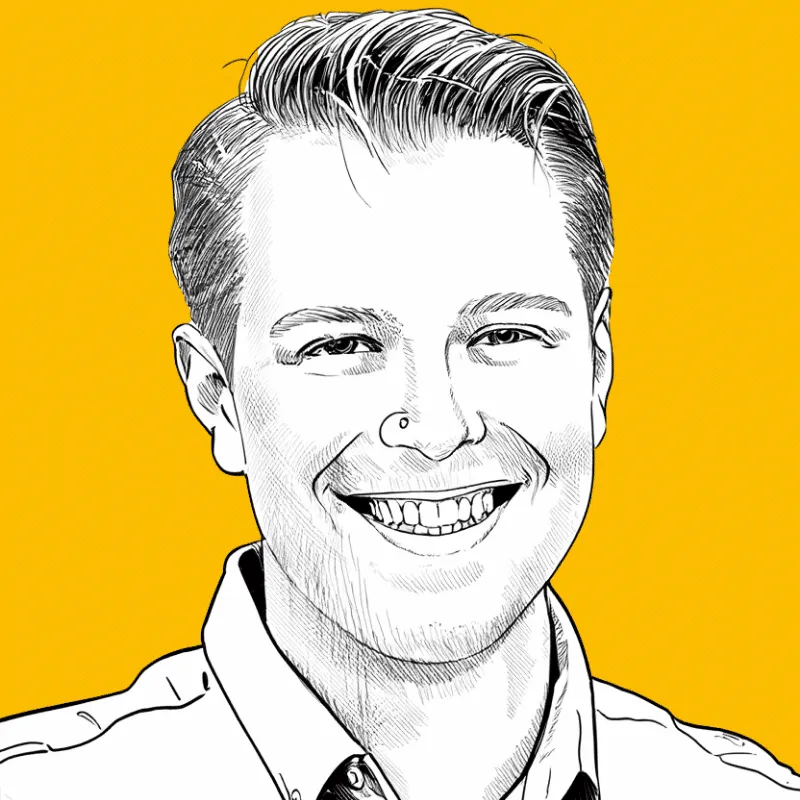
Bryan Thomson
Head of Web Design & Development
-
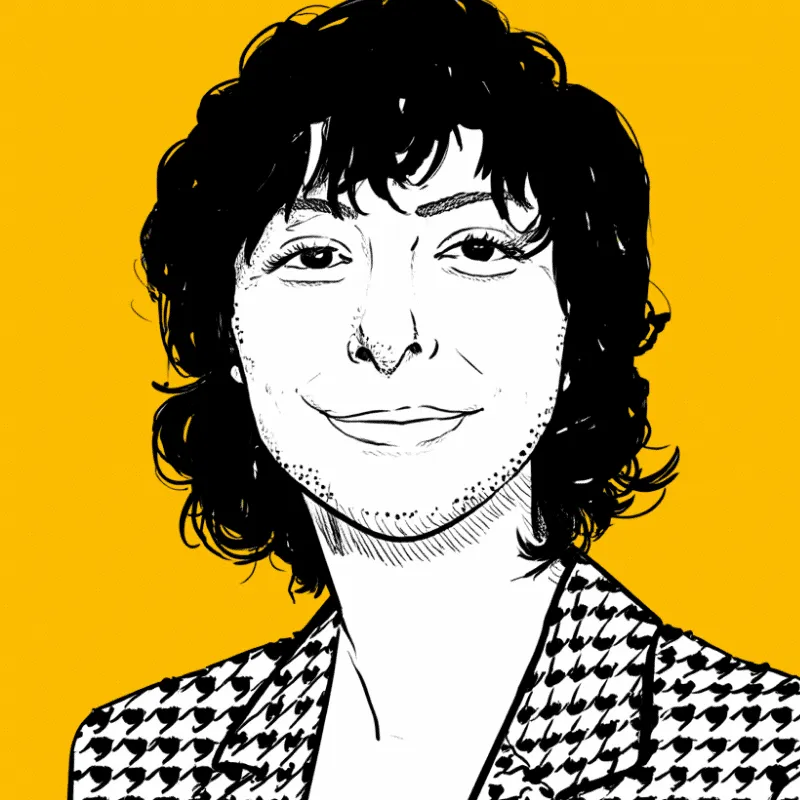
Ina Komins
Head of Social Media Marketing
-
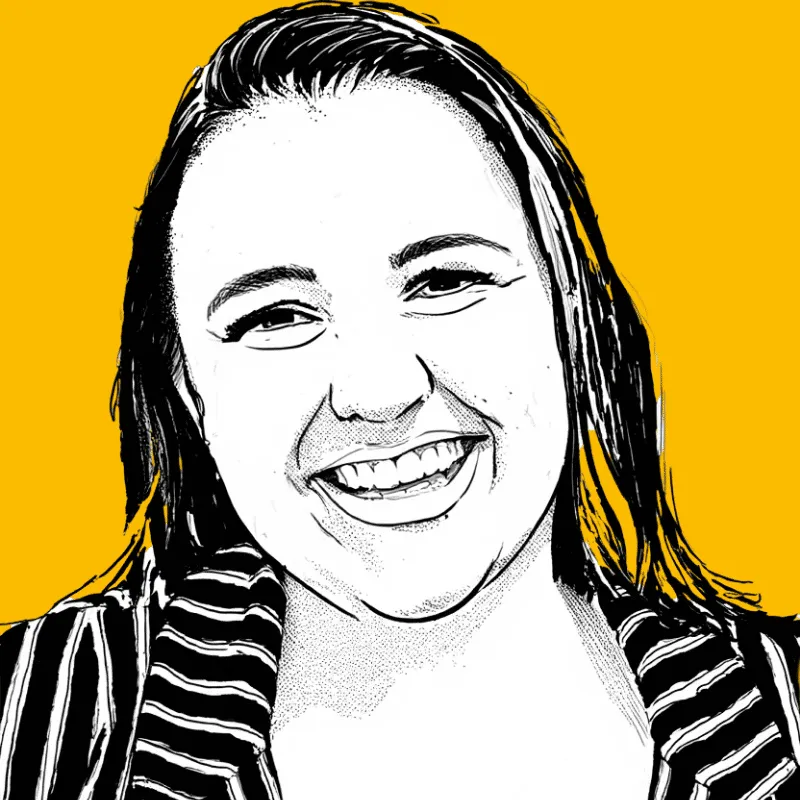
Kierra Pita
Head of Advertising & Content Marketing
-
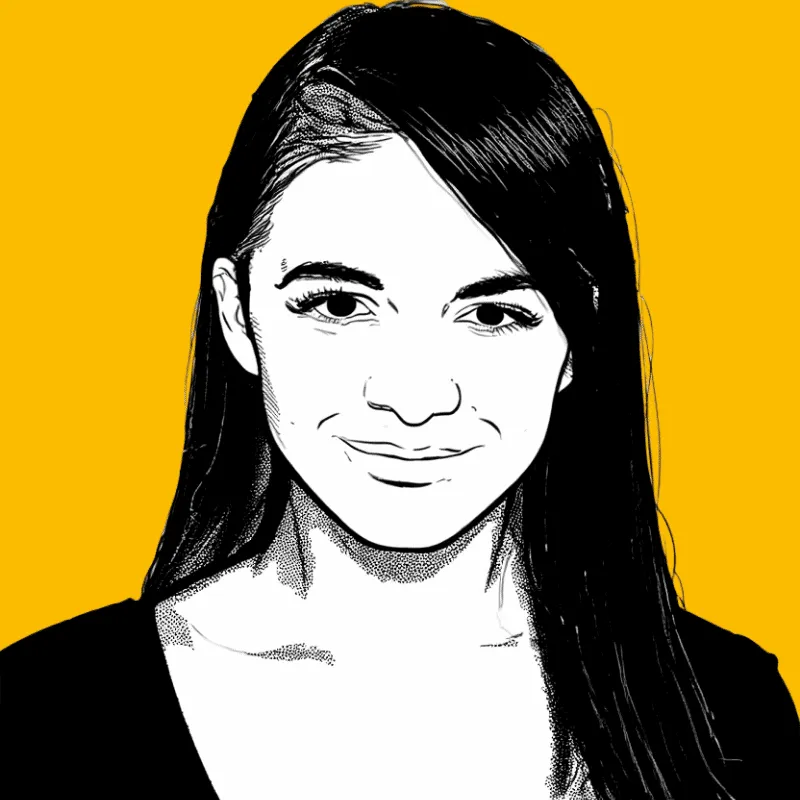
Patricia Turner
Chief Creative Officer
-
William Carter
Chief Digital Strategy Officer
-

Andrew Miller
Senior SEO Strategist
-
Amy Robinson
Content Marketing Manager
-

Betty Harrison
PPC Campaign Specialist
-

Anthony Carter
Lead Digital Account Executive
-
Amanda Cooper
Social Media Director
-
Carol Parker
Senior Client Success Manager
-
Barbara Bennett
Email Marketing Lead
-
Charles Turner
Technical SEO Analyst
-
Brian Sullivan
Creative Director
-

Christine Walker
Director of Project Management
-
Christopher Brooks
Digital Marketing Strategist
-

Daniel Wright
Senior Analytics Specialist
-

David Henderson
Lead Content Strategist
-
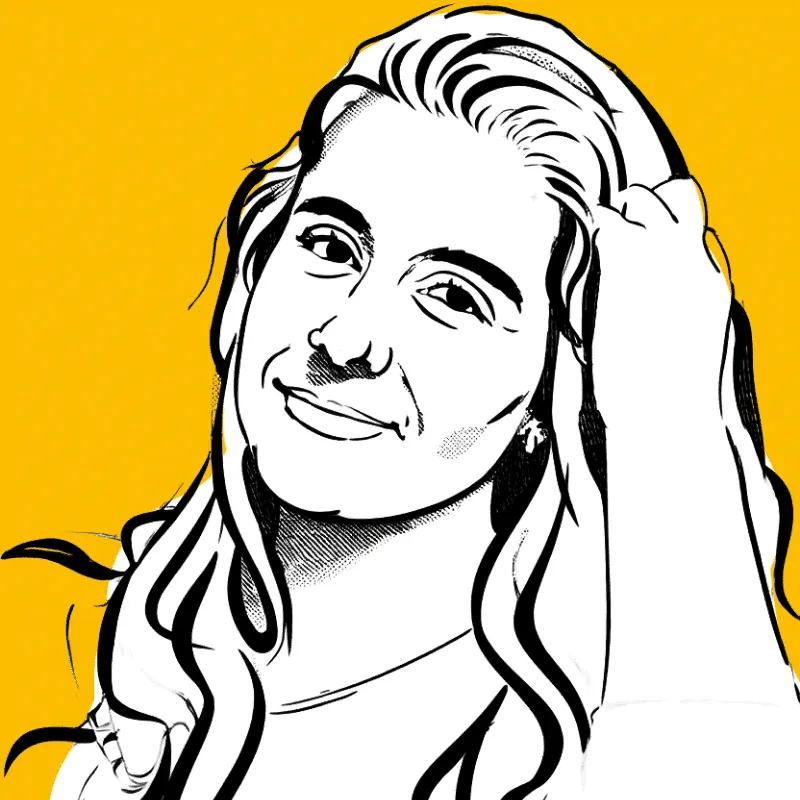
Donna Mitchell
Client Communications Manager
-
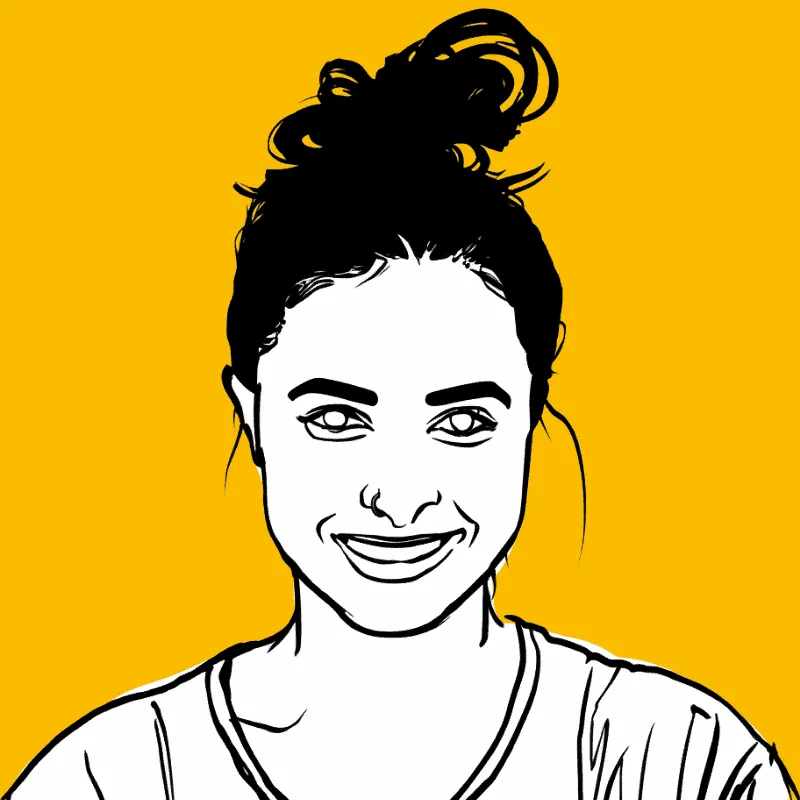
Elizabeth Foster
Director of Paid Advertising
-
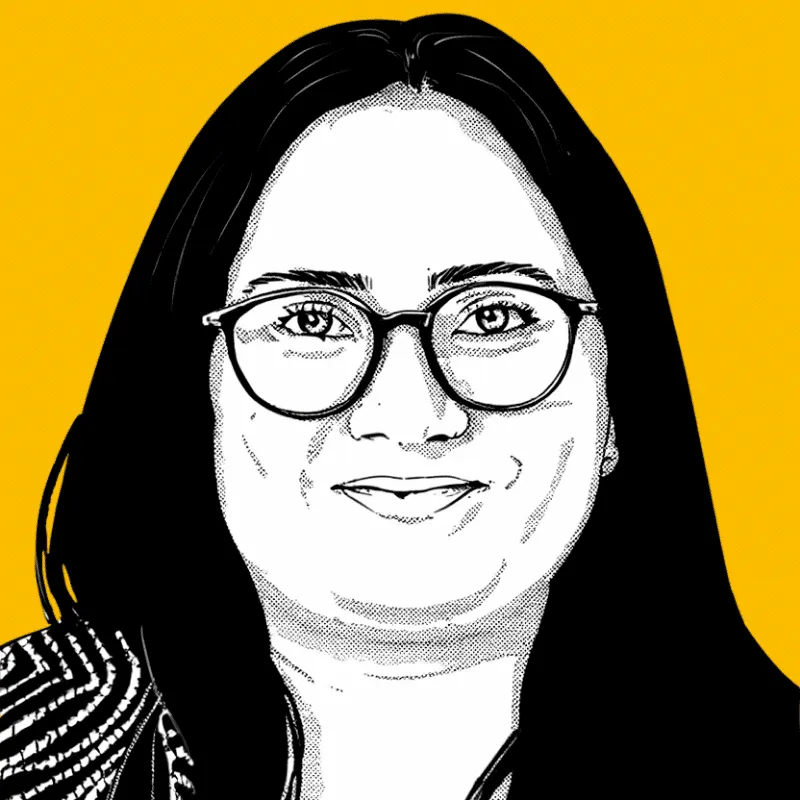
Emily Baredi
Brand Experience Specialist
-
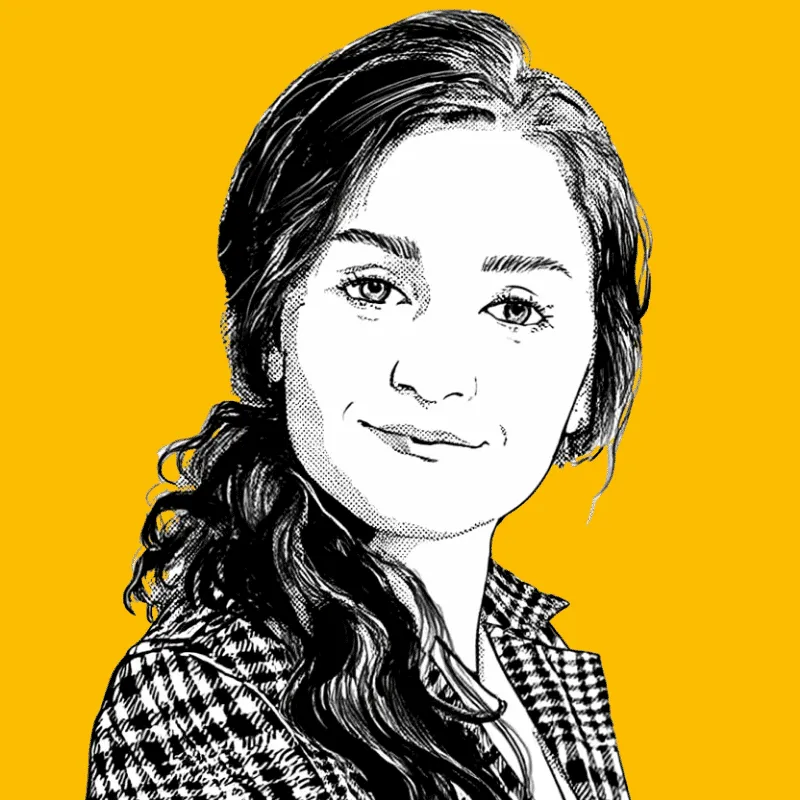
Emma Scott
Social Media Content Creator
-

George Crawford
Technical Solutions Architect
-
Jacob Evans
Digital Content Coordinator
-
James Anderson
Marketing Automation Specialist
-
Jason Palmer
Junior Copywriter
-
Jeffrey Reynolds
Paid Media Analyst
-
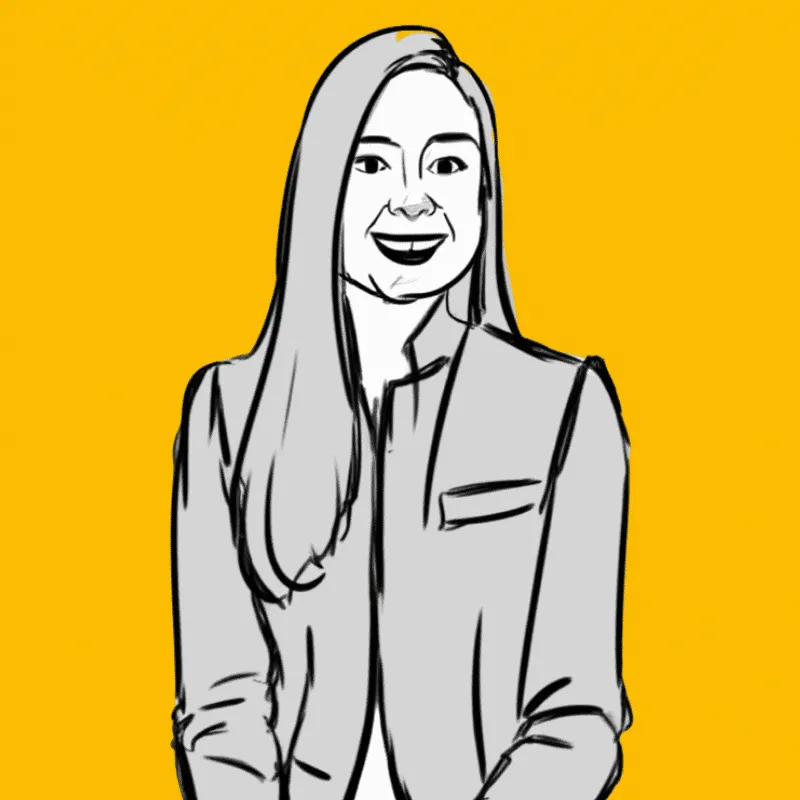
Jennifer Lewis
Community Engagement Specialist
-

Jonathan Murphy
SEO Reporting Specialist
-
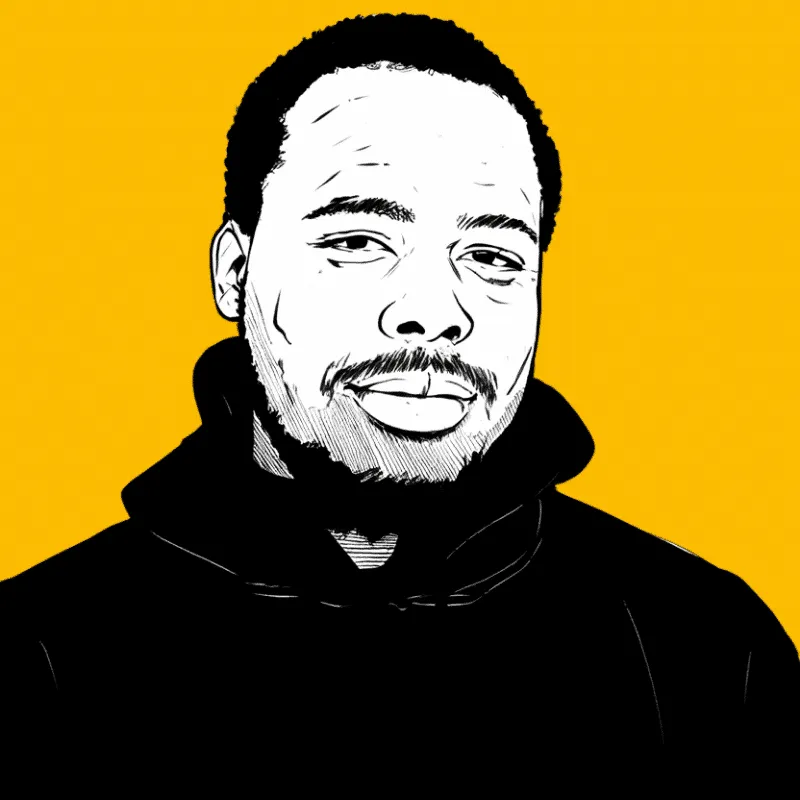
Joseph Morgan
Influencer Marketing Coordinator
-
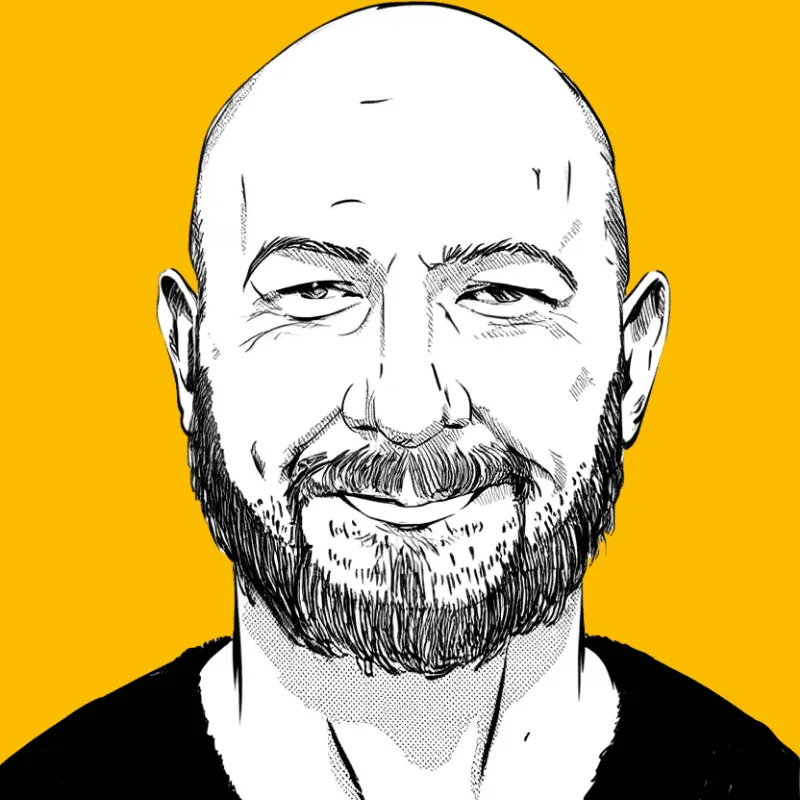
Kenneth Stevens
Digital PR Manager
-
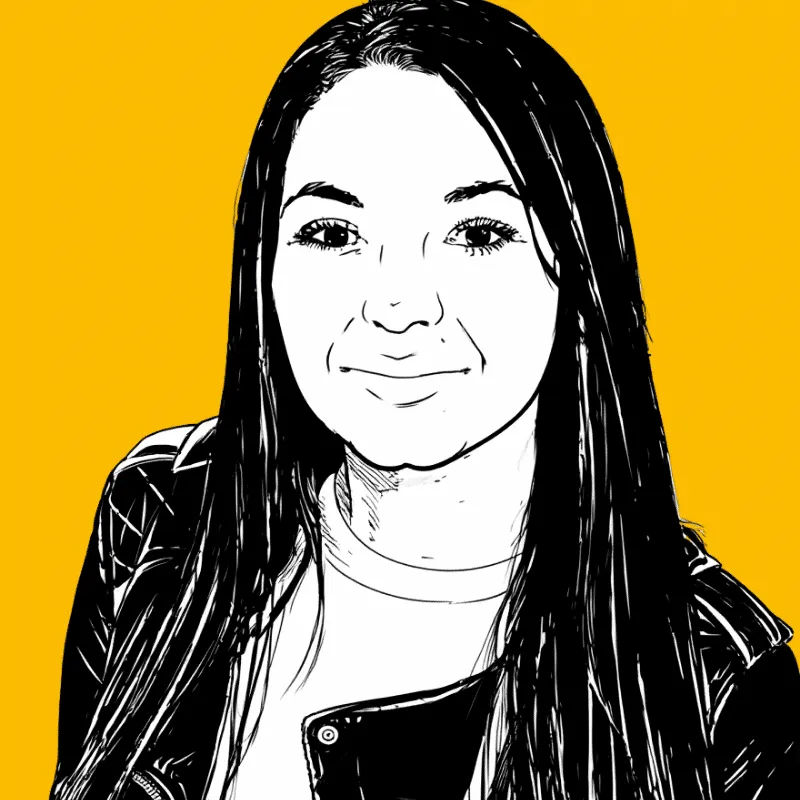
Kimberly Harper
Digital Marketing Intern
-
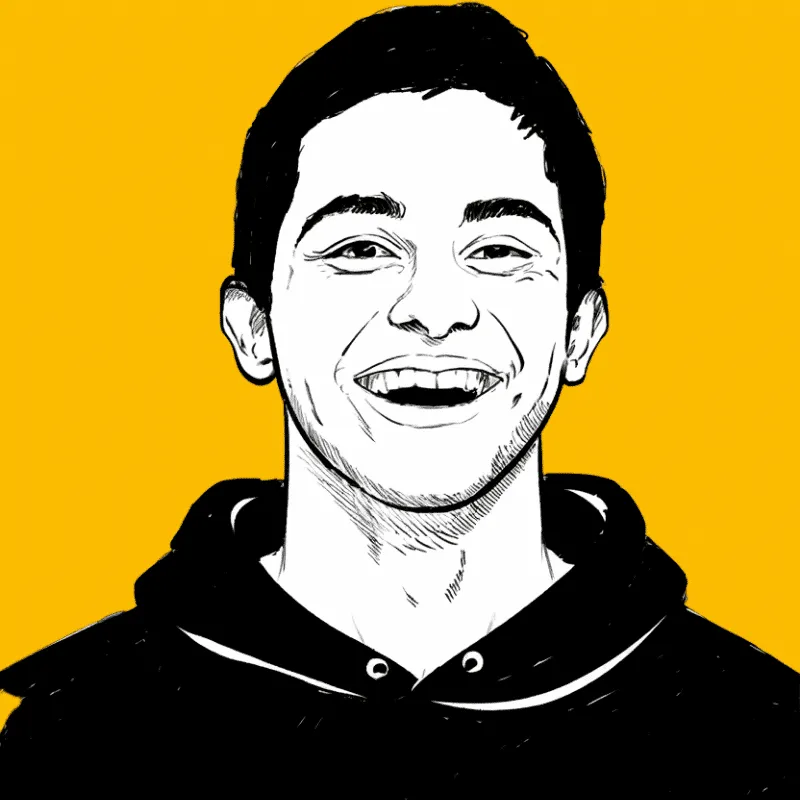
Kevin Morris
SEO Outreach Specialist
-
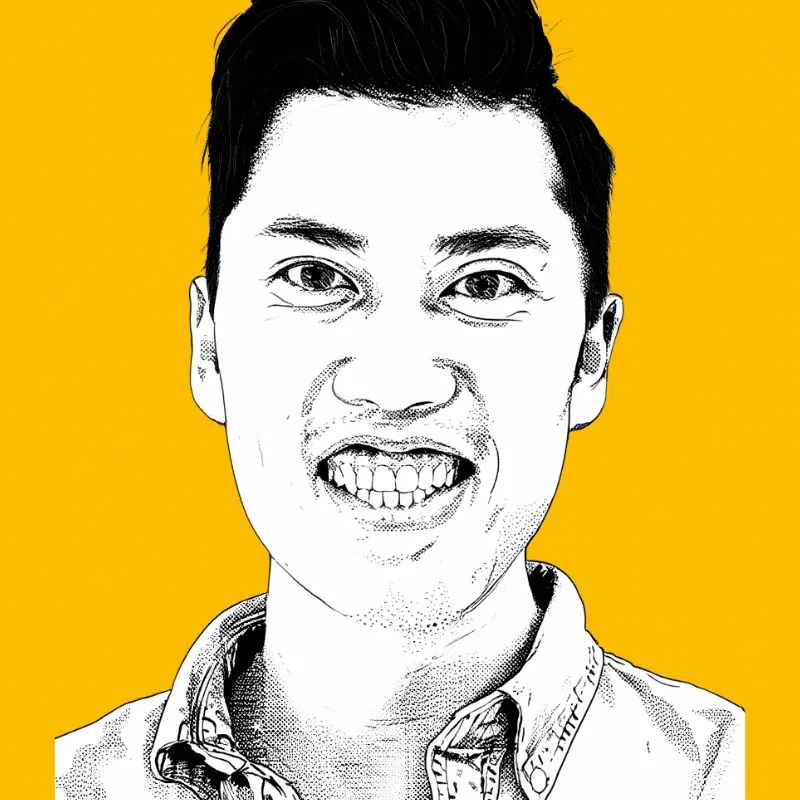
Lee Dawson
Junior Web Developer
-
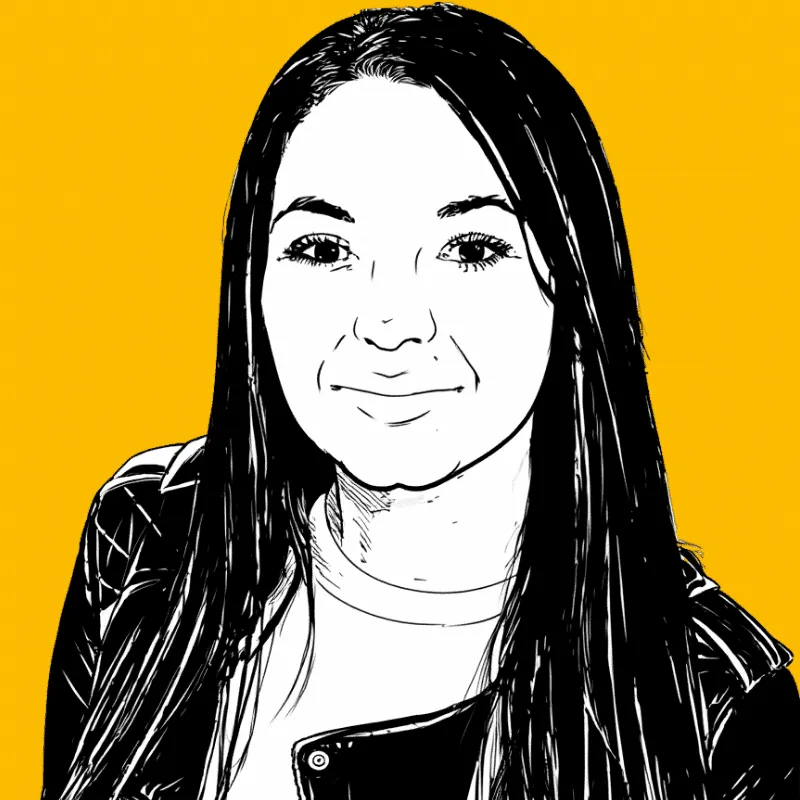
Linda Peterson
Email Campaign Coordinator
-
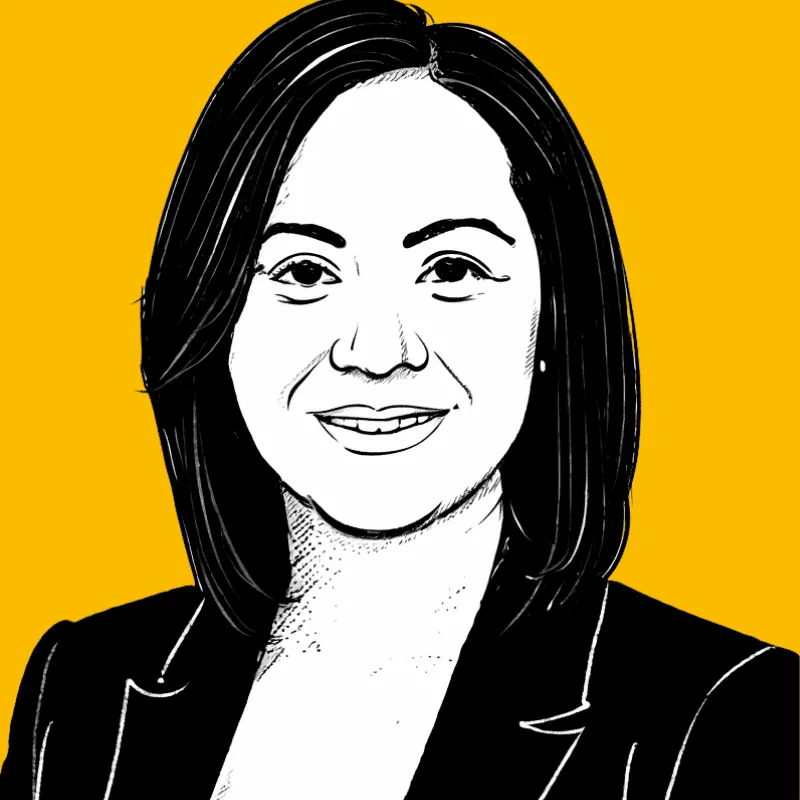
Lisa Thompson
Social Media Ads Specialist
-

Margaret Bradley
Marketing Operations Lead
-
Mark Richards
Data & Insights Analyst
-
Mary Kennedy
Senior Copyeditor
-
Matthew Clark
Growth Marketing Manager
-
Michelle Sanders
Junior Marketing Designer
-
Michael Foster
Senior Conversion Rate Specialist
-
Nancy Wheeler
Digital Analytics Manager
-
Nicholas Pierce
Affiliate Marketing Specialist
-
Nicole Adams
Outreach Program Coordinator
-

Paul Franklin
Paid Social Campaign Manager
-
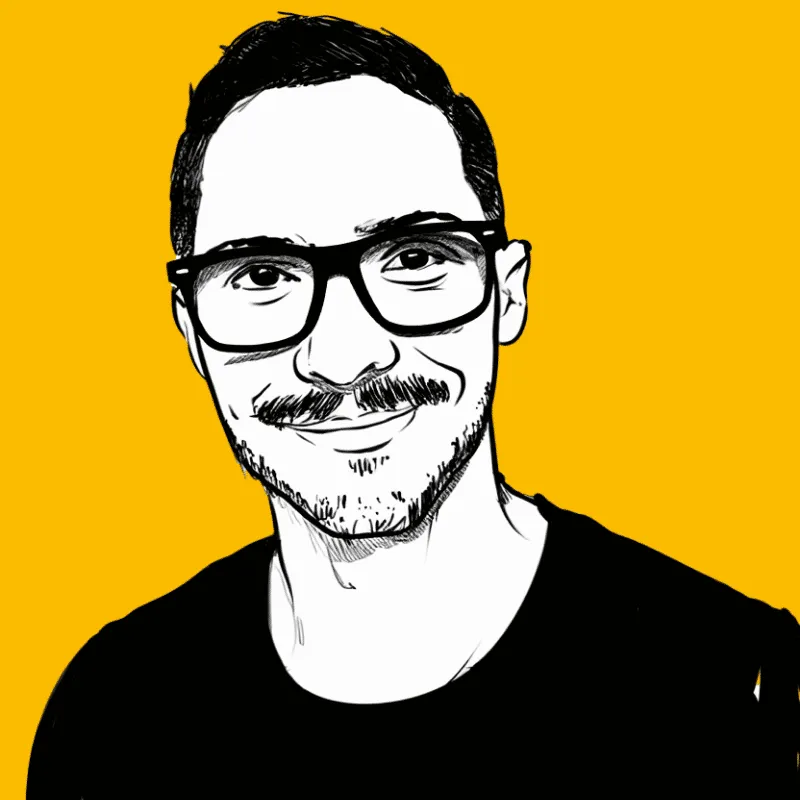
Richard Barnes
Reputation Management Specialist
-

Robert Murphy
Lead Solutions Architect
-
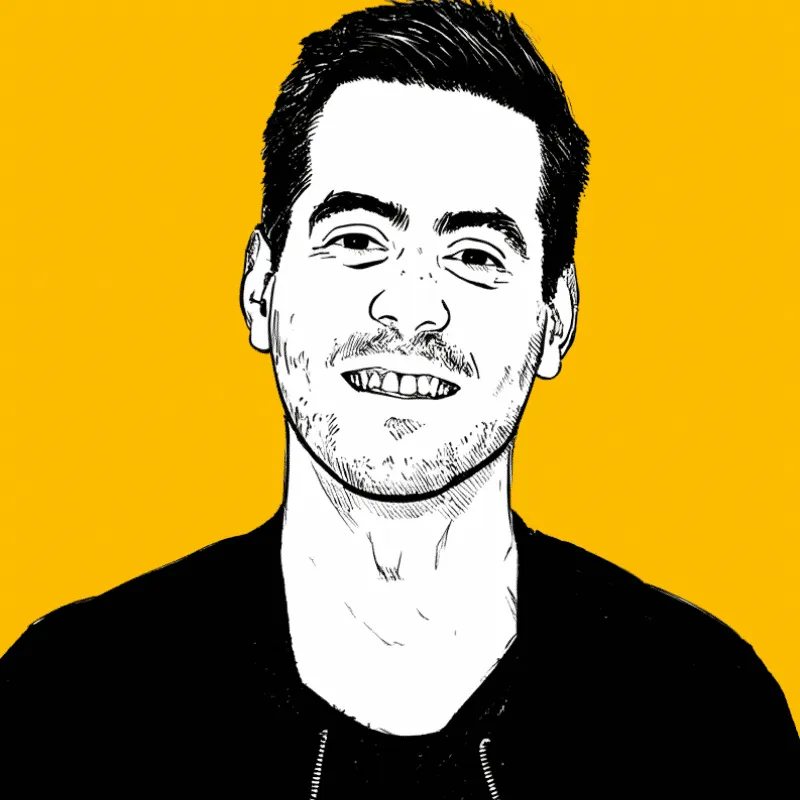
Ronald Davis
Marketing Technology Analyst
-
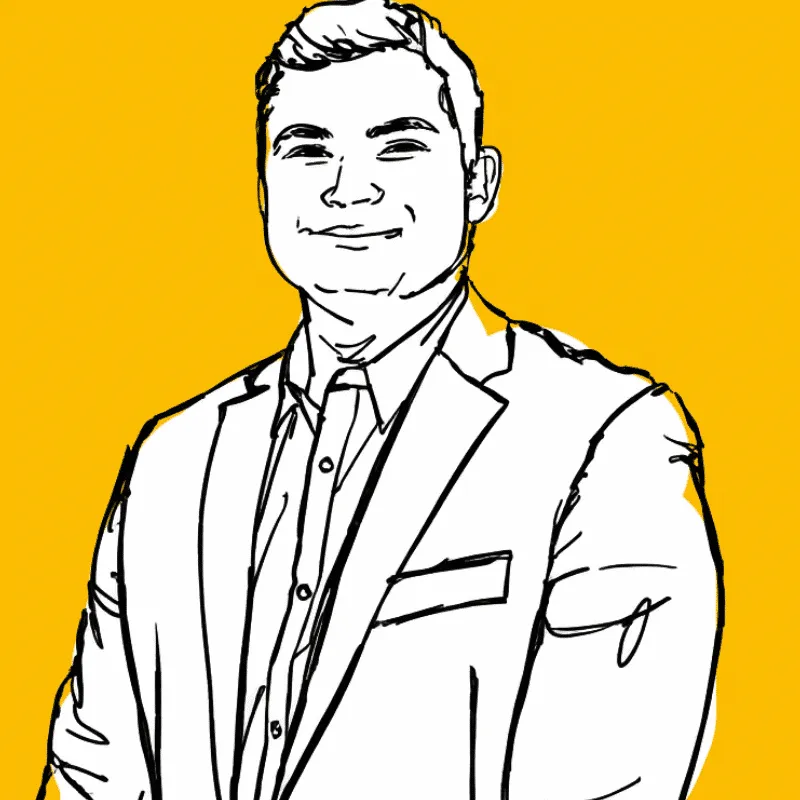
Ryan Bell
Paid Media Buyer
-

Sandra Gregory
Digital Account Coordinator
-
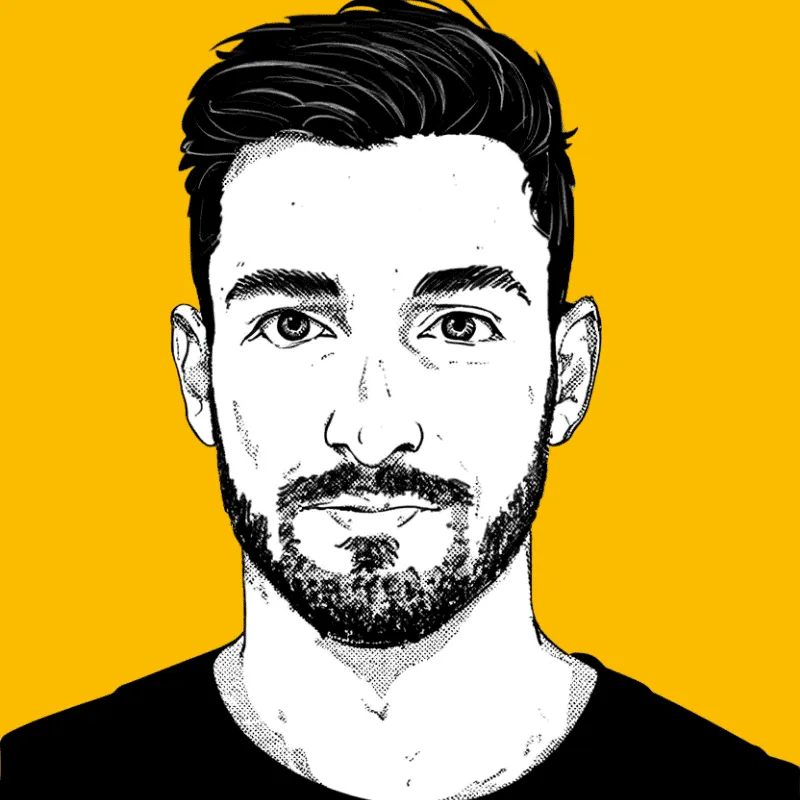
Scott Hopkins
CRM Implementation Specialist
-
Shirley Ellis
Customer Insights Manager
-
Stephanie Cross
Brand Content Designer
-

Steven Greene
Web Analytics Specialist
-
Susan Price
Affiliate Campaign Manager
-

Thomas Fisher
Lead Technical Architect
-

Timothy Nash
Mobile Marketing Strategist
Certified & Accredited


Ads That Pay for Themselves, Case by Case
Send us your account or your procedure list. Egochi, a 5.0 rated agency across 190+ Clutch reviews, shows where spend leaks to research queries and what a policy-safe rebuild looks like.
Egochi Stats
- 250+ Google Reviews
- 5.0 Clutch Rating
- 12+ Years Experience
- $200M+ Revenue Generated
- 4 US Offices
- 190+ Clutch Reviews
Blog Posts
- Aug 12, 2026 GEO vs. SEO: A Comparative Guide for Digital Marketers
- Aug 12, 2026 What is llms.txt? | How to Create llms.txt file for your website
- Aug 12, 2026 What is Semantic SEO? | How to Build Topical Authority That Ranks
- Aug 12, 2026 What is Schema Markup? | How to Add Structured Data to Your Website
- Aug 12, 2026 How to Optimize for Voice Search: A Realistic 2026 Guide