Plastic Surgery Website Design
Egochi designs websites for plastic surgery practices around how patients actually use them: they come back. A prospective patient visits many times across weeks of research, checking the gallery again, rereading the rhinoplasty page, comparing your credentials against two other surgeons. Egochi builds the site to hold up under that repeated scrutiny, with fast consent-managed galleries, procedure pages that answer recovery and cost questions honestly, board-certification and facility-accreditation signals placed where the comparison happens, and a consult request flow as considered as the practice itself. Forms handle patient details with proper privacy care. Egochi scopes design projects per practice, and ongoing marketing plans start at $1,500 monthly. Start with a free review of your current site.
Get Your Free Website Review See What's Included
- 250+ Google Reviews
- 190+ Clutch Reviews at 5.0
- Google Premier Partner
As Featured In






What Makes Plastic Surgery Website Design Different
Four design decisions Egochi makes that decide whether the third visit becomes a consult.
Design for the fifth visit, not the first
A five-figure elective decision means your site gets studied, left, and returned to for weeks. First-visit dazzle matters less than repeat-visit substance, so Egochi builds for fast loads every time, galleries that are easy to re-find, procedure pages worth rereading, and no popup ambushing someone on their fourth return.
The gallery is the site’s center of gravity
Before-and-after photos are why most visitors came, and they are barred from your ads, so the website is where they live. Egochi builds documented patient consent behind every image, filtering by procedure, honest and consistent photography, and image delivery fast enough that browsing fifty cases never stalls.
Every procedure page must answer cost and recovery
Patients compare three surgeons with the same questions: am I a candidate, what does recovery involve, what will it cost. Pages that dodge cost context lose to pages that give a range and explain what moves it. Egochi writes the honest answers that filter out mismatches and earn the consult from everyone else.
Trust signals belong where the comparison happens
Board certification, facility accreditation, hospital privileges, and society memberships should sit on procedure pages and the consult form, not only on an About page nobody rereads. The patient is comparing surgeons in open tabs, so Egochi places the credentials at the exact moment of comparison.
What's Inside a Plastic Surgery Website Project
Six things Egochi builds into a site made to be studied: fast galleries, honest procedure pages, and a consult flow that respects the decision.
-
Practice Website Design and Build
Egochi designs a custom site that reflects the caliber of the practice, structured around procedures and the gallery rather than a generic medical template.
-
Consent-Managed Gallery System
Egochi builds a before-and-after gallery with procedure filtering, consistent presentation, and documented patient consent tracked behind every published case.
-
Procedure Page Architecture
Egochi writes a dedicated page per procedure covering candidacy, technique, recovery timelines, and cost context, built to be worth a patient’s third read.
-
Speed and Core Web Vitals
Egochi engineers image-heavy pages to load fast on every visit, because a gallery that stalls on mobile ends research sessions early and hurts rankings.
-
Privacy-Aware Forms
Egochi builds consult and contact forms that collect health details with appropriate privacy safeguards, clear notices, and careful handling of anything patients disclose.
-
Consult Booking Experience
Egochi designs a request flow with concierge-level care: few fields, clear next steps, photo upload where useful, and confirmation that tells patients exactly what happens next.
A Practice Website AI Engines Can Read and Cite
Patients now put their pre-consult questions to Google AI Overviews, ChatGPT, Gemini, and Perplexity: what a procedure costs, what recovery involves, whether a surgeon is board-certified, who nearby specializes in their case. Those systems answer from websites they can parse, so Egochi builds practice sites where the procedure, price-range, credential, location, and review data is structured for machines as carefully as the design is composed for patients.
Google AI OverviewsChatGPTGeminiPerplexity
-
Structure decides what gets cited
An assistant cannot quote a cost range trapped in a slideshow or a credential rendered as an image. Egochi builds procedure pages where candidacy, recovery, and cost answers live in clean liftable text with the operating surgeon attached, the same structure that wins featured snippets.
-
Schema wired in at build time
Physician, procedure, location, FAQ, and review markup ship with the site rather than being retrofitted later. Gemini and Perplexity resolve a practice through exactly this structured data before recommending it, and Egochi treats that markup as part of the design, not an add-on.
-
One identity across every surface
The practice name, surgeon credentials, and locations on the site must match the Google Business Profile and the directories, because a mismatch reads as risk to a system deciding whom to cite. Egochi builds and maintains that consistency, and never publishes a claim the practice cannot back up.
-
The same build serves patients and machines
Nothing here is a second project. The structured procedure pages, clean schema, and fast templates that make a site citable by AI engines are the same assets that rank in Google and convert the returning patient, so Egochi delivers one build and reports its visibility as one number set.
How a Practice Website Project Runs
-
Research-cycle review
Egochi studies how patients currently move through your site across repeat visits: where galleries stall, which procedure pages answer nothing, where credentials hide, and where consult requests quietly die.
-
Architecture and content plan
Egochi plans the structure around procedures and the gallery: a page per operation, credential placement at comparison points, and cost context patients can actually find. You approve the plan before design begins.
-
Design and gallery build
A custom design that reflects the practice, a consent-tracked gallery with per-procedure filtering, and image handling built for long browsing sessions on ordinary mobile connections.
-
Privacy and speed engineering
Forms that touch health details get encryption and restricted handling, and Egochi tunes every template for Core Web Vitals, because heavy pages that load slowly bleed both patients and rankings.
-
Launch and measurement
Egochi launches with tracking on consult requests, gallery views, and per-procedure paths, then reviews the first months of real behavior with you and adjusts whatever the data disputes.
Questions Practices Ask Before a Rebuild
Our current site looks fine. Is a rebuild really worth it?
Looks are the wrong test; behavior is the right one. If consult requests per visitor are low, if the gallery gets abandoned on phones, or if patients arrive at consults having read almost nothing, the site is leaking value that never shows on an invoice. A rebuild earns its cost when the current site loses patients you already paid to attract through referrals, rankings, or ads.
Why not use a medical template and launch in two weeks?
Templates solve the wrong problem. They make launch fast, but a patient comparing three surgeons in open tabs is not judging launch speed; they are judging galleries, credentials, and how seriously each practice answers their questions. Template sites in this specialty also tend to share the same stock structure, which makes the one custom site in the comparison look like the obvious choice.
Do we really need cost information on procedure pages?
A range with context outperforms silence. Patients researching surgery always ask about cost, and a page that refuses the question sends them to a competitor or a forum for the answer. Egochi publishes a starting range with the factors that move it, which filters out mismatched inquiries and earns trust with everyone else. Exact quotes are never needed; those belong in the consult.
How long does a project like this take?
Most practice sites run a few months from kickoff to launch, with gallery preparation and content review usually setting the pace rather than design or development. Consent verification for every published case takes real time, and should. Egochi stages the work so the highest-value procedure pages and the gallery go live first when the timeline matters.
Common Mistakes to Avoid
-
Rebuilding the design while keeping a thin gallery, when the gallery is what returning patients came back to study.
-
Publishing gallery images without a consent record for each case, an exposure no amount of design quality offsets.
-
Hiding cost behind a contact form on every procedure page, sending researchers elsewhere for the one answer they always need.
-
Launching image-heavy pages without performance work, so the mobile visits that decide five-figure cases stall mid-scroll.
-
Treating the consult form as an afterthought, with a dozen required fields between a ready patient and the practice.
Plastic Surgery Website Design Case Studies
Egochi publishes these receipts from aesthetic, healthcare, and design engagements. Every number restates the client's published case study, and the surgical practice leads the row.
-
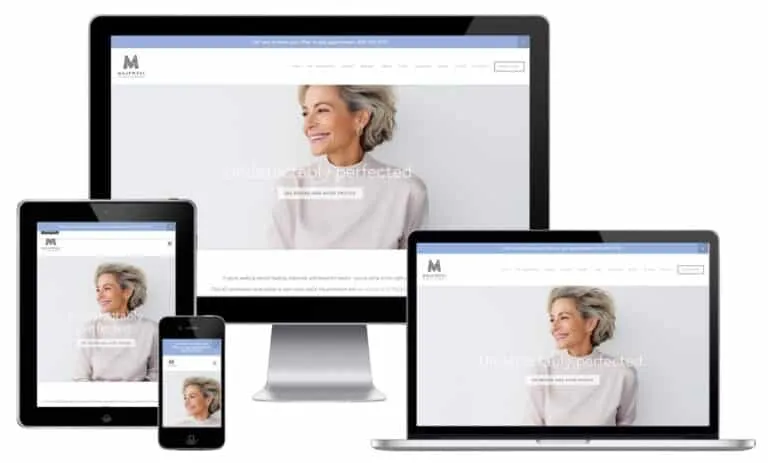
Majewski Plastic Surgery
Plastic Surgery & Med Spa | Jonesboro, AR
The receipt this page stands on: a surgical practice whose site patients studied for weeks without converting. Egochi delivered the redesign, the galleries, and the consult flow, and these numbers followed.
- +75% Organic Traffic Growth
- 120 Monthly Patient Inquiries
- $150K Added Monthly Revenue
-
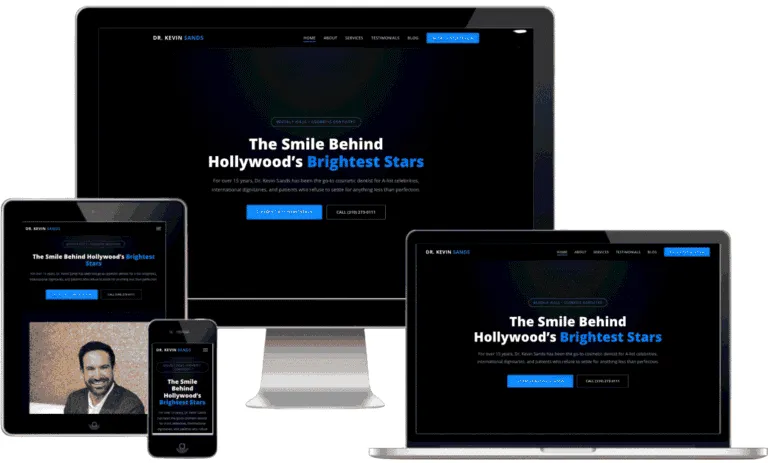
Cosmetic Dentistry Beverly Hills
Cosmetic Dentistry | Beverly Hills, CA
An elective aesthetic practice whose site had one job: survive the repeat reading a five-figure decision gets. Egochi rebuilt the treatment pages, and visitors started staying.
- 41% More Time on Service Pages
- 22% Bounce Rate Reduction
- 64% Local Organic Sessions
-
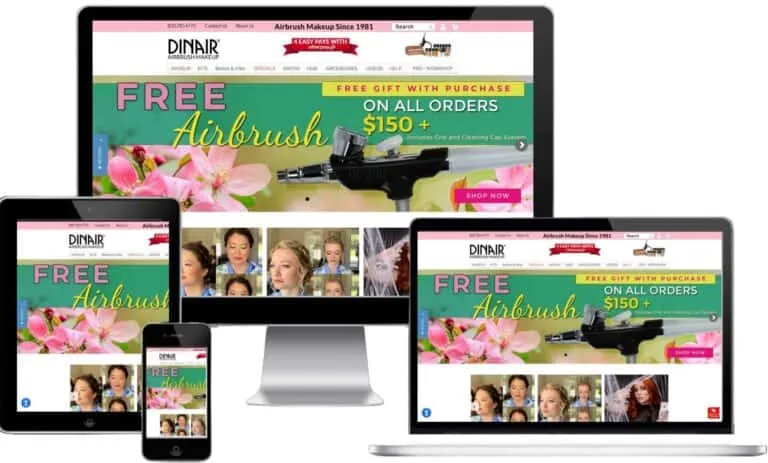
Airbrush Makeup
Beauty Brand | Magento Redesign
An aesthetics brand whose old site buried its craftsmanship, the same gap many practice sites have. Egochi rebuilt it around high-quality imagery and clean navigation, and sales followed.
- +75% Organic Traffic Lift
- 20K New Monthly Customers
- $300K Added Quarterly Revenue
-
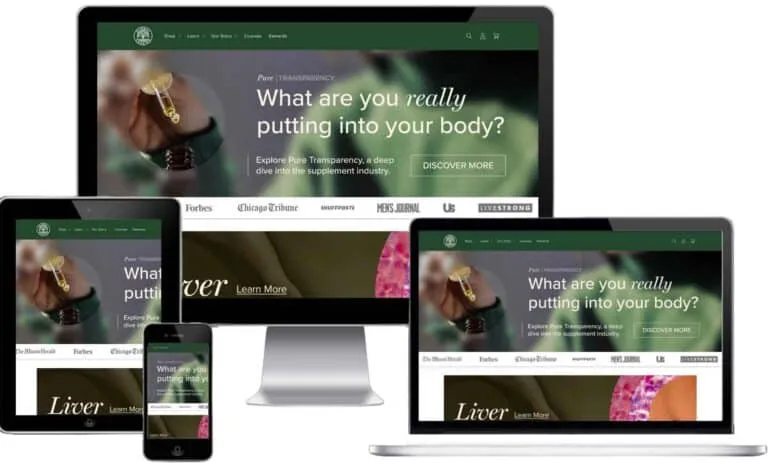
Global Healing
Health Supplements | National Ecommerce
A health brand whose image-heavy catalog had to perform on phones, where surgical galleries live or die too. Egochi rebuilt it for mobile revenue and full accessibility.
- +35% Mobile Revenue Rise
- 20% Cart Abandonment Drop
- 100% ADA Compliance Score
-
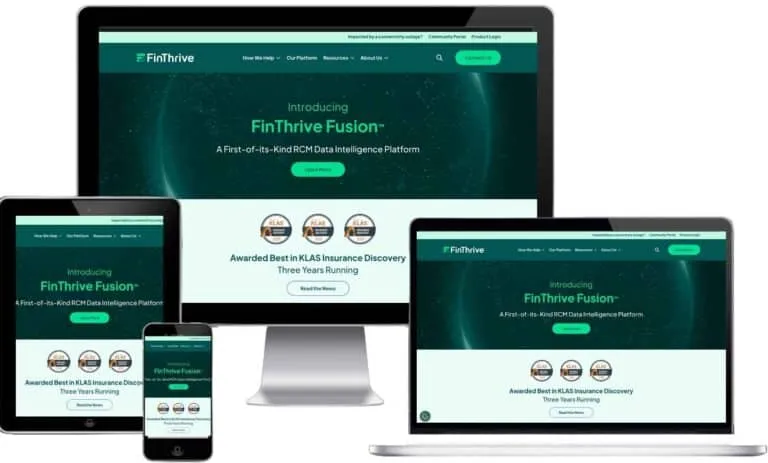
FinThrive
Healthcare Software | B2B Web Design
A hospital-facing software platform where slow pages cost demos the way slow galleries cost consults. Egochi cut load times and bounce, and monthly demo requests climbed.
- 40% Page Load Time Cut
- 50% Bounce Rate Drop
- 300 Monthly Demo Requests
-
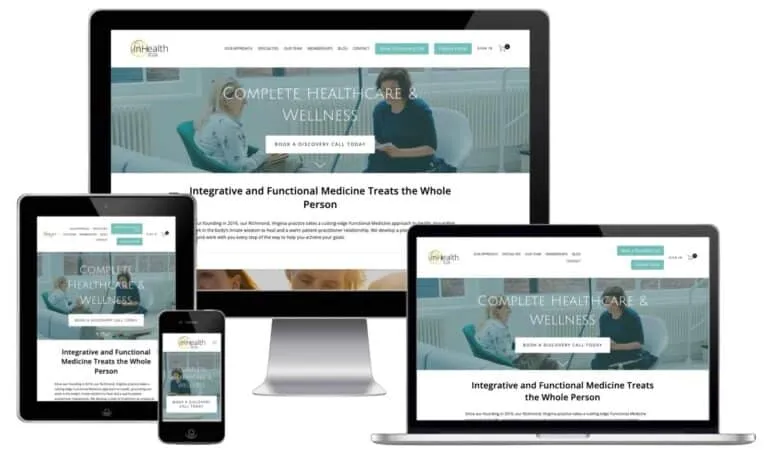
InHealth RVA
Functional Medicine | Richmond, VA
A medical practice whose booking path lost the patients its content earned. Egochi rebuilt the site around accessibility and a request flow people finish, the same discipline a consult form needs.
- +82% Organic Traffic Growth
- 120 Monthly Appointment Requests
- 98% ADA Compliance Score
See How Egochi Works
A short look at how our team plans, builds, and reports on client work.
Is This Right for You?
This is for you if
- Your surgical results outclass your website and researching patients can see the gap.
- Your gallery is slow, thin, or hard to browse, and you know it is where visitors spend their time.
- You are investing in SEO or ads and need a site that can convert weeks of repeat visits into consults.
This may not be the right fit if
- You want a template site live in two weeks; a practice site that holds up under patient scrutiny is a scoped project, not a theme install.
- You cannot obtain patient consent for gallery content; a plastic surgery site without real outcomes underperforms no matter the design.
See the work: Healthcare case studies · Web design case studies
What Clients Tell Us
Healthcare marketing requires expertise in both digital strategy and compliance. Egochi has both. They’ve helped us grow patient volume across three locations while staying fully HIPAA compliant.
The Complete Plastic Surgery Program
This page is one part of a five-part program. Each piece works alone and works better together.
-
Plastic Surgeon Marketing
The full program for five-figure procedures and weeks-long decisions.
-
Plastic Surgeon SEO
Procedure-plus-city rankings in the most competitive local niche there is.
-
Plastic Surgery Advertising
Policy-safe campaigns that sell without the imagery ads prohibit.
-
Plastic Surgeon Social Media
Surgeon-on-camera authority and consent-managed galleries.
Common Questions About Plastic Surgery Website Design
-
How much does a plastic surgery website cost?
Egochi scopes design projects per practice based on procedure count, gallery size, and custom features, so we quote after the free review. Ongoing marketing plans that keep the site ranking and converting start at $1,500 monthly. You get the project number before any commitment.
-
What should a plastic surgeon’s website include?
A consent-managed before-and-after gallery, a dedicated page per procedure with recovery and cost context, visible board-certification and facility-accreditation signals, real reviews, and a low-friction consult request flow. Those five elements do the persuading during the weeks a patient spends comparing surgeons, and Egochi builds all five into every project.
-
Can website design affect AI search visibility?
Directly. Google AI Overviews, ChatGPT, Gemini, and Perplexity answer patient questions from sites they can parse, so structure decides citations: liftable cost and recovery answers, physician and procedure schema, and credentials in clean text rather than images. Egochi builds that machine-readable layer into the design instead of retrofitting it later.
-
How do you handle patient privacy on the website?
Consult forms that collect health information get appropriate safeguards: encrypted transmission, restricted access, clear privacy notices, and no patient details dropped into ordinary email or analytics tools. Egochi publishes gallery content only with documented written consent, tracked per case, and removable on request.
-
How do we pick a web design agency for a plastic surgery practice?
Ask how they handle gallery consent; an agency without a documented per-case consent process should not touch patient imagery. Ask to see an image-heavy site they built and check its speed on a phone. Ask how consult forms will protect health details and whether procedure pages will carry cost context. A designer pushing a two-week template launch is solving the wrong problem; Egochi shows its receipts and its process before you commit.
Awards and Partnerships Egochi Holds in 2026
-

Egochi Named 2026 Top Digital Marketing Agency by Clutch
Clutch, a B2B market research and reviews platform, names Egochi a top digital marketing agency for 2026. The distinction rests on overall market presence and, most importantly, verified client feedback. Egochi holds a 5.0 rating across 190+ reviews on Clutch.
-

Egochi Is a Certified Google Premier Partner
Egochi is a certified Google Premier Partner, a status Google grants to the top 3% of participating advertising agencies each year. The tier is earned on campaign performance, sustained client growth, and advanced Google Ads certification, and Google reviews it annually rather than granting it for life.
The Team Behind the Work
-

Jobin John
Chief Executive Officer
-

Justin Brown
Head of Search Engine Optimization
-

Bryan Thomson
Head of Web Design & Development
-

Ina Komins
Head of Social Media Marketing
-

Kierra Pita
Head of Advertising & Content Marketing
-
Patricia Turner
Chief Creative Officer
-
William Carter
Chief Digital Strategy Officer
-

Andrew Miller
Senior SEO Strategist
-
Amy Robinson
Content Marketing Manager
-

Betty Harrison
PPC Campaign Specialist
-

Anthony Carter
Lead Digital Account Executive
-

Amanda Cooper
Social Media Director
-
Carol Parker
Senior Client Success Manager
-
Barbara Bennett
Email Marketing Lead
-

Charles Turner
Technical SEO Analyst
-
Brian Sullivan
Creative Director
-

Christine Walker
Director of Project Management
-
Christopher Brooks
Digital Marketing Strategist
-

Daniel Wright
Senior Analytics Specialist
-

David Henderson
Lead Content Strategist
-

Donna Mitchell
Client Communications Manager
-

Elizabeth Foster
Director of Paid Advertising
-

Emily Baredi
Brand Experience Specialist
-

Emma Scott
Social Media Content Creator
-

George Crawford
Technical Solutions Architect
-

Jacob Evans
Digital Content Coordinator
-
James Anderson
Marketing Automation Specialist
-
Jason Palmer
Junior Copywriter
-

Jeffrey Reynolds
Paid Media Analyst
-

Jennifer Lewis
Community Engagement Specialist
-

Jonathan Murphy
SEO Reporting Specialist
-

Joseph Morgan
Influencer Marketing Coordinator
-

Kenneth Stevens
Digital PR Manager
-

Kimberly Harper
Digital Marketing Intern
-
Kevin Morris
SEO Outreach Specialist
-

Lee Dawson
Junior Web Developer
-

Linda Peterson
Email Campaign Coordinator
-

Lisa Thompson
Social Media Ads Specialist
-

Margaret Bradley
Marketing Operations Lead
-
Mark Richards
Data & Insights Analyst
-

Mary Kennedy
Senior Copyeditor
-

Matthew Clark
Growth Marketing Manager
-

Michelle Sanders
Junior Marketing Designer
-

Michael Foster
Senior Conversion Rate Specialist
-

Nancy Wheeler
Digital Analytics Manager
-

Nicholas Pierce
Affiliate Marketing Specialist
-

Nicole Adams
Outreach Program Coordinator
-

Paul Franklin
Paid Social Campaign Manager
-
Richard Barnes
Reputation Management Specialist
-

Robert Murphy
Lead Solutions Architect
-
Ronald Davis
Marketing Technology Analyst
-
Ryan Bell
Paid Media Buyer
-

Sandra Gregory
Digital Account Coordinator
-
Scott Hopkins
CRM Implementation Specialist
-

Shirley Ellis
Customer Insights Manager
-
Stephanie Cross
Brand Content Designer
-

Steven Greene
Web Analytics Specialist
-

Susan Price
Affiliate Campaign Manager
-

Thomas Fisher
Lead Technical Architect
-

Timothy Nash
Mobile Marketing Strategist
Certified & Accredited


A Website That Survives the Third Visit
Send us your current site. Egochi, a 5.0 rated design team across 190+ Clutch reviews, shows where researching patients lose confidence and what a rebuild would fix first.
Egochi Stats
- 250+ Google Reviews
- 5.0 Clutch Rating
- 12+ Years Experience
- $200M+ Revenue Generated
- 4 US Offices
- 190+ Clutch Reviews
Blog Posts
- Aug 12, 2026 GEO vs. SEO: A Comparative Guide for Digital Marketers
- Aug 12, 2026 What is llms.txt? | How to Create llms.txt file for your website
- Aug 12, 2026 What is Semantic SEO? | How to Build Topical Authority That Ranks
- Aug 12, 2026 What is Schema Markup? | How to Add Structured Data to Your Website
- Aug 12, 2026 How to Optimize for Voice Search: A Realistic 2026 Guide