Real Estate PPC Agency
Egochi runs pay-per-click campaigns for real estate agents, teams, and brokerages, on their own or inside a full real estate digital marketing program. The math of this vertical is unusual: one closed side can pay for months of advertising, so tolerance for cost per lead runs high. What ruins accounts is not click prices; it is unfiltered lead quality and campaigns built without the fair housing rules in mind. Egochi builds seller and buyer campaigns separately, filters out renters and window shoppers before they spend your budget, keeps every ad inside the housing-category targeting rules, and reports on appointments and signed agreements instead of raw lead counts. Plans start at $1,500 monthly. Start with a free audit of where your current spend leaks.
Get Your Free Real Estate PPC Audit See What's Included
- 250+ Google Reviews
- 190+ Clutch Reviews at 5.0
- Google Premier Partner
As Featured In





What Makes Real Estate PPC Different
Four economics of this vertical that decide how Egochi builds every campaign.
Commission math changes what a lead is worth
A closed side on a median home in most markets pays for a quarter of advertising or more, so a real estate account can absorb lead costs that would sink a plumber. The trap is reading that as license to buy volume. High tolerance for cost per lead only works when the leads are filtered hard, because follow-up hours are the true scarce resource.
Seller leads and buyer leads are different businesses
Seller-intent searches like home valuation terms cost more per click, but the chain from lead to commission is short and the client is exclusive. Buyer leads come cheap and plentiful, and most are months from ready, which makes them a nurture asset rather than an appointment. Egochi budgets the two separately and never reports them as one blended number.
Fair housing rules rewrote the targeting playbook
Housing ads cannot target by age, gender, family status, or narrow geography the way other verticals can. Meta pushes housing campaigns into a special ad category with broadened audiences and minimum location radii, and copy that hints at who should live somewhere invites rejection or worse. Egochi designs campaigns for those constraints, not patched after rejections.
Filtering beats bidding as the main skill
The searches around real estate are full of people who will never transact: renters, neighbors checking values, foreclosure hunters, students of the market. Negative keywords, price-band qualifiers, and landing pages that ask one honest qualifying question do more for cost per appointment than any bid strategy. Egochi would rather deliver fewer leads your assistant does not dread calling.
What's Inside a Real Estate PPC Plan
Egochi runs separate structures for sellers, buyers, and your own name, each priced against what it produces.
-
Seller-Lead Campaigns
Egochi captures valuation and "sell my house" intent with landing pages that trade a real market answer for contact details, feeding your listing pipeline.
-
Filtered Buyer Campaigns
Egochi runs buyer-intent search and social campaigns with price-band and readiness filters, so budget goes to people who can actually transact.
-
Fair-Housing-Compliant Builds
Egochi constructs campaigns inside the housing special ad category and platform rules from day one: targeting, creative, and copy language all pass review.
-
Brand-Term Defense
Egochi keeps cheap coverage on searches for your name and team, so a portal or a competitor never sits above you at the exact moment a referral checks you out.
-
Landing Page Matching
Egochi lands every click on a page that answers it: the valuation form, the neighborhood, the listing. No routing hot intent to a homepage.
-
Cost-Per-Appointment Reporting
Egochi tracks calls, forms, and booked appointments to the keyword that produced them, with the management fee and spend shown side by side.
AI Search Is Changing How Buyers Respond to Ads
Buyers and sellers now ask ChatGPT, Gemini, and Perplexity which local agent to call before they ever respond to an ad, and Google folds AI Overviews into the same results your campaigns run beside. Egochi manages the paid surface with that in mind, so the name your ads promote is the same name the assistants can verify and cite.
Google AI OverviewsChatGPTGeminiPerplexity
-
The paid click has to survive the AI check
A seller who sees your valuation ad often asks an assistant about you before filling the form. Egochi keeps your identity, reviews, and claims consistent across your site and profiles, so what AI Overviews and ChatGPT report confirms the ad instead of undercutting it.
-
AI Overviews sit above the auction now
On a growing share of searches, Google answers first and the ad slots move down. Egochi watches which of your keywords trigger AI Overviews and shifts budget toward the intents where an ad still gets the click, instead of paying old prices for a demoted position.
-
Structured data earns the recommendation
Gemini and Perplexity resolve which agent to suggest from agent, office, listing, and review data marked up in schema and kept consistent everywhere. Egochi maintains that layer alongside the campaigns, because it decides whether the assistant names you.
-
One report carries ads and AI together
Egochi reports cost per appointment beside your visibility in AI answers, one program with one set of numbers, because the prospect moves between both surfaces on the way to your calendar.
How We Build a Real Estate Ad Account
-
Leak audit
Egochi reads your search-term reports and lead history before touching anything, marking spend that went to renters, out-of-market browsers, and leads nobody followed up. The leaks are usually specific and fixable.
-
Tracking and compliance setup
Egochi wires call and form tracking first, and builds every campaign shell inside the housing-category rules, so results are measurable and ads stop dying in review.
-
Seller, buyer, and brand separation
Three campaign families with their own budgets, filters, and landing pages, because seller intent, buyer intent, and name searches behave nothing alike and blended structures can only be managed to an average.
-
Filter discipline
Negative keywords, price-band qualifiers, and readiness questions go live with the campaigns, and Egochi reviews search terms monthly to catch the junk queries that regrow like weeds.
-
Budget shifts by appointments
Monthly reporting shows cost per appointment by campaign family, and Egochi moves spend toward what fills your calendar with people ready to transact.
Straight Answers on Real Estate PPC
I bought internet leads before and they were junk. Why would this differ?
Shared portal leads and your own campaigns fail for opposite reasons. Portal leads are resold to several agents, so speed decides everything and quality is out of your hands. Your own campaigns control the filter: what the ad promises, what the page asks, which searches get excluded. Junk from owned campaigns is a structure problem, and structure is exactly what Egochi fixes.
Are seller leads really worth the higher click prices?
Usually, yes. A valuation lead is a homeowner thinking about listing, exclusive to you, with a short path to a signed agreement. Buyer leads cost a fraction and convert over months, mostly through nurture. The honest answer Egochi gives is a mix weighted by what your business needs: listings, buyer volume for a team, or both.
Why can I not target homeowners over 50 in my best zip code?
Fair housing law. Platforms removed demographic and tight geographic targeting for housing ads after enforcement actions, and Meta requires the special ad category with its broadened audiences. Good campaigns work inside that: creative that speaks to the right situation, keywords that carry intent, and filters on the landing page instead of the audience settings.
What should the first quarter actually look like?
Weeks one to four go to tracking, compliance builds, and filters, so judge nothing yet. By month two the exclusions show up as fewer junk conversations per appointment. By month three you should know your cost per appointment by campaign family and which one earns the next dollar. Anyone promising closings in week one is guessing with your money, and Egochi will not.
Common Mistakes to Avoid
-
Buying blended lead volume and measuring cost per lead while nobody tracks which leads ever became appointments.
-
Running buyer campaigns with no rental, foreclosure, or price-band exclusions, then wondering why follow-up calls go nowhere.
-
Fighting the special ad category with workaround targeting instead of building creative and filters that work inside it.
-
Sending seller-intent clicks to a homepage instead of a valuation page that answers the question they asked.
-
Leaving your own name undefended while portals bid on it and intercept the referrals you already earned.
Real Estate PPC Case Studies
Egochi publishes these receipts from real estate and lead-generation engagements across the client roster. Every number restates the client's published case study, and the property clients open the row.
-
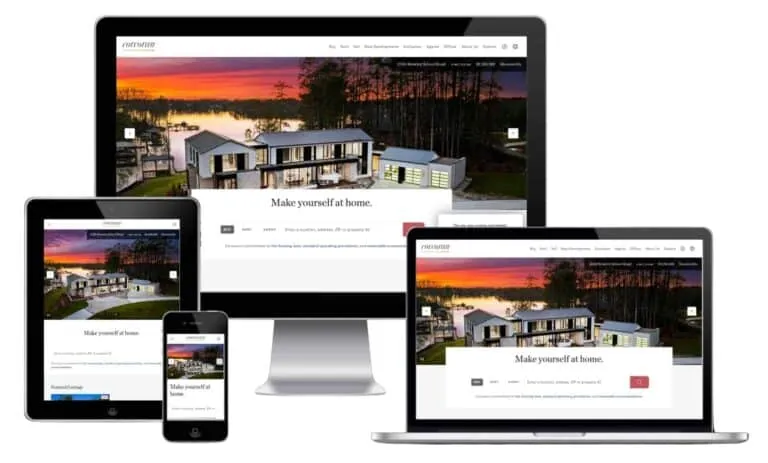
Corcoran Group
Real Estate Brokerage | New York City
A brokerage that needed lead volume without renting it from the portals. Egochi ran the program that nearly quadrupled monthly leads while its search visibility climbed alongside.
- 48 → 186 Lead Generation
- +288% Lead Growth
- +120% Organic Traffic
-

Antoinette Realtors
Realtor | Residential Sales
A realtor running paid and organic as one budget. Egochi managed the campaigns whose click-through and email numbers kept her pipeline full between referrals.
- 45% PPC Click-Through Rate
- 4 → 24 monthly Organic Leads
- 50% Email Open Rate
-
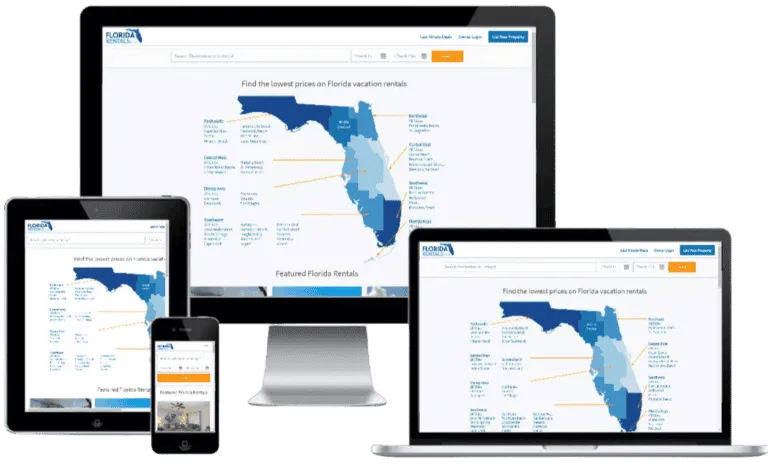
Florida Rentals
Vacation Rentals | Florida
A property booking site whose ads competed against the biggest travel platforms in the country. Egochi rebuilt the PPC targeting and the pages the clicks landed on.
- +65% Booking Conversion Rise
- +75% Organic Traffic Increase
- +50% Lead Generation Growth
-

Ellie Wilde
Consumer Ecommerce | National
A consumer brand receipt from outside real estate. Egochi ran the paid campaigns whose click-through lift shows the same filtering discipline this page describes.
- 60% PPC Click-Through Increase
- 70% Email Open Rate Increase
- 100K+ Monthly Organic Visitors
-

Culbertson Law
Family Law Firm | Local Lead Generation
A local practice buying leads in a market where clicks are expensive and quality decides everything. Egochi cut its cost per lead while qualified calls climbed.
- 30% Lower Cost Per Lead
- +91% Qualified Calls
- 9 → 2 Map Pack Position
-
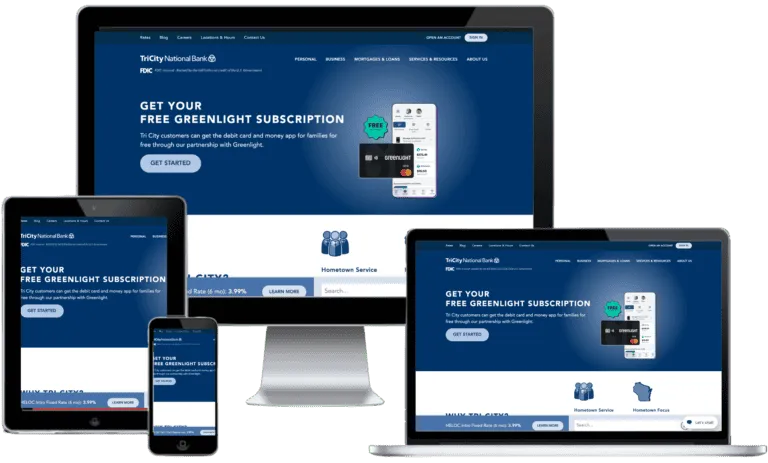
TriCity National Bank
Community Bank | Regulated Advertising
A community bank advertising inside compliance rules the way housing ads live inside fair housing rules. Egochi ran the campaigns that lifted its paid conversion rate.
- +77% PPC Conversion Rate
- +90% Organic Traffic Surge
- +80% Email Engagement Lift
See How Egochi Works
A short look at how our team plans, builds, and reports on client work.
Is This Right for You?
This is for you if
- You are an agent or team that can follow up fast and wants a calendar of qualified appointments, not a spreadsheet of contacts.
- You want listing inventory and are ready to invest in seller-intent campaigns with real valuation offers.
- You run a brokerage feeding leads to agents and need routing, tracking, and accountability per closed side.
This may not be the right fit if
- Nobody on your team can respond to leads within minutes; paid real estate leads decay fast, and spend without follow-up is waste.
- You expect a guaranteed number of closings per month; honest PPC reports appointments and lets your conversion close the loop.
See the work: Real estate case studies · PPC case studies
The Complete Real Estate Program
This page is one part of a five-part program. Each piece works alone and works better together.
-
Real Estate Digital Marketing Agency
The full program for agents, teams, and brokerages: listings, leads, brand.
-
Real Estate SEO
Neighborhood authority and IDX-friendly rankings that outlive any listing.
-
Real Estate Social Media
Market-update and property content that keeps you the known agent locally.
-
Real Estate Web Design
IDX sites that rank on their own pages instead of renting a portal profile.
Common Questions About Real Estate PPC
-
How much does real estate PPC management cost?
Egochi's real estate PPC management starts at $1,500 monthly, separate from the ad spend you pay the platforms. Both numbers appear in your reporting side by side, so the true cost per appointment is never hidden. Spend levels depend on your market and on how heavily you weight seller campaigns.
-
Do AI search results change real estate advertising?
Yes, twice over. AI Overviews now answer above the ad slots on many searches and absorb clicks that used to reach the auction, and prospects ask ChatGPT, Gemini, and Perplexity to verify an agent before responding to an ad. Egochi budgets around the keywords where AI answers first and keeps your identity, reviews, and listing data consistent so the ad and the assistant tell one story.
-
Should I run seller lead ads or buyer lead ads?
It depends on what your business lacks. Seller campaigns cost more per click and produce exclusive listing opportunities with a short path to commission. Buyer campaigns produce volume that converts over months of nurture. Solo agents chasing listings usually weight sellers; teams with follow-up capacity can profitably work both, and Egochi budgets each family on its own numbers.
-
How do fair housing rules affect real estate advertising?
Housing ads cannot use demographic targeting, and Meta requires a special ad category that broadens audiences and enforces minimum location radii. Ad copy also has to avoid language suggesting who belongs in a home. Campaigns Egochi builds inside these rules run cleanly; campaigns that fight them collect rejections and legal risk.
-
What should agents look for in a real estate PPC company?
Ask whether seller, buyer, and brand campaigns get separate budgets and reporting, or one blended number; blends hide everything. Ask how they filter out renters and window shoppers, how they build inside the housing special ad category, and whether reporting reaches cost per appointment with fee and spend side by side. Anyone promising a set number of closings per month is guessing; Egochi shows the math instead.
Awards and Partnerships Egochi Holds in 2026
-

Egochi Named 2026 Top Digital Marketing Agency by Clutch
Clutch, a B2B market research and reviews platform, names Egochi a top digital marketing agency for 2026. The distinction rests on overall market presence and, most importantly, verified client feedback. Egochi holds a 5.0 rating across 190+ reviews on Clutch.
-

Egochi Is a Certified Google Premier Partner
Egochi is a certified Google Premier Partner, a status Google grants to the top 3% of participating advertising agencies each year. The tier is earned on campaign performance, sustained client growth, and advanced Google Ads certification, and Google reviews it annually rather than granting it for life.
The Team Behind the Work
-

Jobin John
Chief Executive Officer
-

Justin Brown
Head of Search Engine Optimization
-

Bryan Thomson
Head of Web Design & Development
-

Ina Komins
Head of Social Media Marketing
-

Kierra Pita
Head of Advertising & Content Marketing
-

Patricia Turner
Chief Creative Officer
-

William Carter
Chief Digital Strategy Officer
-

Andrew Miller
Senior SEO Strategist
-

Amy Robinson
Content Marketing Manager
-

Betty Harrison
PPC Campaign Specialist
-

Anthony Carter
Lead Digital Account Executive
-

Amanda Cooper
Social Media Director
-

Carol Parker
Senior Client Success Manager
-

Barbara Bennett
Email Marketing Lead
-

Charles Turner
Technical SEO Analyst
-

Brian Sullivan
Creative Director
-

Christine Walker
Director of Project Management
-

Christopher Brooks
Digital Marketing Strategist
-

Daniel Wright
Senior Analytics Specialist
-

David Henderson
Lead Content Strategist
-

Donna Mitchell
Client Communications Manager
-

Elizabeth Foster
Director of Paid Advertising
-

Emily Baredi
Brand Experience Specialist
-

Emma Scott
Social Media Content Creator
-

George Crawford
Technical Solutions Architect
-

Jacob Evans
Digital Content Coordinator
-

James Anderson
Marketing Automation Specialist
-

Jason Palmer
Junior Copywriter
-

Jeffrey Reynolds
Paid Media Analyst
-

Jennifer Lewis
Community Engagement Specialist
-

Jonathan Murphy
SEO Reporting Specialist
-

Joseph Morgan
Influencer Marketing Coordinator
-

Kenneth Stevens
Digital PR Manager
-

Kimberly Harper
Digital Marketing Intern
-

Kevin Morris
SEO Outreach Specialist
-

Lee Dawson
Junior Web Developer
-

Linda Peterson
Email Campaign Coordinator
-

Lisa Thompson
Social Media Ads Specialist
-

Margaret Bradley
Marketing Operations Lead
-

Mark Richards
Data & Insights Analyst
-

Mary Kennedy
Senior Copyeditor
-

Matthew Clark
Growth Marketing Manager
-

Michelle Sanders
Junior Marketing Designer
-

Michael Foster
Senior Conversion Rate Specialist
-

Nancy Wheeler
Digital Analytics Manager
-

Nicholas Pierce
Affiliate Marketing Specialist
-

Nicole Adams
Outreach Program Coordinator
-

Paul Franklin
Paid Social Campaign Manager
-

Richard Barnes
Reputation Management Specialist
-

Robert Murphy
Lead Solutions Architect
-

Ronald Davis
Marketing Technology Analyst
-

Ryan Bell
Paid Media Buyer
-

Sandra Gregory
Digital Account Coordinator
-

Scott Hopkins
CRM Implementation Specialist
-

Shirley Ellis
Customer Insights Manager
-

Stephanie Cross
Brand Content Designer
-

Steven Greene
Web Analytics Specialist
-

Susan Price
Affiliate Campaign Manager
-

Thomas Fisher
Lead Technical Architect
-

Timothy Nash
Mobile Marketing Strategist
Certified & Accredited


Fewer Leads. Better Closings.
Tell us your market and whether you need listings, buyers, or both. Egochi, the PPC team behind the lead numbers above, shows where your spend leaks and what filtered campaigns would change.
Egochi Stats
- 250+ Google Reviews
- 5.0 Clutch Rating
- 12+ Years Experience
- $200M+ Revenue Generated
- 4 US Offices
- 190+ Clutch Reviews
Blog Posts
- Aug 12, 2026 GEO vs. SEO: A Comparative Guide for Digital Marketers
- Aug 12, 2026 What is llms.txt? | How to Create llms.txt file for your website
- Aug 12, 2026 What is Semantic SEO? | How to Build Topical Authority That Ranks
- Aug 12, 2026 What is Schema Markup? | How to Add Structured Data to Your Website
- Aug 12, 2026 How to Optimize for Voice Search: A Realistic 2026 Guide