Real Estate Web Design
A real estate website earns its keep on one technical question most designers never ask: can Google actually crawl your listings? IDX feeds dropped in as JavaScript widgets render fine for visitors and invisibly for search engines, which turns the site into a brochure that ranks for nothing. Egochi builds real estate websites the other way: IDX pages that get crawled and indexed, neighborhood hubs that keep ranking long after any listing closes, and pages fast enough to hold a phone visitor on a weak signal. You own the site outright, instead of renting a profile on a platform that keeps everything when you leave. Site builds are quoted per project; ongoing plans that include design work start at $1,500 monthly. Get a free quote.
Get Your Free Website Quote See What's Included
- 250+ Google Reviews
- 190+ Clutch Reviews at 5.0
- Google Premier Partner
As Featured In






What a Real Estate Website Has to Get Right
Four decisions Egochi gets right that separate a producing site from a digital business card.
IDX crawlability decides everything downstream
The rendering and indexation of the IDX feed is the technical crux of real estate web design. If listing pages exist only as a JavaScript widget, Google may never index the largest content section of your site, and no amount of design polish compensates. Egochi builds IDX so listing pages resolve as real, crawlable URLs with proper structure.
Own the asset or rent the profile
Builder platforms are quick to launch and easy to leave empty-handed: cancel, and the site, the content, and often the rankings stay behind. A site you own outright compounds instead, carrying every neighborhood page and every earned link with you across brokerage moves. Agents change brands; Egochi builds a web presence that does not reset when you do.
Neighborhood hubs are the ranking engine
Listings expire; the pages that rank for years are neighborhood hubs with genuine local depth. They give buyers a reason to land, sellers proof you know their streets, and your market updates and social media content a destination you own. Egochi architects the site around those hubs, with listings feeding them rather than replacing them.
Forced registration is a tradeoff, not a default
Gating every listing behind a signup form inflates contact counts and quietly poisons them: visitors enter junk emails, bounce to Zillow, and never return. Registration walls have a place late in a browsing session or on premium tools like valuations. As a front door, they trade real search visibility for a list of fake names, so Egochi places them where the value is obvious.
What's Inside a Real Estate Website Build
Six deliverables Egochi ships, all in service of a site that ranks, converts, and stays yours.
-
Crawlable IDX Listings
Egochi sets up IDX so each listing resolves as an indexable page with clean URLs and listing schema, so your inventory works for search instead of hiding from it.
-
Neighborhood Hub Architecture
Egochi builds a hub page per area you farm into the site structure, so every listing strengthens its neighborhood and every neighborhood strengthens you.
-
Fast, Static-First Build
Egochi ships a modern build with green Core Web Vitals and no plugin bloat, because buyers browse on phones and slow galleries lose them in seconds.
-
Search-Ready Structure
Egochi handles titles, internal linking, schema, and URL strategy at build time, so the site launches ready to rank instead of needing a retrofit.
-
Lead Capture & CRM Wiring
Egochi wires valuation tools, saved-search signups, and inquiry forms into your CRM with tracking, placed where interest is real rather than walling the front door.
-
Proof & Just-Sold Placement
Egochi places reviews, sold results, and client stories at decision points, so the seller comparing three agents finds the evidence without hunting.
A Crawlable Site Is What AI Search Reads
Buyers now ask ChatGPT and Perplexity about neighborhoods, commutes, and agents, and Google answers more property questions with AI Overviews every month. Those systems learn from the same crawl Google runs, so a site whose listings render only in a JavaScript widget is invisible to both. Egochi builds real estate websites as the structured source the machines can actually read.
Google AI OverviewsChatGPTGeminiPerplexity
-
Indexable pages feed both systems
The crawlable IDX and neighborhood URLs Egochi builds for rankings are the same pages AI Overviews and ChatGPT draw on when someone asks about your areas. A site the crawler cannot see is a site no assistant will ever cite.
-
Schema tells the machines what each page is
Egochi marks up agent, listing, location, and FAQ data in structured schema at build time. Gemini and Perplexity resolve who sells what, where, through exactly those signals, and a retrofit never does it as cleanly as a build that starts there.
-
Neighborhood hubs become quotable answers
When an assistant answers a question about your farm area, it lifts from pages that answer directly with a named local expert behind them. Egochi writes hub pages to that shape, the same shape that wins featured snippets in classic search.
-
One build serves Google and AI together
None of this is a separate deliverable. The structure, speed, and schema that earn rankings are what earn AI visibility, so Egochi builds them in once and the site works both surfaces for years.
How a Real Estate Site Gets Built
-
Teardown of the current site
Egochi audits what you have the way a buyer and a crawler each see it: whether listing pages are in the index at all, how fast the site runs on a phone, and what a seller finds when vetting you.
-
Architecture and page map
You approve a sitemap before design starts: neighborhood hubs, listing URL strategy, valuation and buyer paths, so the ranking structure is decided up front rather than bolted on later.
-
Design around trust and search
Layouts put your proof, your areas, and your contact paths where sellers look, with the IDX experience designed as part of the site instead of an iframe pasted into it.
-
Build and indexation pass
The site ships static-fast with Core Web Vitals in the green, and Egochi verifies listing and neighborhood pages actually get crawled and indexed before calling the build done.
-
Launch, redirects, and handoff
Egochi sets redirects that preserve any rankings your old site earned, tracking goes live with the CRM wiring, and you get straightforward ways to add content without breaking anything. The site is yours, files and all.
Fair Questions About Real Estate Websites
Is a Zillow profile plus a template site enough?
For a new agent working referrals, honestly, it can be for a while. The ceiling arrives when you want search visibility in your farm area or leads that are not shared with competitors. A portal profile markets the portal, and a template site with an uncrawlable IDX widget markets nobody. The upgrade Egochi builds makes sense when your business is ready to own its pipeline.
Why do so many agent websites never rank for anything?
Usually three compounding reasons: the IDX section is invisible to crawlers, the only unique pages are a bio and a contact form, and the neighborhood pages are template paragraphs with the city name swapped. Egochi fixes indexation and adds hubs with real local depth, and the same domain often starts ranking without another dollar of promotion.
Should my site force visitors to register to see listings?
Sparingly, if at all. Aggressive gates produce long contact lists full of fake emails and short browsing sessions that tell Google the site disappoints. Softer asks convert better: register to save searches, to get alerts, or to unlock a valuation. Let the front door stay open; charge admission where the value is obvious.
How long does a build take, and what do you need from me?
A focused agent or team site typically runs several weeks from kickoff; brokerage builds with heavy IDX work run longer. From you Egochi needs MLS and IDX access details, your farm areas, real photos and sold results, and about an hour of questions. IDX vendor cooperation is the most common schedule variable, so we start that thread first.
Common Mistakes to Avoid
-
Embedding IDX as a JavaScript widget and never checking whether a single listing page made it into the index.
-
Letting sold listing URLs 404 instead of pointing their value back to the neighborhood hub.
-
Buying a builder-platform site and discovering at cancellation that the content and rankings were never yours.
-
Stamping one neighborhood template across every area served, which convinces neither Google nor a local seller.
-
Rebuilding without redirects and losing years of quietly earned rankings on launch day.
Real Estate Web Design Case Studies
Egochi publishes these receipts from realty and build engagements across the client roster. Every number restates the client's published case study, and the property clients open the row.
-
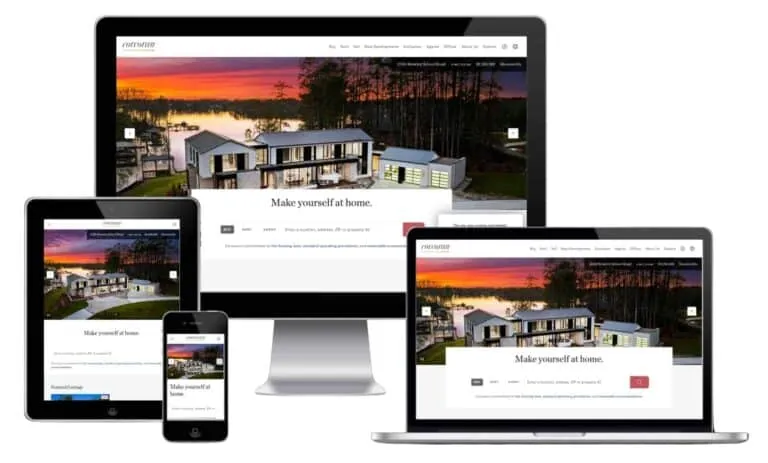
Corcoran Group
Real Estate Brokerage | New York City
A brokerage site that had grown slow enough to cost rankings. Egochi ran the rebuild that cut its load metrics and pulled its average position up with them.
- 3.4s → 2.1s LCP
- 340ms → 195ms INP
- 13.8 → 4.2 Average Position
-
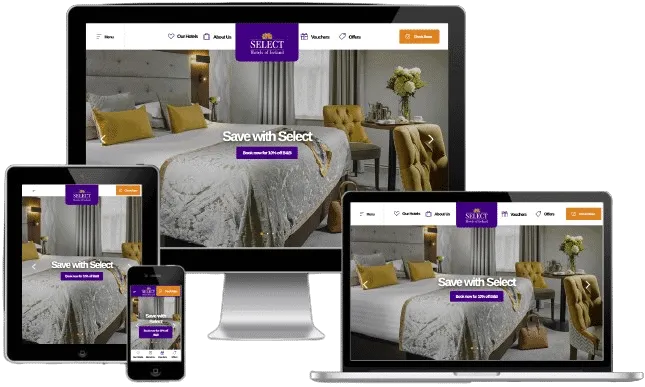
SELECT Hotels
Hospitality Group | Custom Booking Build
A property group that needed listings and reservations working on its own site, the same owned-asset fight agents run against the portals. Egochi built the custom CMS and booking platform behind these numbers.
- +70% Inquiry Surge
- +55% Booking Conversion Lift
- +65% User Satisfaction Rise
-
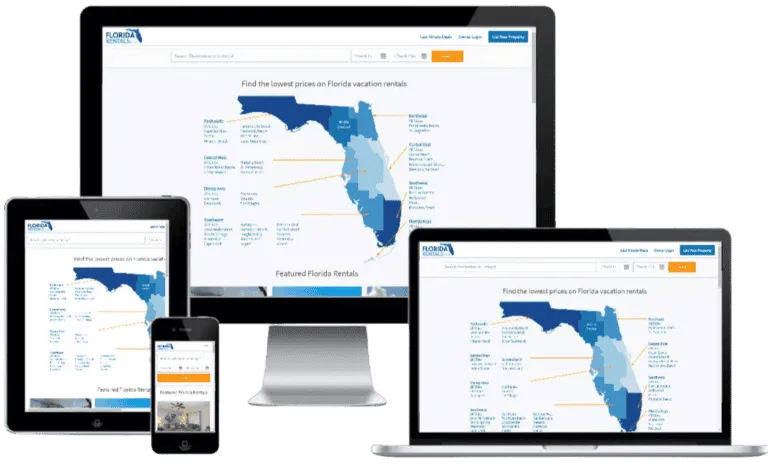
Florida Rentals
Vacation Rentals | Florida
A property site competing with national portals for Florida searches. Egochi ran the redesign and search program that turned its traffic into booked stays.
- +75% Organic Traffic Increase
- +65% Booking Conversion Rise
- +50% Lead Generation Growth
-
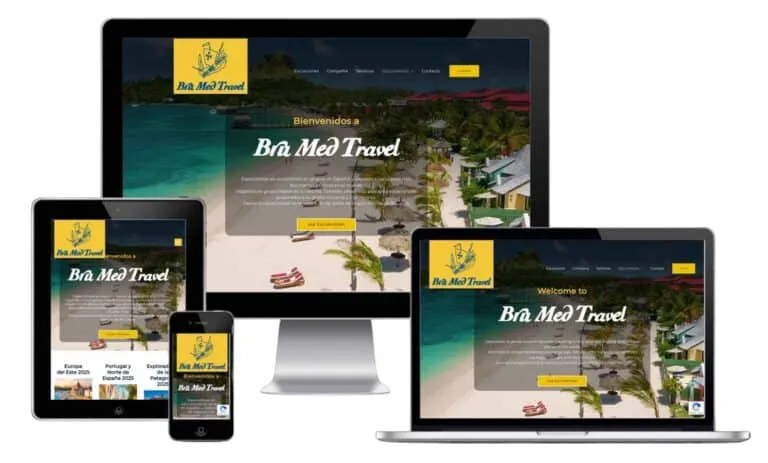
Bru Med Travel
Travel Agency | WordPress Rebuild
An agency whose dated site was losing the trust check every referral runs. Egochi rebuilt it with the structure and speed that turned visits into conversions.
- +65% Organic Traffic Increase
- +40% Conversion Rate Rise
- +50% User Engagement Growth
-
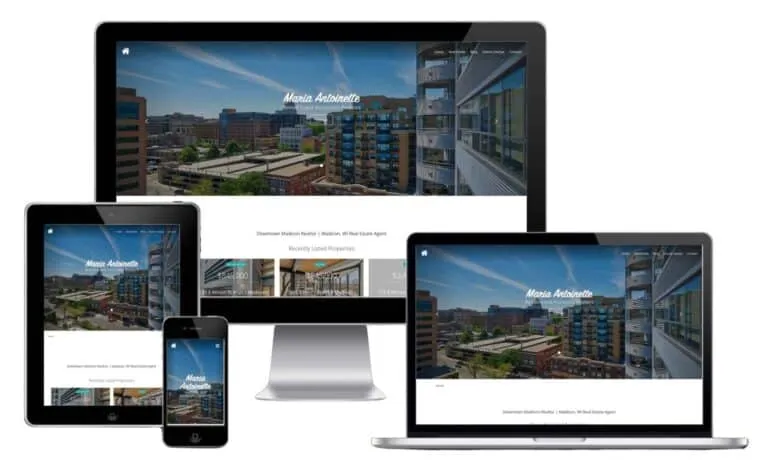
Antoinette Realtors
Realtor | Residential Sales
A realtor whose site had to carry her whole brand. Egochi built the presence that turned her local visibility into a steady organic lead source.
- 4 → 24 monthly Organic Leads
- 70% Organic Traffic Growth
- 60% Local Search Visibility
-
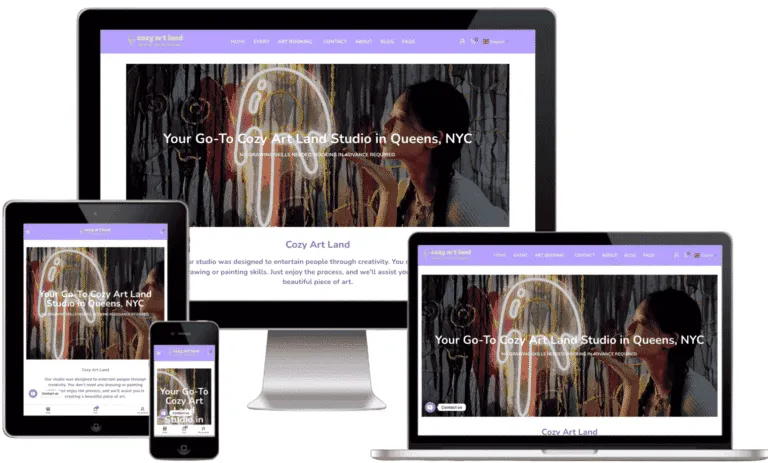
Cozy Art Land
Art Studio | Long Island City, NYC
A local business whose site and profile had to win nearby searches together. Egochi ran the build and local program that moved its bookings.
- +60% Bookings or Form Submits
- +75% GBP Website Clicks
- +120% Organic Sessions
See How Egochi Works
A short look at how our team plans, builds, and reports on client work.
Is This Right for You?
This is for you if
- You farm defined neighborhoods and want a site architected to rank for them, not just display listings.
- You are leaving a builder platform and want an asset you own that survives the next brokerage move.
- Your current site looks fine and produces nothing, and you suspect the IDX section is the reason.
This may not be the right fit if
- You want the cheapest possible template live this week; a site built to rank takes real local material and several weeks.
- You expect the website alone to fill your pipeline; it is the foundation that makes search, ads, and social compound.
See the work: Real estate case studies · Web design case studies
The Complete Real Estate Program
This page is one part of a five-part program. Each piece works alone and works better together.
-
Real Estate Digital Marketing Agency
The full program for agents, teams, and brokerages: listings, leads, brand.
-
Real Estate SEO
Neighborhood authority and IDX-friendly rankings that outlive any listing.
-
Real Estate PPC
Listing and buyer-lead campaigns priced against the commission they produce.
-
Real Estate Social Media
Market-update and property content that keeps you the known agent locally.
Common Questions About Real Estate Web Design
-
How much does a real estate website cost?
Site builds are quoted by scope after a short call, since a solo-agent site and a brokerage build with full IDX work are different projects. Many agents fold the build into an ongoing plan, which starts at $1,500 monthly at Egochi and covers design, SEO, and updates together.
-
What is IDX and why does it matter for my website?
IDX is the data exchange that lets your website display MLS listings. It matters twice: visitors expect to search inventory on your site, and the way IDX is built decides whether Google can index those pages. A crawlable IDX makes your listings a search asset; a widget-only IDX makes them invisible, which is why Egochi treats it as the crux of every build.
-
How do AI search tools read a real estate website?
ChatGPT, Gemini, Perplexity, and Google AI Overviews learn from the same crawl classic search runs, plus the structured data a site exposes. A site with indexable listing pages, agent and location schema, and neighborhood pages that answer questions directly can be identified and cited; a widget-based brochure cannot. Egochi builds sites as that structured source from day one.
-
What makes a real estate website rank on Google?
Indexable listing pages, neighborhood hubs with genuine local depth, fast load times on phones, and a structure where every page reinforces the areas you farm. Design quality supports conversion, but rankings come from crawlability and content only a local agent could produce. Most agent sites fail the first requirement and never find out; Egochi checks it before anything else.
-
How do I choose a real estate web design company?
Two questions expose most vendors. First, ask how they verify listing pages get crawled and indexed; a designer with no answer will ship an invisible IDX widget. Second, ask what you keep if you cancel; builder platforms keep the site, the content, and often the rankings. Then check their view on registration walls and whether neighborhood hubs are part of the architecture. Egochi answers all of it in the quote.
Awards and Partnerships Egochi Holds in 2026
-

Egochi Named 2026 Top Digital Marketing Agency by Clutch
Clutch, a B2B market research and reviews platform, names Egochi a top digital marketing agency for 2026. The distinction rests on overall market presence and, most importantly, verified client feedback. Egochi holds a 5.0 rating across 190+ reviews on Clutch.
-

Egochi Is a Certified Google Premier Partner
Egochi is a certified Google Premier Partner, a status Google grants to the top 3% of participating advertising agencies each year. The tier is earned on campaign performance, sustained client growth, and advanced Google Ads certification, and Google reviews it annually rather than granting it for life.
The Team Behind the Work
-

Jobin John
Chief Executive Officer
-

Justin Brown
Head of Search Engine Optimization
-

Bryan Thomson
Head of Web Design & Development
-

Ina Komins
Head of Social Media Marketing
-

Kierra Pita
Head of Advertising & Content Marketing
-

Patricia Turner
Chief Creative Officer
-

William Carter
Chief Digital Strategy Officer
-

Andrew Miller
Senior SEO Strategist
-

Amy Robinson
Content Marketing Manager
-

Betty Harrison
PPC Campaign Specialist
-

Anthony Carter
Lead Digital Account Executive
-

Amanda Cooper
Social Media Director
-

Carol Parker
Senior Client Success Manager
-

Barbara Bennett
Email Marketing Lead
-

Charles Turner
Technical SEO Analyst
-

Brian Sullivan
Creative Director
-

Christine Walker
Director of Project Management
-

Christopher Brooks
Digital Marketing Strategist
-

Daniel Wright
Senior Analytics Specialist
-

David Henderson
Lead Content Strategist
-

Donna Mitchell
Client Communications Manager
-

Elizabeth Foster
Director of Paid Advertising
-

Emily Baredi
Brand Experience Specialist
-

Emma Scott
Social Media Content Creator
-

George Crawford
Technical Solutions Architect
-

Jacob Evans
Digital Content Coordinator
-

James Anderson
Marketing Automation Specialist
-

Jason Palmer
Junior Copywriter
-

Jeffrey Reynolds
Paid Media Analyst
-

Jennifer Lewis
Community Engagement Specialist
-

Jonathan Murphy
SEO Reporting Specialist
-

Joseph Morgan
Influencer Marketing Coordinator
-

Kenneth Stevens
Digital PR Manager
-

Kimberly Harper
Digital Marketing Intern
-

Kevin Morris
SEO Outreach Specialist
-

Lee Dawson
Junior Web Developer
-

Linda Peterson
Email Campaign Coordinator
-

Lisa Thompson
Social Media Ads Specialist
-

Margaret Bradley
Marketing Operations Lead
-

Mark Richards
Data & Insights Analyst
-

Mary Kennedy
Senior Copyeditor
-

Matthew Clark
Growth Marketing Manager
-

Michelle Sanders
Junior Marketing Designer
-

Michael Foster
Senior Conversion Rate Specialist
-

Nancy Wheeler
Digital Analytics Manager
-

Nicholas Pierce
Affiliate Marketing Specialist
-

Nicole Adams
Outreach Program Coordinator
-

Paul Franklin
Paid Social Campaign Manager
-

Richard Barnes
Reputation Management Specialist
-

Robert Murphy
Lead Solutions Architect
-

Ronald Davis
Marketing Technology Analyst
-

Ryan Bell
Paid Media Buyer
-

Sandra Gregory
Digital Account Coordinator
-

Scott Hopkins
CRM Implementation Specialist
-

Shirley Ellis
Customer Insights Manager
-

Stephanie Cross
Brand Content Designer
-

Steven Greene
Web Analytics Specialist
-

Susan Price
Affiliate Campaign Manager
-

Thomas Fisher
Lead Technical Architect
-

Timothy Nash
Mobile Marketing Strategist
Certified & Accredited


A Website the Portals Cannot Repossess
Send us your current site and your farm areas. Egochi, the build team behind the booking and speed numbers above, quotes what we would build, what it costs, and whether Google can even see your listings today.
Egochi Stats
- 250+ Google Reviews
- 5.0 Clutch Rating
- 12+ Years Experience
- $200M+ Revenue Generated
- 4 US Offices
- 190+ Clutch Reviews
Blog Posts
- Aug 12, 2026 GEO vs. SEO: A Comparative Guide for Digital Marketers
- Aug 12, 2026 What is llms.txt? | How to Create llms.txt file for your website
- Aug 12, 2026 What is Semantic SEO? | How to Build Topical Authority That Ranks
- Aug 12, 2026 What is Schema Markup? | How to Add Structured Data to Your Website
- Aug 12, 2026 How to Optimize for Voice Search: A Realistic 2026 Guide