Social Media Marketing for Lawyers
Social media for lawyers serves two audiences, and most firms only post for one. The first is prospective clients, who use your feed as a reference check after a referral or a search. The second signs more cases at many firms: the attorneys who send conflict referrals, overflow, and matters outside their practice area, and who send them to whichever name they remember. Egochi runs both tracks: plain-language content that makes your attorneys the ones people understand and trust, and a LinkedIn rhythm that keeps your name in front of the referring bar, all inside your state's advertising rules. We run it on its own or inside a full law firm digital marketing program, with plans from $1,500 monthly. Start with a free content review.
Get Your Free Social Content Review See What's Included
- 250+ Google Reviews
- 190+ Clutch Reviews at 5.0
- Google Premier Partner
As Featured In





What Makes Legal Social Media Different
Four things about this niche Egochi plans around and most social agencies never notice.
Your second audience signs more cases than your first
Attorney referral networks move conflict cases, overflow, and out-of-specialty matters, and one steady referrer can outproduce a whole campaign. Those referrals go to whoever is remembered, and LinkedIn is where that memory gets maintained. Egochi treats a posting rhythm aimed at the referring bar as the most underpriced work in legal marketing.
Social is the reference check, not the first touch
Almost nobody hires a lawyer off a post. They get your name from a referral, a review, or a search, then look you up before calling, and the feed answers whether you seem sharp, current, and human. A live presence passes that check quietly. A page last updated two years ago quietly fails it.
Plain language is the whole trick
The attorney who explains what actually happens after a crash, in words a stressed person understands, becomes the one people share and remember. Firm-news posts about awards and new hires do not travel. Explainers do, and Egochi builds the calendar around them because they compound into exactly the authority both audiences are checking for.
Bar rules follow you onto every platform
Testimonial handling, specialist claims, outcome language, and confidentiality all apply to a post exactly as they do to a billboard, and the rules vary by state. A compliant cadence your ethics counsel has seen beats a risky viral swing every time, because one bad post can cost more than a year of good ones earns.
What's Inside a Legal Social Media Plan
Two tracks Egochi runs in one voice: trusted by prospects, remembered by referrers.
-
LinkedIn Referral Track
Egochi builds a firm presence and attorney posting rhythm aimed at the lawyers who send conflict and overflow work, timed to stay in memory between referral moments.
-
Plain-Language Explainers
Egochi drafts short posts and scripts that answer what people actually wonder about your practice areas, reviewed by your attorneys before publishing.
-
Attorney Visibility Support
Egochi provides profile work and content help for the individual lawyers who want a presence, because people refer and hire attorneys, not logos.
-
Community Management
Egochi answers comments and messages fast and inside confidentiality lines, with legal questions moved to a consultation instead of a comment thread.
-
Compliance Review Workflow
Egochi checks every post against your state bar advertising rules before it publishes: testimonials, outcome language, specialist claims, confidentiality.
-
Consultation-Level Reporting
Egochi ties reporting to consultation requests and referral conversations that started on social, not follower counts or impressions.
What AI Assistants Read Before Recommending a Firm
When someone asks ChatGPT, Gemini, or Perplexity which nearby firm to trust with a divorce or a DUI, the answer gets assembled from public evidence: reviews, profiles, directories, and whether the firm's own pages agree with them. Egochi runs your social presence and review cadence as part of that evidence, structured so AI Overviews and the assistants can identify the firm and cite it, without an outcome promise in sight.
Google AI OverviewsChatGPTGeminiPerplexity
-
Consistent profiles feed the answer
Assistants resolve a firm the way a skeptical prospect does: by checking that the website, Google Business Profile, LinkedIn, and legal directories all describe the same attorneys, practice areas, and offices. Egochi keeps that identity consistent everywhere, because Gemini and Perplexity recommend firms they can verify.
-
Reviews are the trust signal systems weigh
Asked which lawyer nearby to call, AI systems lean on review volume, recency, and tone across Google and Avvo. Egochi runs the cadence that keeps those profiles current and handles responses inside your state bar rules, so the evidence stays fresh on the surfaces machines actually read.
-
Plain-language explainers get quoted
The same explainer that a stressed prospect saves is the kind of clear, single-question answer AI Overviews and ChatGPT lift into responses. Egochi drafts that content, your attorneys review and byline it, and the credential behind the answer is what makes it citable.
-
One program carries social, search, and AI
None of this is a separate bill. The consistent profiles, fresh reviews, and attorney-bylined explainers that earn AI citations are the same assets that pass the reference check and keep referring attorneys sending work, so Egochi reports it all as one program.
How a Legal Social Program Starts
-
Presence audit and audience split
Egochi reviews your profiles and your case sources, then sets how much of the program serves prospective clients and how much serves the referring bar, because the mix differs by practice area.
-
Compliance rails first
Egochi turns your state bar advertising rules into a working checklist: what testimonial handling requires, what outcome language is off limits, what needs a disclaimer, who reviews what.
-
Explainer content production
Egochi drafts plain-language posts around the questions your practice areas actually raise, your attorneys review them, and a sustainable cadence starts. Consistency beats volume here.
-
LinkedIn referral rhythm
Egochi gives firm and attorney profiles a steady beat of substantive posts aimed at the lawyers who send work, so your name is the one that surfaces when a conflict referral comes up.
-
Reporting on what it produced
Egochi reports monthly on consultation requests and referral conversations traced to social, plus which content types produced them, so the calendar keeps tilting toward what signs work.
Fair Questions Attorneys Ask About Social
Does social media look unprofessional for a law firm?
Bad social does. An attorney explaining the law clearly, in public, reads as confidence, and it is exactly what referring lawyers and anxious prospects want to see. The unprofessional version is the dancing-lawyer trend chase, which Egochi does not do. Think of the feed as a standing open house for your judgment, not a stage.
Our clients are not on TikTok. Why bother with any of this?
They may not be, and we may not put you there. Platform choice follows practice area: consumer practices like injury and family law can reach real prospects on Facebook and short video, while business litigation and estate work live almost entirely on LinkedIn, where the referring bar also happens to be. The Egochi audit picks the platforms; nothing gets posted everywhere by default.
Can a post really get us in trouble with the bar?
Yes, the same ways an ad can: client information shared without consent, outcome promises, specialist claims without certification, testimonial handling that skips your state rules. That risk is an argument for a reviewed workflow, not for silence. Every post in an Egochi program passes a compliance checklist your ethics counsel has approved.
How long before social produces anything measurable?
Slower than search, steadier than luck. Expect the reference-check effect almost immediately, since a live feed starts passing vetting the week it exists. Attributable consultation requests usually appear within a few months of consistent posting, and the referral-memory effect builds over a season. Anyone promising signed cases from posts alone is guessing.
Common Mistakes to Avoid
-
Posting case wins without the facts-of-each-case caveat, turning a proud moment into a bar advertising problem.
-
Chasing viral reach while the referring attorneys who actually send cases hear nothing from you all year.
-
Publishing firm news nobody outside the firm cares about instead of explainers people save and share.
-
Letting associates post about active matters unreviewed, gambling confidentiality for attention.
-
Abandoning the feed for months, so the prospect who finally checks finds a page that answers for you badly.
Receipts From Trust-First Clients
No client in the register has a published social-only case study for legal, so Egochi shows the row for what it is: law firms and reputation-led practices whose published numbers prove the trust mechanics this page sells. Every figure restates the client's own case study.
-

Culbertson Law
Family Law Firm | Reviews & Reputation
A family law practice whose prospects read the reviews before calling anyone. Egochi grew the review base and the local presence together, and qualified calls followed the reputation.
- 47 New Google Reviews
- +91% Qualified Calls
- 9 → 2 Map Pack Position
-
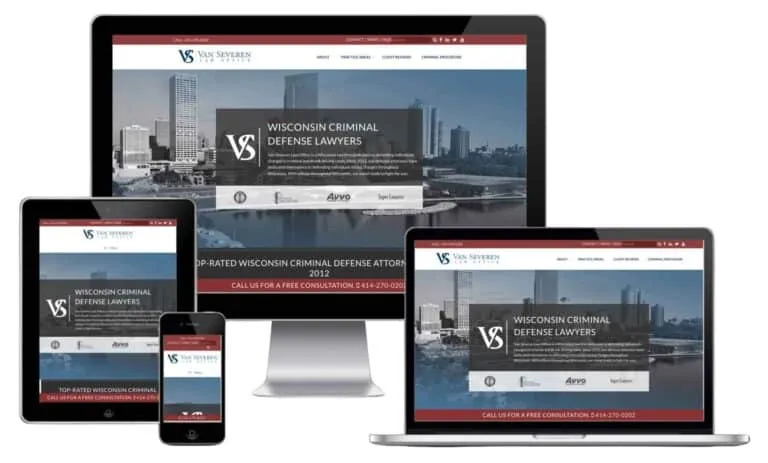
Van Severen Law Office
Criminal Defense Firm | Milwaukee, WI
A defense firm whose public presence had to convey authority and empathy at once. Egochi rebuilt how the firm shows up online, and inquiries rose with the credibility.
- 100+ Monthly Client Inquiries
- +150% Organic Traffic Increase
- Top 3 Local Ranking for Key Terms
-
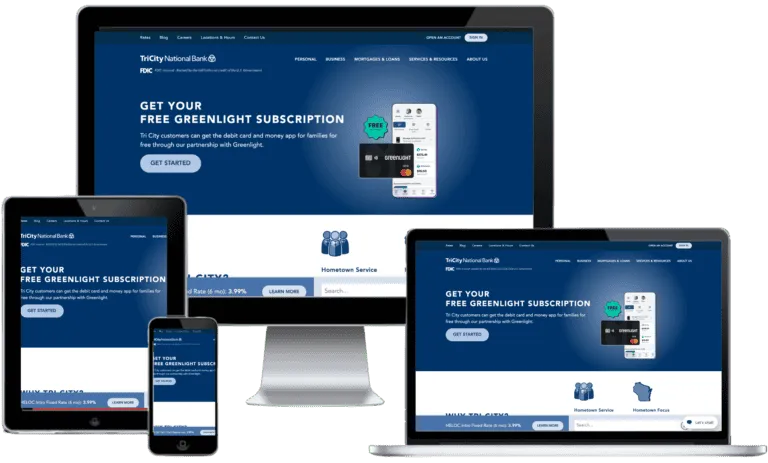
TriCity National Bank
Community Bank | Compliance-Reviewed Content
A bank whose every public word passes compliance, the constraint legal social lives under. Egochi ran the content and campaigns that lifted engagement without one risky claim.
- +80% Email Engagement Lift
- +90% Organic Traffic Surge
- +77% PPC Conversion Rate
-

Daniels Health
Healthcare Services | Authority Content
A regulated B2B company that built authority the way a firm builds referral memory: substantive content, repeated, in front of the right professionals. Egochi ran that program and visibility moved.
- +520 Referring Domains
- +73% Search Visibility
- DR 58 Domain Rating
-

NY Endo Studio
Endodontics Studio | New York City
A specialty practice that lives on professional referrals, the same second audience this page is about. Egochi made the studio visible to patients and referring doctors alike.
- 132% GBP Discovery Views
- 110% Organic Sessions Lift
- 96% New Users Increase
-

Darrow
Wealth Management Firm | Trust-First Buyer
A financial planning firm selling judgment to a skeptical, high-stakes buyer, the way attorneys do. Egochi built the presence and campaigns that earned that trust measurably.
- +72% Organic Traffic Increase
- +68% PPC Conversion Lift
- +90% ADA Accessibility Lift
Is This Right for You?
This is for you if
- You get cases from other attorneys and want that referral network worked deliberately instead of by accident.
- At least one attorney will spend a little time reviewing content, because bylined judgment is what makes legal social work.
- You want a presence that passes the reference check prospects and referrers already run on you.
This may not be the right fit if
- You expect social alone to fill the intake pipeline this quarter; search channels close demand faster and we will say so.
- You want trend-chasing volume without attorney review; unreviewed legal content is a compliance risk we will not take.
See the work: Legal case studies · Social media case studies
The Complete Law Firm Program
This page is one part of a five-part program. Each piece works alone and works better together.
-
Law Firm Digital Marketing Agency
The full program built around intake, casework value, and bar advertising rules.
-
SEO for Lawyers
Practice-area rankings for the highest-CPC search market in existence.
-
Law Firm PPC
High-stakes bidding with intake tracking, so spend maps to signed cases.
-
Law Firm Web Design
Credibility-first sites that turn case research into consultations.
Common Questions About Social Media Marketing for Lawyers
-
How much does social media marketing for lawyers cost?
Egochi's social media plans for law firms start at $1,500 monthly, covering content drafting, attorney review workflow, posting, and community replies. Plans that add a LinkedIn referral track or paid social scale from there, and reporting is tied to consultation requests rather than follower counts.
-
Do AI search tools look at a law firm's social media?
They read the public evidence around a firm: whether LinkedIn, Google Business Profile, directories, and the website describe the same attorneys and practice areas, and what reviews say. Egochi keeps that identity consistent and the review cadence current, so AI Overviews, ChatGPT, Gemini, and Perplexity can verify the firm they are about to name.
-
Can lawyers post client testimonials on social media?
It depends on your state bar. Some states allow testimonials with disclaimers, others restrict endorsement language or require specific caveats, and client consent is required everywhere. Egochi builds the rules for your state into the review workflow, so a grateful client message becomes a compliant post or it does not run at all.
-
Does social media actually bring in legal clients?
Directly, sometimes; indirectly, constantly. A feed rarely starts a case, but it decides plenty: prospects check you after a referral, opposing referral sources compare you to alternatives, and attorneys send conflict work to names they remember. Social wins those quiet decisions, which is why Egochi measures consultations and referral conversations, not likes.
-
How do I pick a social media agency for a law firm?
Ask which audiences the plan serves; an agency that never mentions the referring bar is missing the channel that signs the most cases. Ask how your state bar advertising rules get turned into a review checklist, whether attorneys approve content before it publishes, and whether reporting counts consultations and referral conversations. Trend-chasing volume without attorney review is a risk, not a strategy.
Awards and Partnerships Egochi Holds in 2026
-

Egochi Named 2026 Top Digital Marketing Agency by Clutch
Clutch, a B2B market research and reviews platform, names Egochi a top digital marketing agency for 2026. The distinction rests on overall market presence and, most importantly, verified client feedback. Egochi holds a 5.0 rating across 190+ reviews on Clutch.
-
Egochi Is a Certified Google Premier Partner
Egochi is a certified Google Premier Partner, a status Google grants to the top 3% of participating advertising agencies each year. The tier is earned on campaign performance, sustained client growth, and advanced Google Ads certification, and Google reviews it annually rather than granting it for life.
The Team Behind the Work
-

Jobin John
Chief Executive Officer
-

Justin Brown
Head of Search Engine Optimization
-

Bryan Thomson
Head of Web Design & Development
-

Ina Komins
Head of Social Media Marketing
-

Kierra Pita
Head of Advertising & Content Marketing
-

Patricia Turner
Chief Creative Officer
-

William Carter
Chief Digital Strategy Officer
-

Andrew Miller
Senior SEO Strategist
-

Amy Robinson
Content Marketing Manager
-

Betty Harrison
PPC Campaign Specialist
-

Anthony Carter
Lead Digital Account Executive
-

Amanda Cooper
Social Media Director
-

Carol Parker
Senior Client Success Manager
-

Barbara Bennett
Email Marketing Lead
-

Charles Turner
Technical SEO Analyst
-

Brian Sullivan
Creative Director
-

Christine Walker
Director of Project Management
-

Christopher Brooks
Digital Marketing Strategist
-

Daniel Wright
Senior Analytics Specialist
-

David Henderson
Lead Content Strategist
-

Donna Mitchell
Client Communications Manager
-

Elizabeth Foster
Director of Paid Advertising
-

Emily Baredi
Brand Experience Specialist
-

Emma Scott
Social Media Content Creator
-

George Crawford
Technical Solutions Architect
-

Jacob Evans
Digital Content Coordinator
-

James Anderson
Marketing Automation Specialist
-

Jason Palmer
Junior Copywriter
-

Jeffrey Reynolds
Paid Media Analyst
-

Jennifer Lewis
Community Engagement Specialist
-

Jonathan Murphy
SEO Reporting Specialist
-

Joseph Morgan
Influencer Marketing Coordinator
-

Kenneth Stevens
Digital PR Manager
-

Kimberly Harper
Digital Marketing Intern
-

Kevin Morris
SEO Outreach Specialist
-

Lee Dawson
Junior Web Developer
-

Linda Peterson
Email Campaign Coordinator
-

Lisa Thompson
Social Media Ads Specialist
-

Margaret Bradley
Marketing Operations Lead
-

Mark Richards
Data & Insights Analyst
-

Mary Kennedy
Senior Copyeditor
-

Matthew Clark
Growth Marketing Manager
-

Michelle Sanders
Junior Marketing Designer
-

Michael Foster
Senior Conversion Rate Specialist
-

Nancy Wheeler
Digital Analytics Manager
-

Nicholas Pierce
Affiliate Marketing Specialist
-

Nicole Adams
Outreach Program Coordinator
-

Paul Franklin
Paid Social Campaign Manager
-

Richard Barnes
Reputation Management Specialist
-

Robert Murphy
Lead Solutions Architect
-

Ronald Davis
Marketing Technology Analyst
-

Ryan Bell
Paid Media Buyer
-

Sandra Gregory
Digital Account Coordinator
-

Scott Hopkins
CRM Implementation Specialist
-

Shirley Ellis
Customer Insights Manager
-

Stephanie Cross
Brand Content Designer
-

Steven Greene
Web Analytics Specialist
-

Susan Price
Affiliate Campaign Manager
-

Thomas Fisher
Lead Technical Architect
-

Timothy Nash
Mobile Marketing Strategist
Certified & Accredited


Be the Name Other Attorneys Remember
Tell us your practice areas and where your cases come from today. Egochi, a social media agency rated 5.0 across 190+ Clutch reviews, shows what a month of compliant, referral-aware content would look like for your firm.
Egochi Stats
- 250+ Google Reviews
- 5.0 Clutch Rating
- 12+ Years Experience
- $200M+ Revenue Generated
- 4 US Offices
- 190+ Clutch Reviews
Blog Posts
- Aug 12, 2026 GEO vs. SEO: A Comparative Guide for Digital Marketers
- Aug 12, 2026 What is llms.txt? | How to Create llms.txt file for your website
- Aug 12, 2026 What is Semantic SEO? | How to Build Topical Authority That Ranks
- Aug 12, 2026 What is Schema Markup? | How to Add Structured Data to Your Website
- Aug 12, 2026 How to Optimize for Voice Search: A Realistic 2026 Guide