SEO for Lawyers & Law Firms
Egochi builds SEO programs for lawyers around the unit that actually ranks in legal search: the practice-area page. Nobody with a custody dispute searches for a law firm; they search for a custody lawyer in their city, and Google answers with a dedicated page or with your competitor. Legal clicks are the most expensive in paid search, so every organic ranking displaces spend at the highest rates there are, which is why SEO pays back more in this market than almost any other. We build the page architecture, the attorney-reviewed content, and the Google and Avvo review depth that legal rankings rest on. Plans start at $1,500 monthly, pricing published up front. Start with a free audit of your practice-area visibility.
Get Your Free Legal SEO Audit See What's Included
- 250+ Google Reviews
- 190+ Clutch Reviews at 5.0
- Google Premier Partner
As Featured In





What Makes Legal SEO Different
Four realities of legal search that decide where Egochi builds first.
Practice-area pages are the ranking unit
Google matches a search like "dui lawyer columbus" to a dedicated page about exactly that, not to a homepage that lists ten specialties. Each practice area is its own search market with its own intent, which is why Egochi runs a page architecture for every firm, not a website with a practice-areas list.
Every organic click displaces the priciest paid click there is
Injury and criminal defense keywords cost $100 to $500 per click in law firm PPC. A page ranking organically for the same search collects those clicks without the meter running, month after month. That arithmetic makes legal SEO a cost decision, not a branding one.
Google checks who stands behind the page
Legal content gets the same scrutiny as medical content: who wrote it, what are their credentials, does anything verify them. Attorney bylines, bar admissions on bio pages, and review depth on Google and Avvo are ranking inputs here, not decoration. Egochi builds those signals in from the first page, because ghostwritten content with no attorney behind it underperforms for a reason.
The local pack takes the urgent cases
Searches with a city name or "near me" resolve heavily in the map results, where proximity, review count, and profile activity decide. For arrest, injury, and family matters, the prospect often calls straight from the pack, so Egochi runs Google Business Profile work inside the program, not beside it.
What's Inside a Legal SEO Plan
Six pieces of work Egochi runs together: the architecture, the authors, and the evidence.
-
Practice-Area Page Architecture
Egochi builds a dedicated, deeply developed page for each case type you want, structured around the searches that produce consultations rather than the org chart.
-
Local SEO & GBP Management
Egochi manages Google Business Profile categories, posts, and review responses tuned for legal, plus citation consistency across the directories that feed the map pack.
-
Attorney-Reviewed Content
Egochi drafts pages and answers your attorneys review and byline, because legal rankings favor content someone with a bar number stands behind.
-
Review Depth on Google & Avvo
Egochi runs a steady cadence of real client reviews on the two profiles prospects compare and search engines read as evidence of standing.
-
Technical SEO
Egochi handles site speed, clean architecture, and schema for attorneys and FAQs, so nothing structural holds back pages that deserve to rank.
-
Rank-to-Consultation Reporting
Egochi ties call and form tracking to rankings, so the monthly report shows which practice-area pages produce consultations, not just positions.
Where Legal SEO Meets AI Search
The questions that used to start at a search box now start in a chat window: do I have a case, what does a custody lawyer cost, which firm near me handles a DUI. AI Overviews, ChatGPT, Gemini, and Perplexity answer by citing sources they can verify, so Egochi structures your practice-area content, attorney credentials, locations, and reviews in the shape those systems read, with nothing that sounds like an outcome promise.
Google AI OverviewsChatGPTGeminiPerplexity
-
Practice-area pages built to be quoted
AI Overviews and ChatGPT lift from pages that answer one question cleanly with the credentials in view. Egochi writes practice-area and question pages so definitions, fee context, and the responsible attorney sit where a system can quote them, the same construction that wins featured snippets.
-
Attorney entities the systems can verify
Egochi marks up attorneys, bar admissions, practice areas, offices, and FAQs in structured schema and keeps the firm identity consistent across your site, Google Business Profile, and the legal directories. Gemini and Perplexity resolve which firm to name through exactly these signals.
-
Review depth reads as evidence
Asked which nearby lawyer to trust, assistants weigh review volume, recency, and whether your profiles and site agree with each other. Egochi grows that depth on Google and Avvo and keeps every claim inside your state bar advertising rules.
-
One build ranks in both result types
The structured pages, verified entities, and fresh reviews that earn AI citations are the same assets that move practice-area rankings and the local pack, so Egochi builds once and reports Google visibility and AI visibility as one program.
Every Law Firm SEO Campaign Runs on Egochi's Proprietary VERTEX Search™ System
VERTEX Search™ is Egochi's proprietary SEO methodology, custom built in-house since 2014 and run on every law firm engagement. The full system holds 18 documented steps; the five milestones below are the ones legal clients see. Generic checklists collapse in legal search, where every ranking is contested and every claim faces bar-rule scrutiny; this system was built for markets that hard.
-
Practice-area visibility audit
Egochi maps where you rank for every case type in every city you serve, benchmarks your review depth against the firms taking those calls, and hands you the gap list first.
-
Architecture before content
The page map gets designed around case-producing searches: which practice areas get pages, which cities, which questions. Writing before architecture is how legal SEO budgets get wasted.
-
Attorney-reviewed content production
Pages ship in priority order, drafted by Egochi and reviewed by your attorneys, with bylines and bar credentials in place, because authorship is checkable in this market.
-
Authority and review depth
Egochi builds citations, legal directory presence, and a review cadence on Google and Avvo, the third-party evidence that separates two firms with similar pages.
-
Report to consultations
Egochi's monthly reporting ties each practice-area page to tracked calls and form fills, so you see which case types your rankings actually produce and where to press next.
Egochi built VERTEX Search™ rather than renting a template, and every law firm campaign runs through the same inspectable method. Every step is documented inside the EGOCHI VERTEX™ Growth System, so you can hold any month of work against the method you hired.
Honest Answers on SEO for Lawyers
Our firm already ranks for its name. Is that not enough?
Name searches find people who already chose you, mostly referrals checking you out. The cases you are not getting start as searches like "estate planning attorney" plus your city, and those go to whoever owns that practice-area page. Ranking for your own name is table stakes; ranking for case types is where new matters come from, and that is the architecture Egochi builds.
We published blog posts for a year and saw nothing. Why?
Blog content answers curiosity; practice-area pages answer intent. A post about a new statute attracts other lawyers and students, not clients. The Egochi audit usually shows the same pattern: thin practice-area pages, a busy blog, and rankings for searches that never produce a consultation. Rebuilding the page architecture fixes what more posts cannot.
Is SEO too slow to matter for a firm that needs cases?
It is the slowest channel and the cheapest per case once it matures, and both halves of that sentence are true. Paid coverage fills the gap while rankings build, then hands terms back as organic takes them. What makes the wait worth it in legal specifically is the click math: the rankings you earn displace the most expensive clicks in advertising.
Can we outrank the big settlement-mill sites?
On the broadest injury head terms, honestly, not quickly and maybe not ever. On city plus practice-area searches, question searches, and the local pack, yes: those resolve on relevance, proximity, and review depth, which a focused firm can win. Egochi aims the program where the fight is winnable and the cases are real.
Common Mistakes to Avoid
-
One combined practice-areas page where ten dedicated pages should be, so nothing ranks for any specific case type.
-
Publishing ghostwritten content no attorney reviewed, in the one market where Google verifies who stands behind the page.
-
Treating Avvo as optional while prospects and search engines both read it as evidence of your standing.
-
Chasing statewide head terms first while city plus practice-area searches with real intent sit unclaimed.
-
Letting a ranked page ring an intake line nobody answers after hours, which converts your ranking into a competitor referral.
Legal SEO Case Studies
Two of these engagements are law firms and the rest are local practices and authority builds from the same client roster. Egochi restates each client's published case study numbers here, nothing more.
-

Culbertson Law
Family Law Firm | Local SEO
A family law practice whose case types were invisible past page two. Egochi built the practice-area pages, worked the profile and reviews, and the firm now takes local case searches from the pack.
- 9 → 2 Map Pack Position
- +91% Qualified Calls
- 100% Local Search Visibility
-

Van Severen Law Office
Criminal Defense Firm | Milwaukee, WI
A criminal defense firm that needed to be findable at the worst hour of a client's life. Egochi rebuilt the site around local defense searches, and traffic and inquiries followed.
- +150% Organic Traffic Increase
- Top 3 Local Ranking for Key Terms
- 100+ Monthly Client Inquiries
-

NY Endo Studio
Endodontics Studio | New York City
A credential-led specialty practice in the hardest local market in the country. Egochi rebuilt the practice pages and Google Business Profile so patients and referrers both found the studio first.
- 110% Organic Sessions Lift
- 96% New Users Increase
- 132% GBP Discovery Views
-
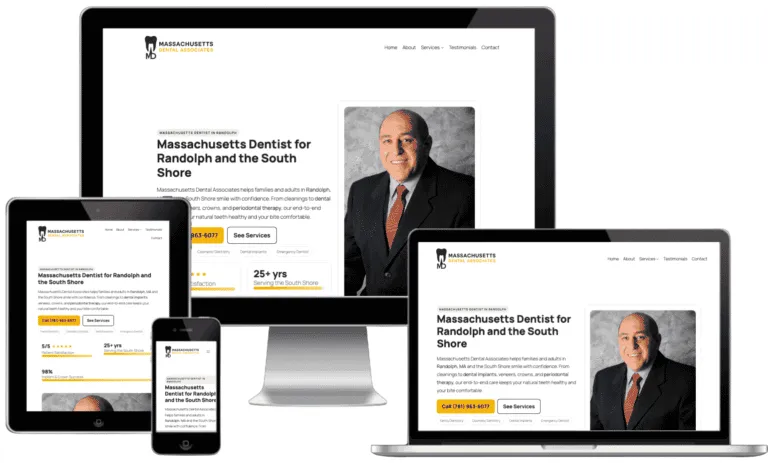
Massachusetts Dental
Dental Practice | Randolph, MA
A local practice living on nearby searches the way a neighborhood firm does. Egochi built the local visibility and review base that turned those searches into booked appointments the practice owns.
- 120% Organic Sessions Lift
- 140% Local Discovery Views
- 68% Booked Appointments Rise
-

Daniels Health
Healthcare Services | National B2B
A regulated B2B company that had to outrank national incumbents on authority. Egochi ran the link and content program that moved its visibility, the same expertise-checked fight legal SEO is.
- +520 Referring Domains
- +73% Search Visibility
- DR 58 Domain Rating
-

Darrow
Wealth Management Firm | Compliance-Bound SEO
A financial planning firm whose copy answers to regulators the way legal copy answers to the bar. Egochi grew its search and paid performance without a claim compliance would question.
- +72% Organic Traffic Increase
- +68% PPC Conversion Lift
- +90% ADA Accessibility Lift
See How Egochi Works
A short look at how our team plans, builds, and reports on client work.
Is This Right for You?
This is for you if
- You want consultations from case types you choose, not whatever walks in, and you are ready to build page by page.
- Your attorneys will spend a little time reviewing content, because bylined expertise is what ranks in legal.
- You are paying heavily for clicks and want owned rankings to take those terms over time.
This may not be the right fit if
- You need cases this month: legal rankings take months to move, and paid channels are the honest answer for now.
- You want mass-produced content at volume; unreviewed legal content underperforms and can misstate the law.
See the work: Legal case studies · Local SEO case studies
The Complete Law Firm Program
This page is one part of a five-part program. Each piece works alone and works better together.
-
Law Firm Digital Marketing Agency
The full program built around intake, casework value, and bar advertising rules.
-
Law Firm PPC
High-stakes bidding with intake tracking, so spend maps to signed cases.
-
Social Media for Lawyers
Authority content that referring attorneys and past clients actually share.
-
Law Firm Web Design
Credibility-first sites that turn case research into consultations.
Common Questions About SEO for Lawyers
-
How much does SEO for lawyers cost?
Egochi's legal SEO plans start at $1,500 monthly for firms in a single market and scale with practice areas and competition. Injury and mass-tort markets price higher because the fight is harder. Pricing is published up front, and the free audit shows what your market requires before you commit.
-
How long does law firm SEO take to work?
Google Business Profile and review work often moves local rankings in one to two months. New practice-area pages typically take three to six months to rank, longer on competitive injury terms. The compounding is the point: each ranked page keeps producing consultations without per-click costs, which paid channels never do, so Egochi sequences the fast local wins first.
-
Does SEO for lawyers still matter with AI search?
More than before. When prospects ask AI Overviews, ChatGPT, Gemini, or Perplexity which nearby firm handles their matter, the systems cite pages with verifiable attorneys, structured practice-area content, and consistent reviews. Egochi builds exactly those assets, so one program earns classic rankings and AI citations together instead of splitting the budget.
-
Is SEO or PPC better for law firms?
Both have a job. Paid ads buy immediate visibility at the highest click prices in advertising; SEO builds rankings you own that displace those costs over time. Most firms run paid coverage while organic matures, then shift budget as rankings take terms over. The mix depends on practice area and how soon you need cases.
-
How do I choose an SEO company for a law firm?
Ask what they treat as the ranking unit; the right answer is a dedicated page per practice area, not a homepage with a specialties list. Ask whether content gets attorney review and bylines, how Google and Avvo reviews are grown, and whether reporting ties pages to tracked consultations. A company promising quick wins on broad injury head terms is describing luck or worse.
Awards and Partnerships Egochi Holds in 2026
-

Egochi Named 2026 Top SEO Company by Clutch
Clutch, a B2B market research and reviews platform, names Egochi a top SEO company for 2026. The distinction rests on overall market presence and, most importantly, verified client feedback. Egochi holds a 5.0 rating across 190+ reviews on Clutch.
-

Egochi Is a Certified Google Premier Partner
Egochi is a certified Google Premier Partner, a status Google grants to the top 3% of participating advertising agencies each year. The tier is earned on campaign performance, sustained client growth, and advanced Google Ads certification, and Google reviews it annually rather than granting it for life.
The Team Behind the Work
-

Jobin John
Chief Executive Officer
-

Justin Brown
Head of Search Engine Optimization
-

Bryan Thomson
Head of Web Design & Development
-

Ina Komins
Head of Social Media Marketing
-

Kierra Pita
Head of Advertising & Content Marketing
-

Patricia Turner
Chief Creative Officer
-

William Carter
Chief Digital Strategy Officer
-

Andrew Miller
Senior SEO Strategist
-

Amy Robinson
Content Marketing Manager
-

Betty Harrison
PPC Campaign Specialist
-

Anthony Carter
Lead Digital Account Executive
-

Amanda Cooper
Social Media Director
-

Carol Parker
Senior Client Success Manager
-

Barbara Bennett
Email Marketing Lead
-

Charles Turner
Technical SEO Analyst
-

Brian Sullivan
Creative Director
-

Christine Walker
Director of Project Management
-

Christopher Brooks
Digital Marketing Strategist
-

Daniel Wright
Senior Analytics Specialist
-

David Henderson
Lead Content Strategist
-

Donna Mitchell
Client Communications Manager
-

Elizabeth Foster
Director of Paid Advertising
-

Emily Baredi
Brand Experience Specialist
-

Emma Scott
Social Media Content Creator
-

George Crawford
Technical Solutions Architect
-

Jacob Evans
Digital Content Coordinator
-

James Anderson
Marketing Automation Specialist
-

Jason Palmer
Junior Copywriter
-

Jeffrey Reynolds
Paid Media Analyst
-

Jennifer Lewis
Community Engagement Specialist
-

Jonathan Murphy
SEO Reporting Specialist
-

Joseph Morgan
Influencer Marketing Coordinator
-

Kenneth Stevens
Digital PR Manager
-

Kimberly Harper
Digital Marketing Intern
-

Kevin Morris
SEO Outreach Specialist
-

Lee Dawson
Junior Web Developer
-

Linda Peterson
Email Campaign Coordinator
-

Lisa Thompson
Social Media Ads Specialist
-

Margaret Bradley
Marketing Operations Lead
-

Mark Richards
Data & Insights Analyst
-

Mary Kennedy
Senior Copyeditor
-

Matthew Clark
Growth Marketing Manager
-

Michelle Sanders
Junior Marketing Designer
-

Michael Foster
Senior Conversion Rate Specialist
-

Nancy Wheeler
Digital Analytics Manager
-

Nicholas Pierce
Affiliate Marketing Specialist
-

Nicole Adams
Outreach Program Coordinator
-

Paul Franklin
Paid Social Campaign Manager
-

Richard Barnes
Reputation Management Specialist
-

Robert Murphy
Lead Solutions Architect
-

Ronald Davis
Marketing Technology Analyst
-

Ryan Bell
Paid Media Buyer
-

Sandra Gregory
Digital Account Coordinator
-

Scott Hopkins
CRM Implementation Specialist
-

Shirley Ellis
Customer Insights Manager
-

Stephanie Cross
Brand Content Designer
-

Steven Greene
Web Analytics Specialist
-

Susan Price
Affiliate Campaign Manager
-

Thomas Fisher
Lead Technical Architect
-

Timothy Nash
Mobile Marketing Strategist
Certified & Accredited


Own the Rankings Your Competitors Rent
Tell us your practice areas and your city. Egochi, an SEO company rated 5.0 across 190+ Clutch reviews, audits where you rank for each case type today, who takes the clicks instead, and the page architecture that changes it.
Egochi Stats
- 250+ Google Reviews
- 5.0 Clutch Rating
- 12+ Years Experience
- $200M+ Revenue Generated
- 4 US Offices
- 190+ Clutch Reviews
Blog Posts
- Aug 12, 2026 GEO vs. SEO: A Comparative Guide for Digital Marketers
- Aug 12, 2026 What is llms.txt? | How to Create llms.txt file for your website
- Aug 12, 2026 What is Semantic SEO? | How to Build Topical Authority That Ranks
- Aug 12, 2026 What is Schema Markup? | How to Add Structured Data to Your Website
- Aug 12, 2026 How to Optimize for Voice Search: A Realistic 2026 Guide