Veterinary Social Media Marketing
Egochi manages social media for veterinary clinics, starting from the one advantage every clinic has and almost none use well: patients people genuinely want to look at. A recovering kitten photo outperforms anything a corporate brand can buy, but most clinics post it with no consent on file, no name, and no story, so nothing compounds. Egochi builds the system around it: photo consent captured at intake, story-first posts, education that calms exam-room nerves before the visit, and a real presence at the adoption events and shelters your community already follows. We also handle the hard parts, grieving comments and emotional reviews, with the care they deserve. Plans start at $1,500 monthly. Start with a free review of your clinic's profiles.
Get Your Free Social Media Review See What's Included
- 250+ Google Reviews
- 190+ Clutch Reviews at 5.0
- Google Premier Partner
As Featured In






What Makes Veterinary Social Media Different
Four truths about clinic accounts that decide whether Egochi's posting produces clients.
Patient photos are an unfair advantage, wasted by default
No other local business gets content this good handed to it daily. The difference between filler and marketing is process: a media release checked at intake, the pet's name in the caption, and a story arc, came in limping, went home wagging. Egochi builds that process, because a named story gets shared by the owner to exactly the audience a clinic wants: their friends, nearby, with pets.
Education content lowers exam-room anxiety before the visit
Short posts on what a dental actually looks like, why bloodwork comes before anesthesia, how to trim nails at home: owners who have seen them arrive calmer and decline fewer recommended treatments. Egochi writes the same posts to double as pre-visit links your front desk can text, which is content earning its keep twice.
Shelter and event presence compounds where ads cannot
A clinic tagged by the local shelter reaches adopters at the exact moment they need a vet, and it arrives as a recommendation, not an ad. Egochi plans the adoption-event coverage and rescue cross-posting that builds this referral loop, and it keeps paying after the post is forgotten.
Loss and money are where clinics get hurt online
The comments that damage a clinic involve a pet that passed or a bill that stung. Egochi writes response standards with your team before they are needed: acknowledge the feeling, keep medical detail private, take it offline, never argue publicly. Every future client reads how you answered someone's worst week.
What's Inside a Veterinary Social Media Plan
A content system Egochi keeps sustainable, community care, and reporting past the like count.
-
Content Calendar and Posting
Egochi mixes patient stories, team spotlights, and education into a cadence your staff can actually sustain, planned monthly and posted for you.
-
Photo Consent Workflow
Egochi builds a media release into your intake forms and tracks it with the patient record, so every post is cleared before it exists.
-
Comment and Message Care
Egochi monitors daily with response standards written alongside your team, including the grief and billing conversations nobody should improvise.
-
Shelter and Event Partnerships
Egochi arranges adoption-event coverage, rescue cross-posts, and community tie-ins that put your clinic in front of new pet owners at decision time.
-
Local Social Advertising
Egochi runs modest paid reach aimed at pet owners inside your draw radius, promoting the stories and offers that already earn attention organically.
-
Follower-to-Client Reporting
Egochi reports monthly on profile visits, booking-link clicks, and new clients who mention your posts, instead of vanity follower curves.
What AI Assistants Read From Your Public Presence
When a pet owner asks ChatGPT or Gemini which nearby clinic to trust, the answer is assembled from your public footprint: profiles, reviews, photos, and whether they all describe the same clinic. Egochi runs veterinary social media so that footprint feeds AI Overviews and Perplexity the story you want told, with hours, services, and species data consistent everywhere.
Google AI OverviewsChatGPTGeminiPerplexity
-
Consistent profiles feed entity recognition
Assistants resolve a clinic the way search engines do, by matching name, address, hours, and services across every public surface. Egochi keeps your social profiles, site, and Business Profile telling one identical story, because a mismatch reads as doubt to a system deciding whom to cite.
-
Reviews and responses are the trust evidence
When an owner asks which vet nearby is gentle with anxious dogs, AI Overviews and Perplexity lean on review volume, recency, and how the clinic answers hard ones. Egochi grows real reviews and writes the response standards, so the evidence the systems weigh is evidence you are proud of.
-
Community content corroborates what you claim
A feed showing adoption events, exotics patients, and weekend appointments is corroboration a system can read. Egochi plans the calendar so the services you want cited actually appear in public, dated and repeated, instead of living only on a brochure page.
-
Social proof and search visibility run together
Egochi reports profile visits, booking clicks, and the review signals feeding both the Map Pack and AI answers in one readout, because the same public presence decides all three.
How the Social System Gets Set Up
-
Profile and content audit
Egochi reviews what your profiles say to a new pet owner today, what your team already photographs, and which local clinics own community attention, then maps the shortest path to compounding.
-
Consent into intake
A media release goes into your new-client paperwork and gets noted with the patient record, so every future post starts from written permission instead of a hopeful memory.
-
Story system setup
Your team learns a ten-minute capture habit, and Egochi turns those photos into named, arc-driven posts: how the patient arrived, what your team did, and the going-home moment.
-
Community calendar
Egochi plans adoption events, shelter cross-posts, and seasonal education a month ahead, so your clinic keeps showing up in the places new pet owners look first, long before they search.
-
Care and reporting
Comments and messages get daily attention under response standards written with your team, and monthly reports track profile visits, booking clicks, and new clients who mention the posts.
What Clinics Ask Before Handing Over the Feed
Is social media actually worth staff time for a clinic?
Worth it, yes; a replacement for search, no. Social rarely wins the family typing "vet near me" tonight, but it decides the softer contests: which clinic feels like the community favorite, which one an adopter remembers from the shelter event, which page reassures a nervous owner at midnight. Those preferences surface later as first visits that look like word of mouth.
Why pay an agency for photos our techs could take?
Your techs should take the photos; that part cannot be outsourced and Egochi never pretends otherwise. What a program adds is everything around the photo: consent tracking, captions that tell a story, a calendar that survives busy weeks, daily message coverage, and the judgment calls on grief and billing comments. The clinic supplies moments; the system turns them into marketing.
What should we do about the one-star review that still stings?
Answer it once, publicly, with composure: acknowledge the feeling, protect medical privacy, offer a direct conversation. Then let it stand. Fighting or reporting reviews usually deepens the damage, while a graceful reply dated the same week does the opposite. Readers do not expect perfection from a clinic; they inspect how it treats people on their hardest day.
How often does a clinic actually need to post?
Three or four good posts a week beat daily filler, and consistency beats both. Algorithms and followers reward a steady rhythm rather than volume, and a clinic feed has natural material most businesses envy. The trap Egochi sees is starting at a daily pace, burning out by week six, and going silent, which reads worse than never having started.
Common Mistakes to Avoid
-
Posting a patient photo without consent noted anywhere, then scrambling when the owner or a coworker asks who approved it.
-
Publishing pets with no names and no stories, which turns shareable moments into anonymous filler nobody passes along.
-
Going quiet for a month whenever the clinic gets busy, teaching the algorithm and the audience to stop checking.
-
Improvising public replies to grief and billing complaints instead of following standards written calmly in advance.
-
Counting followers instead of profile visits and booking clicks, then concluding social does not work for clinics.
Community and Content Receipts From the Roster
The roster behind these numbers spans local practices and consumer brands, not veterinary clinics alone. Egochi restates each figure from the client's published case study, and the local community work leads the row because it is the same muscle a clinic feed uses.
-
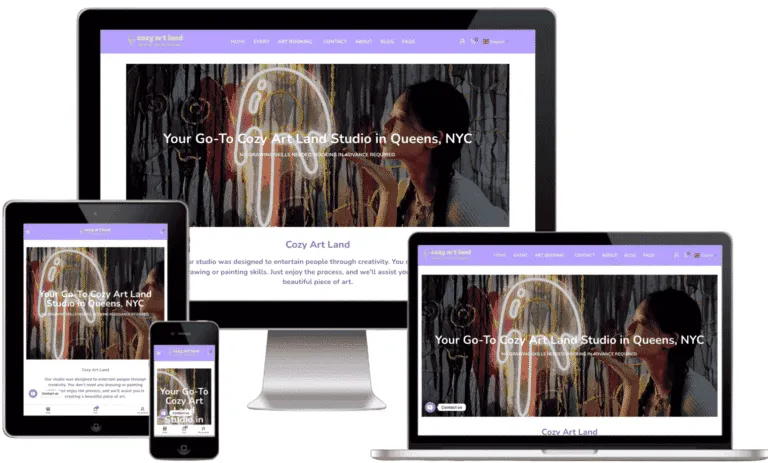
Cozy Art Land
Art Studio | Long Island City, NYC
A family studio whose bookings come from parents scrolling, photographing, and tagging. Egochi ran the local content and profile work that turned that attention into calls and direction requests.
- +85% GBP Calls Growth
- +110% GBP Direction Requests
- +60% Bookings or Form Submits
-
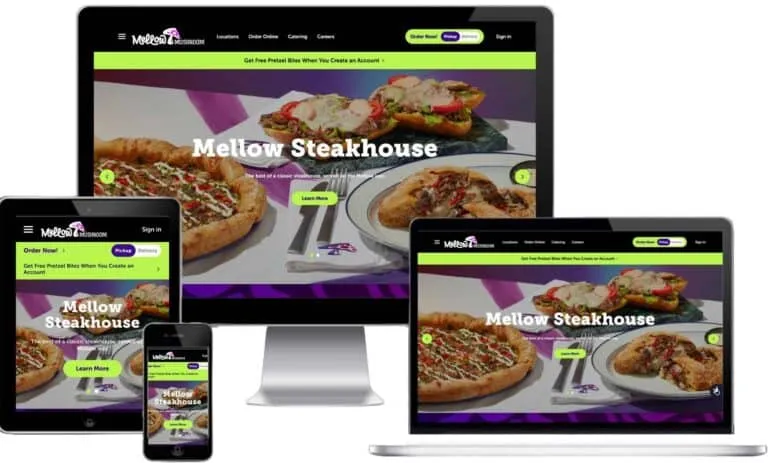
Mellow Mushroom
Restaurant Group | Multi-Location Local Presence
A restaurant group whose locations live on community feeds the way clinics do. Egochi ran the location-level presence work that moved traffic and orders in every market.
- +312% Local Traffic
- +245% Online Orders
- Top 3 Local Pack
-
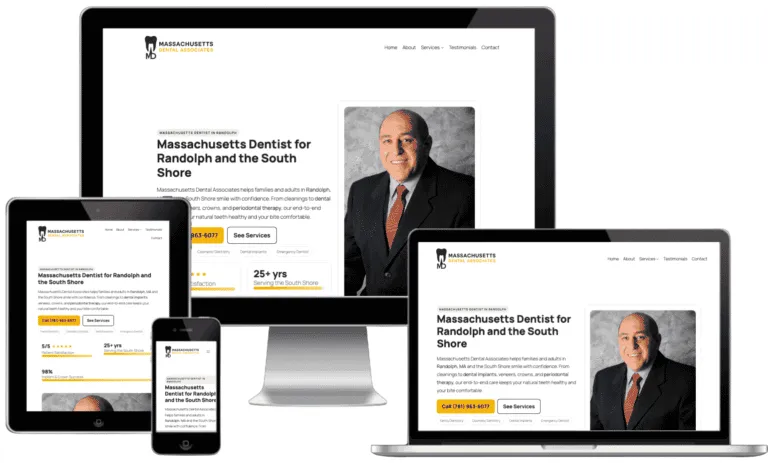
Massachusetts Dental
Dental Practice | Randolph, MA
A practice whose reputation existed in the waiting room but not online. Egochi built the review cadence and profile activity that made a real reputation visible, and discovery views followed.
- 140% Local Discovery Views
- 112% GBP Actions Growth
- 95% More New Patient Calls
-

Culbertson Law
Family Law Firm | Reputation Growth
A local firm collecting the recent reviews that decide trust-heavy choices. Egochi ran the review growth and response work, the same care a clinic feed depends on.
- 47 New Google Reviews
- 9 → 2 Map Pack Position
- +91% Qualified Calls
-

Ellie Wilde
Fashion Ecommerce | Social Content
A fashion brand whose audience decides in the feed. Egochi grew social engagement with story-led content, the craft that turns a clinic's patient photos into marketing.
- 80% Social Engagement Growth
- 45% User Interaction Improvement
- 70% Email Open Rate Increase
-

The Peak Agency
Talent Agency | Social Media
A talent agency that needed its feed to produce inquiries, not applause. Egochi turned engagement growth into inquiry growth, the same conversion a clinic wants from its followers.
- +78% Social Media Engagement
- +65% Talent Inquiry Growth
- +70% Top Talent Conversion
Is This Right for You?
This is for you if
- Your team takes wonderful patient photos that go nowhere because nobody owns the posting.
- A competitor feels like the community's favorite clinic online while your better medicine stays invisible.
- You want a presence at adoption events and shelters but have no one to turn showing up into content.
This may not be the right fit if
- You expect posting alone to fill the schedule: social builds preference and referrals, while search fills appointment books faster.
- Nobody at the clinic can spare ten minutes a week for photos; Egochi can write and publish, but your patients are the content.
See the work: Healthcare case studies · Social media case studies
What Clients Tell Us
Pet owners searching for vets find our clinic now. Egochi helped us build an online presence that reflects the quality care we provide. New patient appointments doubled in six months.
The Complete Veterinary Program
This page is one part of a five-part program. Each piece works alone and works better together.
-
Veterinary Marketing Agency
The full program aimed at the switch moments that decide a clinic.
-
Veterinary SEO
Service-line rankings and Map Pack visibility for "vet near me".
-
Veterinary PPC Advertising
Paid capture for new-to-town, urgent-care, and second-opinion searches.
-
Veterinary Website Design
First visits booked in under a minute, on any phone.
Common Questions About Veterinary Social Media
-
How much does veterinary social media management cost?
Egochi's veterinary social media plans start at $1,500 monthly, covering the content calendar, posting, and daily comment care. Pricing scales with platform count and any paid promotion. Most clinics pair it with local SEO, since social builds the preference that search then converts into booked visits.
-
What should a vet clinic post on social media?
Consented patient stories first: named pets, recovery arcs, going-home moments. Then short education answering what owners quietly worry about, dentals, anesthesia, nail trims, plus team posts that make a first visit feel familiar. Skip stock graphics entirely; the feed exists to show your actual patients and people.
-
How do vet clinics get photo consent from clients?
Add a media release to the new-client intake form so consent is captured once, in writing, and noted where your team schedules. Ask again in person for sensitive cases, and never post loss-related content without a direct conversation first. Verbal permission fades; a dated signature protects the client and the clinic.
-
Does social media affect how AI assistants recommend a clinic?
Indirectly and increasingly. ChatGPT, Gemini, and Perplexity assemble recommendations from a clinic's public footprint: consistent profiles, review volume and recency, and posts that corroborate services like exotics or weekend hours. AI Overviews weigh the same signals. Egochi keeps that footprint consistent and active so the systems describe your clinic accurately.
-
How do I pick a social media manager for a vet clinic?
Ask how photo consent gets handled; a manager who posts patients without a release on file is a liability. Ask whether they write response standards for grief and billing comments before those arrive, whether posts carry names and stories instead of anonymous filler, and what gets reported. Egochi reports profile visits and booking clicks; follower curves do not pay the team.
Awards and Partnerships Egochi Holds in 2026
-

Egochi Named 2026 Top Digital Marketing Agency by Clutch
Clutch, a B2B market research and reviews platform, names Egochi a top digital marketing agency for 2026. The distinction rests on overall market presence and, most importantly, verified client feedback. Egochi holds a 5.0 rating across 190+ reviews on Clutch.
-

Egochi Is a Certified Google Premier Partner
Egochi is a certified Google Premier Partner, a status Google grants to the top 3% of participating advertising agencies each year. The tier is earned on campaign performance, sustained client growth, and advanced Google Ads certification, and Google reviews it annually rather than granting it for life.
The Team Behind the Work
-

Jobin John
Chief Executive Officer
-

Justin Brown
Head of Search Engine Optimization
-

Bryan Thomson
Head of Web Design & Development
-

Ina Komins
Head of Social Media Marketing
-

Kierra Pita
Head of Advertising & Content Marketing
-
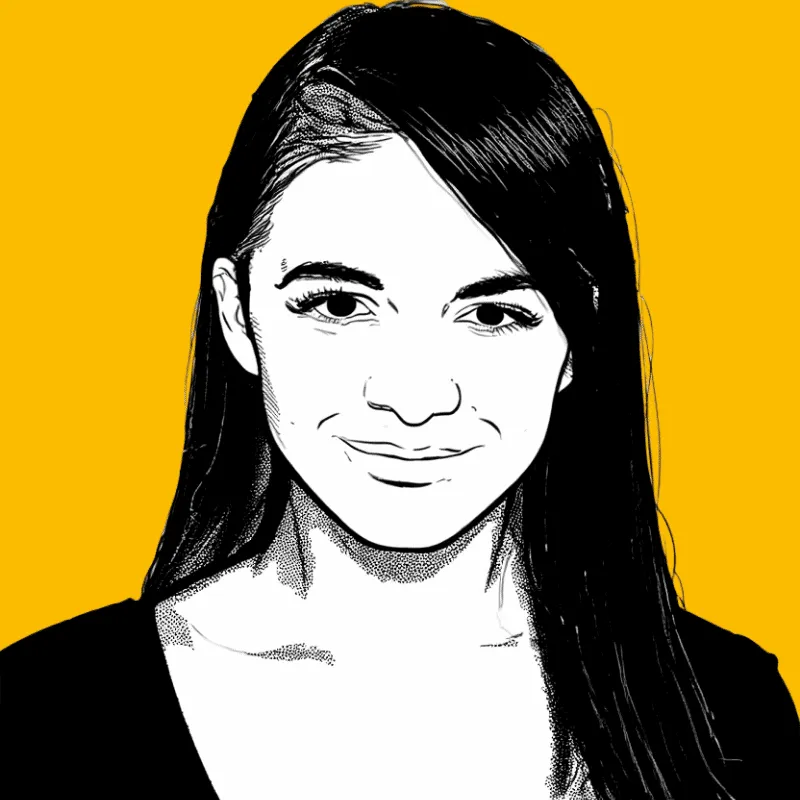
Patricia Turner
Chief Creative Officer
-
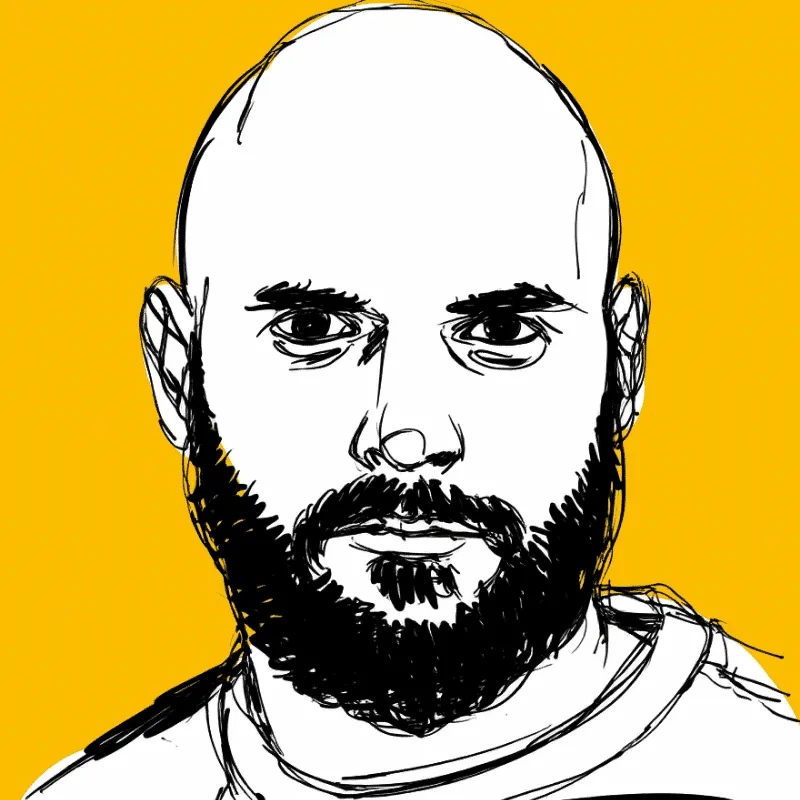
William Carter
Chief Digital Strategy Officer
-

Andrew Miller
Senior SEO Strategist
-
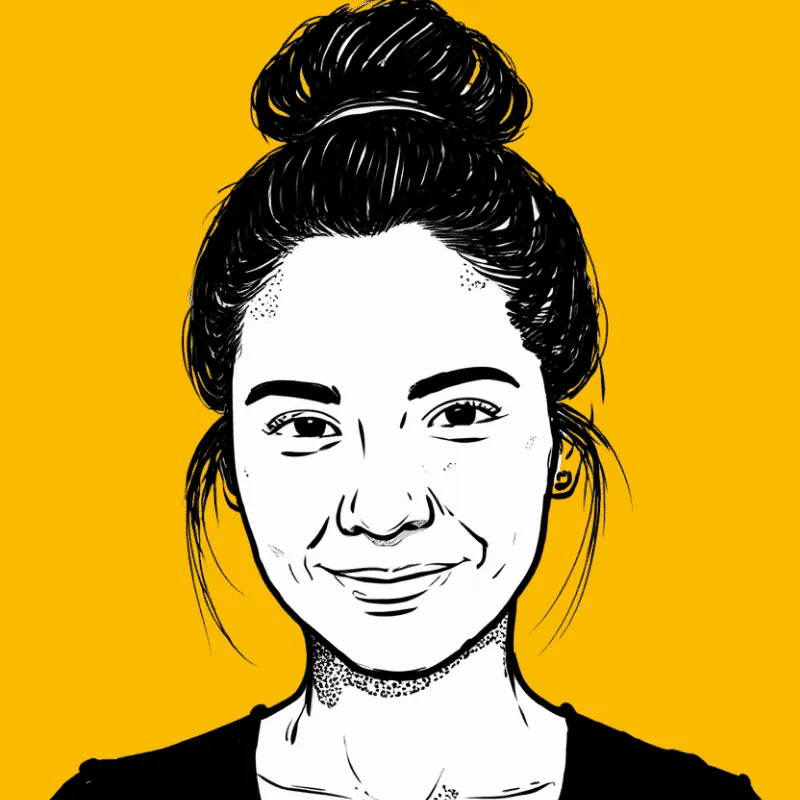
Amy Robinson
Content Marketing Manager
-

Betty Harrison
PPC Campaign Specialist
-

Anthony Carter
Lead Digital Account Executive
-

Amanda Cooper
Social Media Director
-

Carol Parker
Senior Client Success Manager
-

Barbara Bennett
Email Marketing Lead
-

Charles Turner
Technical SEO Analyst
-
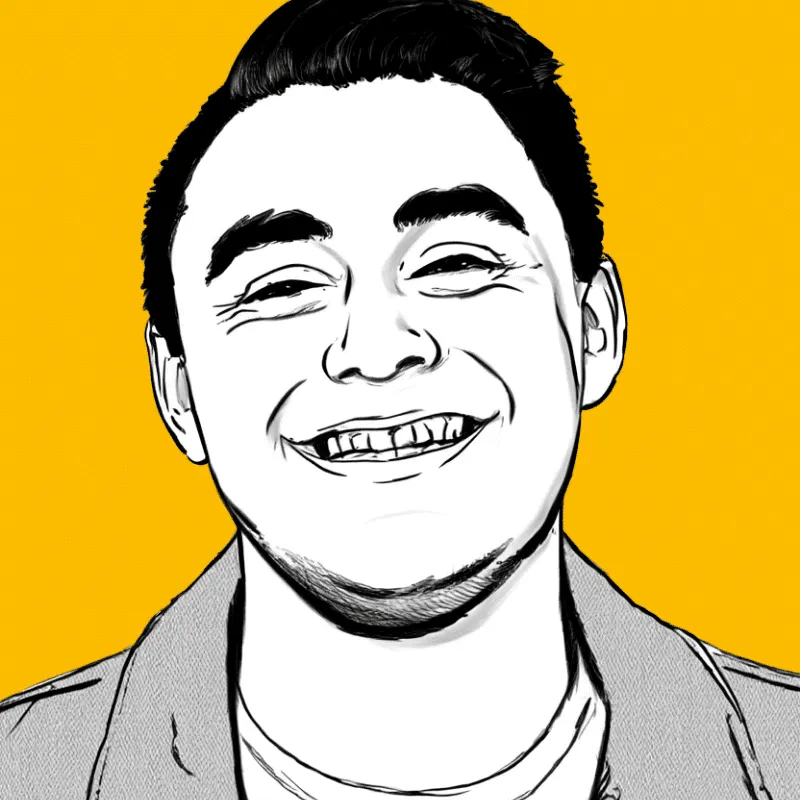
Brian Sullivan
Creative Director
-

Christine Walker
Director of Project Management
-

Christopher Brooks
Digital Marketing Strategist
-

Daniel Wright
Senior Analytics Specialist
-

David Henderson
Lead Content Strategist
-

Donna Mitchell
Client Communications Manager
-

Elizabeth Foster
Director of Paid Advertising
-

Emily Baredi
Brand Experience Specialist
-

Emma Scott
Social Media Content Creator
-

George Crawford
Technical Solutions Architect
-

Jacob Evans
Digital Content Coordinator
-

James Anderson
Marketing Automation Specialist
-

Jason Palmer
Junior Copywriter
-

Jeffrey Reynolds
Paid Media Analyst
-

Jennifer Lewis
Community Engagement Specialist
-

Jonathan Murphy
SEO Reporting Specialist
-

Joseph Morgan
Influencer Marketing Coordinator
-

Kenneth Stevens
Digital PR Manager
-

Kimberly Harper
Digital Marketing Intern
-

Kevin Morris
SEO Outreach Specialist
-

Lee Dawson
Junior Web Developer
-

Linda Peterson
Email Campaign Coordinator
-

Lisa Thompson
Social Media Ads Specialist
-

Margaret Bradley
Marketing Operations Lead
-

Mark Richards
Data & Insights Analyst
-

Mary Kennedy
Senior Copyeditor
-

Matthew Clark
Growth Marketing Manager
-
Michelle Sanders
Junior Marketing Designer
-

Michael Foster
Senior Conversion Rate Specialist
-

Nancy Wheeler
Digital Analytics Manager
-

Nicholas Pierce
Affiliate Marketing Specialist
-
Nicole Adams
Outreach Program Coordinator
-

Paul Franklin
Paid Social Campaign Manager
-

Richard Barnes
Reputation Management Specialist
-

Robert Murphy
Lead Solutions Architect
-

Ronald Davis
Marketing Technology Analyst
-

Ryan Bell
Paid Media Buyer
-

Sandra Gregory
Digital Account Coordinator
-
Scott Hopkins
CRM Implementation Specialist
-

Shirley Ellis
Customer Insights Manager
-

Stephanie Cross
Brand Content Designer
-

Steven Greene
Web Analytics Specialist
-

Susan Price
Affiliate Campaign Manager
-

Thomas Fisher
Lead Technical Architect
-

Timothy Nash
Mobile Marketing Strategist
Certified & Accredited


Turn Happy Patients Into Your Best Marketing
Tell us your platforms and who takes photos today. Egochi, a 5.0 rated agency across 190+ Clutch reviews, shows what your profiles say to a new pet owner and the fastest fixes to start compounding.
Egochi Stats
- 250+ Google Reviews
- 5.0 Clutch Rating
- 12+ Years Experience
- $200M+ Revenue Generated
- 4 US Offices
- 190+ Clutch Reviews
Blog Posts
- Aug 12, 2026 GEO vs. SEO: A Comparative Guide for Digital Marketers
- Aug 12, 2026 What is llms.txt? | How to Create llms.txt file for your website
- Aug 12, 2026 What is Semantic SEO? | How to Build Topical Authority That Ranks
- Aug 12, 2026 What is Schema Markup? | How to Add Structured Data to Your Website
- Aug 12, 2026 How to Optimize for Voice Search: A Realistic 2026 Guide