Veterinary Website Design
Egochi designs veterinary websites to one measurable standard: a new client should get from your homepage to a booked first visit in under a minute. That means real online scheduling embedded in the site rather than a "request an appointment" form that starts a round of phone tag, service pages that offer honest pricing context instead of "call for details," and new-client paperwork owners finish at home instead of on a clipboard in your lobby. Egochi builds pages fast enough for a parking-lot search on a phone and accessible to WCAG standards, which protects the clinic legally and helps rankings. Sites are built as standalone projects or inside marketing plans from $1,500 monthly. Start with a free teardown of your current booking path.
Get Your Free Website Teardown See What's Included
- 250+ Google Reviews
- 190+ Clutch Reviews at 5.0
- Google Premier Partner
As Featured In






What Makes a Veterinary Website Convert
Four design decisions that separate booking machines from online brochures.
The one-minute booking test
Count the taps from your homepage to a confirmed appointment. Every extra screen sheds a share of would-be clients, and "request a callback" forms shed the most, because they trade a finished booking for phone tag. Egochi treats scheduling that shows real openings and confirms on the spot as the single highest-value feature a clinic site can carry.
Honest pricing context beats silence
"Call for pricing" sends an anxious owner straight back to the search results. Publishing your exam fee and realistic ranges for common services filters the price-only shoppers and wins everyone else, because the caller who already knows the range books instead of interrogating your front desk. Clinics fear this page; in Egochi's builds it quietly outperforms the rest of the site.
Paperwork belongs at home, not the lobby
New-client forms, consent signatures, and records-transfer requests completed online before arrival shorten the first visit and cut no-shows, since an owner who has invested ten minutes shows up. Your front desk gets a completed chart instead of a clipboard, and the first impression becomes the exam, not the wait.
Accessibility and speed are legal and ranking matters, not polish
Businesses face lawsuits every year over websites that screen readers cannot parse, and WCAG 2.1 AA is the standard those cases reference. The same structure, clean headings, contrast, keyboard navigation, reads better to search engines too. Egochi adds mobile speed on top, because vet searches happen from cars and waiting rooms, and Core Web Vitals feed rankings.

What's Inside a Veterinary Website Build
Design, speed, scheduling, and the pages Egochi writes to answer before the phone rings.
-
Custom Clinic Design
Egochi designs the site around your clinic's people, patients, and place, not a template with your logo swapped onto someone else's photos.
-
Online Scheduling Built In
Egochi embeds your practice software's booking widget so appointments confirm on the site, including the ones made long after your phones close.
-
Service and Pricing Pages
Egochi writes a page per service line with what-to-expect detail and honest cost context, built to pre-answer the questions owners call to ask.
-
New-Client Forms Online
Egochi moves intake, consent, and records-transfer forms online to complete before arrival, so first visits start with the exam instead of the clipboard.
-
Speed and Core Web Vitals
Egochi builds pages to load fast on a phone on cell data, tested against the same Core Web Vitals thresholds Google feeds into rankings.
-
WCAG Accessibility
Egochi builds keyboard navigation, contrast, alt text, and screen-reader structure to WCAG 2.1 AA, reducing legal exposure while widening who can book.
A Clinic Site Built for AI Answers as Well as Browsers
Pet owners now ask AI Overviews what an exam costs, ask ChatGPT whether a symptom can wait, and ask Gemini or Perplexity which nearby clinic offers weekend hours or sees exotics. Those systems answer by reading websites. Egochi builds clinic sites whose services, species, hours, pricing context, and credentials are structured so a machine can lift them and name your clinic.
Google AI OverviewsChatGPTGeminiPerplexity
-
Structured data behind every page
Egochi marks up services, species, hours, veterinarian credentials, and FAQs in schema and keeps them identical to your Business Profile. Gemini and Perplexity verify a clinic through exactly that agreement before recommending it.
-
Direct answers where systems can find them
A pricing-context page and plain what-to-expect walkthroughs are what AI Overviews and ChatGPT quote. Egochi writes and structures those pages so the lifted answer carries your clinic's name instead of a national pet site's.
-
Accessibility doubles as machine readability
The clean headings, contrast, and semantic structure WCAG requires are the same structure crawlers and AI systems parse best. Egochi builds to that standard once and it pays three ways: less legal exposure, better rankings, and answers that quote you.
-
The booking path completes the answer
An assistant that names your clinic hands you a visitor with intent. Egochi keeps embedded scheduling one tap away from every page an AI answer might land on, so the citation becomes an appointment instead of a bounce.
How a Clinic Website Build Runs
-
Booking-path teardown
Egochi times your current site tap by tap from homepage to appointment, tests it on real phones over cell data, and checks what your practice-software contract allows, so the plan starts from facts.
-
Page map and pricing decisions
Together we settle the page list, one per service line, and decide which exam fees and ranges you are comfortable publishing. Most clinics discover the site they need is smaller than they feared.
-
Design and build
Egochi designs the site around your actual team and patients, structures it to WCAG 2.1 AA, and wires it to your scheduling widget so appointments confirm without a callback or a waiting list.
-
Forms and speed pass
Intake, consent, and records-transfer forms move online, and Egochi tests every page against Core Web Vitals on slow connections, because a parking-lot search does not wait for a heavy page.
-
Launch with rankings protected
Redirects carry over every URL that earns traffic today, tracking goes live on calls and bookings, and Egochi watches the first weeks closely to confirm nothing slipped in search.
Fair Questions Before a Clinic Site Rebuild
Our clients are older. Does mobile really matter that much?
The clients you have may call; the clients you want will not. New residents and first-time owners in every age bracket now meet a clinic on a phone, often from a car or a waiting room. A site that struggles on mobile quietly filters out the exact households a clinic needs to grow, while the desktop version looks fine to everyone inside the building.
Will publishing our exam fee just invite price shopping?
It filters price shopping rather than inviting it. The caller who only wants the cheapest exam was never staying, and answering the fee online costs your front desk nothing. Everyone else reads a published range as confidence. In Egochi's experience the pricing page becomes one of the most visited on a clinic site, and the calls that follow it book at a higher rate.
The current site is only a few years old. Rebuild already?
Age matters less than function. A three-year-old site that books visits online, loads fast on phones, and ranks for your service lines needs nothing from us. The real test has three parts: can a new client book without calling, does the site answer cost questions, and does each service line have a page that can rank. Fail two of the three and the site costs more than a rebuild would.
Can the website reduce front-desk workload, not just add clients?
That is often the larger win. Online scheduling absorbs the booking calls, published pricing context absorbs the how-much calls, and forms completed at home end the clipboard backlog at check-in. Clinics usually frame a website as a marketing cost, then discover the operational hours it returns every week to a team that was already stretched.
Common Mistakes to Avoid
-
Replacing online booking with a callback-request form, trading confirmed appointments for a game of phone tag nobody wins.
-
Writing "call for pricing" on every service page and wondering why anxious owners go back to the search results.
-
Signing a practice-software contract that bundles the website, then discovering the site cannot be changed, moved, or sped up.
-
Launching a redesign without mapping redirects, quietly losing years of accumulated service-line rankings over a single weekend.
-
Filling the homepage with stock golden retrievers when your own patients and team are the most convincing photos a clinic owns.
Website Builds Egochi Publishes Numbers For
Egochi builds sites for practices, publishers, and retailers, and these receipts come from across that roster rather than a veterinary-only list. Every number restates the client's published case study, and the clinic and practice builds lead the row.
-
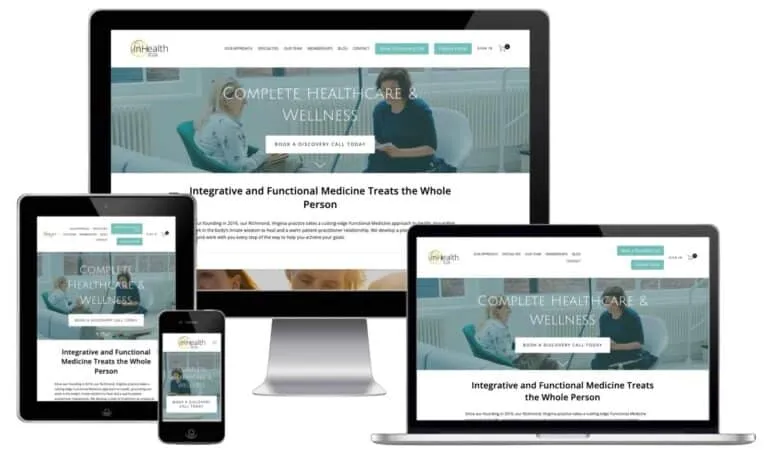
InHealth RVA
Healthcare Clinic | Richmond, VA
A clinic site judged the way a veterinary site should be, in appointment requests. Egochi rebuilt it with accessibility to standard, and booking volume became the report.
- 120 Monthly Appointment Requests
- 98% ADA Compliance Score
- +82% Organic Traffic Growth
-
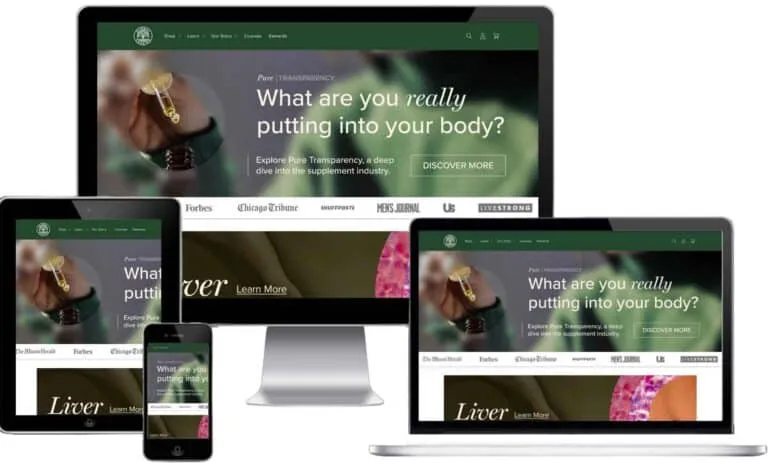
Global Healing
Health Brand | Ecommerce Build
A health brand whose site had to convert on mobile and stand up to ADA scrutiny. Egochi rebuilt it to full compliance, and mobile revenue rose while abandoned carts fell.
- 100% ADA Compliance Score
- +35% Mobile Revenue Rise
- 20% Cart Abandonment Drop
-
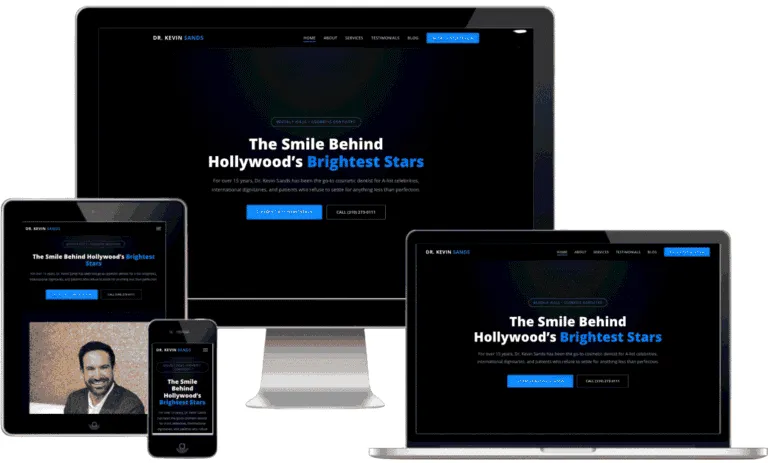
Cosmetic Dentistry Beverly Hills
Cosmetic Dentistry | Beverly Hills, CA
An elective practice in a market where every competitor advertises. Egochi rebuilt the service pages patients research before a consult, and visitors stopped bouncing and started reading.
- 22% Bounce Rate Reduction
- 41% More Time on Service Pages
- 64% Local Organic Sessions
-
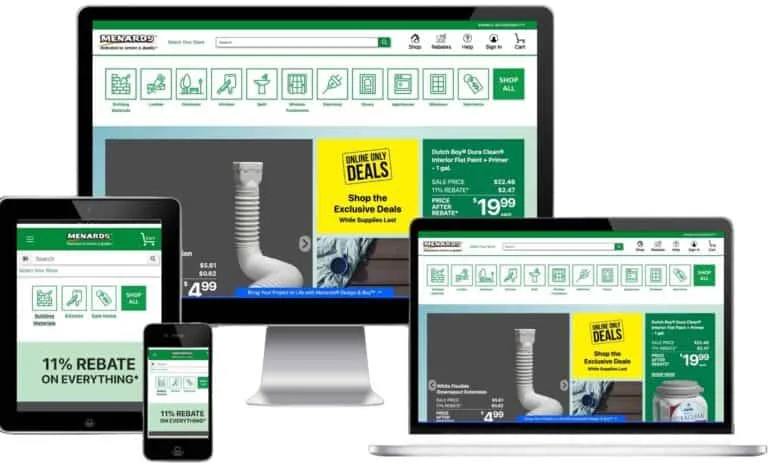
Menards
Home Improvement Retail | Web Build
A national retailer whose rebuild had to move conversions at scale. Egochi shipped the build, proof the process holds far past a five-page clinic site.
- +245% Traffic
- +180% Conversions
- 2.3s Page Speed
-
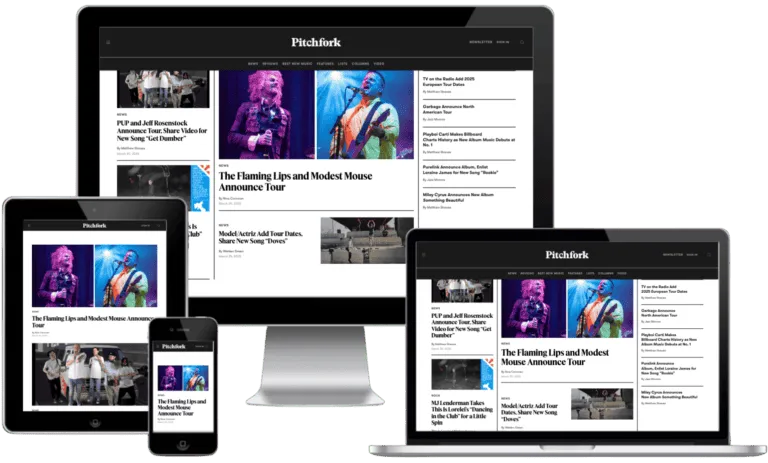
Pitchfork Media
Media Publisher | Site Speed
A publisher living on page speed. Egochi cut load times and reading depth climbed, the same speed discipline a parking-lot search on a phone demands.
- -60% Load Time
- +320% Engagement
- 2.6M Monthly Visitors
-
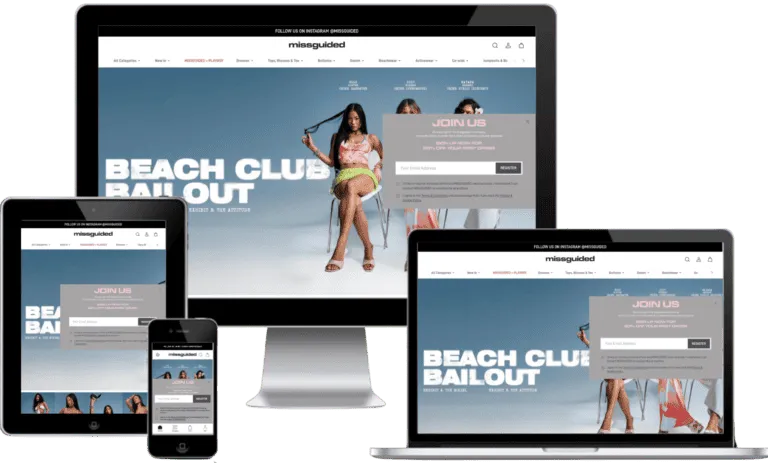
MissGuided
Fashion Ecommerce | Web Design
A retailer whose redesign was judged in conversion rate. Egochi rebuilt the funnel until sessions and conversions rose together, the discipline behind every booking-first clinic build.
- 4.1% Conversion Rate
- 32,000 → 56,000 Organic Sessions
- +55% Revenue
See How Egochi Works
A short look at how our team plans, builds, and reports on client work.
Is This Right for You?
This is for you if
- Your site makes people call during business hours to book, and the phone team is already stretched.
- The site looks fine on a desktop and falls apart on the phone, where nearly all of your new clients meet it.
- You are adding a service line or a second location and the current site cannot grow with you.
This may not be the right fit if
- You want the cheapest template live by Friday; a booking-first build takes real design and testing time.
- Your practice-software contract bundles and locks your website; check those terms first and Egochi will work with whatever it allows.
See the work: Healthcare case studies · Web design case studies
What Clients Tell Us
Pet owners searching for vets find our clinic now. Egochi helped us build an online presence that reflects the quality care we provide. New patient appointments doubled in six months.
The Complete Veterinary Program
This page is one part of a five-part program. Each piece works alone and works better together.
-
Veterinary Marketing Agency
The full program aimed at the switch moments that decide a clinic.
-
Veterinary SEO
Service-line rankings and Map Pack visibility for "vet near me".
-
Veterinary PPC Advertising
Paid capture for new-to-town, urgent-care, and second-opinion searches.
-
Veterinary Social Media Marketing
Patient stories and community presence that compound referrals.
Common Questions About Veterinary Website Design
-
How much does a veterinary website cost?
Egochi builds veterinary websites from $3,500 as a one-time project, with the figure moving on page count, scheduling embeds, and custom design work. Clinics that want the build plus ongoing search and content fold it into marketing plans from $1,500 monthly. Either way, the price is set before work starts.
-
Should a vet website have online booking?
Yes, and embedded beats linked. A request form that promises a callback restarts phone tag, while scheduling that shows real openings and confirms instantly captures the owners searching for a vet at night and on weekends. If your practice software offers a booking widget, your website should carry it on every page.
-
Does website structure affect AI recommendations of a clinic?
Yes. When owners ask AI Overviews, ChatGPT, Gemini, or Perplexity which nearby clinic sees exotics or opens Saturdays, the systems read structured site data: service pages, species, hours, credentials, and schema markup that agrees with your Business Profile. Egochi builds clinic sites with that data machine-readable, so the answer can name your practice.
-
Does a veterinary website need to be ADA accessible?
Treat it as required. Businesses are sued every year over sites that screen readers cannot use, and WCAG 2.1 AA is the standard those cases point to. Accessible structure also tends to help rankings, since clean headings and readable text serve search crawlers the same way they serve assistive technology.
-
What should a clinic look for in a veterinary website designer?
Run the one-minute test on their past builds: count taps from homepage to a confirmed appointment. Ask whether scheduling embeds from your practice software rather than a callback form, whether pricing-context pages are in the plan, and whether WCAG accessibility and redirect mapping are standard at launch. Egochi asks which practice software you run before quoting; a designer who never does has not built for clinics.
Awards and Partnerships Egochi Holds in 2026
-

Egochi Named 2026 Top Digital Marketing Agency by Clutch
Clutch, a B2B market research and reviews platform, names Egochi a top digital marketing agency for 2026. The distinction rests on overall market presence and, most importantly, verified client feedback. Egochi holds a 5.0 rating across 190+ reviews on Clutch.
-

Egochi Is a Certified Google Premier Partner
Egochi is a certified Google Premier Partner, a status Google grants to the top 3% of participating advertising agencies each year. The tier is earned on campaign performance, sustained client growth, and advanced Google Ads certification, and Google reviews it annually rather than granting it for life.
The Team Behind the Work
-

Jobin John
Chief Executive Officer
-

Justin Brown
Head of Search Engine Optimization
-

Bryan Thomson
Head of Web Design & Development
-

Ina Komins
Head of Social Media Marketing
-

Kierra Pita
Head of Advertising & Content Marketing
-

Patricia Turner
Chief Creative Officer
-

William Carter
Chief Digital Strategy Officer
-

Andrew Miller
Senior SEO Strategist
-

Amy Robinson
Content Marketing Manager
-

Betty Harrison
PPC Campaign Specialist
-

Anthony Carter
Lead Digital Account Executive
-

Amanda Cooper
Social Media Director
-

Carol Parker
Senior Client Success Manager
-

Barbara Bennett
Email Marketing Lead
-

Charles Turner
Technical SEO Analyst
-

Brian Sullivan
Creative Director
-

Christine Walker
Director of Project Management
-

Christopher Brooks
Digital Marketing Strategist
-

Daniel Wright
Senior Analytics Specialist
-

David Henderson
Lead Content Strategist
-

Donna Mitchell
Client Communications Manager
-

Elizabeth Foster
Director of Paid Advertising
-

Emily Baredi
Brand Experience Specialist
-

Emma Scott
Social Media Content Creator
-

George Crawford
Technical Solutions Architect
-

Jacob Evans
Digital Content Coordinator
-

James Anderson
Marketing Automation Specialist
-

Jason Palmer
Junior Copywriter
-

Jeffrey Reynolds
Paid Media Analyst
-

Jennifer Lewis
Community Engagement Specialist
-

Jonathan Murphy
SEO Reporting Specialist
-

Joseph Morgan
Influencer Marketing Coordinator
-

Kenneth Stevens
Digital PR Manager
-

Kimberly Harper
Digital Marketing Intern
-

Kevin Morris
SEO Outreach Specialist
-

Lee Dawson
Junior Web Developer
-

Linda Peterson
Email Campaign Coordinator
-

Lisa Thompson
Social Media Ads Specialist
-

Margaret Bradley
Marketing Operations Lead
-

Mark Richards
Data & Insights Analyst
-

Mary Kennedy
Senior Copyeditor
-

Matthew Clark
Growth Marketing Manager
-

Michelle Sanders
Junior Marketing Designer
-

Michael Foster
Senior Conversion Rate Specialist
-

Nancy Wheeler
Digital Analytics Manager
-

Nicholas Pierce
Affiliate Marketing Specialist
-

Nicole Adams
Outreach Program Coordinator
-

Paul Franklin
Paid Social Campaign Manager
-

Richard Barnes
Reputation Management Specialist
-

Robert Murphy
Lead Solutions Architect
-

Ronald Davis
Marketing Technology Analyst
-

Ryan Bell
Paid Media Buyer
-

Sandra Gregory
Digital Account Coordinator
-

Scott Hopkins
CRM Implementation Specialist
-

Shirley Ellis
Customer Insights Manager
-

Stephanie Cross
Brand Content Designer
-

Steven Greene
Web Analytics Specialist
-

Susan Price
Affiliate Campaign Manager
-

Thomas Fisher
Lead Technical Architect
-

Timothy Nash
Mobile Marketing Strategist
Certified & Accredited


Book the First Visit in Under a Minute
Send us your current site. Egochi, a 5.0 rated design team across 190+ Clutch reviews, times your booking path tap by tap and shows exactly where new clients give up before the appointment.
Egochi Stats
- 250+ Google Reviews
- 5.0 Clutch Rating
- 12+ Years Experience
- $200M+ Revenue Generated
- 4 US Offices
- 190+ Clutch Reviews
Blog Posts
- Aug 12, 2026 GEO vs. SEO: A Comparative Guide for Digital Marketers
- Aug 12, 2026 What is llms.txt? | How to Create llms.txt file for your website
- Aug 12, 2026 What is Semantic SEO? | How to Build Topical Authority That Ranks
- Aug 12, 2026 What is Schema Markup? | How to Add Structured Data to Your Website
- Aug 12, 2026 How to Optimize for Voice Search: A Realistic 2026 Guide