Financial Services Web Design
A financial services website has one job before any other: convince a careful person that your firm can be trusted with their money. Egochi designs sites for advisory practices, CPA firms, banks, lenders, and fintech companies around that test. Registrations, credentials, and the real team go where the first scan lands. Disclosures get treated as a design problem, present and readable without strangling the page. A clear booking path serves the prospect who has already decided to talk, because most of your visitors are referred people confirming a recommendation, not strangers browsing. Egochi builds it static-fast with Core Web Vitals in the green. Site builds are quoted per project; ongoing plans that include design work start at $1,500 monthly. Get a free quote.
Get Your Free Website Quote See What's Included
- 250+ Google Reviews
- 190+ Clutch Reviews at 5.0
- Google Premier Partner
As Featured In






What a Financial Website Has to Get Right
Four decisions Egochi designs around, the ones that separate a site that books consultations from a brochure with a logo.
Visitors run a trust audit before they read
Before a word of copy registers, a finance prospect scans for signals: real people with credentials, regulatory registrations, a current design, and nothing that feels evasive. Advisory firms have Form CRS and ADV references to surface, lenders have license numbers, banks have membership lines. Egochi places them where the scan lands, the highest-return design decision on the site.
Disclosures are a design problem
Most financial sites handle required text in one of two bad ways: bury it where an examiner will notice, or paste it as gray walls that teach visitors to stop reading. The Egochi fix is architecture: page-level disclosures where context demands them, a footer system that keeps them findable, and typography that lets them be read without smothering the message.
Design for the referred prospect first
Most financial firms win clients through referrals, which means the most common visit is a vetting visit: someone recommended you, and they came to confirm. That visitor wants the team, the credentials, the process, and one obvious way to book. The same vetting continues on your social profiles, so the site and the feeds should tell one story.
Speed and security read as competence
A slow or clunky site makes a careful prospect wonder what else the firm neglects. Egochi ships static-fast builds with Core Web Vitals in the green, forms that say what happens to submitted information, and none of the plugin bloat that ages a site into a liability. In a category selling diligence, the site is the first evidence.
What's Inside a Financial Website Build
Six deliverables Egochi ships, all in service of the careful visitor deciding whether to trust you.
-
Credential-Forward Layout
Egochi places registrations, designations, and memberships where the first scan lands: header, key pages, and beside every consultation form.
-
Disclosure Architecture
Egochi maps required text page by page with your compliance officer, then designs it to be present, readable, and out of the way of the booking path.
-
Team and Credential Pages
Egochi builds pages for real people with real credentials, written to carry both the human trust decision and the authority weight search engines score.
-
Clear Booking Paths
Egochi threads a consultation step that is obvious on every page and low-friction to complete, built for the referred prospect who arrived ready to talk.
-
Security and Privacy Signals
Egochi sets up modern hosting and clean forms that explain how information is handled, with none of the outdated stack choices that make careful visitors hesitate.
-
Static-Fast Build
Egochi delivers a modern static build with green Core Web Vitals, no plugin bloat, and load times that hold up on a phone between meetings.
Your Website Is What AI Systems Actually Read
When someone asks an assistant whether your firm is legitimate or which advisor nearby is a fiduciary, the answer is assembled from what machines can parse on your site: team credentials, registrations, services, locations, and disclosures. Egochi builds financial websites so Google AI Overviews, ChatGPT, Gemini, and Perplexity can read that record cleanly and cite it.
Google AI OverviewsChatGPTGeminiPerplexity
-
Credential data machines can parse
The team and credential pages in an Egochi build carry structured markup for people, designations, and registrations, so an assistant can verify who stands behind the firm instead of guessing. That markup is part of the design, not an afterthought.
-
Schema wired into every template
Egochi marks up organization, service, location, and FAQ data across the site, the signals Gemini and Perplexity use to resolve which firms exist and what they offer before recommending anyone.
-
Disclosures that read as trust, not noise
Disclosure architecture helps machines too: required text placed in clean, crawlable HTML tells trust-graded systems the firm operates in the open. Egochi designs disclosures to be present and parseable rather than buried in images or scripts.
-
Fast, static pages get crawled and quoted
A static-fast build with green Core Web Vitals is easier for every crawler behind these systems to fetch and parse. The same build quality that converts a careful prospect keeps the site fully readable to the machines that answer for them, and Egochi ships nothing slower.
How a Financial Website Gets Built
-
Teardown through a prospect lens
Egochi reviews your current site the way a referred prospect does: where credentials show, how the team reads, how many steps booking takes, and what the design says about the firm before the copy says anything.
-
Sitemap and disclosure map
You approve the page structure before design starts, alongside a page-by-page disclosure map Egochi builds with your compliance officer, so required text is planned into the design instead of pasted on after.
-
Design around trust and booking
Egochi puts registrations, credentials, and the real team where the first scan lands in every layout, with one clear consultation path threaded through every page.
-
Static build and speed pass
Egochi ships the site as a modern static build, tested on phones and slow connections, with Core Web Vitals held in the green before launch rather than patched after it.
-
Launch with redirects and tracking
Egochi ships redirects that preserve the rankings and trust signals your old pages earned, wires consultation tracking live with the site, and gives your team a safe way to update content without breaking anything.
Fair Questions About Financial Websites
Our site is dated but clients still come. Does it actually matter?
The clients who still come are the ones a dated site did not deter, and the ones it deterred never told you. Referral leakage is silent: someone gets your name, visits a site that feels neglected, and quietly books elsewhere. If most of your growth is referred, the vetting visit is exactly where a dated site costs the most.
What does a financial site need that other industries do not?
Three things: regulatory surface, credential weight, and restraint. Required disclosures and registration references have to be planned into the architecture. Team credentials carry conversion and search weight most industries never deal with. And the design itself must read as careful, because flashy promises are a warning sign to exactly the prospects you want.
Will a redesign put our search rankings at risk?
Only if it is done carelessly. Rankings live at URLs, and a rebuild that deletes or moves pages without redirects throws away years of accumulated trust. Egochi maps every existing URL before design starts, preserve what earns its place, and redirect the rest, so the new site inherits the authority the old one built.
How long does a build take, and what do you need from us?
A focused firm site typically runs several weeks from kickoff, longer when photography or compliance review cycles need time. Egochi needs the registration details, team bios and credentials, your disclosure requirements, and a reviewer who can turn drafts around. Firms that assign one decision-maker cut the timeline more than anything else.
Common Mistakes to Avoid
-
Burying registrations and credentials three clicks deep, failing the first check every careful prospect runs.
-
Pasting disclosures as gray walls of text that train visitors to stop reading anything below the fold.
-
Filling the site with stock photos of handshakes and skylines instead of the real team a prospect is deciding to trust.
-
Rebuilding without redirects and losing the rankings and trust signals the old pages quietly earned over years.
-
Offering no online booking path, so an interested prospect has to call during office hours, and mostly does not.
Website Builds Egochi Has Shipped in Finance
Finance builds lead this row: a fintech platform, a revenue-cycle software company, a commercial bank, and a wealth management firm, with accessibility receipts from other categories behind them. Every number restates the client's published case study.
-
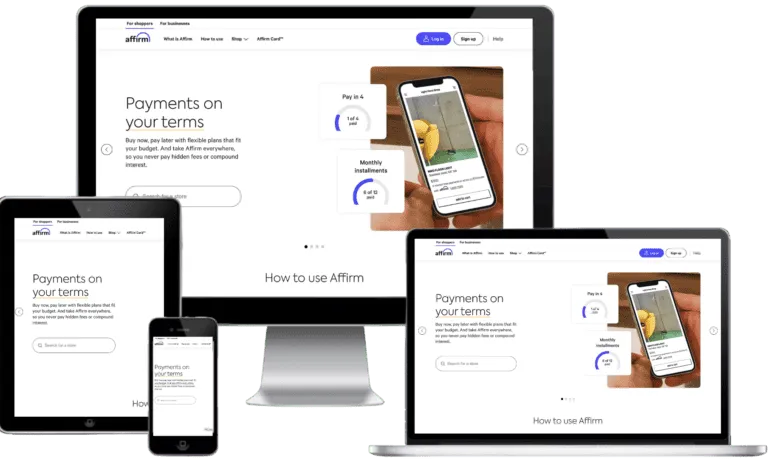
Affirm Holdings
Financial Technology | Custom Website
A fintech serving shoppers and merchants whose dated interface was failing accessibility standards. Egochi built the ADA-compliant custom platform and the search visibility on top of it, and engagement and conversions followed.
- +74% Organic Traffic Increase
- +80% User Engagement Improvement
- +68% Conversion Rate Lift
-
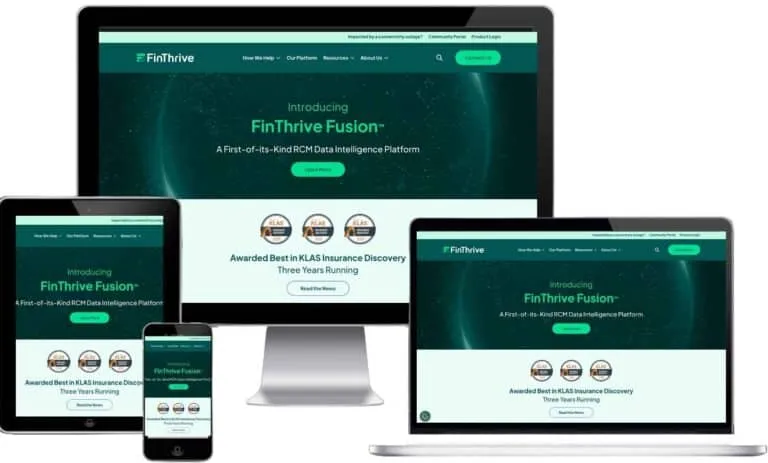
FinThrive
Revenue-Cycle Software | Magento Build
A B2B platform for hospitals and clinics whose deep menus and five-second loads were losing prospects before the demo. Egochi rebuilt the site with clear paths to demos and pricing, and the bounce and load numbers turned around.
- 50% Bounce Rate Drop
- 40% Page Load Time Cut
- 300 Monthly Demo Requests
-
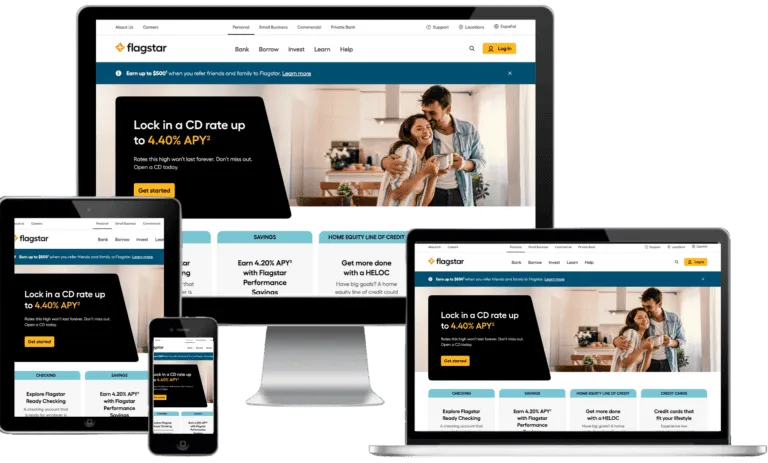
Flagstar
Commercial Bank | Web & ADA
A commercial bank that needed its digital presence rebuilt for trust and accessibility together. Egochi ran the design, SEO, email, and ADA work as one engagement, the combination this page describes.
- +85% ADA Compliance Improvement
- +72% Organic Traffic Increase
- +80% Email Engagement Climb
-

Darrow
Wealth Management | WordPress
A wealth management firm serving high-net-worth clients on a WordPress platform that failed the accessibility bar. Egochi upgraded the site and the campaigns behind it, and site accessibility rose with the traffic.
- +90% ADA Accessibility Lift
- +72% Organic Traffic Increase
- +68% PPC Conversion Lift
-
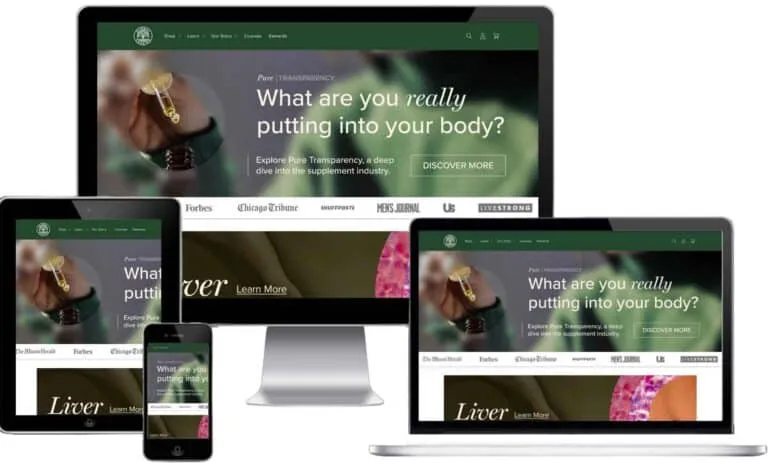
Global Healing
Health Ecommerce | ADA Rebuild
A health brand in another trust-graded category whose rebuild had to hold accessibility at a perfect score. Egochi shipped it, and mobile revenue rose while cart abandonment fell.
- 100% ADA Compliance Score
- +35% Mobile Revenue Rise
- 20% Cart Abandonment Drop
-

Menards
Home Improvement Retail | Web Design
A national retailer whose rebuild had to hold speed at enterprise scale. Egochi delivered the design project, proof the static-fast standard on this page survives heavy traffic.
- +245% Traffic
- +180% Conversions
- 2.3s Load Speed
See How Egochi Works
A short look at how our team plans, builds, and reports on client work.
Is This Right for You?
This is for you if
- Your growth runs on referrals and you suspect the vetting visit is leaking introductions you never hear about.
- Your current site hides credentials and disclosures were pasted on after launch instead of designed in.
- You want a fast, modern build your compliance officer can approve page by page.
This may not be the right fit if
- You want a template live by Friday; a site built to pass a careful prospect takes real material and a few weeks.
- You have no compliance reviewer and want disclosure decisions made for you; we design to requirements, we do not set them.
See the work: Finance case studies · Web design case studies
The Complete Financial Services Program
This page is one part of a five-part program. Each piece works alone and works better together.
-
Financial Services Digital Marketing Agency
The full program under YMYL scrutiny: credentialed content, compliant campaigns.
-
Financial Services SEO
Rankings built on real author credentials in the strictest content category.
-
Financial Services PPC
Compliant campaigns for advisors, CPAs, and lenders with vetted ad copy.
-
Financial Services Social Media
Compliance-reviewed authority content that earns trust before the meeting.
Common Questions About Financial Services Web Design
-
How much does a financial services website cost?
Site builds are quoted by scope after a short call, since a focused advisory site and a multi-line lender site are different projects. Many firms fold the build into an ongoing plan, which starts at $1,500 monthly at Egochi and covers design, SEO, and content work together, with pricing published before you sign.
-
What should a financial services website include?
Registrations and credentials where the first scan lands, real team pages, plain-language service pages, required disclosures designed into the architecture, recent proof your registration allows, and one obvious consultation path on every page. Roughly in that order: visitors verify you are legitimate first and browse second.
-
Do financial websites have special compliance requirements?
Yes, varying by registration. Advisory firms surface Form CRS and ADV references, lenders display license identifiers, banks carry membership statements, and marketing claims across all segments face fair-and-balanced standards. The design consequence: disclosures must be mapped with your compliance officer before layout starts, not retrofitted after launch.
-
How does web design affect AI search visibility for a financial firm?
Google AI Overviews, ChatGPT, Gemini, and Perplexity assemble answers from what they can parse on your site: credentials, registrations, services, locations, and disclosures. A build with structured schema, crawlable HTML, and fast static pages gives those systems a clean record to cite. Egochi wires that structure into every financial build, so the trust a prospect sees is the trust a machine reads.
-
What should a financial firm look for in a web design agency?
Ask when disclosures get mapped; the honest answer is with your compliance officer before layout starts, never pasted on after launch. Ask where registrations and credentials will sit, how old URLs get redirected, and whether they design for the referred prospect running a vetting visit rather than a stranger browsing. A portfolio of flashy sites is a warning sign in this category, not a credential; Egochi works to the careful standard on purpose.
Awards and Partnerships Egochi Holds in 2026
-

Egochi Named 2026 Top Digital Marketing Agency by Clutch
Clutch, a B2B market research and reviews platform, names Egochi a top digital marketing agency for 2026. The distinction rests on overall market presence and, most importantly, verified client feedback. Egochi holds a 5.0 rating across 190+ reviews on Clutch.
-

Egochi Is a Certified Google Premier Partner
Egochi is a certified Google Premier Partner, a status Google grants to the top 3% of participating advertising agencies each year. The tier is earned on campaign performance, sustained client growth, and advanced Google Ads certification, and Google reviews it annually rather than granting it for life.
The Team Behind the Work
-

Jobin John
Chief Executive Officer
-

Justin Brown
Head of Search Engine Optimization
-

Bryan Thomson
Head of Web Design & Development
-

Ina Komins
Head of Social Media Marketing
-

Kierra Pita
Head of Advertising & Content Marketing
-

Patricia Turner
Chief Creative Officer
-

William Carter
Chief Digital Strategy Officer
-

Andrew Miller
Senior SEO Strategist
-

Amy Robinson
Content Marketing Manager
-

Betty Harrison
PPC Campaign Specialist
-

Anthony Carter
Lead Digital Account Executive
-

Amanda Cooper
Social Media Director
-

Carol Parker
Senior Client Success Manager
-

Barbara Bennett
Email Marketing Lead
-

Charles Turner
Technical SEO Analyst
-

Brian Sullivan
Creative Director
-

Christine Walker
Director of Project Management
-

Christopher Brooks
Digital Marketing Strategist
-

Daniel Wright
Senior Analytics Specialist
-

David Henderson
Lead Content Strategist
-

Donna Mitchell
Client Communications Manager
-

Elizabeth Foster
Director of Paid Advertising
-

Emily Baredi
Brand Experience Specialist
-

Emma Scott
Social Media Content Creator
-

George Crawford
Technical Solutions Architect
-

Jacob Evans
Digital Content Coordinator
-

James Anderson
Marketing Automation Specialist
-

Jason Palmer
Junior Copywriter
-

Jeffrey Reynolds
Paid Media Analyst
-

Jennifer Lewis
Community Engagement Specialist
-

Jonathan Murphy
SEO Reporting Specialist
-

Joseph Morgan
Influencer Marketing Coordinator
-

Kenneth Stevens
Digital PR Manager
-

Kimberly Harper
Digital Marketing Intern
-

Kevin Morris
SEO Outreach Specialist
-

Lee Dawson
Junior Web Developer
-

Linda Peterson
Email Campaign Coordinator
-

Lisa Thompson
Social Media Ads Specialist
-

Margaret Bradley
Marketing Operations Lead
-

Mark Richards
Data & Insights Analyst
-

Mary Kennedy
Senior Copyeditor
-

Matthew Clark
Growth Marketing Manager
-

Michelle Sanders
Junior Marketing Designer
-

Michael Foster
Senior Conversion Rate Specialist
-

Nancy Wheeler
Digital Analytics Manager
-

Nicholas Pierce
Affiliate Marketing Specialist
-

Nicole Adams
Outreach Program Coordinator
-

Paul Franklin
Paid Social Campaign Manager
-

Richard Barnes
Reputation Management Specialist
-

Robert Murphy
Lead Solutions Architect
-

Ronald Davis
Marketing Technology Analyst
-

Ryan Bell
Paid Media Buyer
-

Sandra Gregory
Digital Account Coordinator
-

Scott Hopkins
CRM Implementation Specialist
-

Shirley Ellis
Customer Insights Manager
-

Stephanie Cross
Brand Content Designer
-

Steven Greene
Web Analytics Specialist
-

Susan Price
Affiliate Campaign Manager
-

Thomas Fisher
Lead Technical Architect
-

Timothy Nash
Mobile Marketing Strategist
Certified & Accredited


A Website That Survives the Vetting Visit
Send us your current site and your registration details. The Egochi quote comes back with what we would build, what it costs, and what it should change about the visits you never hear about.
Egochi Stats
- 250+ Google Reviews
- 5.0 Clutch Rating
- 12+ Years Experience
- $200M+ Revenue Generated
- 4 US Offices
- 190+ Clutch Reviews
Blog Posts
- Aug 12, 2026 GEO vs. SEO: A Comparative Guide for Digital Marketers
- Aug 12, 2026 What is llms.txt? | How to Create llms.txt file for your website
- Aug 12, 2026 What is Semantic SEO? | How to Build Topical Authority That Ranks
- Aug 12, 2026 What is Schema Markup? | How to Add Structured Data to Your Website
- Aug 12, 2026 How to Optimize for Voice Search: A Realistic 2026 Guide