Financial Services SEO
Egochi builds SEO programs for financial services firms: advisory practices, CPA firms, lenders, banks, and fintech companies. Finance is the strictest content category Google scores, and the rule inside it is simple: pages without named, credentialed authors do not rank, no matter how well they read. So the Egochi program starts where generic agencies finish, with author foundations: real people, real credentials, visible on every page. From there the strategy splits by who you are. Advisors and CPAs win on local searches like fiduciary advisor near me; fintech competes nationally on the problem keywords buyers type before they know your product exists. Plans start at $1,500 monthly, and every asset routes through your compliance review before it ships. Start with a free audit.
Get Your Free Financial SEO Audit See What's Included
- 250+ Google Reviews
- 190+ Clutch Reviews at 5.0
- Google Premier Partner
As Featured In






What Makes Financial Services SEO Different
Four rules of ranking in the YMYL category that Egochi builds around and generic SEO programs learn the hard way.
Unnamed authors are a ranking dead end
Google treats finance as a category where bad information costs people money, so it demands proof a real, qualified human stands behind every page. Named bylines, author pages with credentials, and consistent profiles across the web are not polish here; they are the ranking asset Egochi builds everything else on.
Advisors win local, fintech wins national
A fiduciary advisor or CPA firm competes for searches with a city attached or a near-me suffix, where the map pack and local trust signals decide. A fintech product competes nationally on problem keywords, the searches people run before they know the product category exists. One program cannot serve both by default; the Egochi program splits at the audit.
Niche pages out-rank generic ones
Retirement planning for dentists beats generic wealth management twice: the ranking fight is against dozens of pages instead of thousands, and the prospect who lands feels understood before the first call. Egochi builds for the narrow page. The narrowest credible page in a finance SERP usually wins it.
The site itself is part of the ranking
YMYL scoring reads the whole entity: team pages, registrations, disclosures, security, and speed all feed the trust calculation, and the same signals decide whether a visitor books. That is why this program pairs naturally with credibility-first financial web design; content cannot outrank the site it lives on.
What's Inside a Financial Services SEO Plan
Six pieces of one Egochi program: authors Google can verify, content compliance can approve, rankings that book consultations.
-
Author Foundations
Egochi builds author pages, credential markup, and consistent professional profiles for the real people behind your content, because bylines carry the YMYL ranking weight.
-
Credentialed Content Program
Egochi drafts content within your regulatory constraints, bylined by qualified people, and routes it through your compliance review before anything publishes.
-
Local SEO for Advisors and CPAs
Egochi manages Google Business Profile work, local pages, and review cadence for the city-level searches that actually book first meetings.
-
Problem-Keyword Strategy for Fintech
Egochi maps national keyword targets around the problems buyers search before they know your category, with pages that earn the click and the signup.
-
Technical and Trust Signals
Egochi handles site speed, clean architecture, schema, and the security and disclosure signals that feed both the YMYL trust score and the visitor decision.
-
Consultation-Level Reporting
Egochi ties rankings to consultations booked and accounts opened by page, so you fund what produces clients instead of what produces traffic.
Where AI Search Fits in a Financial SEO Program
The questions financial prospects now ask assistants are the same ones this program targets in Google: what a fiduciary actually is, how a rollover works, which CPA firm nearby handles a situation like theirs. AI Overviews, ChatGPT, Gemini, and Perplexity answer from credentialed, structured, consistent sources, exactly the assets a YMYL-grade SEO program builds, so Egochi runs both surfaces as one discipline.
Google AI OverviewsChatGPTGeminiPerplexity
-
Credentialed answers systems can lift
The same E-E-A-T bar that decides YMYL rankings decides AI citations: a clean answer with a named, qualified author behind it. Egochi structures definition and process content so the answer and the credential sit together where AI Overviews and ChatGPT can quote them.
-
Author entities assistants can verify
Egochi builds author pages, credential markup, and consistent professional profiles so Gemini and Perplexity can resolve who wrote your content and why they are qualified. In finance, an answer without a verifiable person behind it rarely gets cited anywhere.
-
Local signals feed advisor recommendations
When someone asks an assistant for a fiduciary advisor or CPA nearby, the answer leans on profile data, reviews, and agreement between your site and your listings. The local work in this plan feeds those recommendations directly, and Egochi maintains it with that second surface in mind.
-
One program, both result surfaces
Egochi does not sell AI visibility as an add-on. The bylined content, entity work, and trust signals this SEO plan already builds are what AI systems cite, so rankings and citations arrive from the same monthly work and appear in the same report.
Financial Services SEO Runs on Egochi's Proprietary VERTEX Search™ Ranking System
VERTEX Search™ is Egochi's proprietary SEO methodology, custom built in-house since 2014 and run on every financial services engagement. The full system holds 18 documented steps; the steps below are the five milestones financial clients see. Generic checklists ignore compliance review; this system was built to rank pages that also pass one.
-
YMYL and visibility audit
Egochi scores your site the way Google scores finance: authorship, credentials, trust signals, technical health, and where you rank today for the searches your segment wins on. The gap list comes first, before any spend.
-
Author foundations
Egochi builds author pages, bios, credential markup, and profile consistency for the real people at your firm, because every later page inherits its ranking ceiling from them.
-
Compliance-routed content
Egochi ships content on a calendar that includes your review cycle: drafted within the rules, bylined, submitted in your reviewer format, revised, recorded, then published.
-
Local or national build
Advisors and CPAs get Google Business Profile work, local pages, and review cadence; fintech gets the national problem-keyword map. Mixed firms get both, sequenced by revenue.
-
Report on booked meetings
Egochi connects monthly reporting to consultations and opened accounts by page and query, so the content calendar keeps tilting toward what signs clients.
VERTEX Search™ is not a rebranded checklist. Egochi built it and runs every financial services campaign the same inspectable way. Every step is documented inside the EGOCHI VERTEX™ Growth System, so you can hold any month of work against the method you hired.
Honest Answers on Financial SEO
We publish a blog post every month and nothing ranks. Is SEO dead in finance?
SEO is not dead in finance; unbylined generic content is. A monthly post with no named author, no credentials, and a topic a thousand sites already covered fails every test YMYL applies. The same effort pointed at niche queries, bylined by a credentialed person on a site with real trust signals, behaves like a different channel. That is the version Egochi runs.
Can AI-written content work for a financial firm?
Drafting tools are not the problem; unnamed, unreviewed publishing is. Google evaluates whether a qualified human stands behind financial content, and your regulator expects review regardless of who or what wrote the first draft. Used inside a bylined, compliance-routed workflow, drafting speed helps. Published raw, it is the fastest way to build pages that will never rank.
Our clients come from referrals. What would rankings add?
Referred prospects search your name before they call, and that vetting search is an SEO surface too: your site, your author pages, your reviews all load in that moment. Beyond protecting referrals, rankings add the pipeline referrals cannot: people with the exact problem you solve who have never heard your name.
How is financial SEO different from what a generalist agency sells?
The mechanics overlap; the constraints do not. A generalist plan has no compliance routing, no author strategy, and no answer for why finance pages stall on page three while identical tactics work elsewhere. The difference shows up around month four, when unbylined content plateaus and the approval trail an examiner asks for does not exist.
Common Mistakes to Avoid
-
Publishing finance content with no named author, then concluding SEO does not work in your category.
-
Chasing national head terms like financial advisor when your license, your book, and your buyers are all local.
-
Letting a writer publish rate or performance language your compliance officer never saw.
-
Treating author bios and the about page as an afterthought when they carry the E-E-A-T weight of the whole site.
-
Reporting in traffic and impressions, so nobody notices the ranking pages that never book a single meeting.
SEO Results From Finance Engagements
Financial clients lead this row: an asset manager, a community bank, a fintech, and a commercial lender, with regulated-category receipts from the wider roster behind them. Egochi restates only the numbers each client published.
-

Lazard
Asset & Wealth Management | SEO
A wealth management firm competing in some of the hardest finance SERPs there are. Egochi ran the technical, content, and link program, and the published case counts six figures of monthly organic visitors.
- 100K+ Monthly Organic Visitors
- 10,916 Quality Backlinks Built
-

TriCity National Bank
Community Bank | Wisconsin
A community bank that needed organic visibility to carry more of its growth. Egochi rebuilt the search program alongside the paid and email channels, and the organic side led the climb.
- +90% Organic Traffic Surge
- +77% PPC Conversion Rate
- +80% Email Engagement Lift
-

Affirm Holdings
Financial Technology | National
A fintech competing nationally for shoppers and merchants. Egochi built the SEO program on top of an accessible custom platform, and traffic, engagement, and conversions moved together.
- +74% Organic Traffic Increase
- +80% User Engagement Improvement
- +68% Conversion Rate Lift
-
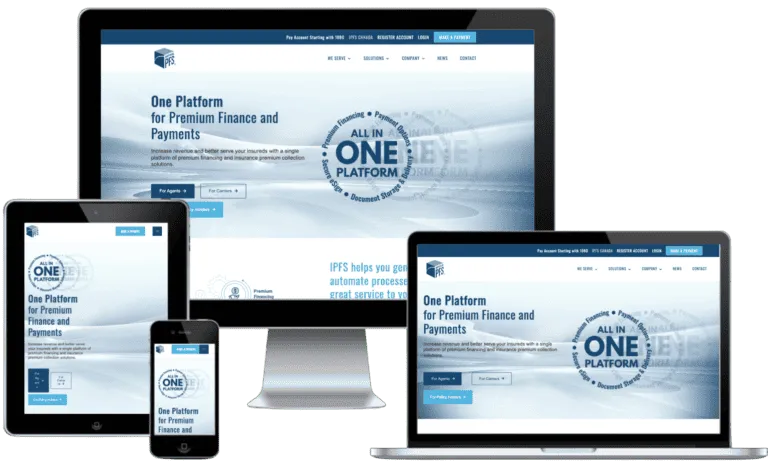
IPFS Corporation
Commercial Finance | B2B
A commercial finance company chasing qualified business borrowers, not raw traffic. Egochi ran a keyword-focused content strategy with paid campaigns beside it, and qualified inquiries rose with the rankings.
- +70% Organic Traffic Increase
- +60% PPC Click-Through Improvement
- +55% Qualified Inquiry Rise
-

Daniels Health
Healthcare Services | Regulated B2B
A clinical waste company competing on authority in another rule-bound category. Egochi ran the link and content program that moved its search visibility, the same authority mechanics finance rankings run on.
- +520 Referring Domains
- +73% Search Visibility
- DR 58 Domain Rating
-

Pro Numb
Health Products | Ecommerce SEO
A health product brand that now gets cited by AI Overviews for its category. The structured, answer-first pages Egochi builds for finance earned this brand its citations and its snippets.
- +340% Organic Traffic
- 47 Featured Snippets Won
- $2M+ Monthly Revenue
See How Egochi Works
A short look at how our team plans, builds, and reports on client work.
Is This Right for You?
This is for you if
- You are an advisory or CPA firm that wants the local searches in your city: the near-me queries that book first meetings.
- You are a fintech competing nationally and need the problem keywords your buyers type before they know you exist.
- You have credentialed people willing to be named, because bylines are the ranking asset in this category.
This may not be the right fit if
- Nobody at your firm can be named on content and no compliance path exists; YMYL rankings cannot be built anonymously.
- You need leads this month: finance rankings typically take three to six months to move, and we will say so in the audit.
See the work: Finance case studies · Local SEO case studies
The Complete Financial Services Program
This page is one part of a five-part program. Each piece works alone and works better together.
-
Financial Services Digital Marketing Agency
The full program under YMYL scrutiny: credentialed content, compliant campaigns.
-
Financial Services PPC
Compliant campaigns for advisors, CPAs, and lenders with vetted ad copy.
-
Financial Services Social Media
Compliance-reviewed authority content that earns trust before the meeting.
-
Financial Services Web Design
Credibility-first sites with disclosures handled and conversion paths clear.
Common Questions About Financial Services SEO
-
How much does financial services SEO cost?
Egochi's financial services SEO plans start at $1,500 monthly and scale with your niche's competitiveness and the number of markets you target. Pricing is published up front, and compliance review time is built into the content calendar rather than billed as extras. The free audit shows what your segment needs first.
-
How long does SEO take for a financial firm?
Local signals for advisors and CPAs often move in six to eight weeks: profile work and reviews show first. Content rankings in this category typically take three to six months, because YMYL trust builds slowly and then compounds. Anyone quoting page one in thirty days for finance keywords is guessing with your budget.
-
How does financial SEO work with AI search?
It is the same work with a second payoff. Prospects ask Google AI Overviews, ChatGPT, Gemini, and Perplexity what a fiduciary is or which CPA firm fits their situation, and those systems cite credentialed, structured, consistent sources held to the same YMYL trust bar Google scores finance pages against. Egochi builds exactly those assets inside the SEO plan, so citations arrive with the rankings.
-
Do financial advisors need local SEO?
If you meet clients in a city, yes. Searches like fiduciary advisor near me and CPA firm plus your city carry the strongest booking intent an advisory practice can capture, and they resolve in the map pack, where profile quality, reviews, and local pages decide. National content cannot win those searches for you, so Egochi builds the local layer into every advisor plan.
-
How do I choose an SEO agency for a financial services firm?
Ask how they handle authorship; a plan without named, credentialed bylines will stall in this category no matter how well the content reads. Ask where compliance review sits in their content calendar, whether they split local advisor work from national fintech strategy, and how rankings get tied to booked consultations. Ask for pricing before the call ends; Egochi publishes it.
Awards and Partnerships Egochi Holds in 2026
-

Egochi Named 2026 Top SEO Company by Clutch
Clutch, a B2B market research and reviews platform, names Egochi a top SEO company for 2026. The distinction rests on overall market presence and, most importantly, verified client feedback. Egochi holds a 5.0 rating across 190+ reviews on Clutch.
-

Egochi Is a Certified Google Premier Partner
Egochi is a certified Google Premier Partner, a status Google grants to the top 3% of participating advertising agencies each year. The tier is earned on campaign performance, sustained client growth, and advanced Google Ads certification, and Google reviews it annually rather than granting it for life.
The Team Behind the Work
-

Jobin John
Chief Executive Officer
-

Justin Brown
Head of Search Engine Optimization
-

Bryan Thomson
Head of Web Design & Development
-

Ina Komins
Head of Social Media Marketing
-

Kierra Pita
Head of Advertising & Content Marketing
-

Patricia Turner
Chief Creative Officer
-

William Carter
Chief Digital Strategy Officer
-

Andrew Miller
Senior SEO Strategist
-

Amy Robinson
Content Marketing Manager
-

Betty Harrison
PPC Campaign Specialist
-

Anthony Carter
Lead Digital Account Executive
-

Amanda Cooper
Social Media Director
-

Carol Parker
Senior Client Success Manager
-

Barbara Bennett
Email Marketing Lead
-

Charles Turner
Technical SEO Analyst
-

Brian Sullivan
Creative Director
-

Christine Walker
Director of Project Management
-

Christopher Brooks
Digital Marketing Strategist
-

Daniel Wright
Senior Analytics Specialist
-

David Henderson
Lead Content Strategist
-

Donna Mitchell
Client Communications Manager
-

Elizabeth Foster
Director of Paid Advertising
-

Emily Baredi
Brand Experience Specialist
-

Emma Scott
Social Media Content Creator
-

George Crawford
Technical Solutions Architect
-

Jacob Evans
Digital Content Coordinator
-

James Anderson
Marketing Automation Specialist
-

Jason Palmer
Junior Copywriter
-

Jeffrey Reynolds
Paid Media Analyst
-

Jennifer Lewis
Community Engagement Specialist
-

Jonathan Murphy
SEO Reporting Specialist
-

Joseph Morgan
Influencer Marketing Coordinator
-

Kenneth Stevens
Digital PR Manager
-

Kimberly Harper
Digital Marketing Intern
-

Kevin Morris
SEO Outreach Specialist
-

Lee Dawson
Junior Web Developer
-

Linda Peterson
Email Campaign Coordinator
-

Lisa Thompson
Social Media Ads Specialist
-

Margaret Bradley
Marketing Operations Lead
-

Mark Richards
Data & Insights Analyst
-

Mary Kennedy
Senior Copyeditor
-

Matthew Clark
Growth Marketing Manager
-

Michelle Sanders
Junior Marketing Designer
-

Michael Foster
Senior Conversion Rate Specialist
-

Nancy Wheeler
Digital Analytics Manager
-

Nicholas Pierce
Affiliate Marketing Specialist
-

Nicole Adams
Outreach Program Coordinator
-

Paul Franklin
Paid Social Campaign Manager
-

Richard Barnes
Reputation Management Specialist
-

Robert Murphy
Lead Solutions Architect
-

Ronald Davis
Marketing Technology Analyst
-

Ryan Bell
Paid Media Buyer
-

Sandra Gregory
Digital Account Coordinator
-

Scott Hopkins
CRM Implementation Specialist
-

Shirley Ellis
Customer Insights Manager
-

Stephanie Cross
Brand Content Designer
-

Steven Greene
Web Analytics Specialist
-

Susan Price
Affiliate Campaign Manager
-

Thomas Fisher
Lead Technical Architect
-

Timothy Nash
Mobile Marketing Strategist
Certified & Accredited


Rankings Built on Real Credentials
Tell us your segment and your city or your keywords. The Egochi audit shows how Google scores your site today, where the gaps are, and what closing them takes.
Egochi Stats
- 250+ Google Reviews
- 5.0 Clutch Rating
- 12+ Years Experience
- $200M+ Revenue Generated
- 4 US Offices
- 190+ Clutch Reviews
Blog Posts
- Aug 12, 2026 GEO vs. SEO: A Comparative Guide for Digital Marketers
- Aug 12, 2026 What is llms.txt? | How to Create llms.txt file for your website
- Aug 12, 2026 What is Semantic SEO? | How to Build Topical Authority That Ranks
- Aug 12, 2026 What is Schema Markup? | How to Add Structured Data to Your Website
- Aug 12, 2026 How to Optimize for Voice Search: A Realistic 2026 Guide