Healthcare PPC Agency
Egochi runs paid patient-acquisition campaigns for healthcare providers, and we start with the part most agencies gloss over: what health campaigns are not allowed to do. Google and Meta restrict personalized targeting for health, HIPAA keeps patient information out of remarketing pixels and audience uploads, and some categories need certification before an ad ever serves. Inside those limits sits plenty of winnable ground: condition and treatment keywords with local intent, insurance-inclusive searches that pre-qualify the click, and landing pages built to book rather than bounce. Paid buys the demand healthcare SEO has not won yet and hands budget back as rankings arrive. Egochi's management starts at $1,500 monthly, ad spend separate and reported beside the fee. Start with a free audit of where your current spend leaks.
Get Your Free Healthcare PPC Audit See What's Included
- 250+ Google Reviews
- 190+ Clutch Reviews at 5.0
- Google Premier Partner
As Featured In





What Makes Healthcare PPC Different
Four constraints of paid health advertising that decide whether budget produces patients.
The platforms restrict health advertising, and pretending otherwise wastes budget
Google limits personalized ads for health conditions, Meta constrains health targeting, and categories like addiction treatment require certification before serving. Agencies that promise the generic playbook meet disapprovals and quiet under-delivery. Egochi names what cannot run in writing, then builds the campaign around what can.
HIPAA decides your measurement stack
Patient information cannot flow into ad pixels, conversion uploads, or remarketing audiences, and tracking scripts on portal or appointment pages create exposure regulators have already acted on. Egochi builds privacy-safe conversion tracking first, because a campaign you cannot measure legally is a campaign you cannot manage at all.
Long-tail condition keywords beat expensive head terms
Broad terms like "urgent care" in a metro market carry some of the highest click prices in local services, and hospital systems bid them with budgets a practice cannot match. Condition-plus-neighborhood and condition-plus-insurance searches cost a fraction and arrive pre-qualified, because the searcher already told you what they need covered. Egochi builds accounts on exactly those terms.
The landing page loses more patients than the bid
A perfect click that lands on a homepage whose only next step is a portal login is a wasted click. Every campaign Egochi runs lands on a condition page with a simple appointment-request form and a tap-to-call path, so the visitor who was ready to book actually can.
What's Inside a Healthcare PPC Plan
Campaigns, compliance, and conversion paths Egochi manages as one system.
-
Condition & Treatment Campaigns
Egochi structures search campaigns by service line, aimed at the condition, treatment, and insurance keywords that book rather than browse.
-
Compliance-First Setup
Egochi audits pixels, builds PHI-safe conversion tracking, and reviews platform policy before launch, with restricted tactics named as off-limits in writing.
-
Local Intent Coverage
Egochi matches geography and schedule settings to where your patients actually come from, so metro click prices never buy out-of-area traffic.
-
Booking-Path Landing Pages
Egochi points every ad at the page that answers it: the condition, the provider, the request form. No homepage dumping, no portal-login dead ends.
-
Budget & Negative Discipline
Egochi maintains exclusion lists that filter symptom researchers, students, and job seekers before they spend a click of your budget.
-
Appointment-Level Reporting
Egochi reports cost per appointment request by campaign through privacy-safe call and form tracking, with fee and spend shown side by side.
What AI Search Means for Paid Patient Acquisition
Patients increasingly start with an assistant, asking ChatGPT or Gemini what a symptom might mean, which treatment options exist, or which nearby clinic takes their insurance, and Google's AI Overviews now sit above the ads on many health searches. Egochi builds the paid program with that layer in mind: structured pages the systems can cite, campaigns covering what they do not, and no medical-outcome promises anywhere in the funnel.
Google AI OverviewsChatGPTGeminiPerplexity
-
Cited visibility lowers what you must buy
Every patient who finds the practice through an AI Overview or a Perplexity answer is a click you did not pay for. Egochi structures provider, specialty, location, and FAQ data so assistants can cite the practice, then points paid budget at the service lines those citations have not covered yet.
-
Landing pages readable by machines and patients
The condition landing pages Egochi builds for campaigns carry the direct answers and credential signals AI systems lift, so a page bought for conversions keeps earning as an organic and AI asset after the campaign rotates.
-
Honesty rules apply twice over
Health ads cannot overpromise outcomes, and neither can content built for AI citation. Egochi writes both to the same standard: what a treatment involves, who provides it, what it may cost, never a promised result.
-
One report across paid, organic, and AI
Egochi reports cost per appointment request beside organic rankings and AI visibility, so you can watch paid spend hand ground back to owned channels instead of guessing when to cut budget.
How We Rebuild a Healthcare Ad Account
-
Spend and compliance audit
Egochi reads your search-term reports, geography data, and pixel placement before touching anything, marking the budget going to researchers and out-of-area clicks, and the scripts sitting where they should not. Waste and risk get itemized together.
-
Measurement rebuild
Privacy-safe conversion tracking goes in first: appointment requests and calls counted without patient information entering any ad platform, so every later decision rests on numbers you can defend.
-
Campaign structure by service line
Egochi gives each service line its own campaign, budget, and keyword set, because an implant consult and a same-week sick visit have different economics and cannot be managed to a blended average.
-
Landing page matching
Ads get pointed at condition pages with a request form and tap-to-call path, and where those pages do not exist yet, Egochi builds them before scaling spend into them.
-
Budget shifts by booked appointments
Monthly reporting shows cost per appointment request by campaign, and spend moves toward the service lines that fill the schedule. The reasoning ships with the numbers.
Straight Answers on Healthcare PPC
Is it even legal to advertise medical services?
Yes, within rules. Advertising a practice, its providers, and its services is normal and allowed. What the law and the platforms restrict is the use of patient data in targeting and measurement, claims that overpromise outcomes, and certain categories that need certification first. A campaign Egochi builds around those lines runs cleanly for years.
We tried Google Ads and it was too expensive. Why retry?
Most expensive healthcare accounts share an autopsy: broad head terms competing against hospital budgets, no negative keywords, and clicks landing on a homepage. The cost was structural. Rebuilt by Egochi on long-tail condition and insurance keywords with matched landing pages, cost per appointment request usually drops sharply, and if your market genuinely cannot support paid, the audit says so.
Why can we not remarket to site visitors like other businesses?
Because a remarketing list built from visitors to health pages can imply medical conditions, and both HIPAA and platform policy treat that as protected territory. The compliant alternatives still work: search campaigns capture returning intent when the patient searches again, and content plus reviews keep you the remembered option without following anyone around the internet.
Should we just concede paid search to the hospital system?
No. Systems bid broad terms because they must fill many service lines at once; a practice bids narrow and wins. The condition-plus-neighborhood and insurance-specific searches they ignore cost less and book better, and Egochi moves a practice budget between service lines week to week in a way no system marketing department matches.
Common Mistakes to Avoid
-
Running standard remarketing pixels on appointment or portal pages and calling it retargeting instead of what it is: exposure.
-
Bidding metro head terms against hospital budgets while the long-tail condition searches that book go unclaimed.
-
Sending ad clicks to the homepage, where the next step is a patient portal login the new patient does not have.
-
Skipping negative keywords and paying for symptom researchers, students, and job seekers who will never book a visit.
-
Uploading patient lists as ad audiences, a shortcut that can turn a routine campaign into a reportable violation.
Healthcare PPC and Lead Generation Case Studies
Healthcare clients lead this row, with roster receipts from other lead-driven and regulated engagements behind them. Egochi restates only the numbers each client published.
-
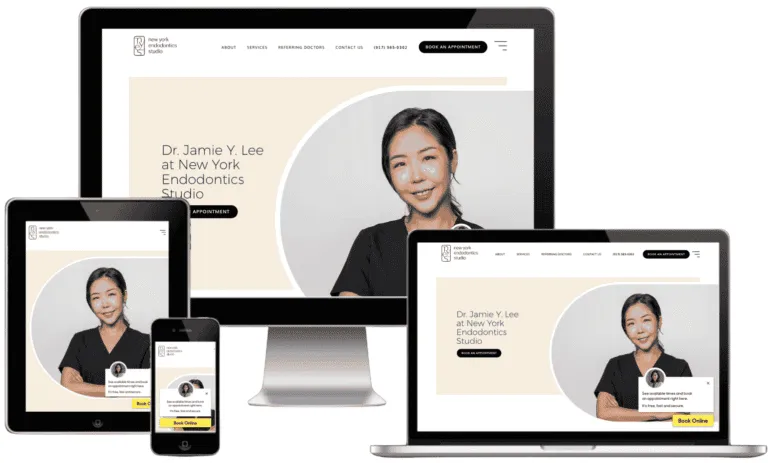
NY Endo Studio
Endodontics Studio | New York City
A specialty practice paying Manhattan click prices for emergency and referral demand. Egochi tightened the intent targeting and landing paths, and cost per lead fell while sessions climbed.
- 32% Lower Cost per Lead
- 110% Organic Sessions Lift
- 132% GBP Discovery Views
-
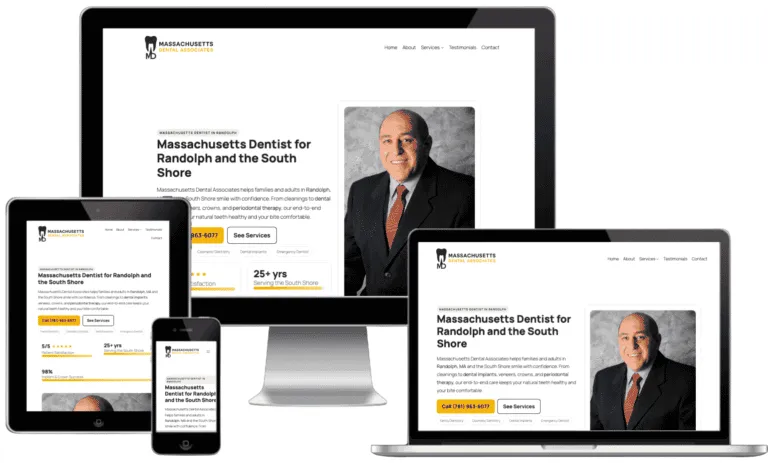
Massachusetts Dental
Dental Practice | Randolph, MA
A South Shore practice whose schedule leaned on insurance lists. Egochi built the local visibility and call paths that turned nearby demand into booked appointments at a lower cost per lead.
- 28% Lower Cost per Lead
- 95% More New Patient Calls
- 68% Booked Appointments Rise
-
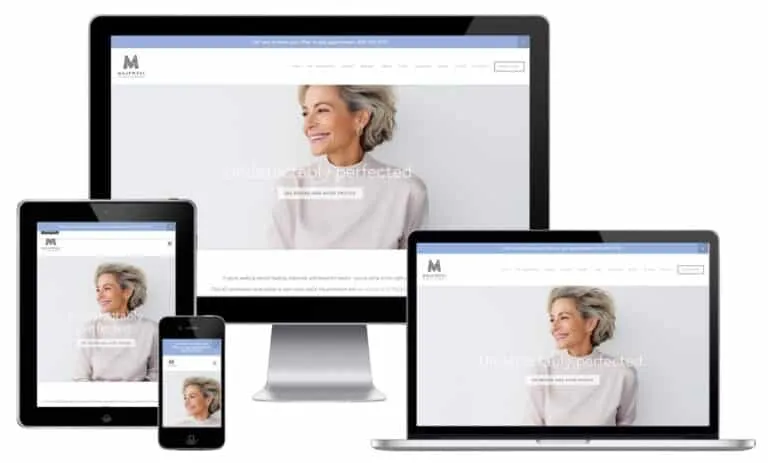
Majewski Plastic Surgery
Plastic Surgery & Med Spa | Jonesboro, AR
A surgical practice and med spa with buried lead forms. Egochi rebuilt the procedure pages and streamlined the inquiry paths that feed the consult schedule.
- +75% Organic Traffic Growth
- 120 Monthly Patient Inquiries
- $150K Added Monthly Revenue
-
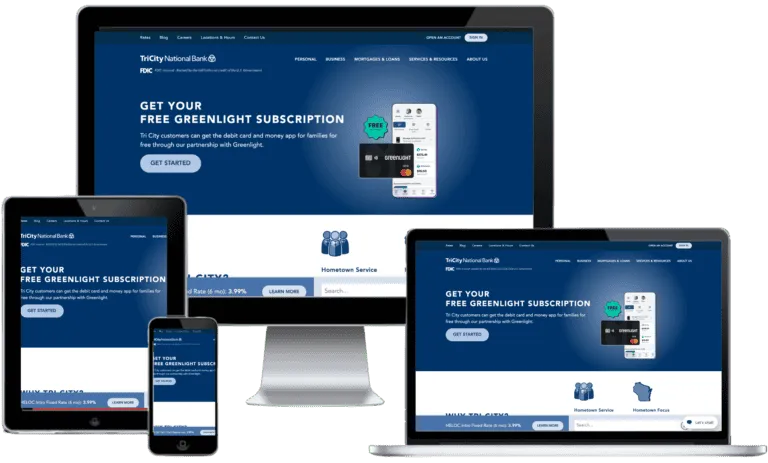
TriCity National Bank
Community Bank | Regulated Lead Gen
A roster receipt from banking, another category where the ad platforms set hard rules. Egochi ran the campaigns that lifted conversion rates inside them.
- +77% PPC Conversion Rate
- +90% Organic Traffic Surge
- +80% Email Engagement Lift
-
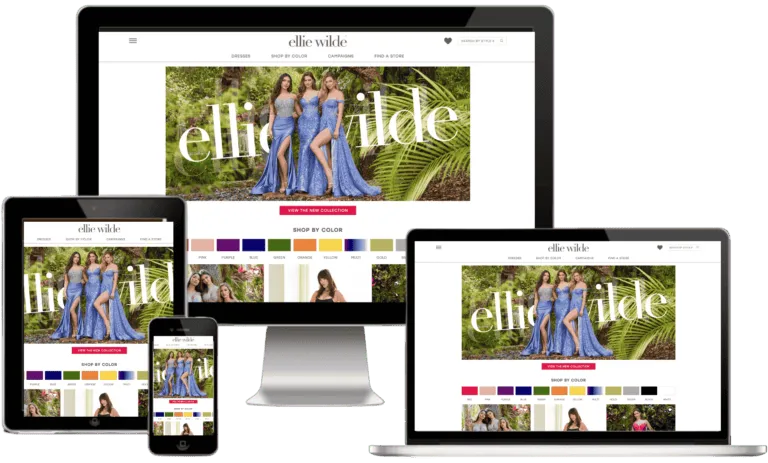
Ellie Wilde
Fashion Ecommerce | Paid & Owned Media
A national ecommerce brand where click-through decides margin. The Egochi creative and audience work moved the paid numbers that matter at scale.
- 60% PPC Click-Through Increase
- 70% Email Open Rate Increase
- 100K+ Monthly Organic Visitors
-

Antoinette Realtors
Real Estate | Local Lead Generation
A local realtor competing against portal budgets, a fight every practice bidding against hospital systems will recognize. Egochi ran the search and email program that raised click-through and kept leads arriving from owned channels.
- 45% PPC Click-Through Rate
- 50% Email Open Rate
- 70% Organic Traffic Growth
See How Egochi Works
A short look at how our team plans, builds, and reports on client work.
Is This Right for You?
This is for you if
- You have open capacity in specific service lines and want appointment requests within weeks, not quarters.
- You offer higher-value treatments where a known cost per booked consult pencils out easily.
- You want compliance handled inside campaign management, not discovered after a platform or regulator flags it.
This may not be the right fit if
- Your service line requires platform certification you do not yet hold; Egochi will say so in the audit rather than burn spend finding out.
- Your schedule is booked out for weeks; paid traffic would buy appointment requests you cannot take.
See the work: Healthcare case studies · PPC case studies
The Complete Healthcare Program
This page is one part of a five-part program. Each piece works alone and works better together.
-
Healthcare Digital Marketing Agency
The full program with medical E-E-A-T and HIPAA-aware campaign practice.
-
Healthcare SEO
Condition and treatment rankings that fill schedules against hospital systems.
-
Healthcare Social Media
Trust-building provider content that stays compliant while it converts.
-
Healthcare Web Design
Accessible, fast practice sites built for patient booking flows.
Common Questions About Healthcare PPC
-
How much does healthcare PPC management cost?
Egochi's healthcare PPC management starts at $1,500 monthly, separate from the ad spend you pay the platforms, and both numbers appear side by side in your reporting. Click prices vary too much by market and specialty for one honest number: hospital systems bid metro head terms to painful levels, while the condition-plus-neighborhood and insurance searches we build on cost a fraction. The audit recommends a starting budget honestly.
-
Does AI search change healthcare PPC?
It changes what surrounds the ad. Google AI Overviews now answer many health questions above paid results, and patients ask ChatGPT, Gemini, and Perplexity which nearby provider to see. Egochi structures provider, specialty, location, and FAQ data so assistants can cite the practice, then aims paid budget at the demand those citations do not cover yet.
-
Are Google Ads HIPAA compliant for medical practices?
The platform itself is not the issue; the setup is. Compliance depends on keeping patient information out of pixels, uploads, and audiences, keeping tracking scripts off portal and appointment pages, and measuring conversions in privacy-safe ways. Egochi runs accounts that way from launch. Run with a generic ecommerce setup, paid search creates real exposure.
-
Is PPC or SEO better for a medical practice?
They answer different timelines. Paid campaigns produce appointment requests within weeks and stop the day you stop paying. Rankings take months and then compound without a per-click cost. Most practices run paid to cover open capacity now while the condition pages mature, then shift budget as organic bookings grow. The Egochi audit shows the right mix for your market.
-
What separates a good healthcare PPC agency from a risky one?
Start with measurement: ask how conversions get tracked without patient information entering any ad platform, and whether tracking scripts sit on portal or appointment pages. Ask which platform health restrictions apply to your service lines and what is off-limits in writing. Ask for cost per appointment request as the reporting unit, and for management fees quoted up front, separate from ad spend; Egochi answers each of those before you sign.
Awards and Partnerships Egochi Holds in 2026
-

Egochi Named 2026 Top Digital Marketing Agency by Clutch
Clutch, a B2B market research and reviews platform, names Egochi a top digital marketing agency for 2026. The distinction rests on overall market presence and, most importantly, verified client feedback. Egochi holds a 5.0 rating across 190+ reviews on Clutch.
-
Egochi Is a Certified Google Premier Partner
Egochi is a certified Google Premier Partner, a status Google grants to the top 3% of participating advertising agencies each year. The tier is earned on campaign performance, sustained client growth, and advanced Google Ads certification, and Google reviews it annually rather than granting it for life.
The Team Behind the Work
-

Jobin John
Chief Executive Officer
-

Justin Brown
Head of Search Engine Optimization
-

Bryan Thomson
Head of Web Design & Development
-

Ina Komins
Head of Social Media Marketing
-

Kierra Pita
Head of Advertising & Content Marketing
-

Patricia Turner
Chief Creative Officer
-
William Carter
Chief Digital Strategy Officer
-

Andrew Miller
Senior SEO Strategist
-

Amy Robinson
Content Marketing Manager
-

Betty Harrison
PPC Campaign Specialist
-

Anthony Carter
Lead Digital Account Executive
-

Amanda Cooper
Social Media Director
-
Carol Parker
Senior Client Success Manager
-

Barbara Bennett
Email Marketing Lead
-

Charles Turner
Technical SEO Analyst
-

Brian Sullivan
Creative Director
-

Christine Walker
Director of Project Management
-

Christopher Brooks
Digital Marketing Strategist
-

Daniel Wright
Senior Analytics Specialist
-

David Henderson
Lead Content Strategist
-

Donna Mitchell
Client Communications Manager
-

Elizabeth Foster
Director of Paid Advertising
-

Emily Baredi
Brand Experience Specialist
-

Emma Scott
Social Media Content Creator
-

George Crawford
Technical Solutions Architect
-

Jacob Evans
Digital Content Coordinator
-

James Anderson
Marketing Automation Specialist
-
Jason Palmer
Junior Copywriter
-

Jeffrey Reynolds
Paid Media Analyst
-

Jennifer Lewis
Community Engagement Specialist
-

Jonathan Murphy
SEO Reporting Specialist
-

Joseph Morgan
Influencer Marketing Coordinator
-

Kenneth Stevens
Digital PR Manager
-

Kimberly Harper
Digital Marketing Intern
-

Kevin Morris
SEO Outreach Specialist
-

Lee Dawson
Junior Web Developer
-

Linda Peterson
Email Campaign Coordinator
-

Lisa Thompson
Social Media Ads Specialist
-

Margaret Bradley
Marketing Operations Lead
-

Mark Richards
Data & Insights Analyst
-

Mary Kennedy
Senior Copyeditor
-

Matthew Clark
Growth Marketing Manager
-

Michelle Sanders
Junior Marketing Designer
-

Michael Foster
Senior Conversion Rate Specialist
-

Nancy Wheeler
Digital Analytics Manager
-

Nicholas Pierce
Affiliate Marketing Specialist
-

Nicole Adams
Outreach Program Coordinator
-

Paul Franklin
Paid Social Campaign Manager
-

Richard Barnes
Reputation Management Specialist
-

Robert Murphy
Lead Solutions Architect
-

Ronald Davis
Marketing Technology Analyst
-

Ryan Bell
Paid Media Buyer
-

Sandra Gregory
Digital Account Coordinator
-
Scott Hopkins
CRM Implementation Specialist
-

Shirley Ellis
Customer Insights Manager
-

Stephanie Cross
Brand Content Designer
-

Steven Greene
Web Analytics Specialist
-

Susan Price
Affiliate Campaign Manager
-

Thomas Fisher
Lead Technical Architect
-

Timothy Nash
Mobile Marketing Strategist
Certified & Accredited


Spend Where Patients Actually Book
Tell us your service lines and open capacity. Egochi, a healthcare PPC agency that names restricted tactics in writing, audits where your current spend leaks, what compliance exposure sits in the account, and what a rebuilt structure recovers.
Egochi Stats
- 250+ Google Reviews
- 5.0 Clutch Rating
- 12+ Years Experience
- $200M+ Revenue Generated
- 4 US Offices
- 190+ Clutch Reviews
Blog Posts
- Aug 12, 2026 GEO vs. SEO: A Comparative Guide for Digital Marketers
- Aug 12, 2026 What is llms.txt? | How to Create llms.txt file for your website
- Aug 12, 2026 What is Semantic SEO? | How to Build Topical Authority That Ranks
- Aug 12, 2026 What is Schema Markup? | How to Add Structured Data to Your Website
- Aug 12, 2026 How to Optimize for Voice Search: A Realistic 2026 Guide