Healthcare Social Media Marketing
Choosing a provider is an act of trust, and social media is where that trust gets built or lost before the first appointment. Egochi runs social programs for healthcare practices with the content patients actually want: the physician explaining what a first visit involves, the team behind the front desk, credentials presented as people rather than acronyms, and condition questions answered plainly. All of it Egochi runs inside the rules of the category: no reply or comment ever confirms someone is a patient, patient-featuring content moves only with documented consent, and paid promotion respects platform health restrictions. Programs run on their own or inside a full healthcare digital marketing program, with plans from $1,500 monthly. Start with a free content review.
Get Your Free Social Content Review See What's Included
- 250+ Google Reviews
- 190+ Clutch Reviews at 5.0
- Google Premier Partner
As Featured In





What Makes Healthcare Social Media Different
Four things about this category most social agencies learn the hard way, if at all.
Provider faces beat brand graphics
Patients choose a person before they choose a practice. A forty-second clip of the physician explaining what happens at a first consult outperforms any polished promo card, because it answers the question every prospective patient is silently asking: who will I be dealing with, and do they seem like someone I can trust? Egochi builds the whole calendar around that answer.
The compliance line runs through the comment section
A warm reply like "thanks for coming in last week" publicly confirms a care relationship, which is a disclosure, not a courtesy. Every reply pattern Egochi uses acknowledges without confirming, moves specifics to private channels, and holds that line even when the commenter volunteered their own story first.
Education earns the follow, trust converts it
What-to-expect walkthroughs, plain-language condition answers, and recovery questions patients hesitate to ask are the content that gets saved and shared. Each post Egochi writes carries a quiet next step toward booking, because attention in this category is only worth what it does for the schedule.
Paid social for health plays by different rules
Meta and Google restrict health-condition targeting, so campaigns cannot chase audiences the way retail does. The content itself does the targeting instead: a post answering a specific condition question finds the people living with that question. Organic quality decides what paid promotion can do, not the other way around, which is why Egochi invests in the content first.
What's Inside a Healthcare Social Plan
Content your providers can capture between appointments, run by Egochi inside the rules of the category.
-
Provider Video Content
Egochi produces what-to-expect walkthroughs and plain-language explainers, shot in minutes at the practice with prompts your providers do not have to script.
-
Team & Credential Features
Egochi builds staff introductions and credential spotlights that turn board certifications into faces, because trust attaches to people before letters.
-
Compliant Community Management
Egochi handles replies and DMs on trained patterns that never confirm patient status, with escalation paths for anything touching care details.
-
Patient Education Calendar
Egochi plans the posting rhythm from the questions patients ask before booking each service line, reviewed by your clinicians before it ships.
-
Paid Social Within Health Rules
Egochi builds promotion around platform health-targeting limits from day one, so reach comes from content quality instead of declined settings.
-
Inquiry-Level Reporting
Egochi ties reporting to appointment requests and inquiries that started on social, not follower counts. You see which content books.
AI Assistants Check the Same Trust Signals Patients Do
When a patient asks ChatGPT, Gemini, or Perplexity which nearby provider treats a condition or takes their insurance, the systems weigh the public record: consistent profiles, review patterns, named clinicians, and content showing real people behind the practice. Google's AI Overviews draw on the same signals. Egochi runs the social and reputation layer so that record works for you, and keeps every post inside health-category honesty, education without outcome promises.
Google AI OverviewsChatGPTGeminiPerplexity
-
Provider content becomes citable proof
The explainers and credential features Egochi produces put named clinicians on the record answering patient questions, exactly the accountability AI Overviews and ChatGPT look for when they decide which practice to mention in a health answer.
-
Profiles feed the entity the systems resolve
Egochi keeps the practice identity consistent across social profiles, Google Business Profile, and the website, and structures provider, specialty, location, and FAQ data behind it. Gemini and Perplexity resolve who treats what through those signals before naming anyone.
-
Reviews and replies are read by machines too
Review volume, recency, and response tone all sit in the public record assistants weigh. The HIPAA-safe reply patterns Egochi trains protect patients and read as professional to every system scanning them.
-
Education travels further than promotion
Plain-language condition answers get saved, shared, and quoted; promotional claims do not, and outcome promises are off the table in a health category. Egochi builds the calendar on the questions patients actually bring to assistants: symptoms, treatment options, insurance, what a visit involves.
How a Healthcare Social Program Starts
-
Presence and consent audit
Egochi reviews your profiles, your existing content, and your consent workflow, because nothing featuring a patient ships until documented permission exists. You also see how competitors and the local hospital system present themselves to the same patients.
-
Provider capture routine
Providers get short prompt lists that take minutes between appointments: one question answered to camera, one walkthrough, one introduction. No scripts to memorize, no studio day to schedule.
-
Education calendar by service line
Egochi builds the posting plan from real pre-booking questions in each service line, with clinician review folded into the workflow so accuracy never depends on a marketer paraphrasing medicine.
-
Reply patterns and training
Comment and DM handling goes live on patterns that acknowledge warmly without confirming anyone is a patient, with a written escalation path for reviews and comments that mention care.
-
Reporting on inquiries
Monthly numbers cover appointment requests and inquiries that started on social, plus which content types produced them, so Egochi keeps tilting the calendar toward what fills the schedule.
Fair Questions Providers Ask About Social
Is social media really worth it for a medical practice?
Treat it as the vetting channel it is. Patients who found you on search or got a referral check your profiles before booking, and a live feed with real providers passes that check while a dormant one quietly fails it. Whether social should also be an acquisition channel depends on your specialty; the Egochi review will say honestly.
Can we post about patients at all under HIPAA?
Yes, with documented consent, and only then. A signed release covering the specific use makes patient stories and outcomes shareable. Everything else in the calendar needs no patient at all: provider explainers, team features, condition education, and practice updates carry most programs. The rule Egochi holds is simple: no consent on file, no post. The same discipline covers replies, which must never confirm a care relationship.
Our physicians have no time to make content.
The capture routine is built for that reality. One hour a month of answering questions to camera yields weeks of clips once edited, and front-desk and clinical staff can carry team content between provider sessions. What kills practice social is not time; it is the blank page. Egochi removes the blank page and keeps the routine short.
What happens when someone posts an angry comment about their care?
A written protocol, decided before it happens. The reply acknowledges the frustration, never confirms the person was a patient, never discusses care publicly, and offers a private channel. That response protects you legally and reads as professional to everyone else watching, which is who the reply is really for.
Common Mistakes to Avoid
-
Replying to comments or reviews in a way that confirms the person was ever a patient, even when they said so first.
-
Posting patient photos or stories on verbal permission instead of a documented consent release.
-
Publishing stock-photo health tips nobody asked for while patients' actual pre-booking questions go unanswered.
-
Promoting posts without knowing the platform health-targeting limits, then reading the poor reach as proof social fails.
-
Letting the feed go dark for months, so the patient who finally checks finds a ghost account and books elsewhere.
Patient Trust and Social Media Case Studies
Health-family clients lead this row, with social receipts from the wider Egochi roster behind them. Every number restates what each client published.
-
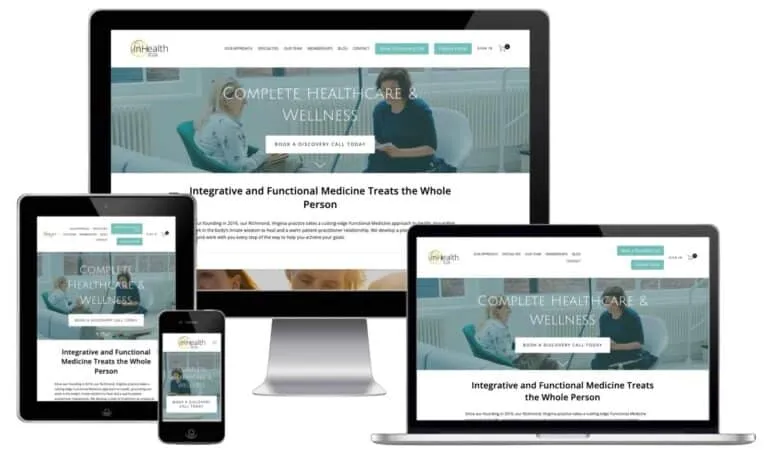
InHealth RVA
Functional Medicine | Richmond, VA
A functional medicine center that needed its warmth visible online. Egochi rebuilt the presence around plain-language patient education and accessible design, and appointment requests followed.
- +82% Organic Traffic Growth
- 120 Monthly Appointment Requests
- 98% ADA Compliance Score
-
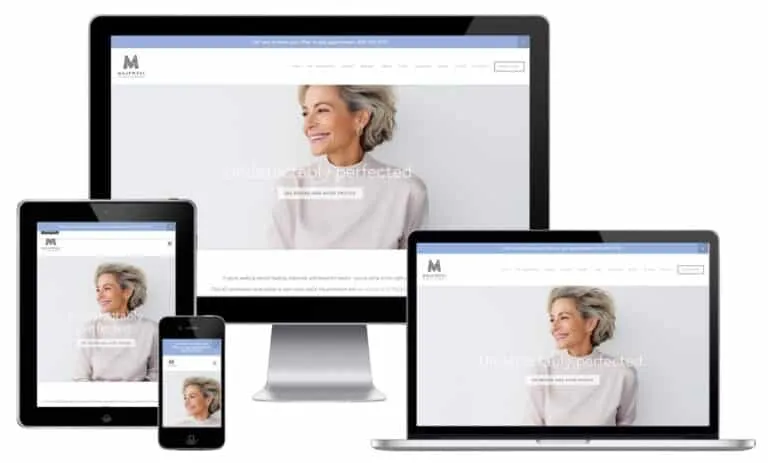
Majewski Plastic Surgery
Plastic Surgery & Med Spa | Jonesboro, AR
A surgical practice and med spa where trust decides the consult. Egochi built the service storytelling and galleries that let patients vet the practice before calling.
- +75% Organic Traffic Growth
- 120 Monthly Patient Inquiries
- $150K Added Monthly Revenue
-
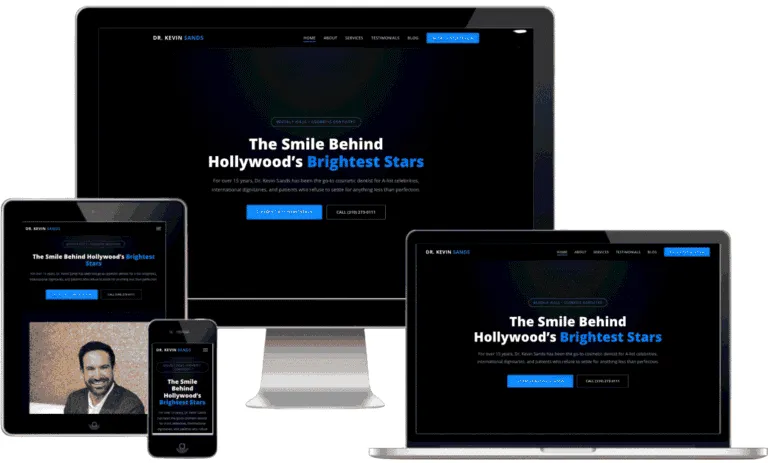
Cosmetic Dentistry Beverly Hills
Cosmetic Dentistry | Beverly Hills, CA
An elective practice in a market where every provider advertises. Egochi rebuilt the pages patients research before a consult, holding attention the practice used to lose in a bounce.
- 41% More Time on Service Pages
- 58% GBP Actions Increase
- 64% Local Organic Sessions
-
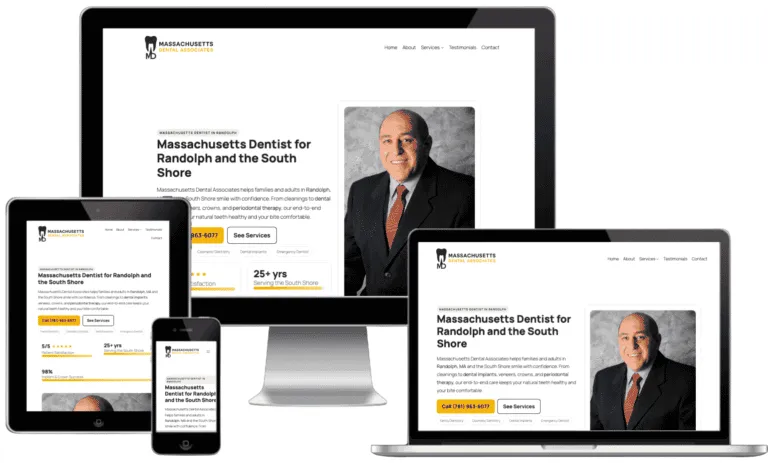
Massachusetts Dental
Dental Practice | Randolph, MA
A South Shore practice building patient trust from local presence. Egochi grew the discovery views and profile activity that turn nearby patients into booked appointments.
- 140% Local Discovery Views
- 112% GBP Actions Growth
- 68% Booked Appointments Rise
-
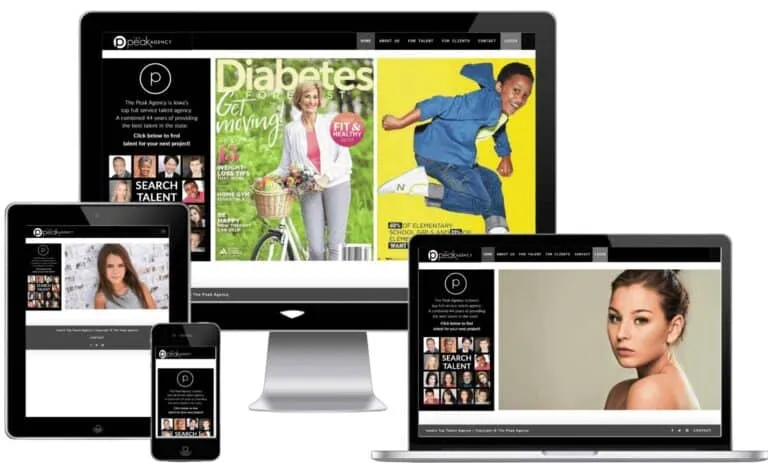
The Peak Agency
Talent Agency | Social Media Program
A social receipt from the wider roster, a brand whose product is people. The Egochi content program lifted engagement and inquiries on the same mechanics provider features run on.
- +78% Social Media Engagement
- +65% Talent Inquiry Growth
- +70% Top Talent Conversion
-
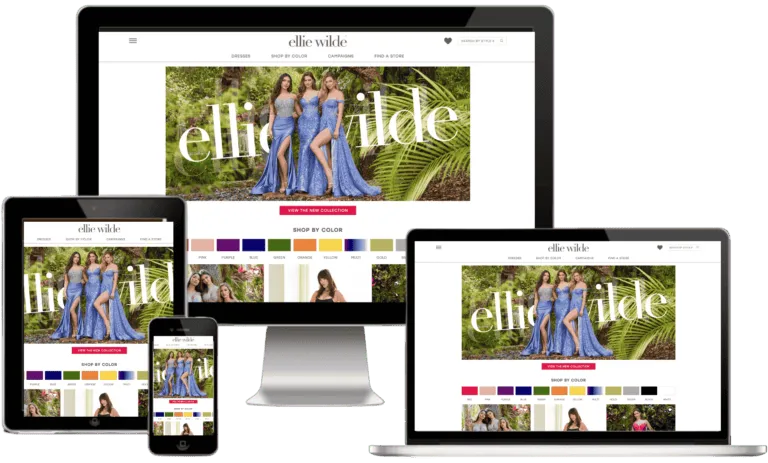
Ellie Wilde
Fashion Ecommerce | Social & Email
A national brand where the feed does the selling. The Egochi social and email program moved engagement and open rates at ecommerce scale.
- 80% Social Engagement Growth
- 70% Email Open Rate Increase
- 100K+ Monthly Organic Visitors
Is This Right for You?
This is for you if
- Your providers are willing to appear on camera, even briefly; trust content runs on real faces.
- You compete on patient experience and want the warmth of the practice visible before the first visit.
- You want new-patient inquiries from channels you own rather than renting visibility from directories.
This may not be the right fit if
- You expect social alone to fill the schedule this month; it compounds trust while search channels close faster.
- Nobody at the practice can appear on camera and no consent workflow is acceptable; Egochi runs this program on real people, not stock imagery.
See the work: Healthcare case studies · Social media case studies
The Complete Healthcare Program
This page is one part of a five-part program. Each piece works alone and works better together.
-
Healthcare Digital Marketing Agency
The full program with medical E-E-A-T and HIPAA-aware campaign practice.
-
Healthcare SEO
Condition and treatment rankings that fill schedules against hospital systems.
-
Healthcare PPC
Patient-acquisition campaigns run inside the platform rules for health ads.
-
Healthcare Web Design
Accessible, fast practice sites built for patient booking flows.
Common Questions About Healthcare Social Media Marketing
-
How much does healthcare social media management cost?
Egochi's healthcare social media plans start at $1,500 monthly, covering content planning, provider capture prompts, editing, posting, and compliant community management. Plans that add paid promotion scale from there, and reporting ties to appointment requests rather than follower counts, so you always see what the spend produced.
-
Do AI assistants read a practice social presence?
They read the public record around it: consistent profiles, review volume and recency, named providers, and content that answers patient questions plainly. When someone asks ChatGPT, Gemini, or Perplexity which nearby provider to trust, or Google composes an AI Overview, that record shapes the answer. Egochi runs the social and reputation layer so it works in your favor, with no outcome claims anywhere.
-
What should a medical practice post on social media?
The content patients check before booking: providers explaining what a first visit involves, team introductions, credentials presented as people, plain-language answers to condition questions, and practice updates. Patient stories work only with documented consent. Save promotions for rare, deliberate moments; Egochi builds calendars on trust content because that is what moves a hesitant patient to book.
-
Does social media actually bring in new patients?
Directly, sometimes; indirectly, constantly. Some patients do message or book straight from a post, and Egochi tracks those. The larger effect is vetting: patients arriving from search or referral check your profiles before calling, and an active, human feed converts more of them. Programs get judged on tracked inquiries, not on the indirect effect alone.
-
What should a practice look for in a healthcare social media agency?
Ask to see their reply patterns before signing, because the compliance line runs through the comment section, and one warm reply that confirms a care relationship is a disclosure. Ask how patient-featuring content gets consented and how much provider time the capture routine really takes. Ask what gets reported: an agency counting followers instead of appointment inquiries is measuring the wrong thing. Egochi shows all three before you commit.
Awards and Partnerships Egochi Holds in 2026
-

Egochi Named 2026 Top Digital Marketing Agency by Clutch
Clutch, a B2B market research and reviews platform, names Egochi a top digital marketing agency for 2026. The distinction rests on overall market presence and, most importantly, verified client feedback. Egochi holds a 5.0 rating across 190+ reviews on Clutch.
-
Egochi Is a Certified Google Premier Partner
Egochi is a certified Google Premier Partner, a status Google grants to the top 3% of participating advertising agencies each year. The tier is earned on campaign performance, sustained client growth, and advanced Google Ads certification, and Google reviews it annually rather than granting it for life.
The Team Behind the Work
-

Jobin John
Chief Executive Officer
-

Justin Brown
Head of Search Engine Optimization
-

Bryan Thomson
Head of Web Design & Development
-

Ina Komins
Head of Social Media Marketing
-

Kierra Pita
Head of Advertising & Content Marketing
-
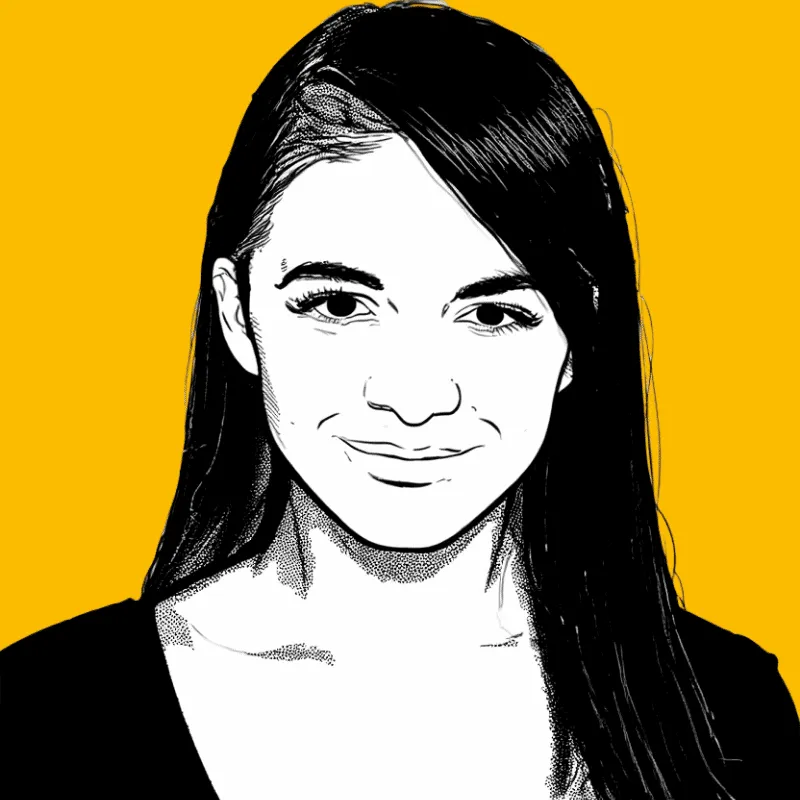
Patricia Turner
Chief Creative Officer
-
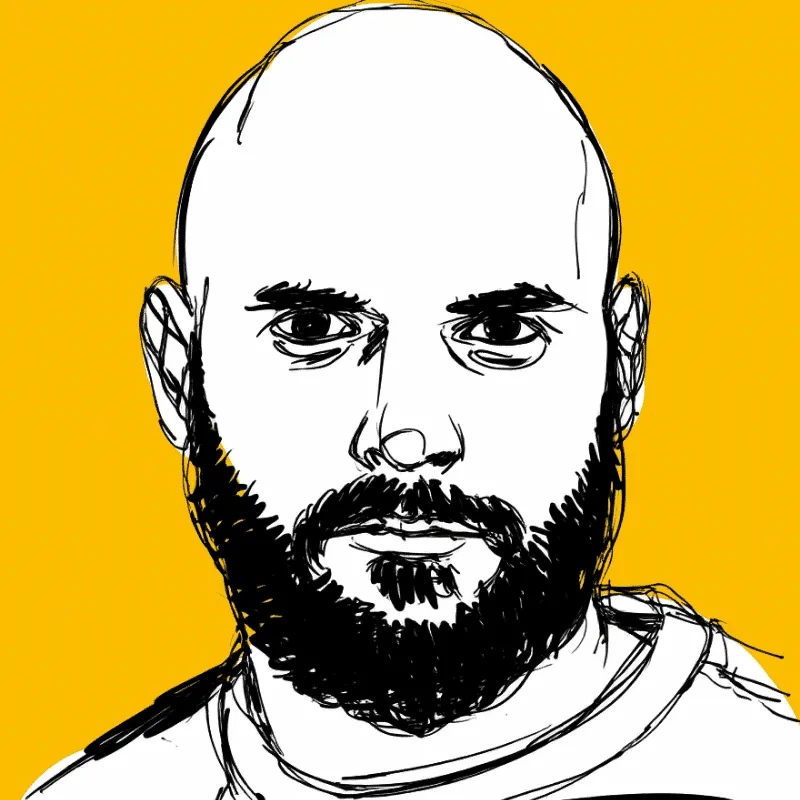
William Carter
Chief Digital Strategy Officer
-

Andrew Miller
Senior SEO Strategist
-
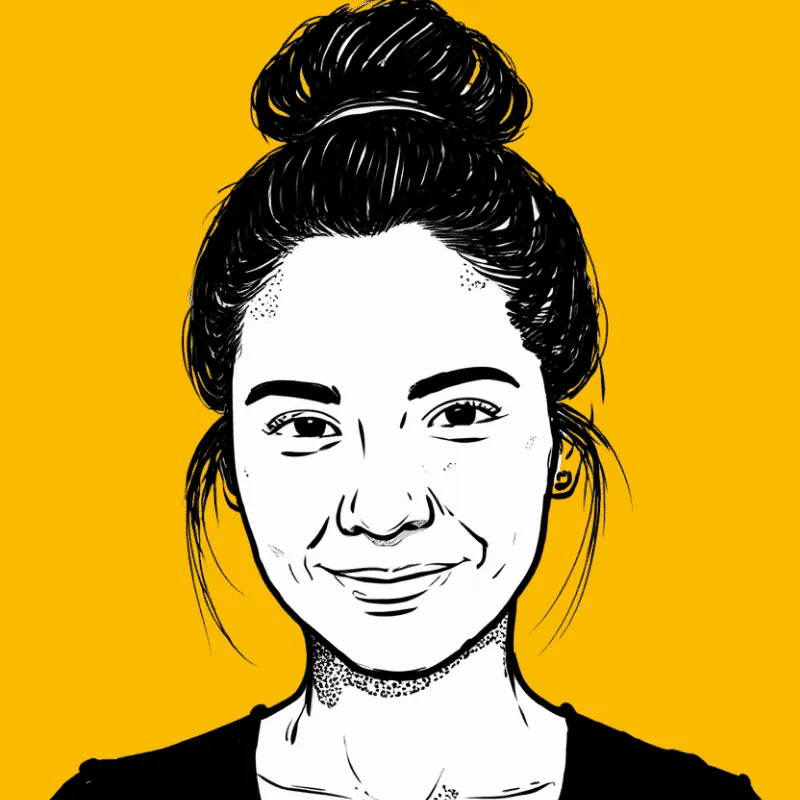
Amy Robinson
Content Marketing Manager
-

Betty Harrison
PPC Campaign Specialist
-

Anthony Carter
Lead Digital Account Executive
-

Amanda Cooper
Social Media Director
-
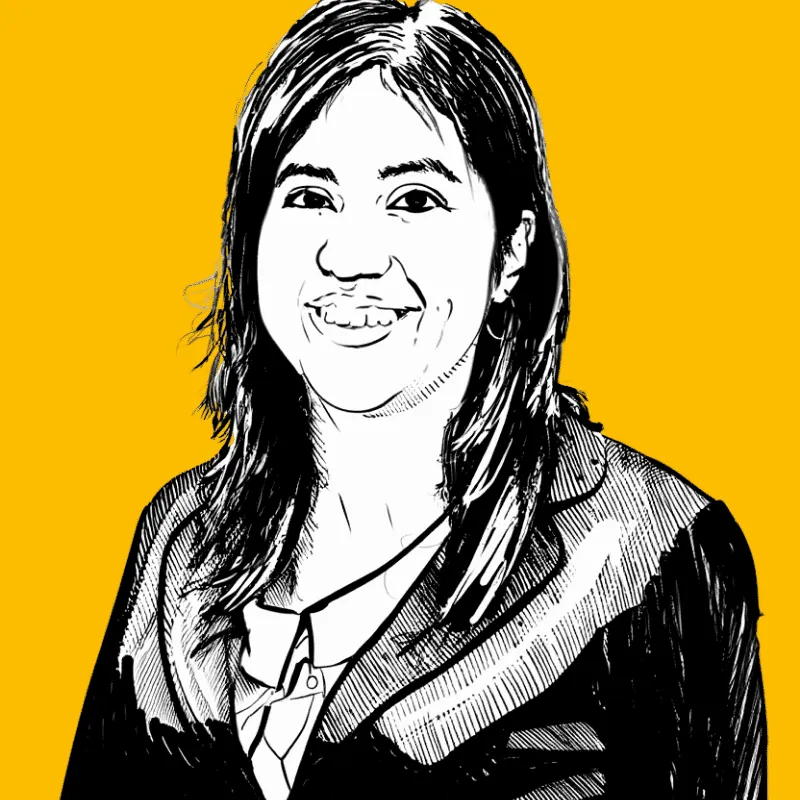
Carol Parker
Senior Client Success Manager
-

Barbara Bennett
Email Marketing Lead
-

Charles Turner
Technical SEO Analyst
-
Brian Sullivan
Creative Director
-

Christine Walker
Director of Project Management
-

Christopher Brooks
Digital Marketing Strategist
-

Daniel Wright
Senior Analytics Specialist
-

David Henderson
Lead Content Strategist
-

Donna Mitchell
Client Communications Manager
-

Elizabeth Foster
Director of Paid Advertising
-

Emily Baredi
Brand Experience Specialist
-

Emma Scott
Social Media Content Creator
-

George Crawford
Technical Solutions Architect
-
Jacob Evans
Digital Content Coordinator
-
James Anderson
Marketing Automation Specialist
-
Jason Palmer
Junior Copywriter
-
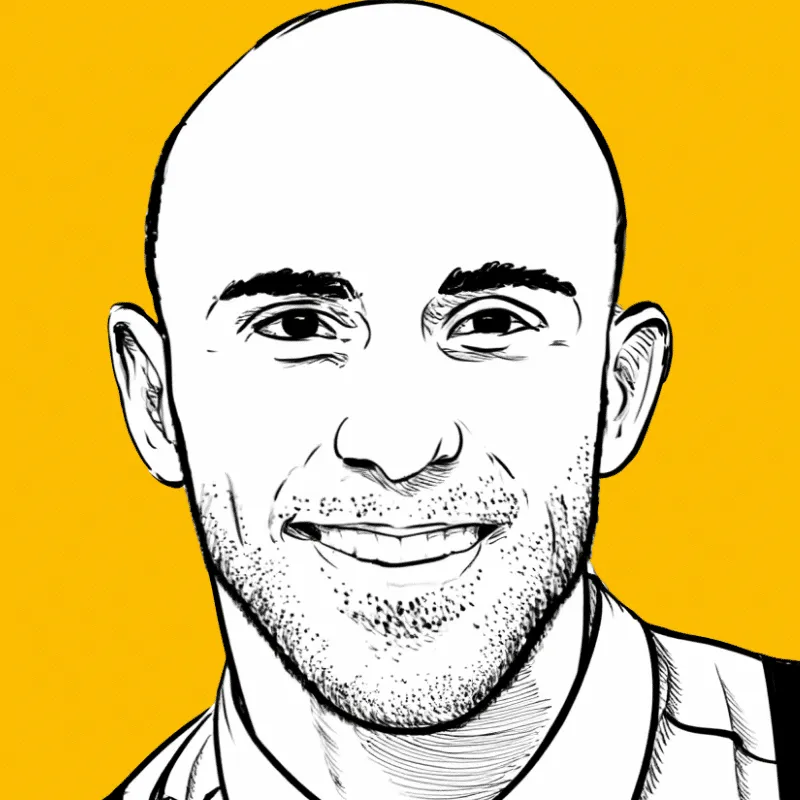
Jeffrey Reynolds
Paid Media Analyst
-

Jennifer Lewis
Community Engagement Specialist
-

Jonathan Murphy
SEO Reporting Specialist
-
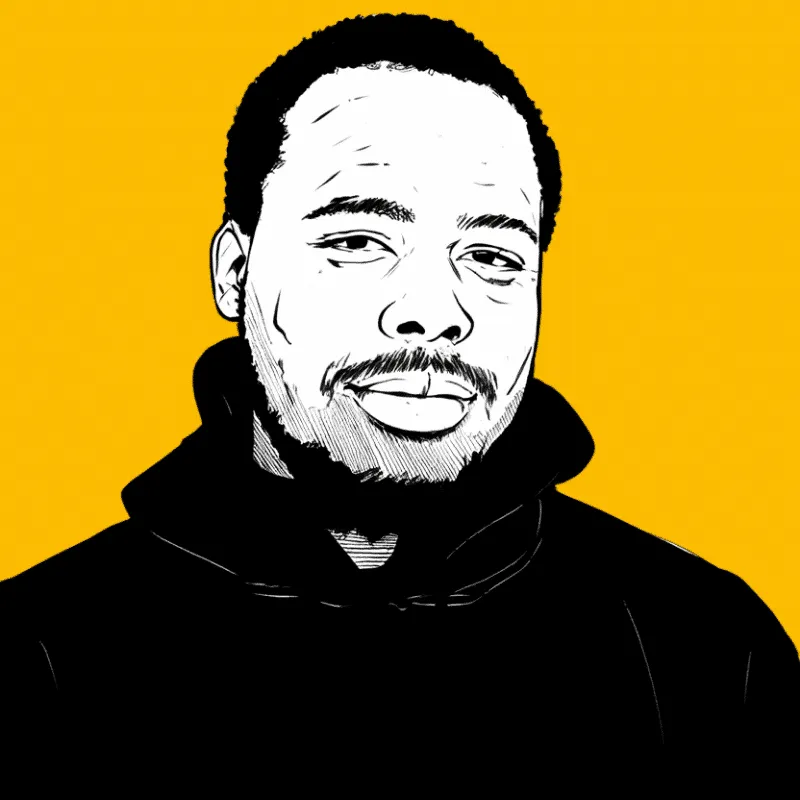
Joseph Morgan
Influencer Marketing Coordinator
-
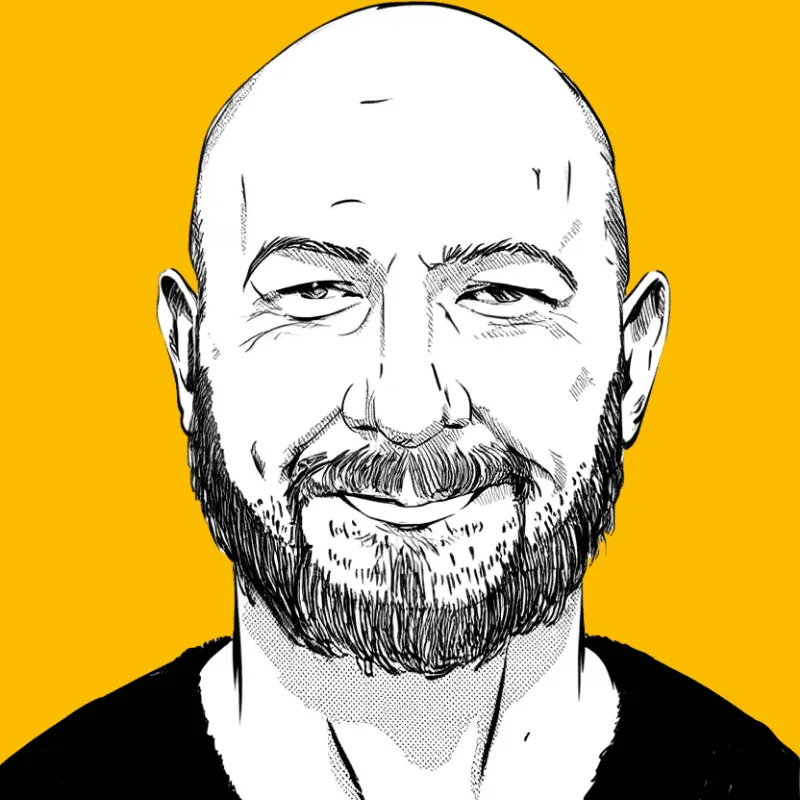
Kenneth Stevens
Digital PR Manager
-

Kimberly Harper
Digital Marketing Intern
-

Kevin Morris
SEO Outreach Specialist
-

Lee Dawson
Junior Web Developer
-

Linda Peterson
Email Campaign Coordinator
-
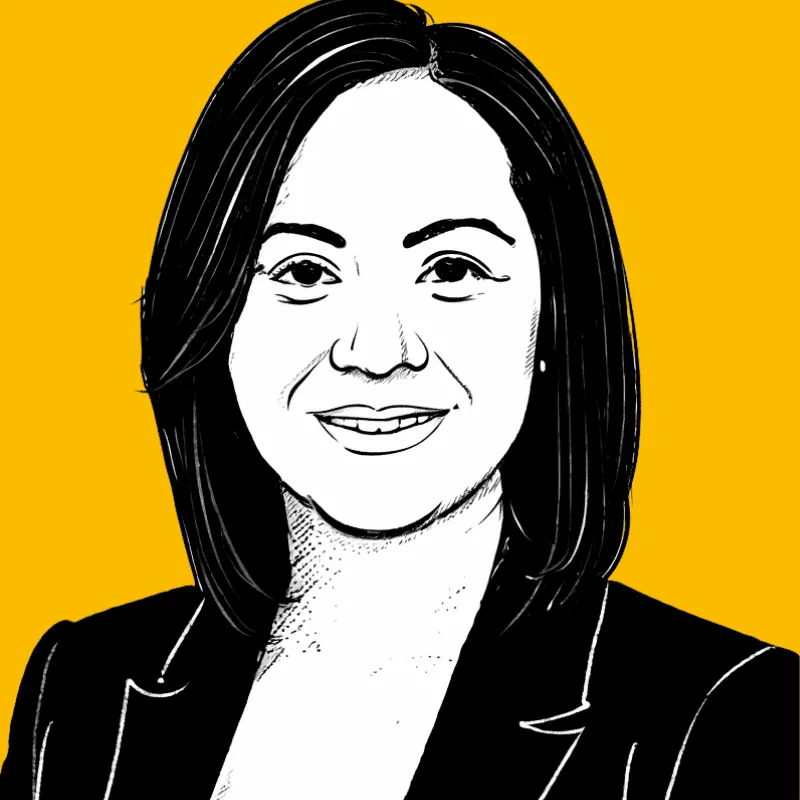
Lisa Thompson
Social Media Ads Specialist
-

Margaret Bradley
Marketing Operations Lead
-

Mark Richards
Data & Insights Analyst
-

Mary Kennedy
Senior Copyeditor
-

Matthew Clark
Growth Marketing Manager
-
Michelle Sanders
Junior Marketing Designer
-

Michael Foster
Senior Conversion Rate Specialist
-

Nancy Wheeler
Digital Analytics Manager
-

Nicholas Pierce
Affiliate Marketing Specialist
-

Nicole Adams
Outreach Program Coordinator
-

Paul Franklin
Paid Social Campaign Manager
-

Richard Barnes
Reputation Management Specialist
-

Robert Murphy
Lead Solutions Architect
-
Ronald Davis
Marketing Technology Analyst
-
Ryan Bell
Paid Media Buyer
-

Sandra Gregory
Digital Account Coordinator
-
Scott Hopkins
CRM Implementation Specialist
-

Shirley Ellis
Customer Insights Manager
-

Stephanie Cross
Brand Content Designer
-

Steven Greene
Web Analytics Specialist
-

Susan Price
Affiliate Campaign Manager
-

Thomas Fisher
Lead Technical Architect
-

Timothy Nash
Mobile Marketing Strategist
Certified & Accredited


Be the Provider Patients Already Trust
Tell us your specialty and which providers would appear on camera. Egochi, the team behind the trust receipts above, shows what a month of content would look like and where your current profiles lose the patients checking them.
Egochi Stats
- 250+ Google Reviews
- 5.0 Clutch Rating
- 12+ Years Experience
- $200M+ Revenue Generated
- 4 US Offices
- 190+ Clutch Reviews
Blog Posts
- Aug 12, 2026 GEO vs. SEO: A Comparative Guide for Digital Marketers
- Aug 12, 2026 What is llms.txt? | How to Create llms.txt file for your website
- Aug 12, 2026 What is Semantic SEO? | How to Build Topical Authority That Ranks
- Aug 12, 2026 What is Schema Markup? | How to Add Structured Data to Your Website
- Aug 12, 2026 How to Optimize for Voice Search: A Realistic 2026 Guide