Healthcare SEO for Practices & Provider Groups
Egochi builds SEO programs for medical practices and provider groups, starting from how patients actually search: condition plus symptom plus insurance plus location. The page that matches that query is the ranking unit, which is why a practice with forty strong condition and treatment pages outranks a prettier site with six. Around those pages Egochi builds the signals Google demands from medical content: clinician review, provider bios with real credentials, cited sources, and a Google Business Profile per location. Head terms belong to hospital systems whose domain authority no practice can match, so we aim at the ground practices win: the Map Pack, long-tail conditions, and insurance-specific searches. Plans start at $1,500 monthly with pricing Egochi publishes up front. Start with a free audit of your condition-page coverage.
Get Your Free Healthcare SEO Audit See What's Included
- 250+ Google Reviews
- 190+ Clutch Reviews at 5.0
- Google Premier Partner
As Featured In





What Makes Healthcare SEO Different
Four realities of medical search that decide who ranks and who watches.
The condition page is the ranking unit
Patients do not search for your practice name. They search "torn meniscus treatment near me" or "dermatologist who accepts Medicare". Each condition, treatment, and insurance question deserves its own page, and a practice website architected with slots for those pages sets the ceiling on everything Egochi can do afterward.
Medical E-E-A-T is a hard gate, not a bonus
Health queries sit in the category Google scrutinizes hardest. Content without a credentialed reviewer, a named author, and cited sources does not rank, period. This is the quiet reason most practice blogs produce nothing: the writing was fine, the medical accountability was missing. Egochi builds that accountability before it writes a word.
Provider bios are ranking assets
A bio page with credentials, conditions treated, insurance accepted, and a real photo wins the name searches that now go to Healthgrades and Zocdoc, feeds entity signals across the whole site, and gives every condition page a credible reviewer to point to. Most practices treat bios as an afterthought; Egochi builds them first.
The winnable map against hospital systems
Hospital domains take the head terms and always will. What they leave open is local intent: Map Pack positions decided by proximity and profile quality, long-tail condition searches too specific for a system content team, and the insurance-plus-city queries that book the most appointments per click. That open ground is where Egochi spends your budget.
What's Inside a Healthcare SEO Plan
Egochi covers the pages, the proof, and the map, together.
-
Condition & Treatment Pages
Egochi writes a page per condition and treatment in each service line, built to the patient question and prioritized by margin and winnability.
-
Clinician Review Workflow
Egochi sets a sign-off routine that puts a credentialed reviewer on every medical page while taking minutes of provider time, not hours.
-
Provider Bio Program
Egochi builds bio pages with credentials, specialties, conditions treated, and insurance, made to win name searches back from the directories.
-
Local SEO & GBP per Location
Egochi manages Google Business Profile categories, citations, and reviews for every location, aimed at the Map Pack searches that book.
-
Technical SEO
Egochi maintains crawl health, page speed, structured data, and index control across the site, so the content work never leaks authority to fixable problems.
-
Appointment-Tracked Reporting
Egochi wires privacy-safe tracking that reports rankings in appointment requests by page and location, with no patient data in the analytics stack.
Healthcare SEO Now Includes AI Search Visibility
Before booking, patients ask ChatGPT, Gemini, and Perplexity what a symptom might mean, which treatment options exist, and which nearby specialist treats their condition, and Google answers more health queries with AI Overviews every month. Egochi builds condition pages and provider entities those systems can read, name, and cite, without ever writing the medical-outcome claims a health answer must not carry.
Google AI OverviewsChatGPTGeminiPerplexity
-
The citation goes to visible accountability
AI Overviews and ChatGPT cite health pages the way Google ranks them: named clinician, credentials, direct answer, sources. The E-E-A-T foundation Egochi builds for rankings is the same foundation that earns the citation, which is why the two are one project, not two.
-
Structured data tells the systems who treats what
Egochi marks up provider, specialty, condition, location, and FAQ data in schema, and keeps the practice identity consistent across the site, Google Business Profile, and directories. Gemini and Perplexity resolve which provider treats which condition through exactly those signals.
-
Direct answers win in both systems
A condition page that answers the patient question in its first lines gets lifted into AI Overviews and wins featured snippets in classic search. Egochi, the agency behind Pro Numb's AI citations, writes every condition page to that shape.
-
AI visibility gets reported beside rankings
Egochi tracks where the practice appears in AI answers next to Map Pack and organic positions. One report, one program, no separate AI bill, because the assets doing the work are the same pages.
Healthcare SEO Engagements Run on Egochi's Proprietary VERTEX Search™ Methodology
VERTEX Search™ is Egochi's proprietary SEO methodology, developed in-house since 2014 and run on every healthcare engagement. The system holds 18 documented steps in full; the five below are the milestones a practice or provider group sees, with the E-E-A-T groundwork sequenced before any page ships.
-
Coverage audit
Egochi maps every service line against the pages you have and the rankings they hold, benchmarks you against the hospital system and the practices taking those searches, and hands you the gap list first: which conditions have no page, which pages have no reviewer, which locations have no profile depth.
-
E-E-A-T foundation
Provider bios, author credentials, and the clinician review workflow get built before new content ships, because every page published without them is a page that will need rework later.
-
Condition-page rollout
Egochi ships pages in batches by service line, each answering the specific patient question with honest depth: symptoms, treatment options, what a visit involves, insurance context. Nothing gets stamped from a template.
-
The local layer
Egochi runs Google Business Profile work, citation cleanup, and review cadence per location, alongside insurance and neighborhood pages where the search volume justifies them.
-
Report and reprioritize
Monthly reporting ties pages and profiles to appointment requests, and the next batch of conditions gets picked from what the data says books, not from what feels important.
VERTEX Search™ was built at Egochi, not licensed in, and every healthcare campaign runs through the same open method. Every step is documented inside the EGOCHI VERTEX™ Growth System, so you can hold any month of work against the method you hired.
Honest Answers on Healthcare SEO
Can we actually outrank the hospital system?
On broad head terms, rarely, and Egochi will not bill you for trying. On the searches that book appointments, yes: Map Pack results rank on proximity, profile quality, and reviews rather than domain size, and long-tail condition and insurance searches reward the practice that built the specific page the system never will. That is where the program aims.
We publish blog posts every week. Why is nothing ranking?
Almost always the E-E-A-T gate. Google holds health content to its strictest quality standard because it can affect safety, so pages with no named author, no credentialed reviewer, and no cited sources get filtered regardless of quality or cadence. The fix is rarely more posts; Egochi ships fewer, better pages with medical accountability attached, mapped to conditions patients search instead of topics that felt timely.
Is AI search making healthcare SEO pointless?
No, it is raising the bar in the same direction. AI Overviews and chat assistants cite sources with visible medical credibility: named clinicians, clear entity definitions, direct answers. The same E-E-A-T work Egochi does to rank a condition page also earns those citations. Practices with anonymous content lose in both systems for the same reason.
Do we really need a separate page for every condition?
For every condition you want to rank for, yes. A patient researching sciatica and one researching spinal stenosis ask different questions, fear different outcomes, and search different words, and Google treats them as different topics. What you should not do is publish thin near-duplicates; each page Egochi writes has to earn its place with genuinely distinct answers.
Common Mistakes to Avoid
-
Publishing medical content with no named author or clinician reviewer, the single most common reason practice sites sit invisible.
-
One services page listing thirty conditions, so no individual search finds a page that actually answers it.
-
Leaving provider name searches to Healthgrades and Zocdoc because the bio pages are two sentences and a headshot.
-
Chasing "orthopedic surgeon" statewide while the insurance-plus-city searches that book appointments go unclaimed.
-
Letting Google Business Profile categories, hours, and services drift across locations, feeding the Map Pack conflicting signals.
Healthcare SEO Case Studies
These receipts come from health-family SEO engagements on the Egochi roster, with one enterprise receipt included for scale. Every number restates the client's published case study.
-

Daniels Health
Healthcare Services | National B2B
A clinical waste company that needed authority against national incumbents. Egochi ran the link building and content program behind its rise, proof the method holds where health content is scrutinized hardest.
- +520 Referring Domains
- +73% Search Visibility
- DR 58 Domain Rating
-
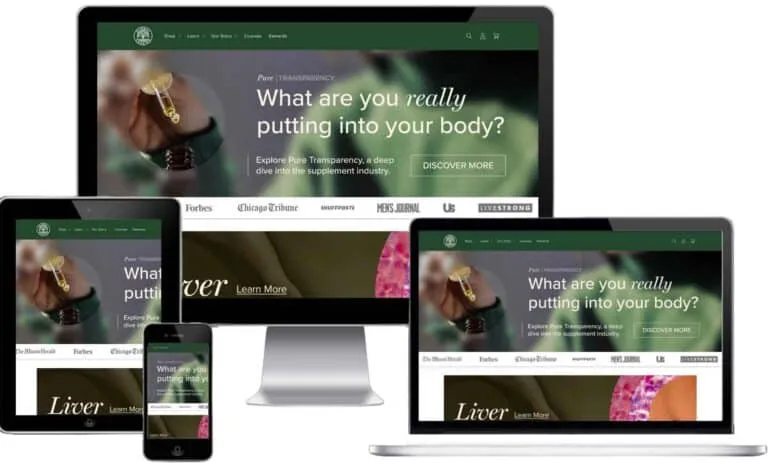
Global Healing
Health Supplements | National Ecommerce
An organic supplement brand whose catalog had outgrown its rankings. Egochi fixed the technical base, sharpened targeting to condition-level terms, and rewrote the content for clarity.
- +60% Organic Traffic Growth
- +35% Mobile Revenue Rise
- $40M+ Annual Revenue
-
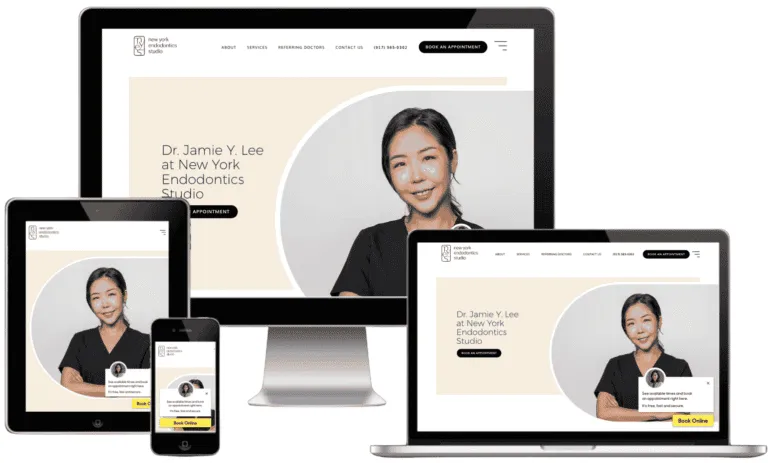
NY Endo Studio
Endodontics Studio | New York City
A specialty practice in the densest medical market in the country. Egochi rebuilt the service pages and local profile so referral and emergency searches found the studio first.
- 110% Organic Sessions Lift
- 96% New Users Increase
- 132% GBP Discovery Views
-
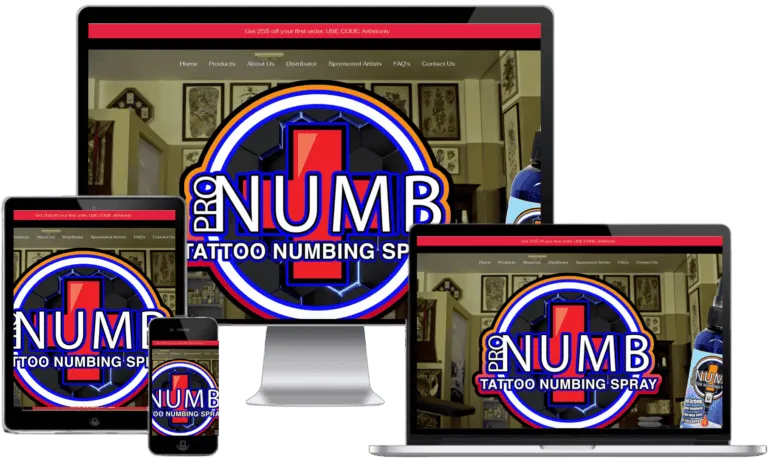
Pro Numb
Numbing Products | Ecommerce SEO
A health product brand now cited by AI Overviews in its category. Egochi built the structured, answer-first pages that earned the snippets and the citations.
- +340% Organic Traffic
- 47 Featured Snippets Won
- $2M+ Monthly Revenue
-
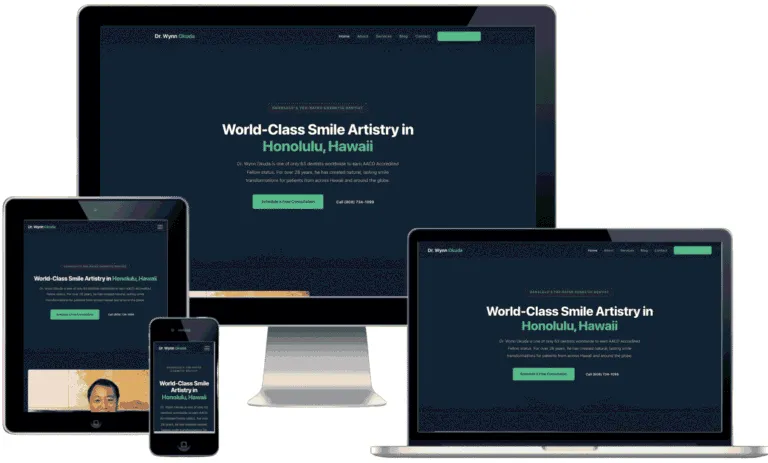
Honolulu Dental Practice
Cosmetic Dentistry | Honolulu, HI
A cosmetic practice led by an AACD Accredited Fellow, drawing patients from across the islands. Egochi rebuilt the site around three core treatment paths and tightened the local signals connecting the practice to Honolulu searches. The full story is in the case study.
-
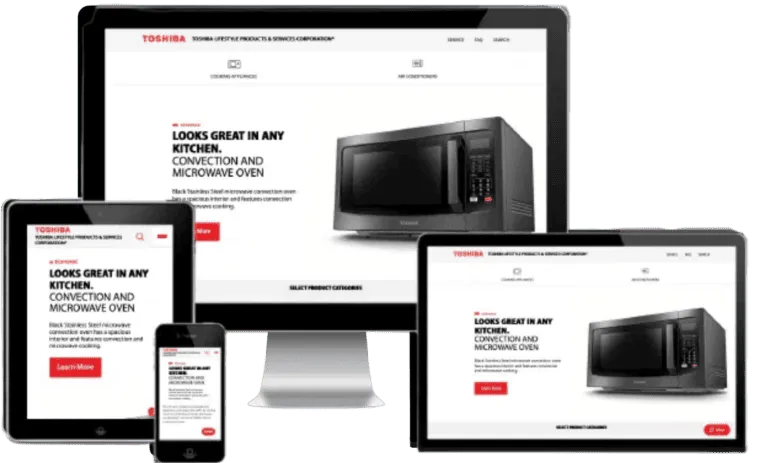
Toshiba Lifestyle
Consumer Electronics | Enterprise SEO
A roster receipt from outside healthcare, included for scale. The Egochi program moved thousands of rankings for a global brand, the same mechanics condition pages run on.
- +185% Organic Traffic
- 2,400+ Rankings Improved
- +67% Revenue Growth
See How Egochi Works
A short look at how our team plans, builds, and reports on client work.
Is This Right for You?
This is for you if
- You run a practice or provider group with service lines patients search for by condition and treatment.
- You operate multiple locations and want each one competing in its own Map Pack, not riding on a single homepage.
- Your clinicians can give a few hours a month to review content, because that time is what makes the rankings possible.
This may not be the right fit if
- You need new patients this month: paid campaigns close faster while rankings compound, and the Egochi audit will say so plainly.
- You want anonymous content with no provider names or credentials attached; in this category, that content will not rank.
See the work: Healthcare case studies · SEO case studies
The Complete Healthcare Program
This page is one part of a five-part program. Each piece works alone and works better together.
-
Healthcare Digital Marketing Agency
The full program with medical E-E-A-T and HIPAA-aware campaign practice.
-
Healthcare PPC
Patient-acquisition campaigns run inside the platform rules for health ads.
-
Healthcare Social Media
Trust-building provider content that stays compliant while it converts.
-
Healthcare Web Design
Accessible, fast practice sites built for patient booking flows.
Common Questions About Healthcare SEO
-
How much does healthcare SEO cost?
Egochi's healthcare SEO plans start at $1,500 monthly for single-location practices and scale with locations, service lines, and the competition in your market. Pricing is published up front with no long-term lock-in, and the free audit shows what your condition-page coverage is missing before you commit to anything.
-
How do medical practices get cited in AI search answers?
ChatGPT, Gemini, Perplexity, and Google AI Overviews cite health sources with visible accountability: named clinicians, credentials, direct answers, and consistent provider data across the site and its profiles. Egochi structures provider, specialty, condition, location, and FAQ information so those systems can identify the practice, and the same work earns classic rankings.
-
How long does healthcare SEO take to work?
Google Business Profile and review work often moves Map Pack visibility in one to two months. New condition and treatment pages typically take three to six months to mature, longer in dense metro markets. Medical content also passes through a stricter quality filter than most industries, which is why Egochi builds the E-E-A-T foundation first.
-
Can a small practice rank against hospitals?
Yes, on the searches that matter locally. Map Pack rankings run on proximity, reviews, and profile quality, which a small practice controls completely. Long-tail condition and insurance searches reward whoever built the specific page, and Egochi builds them by service line. Hospital systems keep the broad head terms, but most booked appointments never come from those searches anyway.
-
How should a practice evaluate a healthcare SEO company?
Ask how they handle medical review, because content with no credentialed reviewer will not rank in this category, and any plan that skips your clinicians is a plan to publish invisible pages. Ask whether the strategy targets Map Pack and long-tail condition searches or burns budget on head terms hospital systems own. Ask for pricing up front, and walk away from anyone promising patient volume; Egochi answers all of it before the call ends.
Awards and Partnerships Egochi Holds in 2026
-

Egochi Named 2026 Top SEO Company by Clutch
Clutch, a B2B market research and reviews platform, names Egochi a top SEO company for 2026. The distinction rests on overall market presence and, most importantly, verified client feedback. Egochi holds a 5.0 rating across 190+ reviews on Clutch.
-

Egochi Is a Certified Google Premier Partner
Egochi is a certified Google Premier Partner, a status Google grants to the top 3% of participating advertising agencies each year. The tier is earned on campaign performance, sustained client growth, and advanced Google Ads certification, and Google reviews it annually rather than granting it for life.
The Team Behind the Work
-
Jobin John
Chief Executive Officer
-

Justin Brown
Head of Search Engine Optimization
-

Bryan Thomson
Head of Web Design & Development
-

Ina Komins
Head of Social Media Marketing
-

Kierra Pita
Head of Advertising & Content Marketing
-

Patricia Turner
Chief Creative Officer
-
William Carter
Chief Digital Strategy Officer
-

Andrew Miller
Senior SEO Strategist
-
Amy Robinson
Content Marketing Manager
-

Betty Harrison
PPC Campaign Specialist
-

Anthony Carter
Lead Digital Account Executive
-

Amanda Cooper
Social Media Director
-
Carol Parker
Senior Client Success Manager
-
Barbara Bennett
Email Marketing Lead
-

Charles Turner
Technical SEO Analyst
-

Brian Sullivan
Creative Director
-

Christine Walker
Director of Project Management
-

Christopher Brooks
Digital Marketing Strategist
-

Daniel Wright
Senior Analytics Specialist
-

David Henderson
Lead Content Strategist
-

Donna Mitchell
Client Communications Manager
-

Elizabeth Foster
Director of Paid Advertising
-

Emily Baredi
Brand Experience Specialist
-

Emma Scott
Social Media Content Creator
-

George Crawford
Technical Solutions Architect
-
Jacob Evans
Digital Content Coordinator
-
James Anderson
Marketing Automation Specialist
-
Jason Palmer
Junior Copywriter
-
Jeffrey Reynolds
Paid Media Analyst
-

Jennifer Lewis
Community Engagement Specialist
-

Jonathan Murphy
SEO Reporting Specialist
-

Joseph Morgan
Influencer Marketing Coordinator
-

Kenneth Stevens
Digital PR Manager
-

Kimberly Harper
Digital Marketing Intern
-

Kevin Morris
SEO Outreach Specialist
-

Lee Dawson
Junior Web Developer
-

Linda Peterson
Email Campaign Coordinator
-
Lisa Thompson
Social Media Ads Specialist
-

Margaret Bradley
Marketing Operations Lead
-
Mark Richards
Data & Insights Analyst
-

Mary Kennedy
Senior Copyeditor
-

Matthew Clark
Growth Marketing Manager
-

Michelle Sanders
Junior Marketing Designer
-

Michael Foster
Senior Conversion Rate Specialist
-

Nancy Wheeler
Digital Analytics Manager
-

Nicholas Pierce
Affiliate Marketing Specialist
-

Nicole Adams
Outreach Program Coordinator
-

Paul Franklin
Paid Social Campaign Manager
-
Richard Barnes
Reputation Management Specialist
-

Robert Murphy
Lead Solutions Architect
-
Ronald Davis
Marketing Technology Analyst
-

Ryan Bell
Paid Media Buyer
-

Sandra Gregory
Digital Account Coordinator
-
Scott Hopkins
CRM Implementation Specialist
-

Shirley Ellis
Customer Insights Manager
-

Stephanie Cross
Brand Content Designer
-

Steven Greene
Web Analytics Specialist
-

Susan Price
Affiliate Campaign Manager
-

Thomas Fisher
Lead Technical Architect
-

Timothy Nash
Mobile Marketing Strategist
Certified & Accredited


Own the Searches That Book Patients
Tell us your specialty and locations. Egochi, the healthcare SEO company behind the receipts above, maps your condition-page coverage against the practices and systems taking those searches today.
Egochi Stats
- 250+ Google Reviews
- 5.0 Clutch Rating
- 12+ Years Experience
- $200M+ Revenue Generated
- 4 US Offices
- 190+ Clutch Reviews
Blog Posts
- Aug 12, 2026 GEO vs. SEO: A Comparative Guide for Digital Marketers
- Aug 12, 2026 What is llms.txt? | How to Create llms.txt file for your website
- Aug 12, 2026 What is Semantic SEO? | How to Build Topical Authority That Ranks
- Aug 12, 2026 What is Schema Markup? | How to Add Structured Data to Your Website
- Aug 12, 2026 How to Optimize for Voice Search: A Realistic 2026 Guide