Insurance Social Media Marketing
Nobody follows an insurance agency for fun, and social strategies that ignore that truth post into silence. The real job of insurance social media is memory: being the name that comes to mind when a follower closes on a house, brings home a baby, registers an LLC, or opens a renewal letter that stings. Egochi builds that presence with life-event content mapped to coverage conversations, claim stories that show policies doing their job, and a posting rhythm that makes your agents recognizable local figures rather than a logo. Every post passes a compliance check before it publishes, because state advertising rules and carrier requirements apply to a Facebook caption as much as a billboard. Plans start at $1,500 monthly. Start with a free audit of your current presence.
Get Your Free Social Media Audit See What's Included
- 250+ Google Reviews
- 190+ Clutch Reviews at 5.0
- Google Premier Partner
As Featured In





How Social Media Actually Works for Insurance
Four truths Egochi builds every insurance social plan around.
The win condition is recall, not reach
An insurance post will never outperform a meme, and it does not have to. The account exists so that months of quiet familiarity pay off in one moment: a follower needs coverage and thinks of a person, not a search bar. Egochi plans for consistency over years, which beats any single clever post.
Life events are the entire content calendar
New home, new baby, new business, teen driver, retirement: each maps to a coverage conversation people do not know they need to have. Egochi builds content around those moments because it reads as useful instead of promotional, and it reaches people at the exact time their coverage actually changed.
Claim stories are the most persuasive content an agency owns
A short account of a claim that got paid, shared with the client's written permission, teaches what a policy does better than any product description. It answers the quiet question every prospect carries: will these people actually show up when something goes wrong.
Compliance applies to captions too
State insurance departments regulate testimonials and advertising claims on social platforms just as they do everywhere else, and carriers add brand and co-op rules on top. Egochi runs a review step before scheduling, which costs a day; a takedown request or a carrier complaint costs far more.
What's Inside an Insurance Social Plan
Six things Egochi runs as one presence: life-event content, local recognition, and compliance review on every post.
-
Life-Event Content Calendar
Egochi builds a monthly calendar around the moments that change coverage needs in your market, written in your agency's voice, not stock insurance clip art with captions.
-
Agent-as-Local-Figure Presence
Egochi produces content that puts your producers on camera and in the community feed: sponsorships, local events, plain-language coverage takes, so the agency has faces people recognize.
-
Claim-Story Education
Egochi produces permission-based claim narratives and coverage explainers that show policies working, with a release process so every story is cleared before it appears.
-
Compliance Review Before Publishing
Egochi checks every caption and creative against state advertising rules, testimonial restrictions, and carrier brand requirements before scheduling, with a paper trail your compliance contact can audit.
-
Local Paid Social
Egochi runs small, targeted ad spend that keeps life-event content in front of your actual service area, including audiences built from your book within the platforms' data rules.
-
Reporting on Conversations, Not Vanity
Egochi reports monthly on messages, quote inquiries, and profile-to-website visits rather than likes, because a DM asking about umbrella coverage is worth more than a hundred passive impressions.
What AI Assistants Read From Your Public Presence
When someone asks ChatGPT or Gemini which local insurance agent to trust, the answer gets assembled from the agency's public footprint: profiles, reviews, photos, and whether they all describe the same licensed business. Egochi runs insurance social so that footprint feeds AI Overviews and Perplexity the story you want told, with lines of coverage, license data, and location consistent everywhere the systems look.
Google AI OverviewsChatGPTGeminiPerplexity
-
Profiles are entity signals now
Gemini and Perplexity cross-reference an agency across its website, Google Business Profile, and social accounts before recommending it. Egochi keeps the agency name, coverage lines, license framing, and location identical across all of them, so the systems resolve one confident entity instead of fragments.
-
Active beats dormant in machine eyes
A profile that last posted in March reads as a business that may not answer the phone, to people and to assistants alike. The steady life-event cadence Egochi runs is also freshness evidence AI systems weigh when deciding which local agency to name.
-
Reviews carry the recommendation
When someone asks an assistant who handles business insurance nearby, review volume and recency do heavy lifting in the answer. Egochi ties the social presence to a review rhythm, because the same stars that persuade a follower persuade the machine assembling the shortlist.
-
Honesty rules reach the caption
Insurance is your-money-your-life territory, so Egochi keeps outcome promises and rate claims out of posts the same way they stay out of ads. Plain accounts of what coverage does, from a licensed local human, are what compliance passes and what AI systems treat as citable.
How We Run Insurance Social
-
Voice and compliance setup
Egochi documents your state advertising rules, carrier brand requirements, and testimonial restrictions, then defines an agency voice with your producers, so every later post has a personality and a defensible approval record.
-
Life-event calendar build
Egochi maps the content calendar to the coverage-changing moments in your market: closings, births, new businesses, teen drivers, retirements, each paired with a plain-language talking point and a clear next step.
-
Producer and claim-story content
Egochi films and writes with your agents, collects signed releases for any client story, and produces the finished posts, so the agency shows real faces without producers becoming part-time editors.
-
Review, schedule, publish
Every caption and creative passes the check against your documented rules before scheduling, through an approval step your designated reviewer can complete in a few minutes each week.
-
Quarterly recall check
Reporting tracks DMs, quote inquiries, and profile visits monthly, and each quarter Egochi reviews which life-event themes started real conversations and reweights the calendar toward them.
Questions Agencies Ask About Social
Nobody wants to hear from their insurance agency. So why post?
Correct, and the Egochi strategy accepts it. Nobody wants to hear from you until the day their situation changes, and on that day the agency they have quietly seen for two years beats the one they have to go find. Posting is not about being wanted weekly; it is about being remembered once, at the right moment.
Is the compliance risk worth a Facebook page?
The risk lives in improvisation, not in the channel. A producer firing off an uncleared testimonial screenshot is exposure; a review process with documented rules and archived approvals is defensible. Regulators penalize claims and testimonials that break the rules wherever they appear, so the answer is process on every channel, not absence from one.
Should our producers just post from personal accounts?
Personal accounts help, and some producers build real followings. The trouble is continuity and compliance: the audience leaves when the producer does, and personal posts about policies still fall under advertising rules most producers have never read. The pattern Egochi runs is agency-owned content that features producers, with personal sharing layered on top.
How long until social produces measurable business?
Recall takes repetition, so the honest window is seasons, not weeks. Early signals arrive sooner: DMs, mentions of a post on inbound calls, referral tags in comments. If a vendor promises quote volume in the first month from organic posting, they are selling reach metrics dressed up as revenue.
Common Mistakes to Avoid
-
Posting carrier-supplied stock graphics on a schedule, which builds recall for the carrier brand instead of your agency.
-
Letting producers share client wins without written releases, turning a nice moment into a testimonial-rule violation.
-
Chasing follower counts with giveaways that attract entrants who will never buy a policy in your state.
-
Going silent for months after a busy renewal season, which resets the quiet familiarity the whole channel exists to build.
-
Deleting critical comments instead of answering them, in a business where prospects specifically watch how you handle problems.
Community and Content Receipts From the Roster
Egochi has not published an insurance agency social case yet, and this row says so instead of pretending. What it shows is the adjacent record: engagement work for brands, local presence for licensed practices, and the review and profile mechanics an agency plan runs on. Every number restates what each client published.
-

The Peak Agency
Talent Agency | Social Engagement
A talent agency whose business runs on being noticed and remembered, the recall game an insurance agency plays. Egochi ran the social program, and engagement and inquiries climbed together.
- +78% Social Media Engagement
- +65% Talent Inquiry Growth
- +70% Top Talent Conversion
-
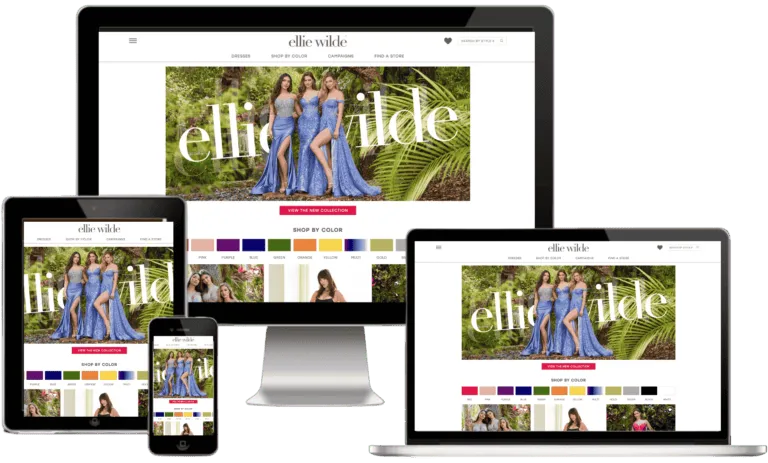
Ellie Wilde
Fashion Brand | Social and Owned Media
A national brand that needed its feed to feed the business. Egochi grew social engagement alongside the email and paid channels, the same owned-audience play an agency runs on its book.
- 80% Social Engagement Growth
- 70% Email Open Rate Increase
- 100K+ Monthly Organic Visitors
-
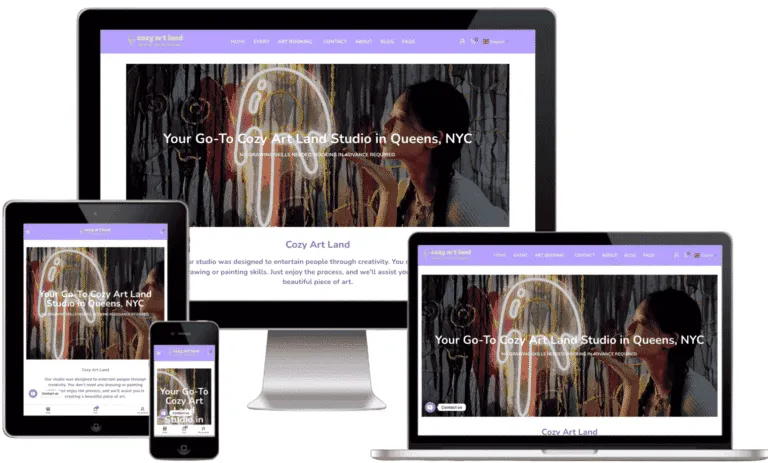
Cozy Art Land
Art Studio | Local Community Presence
A neighborhood studio that lives on local recognition, the way a main-street agency does. Egochi worked the public profile until the calls, clicks, and directions all rose.
- +85% GBP Calls Growth
- +75% GBP Website Clicks
- +110% GBP Direction Requests
-

Culbertson Law
Family Law Firm | Reviews and Local Trust
A licensed local practice whose growth ran through reviews and recognition, exactly the trust currency an agency trades in. Egochi built the review base while qualified calls climbed.
- 47 New Google Reviews
- +91% Qualified Calls
- 9 → 2 Map Pack Position
-
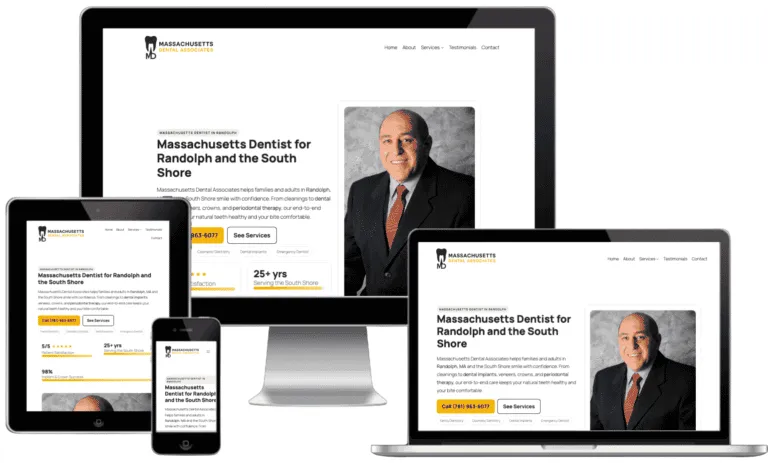
Massachusetts Dental
Dental Practice | Local Discovery
A local practice in another licensed profession that needed its community to find and remember it. Egochi grew the discovery views and profile actions that local recall runs on.
- 140% Local Discovery Views
- 112% GBP Actions Growth
- 95% More New Patient Calls
-
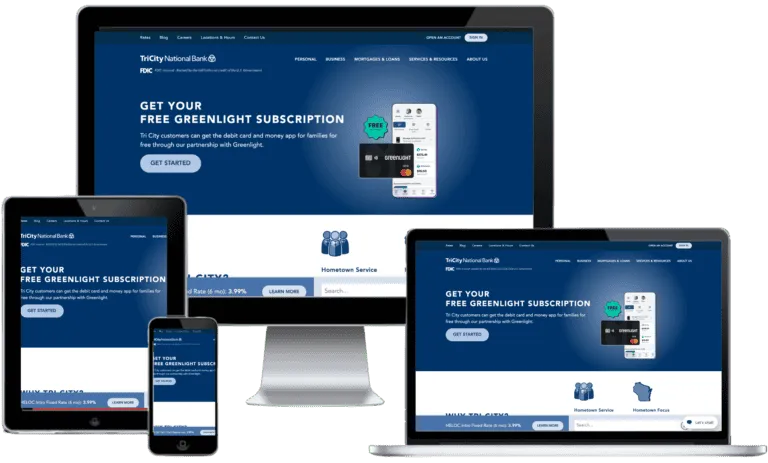
TriCity National Bank
Community Bank | Staying in Front of the Book
A community bank keeping existing customers close between transactions, the between-renewals job insurance social exists to do. Egochi ran the owned-audience program inside banking compliance.
- +80% Email Engagement Lift
- +90% Organic Traffic Surge
- +77% PPC Conversion Rate
Is This Right for You?
This is for you if
- You are a local agency whose real advantage is that people know and trust your agents.
- You want to stay in front of your book between renewals without paying for every touch.
- You have clients willing to let their claim stories be told, with permission handled properly.
This may not be the right fit if
- You expect social posts to produce direct quote volume within weeks; search channels do that job, social builds the memory that feeds them.
- Nobody at the agency will appear in photos or on camera; the local-figure approach cannot run on stock images alone.
See the work: Finance case studies · Social media case studies
What Clients Tell Us
Insurance marketing is heavily regulated. Egochi created compliant campaigns that still drive results. Quote requests increased 200% and our cost per acquisition dropped by half.
The Complete Insurance Program
This page is one part of a five-part program. Each piece works alone and works better together.
-
Insurance Marketing Agency
The full program that replaces shared leads with searches you own.
-
Insurance SEO
A ranking page per coverage line, built to YMYL standards.
-
Insurance PPC Management
Waste control at some of the highest click prices in paid search.
-
Insurance Website Design
A custom site that can rank, in a market of identical platform templates.
Common Questions About Insurance Social Media
-
How much does insurance social media marketing cost?
Egochi's insurance social media plans start at $1,500 monthly, covering strategy, content production, compliance review, and reporting. Adding paid social to keep content in front of your service area is a separate small ad budget you control. Pricing is published before any sales call.
-
Which social platforms work best for insurance agencies?
Facebook still carries most local personal-lines attention, especially around the life events that change coverage needs. LinkedIn earns commercial relationships for brokerages and benefits work. Instagram suits agencies with younger producers and a visual community presence. Egochi picks two and posts consistently rather than scattering across five.
-
Can insurance agents post client testimonials on social media?
Carefully. Many states restrict testimonial use in insurance advertising, and some require disclosures about compensation or typical results. Written client permission is the floor, not the finish. Egochi checks each state's rules and your carrier agreements before any client story is scheduled, which is why review precedes posting.
-
Does social media help insurance agencies show up in AI search?
Yes, indirectly and measurably. When someone asks ChatGPT, Gemini, or Perplexity which local agent to trust, the systems read the agency's public footprint: profiles, reviews, photos, and whether every surface describes the same licensed business. An active, consistent social presence feeds that footprint, and Egochi keeps coverage lines, license framing, and location matched everywhere, including the pages Google's AI Overviews pull from.
-
What should an insurance agency look for in a social media company?
Look for a compliance review step with a paper trail, because testimonial and advertising rules apply to a caption as much as a billboard. Ask what the content calendar is built from; life events beat carrier stock graphics, which build recall for the carrier instead of you. Ask what gets reported: messages and quote inquiries are the honest measures Egochi reports, and anyone promising quote volume from the first month of posting is selling reach.
Awards and Partnerships Egochi Holds in 2026
-

Egochi Named 2026 Top Digital Marketing Agency by Clutch
Clutch, a B2B market research and reviews platform, names Egochi a top digital marketing agency for 2026. The distinction rests on overall market presence and, most importantly, verified client feedback. Egochi holds a 5.0 rating across 190+ reviews on Clutch.
-
Egochi Is a Certified Google Premier Partner
Egochi is a certified Google Premier Partner, a status Google grants to the top 3% of participating advertising agencies each year. The tier is earned on campaign performance, sustained client growth, and advanced Google Ads certification, and Google reviews it annually rather than granting it for life.
The Team Behind the Work
-

Jobin John
Chief Executive Officer
-

Justin Brown
Head of Search Engine Optimization
-

Bryan Thomson
Head of Web Design & Development
-

Ina Komins
Head of Social Media Marketing
-

Kierra Pita
Head of Advertising & Content Marketing
-

Patricia Turner
Chief Creative Officer
-

William Carter
Chief Digital Strategy Officer
-

Andrew Miller
Senior SEO Strategist
-

Amy Robinson
Content Marketing Manager
-

Betty Harrison
PPC Campaign Specialist
-

Anthony Carter
Lead Digital Account Executive
-

Amanda Cooper
Social Media Director
-

Carol Parker
Senior Client Success Manager
-

Barbara Bennett
Email Marketing Lead
-

Charles Turner
Technical SEO Analyst
-

Brian Sullivan
Creative Director
-

Christine Walker
Director of Project Management
-

Christopher Brooks
Digital Marketing Strategist
-

Daniel Wright
Senior Analytics Specialist
-

David Henderson
Lead Content Strategist
-

Donna Mitchell
Client Communications Manager
-

Elizabeth Foster
Director of Paid Advertising
-

Emily Baredi
Brand Experience Specialist
-

Emma Scott
Social Media Content Creator
-

George Crawford
Technical Solutions Architect
-
Jacob Evans
Digital Content Coordinator
-

James Anderson
Marketing Automation Specialist
-

Jason Palmer
Junior Copywriter
-

Jeffrey Reynolds
Paid Media Analyst
-

Jennifer Lewis
Community Engagement Specialist
-

Jonathan Murphy
SEO Reporting Specialist
-

Joseph Morgan
Influencer Marketing Coordinator
-

Kenneth Stevens
Digital PR Manager
-

Kimberly Harper
Digital Marketing Intern
-

Kevin Morris
SEO Outreach Specialist
-

Lee Dawson
Junior Web Developer
-

Linda Peterson
Email Campaign Coordinator
-

Lisa Thompson
Social Media Ads Specialist
-

Margaret Bradley
Marketing Operations Lead
-

Mark Richards
Data & Insights Analyst
-

Mary Kennedy
Senior Copyeditor
-

Matthew Clark
Growth Marketing Manager
-

Michelle Sanders
Junior Marketing Designer
-

Michael Foster
Senior Conversion Rate Specialist
-

Nancy Wheeler
Digital Analytics Manager
-

Nicholas Pierce
Affiliate Marketing Specialist
-

Nicole Adams
Outreach Program Coordinator
-

Paul Franklin
Paid Social Campaign Manager
-

Richard Barnes
Reputation Management Specialist
-

Robert Murphy
Lead Solutions Architect
-

Ronald Davis
Marketing Technology Analyst
-

Ryan Bell
Paid Media Buyer
-

Sandra Gregory
Digital Account Coordinator
-

Scott Hopkins
CRM Implementation Specialist
-

Shirley Ellis
Customer Insights Manager
-

Stephanie Cross
Brand Content Designer
-

Steven Greene
Web Analytics Specialist
-

Susan Price
Affiliate Campaign Manager
-

Thomas Fisher
Lead Technical Architect
-

Timothy Nash
Mobile Marketing Strategist
Certified & Accredited


Be the Name They Think Of When Life Changes
Tell us your market and your lines. Egochi, a social team that clears every caption with compliance before it posts, reviews your current presence and maps the life-event calendar your service area would actually notice.
Egochi Stats
- 250+ Google Reviews
- 5.0 Clutch Rating
- 12+ Years Experience
- $200M+ Revenue Generated
- 4 US Offices
- 190+ Clutch Reviews
Blog Posts
- Aug 12, 2026 GEO vs. SEO: A Comparative Guide for Digital Marketers
- Aug 12, 2026 What is llms.txt? | How to Create llms.txt file for your website
- Aug 12, 2026 What is Semantic SEO? | How to Build Topical Authority That Ranks
- Aug 12, 2026 What is Schema Markup? | How to Add Structured Data to Your Website
- Aug 12, 2026 How to Optimize for Voice Search: A Realistic 2026 Guide