Insurance SEO Services
Insurance SEO gets agents, brokerages, and carriers found for the searches people run when they need coverage, and the ranking unit is smaller than most agencies think. It is not your homepage: it is a dedicated page for every coverage line you write and every niche inside a line, from contractors insurance down to insurance for electricians. Local agencies pair that architecture with map-pack visibility in their service area; carriers need national content depth per product instead. Google holds insurance pages to YMYL scrutiny, so real author credentials and accurate policy language are ranking requirements, not niceties. Egochi builds insurance SEO around exactly that architecture, with plans from $1,500 monthly and pricing published before you ever get on a call. Start with a free audit of the coverage searches in your market.
Get Your Free Insurance SEO Audit See What's Included
- 250+ Google Reviews
- 190+ Clutch Reviews at 5.0
- Google Premier Partner
As Featured In





What Ranking Insurance Sites Get Right
Four things Egochi has watched decide whether an insurance site ranks or slides.
Niches inside a line outrank the line itself
Contractors insurance splits into electricians, roofers, plumbers, and HVAC, and those narrower pages usually rank first because national carriers rarely bother with them. Each niche page wins its own long-tail searches, then passes authority up to the line page. Egochi builds from the niche out, not from the generic page down.
Agencies and carriers need opposite strategies
An independent agency wins on local signals: Google Business Profile, service-area pages, and reviews in the cities it quotes. A carrier or national brokerage wins on content depth per product across every state it files in. Mixing the two playbooks spends budget on rankings the business cannot service, so Egochi builds the one that matches yours.
YMYL scrutiny is the hidden ranking factor
Google classifies insurance alongside medical and financial content, which means pages face quality standards most industries never see. Author bios with real license credentials, policy language an underwriter would sign off on, and sourcing for every claim about coverage separate pages that hold rankings from pages that slide.
Quote-intent answers are what AI search cites
When someone asks ChatGPT or Google's AI Overviews what umbrella coverage costs or whether renters insurance covers a stolen bike, the cited sources are pages that answer in plain, direct language. Egochi structures coverage pages around those questions, which earns citations a brochure-style services page never will.
What's Inside an Insurance SEO Plan
Six services Egochi runs as one insurance SEO plan: line-by-line architecture, local and national, built to YMYL standards.
-
Coverage-Line Page Architecture
Egochi maps a page for every line and niche you write, each targeting its own quote-intent keyword, internally linked so authority flows from niche pages up to line pages.
-
Local SEO for Agencies
Egochi manages Google Business Profile, local citations, and city-level line pages for agencies that win by being the licensed human nearby.
-
National Coverage Content
Egochi writes product-depth content for carriers and national brokerages: state availability, policy comparisons, and the informational searches that feed quote requests.
-
AI Answer Visibility
Egochi structures pages so AI Overviews, ChatGPT, and Perplexity can lift and cite your coverage answers, with the entity signals those engines check before trusting a source.
-
E-E-A-T and Credential Signals
Egochi builds author pages with real license credentials, reviewed-by bylines on coverage content, and accuracy passes on policy language so YMYL scrutiny works for you instead of against you.
-
Technical SEO and Schema
Egochi handles site speed, crawl cleanup, and InsuranceAgency schema with correct NAP and license data, so search engines read your site the way a regulator reads a filing.
How Insurance Sites Get Cited by AI Answers
The coverage questions that used to be five searches now go to an assistant: what a policy for a food truck costs, whether flood damage is covered, which local agent writes coverage for a situation like theirs. AI Overviews, ChatGPT, Gemini, and Perplexity answer from the same structured pages, consistent identity, and review record a strong insurance SEO program already builds, so Egochi runs both as one discipline.
Google AI OverviewsChatGPTGeminiPerplexity
-
Line pages the engines can lift
AI Overviews and ChatGPT quote pages that answer one coverage question in plain language with a licensed source visible. Egochi structures every niche and line page that way, which is also the shape that wins featured snippets in classic results.
-
Agency, license, and carrier data as entities
Gemini and Perplexity resolve who an agency is before recommending it, reading schema, Google Business Profile, and directory data for license, location, carrier, and coverage-line signals. Egochi keeps that identity consistent everywhere the engines look.
-
A review record that survives cross-checking
Assistants weigh review volume and recency, and they compare what your site claims against what your profiles show. Egochi keeps the two telling one story, because a mismatch costs citations the same way it costs trust.
-
YMYL honesty carries both channels
Insurance is your-money-your-life content, so Egochi never writes coverage-outcome promises to chase a citation. Accurate policy language with a named licensed human behind it is what Google ranks, what AI engines cite, and what your compliance reviewer passes.
Insurance SEO Campaigns Run on Egochi's Proprietary VERTEX Search™ Ranking System
VERTEX Search™ is Egochi's proprietary SEO methodology, custom built in-house since 2014 and run on every insurance engagement. The full system holds 18 documented steps; the five milestones below are the ones insurance clients see. Generic checklists treat every policy line the same; this system was built to separate the searches that bind policies from the ones that only browse.
-
Coverage and keyword mapping
Egochi inventories every line and niche you write, pulls the quote-intent searches for each, and ranks the opportunities by premium, competition, and close rate, so the build order follows your economics.
-
Credential groundwork
Author pages, license data, and reviewed-by processes get built before content ships, because YMYL pages without an identifiable licensed human behind them start the race with a handicap.
-
Niche pages first
The narrowest pages publish first: coverage for specific trades, industries, and situations where national sites are thin. Those rank soonest, produce quote traffic earliest, and pass authority up to the broader line pages.
-
Local or national layer
Agencies get Google Business Profile work, citations, and city-level pages. Carriers get state availability and product-depth content. Egochi builds the layer that matches how you can actually bind business.
-
Quote tracking and iteration
Rank tracking pairs with quote-start tracking on every page, and a quarterly Egochi review reorders the roadmap toward the lines and niches producing bound policies, not just the prettiest positions.
No part of VERTEX Search™ is rented or rebranded. Egochi built the method and holds every insurance campaign against it. Every step is documented inside the EGOCHI VERTEX™ Growth System, so you can hold any month of work against the method you hired.
Honest Answers About Insurance SEO
The carriers and aggregators own page one. What is left for us?
The head terms, yes; the long tail, no. Nationals cannot write credible pages for every niche in every metro, and searches pairing a specific trade with a specific city routinely surface local agencies that built real pages. That tail is where quote intent runs highest and competition thinnest, and it adds up to a book.
Is insurance content too dry to rank?
Dry is an advantage here. Someone comparing umbrella policies wants a direct, accurate answer, not entertainment, and Google measures whether the page satisfied the search rather than whether it was fun. Plain answers to real coverage questions from a licensed source are exactly what YMYL standards reward and what AI engines cite.
Can we fill our line pages with carrier product descriptions?
That is the fastest way to build a site Google ignores. Carrier boilerplate already sits on thousands of agency sites, so duplicated pages rank for nothing and can drag the whole domain down. Every line page Egochi writes uses original language: who the coverage fits, what claims look like, what it tends to cost in your market.
What timeline is honest for insurance SEO?
Niche pages in lighter markets can produce quotes inside a few months; competitive personal lines take a year or more of accumulated trust signals. The dishonest version of this answer is a fixed date. The version Egochi gives is a sequence: niches first, lines later, head terms last, with quote flow starting well before the biggest rankings land.
Common Mistakes to Avoid
-
Building one "products" page for eight lines, which hands every quote-intent search to competitors with dedicated pages.
-
Publishing coverage advice with no named licensed author, then wondering why YMYL scrutiny keeps the pages on page four.
-
Targeting "cheap car insurance" nationally instead of the commercial niches where your close rate and commission actually live.
-
Stuffing city names into duplicated pages, a pattern Google has demoted for years and prospects read as sloppiness.
-
Merging or deleting old pages during a redesign without redirects, spending years of accumulated authority in one afternoon.
SEO Results Egochi Publishes From Regulated Categories
Insurance is not in the published portfolio yet, so this row shows the closest evidence instead: SEO engagements in regulated finance, YMYL-graded healthcare, and licensed local practice. The scrutiny transfers, and Egochi restates only the numbers each client published.
-
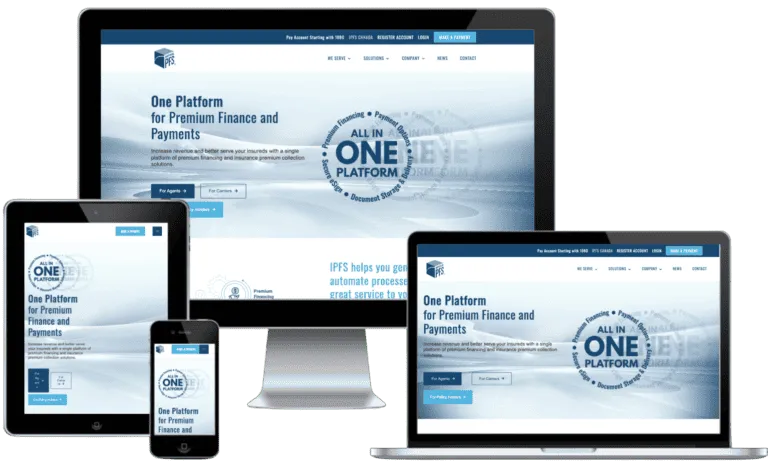
IPFS Corporation
Commercial Finance | B2B SEO
A commercial finance company competing for business borrowers in a category Google grades as strictly as insurance. Egochi ran the keyword-focused content strategy, and organic traffic and qualified inquiries climbed together.
- +70% Organic Traffic Increase
- +55% Qualified Inquiry Rise
- +60% PPC Click-Through Improvement
-
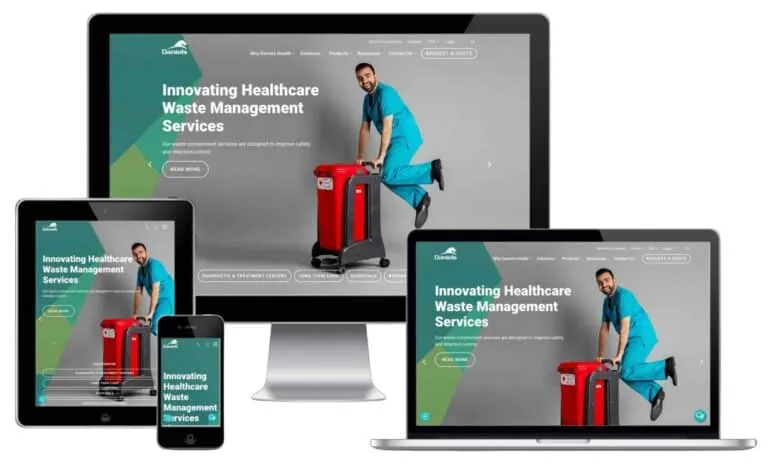
Daniels Health
Healthcare Services | National Authority
A clinical waste company that needed authority against national incumbents, the same content-depth fight a carrier faces. Egochi ran the link and content program that moved its search visibility.
- +520 Referring Domains
- +73% Search Visibility
- DR 58 Domain Rating
-
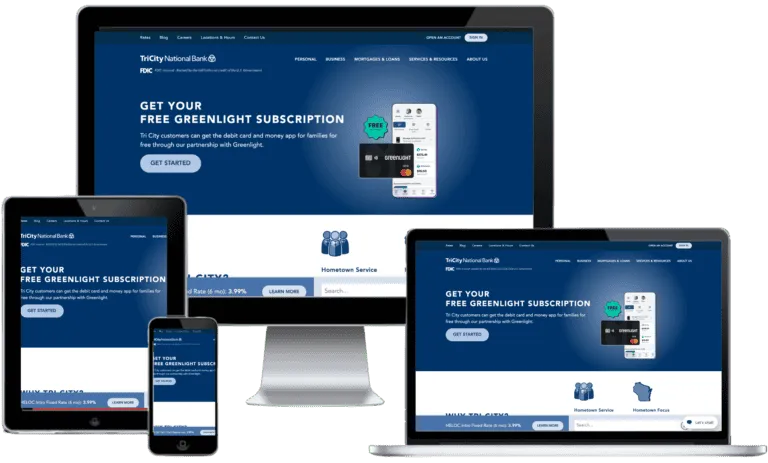
TriCity National Bank
Community Bank | Regulated SEO
A community bank whose pages face the same YMYL reading insurance pages do. Egochi grew organic visibility inside banking compliance, with email and paid lifting alongside.
- +90% Organic Traffic Surge
- +80% Email Engagement Lift
- +77% PPC Conversion Rate
-
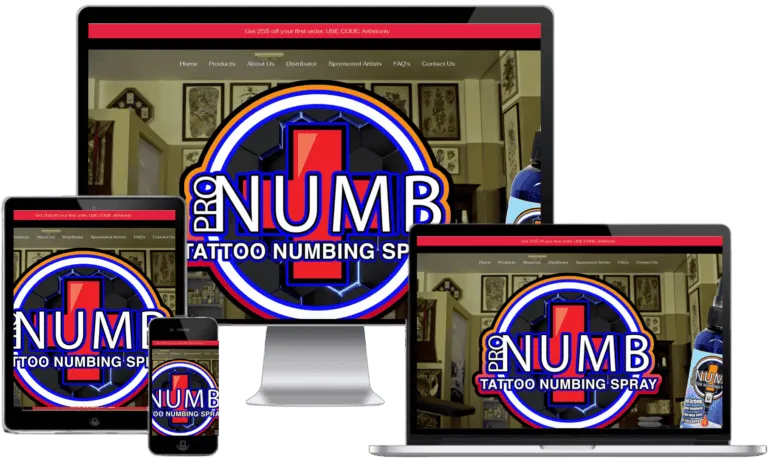
Pro Numb
Numbing Products | AI Citations
A health product brand that now gets cited by AI Overviews for its category. The answer-first page structure Egochi builds for coverage lines is the one that earned this brand its citations and snippets.
- +340% Organic Traffic
- 47 Featured Snippets Won
- $2M+ Monthly Revenue
-

Culbertson Law
Family Law Firm | Local Map Pack
A licensed local practice fighting the Map Pack fight an independent agency knows. Egochi moved the firm from page two into the pack, and the profile and review mechanics transfer one to one.
- 9 → 2 Map Pack Position
- +91% Qualified Calls
- 47 New Google Reviews
-
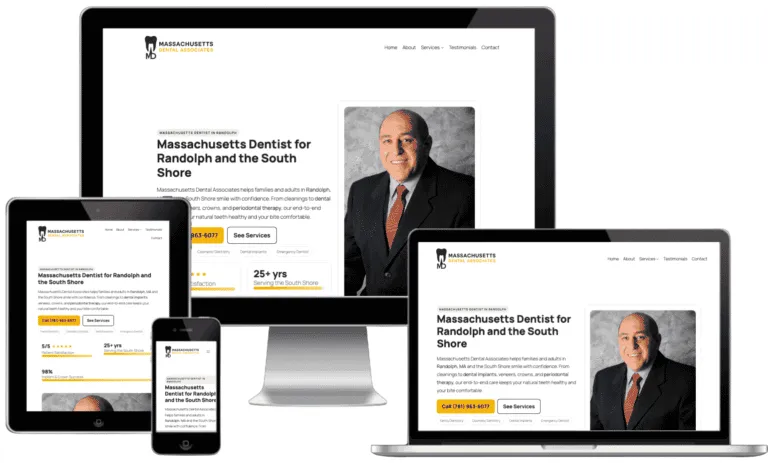
Massachusetts Dental
Dental Practice | Local Visibility
A local practice in another licensed profession whose bookings depended on third-party lists, the way many agencies depend on lead vendors. Egochi built the owned local visibility that replaced them.
- 120% Organic Sessions Lift
- 95% More New Patient Calls
- 68% Booked Appointments Rise
See How Egochi Works
A short look at how our team plans, builds, and reports on client work.
Is This Right for You?
This is for you if
- You write multiple lines or niches and your site only ranks for your agency name.
- You are a carrier or brokerage that needs product content at national depth, state by state.
- You want to be the source AI answers cite when people in your market ask coverage questions.
This may not be the right fit if
- You need quote volume in the next 30 days. Paid search fits that timeline; rankings take months to earn.
- Your site sits on a locked template platform you cannot add pages to. Fix the platform first; our insurance website design work covers exactly that.
See the work: Finance case studies · SEO case studies
What Clients Tell Us
Insurance marketing is heavily regulated. Egochi created compliant campaigns that still drive results. Quote requests increased 200% and our cost per acquisition dropped by half.
The Complete Insurance Program
This page is one part of a five-part program. Each piece works alone and works better together.
-
Insurance Marketing Agency
The full program that replaces shared leads with searches you own.
-
Insurance PPC Management
Waste control at some of the highest click prices in paid search.
-
Insurance Social Media Marketing
Life-event content that keeps your agency remembered at the moment of need.
-
Insurance Website Design
A custom site that can rank, in a market of identical platform templates.
Common Questions About Insurance SEO
-
How much does insurance SEO cost?
Egochi's insurance SEO plans start at $1,500 monthly and scale with the number of lines, niches, and markets you target. A single-market agency covering a few lines sits near the floor; carriers with national product content need larger plans. Pricing is published before any sales call.
-
How long does insurance SEO take to work?
Niche coverage pages in lighter-competition markets can rank within three to five months; head terms like commercial insurance take longer. The sequencing Egochi runs: long-tail niche pages produce quote traffic first while line pages and local visibility build behind them. Expect a compounding curve, not a switch.
-
Does SEO work for independent insurance agents?
Yes, and local intent is the reason. Searches like "business insurance agent near me" or "home insurance quote" in your city favor licensed local agencies over national brands when the local signals are built: Google Business Profile, reviews, and city-level coverage pages that name real local context. Egochi builds exactly that local layer.
-
How do insurance agencies get cited by AI search tools?
People ask AI Overviews, ChatGPT, Gemini, and Perplexity what a policy covers, what it costs, and which local agent handles their situation. Those systems cite pages that answer plainly with a licensed source visible, and they resolve the agency through consistent license, location, and review data. Egochi structures both inside the SEO plan, and Google applies its YMYL standard to the same signals, so the honesty work pays twice.
-
How do I pick an insurance SEO agency?
Ask how they handle YMYL requirements: pages without identifiable licensed authors and accurate policy language slide no matter who writes them. Ask whether the plan builds niche pages out to line pages or stamps city names into duplicates, and whether tracking pairs rankings with quote starts. Ask for pricing before the call, and distrust anyone quoting a fixed ranking date; Egochi publishes pricing and refuses fixed dates.
Awards and Partnerships Egochi Holds in 2026
-

Egochi Named 2026 Top SEO Company by Clutch
Clutch, a B2B market research and reviews platform, names Egochi a top SEO company for 2026. The distinction rests on overall market presence and, most importantly, verified client feedback. Egochi holds a 5.0 rating across 190+ reviews on Clutch.
-
Egochi Is a Certified Google Premier Partner
Egochi is a certified Google Premier Partner, a status Google grants to the top 3% of participating advertising agencies each year. The tier is earned on campaign performance, sustained client growth, and advanced Google Ads certification, and Google reviews it annually rather than granting it for life.
The Team Behind the Work
-

Jobin John
Chief Executive Officer
-

Justin Brown
Head of Search Engine Optimization
-

Bryan Thomson
Head of Web Design & Development
-

Ina Komins
Head of Social Media Marketing
-

Kierra Pita
Head of Advertising & Content Marketing
-
Patricia Turner
Chief Creative Officer
-

William Carter
Chief Digital Strategy Officer
-

Andrew Miller
Senior SEO Strategist
-

Amy Robinson
Content Marketing Manager
-

Betty Harrison
PPC Campaign Specialist
-

Anthony Carter
Lead Digital Account Executive
-

Amanda Cooper
Social Media Director
-
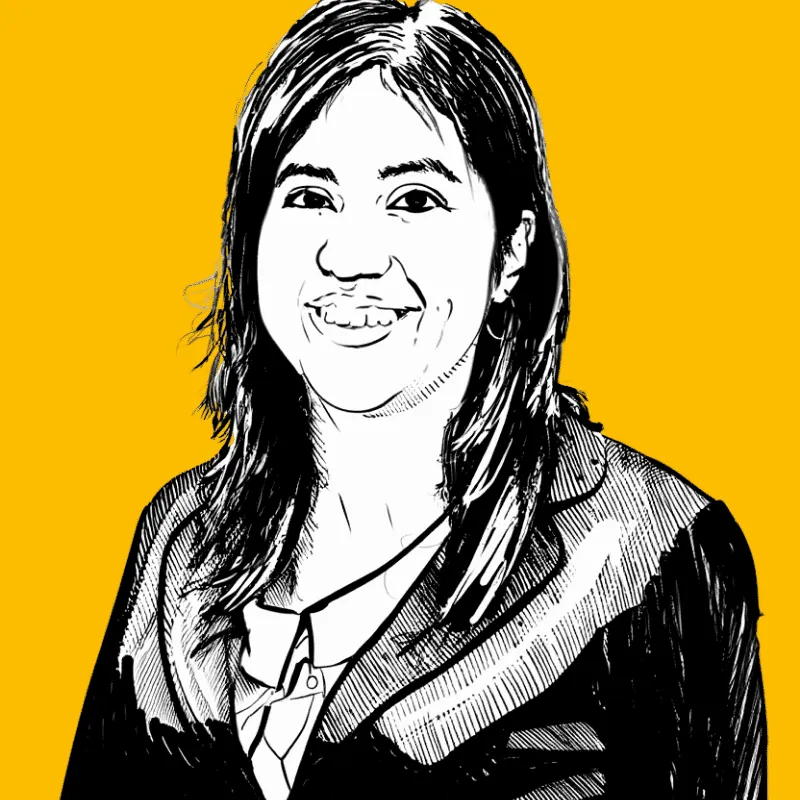
Carol Parker
Senior Client Success Manager
-
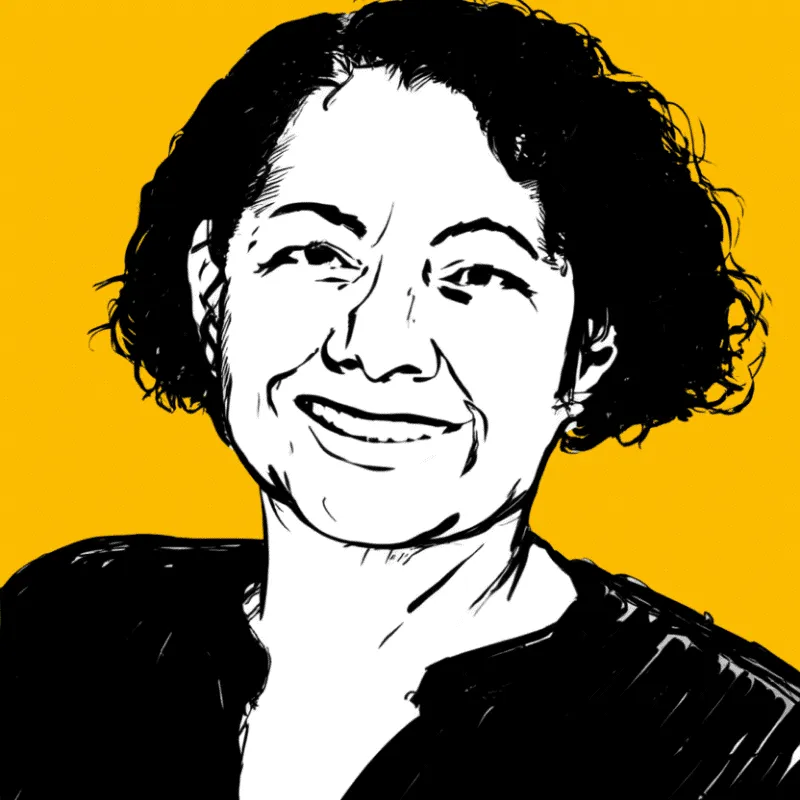
Barbara Bennett
Email Marketing Lead
-

Charles Turner
Technical SEO Analyst
-

Brian Sullivan
Creative Director
-

Christine Walker
Director of Project Management
-

Christopher Brooks
Digital Marketing Strategist
-

Daniel Wright
Senior Analytics Specialist
-

David Henderson
Lead Content Strategist
-

Donna Mitchell
Client Communications Manager
-

Elizabeth Foster
Director of Paid Advertising
-

Emily Baredi
Brand Experience Specialist
-

Emma Scott
Social Media Content Creator
-

George Crawford
Technical Solutions Architect
-
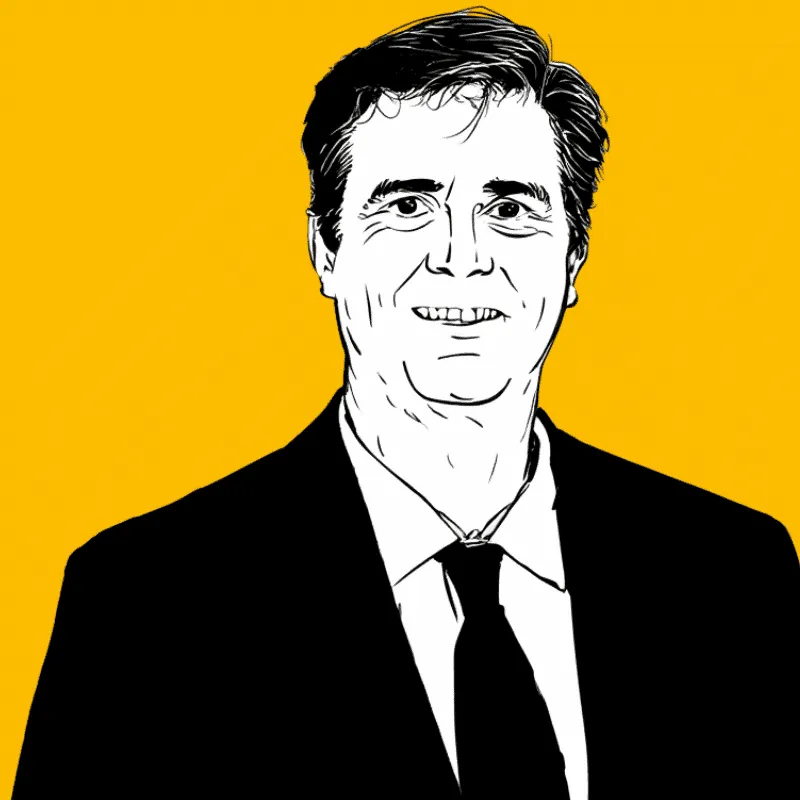
Jacob Evans
Digital Content Coordinator
-

James Anderson
Marketing Automation Specialist
-

Jason Palmer
Junior Copywriter
-

Jeffrey Reynolds
Paid Media Analyst
-

Jennifer Lewis
Community Engagement Specialist
-

Jonathan Murphy
SEO Reporting Specialist
-

Joseph Morgan
Influencer Marketing Coordinator
-

Kenneth Stevens
Digital PR Manager
-

Kimberly Harper
Digital Marketing Intern
-

Kevin Morris
SEO Outreach Specialist
-

Lee Dawson
Junior Web Developer
-

Linda Peterson
Email Campaign Coordinator
-
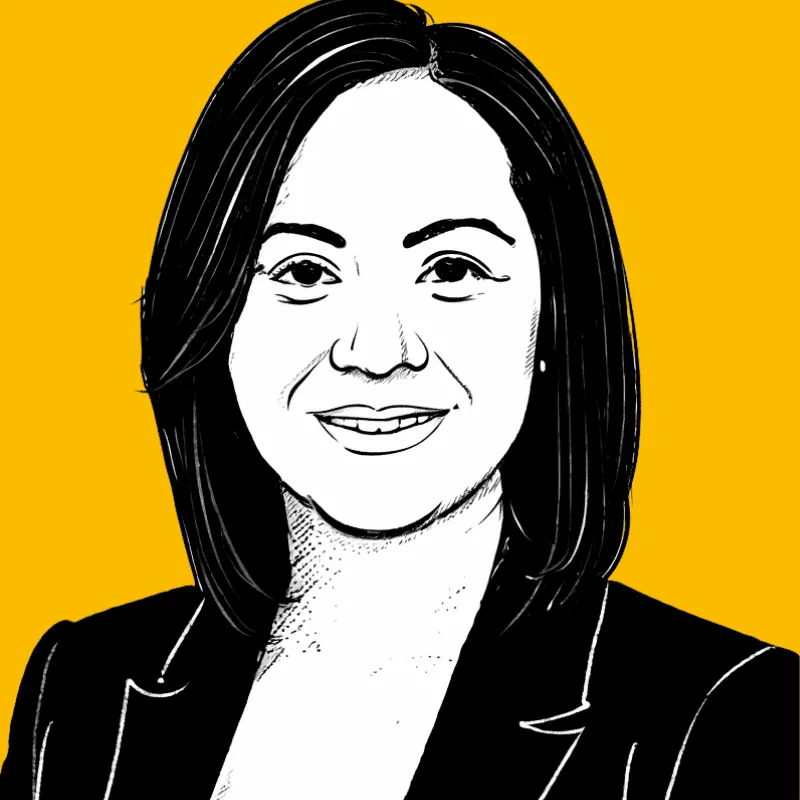
Lisa Thompson
Social Media Ads Specialist
-

Margaret Bradley
Marketing Operations Lead
-

Mark Richards
Data & Insights Analyst
-

Mary Kennedy
Senior Copyeditor
-

Matthew Clark
Growth Marketing Manager
-

Michelle Sanders
Junior Marketing Designer
-

Michael Foster
Senior Conversion Rate Specialist
-

Nancy Wheeler
Digital Analytics Manager
-

Nicholas Pierce
Affiliate Marketing Specialist
-

Nicole Adams
Outreach Program Coordinator
-

Paul Franklin
Paid Social Campaign Manager
-

Richard Barnes
Reputation Management Specialist
-

Robert Murphy
Lead Solutions Architect
-

Ronald Davis
Marketing Technology Analyst
-

Ryan Bell
Paid Media Buyer
-

Sandra Gregory
Digital Account Coordinator
-

Scott Hopkins
CRM Implementation Specialist
-

Shirley Ellis
Customer Insights Manager
-
Stephanie Cross
Brand Content Designer
-

Steven Greene
Web Analytics Specialist
-

Susan Price
Affiliate Campaign Manager
-

Thomas Fisher
Lead Technical Architect
-

Timothy Nash
Mobile Marketing Strategist
Certified & Accredited


Rank for Every Line You Write
Tell us your lines, niches, and markets. Egochi, an SEO team that prices its plans in public, maps the coverage searches you could rank for and what your site is missing to get there.
Egochi Stats
- 250+ Google Reviews
- 5.0 Clutch Rating
- 12+ Years Experience
- $200M+ Revenue Generated
- 4 US Offices
- 190+ Clutch Reviews
Blog Posts
- Aug 12, 2026 GEO vs. SEO: A Comparative Guide for Digital Marketers
- Aug 12, 2026 What is llms.txt? | How to Create llms.txt file for your website
- Aug 12, 2026 What is Semantic SEO? | How to Build Topical Authority That Ranks
- Aug 12, 2026 What is Schema Markup? | How to Add Structured Data to Your Website
- Aug 12, 2026 How to Optimize for Voice Search: A Realistic 2026 Guide