Insurance Website Design
Search for insurance website design and page one is template platforms: EZLynx, Zywave, BrightFire, all selling variations of the same site to thousands of agencies at once. Those platforms are good at getting you online and bad at getting you found, because Google has already read your homepage copy on a few thousand other agency sites. Egochi designs custom insurance websites built to rank and to convert: a unique page for every coverage line you write, a quote form that asks for less before it asks for more, trust signals placed where decisions happen, and load speed that holds up on a phone. Builds are quoted flat per project, and agencies that pair the build with ongoing SEO start at $1,500 monthly.
Get Your Free Website Review See What's Included
- 250+ Google Reviews
- 190+ Clutch Reviews at 5.0
- Google Premier Partner
As Featured In






Why Most Insurance Websites Cannot Rank
Four problems shared platforms create and an Egochi custom build removes.
Template platforms make every agency the same site
EZLynx, Zywave, and BrightFire ship the same page structures and largely the same stock copy to every subscriber. Google recognizes duplicated content and quietly ranks those sites for the agency's own name and little more. The platform is not bad software; it is shared, and shared cannot rank, which is why Egochi builds each site once, for one agency.
Your quote form is quietly turning people away
Forms that open with date of birth, VIN, and current carrier ask for a relationship before the first date. A short first step, name, coverage type, ZIP, starts far more quotes; Egochi sequences the underwriting detail into the follow-up conversation your producer was going to have anyway.
Trust is an architecture decision
License numbers by state, carrier appointment logos, real team photos with real names, and claims-contact info are conversion elements, not footer filler. Egochi places them beside the quote form and on every line page, because insurance shoppers are deciding whether you exist as much as whether you are good.
Speed reads as legitimacy
Most quote research happens on phones, and a site that takes seconds to paint reads as a smaller operation than it is. Egochi ships static pages that score green on Core Web Vitals, which also happens to be a ranking input your template-bound competitors cannot touch.
What's Inside an Insurance Website Build
Six things Egochi builds into every agency site: custom design, ranking-ready line pages, and a quote form people finish.
-
Custom Design and Static Build
Egochi designs for your agency alone and builds fast static pages rather than a shared platform install, so nothing about your site exists anywhere else.
-
Coverage-Line Pages Written to Rank
Egochi writes a unique, keyword-targeted page for each line and niche you write, structured for search from day one instead of retrofitted later.
-
Quote-Form UX
Egochi shapes short first-step forms around what insurance shoppers will actually complete, with the detailed questions sequenced after contact instead of before it.
-
Trust and Licensing Architecture
Egochi designs state licenses, carrier appointments, team bios, and claims contacts into decision points across the site, not buried on an about page.
-
Performance Engineering
Egochi treats green Core Web Vitals as a build requirement: disciplined image handling, minimal scripts, and load speed that holds on a mid-range phone over cellular.
-
Platform Migration Without Ranking Loss
Egochi maps the move off EZLynx, Zywave, or any template host: every existing URL redirected in one hop to its successor so the rankings you do have survive the switch.
A Site AI Assistants Can Read and Cite
People now ask AI Overviews what business insurance tends to cost, ask ChatGPT how a claim actually gets handled, and ask Gemini or Perplexity which local agent writes coverage for a situation like theirs. Those systems answer by reading websites, and a template site full of boilerplate gives them nothing to attribute. Egochi builds agency sites whose coverage, license, carrier, location, and review data is structured so a machine can lift it and name your agency.
Google AI OverviewsChatGPTGeminiPerplexity
-
Line pages a machine can quote
Egochi structures every coverage-line page around the questions people ask assistants: who the coverage fits, what it tends to cost, what claims look like. Plain answers with a licensed human visible are what AI Overviews and ChatGPT cite, and template boilerplate the engines have read a thousand times is what they skip.
-
Schema that states what you are
Egochi marks up the agency, its coverage lines, licenses, carrier appointments, and locations in structured schema, the machine-readable layer Gemini and Perplexity check before recommending a business. Shared platforms rarely emit any of it correctly.
-
One identity across every surface
The Egochi build keeps the site consistent with your Google Business Profile and directory listings so name, address, license framing, and lines of coverage match everywhere. Assistants cross-check those surfaces, and agreement is what turns a mention into a recommendation.
-
Honest pages are citable pages
Insurance is your-money-your-life content, so Egochi writes no savings promises and no outcome guarantees into the build. Accurate coverage language from an identifiable licensed agency is what YMYL standards reward, what compliance passes, and what AI systems treat as a source.
How We Take an Agency Custom
-
Platform and ranking inventory
Egochi catalogs what your current platform site ranks for, which URLs earn traffic, and where the template caps you, so the migration plan protects everything worth keeping before anything changes.
-
Sitemap around your book
The new structure gets one page per line and niche you write, plus licensing, claims, and team pages placed where shoppers expect them, all mapped before design begins.
-
Design and trust placement
The design puts license numbers, carrier appointments, and real team photos at decision points, and the quote form gets its short first step, tested on phones before anything ships.
-
Copy that is yours alone
Egochi writes every line page fresh for your agency and your states, replacing the platform boilerplate Google has seen everywhere, with compliance review built into the drafting pass.
-
Migration and handover
Launch redirects every existing URL to its successor in one hop, verifies Core Web Vitals on real phones, and ends with documentation your own team can run the site from.
What Agencies Ask Before Leaving the Template
Our platform site comes bundled with our management system. Why pay separately?
Bundled is why it cannot set you apart: the vendor amortizes one design across every subscriber, and Google files the results under duplicates. If the site only needs to exist for policyholders looking up your phone number, the bundle is fine. If it is supposed to win new quote searches, the shared template is the ceiling you keep paying for.
Will a custom site be a maintenance burden for a small agency?
Less than expected. A static build has no plugin stack to patch and no platform updates that break layouts overnight. Content changes route through a simple editing workflow Egochi documents at handover, and most agencies touch the site less than they feared. The heavy-maintenance reputation comes from aging page-builder sites, not builds like this.
Is custom worth it before we have an SEO plan?
The build is what makes an SEO plan possible, so compatibility matters more than sequence. A custom site with ranking-ready line pages starts earning long-tail quote searches on its own, and a later SEO program compounds from that base. What wastes money is the reverse order: paying for rankings work a locked template cannot support.
Can we keep our quoting tools if we leave the platform?
Usually, yes. Most raters and quote engines embed or link into any site, and the ones that cannot are worth discovering before you commit to them. Egochi inventories your quoting workflow during the audit and designs the forms around it, so leaving the template does not mean leaving the tools your producers rely on.
Common Mistakes to Avoid
-
Judging the site by how it looks to you instead of what it ranks for, which is how identical template sites survive for years.
-
Asking for the full underwriting file in the first form step, when a name and a callback number would have started the quote.
-
Leaving license numbers and carrier appointments off the site, so careful shoppers cannot verify you and move on to someone they can.
-
Redesigning without a redirect map and losing the handful of rankings the old site spent years earning.
-
Putting the claims number three clicks deep, which policyholders remember at exactly the moment renewal comes around.
Website Builds Egochi Publishes Numbers For
No insurance agency build is in the published portfolio yet, so this row shows the closest work instead: finance and regulated-sector websites where compliance, accessibility, and trust decided the design. Every number restates what each client published.
-
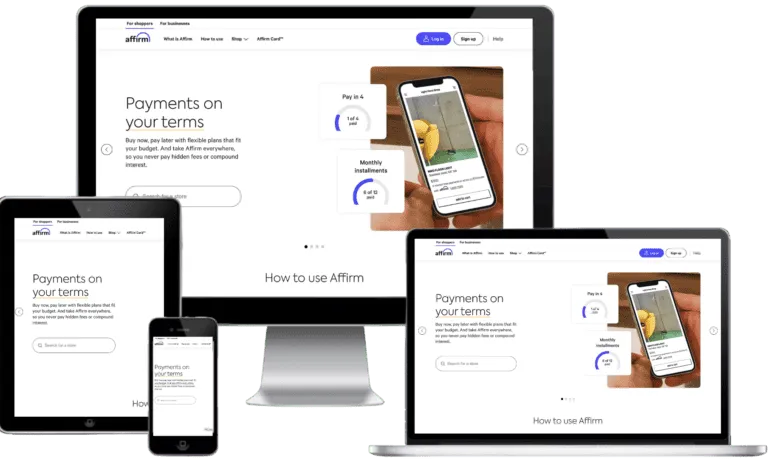
Affirm Holdings
Financial Technology | Custom Website
A fintech serving shoppers and merchants that needed an accessible, high-performing platform. Egochi built the custom ADA-compliant site and ran the SEO, and traffic, engagement, and conversions all rose.
- +74% Organic Traffic Increase
- +80% User Engagement Improvement
- +68% Conversion Rate Lift
-
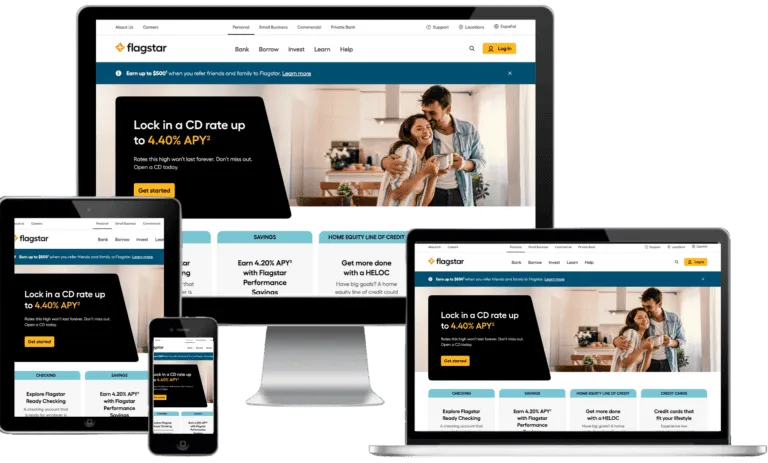
Flagstar
Commercial Bank | Web and Accessibility
A commercial bank modernizing its digital presence inside banking rules, the compliance-heavy build insurance agencies will recognize. Egochi ran the redesign, accessibility work, and email program together.
- +72% Organic Traffic Increase
- +80% Email Engagement Climb
- +85% ADA Compliance Improvement
-
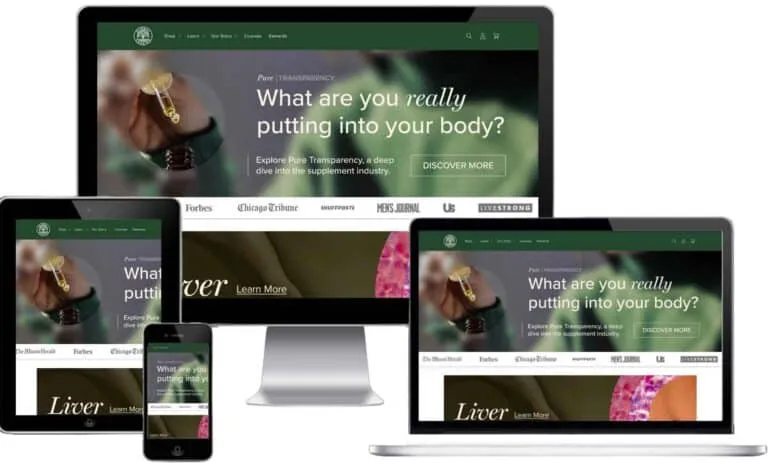
Global Healing
Health Ecommerce | ADA-First Rebuild
A health brand whose rebuild had to satisfy accessibility standards the way an agency site must satisfy compliance. Egochi delivered the full ADA score while revenue metrics climbed.
- 100% ADA Compliance Score
- +60% Organic Traffic Growth
- +35% Mobile Revenue Rise
-
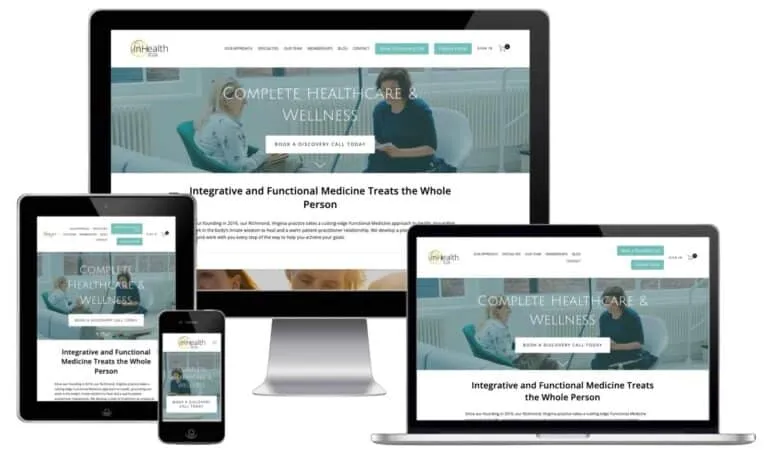
InHealth RVA
Healthcare Practice | Conversion-Led Build
A practice site where the request form was the whole point, the same job a quote form does. The Egochi build lifted traffic and turned it into a steady flow of appointment requests.
- +82% Organic Traffic Growth
- 120 Monthly Appointment Requests
- 98% ADA Compliance Score
-
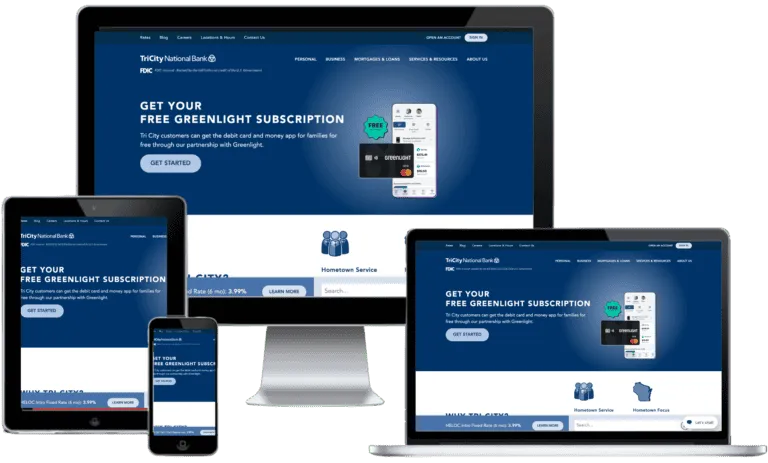
TriCity National Bank
Community Bank | Regulated Local Trust
A community bank whose site had to carry local trust the way an agency homepage does. Egochi ran the program that grew organic traffic and converted more of the paid clicks.
- +90% Organic Traffic Surge
- +77% PPC Conversion Rate
- +80% Email Engagement Lift
-
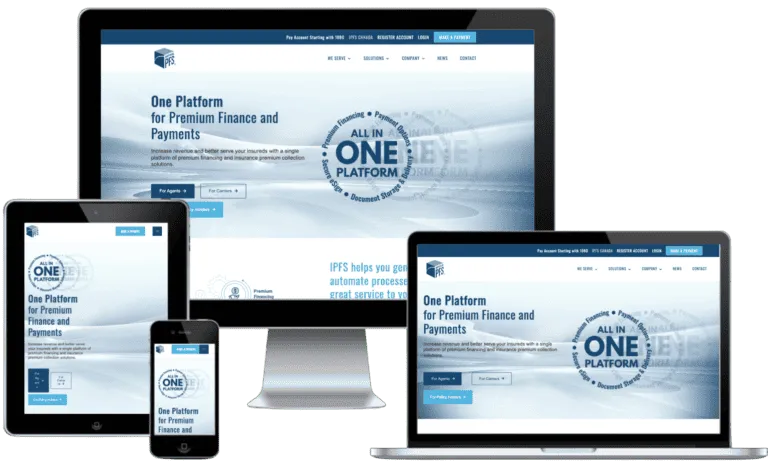
IPFS Corporation
Commercial Finance | Lead-Generation Site
A commercial finance company whose site work had to produce qualified business inquiries, not admiration. Egochi ran the search and paid strategy that delivered them.
- +55% Qualified Inquiry Rise
- +70% Organic Traffic Increase
- +60% PPC Click-Through Improvement
See How Egochi Works
A short look at how our team plans, builds, and reports on client work.
Is This Right for You?
This is for you if
- You are on a template platform and your site looks like every competitor who bought the same one.
- You want the site to rank for coverage searches, not just your agency name.
- Quote starts matter to you and your current form asks for a life story before saying hello.
This may not be the right fit if
- Your carrier or franchise agreement requires an approved website vendor; check that contract first, and we will tell you honestly if it rules a custom build out.
- You need the cheapest possible presence online this week; template platforms genuinely do that faster, and Egochi would rather say so than sell you the wrong thing.
See the work: Finance case studies · Web design case studies
What Clients Tell Us
Insurance marketing is heavily regulated. Egochi created compliant campaigns that still drive results. Quote requests increased 200% and our cost per acquisition dropped by half.
The Complete Insurance Program
This page is one part of a five-part program. Each piece works alone and works better together.
-
Insurance Marketing Agency
The full program that replaces shared leads with searches you own.
-
Insurance SEO
A ranking page per coverage line, built to YMYL standards.
-
Insurance PPC Management
Waste control at some of the highest click prices in paid search.
-
Insurance Social Media Marketing
Life-event content that keeps your agency remembered at the moment of need.
Common Questions About Insurance Website Design
-
How much does an insurance agency website cost?
Custom builds at Egochi are quoted flat per project, starting around $3,500 for a standard agency site and rising with page count and quoting features. Agencies pairing the build with ongoing SEO start at $1,500 monthly. Both figures are published before any sales conversation.
-
Are EZLynx or BrightFire websites good for SEO?
They are honest tools for getting online quickly and staying compliant, and that is fair praise. For ranking, shared page structures and reused copy across thousands of agencies mean Google has little reason to surface yours. If search is part of your growth plan, a shared platform caps it, which is the ceiling an Egochi custom build removes.
-
Can AI assistants read an insurance agency website?
Only if the site gives them something to read. AI Overviews, ChatGPT, Gemini, and Perplexity answer coverage questions by lifting plain answers from pages and checking schema, license data, and reviews to confirm who stands behind them. Template boilerplate they have seen on thousands of agency sites earns no citation. Egochi structures every line page and the agency entity data so the systems can identify and name your agency.
-
How long does a custom insurance website take?
A typical agency build at Egochi runs eight to twelve weeks from kickoff: discovery and sitemap first, then design, then coverage-line copy, then build and migration. Template platforms are faster, which is true, but the extra weeks buy pages that can rank and a form that starts quotes.
-
How do we choose a web designer for an insurance agency?
Ask whether the copy will be written fresh for your agency, because platform boilerplate Google has read on thousands of sites cannot rank. Ask how the quote form is sequenced, where license numbers and carrier appointments will sit, and how the migration redirects every existing URL. Test their past builds on a phone. A flat project quote published up front beats a vague retainer, and Egochi quotes flat.
Awards and Partnerships Egochi Holds in 2026
-

Egochi Named 2026 Top Digital Marketing Agency by Clutch
Clutch, a B2B market research and reviews platform, names Egochi a top digital marketing agency for 2026. The distinction rests on overall market presence and, most importantly, verified client feedback. Egochi holds a 5.0 rating across 190+ reviews on Clutch.
-

Egochi Is a Certified Google Premier Partner
Egochi is a certified Google Premier Partner, a status Google grants to the top 3% of participating advertising agencies each year. The tier is earned on campaign performance, sustained client growth, and advanced Google Ads certification, and Google reviews it annually rather than granting it for life.
The Team Behind the Work
-

Jobin John
Chief Executive Officer
-

Justin Brown
Head of Search Engine Optimization
-

Bryan Thomson
Head of Web Design & Development
-

Ina Komins
Head of Social Media Marketing
-

Kierra Pita
Head of Advertising & Content Marketing
-

Patricia Turner
Chief Creative Officer
-

William Carter
Chief Digital Strategy Officer
-

Andrew Miller
Senior SEO Strategist
-

Amy Robinson
Content Marketing Manager
-

Betty Harrison
PPC Campaign Specialist
-

Anthony Carter
Lead Digital Account Executive
-

Amanda Cooper
Social Media Director
-

Carol Parker
Senior Client Success Manager
-

Barbara Bennett
Email Marketing Lead
-

Charles Turner
Technical SEO Analyst
-

Brian Sullivan
Creative Director
-

Christine Walker
Director of Project Management
-

Christopher Brooks
Digital Marketing Strategist
-

Daniel Wright
Senior Analytics Specialist
-

David Henderson
Lead Content Strategist
-

Donna Mitchell
Client Communications Manager
-

Elizabeth Foster
Director of Paid Advertising
-

Emily Baredi
Brand Experience Specialist
-

Emma Scott
Social Media Content Creator
-

George Crawford
Technical Solutions Architect
-
Jacob Evans
Digital Content Coordinator
-

James Anderson
Marketing Automation Specialist
-

Jason Palmer
Junior Copywriter
-

Jeffrey Reynolds
Paid Media Analyst
-

Jennifer Lewis
Community Engagement Specialist
-

Jonathan Murphy
SEO Reporting Specialist
-

Joseph Morgan
Influencer Marketing Coordinator
-

Kenneth Stevens
Digital PR Manager
-

Kimberly Harper
Digital Marketing Intern
-

Kevin Morris
SEO Outreach Specialist
-

Lee Dawson
Junior Web Developer
-

Linda Peterson
Email Campaign Coordinator
-

Lisa Thompson
Social Media Ads Specialist
-

Margaret Bradley
Marketing Operations Lead
-

Mark Richards
Data & Insights Analyst
-

Mary Kennedy
Senior Copyeditor
-

Matthew Clark
Growth Marketing Manager
-

Michelle Sanders
Junior Marketing Designer
-

Michael Foster
Senior Conversion Rate Specialist
-

Nancy Wheeler
Digital Analytics Manager
-

Nicholas Pierce
Affiliate Marketing Specialist
-

Nicole Adams
Outreach Program Coordinator
-

Paul Franklin
Paid Social Campaign Manager
-

Richard Barnes
Reputation Management Specialist
-

Robert Murphy
Lead Solutions Architect
-

Ronald Davis
Marketing Technology Analyst
-

Ryan Bell
Paid Media Buyer
-

Sandra Gregory
Digital Account Coordinator
-

Scott Hopkins
CRM Implementation Specialist
-

Shirley Ellis
Customer Insights Manager
-

Stephanie Cross
Brand Content Designer
-

Steven Greene
Web Analytics Specialist
-

Susan Price
Affiliate Campaign Manager
-

Thomas Fisher
Lead Technical Architect
-

Timothy Nash
Mobile Marketing Strategist
Certified & Accredited


Look Like Your Agency, Not the Template
Tell us your lines and your current platform. Egochi, a design team that quotes projects flat and publishes its floor, reviews what your site shares with competitors and what a custom build would change first.
Egochi Stats
- 250+ Google Reviews
- 5.0 Clutch Rating
- 12+ Years Experience
- $200M+ Revenue Generated
- 4 US Offices
- 190+ Clutch Reviews
Blog Posts
- Aug 12, 2026 GEO vs. SEO: A Comparative Guide for Digital Marketers
- Aug 12, 2026 What is llms.txt? | How to Create llms.txt file for your website
- Aug 12, 2026 What is Semantic SEO? | How to Build Topical Authority That Ranks
- Aug 12, 2026 What is Schema Markup? | How to Add Structured Data to Your Website
- Aug 12, 2026 How to Optimize for Voice Search: A Realistic 2026 Guide