Keyword Research Services
Keyword strategy built on search intent, not raw volume: every target scored for winnability, mapped to one page, and tied to the revenue it can produce.
Keyword research services are the discovery, scoring, and mapping of the search terms your buyers actually use, so every page you build targets demand that exists. Egochi runs SEO keyword research for businesses from local firms to enterprise catalogs: volume and difficulty analysis, intent classification, competitor gaps, and a keyword-to-URL map that gives every term exactly one home. The next step costs nothing: a free keyword plan built from your market’s real numbers.
Every keyword gets exactly one owner page, and collisions get caught in the map, before they cost you rankings.
As Featured In






How much do keyword research services cost?
Keyword research is built into every Egochi SEO program rather than sold as a forced add-on: monthly programs run $1,500 to $15,000 depending on market size and scope, with the research phase front-loaded into month one. Standalone research-and-mapping projects get scoped by keyword universe and competition, quoted after a free consultation, and you keep the map either way.
Egochi has been building keyword strategies since 2014, from offices in New York, Miami, Milwaukee, and Madison, with 250+ Google reviews and 190+ Clutch reviews at a 5.0 rating behind the work. Research here is not a spreadsheet that gathers dust: the same SEO specialists who run the rankings campaigns build the map, so every keyword gets chosen by someone who has to answer for it ranking. That accountability changes what makes the list.
What is keyword research?
Keyword research is the process of finding, scoring, and prioritizing the search terms people type into Google and ask AI assistants. It measures how many people search a term, how hard the term is to win, and what the searcher intends to do next. Done properly, it decides which pages a site builds, and in what order.
What Keyword Research Actually Decides
The spreadsheet is not the product. These six decisions are, and every one of them is expensive to get wrong.
-
The words buyers actually use
Customers describe problems, not product categories, and their phrasing rarely matches yours. Research surfaces the exact language, question formats, and shorthand your market types, so pages meet searchers in their own words instead of your org chart’s.
-
Which fights are winnable
Not every keyword deserves your budget. We score each term by demand, ranking difficulty, and commercial intent, then sequence the winnable ones first, so early months produce rankings instead of a long war on terms your domain cannot take yet.
-
Where each page meets the journey
Awareness, comparison, and purchase queries need different pages. Intent classification assigns each keyword its stage, so the blog answers questions, service pages catch buyers, and neither one gets asked to do the other’s job.
-
What competitors missed
A keyword gap analysis pulls the terms your competitors rank for that you do not, and the reverse. Their blind spots become your fastest openings, and your unique ground gets defended before someone else finds it.
-
How topical authority gets built
Search engines reward sites that cover a subject thoroughly. Keyword clustering groups related terms into hubs and spokes, so coverage compounds across a topic instead of scattering across disconnected posts.
-
What progress gets measured against
A defined target list turns SEO reporting from vibes into arithmetic. Every tracked keyword has a starting position, a goal, and a page responsible for it, so the monthly report connects rankings to ROI: what moved and what that movement earned.
The Volume Trap
Most keyword research fails the same way: the list gets sorted by monthly search volume, the biggest numbers get targeted first, and a year later the site ranks for nothing that pays. We have audited enough of those spreadsheets to call the pattern what it is: a trap.
-
Volume is a ceiling, not a forecast
A search volume tells you the most attention a term could ever produce, not what you will get. Position, SERP features, and intent decide the real number, and for most terms the realistic share of that ceiling is a fraction nobody prints on the report.
-
Intent decides what a click is worth
Three hundred monthly searches for a hire-me term can out-earn twenty thousand for a how-to query, because one searcher is holding a budget and the other is holding a wrench. Sorting by volume buries the three hundred on page four of the spreadsheet.
-
Difficulty prices every keyword
A head term your domain cannot reach page one for returns nothing at any volume. Our scoring weighs demand against intent fit and ranking probability, so the plan opens with terms you can take this quarter and earns its way up to the giants.
The deliverable that comes out of that scoring is not a longer list. It is a shorter one, sequenced, with the reasoning attached.
Keyword Research Services, End to End
Eight pieces of work that connect search data to a build plan. Each one feeds the next, and the map at the end is where they all land.
-
Seed Keyword Discovery
The starting universe: your services, product names, customer language from calls and reviews, and the terms your site already surfaces for in Search Console. Competitor menus and industry vocabulary widen the net before any tool opens.
-
Search Volume Analysis
Demand data pulled from multiple sources and read as a trend, not a gospel number: seasonality, geography, and year-over-year direction. Two tools will disagree on the same term, so we triangulate instead of trusting either one.
-
Keyword Difficulty Scoring
Who currently ranks, how strong their domains are, and how good their pages actually are. Tool difficulty scores start the conversation; reading the live SERP finishes it, because a weak page one is an opening no metric shows.
-
Search Intent Classification
Every keyword gets tagged informational, navigational, commercial, or transactional, based on what Google currently rewards for it. The tag decides what kind of page can win the term, which is half of the mapping decision.
-
Competitor Keyword Gaps
A side-by-side pull of your rankings against your top competitors: terms they hold that you do not, terms you hold alone, and shared battlegrounds. Gaps get scored like everything else, because their keyword is not automatically your opportunity.
-
Long-Tail and Question Mining
Specific phrases and question queries with lower volume, higher intent, and thinner competition, mined from People Also Ask, autocomplete, and forum language. These convert sooner and now feed the answers AI assistants quote.
-
Local Keyword Research
Service-plus-city combinations, neighborhood terms, and near-me patterns for businesses that win or lose on Map Pack visibility. This feeds directly into our local SEO work, where the map and the profile get built together.
-
Keyword Mapping
Every surviving keyword gets assigned to an existing URL or flagged for a new page, with primary and secondary targets per URL and briefs for what does not exist yet. The map is the deliverable that turns research into a build plan.
How long does keyword research take?
A full research-and-mapping project takes two to four weeks depending on market size: discovery, expansion, scoring, intent classification, and the keyword-to-URL map. Inside an ongoing SEO program the first pass lands in month one, then the map gets refreshed quarterly, because demand shifts, competitors move, and new question patterns keep appearing in the data.
One Keyword, One Page
Here is the rule this website is built on, and the one we bring to every engagement: one keyword, one page. When two of your URLs chase the same term, Google has to guess which one to rank, and it usually alternates. The two pages split clicks, split links, and hold each other under whichever competitor committed to a single URL. The industry calls it keyword cannibalization; we call it the most common self-inflicted wound in SEO.
Mapping is the discipline that prevents it. Before content gets written, every target keyword is assigned exactly one home, secondary keywords get grouped under the primary they support, and any existing overlap gets resolved by consolidating, redirecting, or re-aiming the weaker page. The collisions we find during mapping are often worth more than the new keywords, because fixing one frees rankings you already earned.
The map assumes Google can actually crawl and index the pages it names. When indexation is the blocker, that is infrastructure work, and our technical SEO services handle that layer before the content plan leans on it.
Keyword Types We Research
Eight kinds of terms, each with a different job in the map. A plan built from only one of them is a plan with a blind spot.
-
Head Terms
Broad, high-volume terms like “running shoes.” Hard to win, worth holding, and rarely the right first move.
-
Long-Tail Keywords
Specific phrases like “best running shoes for flat feet.” Lower volume, higher intent, faster wins.
-
Question Keywords
Who, what, why, and how queries. They feed featured snippets and the answers AI assistants read aloud.
-
Commercial Keywords
Terms carrying “best,” “cost,” “vs,” and “near me.” The searcher is comparing options with money in hand.
-
Informational Keywords
Research-stage queries that build authority and first contact. They earn trust the money pages spend later.
-
Local Keywords
Geo-modified terms like “Miami SEO company.” They decide Map Pack visibility and phone calls.
-
Branded Keywords
Your name and product names. Cheap to hold, dangerous to ignore, and the first SERP buyers verify you on.
-
Competitor Keywords
Terms your rivals rank for. An input to the plan, not the plan; their strategy carries their mistakes too.
One honesty note on head terms: they take authority to win, not just a better page. If your backlink profile trails the sites holding page one, the map sequences long-tail and mid-tail wins first while our link building services close the authority gap that head terms price in.
Our Keyword Research Process, Built on VERTEX Search™
Keyword research opens the same 18-step framework as our full SEO programs. The eight research moves below sit at its front end, feeding the stages that follow: Discover, Structure, Create, Validate, Amplify.
-
Discovery and Goals
Your business model, margins, sales cycle, and the revenue goals the keywords have to serve. This scopes the keyword universe and sets what “worth targeting” means, because a lead is not worth the same in every service line.
-
Seed List Development
Initial lists built from customer language, competitor coverage, industry terms, and your existing Search Console queries: the terms Google already associates with you are the cheapest ground to grow from.
-
Keyword Expansion
Seeds expanded into thousands of candidates through tool databases, autocomplete, People Also Ask, and related-search mining: long-tail variants, questions, and modifiers included on purpose, not by accident.
-
Data Collection
Volume, difficulty, cost-per-click, trend direction, and SERP features pulled for every candidate. This is the raw material for scoring, and it is where most agencies stop. We treat it as the halfway point.
-
Intent Classification
Every keyword read against its live SERP: what page types Google rewards, what features crowd the results, and what the searcher is actually trying to do. Intent tags decide what kind of page can win each term.
-
Prioritization and Scoring
Demand weighed against intent fit and ranking probability, with difficulty as the price. The output is a sequenced shortlist: what to contest this quarter, what to build toward, and what to skip with the reason stated.
-
Keyword Mapping
Each surviving target assigned to one URL, existing or new, with primary and secondary keywords per page and collisions resolved. Content briefs get written for the pages that do not exist yet.
-
Delivery and Handoff
The scored list, the map, the briefs, and the gap report, walked through live rather than emailed into a void. Rank tracking gets configured against the map, so the next report measures the plan, not the weather.
VERTEX Search™ is the search discipline inside the EGOCHI VERTEX™ Growth System, the operating system behind every Egochi engagement.
What AI Search Changes About Keyword Research
AI assistants built on large language models did not make keyword research obsolete. They changed what the research has to produce.
-
Fan-out queries reward clusters
When someone asks ChatGPT or Google’s AI Mode one question, the engine quietly runs several related searches and assembles the answer from the set. A page that only answers the head term loses to a page that covers the cluster, so research now groups keywords into the question sets engines actually fan out into.
-
Question keywords got promoted
People Also Ask boxes and AI answers both pull short, direct responses to specific questions. Question mining used to be a long-tail garnish; it is now how a brand becomes the sentence an assistant quotes, which is why our maps assign question clusters to pages deliberately.
-
The click is no longer guaranteed
SparkToro and Datos measured that 58.5% of US Google searches ended without a click to the open web in 2024. That makes intent selection stricter, not looser: pages should target the terms where a click or a citation still carries value, and skip the ones answered fully on the SERP.
Being the source AI engines cite is its own discipline, with its own audit. Our AI SEO services cover that side end to end, and the keyword map is where the two programs share a spine.
Keyword Research Tools, With Honest Notes
The same stack every serious agency runs. What matters is what each tool is actually for, and where its numbers mislead.
-
Semrush
The widest keyword database and the gap reports we lean on for competitor pulls. Volumes are modeled estimates, so we read them as trends, never as absolutes.
-
Ahrefs
Click data and parent-topic grouping that show whether a keyword earns traffic at all. Its difficulty score is backlink-weighted: useful, and only half the picture.
-
Google Search Console
The only source of your real queries, impressions, and positions, straight from Google. Free, and the first thing we open on every engagement.
-
Google Keyword Planner
Volume in broad buckets, built for Google Ads buyers. We use it for cost-per-click reality checks and for confirming demand direction, not for precision.
-
Moz Keyword Explorer
Organic click-through estimates and a priority score that folds volume and difficulty together. A useful second opinion when two tools disagree.
-
AnswerThePublic
Question mining at scale: who, what, why, and how variants around a seed term. Feeds the question clusters AI answers and PAA boxes reward.
-
Google Trends
Direction and seasonality with no absolute numbers at all. It settles whether a term is growing, fading, or spiking on a season before budget commits.
-
SpyFu
Competitor keyword history and ad-spend intelligence: which terms rivals have bought for years is a strong signal those terms pay.
The honest part nobody prints on a tools page: every one of these will hand you a different volume for the same keyword, because every one models it differently. The tools supply data. The fee buys the judgment that turns disagreeing data into one defensible plan.
Keyword Research by Industry
Every market has its own search patterns, vocabulary, and traps. The method holds; the emphasis moves.
-
Ecommerce
Product and category terms, brand-plus-product combinations, and comparison queries mapped across the shopping funnel. Faceted catalogs multiply keyword collisions, which makes the mapping discipline the difference; our ecommerce SEO services build on exactly this research.
-
Legal
Practice-area terms, case-type queries, and location modifiers in one of the most expensive keyword markets anywhere. When a click costs three figures in paid search, organic keyword selection stops being a formality.
-
Healthcare
Condition, symptom, treatment, and provider searches, researched under YMYL scrutiny: the keyword plan has to respect what Google requires of health content, not just what patients type.
-
Real Estate
Neighborhood-plus-property-type combinations, buying and selling intent, and market-condition queries. Hyperlocal terms with double-digit volumes routinely out-earn the city-wide giants here.
-
B2B and SaaS
Solution terms, alternatives-and-versus comparisons, and works-with-your-stack queries across a long sales cycle. The map has to cover every funnel stage, because the first search and the signed contract are months apart.
-
Local Services
Service-plus-city terms, emergency modifiers, and near-me patterns where the Map Pack takes the click. Keyword research here decides both the site structure and the Google Business Profile categories.
Is Keyword Research Right for You?
Who this is for
- You are planning a content strategy or a site build and want the page list decided by data instead of guesses about what customers search.
- You get traffic that does not convert: the rankings you hold attract researchers and freebie-hunters while buyers land on competitors.
- You are entering a new market, launching a service line, or expanding locations, and need to know what demand exists before budget commits.
- Competitors outrank you with thinner content, and nobody on your team can say which terms are being lost or what winning them is worth.
When this may not be the right fit
- Your website is weeks old with no authority behind it. A full research project would price demand you cannot contest yet; start with a lean map of a dozen terms, and spend the difference on your Google Business Profile, reviews, and a handful of strong service pages.
- You run a single-location service business with an obvious keyword set: your service plus your city and their close variants. You do not need a four-week research project to find what a napkin sketch already shows; you need the pages and profile built well, and we will say so instead of selling you the spreadsheet.
A keyword map ranks nothing by itself. Research stops at the map; getting each term into the title, headings, and copy of its page is the next layer, and our on-page SEO services own it.
Fair Questions Before You Buy Keyword Research
Is keyword research a one-time deliverable?
The map is durable; the market is not. Keyword-to-page assignments hold for years, but demand shifts with seasons, competitors publish, and new question patterns appear monthly, faster now that people phrase searches as questions for AI assistants. The honest model is a deep research pass once, then quarterly refreshes that catch new openings while they are still cheap. Anyone selling you a full re-research every month is billing you for the same spreadsheet twice.
Why pay for this when free tools exist?
Fair question, because the data really is free: Keyword Planner, Search Console, and Trends cost nothing. What they output is thousands of rows with no verdicts. The paid part is judgment: reading live SERPs to spot the weak page one no difficulty score reveals, tagging intent correctly, resolving collisions, and sequencing targets by what your specific domain can win this quarter. If you have an experienced SEO in-house with time to do that, you may not need us, and the free tools will serve them fine.
Do search volumes even matter now that AI answers questions?
Volumes still measure demand; what changed is how that demand pays out. AI Overviews and zero-click SERPs take a share of the clicks a volume once implied, so a raw number overstates some terms more than others. That argues for stricter intent selection, not for abandoning the data: the terms where a click or a citation still carries value are exactly what research now exists to find. And demand data still prices your paid search, where every keyword has an invoice attached.
Can we just copy our competitor’s keywords?
Gap analysis is an input we always run, but copying a competitor’s keyword profile imports their situation along with their targets. Their rankings reflect their domain authority, their content archive, and their mistakes, including cannibalization you cannot see from a ranking export. Chase their head terms without their link profile and you fund a war you enter outgunned. The useful version is selective: take the gaps you can genuinely win, skip the ones their authority pays for, and keep the ground they have not found.
Keyword Wins, as Published in Our Portfolio
Engagements where the keyword map carried real weight. Where an engagement was bigger than the research alone, the numbers cover the whole engagement, labeled honestly.
-
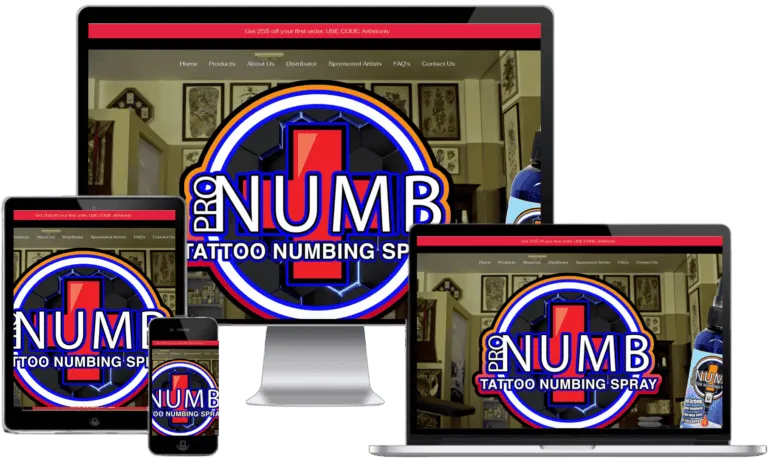
Pro Numb
Ecommerce | Topical Skincare
A niche product brand whose plan leaned on question keywords: the query clusters around its category were mined, mapped, and answered page by page. The numbers cover the whole engagement, with the keyword map underneath it.
- 47 Featured Snippets
- +340% Organic Traffic
- $2M+ Monthly Revenue
-

Grown Brilliance
Luxury Jewelry Ecommerce
A jewelry catalog where non-brand keyword expansion carried the growth: category and comparison terms mapped across collections, with the collisions a faceted catalog breeds resolved in the map. Whole-engagement numbers, labeled honestly.
- 160K+ Organic Visits
- +75% Organic Sessions
- $200M Annual Revenue
-

Culbertson Law
Family Law Firm
A law firm engagement built on practice-area keyword mapping: case-type and location terms assigned one page each, in a market where a single misread intent wastes a three-figure click. Engagement-wide numbers, tracked end to end.
- 7,200 → 18,400 Organic Sessions
- +91% Qualified Calls
- 9 → 2 Map Pack Position
-
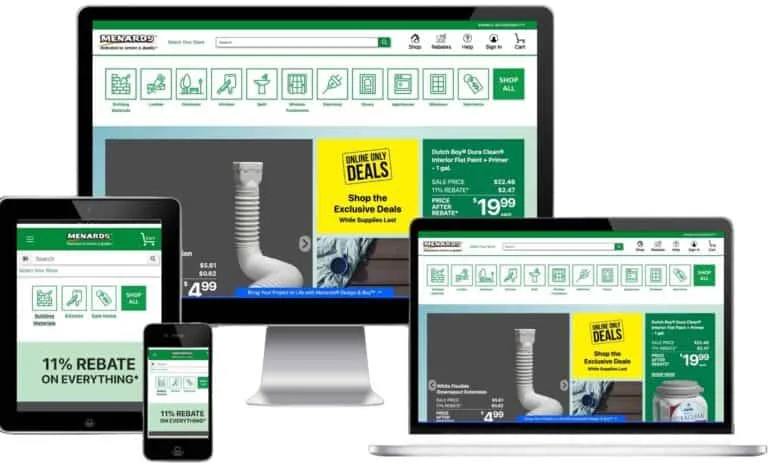
Menards
Home Improvement Retail
A retail catalog where the keyword architecture decided the information architecture: category, product, and project terms mapped before templates were touched. The engagement numbers below cover the full SEO program.
- +250% Organic Traffic
- +$8.7M Organic Revenue
- +435% Transactions
-
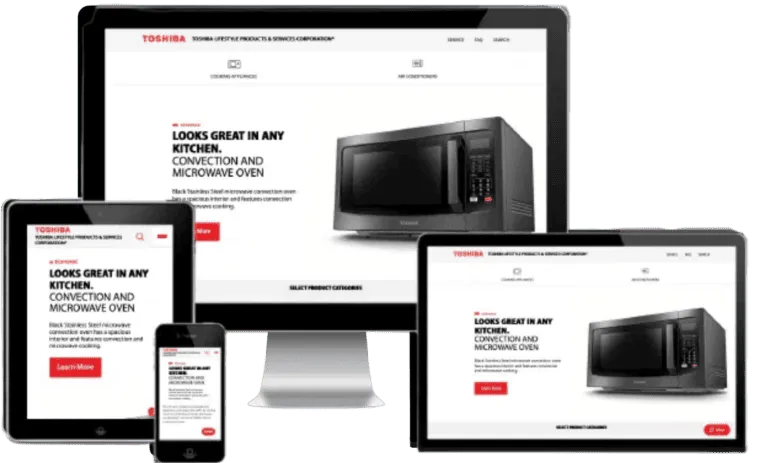
Toshiba Lifestyle
Consumer Appliances
An appliance brand whose win shows up in breadth: thousands of tracked terms improved because the map spread targets across the catalog instead of stacking them on a few pages. Whole-engagement numbers, labeled honestly.
- 2,400+ Rankings Improved
- +185% Organic Traffic
- +67% Revenue Growth
-

Cozy Art Land
Local Arts Studio
A local studio whose story is the one-keyword-one-page rule in miniature: the money term got a single committed page and climbed from mid-page-two to the top result. Numbers as published in our portfolio.
- 17 → 1 Tracked Keyword
- +120% Organic Sessions
- +85% GBP Calls
-
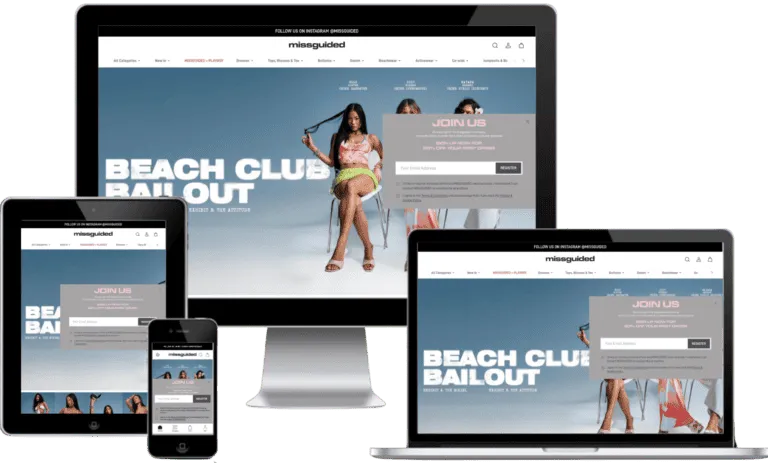
MissGuided
Fashion Ecommerce
A fashion catalog where question and comparison keywords fed a snippet strategy: the terms Google answers in place were targeted deliberately instead of avoided. Whole-engagement numbers, reported the way we track them.
- 28 Featured Snippets
- 32,000 → 56,000 Organic Sessions
- +75% Sessions Growth
More engagements, sliced by service, industry, and platform, live in our SEO case studies.
Meet Your Keyword Research Team
The analysts and strategists who build the maps this page describes, and then have to rank against them.
-

Jobin John
Chief Executive Officer
-

Justin Brown
Head of Search Engine Optimization
-

Bryan Thomson
Head of Web Design & Development
-

Ina Komins
Head of Social Media Marketing
-

Kierra Pita
Head of Advertising & Content Marketing
-

Patricia Turner
Chief Creative Officer
-

William Carter
Chief Digital Strategy Officer
-

Andrew Miller
Senior SEO Strategist
-

Amy Robinson
Content Marketing Manager
-

Betty Harrison
PPC Campaign Specialist
-

Anthony Carter
Lead Digital Account Executive
-

Amanda Cooper
Social Media Director
-

Carol Parker
Senior Client Success Manager
-

Barbara Bennett
Email Marketing Lead
-

Charles Turner
Technical SEO Analyst
-

Brian Sullivan
Creative Director
-

Christine Walker
Director of Project Management
-

Christopher Brooks
Digital Marketing Strategist
-

Daniel Wright
Senior Analytics Specialist
-

David Henderson
Lead Content Strategist
-

Donna Mitchell
Client Communications Manager
-

Elizabeth Foster
Director of Paid Advertising
-

Emily Baredi
Brand Experience Specialist
-

Emma Scott
Social Media Content Creator
-

George Crawford
Technical Solutions Architect
-

Jacob Evans
Digital Content Coordinator
-

James Anderson
Marketing Automation Specialist
-

Jason Palmer
Junior Copywriter
-

Jeffrey Reynolds
Paid Media Analyst
-

Jennifer Lewis
Community Engagement Specialist
-

Jonathan Murphy
SEO Reporting Specialist
-

Joseph Morgan
Influencer Marketing Coordinator
-

Kenneth Stevens
Digital PR Manager
-

Kimberly Harper
Digital Marketing Intern
-

Kevin Morris
SEO Outreach Specialist
-

Lee Dawson
Junior Web Developer
-

Linda Peterson
Email Campaign Coordinator
-

Lisa Thompson
Social Media Ads Specialist
-

Margaret Bradley
Marketing Operations Lead
-

Mark Richards
Data & Insights Analyst
-

Mary Kennedy
Senior Copyeditor
-

Matthew Clark
Growth Marketing Manager
-

Michelle Sanders
Junior Marketing Designer
-

Michael Foster
Senior Conversion Rate Specialist
-

Nancy Wheeler
Digital Analytics Manager
-

Nicholas Pierce
Affiliate Marketing Specialist
-

Nicole Adams
Outreach Program Coordinator
-

Paul Franklin
Paid Social Campaign Manager
-

Richard Barnes
Reputation Management Specialist
-

Robert Murphy
Lead Solutions Architect
-

Ronald Davis
Marketing Technology Analyst
-

Ryan Bell
Paid Media Buyer
-

Sandra Gregory
Digital Account Coordinator
-

Scott Hopkins
CRM Implementation Specialist
-

Shirley Ellis
Customer Insights Manager
-

Stephanie Cross
Brand Content Designer
-

Steven Greene
Web Analytics Specialist
-

Susan Price
Affiliate Campaign Manager
-

Thomas Fisher
Lead Technical Architect
-

Timothy Nash
Mobile Marketing Strategist
What deliverables does keyword research include?
You receive the scored keyword list with volume, difficulty, cost-per-click, and intent for every term, a keyword-to-URL map assigning each target one page, content briefs for the pages that do not exist yet, a competitor gap report, and rank tracking configured so progress gets measured against the map from day one.
Keyword Research FAQs
How often should keyword research be updated?
Quarterly refreshes for most sites: new opportunities, seasonal shifts, and competitor moves get folded into the map while they are cheap to act on. Full re-research is only worth it after big changes, a new market, a merged site, an algorithm shake-up that redrew your SERPs. Between refreshes, Search Console monitoring catches surprises the tools have not modeled yet.
Do you research keywords for PPC too?
Yes, and the overlap is the point. The same research shows where organic search can win over months and where paying for the click makes more sense right now. Cost-per-click data also sharpens the SEO plan: a term competitors have bought for years is a term that pays. One map serving both channels beats two teams researching in parallel.
How many keywords should one page target?
One primary keyword per page, plus the close variants and secondary terms that share its intent. A strong page ranks for dozens of related queries it never explicitly targeted; that is normal and good. What a page should never do is share its primary keyword with another page on your site, which is the collision the map exists to prevent.
Can I trust keyword difficulty scores?
Trust them as a first filter, not a verdict. Most difficulty scores lean heavily on backlink counts of ranking pages, so they miss weak content holding page one on authority alone, which is a real opening. We read the live SERP for every priority term: who ranks, what their page actually offers, and whether a better answer can displace them.
Are zero-volume keywords worth targeting?
Sometimes, and more often than the tools suggest. New products, emerging problems, and hyper-specific questions register no volume because the models lag real behavior. When customer calls, site search logs, or sales conversations keep surfacing a phrase the tools show as zero, we map it anyway. Some of the cheapest conversions come from terms no competitor bothered to check.
Do you need access to our accounts?
Read access to Google Search Console and GA4 makes the research meaningfully better, because your real queries and conversion paths beat any third-party estimate. We can build a map without them from tool data and competitor pulls, and we say plainly which findings would firm up with your data connected. Access stays read-only unless you ask for more.
What happens after the map is delivered?
Research earns nothing until pages exist. Either your team writes from our briefs, with the map keeping everyone off each other’s keywords, or our team runs the content program against it. Rank tracking is already configured at handoff, so from the first published page, reporting measures the plan rather than starting a new conversation about what to measure.
Is keyword research different for AI search engines?
The research process holds; the emphasis moves. AI engines fan one prompt out into related sub-queries and quote sources that answer directly, so question mining and cluster grouping matter more than they did, and single-keyword thinking matters less. The map now assigns question sets to pages on purpose, which is also groundwork for the AI visibility work itself.
How do I choose a keyword research provider?
Ask to see a sample keyword-to-page map, because the map is the deliverable that separates research from a spreadsheet export. Ask whether they read live SERPs for priority terms or trust tool difficulty scores alone. A list sorted by search volume is the red flag to watch for. And ask what they would tell you to skip; good research produces a shorter list, not a longer one.
Ready to Chase Intent Instead of Volume?
Keyword research is the opening move of our full search engine optimization services, so the map, the content, and the rankings work that follows run as one program with one owner. And if the research says your budget belongs somewhere else first, that is what the plan will say. Tell us about your market and we will send a plan with real numbers in it.
Questions? Call (888) 644-7795 or email care@egochi.com
Egochi Stats
- 250+ Google Reviews
- 5.0 Clutch Rating
- 12+ Years Experience
- $200M+ Revenue Generated
- 4 US Offices
- 190+ Clutch Reviews
Blog Posts
- Aug 12, 2026 GEO vs. SEO: A Comparative Guide for Digital Marketers
- Aug 12, 2026 What is llms.txt? | How to Create llms.txt file for your website
- Aug 12, 2026 What is Semantic SEO? | How to Build Topical Authority That Ranks
- Aug 12, 2026 What is Schema Markup? | How to Add Structured Data to Your Website
- Aug 12, 2026 How to Optimize for Voice Search: A Realistic 2026 Guide