On-Page SEO Services
Titles, headers, content, links, and schema tuned page by page, so Google understands exactly what each page sells and AI engines can quote you saying it.
On-page SEO services are the audit and rewrite of the elements on your pages themselves: title tags, meta descriptions, header structure, content, internal links, images, URLs, and schema markup. Egochi runs on-page SEO for businesses from local firms to enterprise catalogs, and every fix is one you keep, because it lives on your site rather than in an ad account. The next step costs nothing: a free on-page plan built from a crawl of your actual pages.
A title tag is a free ad Google runs for you: keyword first, 50 to 60 characters, and one specific angle no competitor on the page already owns.
As Featured In






How much do on-page SEO services cost?
On-page SEO at Egochi is priced by scope. Inside a monthly SEO program it runs $1,500 to $15,000 depending on market and page count, with the audit and priority rewrites front-loaded into the first months. A standalone on-page audit runs $2,500 to $10,000 by site size, and per-page rewrite projects get quoted after a free consultation.
Egochi has been rewriting title tags and restructuring pages since 2014, from offices in New York, Miami, Milwaukee, and Madison, with 250+ Google reviews and 190+ Clutch reviews at a 5.0 rating behind the work. This site practices what this page sells: every title on it was measured, front-loaded, and checked against a live SERP before it shipped, and the same discipline is what you are buying.
What is on-page SEO?
On-page SEO, sometimes called on-site SEO, is the work of improving the elements on a page itself: title tag, meta description, headers, body content, internal links, images, URL, and schema markup, so search engines understand what the page is about and rank it for the right queries. It is the one layer of SEO you fully control, which is why it comes first.
What On-Page SEO Fixes
Six problems that hold rankings a page has already half-earned. If any of these sounds like your site, the fix is on this page.
-
Titles nobody clicks
Generic, truncated, or missing title tags that surrender clicks to competitors on the same page. The ranking you already hold earns less than it should, which is the cheapest fix in SEO.
-
Headers with no hierarchy
Pages styled with bold text instead of H2s, or heading levels that skip around. Google reads headers as the outline of your argument; a scrambled outline reads as a scrambled page.
-
Content that misses intent
Pages that answer a different question than the searcher asked: a sales pitch ranking against how-to content, or thin copy against thorough competitors. Rankings slip because the match is wrong, not because the writing is bad.
-
Orphan pages and weak anchors
Money pages no other page links to, and anchors like generic labels that say nothing about the destination. Authority pools where it cannot pay instead of flowing to the pages that convert.
-
Missing schema markup
No structured data, so the page is ineligible for the rich results and answer features competitors occupy. Google can rank what it half-understands; it features what it fully understands.
-
Keyword cannibalization
Two or more of your own URLs chasing the same term and splitting its clicks and links. Google alternates between them, and both lose to a competitor that committed to one page.
The Eight On-Page Elements That Decide Rankings
Every page we touch gets scored on these eight, in this order. They are the whole discipline; everything else is commentary.
-
Title Tags
The strongest single on-page signal and the headline of your free ad in the results. We write titles 50 to 60 characters long, keyword first, with a differentiated angle pulled from the live SERP, never stamped from a template.
-
Meta Descriptions
Not a ranking factor, and still worth real money: the description is ad copy that decides your click-through rate. We write each one as a pitch with the key claim early and a plain call to action at the end.
-
Header Tags (H1-H6)
One H1 carrying the keyword, H2s that outline the page like a table of contents, and no skipped levels. Question-format headers go where a question is genuinely answered, because those feed PAA boxes and AI answers.
-
Content
Depth matched to what ranks, the searcher’s question answered in the first 150 words, and something the ranking pages do not have. Keyword placement follows naturally when the page actually covers the topic.
-
Internal Links
Descriptive anchors that say where the link goes, links up to the page’s hub and across its cluster, and no orphan pages. Internal links are the one authority source you control completely and most sites waste.
-
Images
Alt text that describes the image truthfully, descriptive file names, modern formats, and set dimensions so nothing shifts while loading. Image work serves accessibility, page speed, Core Web Vitals, and image search in one pass.
-
URL Structure
Short, lowercase, hyphen-separated URLs that carry the keyword and match the site hierarchy. Boring on purpose: a URL should still make sense in five years, and every change costs a redirect.
-
Schema Markup
Structured data that matches the visible content exactly: page-type schema, FAQ markup mirroring body text verbatim, and breadcrumbs. Schema is how a page becomes eligible for rich results instead of hoping for them.
Every check we run on these eight elements is published free in our on-page SEO checklist: 48 checks, printable, no email gate. The live version of what agencies usually trade for your inbox.
On-Page SEO vs Off-Page SEO vs Technical SEO
Three layers, one system. Knowing which layer your problem lives in is how you avoid paying for the wrong fix.
| Factor | On-Page SEO | Off-Page SEO | Technical SEO |
|---|---|---|---|
| What it covers | Titles, metas, headers, content, internal links, images, URLs, schema | Backlinks, brand mentions, reviews, digital PR | Crawling, indexing, speed, rendering, mobile, security |
| How much you control | Everything: these elements live on your site | Little: other sites decide whether to link | Everything: server and code changes |
| Time to impact | Two to eight weeks after a recrawl | Three to six months as authority compounds | Days to weeks once blockers clear |
| What it tells Google | What each page is about and for whom | Whether others vouch for your site | Whether your site can be crawled and served |
| Where to start | First: relevance is the foundation | After pages deserve the links | First if crawling or indexing is broken |
On-page SEO comes first because it is the layer the other two depend on. Off-page SEO services build authority, but links pointing at pages with weak on-page signals buy less than they should. And rankings assume Google can reach the page at all: when crawling, rendering, or indexing is the blocker, that is infrastructure work our technical SEO services handle before on-page changes can register.
The Title Formula We Run on This Site
Most agencies say they write better title tags. Here is the actual formula every title on this website was written with, published because knowing it and doing it at scale are different things.
-
Measured, not eyeballed
Every title is 50 to 60 characters, counted by script, because Google truncates what it cannot show and a cut-off title leaks clicks. Our build fails if a single title on this site drifts outside the range. That is not a metaphor; the deploy literally stops.
-
Keyword first, always
The primary keyword opens the title because searchers scan results for their own words and weight the front of the line. The brand goes last. It feels backwards to founders who love their name, and it is what the click data rewards.
-
An angle nobody on the page owns
Before finalizing any title, we pull the live first page for the term and log what angle each competitor claims. Then we pick one nobody holds: a price, a proof point, a specific promise. A title that repeats the page-one chorus is invisible in plain sight.
Check this page’s own title against that formula. Then check your competitors’ titles against it, because whichever of you does this first takes the clicks the others are leaving on the table.
On-Page SEO Services, End to End
Twelve pieces of work, from the audit that finds the problems to the signals that keep pages trusted. Scoped per site, never stamped.
-
Title Tags
Every indexable page gets a measured, keyword-first title with a differentiated angle, checked against the live SERP for the terms that matter.
-
Meta Description Writing
Descriptions written as ad copy: key claim early, call to action at the end, and no duplicate metadata anywhere on the site.
-
Header Tag Structure
One H1 per page, a logical hierarchy of headings from H2 to H6, and question-format headers where they earn featured snippet and PAA placements.
-
Content Rewrites
Existing pages restructured to answer the search intent directly, with depth matched to what ranks and original insight added, not just reshuffled.
-
Internal Linking
Link architecture that moves authority to money pages: descriptive anchors, hub-and-cluster paths, and orphan pages reconnected.
-
Image SEO
Alt text audits, descriptive file naming, compression, modern formats, and set dimensions so images stop costing speed and start earning traffic.
-
URL Structure
Clean, keyword-carrying URLs with a redirect map for anything that moves, so no change ever orphans an earned ranking.
-
Schema Markup
Page-type structured data that validates and matches visible content exactly, making pages eligible for rich results and AI answers.
-
Keyword Mapping
Every target keyword assigned exactly one page, primaries and secondaries documented, so pages stop competing with each other.
-
Duplicate Content Fixes
Canonical tags, consolidation, and rewrites for pages cannibalizing each other or thinning the site’s quality signal.
-
E-E-A-T Signals
Named authors with real credentials, honest dates, cited sources, and experience-backed copy: the page-level trust signals raters and algorithms look for.
-
On-Page SEO Audit
A page-by-page crawl scoring every element above, with fixes ranked by impact so the work starts where the rankings move first.
How long does on-page SEO take to work?
Most on-page changes show ranking movement within two to eight weeks of Google recrawling the page. Title and meta rewrites can lift click-through rates within days of reindexing, because the text in the search result changes immediately. Full content rebuilds take longer, four to twelve weeks, while Google reassesses the page against everything else it could rank.
Why On-Page Fixes Fail Without One Keyword, One Page
Here is the failure mode that wastes more on-page budgets than any other: two pages on the same site chasing the same keyword. You can perfect the titles, headers, and content on both, and they will still take turns ranking while splitting clicks and links between them, holding each other under whichever competitor committed to a single URL. Perfect on-page work on a cannibalized keyword is polish on a structural problem.
That is why our on-page engagements start with a keyword map: every target term assigned exactly one page before a single element gets rewritten. Collisions get resolved by consolidating, redirecting, or re-aiming the weaker page, and the fixes often free rankings you already earned. The mapping itself is a discipline we run as part of our keyword research services, and it is the step that makes everything on this page hold.
Our On-Page SEO Process, Built on VERTEX Search™
On-page work runs inside the same 18-step framework as our full SEO programs. The six moves below are its page-level core, feeding the stages around them: Discover, Structure, Create, Validate, Amplify.
-
On-Page Audit
A full crawl of your site scoring titles, metas, headers, content depth, internal links, images, URLs, and schema on every page. The output is a ranked fix list, not a hundred-page PDF nobody reads.
-
Keyword Mapping
Every target keyword assigned one page, with primaries and secondaries documented and collisions resolved. This is the step that decides whether the rewrites that follow can actually rank.
-
Content Gap Analysis
Your pages read against the pages that outrank them: which subtopics, questions, and proof they cover that you do not. The gap list becomes the rewrite brief.
-
Rewrites and Fixes
Titles and metas rewritten, headers restructured, content rebuilt to answer intent first, internal links placed with descriptive anchors, images and URLs cleaned, schema added and validated.
-
Quality Review
Every change checked against your brand voice, every schema block validated, every internal link click-tested. On-page work ships in your CMS, so nothing goes live without a second set of eyes.
-
Measure and Iterate
Rankings, click-through rates, and traffic tracked per optimized page, so the report says which changes paid. Pages that lag get a second pass with the data explaining why.
VERTEX Search™ is the search discipline inside the EGOCHI VERTEX™ Growth System, the operating system behind every Egochi engagement.
On-Page SEO for AI Search and Featured Snippets
AI Overviews, ChatGPT, and Perplexity assemble answers from pages they can lift clean sentences out of. That is an on-page property, and it is buildable.
-
Answer-first openings get quoted
AI engines favor pages that state the answer plainly in the first paragraph instead of warming up to it. Every page we build answers its main question inside the first 150 words: what it is, who it is for, what it costs or solves. Humans skim the same way, so the rewrite pays twice.
-
Liftable claims beat buried ones
Researchers from Princeton and Georgia Tech measured that adding citations, quotations, and statistics improved a source’s visibility in generated answers by roughly 30-40% on their benchmark. Bolded key claims, named sources, and concrete numbers give an engine something to lift; vague copy gives it nothing to attribute.
-
Structure is the citation format
Question-format headers, direct 40-to-70-word answers beneath them, and FAQ schema that mirrors the body verbatim: the same structure that wins featured snippets is what AI systems parse most reliably. On-page SEO built this way earns both surfaces with one effort.
Getting cited by AI engines is its own program, with its own audit and its own measurement. Our AI SEO services cover that side end to end; the on-page work here is the layer those citations stand on.
Why Choose Egochi for On-Page SEO
The parts of how we work that you can verify, not adjectives you cannot.
-
Evidence before edits
Every recommendation traces to Search Console queries, crawl data, or a live SERP read. You see why each change should move rankings before anyone touches your pages.
-
Page-level reporting
Rankings, click-through rate, traffic, and conversions tracked for each page we touch, so the monthly report connects specific changes to specific results instead of averaging everything into a vibe.
-
Intent read from the SERP
Before rewriting a page, we read what Google currently rewards for its keyword: page type, format, and angle. The page gets shaped to win that SERP, not a generic template.
-
Writers and SEOs, one team
The SEO specialists who map the keywords also brief and edit the copy, so pages come out written for rankings from the first draft instead of retrofitted after.
-
Month to month after onboarding
We earn the renewal with results, not a contract clause. After the initial commitment period, engagements run month to month.
-
The full stack under one roof
When the audit shows the blocker is authority or infrastructure rather than page elements, the link building and technical teams sit down the hall, and we will say so instead of selling you more rewrites.
When On-Page SEO Alone Will Not Move You
On-page SEO has a ceiling, and an honest agency tells you where it is before you pay to hit it.
The authority ceiling
For competitive head terms, page one is held by sites with strong backlink profiles. A perfectly built page on a domain with a fraction of their authority stalls on page two no matter how many elements get tuned. When that is your situation, the on-page work still matters, and it needs link building services running beside it to close the gap head terms price in.
The crawl ceiling
A rewritten page Google cannot crawl, render, or index is a rewrite nobody sees. Redirect chains, blocked resources, and indexation problems cap every on-page investment beneath them. The audit checks this layer first, because fixing elements on unreachable pages is billing you for work that cannot pay.
Is On-Page SEO Right for You?
Who this is for
- You have pages that rank on page two or the bottom of page one: on-page work moves existing near-misses faster than anything else in SEO.
- Your rankings hold but clicks lag: impressions without clicks usually means title and meta problems, the cheapest high-return fix on this page.
- You publish regularly but traffic is flat, and nobody has checked whether your own pages compete with each other for the same terms.
- You want AI engines citing your pages, and your content currently buries its answers under introductions.
When this may not be the right fit
- Your site has fewer than ten pages and none of them rank anywhere. The problem is coverage, not element tuning; you need pages built for the keywords that matter, and we will scope that instead of auditing what barely exists.
- Your rankings are capped by authority or crawlability rather than page elements. If the audit shows a backlink gap or an indexation problem, we will route the budget to link building or technical work first and say exactly why, because on-page spend against the wrong ceiling is money burned politely.
Fair Questions Before You Buy On-Page SEO
Will on-page SEO alone get me to page one?
Sometimes, and we will tell you the odds before you spend. For long-tail and local terms where the ranking pages are weak, on-page fixes alone regularly reach page one. For competitive head terms, on-page work is necessary but not sufficient: authority and technical health set ceilings no title rewrite breaks through. The audit reads your keywords against both ceilings and says which fights on-page can win by itself, which is a more useful answer than yes.
Is keyword density still a thing?
No, and anyone selling you a target percentage is running a 2010 playbook. Google’s language models read topical coverage, entities, and intent match, not keyword counts. Stuffing a phrase to hit a ratio wrecks the user experience and can trip spam systems. What still matters is placement: the keyword in the title, the H1, a couple of subheadings, and early in the copy, because that is how both readers and engines confirm the page is what they searched for.
My tool gives my pages a 90 on-page score. Why hire anyone?
Checker tools grade against averages: keyword present, length in range, meta filled in. They cannot read whether your title claims an angle a competitor already owns, whether your page matches the intent Google currently rewards, or whether two of your URLs are cannibalizing each other, which are the calls that decide rankings. Run the free tools; we use several ourselves. The fee buys the judgment layer the score cannot see, and if the tools were enough, this service would not exist.
Is on-page SEO a one-time project?
The structural work is mostly one-time: mapping, URL cleanup, schema, header architecture hold for years. Titles and content are not, because the SERP moves: competitors rewrite, features shuffle, and query patterns shift toward questions asked of AI assistants. The honest model is a deep pass once, then quarterly reviews of the pages that earn money. Anyone rewriting every title monthly is billing activity; anyone who never revisits is letting your clicks erode quietly.
On-Page Wins, as Published in Our Portfolio
Engagements where the on-page layer carried real weight. Where an engagement was bigger than the page work alone, the numbers cover the whole engagement, labeled honestly.
-
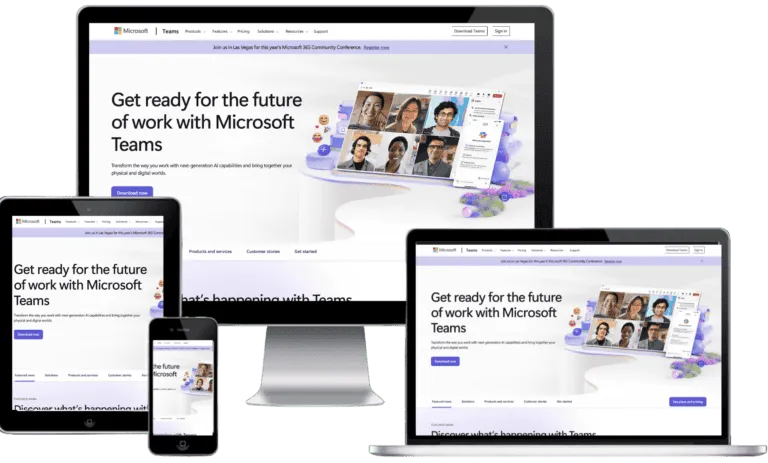
Microsoft
B2B Technology | On-Page + Content
Product landing pages whose titles and structure were rebuilt for high-intent B2B queries. The numbers cover the whole engagement, with the on-page rebuild as its opening move.
- +150% Organic Traffic
- +300% Lead Generation
- $2.4M Pipeline Revenue
-
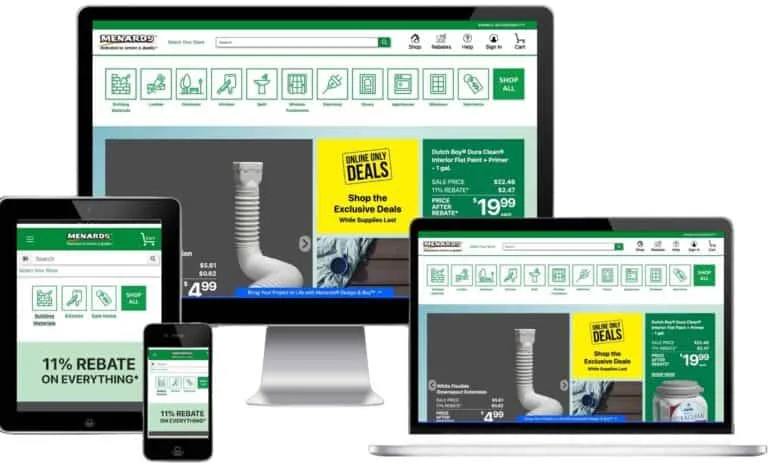
Menards
Home Improvement Retail
Category and product pages across a huge catalog: header restructuring, meta rewrites, and internal link work at scale. Whole-engagement numbers for the full SEO program.
- +250% Organic Traffic
- +$8.7M Organic Revenue
- +435% Transactions
-

Corcoran Group
Real Estate | Local Landing Pages
Neighborhood and listing pages with schema added and content depth rebuilt page by page. The average-position climb is the on-page story; the numbers cover the engagement.
- 13.8 → 4.2 Avg. Position
- +120% Organic Traffic
- +120% Organic Sessions
-

Culbertson Law
Family Law Firm
Practice-area pages that were not ranking despite good content: the audit found header structure problems and keyword cannibalization, both fixed in the map. Engagement-wide numbers.
- 7,200 → 18,400 Organic Sessions
- +91% Qualified Calls
- 9 → 2 Map Pack Position
-
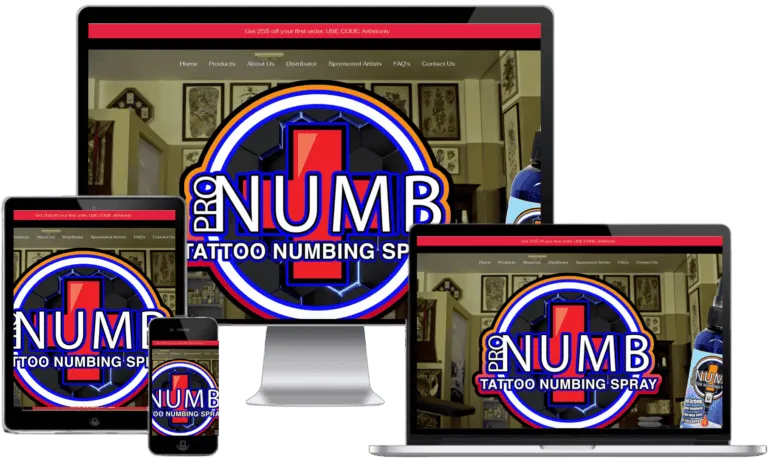
Pro Numb
Ecommerce | Topical Skincare
A product brand built on answer formatting: question headers, direct answers, and FAQ schema on page after page. The snippet count is the on-page receipt; numbers cover the engagement.
- 47 Featured Snippets
- +340% Organic Traffic
- $2M+ Monthly Revenue
-

Grown Brilliance
Luxury Jewelry Ecommerce
A jewelry catalog where collection-page titles and on-page structure carried non-brand growth, with faceted-catalog duplication resolved in the map. Whole-engagement numbers, labeled honestly.
- 160K+ Organic Visits
- +75% Organic Sessions
- $200M Annual Revenue
-
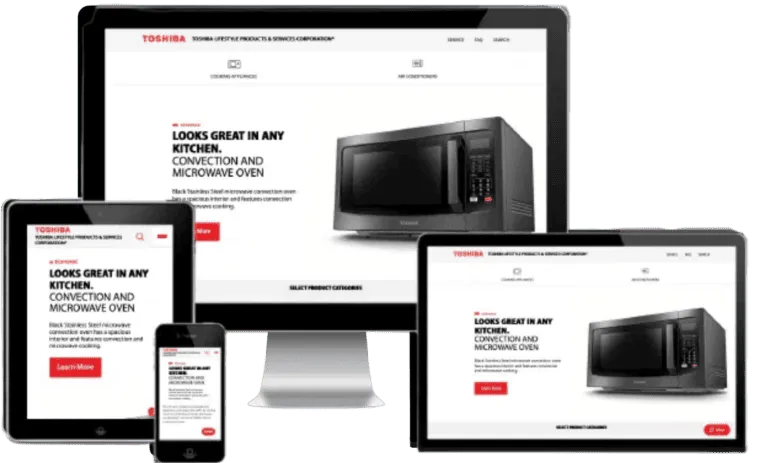
Toshiba Lifestyle
Consumer Appliances
An appliance catalog whose win shows in breadth: thousands of tracked terms improved as titles, headers, and internal links were rebuilt across the range. Whole-engagement numbers.
- 2,400+ Rankings Improved
- +185% Organic Traffic
- +67% Revenue Growth
-
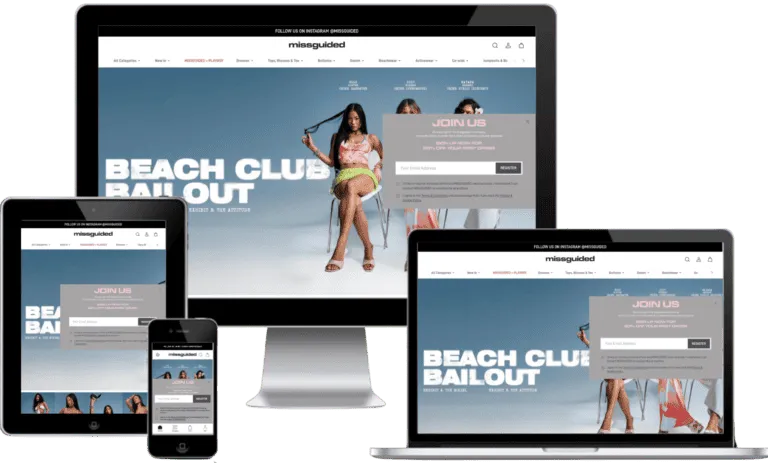
MissGuided
Fashion Ecommerce
A fashion catalog where snippet-format content did the lifting: question headers and direct answers targeted the terms Google answers in place. Whole-engagement numbers, reported as tracked.
- 28 Featured Snippets
- 32,000 → 56,000 Organic Sessions
- +75% Sessions Growth
More engagements, sliced by service, industry, and platform, live in our SEO case studies.
Meet Your On-Page SEO Team
The strategists and writers who rebuild the pages this page describes, and then answer for the rankings.
-

Jobin John
Chief Executive Officer
-

Justin Brown
Head of Search Engine Optimization
-

Bryan Thomson
Head of Web Design & Development
-

Ina Komins
Head of Social Media Marketing
-

Kierra Pita
Head of Advertising & Content Marketing
-

Patricia Turner
Chief Creative Officer
-

William Carter
Chief Digital Strategy Officer
-

Andrew Miller
Senior SEO Strategist
-

Amy Robinson
Content Marketing Manager
-

Betty Harrison
PPC Campaign Specialist
-

Anthony Carter
Lead Digital Account Executive
-

Amanda Cooper
Social Media Director
-

Carol Parker
Senior Client Success Manager
-

Barbara Bennett
Email Marketing Lead
-

Charles Turner
Technical SEO Analyst
-

Brian Sullivan
Creative Director
-

Christine Walker
Director of Project Management
-

Christopher Brooks
Digital Marketing Strategist
-

Daniel Wright
Senior Analytics Specialist
-

David Henderson
Lead Content Strategist
-

Donna Mitchell
Client Communications Manager
-

Elizabeth Foster
Director of Paid Advertising
-

Emily Baredi
Brand Experience Specialist
-

Emma Scott
Social Media Content Creator
-

George Crawford
Technical Solutions Architect
-

Jacob Evans
Digital Content Coordinator
-

James Anderson
Marketing Automation Specialist
-

Jason Palmer
Junior Copywriter
-

Jeffrey Reynolds
Paid Media Analyst
-

Jennifer Lewis
Community Engagement Specialist
-

Jonathan Murphy
SEO Reporting Specialist
-

Joseph Morgan
Influencer Marketing Coordinator
-

Kenneth Stevens
Digital PR Manager
-

Kimberly Harper
Digital Marketing Intern
-

Kevin Morris
SEO Outreach Specialist
-

Lee Dawson
Junior Web Developer
-

Linda Peterson
Email Campaign Coordinator
-

Lisa Thompson
Social Media Ads Specialist
-

Margaret Bradley
Marketing Operations Lead
-

Mark Richards
Data & Insights Analyst
-

Mary Kennedy
Senior Copyeditor
-

Matthew Clark
Growth Marketing Manager
-

Michelle Sanders
Junior Marketing Designer
-

Michael Foster
Senior Conversion Rate Specialist
-

Nancy Wheeler
Digital Analytics Manager
-

Nicholas Pierce
Affiliate Marketing Specialist
-

Nicole Adams
Outreach Program Coordinator
-

Paul Franklin
Paid Social Campaign Manager
-

Richard Barnes
Reputation Management Specialist
-

Robert Murphy
Lead Solutions Architect
-

Ronald Davis
Marketing Technology Analyst
-

Ryan Bell
Paid Media Buyer
-

Sandra Gregory
Digital Account Coordinator
-

Scott Hopkins
CRM Implementation Specialist
-

Shirley Ellis
Customer Insights Manager
-

Stephanie Cross
Brand Content Designer
-

Steven Greene
Web Analytics Specialist
-

Susan Price
Affiliate Campaign Manager
-

Thomas Fisher
Lead Technical Architect
-

Timothy Nash
Mobile Marketing Strategist
What is the most important on-page SEO factor?
The title tag, with content that matches search intent a close second. A page with a truncated or generic title loses clicks it already earned, and a page that answers a different question than the searcher asked will not hold a ranking for long. Every other on-page element exists to support those two.
On-Page SEO FAQs
What is on-page SEO vs off-page SEO?
On-page SEO covers everything on your own pages: titles, metas, headers, content, internal links, images, URLs, and schema. Off-page SEO covers signals from elsewhere: backlinks, brand mentions, and reviews. You control on-page completely and off-page barely at all, which is why on-page comes first and why its wins arrive faster.
Do I need on-page SEO if I have strong backlinks?
Yes, and you especially do. Backlinks signal authority; on-page signals relevance, and Google needs both to rank a page confidently. A strong link profile pointed at pages with weak titles, scrambled headers, or mismatched intent is authority earning less than it cost. On-page work is how existing links get repriced upward without acquiring a single new one.
What is keyword cannibalization and how do you fix it?
Cannibalization is two or more of your pages targeting the same keyword, splitting clicks and links while Google alternates between them. We fix it three ways depending on the case: consolidate the pages into one, redirect the weaker to the stronger, or re-aim the weaker page at a different term. The keyword map decides which, before any rewriting starts.
How often should on-page SEO be updated?
Quarterly reviews for the pages that earn money, an annual pass for the rest, and an immediate look whenever a ranking drops or a competitor publishes something stronger. Structural elements like URLs and schema hold for years. Titles and content drift out of date faster, because the SERP around them keeps moving even when your page does not.
Can on-page SEO help with local rankings?
Directly. City-specific titles, consistent name-address-phone details, LocalBusiness schema, and neighborhood-level content are all on-page elements, and they feed both the organic results and the Map Pack. For businesses that win or lose on local visibility, we fold this into our local SEO services, where the profile and the pages get built together.
What is schema markup and why does it matter?
Schema markup is structured data added to a page’s code that tells search engines exactly what the content is: a service, a product, an FAQ, a local business. It makes pages eligible for rich results like review stars and FAQ dropdowns, and it gives AI systems clean facts to cite. We only mark up what the page visibly says: schema that overpromises gets penalized.
Do you rewrite the content itself or just the tags?
Both, and the split depends on the audit. Some pages need only element work: a better title, restructured headers, internal links. Others need the content rebuilt to answer the intent Google currently rewards, and tag work alone would polish a page that cannot rank. The audit says which is which per page, so you never pay for a rewrite where a title fix would do.
Will you work inside our CMS?
Yes. WordPress, Shopify, Webflow, custom stacks: on-page changes ship inside whatever your site runs on, through your staging and approval process if you have one. We document every change as we go, so your team can see exactly what moved and roll anything back. If your CMS makes a fix impossible, we flag it as a technical task instead of forcing a workaround.
What should I look for in an on-page SEO provider?
Ask how recommendations get made; the right answer traces every fix to crawl data, Search Console queries, or a live SERP read, not a tool score. Ask whether they check for keyword cannibalization before rewriting anything, because polish on colliding pages is wasted money. Ask for page-level reporting that ties changes to results. And a fix list quoted before anyone crawls your site is a template, not an audit.
How do I choose an on-page SEO service?
Ask what gets changed and where you can see it, because on-page work is the most inspectable SEO there is: every edit lives on a URL you can open. Ask whether recommendations arrive implemented or as a document your team must execute. Ask how pages get prioritized; the honest answer starts with your revenue pages. Ask what stays untouched and why. And ask for the change log in the monthly report.
Ready to Fix the Layer You Control?
On-page SEO is the page-level core of our full search engine optimization services, so the audit, the rewrites, and the rankings work that follows run as one program with one owner. And if the audit says your budget belongs at a different layer first, that is what the plan will say. Tell us about your site and we will send a plan with real findings in it.
Questions? Call (888) 644-7795 or email care@egochi.com
Egochi Stats
- 250+ Google Reviews
- 5.0 Clutch Rating
- 12+ Years Experience
- $200M+ Revenue Generated
- 4 US Offices
- 190+ Clutch Reviews
Blog Posts
- Aug 12, 2026 GEO vs. SEO: A Comparative Guide for Digital Marketers
- Aug 12, 2026 What is llms.txt? | How to Create llms.txt file for your website
- Aug 12, 2026 What is Semantic SEO? | How to Build Topical Authority That Ranks
- Aug 12, 2026 What is Schema Markup? | How to Add Structured Data to Your Website
- Aug 12, 2026 How to Optimize for Voice Search: A Realistic 2026 Guide