Restaurant PPC Agency
Egochi runs pay-per-click campaigns for restaurants: Google Ads built around the way dining decisions actually happen, in a short window, on a phone, close to the table. Egochi schedules budget into the meal windows that matter, targets a radius people will actually travel, and bids on the "near me" and cuisine searches that mean someone is hungry right now. Ads send diners to your own ordering and reservation pages, not to an app that takes a cut of the order. And because dining conversions happen offline, Egochi tracks calls, reservation starts, and direction taps, so you see covers, not clicks. Paid also carries the calendar while restaurant SEO rankings grow, then hands those searches to organic as they mature. Ad management plans start at $1,500 monthly, plus your ad spend, both stated before you sign.
Get Your Free Restaurant PPC Audit See What's Included
- 250+ Google Reviews
- 190+ Clutch Reviews at 5.0
- Google Premier Partner
As Featured In





How Restaurant PPC Actually Works
Four mechanics of paid search for dining rooms that Egochi builds every account around.
The meal window is the whole game
Lunch is decided between eleven and one, dinner between four and seven, and budget spent outside those windows mostly reaches people who are not hungry. Egochi dayparts every campaign to concentrate spend where the intent lives, which is why two restaurants with identical budgets can see completely different results.
Radius honesty saves budget
People drive minutes for lunch and somewhat farther for a special dinner, and no ad changes that. Egochi sets radius by daypart and occasion instead of blanketing the metro, because a click from someone forty minutes away is spend the kitchen never sees back.
Your conversions happen offline
A dining "conversion" is a call, a direction tap, a reservation, or a walk-in, and none of those appear in a default Google Ads setup. Until offline actions are wired in, the bidding learns from clicks, and clicks are the wrong teacher for a restaurant, so Egochi wires the offline actions in before scaling anything.
Platforms bid on your name
Search your restaurant's name and count the ads above your own listing. Delivery and reservation platforms pay to intercept customers who already chose you, then charge commission on the order. Brand defense is cheap, and it is often the fastest-paying campaign Egochi sets up for a restaurant.
What's Inside a Restaurant PPC Plan
Egochi builds paid search around meal windows, driving distance, and offline conversions.
-
Meal-Window Campaigns
Egochi schedules budgets into lunch and dinner decision windows by daypart, with slow nights weighted heavier than the shifts that fill themselves.
-
Radius and Near-Me Targeting
Egochi sets geo targeting to the distance people actually travel for your occasion, tightened at lunch, widened for destination dinners.
-
Cuisine and Dish Keywords
Egochi bids on the searches hungry people run: cuisine terms, dish names, and "open now" queries where showing up is most of the sale.
-
Catering and Event Campaigns
Egochi runs separate campaigns for the searches planners run weeks out, where ticket sizes are large enough to justify their own budget and landing pages.
-
Brand Defense and Direct Routing
Egochi protects your own name from platform ads and points every click at your ordering and reservation pages, not a commission funnel.
-
Offline Conversion Tracking
Egochi wires call tracking, reservation events, and direction-tap measurement into Google Ads, so bidding learns from seated tables instead of raw clicks.
Where AI Search Fits a Restaurant Ad Account
Diners now ask ChatGPT, Gemini, and Perplexity where to eat tonight, and Google folds AI Overviews into the same results your ads run on. Ad budget wins the meal window today; AI citations come from structured menus, consistent listings, and review recency that no budget can buy. Egochi runs restaurant PPC with that structure underneath, so the spend and the citations pull in the same direction.
Google AI OverviewsChatGPTGeminiPerplexity
-
Citations cannot be bought, so build both
An assistant recommending a dinner spot reads structured data and reviews, not bids. Egochi treats ads as the fast channel for tonight's covers while the menu structure and review record earn the recommendations, and neither is left to chance.
-
Landing pages that double as answers
The ordering and menu pages Egochi builds for campaigns carry dishes, prices, and hours in a structured shape. That converts the click, and it gives AI Overviews and ChatGPT something quotable when the same diner asks by cuisine instead.
-
Brand defense reaches AI surfaces too
When someone asks an assistant about your restaurant by name, consistent identity data decides what it says. Egochi keeps your site, profile, and listings agreeing on hours, menu, and location, so the paid brand campaign and the AI answer tell the same story.
-
One report for paid, organic, and AI
Egochi reports cost per call and per reservation next to the map and AI visibility the groundwork earns, so you can watch paid spend hand searches to owned channels as they mature.
How We Run a Restaurant Ad Account
-
Account and radius audit
Egochi reads your current campaigns, or the market if you are starting fresh: where budget spends by hour, how far the targeting reaches, and which searches actually brought hungry people. Waste shows up fast at this step.
-
Wire the conversions
Call tracking, reservation events, order events, and direction taps get connected before we scale anything, because bidding trained on clicks buys the wrong traffic for a dining room.
-
Build by meal window
Campaigns get structured by daypart and occasion: lunch radius tight, destination dinners wider, slow nights weighted heavier, catering split into its own budget with its own landing pages.
-
Take your name back
A small brand campaign outranks the delivery platforms bidding on your restaurant name, routing customers who already chose you to your own ordering at full margin.
-
Tune weekly, report in covers
Egochi prunes search terms, adjusts windows to what the data shows, and writes the monthly report in calls, orders, and reservations per dollar, not click-through rates.
Doubts Restaurant Owners Have About PPC
Can restaurant margins really support paid ads?
They can when the math runs on lifetime value, not one ticket. A new regular who orders direct twice a month is worth far more than one meal, and brand-defense clicks cost little while rescuing full-margin orders from commission platforms. Where margins genuinely cannot absorb paid acquisition yet, Egochi says so and starts elsewhere.
We tried Google Ads and got clicks, not customers. What went wrong?
Almost always the same three gaps: budget spread across all hours instead of meal windows, a radius covering people who would never drive to you, and no offline tracking, so the bidding learned from clicks because clicks were all it could see. None of those are flaws in the channel. They are setup problems, and they are the first things Egochi fixes in an account takeover.
Should we not just spend that money on the delivery apps instead?
App promotions buy placement inside a marketplace that keeps the customer, charges commission on the order, and shows your competitors one scroll away. Search ads reach people before they open an app and land them on ordering you own. Both can run at once; only one builds an asset.
Is cheap PPC management good enough for a restaurant?
Cheap management usually means set-and-forget: one campaign, metro-wide radius, running around the clock. Restaurant accounts earn their keep in the weekly grind of dayparts, search-term pruning, and window adjustments, and that labor is what the fee actually buys. A neglected account at any price is the expensive option.
Common Mistakes to Avoid
-
Running ads at 10am and 3pm, paying full click prices to reach people who are not hungry yet.
-
Targeting a thirty-minute radius for a lunch spot people will only drive ten minutes to reach.
-
Sending every click to the homepage instead of the menu, ordering, or reservation page the search asked for.
-
Skipping call and reservation tracking, so the bidding chases clicks while seated tables go uncounted.
-
Letting delivery platforms advertise on the restaurant name unchallenged, paying commission on customers who searched for you by name.
Paid Campaigns Egochi Publishes Numbers For
Egochi restates only the numbers each client published, nothing polished for the pitch. Paid and food engagements lead this row, and local-consumer receipts from the wider roster close it.
-
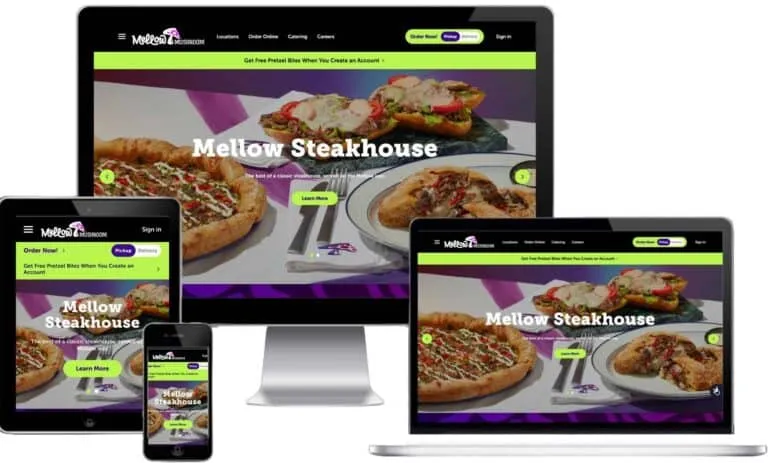
Mellow Mushroom
Pizza Restaurant Group | Restaurant PPC
A pizza group whose localized ad campaigns had to fill dining rooms, not dashboards. Egochi rebuilt the targeting and creative around local diners, and click-through rose while the cost per lead fell.
- +70% PPC Click-Through Rate
- 35% Cost per Lead Reduction
- +245% Online Orders
-
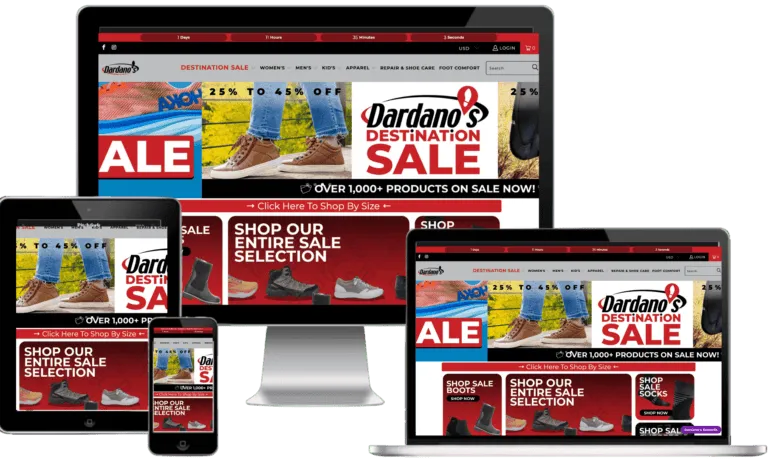
Dardanos
Footwear Brand | PPC & SEO
A consumer brand in a different aisle, run on the same discipline: creative matched to intent and budgets that follow conversions. Egochi revamped the ad campaigns, and conversions and revenue climbed together.
- +79% PPC Conversion Lift
- +85% Organic Traffic Increase
- +83% Revenue Growth
-
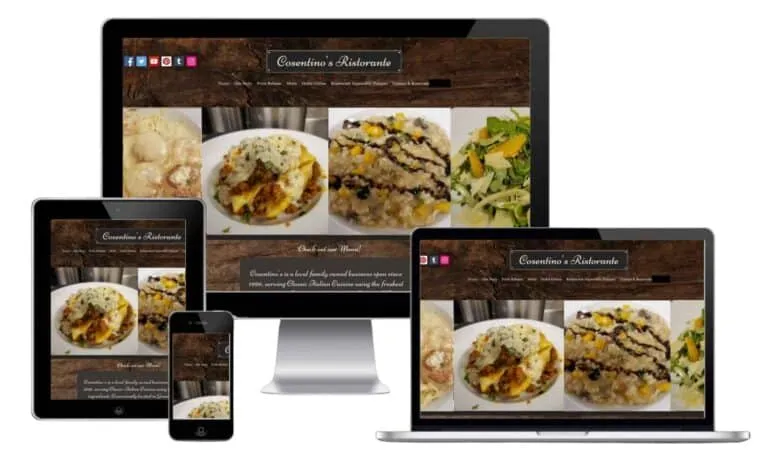
Cosentino's
Italian Restaurant | Geneva, NY
A classic Italian restaurant that needed its digital presence to match the room. Egochi ran the rebuild and the marketing program, and reservations followed the visibility.
- +66% Local Reservation Growth
- +78% Organic Traffic Increase
- +72% Website Engagement Lift
-
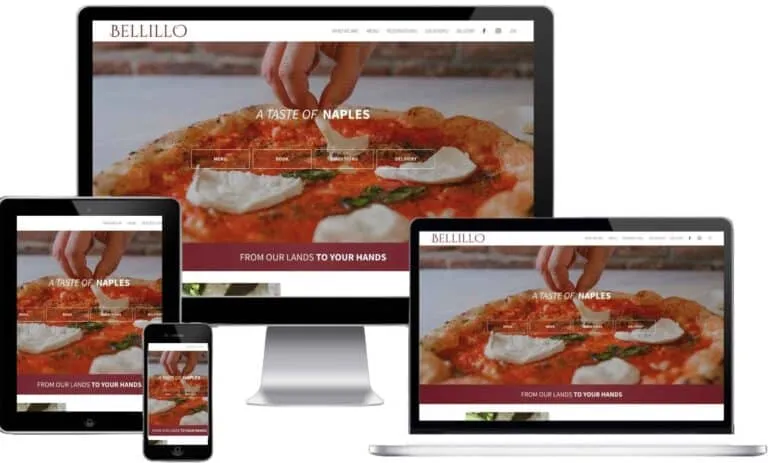
BELLILLO
Pizza Restaurant | Miami, FL
A Miami pizza spot whose phone had to ring at dinner time. Egochi ran the local program that grew calls and direction requests month over month, the same offline actions a restaurant ad account is graded on.
- 180 → 290 GBP Calls per Month
- 320 → 520 Driving Directions per Month
- 11.8 → 3.4 Avg Position, "pizza near me"
-
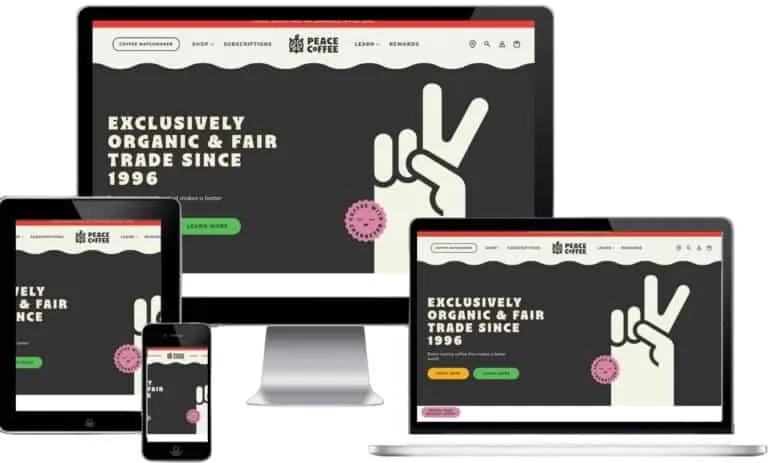
Peace Coffee
Coffee Brand | Food & Beverage
A specialty coffee brand that turned appetite into revenue on its own store instead of a marketplace. Egochi ran the program, and inquiries and monthly revenue rose with the traffic.
- $75K Added Monthly Revenue
- 3K Monthly Customer Inquiries
- +85% Organic Traffic Increase
-

Culbertson Law
Family Law Firm | Tracked Calls
A local practice in a different trade whose program was graded in tracked, qualified calls, exactly how Egochi grades a restaurant ad account. The call and review mechanics transfer one to one.
- +91% Qualified Calls
- 30% Lower Cost Per Lead
- 9 → 2 Map Pack Position
See How Egochi Works
A short look at how our team plans, builds, and reports on client work.
Is This Right for You?
This is for you if
- You need covers this month and can put media budget behind meal-window campaigns while slower channels build.
- You take orders or reservations online, so ad clicks have somewhere direct to land.
- Delivery platforms are running ads on your restaurant's name and you want that traffic back at full margin.
This may not be the right fit if
- There is no media budget beyond the management fee; PPC needs ad spend to have anything to manage.
- Your margins cannot absorb paid acquisition yet; fix the direct ordering path first, then buy traffic for it.
See the work: Food & beverage case studies · PPC case studies
What Clients Tell Us
Our restaurant was struggling to get found online. Egochi fixed our Google Business Profile, got us more reviews, and now we show up whenever someone searches for our type of food. Tables are full every night.
The Complete Restaurant Program
This page is one part of a five-part program. Each piece works alone and works better together.
-
Restaurant Marketing Agency
The full program: local search, reviews, direct orders, catering.
-
Restaurant SEO
Menu-page rankings and the neighborhood queries that fill tables.
-
Restaurant Social Media Marketing
Dish content and creator dinners that turn scrolls into reservations.
-
Restaurant Website Design
HTML menus, embedded ordering, and honest pricing up front.
Common Questions About Restaurant PPC
-
How much does restaurant PPC management cost?
Egochi's ad management plans start at $1,500 monthly, with your ad spend billed separately by Google, and both numbers stated before you sign. Because restaurant campaigns run in tight radiuses and short meal windows, media budgets stay focused: you pay to reach hungry people nearby, not a whole metro.
-
Do Google Ads work for restaurants?
Yes, when they match how people choose a place to eat. Someone searching "tacos near me" at 6pm decides within minutes, so ads that show at that moment, within driving distance, with a menu and ordering link one tap away, reach diners at the exact point of decision.
-
Do Google Ads still matter now that AI answers restaurant searches?
Yes. The meal-window searches that seat tables tonight still run through results where ads sit on top, and AI Overviews appear alongside them, not instead of them. What ChatGPT, Gemini, and Perplexity recommend comes from structured menus and review records no budget can buy, so Egochi pairs the ad account with that groundwork and reports both together.
-
How do you track reservations and calls from ads?
Egochi wires the campaigns to the actions that mean a table: call tracking on ad phone numbers, conversion events on reservation starts and online orders, and direction taps from location assets. Google's bidding then learns from real dining behavior instead of clicks, which is where most restaurant accounts fail.
-
What should a restaurant ask a PPC agency before signing?
Ask how they schedule budget; if the answer is not meal windows and dayparts, the account will pay to reach people who are not hungry yet. Ask how calls, reservations, and direction taps get wired in before anything scales, and whether they will defend your name from the delivery platforms that bid on it; a small brand campaign routes those orders back at full margin. Egochi states the management fee and expected ad spend up front.
Awards and Partnerships Egochi Holds in 2026
-

Egochi Named 2026 Top Digital Marketing Agency by Clutch
Clutch, a B2B market research and reviews platform, names Egochi a top digital marketing agency for 2026. The distinction rests on overall market presence and, most importantly, verified client feedback. Egochi holds a 5.0 rating across 190+ reviews on Clutch.
-
Egochi Is a Certified Google Premier Partner
Egochi is a certified Google Premier Partner, a status Google grants to the top 3% of participating advertising agencies each year. The tier is earned on campaign performance, sustained client growth, and advanced Google Ads certification, and Google reviews it annually rather than granting it for life.
The Team Behind the Work
-

Jobin John
Chief Executive Officer
-

Justin Brown
Head of Search Engine Optimization
-

Bryan Thomson
Head of Web Design & Development
-

Ina Komins
Head of Social Media Marketing
-

Kierra Pita
Head of Advertising & Content Marketing
-
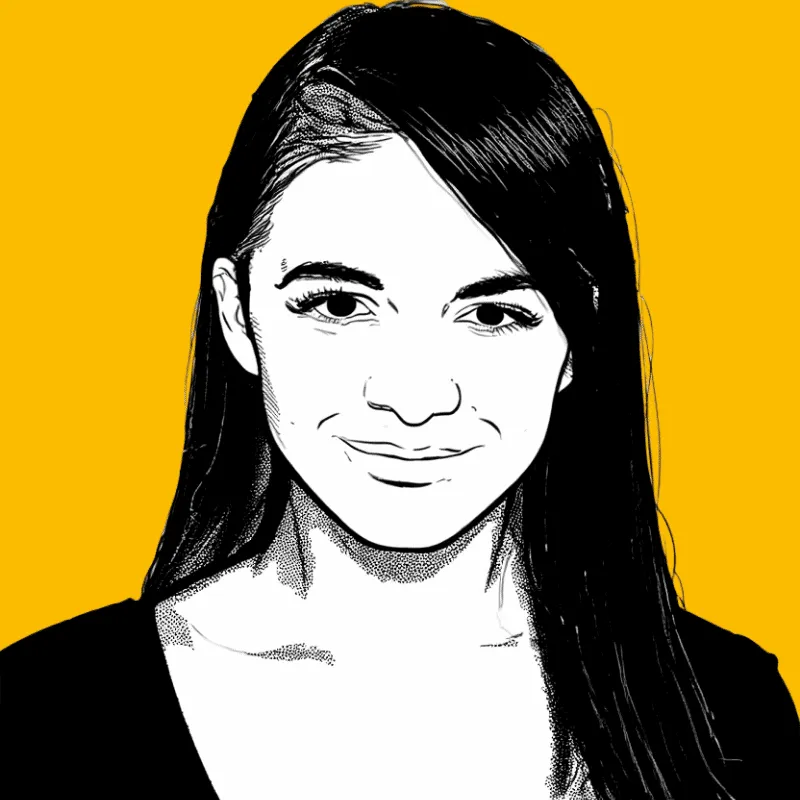
Patricia Turner
Chief Creative Officer
-

William Carter
Chief Digital Strategy Officer
-

Andrew Miller
Senior SEO Strategist
-
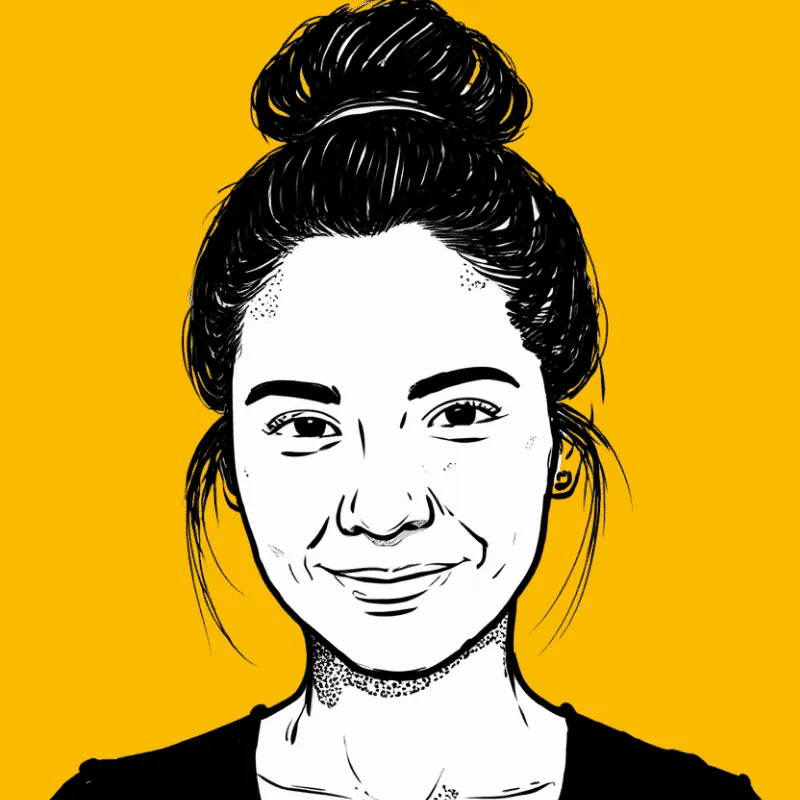
Amy Robinson
Content Marketing Manager
-

Betty Harrison
PPC Campaign Specialist
-

Anthony Carter
Lead Digital Account Executive
-

Amanda Cooper
Social Media Director
-
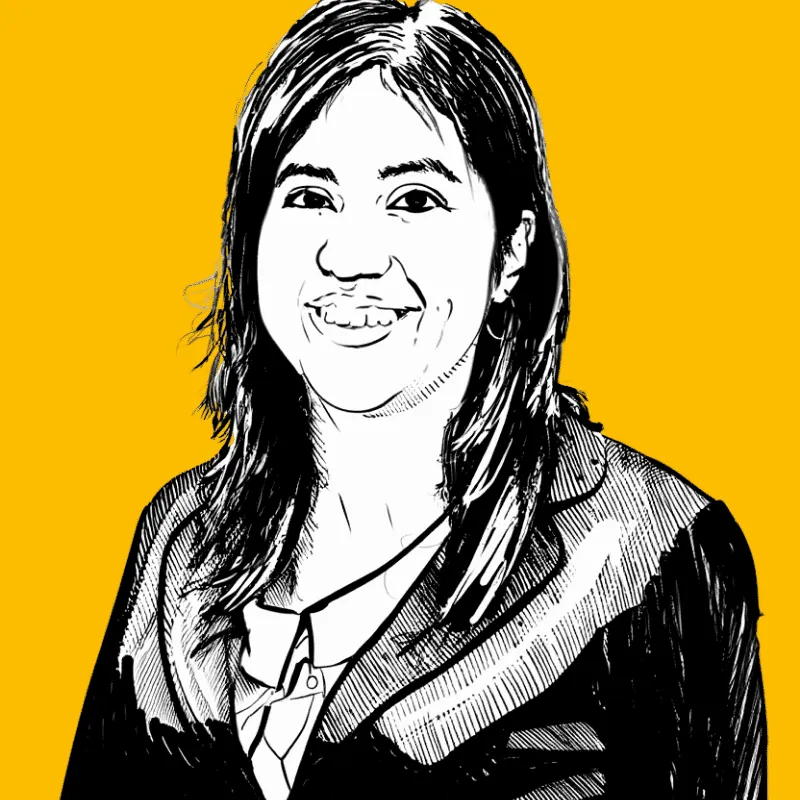
Carol Parker
Senior Client Success Manager
-
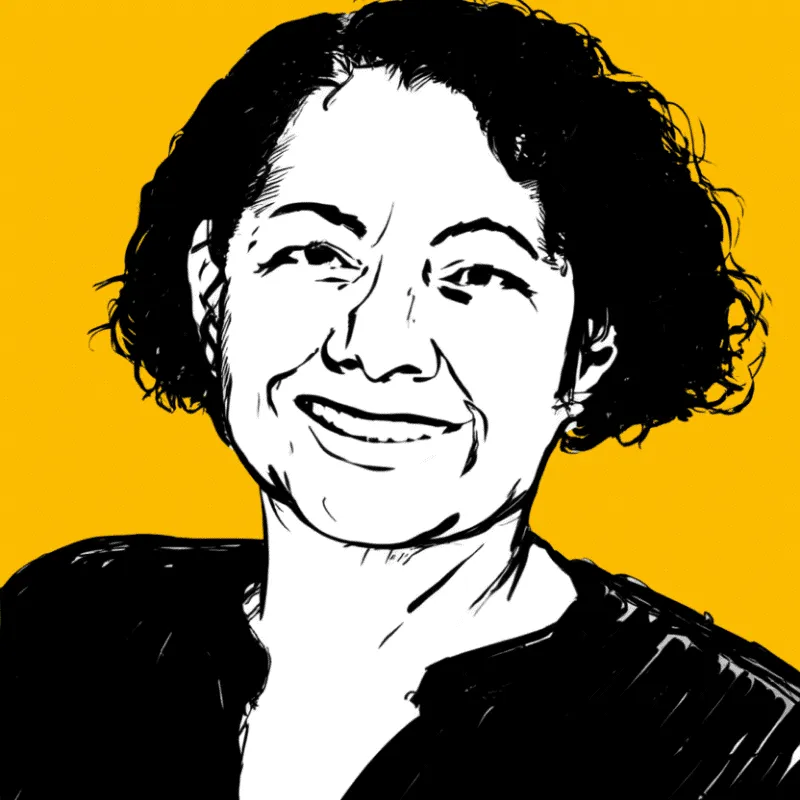
Barbara Bennett
Email Marketing Lead
-

Charles Turner
Technical SEO Analyst
-
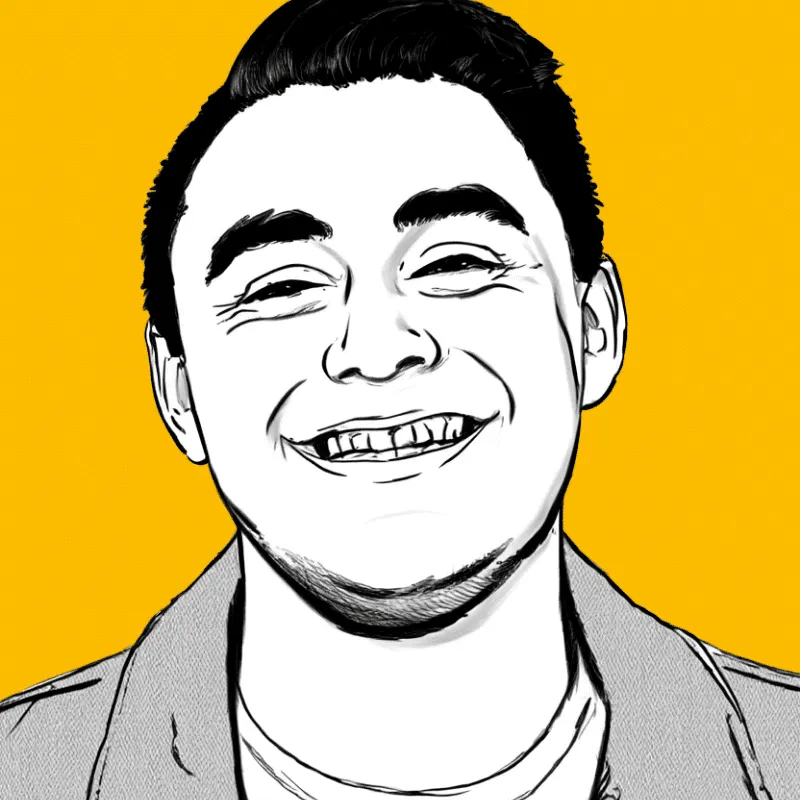
Brian Sullivan
Creative Director
-

Christine Walker
Director of Project Management
-
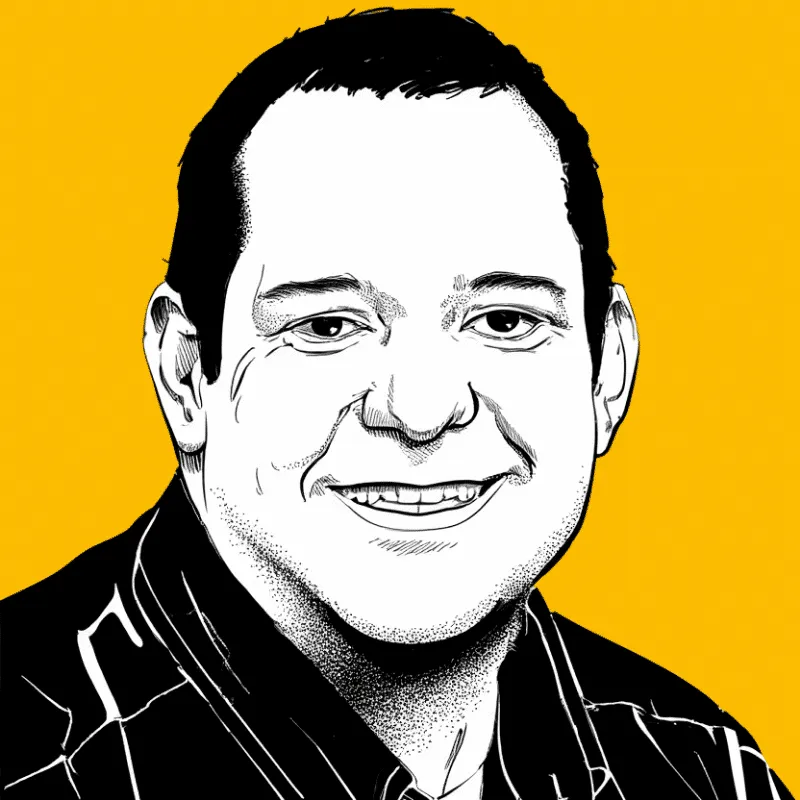
Christopher Brooks
Digital Marketing Strategist
-

Daniel Wright
Senior Analytics Specialist
-

David Henderson
Lead Content Strategist
-

Donna Mitchell
Client Communications Manager
-

Elizabeth Foster
Director of Paid Advertising
-

Emily Baredi
Brand Experience Specialist
-

Emma Scott
Social Media Content Creator
-

George Crawford
Technical Solutions Architect
-

Jacob Evans
Digital Content Coordinator
-

James Anderson
Marketing Automation Specialist
-

Jason Palmer
Junior Copywriter
-

Jeffrey Reynolds
Paid Media Analyst
-

Jennifer Lewis
Community Engagement Specialist
-

Jonathan Murphy
SEO Reporting Specialist
-
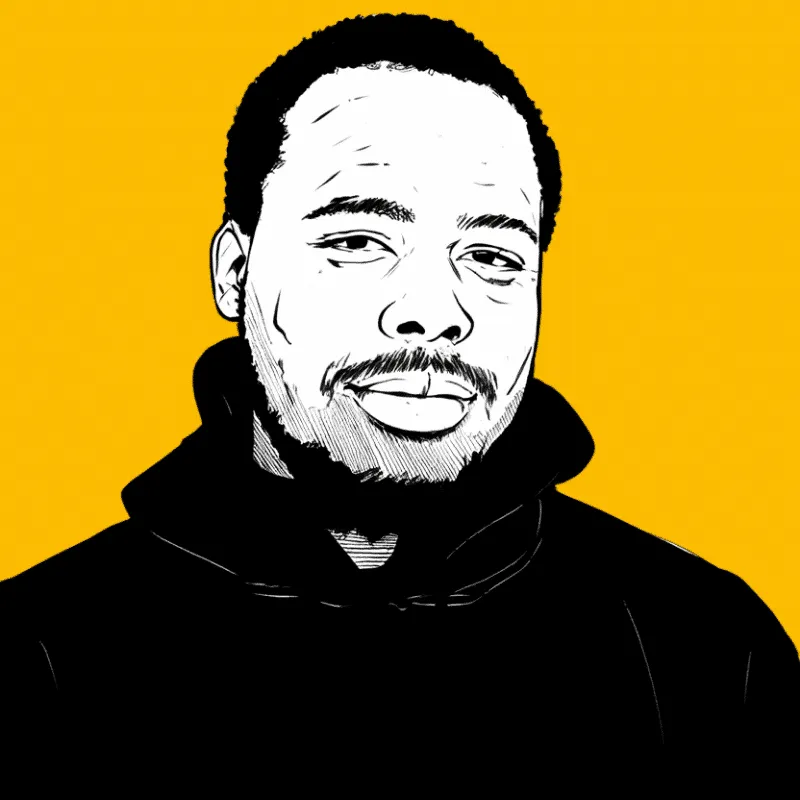
Joseph Morgan
Influencer Marketing Coordinator
-

Kenneth Stevens
Digital PR Manager
-

Kimberly Harper
Digital Marketing Intern
-
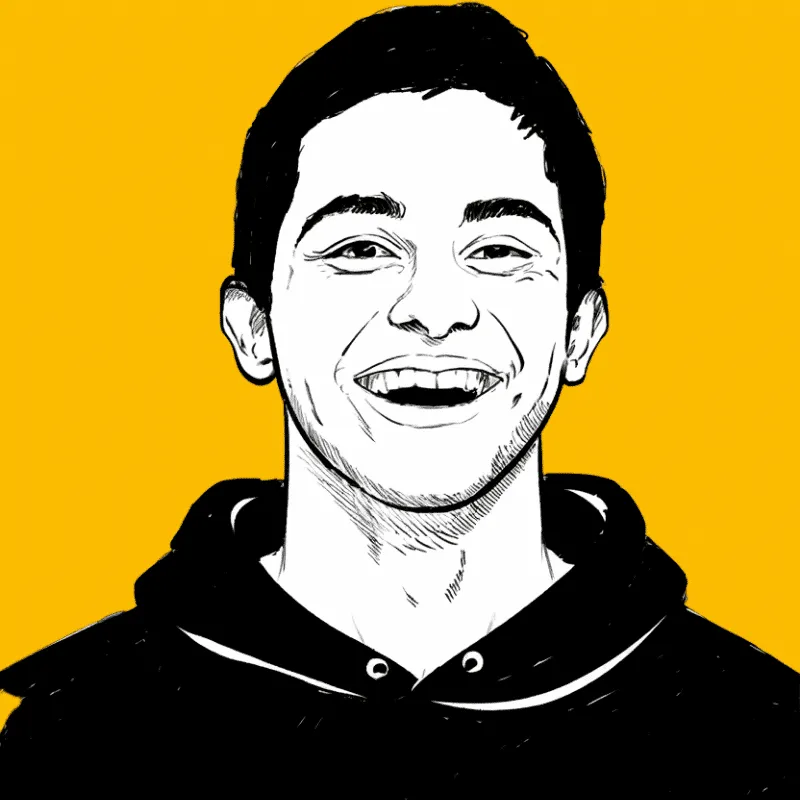
Kevin Morris
SEO Outreach Specialist
-

Lee Dawson
Junior Web Developer
-

Linda Peterson
Email Campaign Coordinator
-
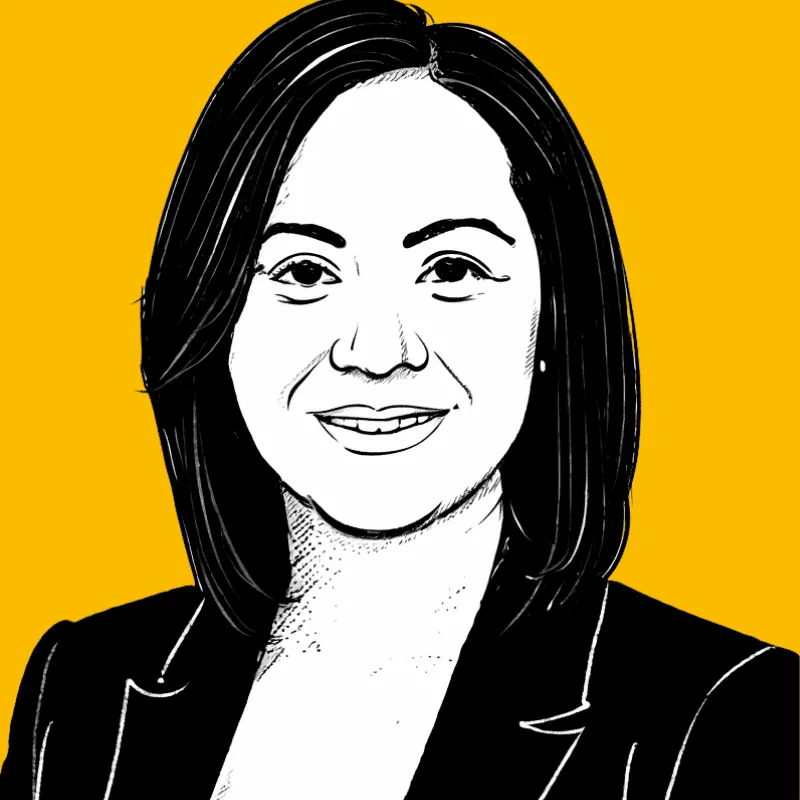
Lisa Thompson
Social Media Ads Specialist
-

Margaret Bradley
Marketing Operations Lead
-
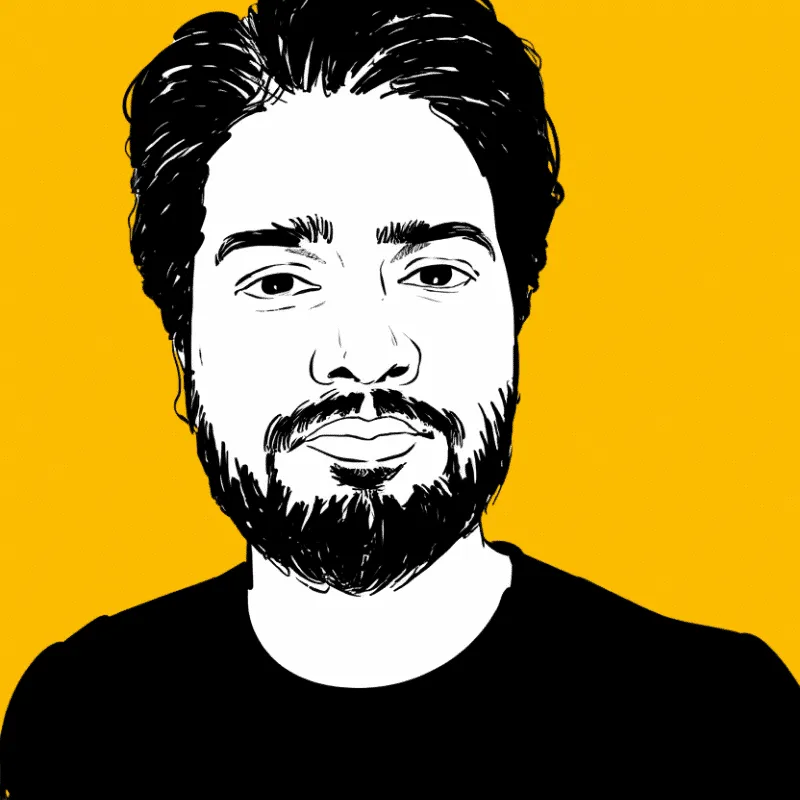
Mark Richards
Data & Insights Analyst
-

Mary Kennedy
Senior Copyeditor
-

Matthew Clark
Growth Marketing Manager
-
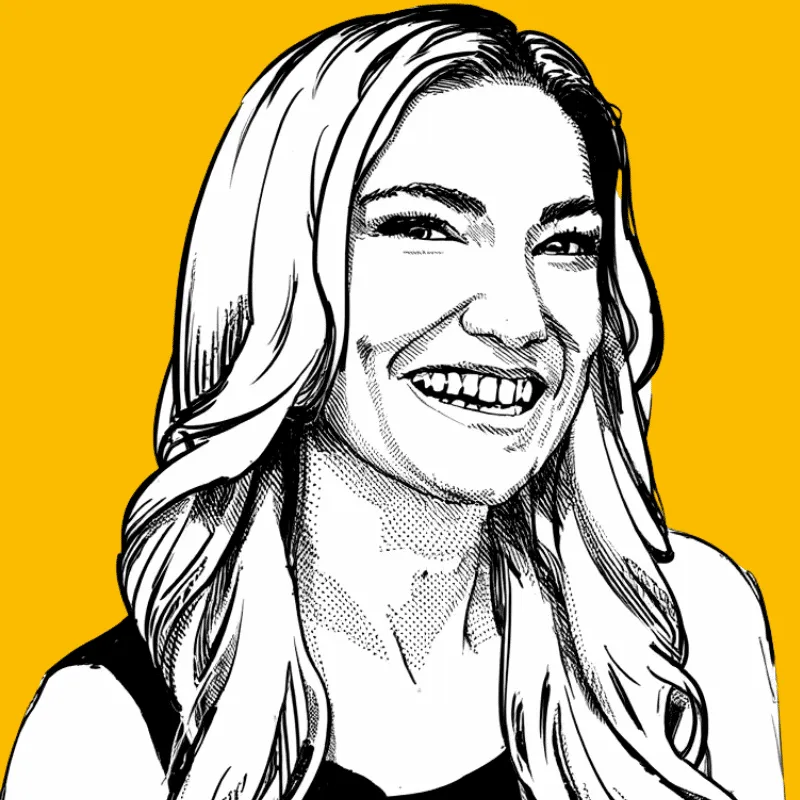
Michelle Sanders
Junior Marketing Designer
-

Michael Foster
Senior Conversion Rate Specialist
-

Nancy Wheeler
Digital Analytics Manager
-

Nicholas Pierce
Affiliate Marketing Specialist
-
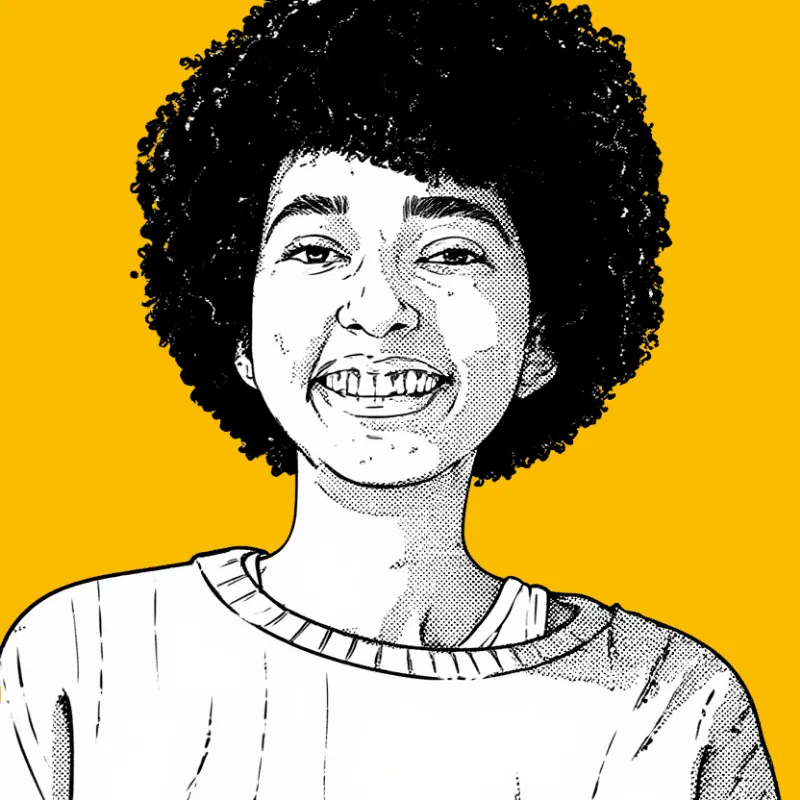
Nicole Adams
Outreach Program Coordinator
-

Paul Franklin
Paid Social Campaign Manager
-

Richard Barnes
Reputation Management Specialist
-

Robert Murphy
Lead Solutions Architect
-

Ronald Davis
Marketing Technology Analyst
-
Ryan Bell
Paid Media Buyer
-

Sandra Gregory
Digital Account Coordinator
-

Scott Hopkins
CRM Implementation Specialist
-

Shirley Ellis
Customer Insights Manager
-
Stephanie Cross
Brand Content Designer
-

Steven Greene
Web Analytics Specialist
-

Susan Price
Affiliate Campaign Manager
-

Thomas Fisher
Lead Technical Architect
-

Timothy Nash
Mobile Marketing Strategist
Certified & Accredited


Show Up at Decision Time.
Tell us your location, your slow shifts, and where orders come from today. The Egochi audit maps the meal-window searches in your radius and what they would cost to win.
Egochi Stats
- 250+ Google Reviews
- 5.0 Clutch Rating
- 12+ Years Experience
- $200M+ Revenue Generated
- 4 US Offices
- 190+ Clutch Reviews
Blog Posts
- Aug 12, 2026 GEO vs. SEO: A Comparative Guide for Digital Marketers
- Aug 12, 2026 What is llms.txt? | How to Create llms.txt file for your website
- Aug 12, 2026 What is Semantic SEO? | How to Build Topical Authority That Ranks
- Aug 12, 2026 What is Schema Markup? | How to Add Structured Data to Your Website
- Aug 12, 2026 How to Optimize for Voice Search: A Realistic 2026 Guide