Fashion Digital Marketing Agency
Egochi is a digital marketing agency for fashion brands: DTC labels, boutiques, and established apparel houses. Fashion marketing has a clock built into it. Collections rotate, products die every season, and trend content expires in weeks, so programs copied from other industries leak value at every turnover. Egochi builds around the calendar instead: fashion SEO that parks ranking equity on collection pages products can rotate under, paid campaigns judged on margin per style rather than a blended return, creator-led social that shows up as measurable brand search, and storefronts fast enough to carry heavy imagery. Plans start at $1,500 monthly with pricing published up front. Start with a free proposal built around your next drop, not a generic channel checklist.
Get Your Free Fashion Marketing Proposal See What's Included
- 250+ Google Reviews
- 190+ Clutch Reviews at 5.0
- Google Premier Partner
As Featured In





What Makes Fashion Marketing Different
Four realities of the merchandising calendar that shape how Egochi plans every channel.
Season turnover is the structural problem
Most industries build a page and rank it for years. Fashion retires its product pages every season, so any program that hangs authority on products starts from zero twice a year. The fix Egochi builds is architectural: collection and category pages hold the ranking equity, products rotate underneath, and retired URLs pass their authority forward instead of evaporating into 404s.
Blended ROAS is where losing styles hide
A 4x blended return can contain three styles printing money and a dozen quietly burning it, because ad platforms report the average, not the spread. Egochi manages paid at the style level, weighted by margin and return rate, and in most accounts killing the losers moves profit more than scaling the winner ever does.
Creator content outsells the studio shoot
For most brands under $50M, creator and UGC-style assets outperform polished studio work on paid social, because polish reads as an ad and gets scrolled past. The campaign shoot still has a job on the site and in email. On social, the phone-shot try-on wins, and the halo shows up as branded search growth Egochi charts for you every month.
Returns are the silent profit killer
Marketing dashboards celebrate the sale; the return that follows three weeks later never appears on them. Apparel return rates routinely run 20 to 40 percent, which means size and fit content is a profit lever, not a service page. Programs that ignore returns report revenue the warehouse is about to take back.
The Full Program for Fashion Brands
Six services Egochi runs as one system, each mapped to the drop calendar instead of a generic monthly cadence.
-
Fashion SEO
Egochi builds collection-page architecture that survives season turnover, evergreen style content, and a URL strategy for every product you retire.
-
Shopping & Paid Social
Egochi syncs Google Shopping feeds to live inventory and manages paid social by margin per style, with losers cut on a schedule.
-
Creator & UGC Programs
Egochi runs a roster of creators sized to your brand, with usage rights secured up front so winning content can run as paid ads.
-
Fashion Web Design
Egochi builds storefronts that stay fast under heavy imagery, with collection pages designed as landing pages and fit content on every PDP.
-
Email & SMS Retention
Egochi writes drop announcements, back-in-stock flows, and post-purchase sequences that turn a first order into a second before the season ends.
-
Margin-True Reporting
Egochi reports by style and nets out returns, so you see which pieces actually earned and which only sold.
How Fashion Brands Earn Visibility in AI Search
Shoppers now ask AI assistants questions that used to take a dozen open tabs: which brands make wide-leg trousers worth the money, whether a label runs small, which sustainable denim is legitimate. Egochi structures your product, brand, and entity data so Google AI Overviews, ChatGPT, Gemini, and Perplexity can identify the brand and use it in the answer.
Google AI OverviewsChatGPTGeminiPerplexity
-
Product data AI engines can read
Assistants recommending products lean on structured data: what the piece is, what it costs, what it is made of, whether it is in stock. Egochi marks up products, prices, materials, and availability in schema and keeps the Shopping feed telling the same story, so a system assembling a recommendation can actually include you.
-
One brand entity across every surface
Egochi keeps your brand name, category, and story consistent across the site, marketplaces, social profiles, and press coverage, and marks the organization up in structured schema. Gemini and Perplexity resolve which brands exist and what they stand for through exactly these signals before recommending anyone.
-
Fit and styling answers worth citing
When a shopper asks whether a brand runs small or what to wear a piece with, AI Overviews and ChatGPT quote pages that answer cleanly. Egochi writes the fit and styling content in that answer-first shape, the same shape that wins featured snippets in classic search.
-
One program carries Google and AI together
None of this is a separate bill. The structured product data, clean brand entity, and answer-shaped content that earn AI citations are the same assets that move collection rankings and Shopping performance, so Egochi reports Google visibility and AI visibility as one program with one set of numbers.
How the Program Runs
-
Calendar and margin audit
Egochi maps your drop calendar, your margin by style, and your current visibility before touching a channel. The audit shows where authority evaporates at turnover, which styles subsidize which, and where the next dollar earns most.
-
Collection-page foundation
Egochi moves ranking equity onto collection and category pages built to outlive any single product, with URL rules for everything you retire, so each season starts from accumulated authority instead of zero.
-
Feed and paid rebuild
Egochi syncs Shopping feeds to live inventory, separates campaigns by margin tier, and rebuilds paid social on creator assets, with a monthly cull that removes the styles losing money at the click level.
-
Creator and content engine
Egochi runs a creator roster and content system keyed to your drops alongside evergreen style content on the site, so the brand earns attention between launches instead of only during them.
-
Report by style, net of returns
Monthly reporting from Egochi reads in sell-through, margin per style, and branded search growth, with returns netted out. Budget follows what earned, and you see the reasoning behind every shift.
Fair Questions Fashion Founders Ask
Fashion is visual. Does search really matter for us?
Discovery is visual; buying runs through search. Shoppers see a piece on social, then type your brand name or "linen wide-leg trousers" into Google before paying. Brands that skip search hand that final, highest-intent click to marketplaces and competitors bidding on their own audience. The channels feed each other, which is why Egochi measures the social-to-brand-search handoff directly.
Our last agency reported strong ROAS. Why was cash still tight?
Two usual suspects: blending and returns. A blended ROAS hides the losing styles inside the average, and platform revenue counts orders the warehouse later takes back. When Egochi rebuilds the math at the style level, net of returns, the same account often tells a very different story, and that story explains the bank balance.
Do we need to be on every platform?
No, and trying is how small teams produce mediocre content everywhere. One or two platforms where your buyer actually shops, run with real consistency, beat a thin presence on six. Egochi picks by where your category moves and where your margin can afford to acquire, then ignores the rest on purpose.
Can marketing fix a collection that is not selling?
No, and anyone who says otherwise is selling you a bigger retainer. Marketing amplifies demand signals; it cannot invent them for pieces the market has declined. What it can do is read sell-through early, tell you which styles deserve the budget, and stop spend on the ones headed for the clearance rack.
Common Mistakes to Avoid
-
Deleting last season’s product URLs outright, so years of accumulated link authority die with the inventory.
-
Judging paid on blended ROAS while a handful of losing styles quietly drain what the winners earn.
-
Spending the content budget on studio polish for paid social, where creator-shot assets outperform it at a fraction of the cost.
-
Reporting revenue without netting out returns, which in apparel can quietly erase a third of what the dashboard celebrates.
-
Chasing trend content with a shelf life of weeks while evergreen style searches in your category go unclaimed.
Fashion Marketing Case Studies
Egochi, the agency named in each engagement below, publishes these receipts from fashion and ecommerce clients across the roster. Every number restates the client's published case study, and the apparel brands lead the row.
-

Grown Brilliance
Lab-Grown Diamonds | Ecommerce SEO
A $200M jeweler whose growth ran through non-brand search against the biggest names in its category. Egochi ran the SEO program behind its collection-page visibility, the same architecture we build for apparel catalogs.
- 160K+ Organic Visits
- +80% Conversion Increase
- $200M Annual Revenue
-
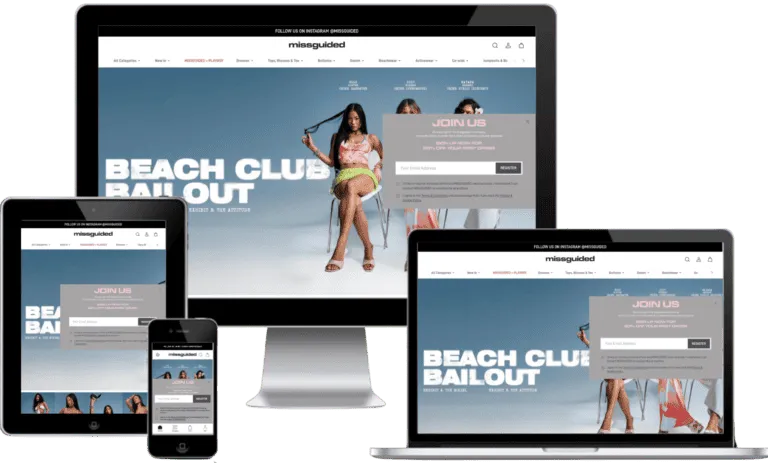
MissGuided
Fast Fashion | Ecommerce
A fast-fashion label with the hardest version of the turnover problem: a catalog that changes weekly. Egochi held ranking equity on collection pages while products rotated underneath, and revenue followed the rankings.
- $2M-$3M Monthly Revenue
- 100K+ Monthly Visitors
- 28 Featured Snippets Won
-
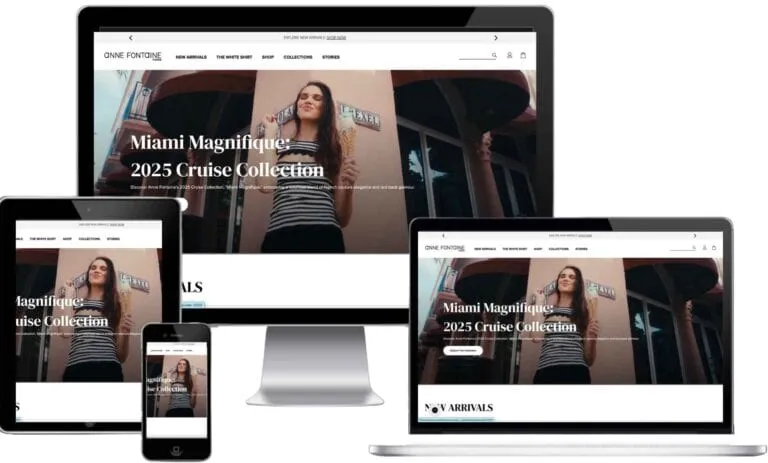
Anne Fontaine
Luxury Ready-to-Wear | PPC & Social
A Parisian luxury label whose paid campaigns ran too broad for its clientele. Egochi rebuilt the targeting around high-value keywords and grew the Instagram presence luxury buyers check before they spend.
- $500K PPC Revenue in 6 Months
- 100K+ Instagram Following
-
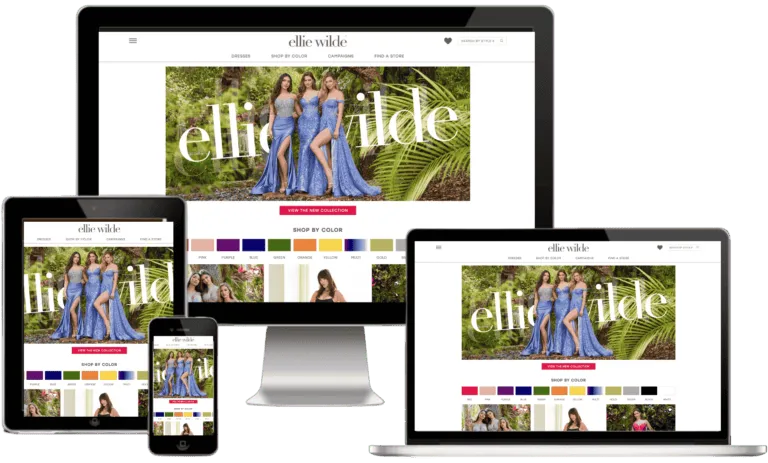
Ellie Wilde
Prom Dresses | Ecommerce
A prom dress brand with a season more extreme than any drop calendar: one buying window a year. Egochi built the search and social visibility that fills that window while competitors scramble inside it.
- 100K+ Monthly Organic Visitors
- 80% Social Engagement Growth
- 60% PPC Click-Through Increase
-
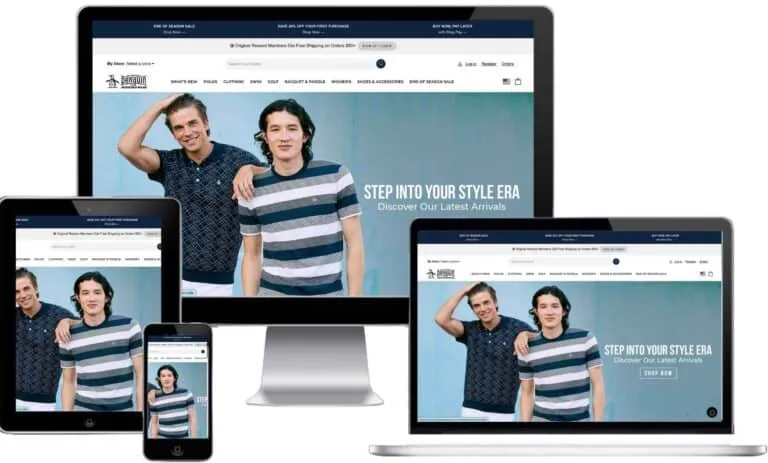
Original Penguin
Heritage Apparel | Retail Visibility
A heritage menswear brand whose store pages underperformed its name. Egochi rebuilt the store-level and local visibility, and sessions, profile actions, and impressions all climbed together.
- 10,400 → 24,600 Store Page Sessions
- 1,280 → 2,840 GBP Actions
- 195k → 410k Impressions
-
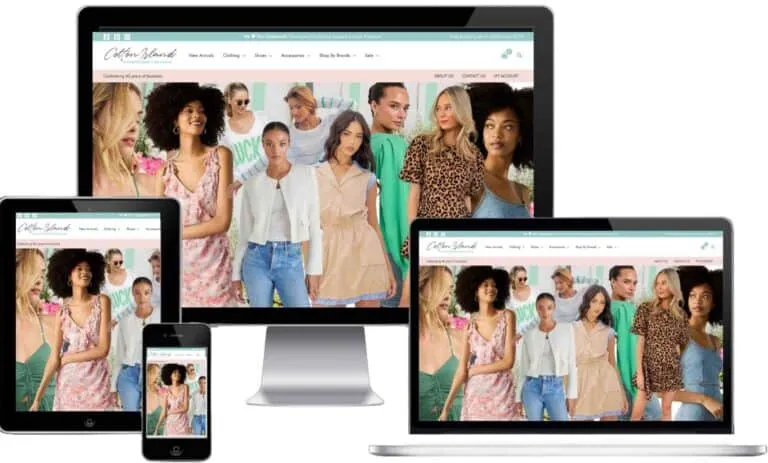
Cotton Island
Women’s Boutique | SEO, PPC & Web
A boutique whose cluttered site hid its style. Egochi redesigned the store and rebuilt its search and paid programs together, the full-program shape this page describes, and the boutique grew on all three fronts.
- +80% Organic Traffic Jump
- 5K New Monthly Customers
- $200K Monthly Revenue Increase
Is This Right for You?
This is for you if
- You run a DTC or ecommerce fashion brand with a real drop calendar and want marketing built around it.
- You are spending on paid channels and honestly cannot say which styles earn and which lose.
- You want the owned demand Egochi builds: rankings, a list, and brand search that compound instead of resetting every season.
This may not be the right fit if
- You need this week’s drop to sell out; rankings, creator programs, and brand search compound over seasons, not days.
- You want a guaranteed viral moment or a promised revenue number; nobody honest sells either.
See the work: Fashion case studies · SEO case studies
The Complete Fashion Program
This page is one part of a five-part program. Each piece works alone and works better together.
-
Fashion SEO
Collection-page rankings that survive season turnover and trend churn.
-
Fashion PPC
Shopping feeds and paid social tuned to margin per style, not blended ROAS.
-
Fashion Social Media
Lookbook and creator content built to move product, not just impressions.
-
Fashion Web Design
Fast ecommerce storefronts where the product photography does the selling.
Common Questions About Fashion Digital Marketing
-
How much does fashion digital marketing cost?
Egochi's fashion marketing plans start at $1,500 monthly and scale with the channels in play and the pace of your drop calendar. Ad spend is separate and always reported beside the fee, so you see true cost per style. Pricing is published up front, before you ever get on a call.
-
What marketing works best for fashion brands?
A sequence, not a single channel. Collection-page SEO and brand search carry the highest-intent clicks, Shopping and paid social put product in front of new buyers, and creator content earns the attention that becomes branded search. The mix depends on margin: what a brand can afford to pay for a customer decides which channels Egochi leads with.
-
How do fashion brands show up in AI search results?
Shoppers ask Google AI Overviews, ChatGPT, Gemini, and Perplexity which brands to buy, whether a label runs small, and which pieces are worth the money. Egochi structures your product, price, material, and brand-entity data so those systems can identify the brand and cite it in the answer, and the same structure lifts classic rankings and Shopping performance.
-
How do fashion brands keep rankings through season changes?
By ranking collection and category pages instead of individual products, and by handling retired product URLs deliberately: redirect discontinued pieces to their collection, keep pages with real links or demand live with alternatives, and reuse stable seasonal URLs each year. Authority then accumulates across seasons instead of resetting with the inventory.
-
How do I pick the right marketing agency for a fashion brand?
Ask how they handle season turnover; an agency with no plan for retired product URLs rebuilds your visibility from zero twice a year. Ask whether paid gets reported at the style level and net of returns, because blended ROAS is where losing styles hide. Ask who owns creator usage rights, and for pricing before the call ends; Egochi answers all of that in writing before you sign.
Awards and Partnerships Egochi Holds in 2026
-

Egochi Named 2026 Top Digital Marketing Agency by Clutch
Clutch, a B2B market research and reviews platform, names Egochi a top digital marketing agency for 2026. The distinction rests on overall market presence and, most importantly, verified client feedback. Egochi holds a 5.0 rating across 190+ reviews on Clutch.
-

Egochi Is a Certified Google Premier Partner
Egochi is a certified Google Premier Partner, a status Google grants to the top 3% of participating advertising agencies each year. The tier is earned on campaign performance, sustained client growth, and advanced Google Ads certification, and Google reviews it annually rather than granting it for life.
The Team Behind the Work
-

Jobin John
Chief Executive Officer
-

Justin Brown
Head of Search Engine Optimization
-

Bryan Thomson
Head of Web Design & Development
-

Ina Komins
Head of Social Media Marketing
-

Kierra Pita
Head of Advertising & Content Marketing
-

Patricia Turner
Chief Creative Officer
-

William Carter
Chief Digital Strategy Officer
-

Andrew Miller
Senior SEO Strategist
-

Amy Robinson
Content Marketing Manager
-

Betty Harrison
PPC Campaign Specialist
-

Anthony Carter
Lead Digital Account Executive
-

Amanda Cooper
Social Media Director
-

Carol Parker
Senior Client Success Manager
-

Barbara Bennett
Email Marketing Lead
-

Charles Turner
Technical SEO Analyst
-

Brian Sullivan
Creative Director
-

Christine Walker
Director of Project Management
-

Christopher Brooks
Digital Marketing Strategist
-

Daniel Wright
Senior Analytics Specialist
-

David Henderson
Lead Content Strategist
-

Donna Mitchell
Client Communications Manager
-

Elizabeth Foster
Director of Paid Advertising
-

Emily Baredi
Brand Experience Specialist
-

Emma Scott
Social Media Content Creator
-

George Crawford
Technical Solutions Architect
-

Jacob Evans
Digital Content Coordinator
-

James Anderson
Marketing Automation Specialist
-

Jason Palmer
Junior Copywriter
-

Jeffrey Reynolds
Paid Media Analyst
-

Jennifer Lewis
Community Engagement Specialist
-

Jonathan Murphy
SEO Reporting Specialist
-

Joseph Morgan
Influencer Marketing Coordinator
-

Kenneth Stevens
Digital PR Manager
-

Kimberly Harper
Digital Marketing Intern
-

Kevin Morris
SEO Outreach Specialist
-

Lee Dawson
Junior Web Developer
-

Linda Peterson
Email Campaign Coordinator
-

Lisa Thompson
Social Media Ads Specialist
-

Margaret Bradley
Marketing Operations Lead
-

Mark Richards
Data & Insights Analyst
-

Mary Kennedy
Senior Copyeditor
-

Matthew Clark
Growth Marketing Manager
-

Michelle Sanders
Junior Marketing Designer
-

Michael Foster
Senior Conversion Rate Specialist
-

Nancy Wheeler
Digital Analytics Manager
-

Nicholas Pierce
Affiliate Marketing Specialist
-

Nicole Adams
Outreach Program Coordinator
-

Paul Franklin
Paid Social Campaign Manager
-

Richard Barnes
Reputation Management Specialist
-

Robert Murphy
Lead Solutions Architect
-

Ronald Davis
Marketing Technology Analyst
-

Ryan Bell
Paid Media Buyer
-

Sandra Gregory
Digital Account Coordinator
-

Scott Hopkins
CRM Implementation Specialist
-

Shirley Ellis
Customer Insights Manager
-

Stephanie Cross
Brand Content Designer
-

Steven Greene
Web Analytics Specialist
-

Susan Price
Affiliate Campaign Manager
-

Thomas Fisher
Lead Technical Architect
-

Timothy Nash
Mobile Marketing Strategist
Certified & Accredited


Marketing Built for the Next Drop
Tell us your drop calendar, your channels, and your margin picture. Egochi, a 5.0 rated agency across 190+ Clutch reviews, shows where value leaks at turnover and what a season of compounding demand looks like.
Egochi Stats
- 250+ Google Reviews
- 5.0 Clutch Rating
- 12+ Years Experience
- $200M+ Revenue Generated
- 4 US Offices
- 190+ Clutch Reviews
Blog Posts
- Aug 12, 2026 GEO vs. SEO: A Comparative Guide for Digital Marketers
- Aug 12, 2026 What is llms.txt? | How to Create llms.txt file for your website
- Aug 12, 2026 What is Semantic SEO? | How to Build Topical Authority That Ranks
- Aug 12, 2026 What is Schema Markup? | How to Add Structured Data to Your Website
- Aug 12, 2026 How to Optimize for Voice Search: A Realistic 2026 Guide