Fashion PPC Agency
Egochi manages paid campaigns for fashion brands with one governing rule: budget follows margin per style, not the blended average. A fashion ad account reporting 4x ROAS usually contains a few styles printing money and a long tail quietly burning it, and the blend is how the tail survives. Egochi runs Google Shopping from feeds synced to your live inventory and drop calendar, paid social built on creator assets, and a monthly cull that removes the styles losing money at the click level, because in most accounts killing the losers moves profit more than scaling the winner. Management starts at $1,500 monthly, separate from ad spend, both always reported side by side. Start with a free audit of where your current spend leaks.
Get Your Free Fashion PPC Audit See What's Included
- 250+ Google Reviews
- 190+ Clutch Reviews at 5.0
- Google Premier Partner
As Featured In





Where Fashion Ad Budgets Actually Leak
Four spend patterns Egochi corrects in almost every fashion account it takes over.
Blended ROAS is a hiding place
Platforms report the account average because the average flatters the platform. At the style level the same account splits into winners that deserve more and losers that deserve zero, and the spread is often brutal: Egochi routinely finds a quarter of spend on styles that have never once sold profitably. The blend is not a metric; it is camouflage.
The feed is the campaign
Google Shopping performance is mostly decided before bidding starts: product titles written the way shoppers search, correct availability by size, sale pricing that matches the page, new drops landing in the feed the hour they launch. A clean feed at calm bids beats aggressive bids on stale data, every time we have tested it.
Returns invert the math
A dress with a 5x ROAS and a 45 percent return rate is losing money after shipping both ways, and no ad platform will ever tell you so. Egochi pulls return rates into the bidding decision, because apparel is the one category where the dashboard number and the bank account routinely disagree.
Creator assets carry paid social now
For most fashion brands under $50M, creator-shot content outperforms the studio campaign in paid placements, and the gap widens every year. The practical requirement is usage rights secured before content is made, which is where our fashion social media team feeds the ad account directly.
What's Inside a Fashion PPC Plan
Six workstreams Egochi manages at the level where fashion money is actually made: the style.
-
Google Shopping & PMax
Egochi runs feed-based campaigns segmented by margin tier, so your highest-earning styles never share a budget with the clearance rack.
-
Paid Social Campaigns
Egochi builds Meta and TikTok campaigns on creator assets, structured around drops, and judged on returns-adjusted revenue rather than clicks.
-
Feed Management
Egochi rewrites titles to match real queries, syncs availability by size, verifies sale prices, and lands new drops in the feed on launch day.
-
Monthly Loser Cull
Egochi holds a standing review that cuts the styles losing money at the click level and reallocates their budget, on a schedule, without sentiment.
-
Brand & Non-Brand Split
Egochi defends branded search cheaply and reports it separately, so brand demand never inflates the performance story of cold traffic.
-
Margin-Per-Style Reporting
Egochi reports by style, net of returns, with management fee and ad spend side by side. You see what each piece truly earned.
What AI Search Means for a Fashion Ad Account
Before a shopper ever clicks a Shopping ad, she may have asked ChatGPT which brands make quality linen or asked Google AI Overviews whether a label runs small. Egochi structures the product, price, and brand data those systems read, because Gemini and Perplexity recommendations cannot be bought with a bid, only earned with data.
Google AI OverviewsChatGPTGeminiPerplexity
-
The feed work pays twice
The same discipline that makes Shopping perform, accurate titles, availability, prices, and materials, is what AI systems parse when assembling product recommendations. Egochi maintains one clean product data layer and both surfaces read from it.
-
Assistants pre-filter your clickers
A shopper who asked ChatGPT or Perplexity about your category arrives at the ad already comparing named brands. Egochi keeps brand-entity data and product claims consistent everywhere, so the story the assistant told matches the story the landing page tells.
-
AI Overviews sit above the paid slot
On more fashion queries every month, Google answers with an AI Overview before any ad renders. Egochi builds the structured, answer-first pages those citations lean on, which protects the account from paying for clicks the answer box now absorbs.
-
One report covers both surfaces
Egochi reports paid performance by style and AI-answer visibility in the same monthly reading, because budget decisions need both: what the ads earned, and how often the brand appears in the answers shoppers see first.
How We Rebuild a Fashion Ad Account
-
Margin map before anything
Egochi gets margin and return rate by style from you first, because no campaign decision is trustworthy without them. Then we read the account against that map and mark where spend and margin disagree.
-
Feed rebuild
Egochi fixes titles, availability, pricing, and drop timing in the Shopping feed before bids change, since most fashion Shopping problems are data problems wearing a bidding costume.
-
Campaign separation
Egochi splits brand from non-brand, margin tiers from each other, and prospecting from retargeting, so every budget line answers one question instead of averaging five.
-
Creator asset pipeline
Egochi moves winning organic content into paid placements with rights already cleared and briefs new ad creative to creators, because the scroll decides in one second and polish loses that second.
-
Cull and compound
Every month Egochi cuts the losers, feeds the winners, and explains both in plain numbers: revenue by style, net of returns, beside the fee you paid us.
Straight Answers on Fashion PPC
Our ROAS is 4x. Why are we not more profitable?
Because ROAS ignores the two numbers that decide fashion profit: margin per style and return rate. A blended 4x can hide styles selling at a loss after returns, and revenue counted at checkout includes orders coming back in three weeks. Rebuild the math per style, net of returns, and the profit question usually answers itself.
Should we pause ads between drops?
Pause prospecting for a dead catalog, sure, but a full stop resets auction history and audience warmth you paid to build. Between drops the account should shift, not sleep: evergreen bestsellers keep Shopping alive, retargeting keeps warm audiences warm, and the next drop launches into a running engine instead of a cold start. That is how Egochi runs the quiet weeks.
Why not just scale the winning style harder?
Scale it, absolutely, but scaling has a ceiling: audiences saturate, CPMs climb, and inventory runs out. Cutting losers has no ceiling and no downside, which is why Egochi usually moves profit there first. The order matters: stop the bleeding, then feed the winner, then go find the next winner. Most accounts try it backwards.
Is Google Shopping or paid social better for fashion?
They do different jobs. Shopping captures people already searching for what you sell, converts at higher rates, and scales with your catalog. Paid social creates demand that did not exist this morning and builds the brand search Shopping later harvests. Margin decides the mix Egochi runs: thin margins lean on capture, strong margins can afford creation.
Common Mistakes to Avoid
-
Bidding every SKU from one budget regardless of margin, so the clearance rack spends what the bestsellers earn.
-
Letting the feed lag the site, running paid clicks to sold-out sizes and dead product pages during a drop.
-
Judging ad creative on click-through rate instead of returns-adjusted revenue, which crowns the wrong winners.
-
Reading blended ROAS as health while a quarter of the spend sits on styles that have never sold profitably.
-
Scaling spend into a style with a runaway return rate, buying revenue the warehouse sends back at your expense.
Fashion PPC Case Studies
Egochi publishes these receipts from fashion and ecommerce engagements where paid campaigns carried the load. Every number restates the client's published case study, and the paid-first stories lead the row.
-
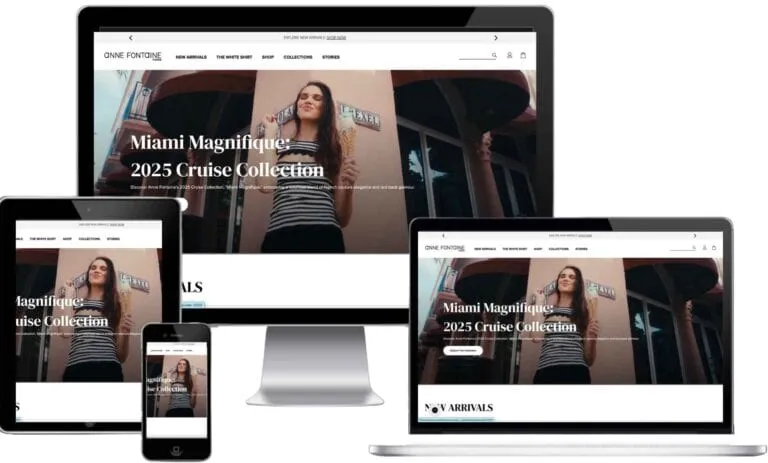
Anne Fontaine
Luxury Ready-to-Wear | PPC & Social
A Parisian luxury label whose ads ran too broad and converted too little. Egochi rebuilt the campaigns around precise high-value keywords, and the paid channel turned into a measured revenue line.
- $500K PPC Revenue in 6 Months
- 100K+ Instagram Following
-
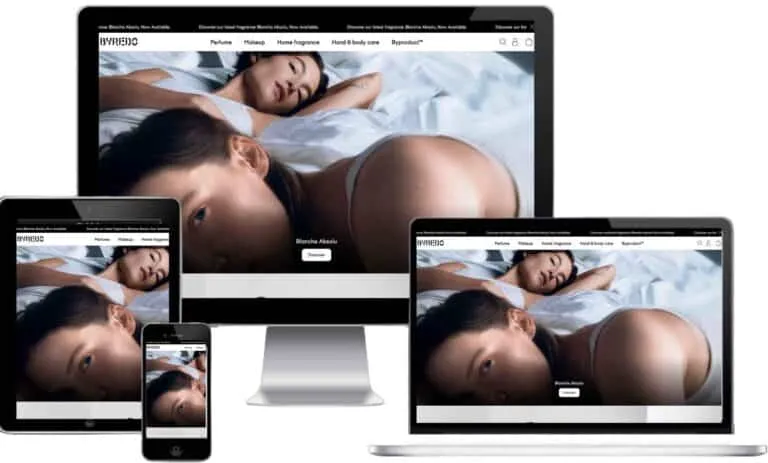
Byredo
Luxury Fragrance | Amazon SEO & PPC
A luxury fragrance house competing in the most brand-crowded corner of ecommerce. Egochi managed its Amazon search and paid program alongside the storefront, and the marketplace became a profit center.
- $5.6M Gross Profit in a Year
- 700K+ Instagram Following
-
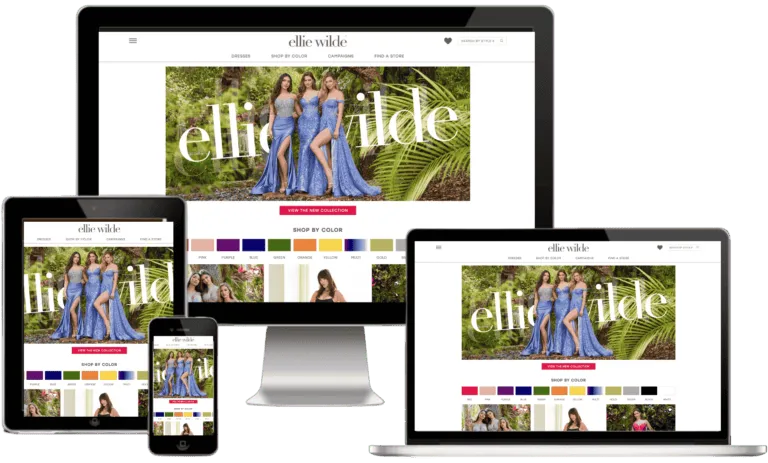
Ellie Wilde
Prom Dresses | Ecommerce
A one-season category where every click has to land before the window closes. Egochi tightened the paid targeting and creative, and click-through climbed while the season filled.
- 60% PPC Click-Through Increase
- 100K+ Monthly Organic Visitors
- 80% Social Engagement Growth
-
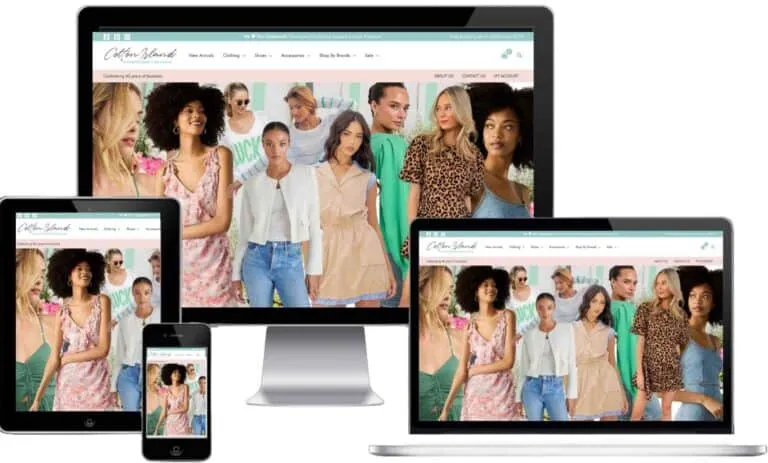
Cotton Island
Women’s Boutique | PPC, SEO & Web
A boutique running generic ads that reached nobody in particular. Egochi reworked the creative and targeting alongside a store rebuild, and the paid traffic started converting into customers.
- 5K New Monthly Customers
- $200K Monthly Revenue Increase
- +80% Organic Traffic Jump
-
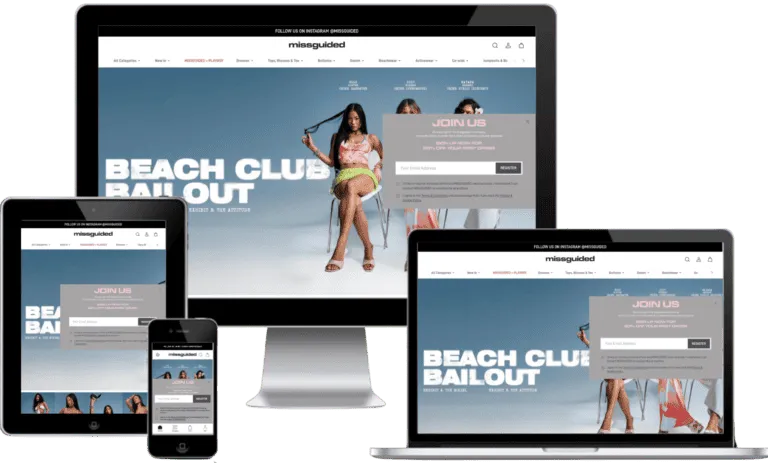
MissGuided
Fast Fashion | Ecommerce
A fast-fashion label where capture had to keep pace with a weekly catalog. Egochi ran the search program that carried its revenue, the capture side of the mix this page describes.
- $2M-$3M Monthly Revenue
- +55% Revenue Growth
- 100K+ Monthly Visitors
-
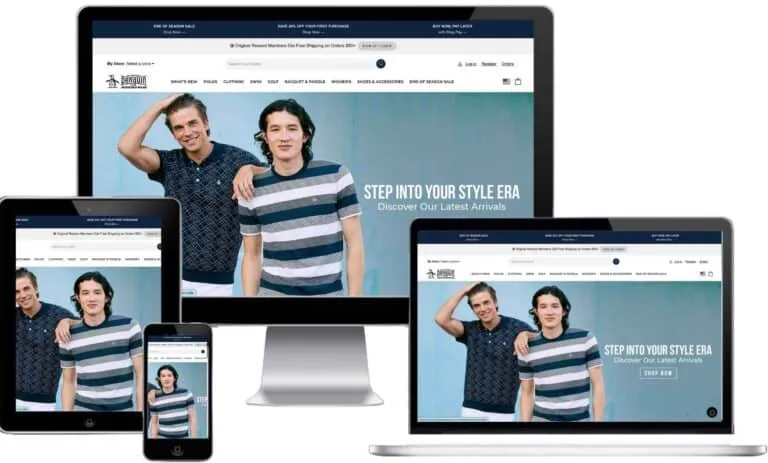
Original Penguin
Heritage Apparel | Retail Visibility
A heritage menswear brand whose impressions did not match its name. Egochi rebuilt the store-level visibility that feeds every paid and organic click, and impressions more than doubled.
- 195k → 410k Impressions
- 10,400 → 24,600 Store Page Sessions
- 1,280 → 2,840 GBP Actions
Is This Right for You?
This is for you if
- You spend on Shopping or paid social and cannot say which styles earn after returns.
- You run drops and want campaigns Egochi launches with them instead of catching up a week later.
- You have margin and return data by style, or will share what exists, so decisions rest on real numbers.
This may not be the right fit if
- You want ROAS reported the flattering way; our reporting nets out returns even when the story gets worse.
- Your margins cannot survive paid acquisition at all; we will say so in the audit instead of spending to prove it.
See the work: Fashion case studies · PPC case studies
The Complete Fashion Program
This page is one part of a five-part program. Each piece works alone and works better together.
-
Fashion Digital Marketing Agency
The full program for brands and boutiques: drops, seasons, sell-through.
-
Fashion SEO
Collection-page rankings that survive season turnover and trend churn.
-
Fashion Social Media
Lookbook and creator content built to move product, not just impressions.
-
Fashion Web Design
Fast ecommerce storefronts where the product photography does the selling.
Common Questions About Fashion PPC
-
How much does fashion PPC management cost?
Egochi's fashion PPC management starts at $1,500 monthly, separate from the ad spend you pay the platforms. Both numbers appear side by side in every report, so the true cost per style is never hidden inside a blend. Spend levels depend on catalog size and how competitive your category terms are.
-
What is a good ROAS for a fashion brand?
There is no universal number, and anyone quoting one is guessing. The breakeven point depends on your margin per style and your return rate: a 3x can be excellent on strong-margin pieces and a 6x can lose money on a style everyone sends back. Egochi computes breakeven per style first, then judges performance against it.
-
How fast can PPC move product for a fashion brand?
Fast; that is its job and its danger. Shopping and paid social can put a new drop in front of buyers on day one, well before rankings exist. The danger is speed without margin discipline: an account can sell through a drop while losing money on half the styles. Speed plus per-style math is the combination Egochi runs, and the one that compounds.
-
Does AI search change fashion advertising?
It already has. Shoppers ask Google AI Overviews, ChatGPT, Gemini, and Perplexity which brands to buy before they ever see an ad, and AI Overviews increasingly render above the paid slot. Egochi structures the product and brand data those systems read, so the feed work behind your Shopping campaigns also earns the brand a place in the answers.
-
How should a fashion brand vet a PPC agency?
Ask how they report. If the answer is blended ROAS, the losing styles will stay hidden; you want revenue by style, net of returns, with the management fee and ad spend side by side. Ask who maintains the Shopping feed, whether brand search gets split from cold traffic, and what the routine is for cutting losers. An agency that never kills a style is averaging, not managing.
Awards and Partnerships Egochi Holds in 2026
-

Egochi Named 2026 Top Digital Marketing Agency by Clutch
Clutch, a B2B market research and reviews platform, names Egochi a top digital marketing agency for 2026. The distinction rests on overall market presence and, most importantly, verified client feedback. Egochi holds a 5.0 rating across 190+ reviews on Clutch.
-

Egochi Is a Certified Google Premier Partner
Egochi is a certified Google Premier Partner, a status Google grants to the top 3% of participating advertising agencies each year. The tier is earned on campaign performance, sustained client growth, and advanced Google Ads certification, and Google reviews it annually rather than granting it for life.
The Team Behind the Work
-

Jobin John
Chief Executive Officer
-

Justin Brown
Head of Search Engine Optimization
-

Bryan Thomson
Head of Web Design & Development
-

Ina Komins
Head of Social Media Marketing
-

Kierra Pita
Head of Advertising & Content Marketing
-
Patricia Turner
Chief Creative Officer
-

William Carter
Chief Digital Strategy Officer
-

Andrew Miller
Senior SEO Strategist
-

Amy Robinson
Content Marketing Manager
-

Betty Harrison
PPC Campaign Specialist
-

Anthony Carter
Lead Digital Account Executive
-

Amanda Cooper
Social Media Director
-

Carol Parker
Senior Client Success Manager
-

Barbara Bennett
Email Marketing Lead
-

Charles Turner
Technical SEO Analyst
-

Brian Sullivan
Creative Director
-

Christine Walker
Director of Project Management
-

Christopher Brooks
Digital Marketing Strategist
-

Daniel Wright
Senior Analytics Specialist
-

David Henderson
Lead Content Strategist
-

Donna Mitchell
Client Communications Manager
-

Elizabeth Foster
Director of Paid Advertising
-

Emily Baredi
Brand Experience Specialist
-

Emma Scott
Social Media Content Creator
-

George Crawford
Technical Solutions Architect
-

Jacob Evans
Digital Content Coordinator
-

James Anderson
Marketing Automation Specialist
-

Jason Palmer
Junior Copywriter
-

Jeffrey Reynolds
Paid Media Analyst
-

Jennifer Lewis
Community Engagement Specialist
-

Jonathan Murphy
SEO Reporting Specialist
-

Joseph Morgan
Influencer Marketing Coordinator
-

Kenneth Stevens
Digital PR Manager
-

Kimberly Harper
Digital Marketing Intern
-

Kevin Morris
SEO Outreach Specialist
-

Lee Dawson
Junior Web Developer
-

Linda Peterson
Email Campaign Coordinator
-

Lisa Thompson
Social Media Ads Specialist
-

Margaret Bradley
Marketing Operations Lead
-

Mark Richards
Data & Insights Analyst
-

Mary Kennedy
Senior Copyeditor
-

Matthew Clark
Growth Marketing Manager
-
Michelle Sanders
Junior Marketing Designer
-

Michael Foster
Senior Conversion Rate Specialist
-

Nancy Wheeler
Digital Analytics Manager
-

Nicholas Pierce
Affiliate Marketing Specialist
-
Nicole Adams
Outreach Program Coordinator
-

Paul Franklin
Paid Social Campaign Manager
-

Richard Barnes
Reputation Management Specialist
-

Robert Murphy
Lead Solutions Architect
-

Ronald Davis
Marketing Technology Analyst
-

Ryan Bell
Paid Media Buyer
-

Sandra Gregory
Digital Account Coordinator
-

Scott Hopkins
CRM Implementation Specialist
-

Shirley Ellis
Customer Insights Manager
-
Stephanie Cross
Brand Content Designer
-

Steven Greene
Web Analytics Specialist
-

Susan Price
Affiliate Campaign Manager
-

Thomas Fisher
Lead Technical Architect
-

Timothy Nash
Mobile Marketing Strategist
Certified & Accredited


Stop Funding the Losing Styles
Send us the account and your margin picture. Egochi, a 5.0 rated agency across 190+ Clutch reviews, marks every style spending more than it earns and shows what the budget looks like after the cull.
Egochi Stats
- 250+ Google Reviews
- 5.0 Clutch Rating
- 12+ Years Experience
- $200M+ Revenue Generated
- 4 US Offices
- 190+ Clutch Reviews
Blog Posts
- Aug 12, 2026 GEO vs. SEO: A Comparative Guide for Digital Marketers
- Aug 12, 2026 What is llms.txt? | How to Create llms.txt file for your website
- Aug 12, 2026 What is Semantic SEO? | How to Build Topical Authority That Ranks
- Aug 12, 2026 What is Schema Markup? | How to Add Structured Data to Your Website
- Aug 12, 2026 How to Optimize for Voice Search: A Realistic 2026 Guide