Fashion SEO for Apparel & Accessory Brands
Egochi builds SEO programs for fashion brands around the one problem generic ecommerce SEO ignores: your products die every season. An SEO plan that ranks individual product pages resets to zero at every turnover, which is why so many apparel brands see traffic sawtooth down year after year. Egochi puts the ranking equity where it survives, on collection and category pages built to outlive any single style, backed by a deliberate URL strategy for everything you discontinue and evergreen style content that compounds while trend posts expire. Plans start at $1,500 monthly with pricing published before the first call. Start with a free audit that shows exactly where your authority evaporates when the season changes.
Get Your Free Fashion SEO Audit See What's Included
- 250+ Google Reviews
- 190+ Clutch Reviews at 5.0
- Google Premier Partner
As Featured In





What Makes Fashion SEO Different
Four structural realities Egochi plans around when the catalog rotates twice a year.
Products die but collection pages must not
A product page that ranks for eight months and then 404s taught Google nothing durable about your store. Collection and category pages are the ranking unit of fashion SEO: they target the searches that repeat every year, they accumulate links, and products rotate underneath them without disturbing the ranking. Egochi architects stores so equity pools there by default.
Discontinued URLs are where authority leaks
Every retired style takes a decision with it: redirect to the parent collection, keep the page live with alternatives if it holds links or search demand, or let it die if it earned nothing. Most stores make no decision at all, and years of link equity drain out through 404s one season at a time. A written URL lifecycle rule stops the leak permanently.
Trend keywords expire in weeks while style queries compound
Content chasing this season’s viral silhouette has a shelf life measured in weeks. Queries like "what to wear to a fall wedding" or "how to style ankle boots" repeat every single year and stack authority each time they rank. Egochi publishes both, but the evergreen layer is the investment; trend pieces are timed opportunism with a known expiry.
Image weight decides your technical ceiling
Fashion pages carry more imagery than almost any other category, and slow product pages are the classic fashion Core Web Vitals failure. Speed work here is inseparable from ranking work, which is why Egochi coordinates SEO directly with fashion web design on image pipelines instead of filing tickets into a void.
What's Inside a Fashion SEO Plan
Six workstreams Egochi builds for a catalog that rotates, not a static service site.
-
Collection Page Architecture
Egochi maps category and collection pages to real search demand, with copy, internal links, and structure that make them rank like landing pages.
-
URL Lifecycle Strategy
Egochi writes the rules for every discontinued product: what redirects, what stays live with alternatives, and what dies. Authority carries forward on purpose.
-
Evergreen Style Content
Egochi produces the "what to wear" and "how to style" layer that repeats every year, compounding rankings while trend content expires on schedule.
-
Technical & Speed Work
Egochi runs image pipelines, faceted-navigation control, and Core Web Vitals held green on the heaviest pages you own: the product grids.
-
Authority & Press Links
Egochi aims digital PR at the style press and niche publications your buyers read, pointed at collections rather than a homepage that already ranks.
-
Season-Over-Season Reporting
Egochi reads rankings and revenue against the same season last year, because month-over-month numbers in fashion mostly measure the calendar.
How Fashion Stores Earn Citations in AI Search
Shoppers now put their pre-purchase questions to AI assistants: whether a brand runs true to size, which linen shirts hold up, what to wear to a September wedding. Egochi structures your product, collection, and brand data so Google AI Overviews, ChatGPT, Gemini, and Perplexity can identify the store and cite it in those answers.
Google AI OverviewsChatGPTGeminiPerplexity
-
Collection and product schema systems can parse
Egochi marks up products, prices, materials, availability, and reviews in structured data and keeps collection pages describing what they sell in plain, liftable language. An assistant assembling a product recommendation resolves stores through exactly this markup before naming anyone.
-
Style answers written to be quoted
AI Overviews and ChatGPT cite pages that answer one question cleanly. The evergreen style content Egochi builds, fit answers, styling pieces, fabric comparisons, is already in that shape, which is the same shape that wins featured snippets in classic search.
-
A brand entity engines can resolve
Egochi keeps the brand name, category, and story consistent across your site, marketplaces, social profiles, and press mentions. Gemini and Perplexity weigh that consistency when deciding whether a brand is real, current, and worth recommending.
-
The same assets move Google and AI
This is not a second retainer. Structured collections, clean entity data, and answer-first content earn AI citations and classic rankings from one build, so Egochi reports both visibilities as one program with one set of numbers.
Fashion SEO Campaigns Run on Egochi's Proprietary VERTEX Search™ Ranking System
VERTEX Search™ is Egochi's proprietary SEO methodology, custom built in-house since 2014 and run on every fashion engagement. The full system holds 18 documented steps; the steps below are the five milestones apparel brands see. Generic checklists treat an apparel catalog like a static brochure site; this system was built to rank inventory that turns over every season.
-
Turnover audit
Egochi traces what happened to last season’s URLs, where your link equity currently pools, and which collection searches you should own but do not. The audit shows the leak before we propose the fix.
-
Collection architecture rebuild
Egochi maps collections to real query demand, gives thin grid pages the copy and internal links that earn their rankings, and brings faceted URLs under control so crawl attention lands where it pays.
-
URL lifecycle rules
Egochi writes the redirect-keep-or-retire rulebook with your merchandising team and wires it into the season workflow, so authority transfer happens automatically at every turnover instead of by heroic memory.
-
Content engine, timed to the calendar
Egochi builds the compounding evergreen layer and publishes seasonal pieces a full season early, because a page that needs to rank in September had to exist in June.
-
Links and season-over-season reporting
Egochi points press and niche links at the collections doing commercial work, and reporting compares each season against the same season last year, in revenue, not sessions.
VERTEX Search™ is Egochi's own build, not a rebranded checklist, and every fashion campaign runs through the same inspectable method collection after collection. Every step is documented inside the EGOCHI VERTEX™ Growth System, so you can hold any month of work against the method you hired.
Honest Answers on Fashion SEO
Our buyers discover us on Instagram. Is SEO worth the spend?
Discovery and purchase are different moments. The shopper who saved your reel on Tuesday searches your brand name, or "black slip dress midi", on Friday before buying. If your collections do not rank, that high-intent click lands on a marketplace or a competitor. SEO here is not a discovery channel; it is where already-earned demand gets captured or lost.
We rank fine for our brand name. Is that not enough?
Brand rankings capture people who already know you; they add no new customers. The growth lives in non-brand collection queries, the layer Egochi builds, where a page-one spot works every day of the season without an ad budget behind it. Brands that stop at name rankings cap their organic program at exactly the size of their existing audience.
Why did traffic drop after we cleared last season?
Because the URLs that held your rankings were deleted with the inventory. Google does not store your authority in an account; it stores it against URLs, and a 404 forfeits it. This is the most common self-inflicted wound Egochi finds in fashion SEO audits, and it is fully preventable with lifecycle rules that take minutes per season to apply.
Can we just publish more blog posts?
Volume without selection buys you a graveyard of trend posts that expired the month they were written. The useful question is which queries repeat every year in your category and which pages deserve to rank for them. Ten evergreen style pieces that compound beat fifty trend posts with six-week lifespans, and cost less to produce.
Common Mistakes to Avoid
-
Deleting sold-out product pages that hold backlinks, forfeiting authority a redirect would have carried forward in full.
-
Minting a brand-new URL for every seasonal collection each year instead of reusing one stable URL that accumulates history.
-
Leaving collection pages as bare product grids with no copy, no internal links, and nothing for Google to rank.
-
Letting size and color filter URLs index by the thousand, splitting authority across duplicates that compete with the real page.
-
Publishing trend content the week it peaks, after the ranking window has already closed.
Fashion SEO Case Studies
Egochi publishes these receipts from fashion and ecommerce SEO engagements. The apparel stores lead the row, every number restates the client's published case study, and the roster items show the same mechanics working at other stakes.
-

Grown Brilliance
Lab-Grown Diamonds | Ecommerce SEO
A $200M jeweler that needed non-brand collection rankings against the biggest names in its category. Egochi built the collection-page architecture this page describes, and the organic visits and conversions followed it.
- 160K+ Organic Visits
- +95% SEO Ranking Improvement
- $200M Annual Revenue
-
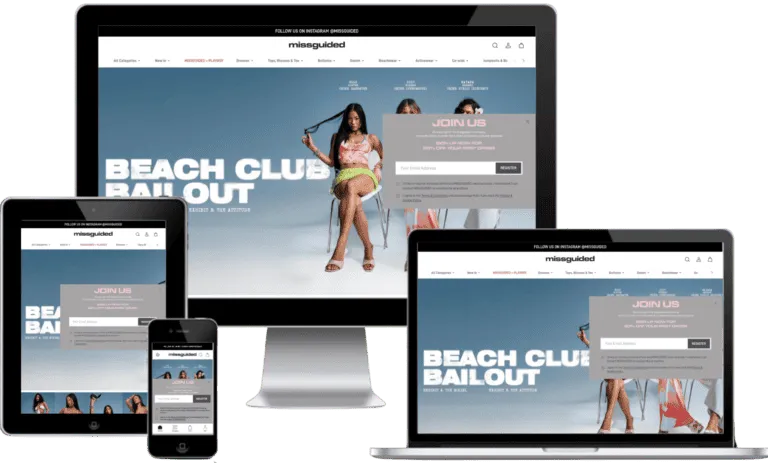
MissGuided
Fast Fashion | Ecommerce SEO
The extreme case of season turnover: a catalog rotating weekly. Egochi held equity on collection URLs while thousands of products churned underneath, and the snippet wins show the answer-shaped content earning its keep.
- 32,000 → 56,000 Organic Sessions
- 28 Featured Snippets Won
- 100K+ Monthly Visitors
-

Cotton Island
Women’s Boutique | SEO & Web
A boutique with low rankings and a cluttered store hiding its style. Egochi rebuilt the site and the keyword architecture together, and the traffic turned into customers instead of bounces.
- +80% Organic Traffic Jump
- 5K New Monthly Customers
- $200K Monthly Revenue Increase
-
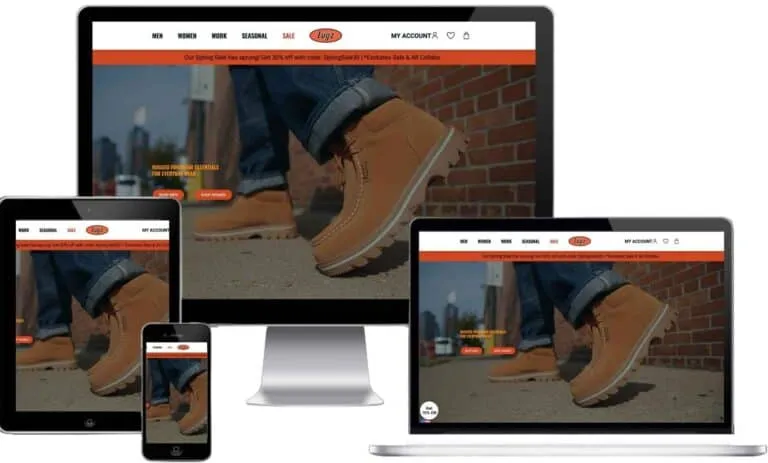
LUGZ Footwear
Footwear Brand | Ecommerce SEO
A footwear label fighting marketplaces for its own category searches. Egochi grew its organic visibility on and off Amazon, the marketplace battle every fashion brand eventually has to fight.
- +92% Organic Visibility Increase
- +150K New Amazon Visitors
-
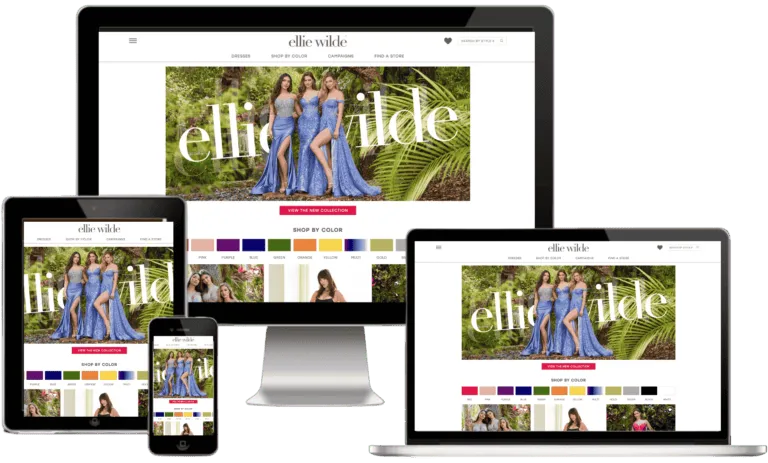
Ellie Wilde
Prom Dresses | Ecommerce
A brand whose whole year sells in one season, so rankings had to exist before the window opened. Egochi built the visibility a season early, exactly the timing discipline this page argues for.
- 100K+ Monthly Organic Visitors
- 45% User Interaction Improvement
- 70% Email Open Rate Increase
-
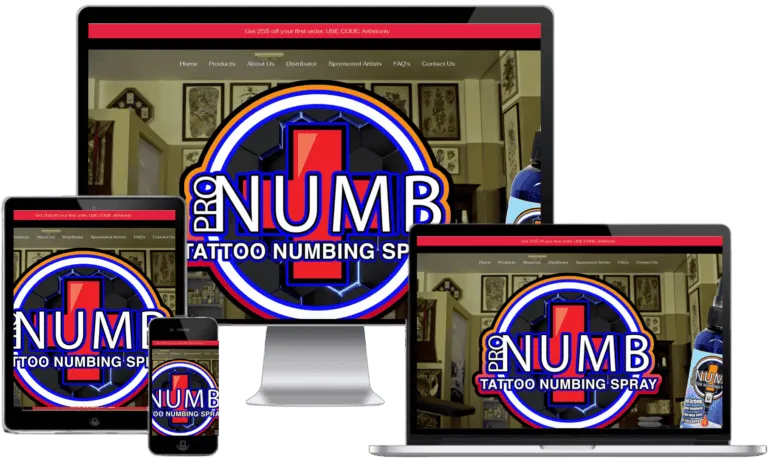
Pro Numb
Ecommerce SEO | AI Citations
An ecommerce brand whose answer-first pages now earn AI Overviews citations for its category. Egochi structured them the same way these collection and style pages get built, and the snippets and traffic followed.
- +340% Organic Traffic
- 47 Featured Snippets Won
- $2M+ Monthly Revenue
See How Egochi Works
A short look at how our team plans, builds, and reports on client work.
Is This Right for You?
This is for you if
- You run an apparel, footwear, or accessories store and watch organic traffic reset every time collections rotate.
- You rank for your brand name but lose every non-brand collection search to marketplaces and bigger competitors.
- You want the organic channel Egochi builds to compound across seasons while paid costs keep climbing.
This may not be the right fit if
- You need rankings before your next drop; SEO in this category compounds over seasons, and we will say so up front.
- Your catalog changes weekly with no stable collections at all; pure fast-fashion churn needs paid channels first.
See the work: Fashion case studies · SEO case studies
The Complete Fashion Program
This page is one part of a five-part program. Each piece works alone and works better together.
-
Fashion Digital Marketing Agency
The full program for brands and boutiques: drops, seasons, sell-through.
-
Fashion PPC
Shopping feeds and paid social tuned to margin per style, not blended ROAS.
-
Fashion Social Media
Lookbook and creator content built to move product, not just impressions.
-
Fashion Web Design
Fast ecommerce storefronts where the product photography does the selling.
Common Questions About Fashion SEO
-
How much does fashion SEO cost?
Egochi's fashion SEO plans start at $1,500 monthly and scale with catalog size and how competitive your collection keywords are. Pricing is published before you ever get on a call, and the free audit shows what your store actually needs, which for smaller catalogs is often less than brands assume.
-
How long does fashion SEO take to work?
Technical fixes and URL lifecycle rules show effects within weeks; collection rankings typically need three to six months to move on competitive terms. The honest framing is seasonal: work done this season ranks for the next one, which is exactly why Egochi calls waiting until traffic drops the expensive option.
-
What should happen to product pages after the season ends?
Three options, chosen per URL: redirect discontinued products to their parent collection, keep pages with real backlinks or steady search demand live with alternatives shown, and let pages that earned nothing return a clean 410. What should never happen is the default Egochi writes lifecycle rules to prevent: mass 404s that burn accumulated authority.
-
How does a fashion store show up in AI search results?
Shoppers ask Google AI Overviews, ChatGPT, Gemini, and Perplexity which brands fit their budget, whether a label runs small, and what to wear to an event. Egochi structures product schema, collection copy, and brand-entity data so those systems can identify the store and cite it, and the same structure wins snippets and classic rankings.
-
How do I choose an SEO agency for a fashion store?
Ask one question first: what happens to our rankings when the season turns? An agency without a written URL lifecycle answer will watch your authority drain through 404s twice a year. Ask whether equity gets built on collection pages rather than products, how faceted URLs get controlled, and whether reporting compares season over season. Month-over-month numbers in fashion mostly measure the calendar.
Awards and Partnerships Egochi Holds in 2026
-

Egochi Named 2026 Top SEO Company by Clutch
Clutch, a B2B market research and reviews platform, names Egochi a top SEO company for 2026. The distinction rests on overall market presence and, most importantly, verified client feedback. Egochi holds a 5.0 rating across 190+ reviews on Clutch.
-

Egochi Is a Certified Google Premier Partner
Egochi is a certified Google Premier Partner, a status Google grants to the top 3% of participating advertising agencies each year. The tier is earned on campaign performance, sustained client growth, and advanced Google Ads certification, and Google reviews it annually rather than granting it for life.
The Team Behind the Work
-

Jobin John
Chief Executive Officer
-

Justin Brown
Head of Search Engine Optimization
-

Bryan Thomson
Head of Web Design & Development
-

Ina Komins
Head of Social Media Marketing
-

Kierra Pita
Head of Advertising & Content Marketing
-

Patricia Turner
Chief Creative Officer
-

William Carter
Chief Digital Strategy Officer
-

Andrew Miller
Senior SEO Strategist
-

Amy Robinson
Content Marketing Manager
-

Betty Harrison
PPC Campaign Specialist
-

Anthony Carter
Lead Digital Account Executive
-

Amanda Cooper
Social Media Director
-

Carol Parker
Senior Client Success Manager
-

Barbara Bennett
Email Marketing Lead
-

Charles Turner
Technical SEO Analyst
-

Brian Sullivan
Creative Director
-

Christine Walker
Director of Project Management
-

Christopher Brooks
Digital Marketing Strategist
-

Daniel Wright
Senior Analytics Specialist
-

David Henderson
Lead Content Strategist
-

Donna Mitchell
Client Communications Manager
-

Elizabeth Foster
Director of Paid Advertising
-

Emily Baredi
Brand Experience Specialist
-

Emma Scott
Social Media Content Creator
-

George Crawford
Technical Solutions Architect
-

Jacob Evans
Digital Content Coordinator
-

James Anderson
Marketing Automation Specialist
-

Jason Palmer
Junior Copywriter
-

Jeffrey Reynolds
Paid Media Analyst
-

Jennifer Lewis
Community Engagement Specialist
-

Jonathan Murphy
SEO Reporting Specialist
-

Joseph Morgan
Influencer Marketing Coordinator
-

Kenneth Stevens
Digital PR Manager
-

Kimberly Harper
Digital Marketing Intern
-

Kevin Morris
SEO Outreach Specialist
-

Lee Dawson
Junior Web Developer
-

Linda Peterson
Email Campaign Coordinator
-

Lisa Thompson
Social Media Ads Specialist
-

Margaret Bradley
Marketing Operations Lead
-

Mark Richards
Data & Insights Analyst
-

Mary Kennedy
Senior Copyeditor
-

Matthew Clark
Growth Marketing Manager
-

Michelle Sanders
Junior Marketing Designer
-

Michael Foster
Senior Conversion Rate Specialist
-

Nancy Wheeler
Digital Analytics Manager
-

Nicholas Pierce
Affiliate Marketing Specialist
-

Nicole Adams
Outreach Program Coordinator
-

Paul Franklin
Paid Social Campaign Manager
-

Richard Barnes
Reputation Management Specialist
-

Robert Murphy
Lead Solutions Architect
-

Ronald Davis
Marketing Technology Analyst
-

Ryan Bell
Paid Media Buyer
-

Sandra Gregory
Digital Account Coordinator
-

Scott Hopkins
CRM Implementation Specialist
-

Shirley Ellis
Customer Insights Manager
-

Stephanie Cross
Brand Content Designer
-

Steven Greene
Web Analytics Specialist
-

Susan Price
Affiliate Campaign Manager
-

Thomas Fisher
Lead Technical Architect
-

Timothy Nash
Mobile Marketing Strategist
Certified & Accredited


Rankings That Survive the Season Change
Send us your store. Egochi, a 5.0 rated SEO agency across 190+ Clutch reviews, traces where last season's authority went, which collection searches you should own, and what a compounding organic channel looks like in your category.
Egochi Stats
- 250+ Google Reviews
- 5.0 Clutch Rating
- 12+ Years Experience
- $200M+ Revenue Generated
- 4 US Offices
- 190+ Clutch Reviews
Blog Posts
- Aug 12, 2026 GEO vs. SEO: A Comparative Guide for Digital Marketers
- Aug 12, 2026 What is llms.txt? | How to Create llms.txt file for your website
- Aug 12, 2026 What is Semantic SEO? | How to Build Topical Authority That Ranks
- Aug 12, 2026 What is Schema Markup? | How to Add Structured Data to Your Website
- Aug 12, 2026 How to Optimize for Voice Search: A Realistic 2026 Guide