Fashion Social Media Marketing
Egochi runs social media for fashion brands on two convictions the numbers keep confirming. First, for most brands under $50M, creator-shot content outperforms the studio campaign in the feed, because polish reads as an ad and gets scrolled past while a phone-shot try-on reads as a recommendation. Second, social that works shows up somewhere most agencies never look: your branded search volume, which climbs when the feed is landing and flatlines when it is not. Egochi builds creator rosters with usage rights secured up front, maps content to your drop calendar, and reports the brand-search halo beside attributed revenue. Plans start at $1,500 monthly, published up front. Start with a free review of your content and what it is actually producing.
Get Your Free Fashion Content Review See What's Included
- 250+ Google Reviews
- 190+ Clutch Reviews at 5.0
- Google Premier Partner
As Featured In





What Makes Fashion Social Different
Four things about fashion feeds that decide whether the budget Egochi manages builds a brand or decorates one.
Creator content beats the campaign shoot in the feed
The studio shoot still earns its keep on the site, in lookbooks, and in email. In the feed, it loses the first second to content that looks like it came from a friend: try-ons, styling in a real bedroom, the package opening on a kitchen counter. Brands under $50M see this gap most sharply, because they lack the budget to force polished creative on an audience that skips it.
The halo is measurable, so watch brand search
Shoppers rarely buy in the feed; they see the piece, then search your name on Google days later. That handoff makes branded search volume the cleanest read on whether social is working, and it is sitting free in Search Console. When Egochi runs fashion social, brand-query growth is on the report every month, next to the revenue the platforms claim.
Trend windows are measured in weeks
A sound, a format, a silhouette: each has a window, and joining after the peak reads as a brand that follows rather than leads. Egochi holds a fast lane for trends worth catching early and skips the rest without apology, because the compounding work is the evergreen styling content that stays useful all season.
The feed is merchandising, not a mood board
A beautiful grid that never maps to what you need to sell is decoration. Egochi plans content against the drop calendar and sell-through data, so the pieces with depth get the push and winning posts feed the ad account. That handoff runs through our fashion PPC team, with usage rights already cleared.
What's Inside a Fashion Social Plan
Six workstreams Egochi runs to turn attention into brand search and brand search into orders.
-
Creator & UGC Roster
Egochi manages a bench of creators matched to your aesthetic and audience, briefed per drop, with usage rights written into every agreement.
-
Short-Form Video Program
Egochi plans, edits, and captions Reels and TikTok formats: try-ons, styling series, and drop teasers your audience actually finishes watching.
-
Drop & Launch Campaigns
Egochi coordinates teaser-launch-restock arcs for every drop, so the feed builds anticipation instead of announcing after the fact.
-
Community Management
Egochi answers comments, DMs, and sizing questions fast, because a reply within the hour sells and a reply on Thursday apologizes.
-
Paid Amplification
Egochi promotes winning organic posts through allowlisting and Spark Ads, so proven content scales instead of untested creative gambling the budget.
-
Brand-Search Halo Reporting
Egochi reports branded query growth, store sessions from social, and attributed revenue monthly. Follower counts appear last, where they belong.
How Fashion Social Feeds AI Search Visibility
The shopper who once scrolled and searched now also asks: which brands make quality slip dresses, whether your label is legitimate, what people say about the fit. Google AI Overviews, ChatGPT, Gemini, and Perplexity build those answers from brand signals your social presence helps create, and Egochi runs the two channels as one system.
Google AI OverviewsChatGPTGeminiPerplexity
-
Assistants check whether a brand is alive
Gemini and Perplexity weigh recency and consistency when deciding which brands to name: active profiles, current mentions, a story that matches everywhere. The steady creator-led cadence Egochi runs is exactly the signal an inactive competitor cannot fake.
-
Creator content becomes citable proof
When a shopper asks ChatGPT how a label fits or holds up, the answer draws on reviews, creator coverage, and fit content across the web. Egochi turns the try-ons and reviews the program generates into on-site answer pages AI Overviews can lift directly.
-
Brand search is the bridge to AI answers
The same halo Egochi tracks in Search Console, people searching your name after seeing the feed, teaches search and AI systems that the brand is in demand. Branded query growth is a visibility asset on both surfaces, which is why it anchors the monthly report.
-
One entity story across every surface
Egochi keeps the brand name, category, and claims consistent across your site, profiles, and creator agreements, and marks the organization up in structured schema. That consistency is what lets an AI system connect the content it sees on social to the store it recommends.
How a Fashion Social Program Starts
-
Content and halo audit
Egochi reviews what you have posted, what it produced, and what your branded search curve did over the same period. The gap between effort and halo tells us exactly where the program needs to start.
-
Roster and rights setup
Creators get sourced and vetted against your aesthetic, and every agreement includes paid usage rights from day one, because renegotiating rights after content wins is the expensive way to learn.
-
Calendar keyed to drops
Egochi maps content to the merchandising calendar: teaser arcs before each drop, styling content through the season, and evergreen formats that carry the quiet weeks between launches.
-
Publish, reply, repeat
Egochi runs the cadence with community management inside it, so sizing questions, restock asks, and objections in the comments get answered while the buying intent is still warm.
-
Amplify winners, report the halo
Posts that prove themselves organically move into paid placements, and Egochi reads brand-search growth and revenue beside them each month, so you see the whole chain from post to purchase.
Fair Questions Fashion Brands Ask About Social
Should we chase every TikTok trend?
No. A trend joined early can earn a season of attention; a trend joined late reads as a brand wearing last month. Egochi keeps a fast lane open for the handful worth catching and lets the rest pass, because the account that chases everything stands for nothing, and the algorithm is not the audience you are dressing.
Our studio content is beautiful. Why is it not converting?
Because the feed treats polish as advertising, and thumbs are trained to pass advertising. Beautiful content still has a home: your site, lookbooks, email, the grid itself. What earns the stop in the feed is content that reads as a person, not a brand, which is why the creator layer exists and why it usually outperforms the shoot that cost ten times more.
Followers are growing but sales are flat. Is social failing?
Maybe, or maybe you are measuring the wrong output. Check branded search volume and store sessions from social over the same period: if both are flat too, the content is reaching people it does not move, and strategy needs to change. If they are climbing while last-click revenue looks flat, social is feeding channels that take the credit at checkout. Egochi reads all three numbers together before judging anything.
Do we need one big influencer or many small creators?
For most brands, many small. A single macro post buys a spike and a hope; twenty micro creators buy a season of steady content, more combined reach into tighter audiences, and a library of assets you can run as ads. Macro partnerships make sense at specific moments, like anchoring a major launch, not as the default plan Egochi would ever lead with.
Common Mistakes to Avoid
-
Posting only campaign imagery, so the account reads as an ad channel and earns the attention ads get: none.
-
Paying one macro influencer the budget that could fund a bench of twenty micro creators for a full season.
-
Jumping trends after the peak, buying the costume of relevance at the exact moment it stops fitting.
-
Signing creators without paid usage rights, then discovering the winning post cannot legally become an ad.
-
Reporting likes and followers while branded search and store sessions, the numbers that predict revenue, go unwatched.
Fashion Social Media Case Studies
Egochi publishes these receipts from fashion and lifestyle social engagements. Numbers restate each client's published case study; where a client publishes no figures, the card says what happened and nothing more.
-

Byredo
Luxury Fragrance | Social & Ecommerce
A luxury fragrance house whose feed had to match the artistry of its products. Egochi ran the Instagram program that grew its following past 700K, and the commerce numbers moved with the audience.
- 700K+ Instagram Following
- $5.6M Gross Profit in a Year
-
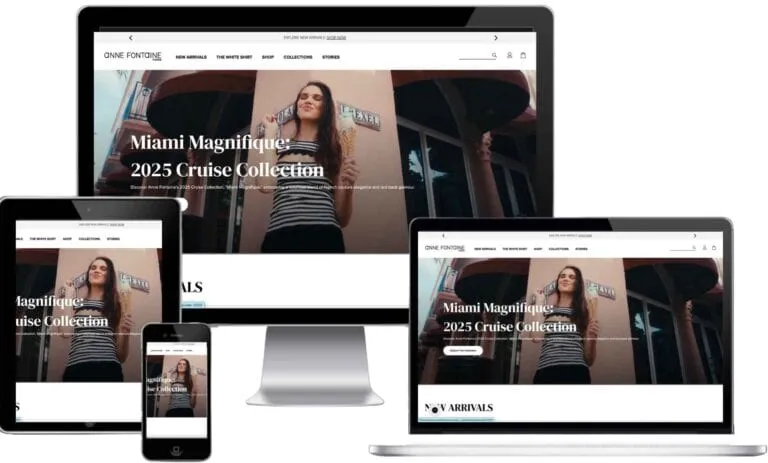
Anne Fontaine
Luxury Ready-to-Wear | Social & PPC
A Parisian label whose digital presence lagged its heritage. Egochi built the visual storytelling that grew its Instagram community past 100K, the audience its paid campaigns then converted.
- 100K+ Instagram Following
- $500K PPC Revenue in 6 Months
-
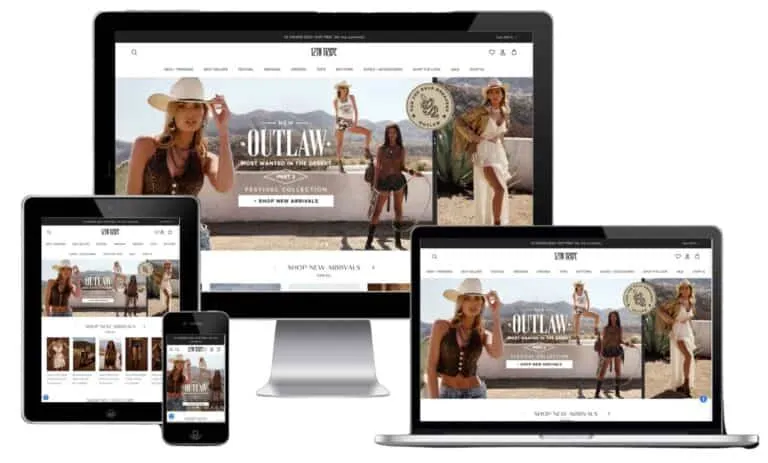
12th Tribe
Women’s Boutique | Social & Web
A boutique with a playful signature style its old site and feed never captured. Egochi refreshed the Shopify storefront and ran the social campaign behind it, and the brand’s Instagram audience and conversions both climbed. The published case study tells the story without headline figures, so this card does too.
-
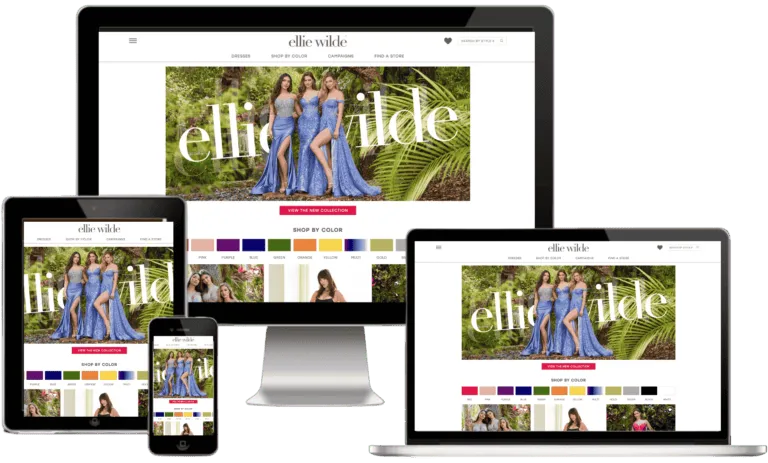
Ellie Wilde
Prom Dresses | Social & Ecommerce
A prom brand whose buyers live in the feed months before they buy. Egochi built the social presence that carries that long research season, and engagement grew alongside the traffic.
- 80% Social Engagement Growth
- 100K+ Monthly Organic Visitors
- 70% Email Open Rate Increase
-
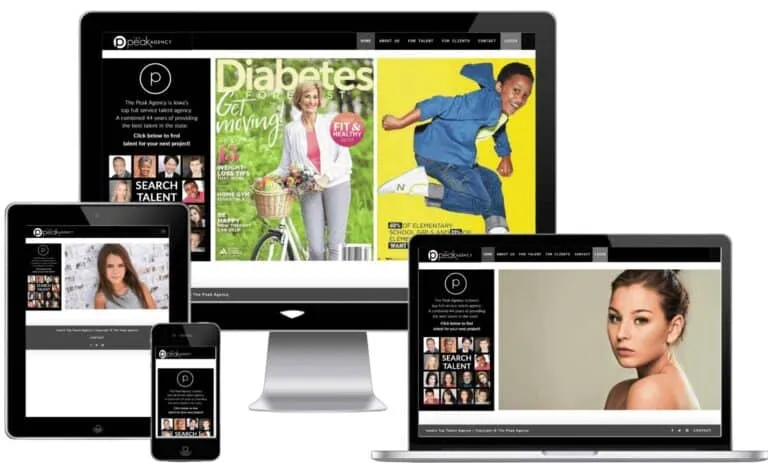
The Peak Agency
Talent Agency | Social Media
A talent agency that lives or dies on how its roster reads online, the industry adjacent to every fashion campaign. Egochi ran the social program, and inquiries followed the feed.
- +78% Social Media Engagement
- +65% Talent Inquiry Growth
- +70% Top Talent Conversion
-
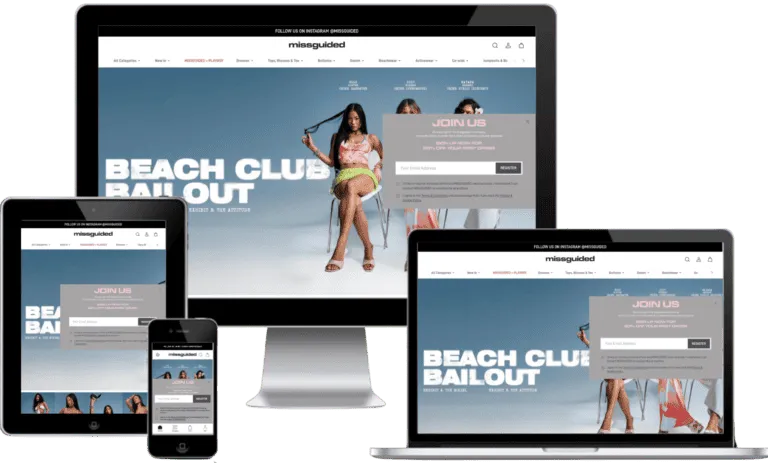
MissGuided
Fast Fashion | Ecommerce
The capture side of the halo this page describes: attention becomes brand search, and search becomes revenue. Egochi ran the program that harvested that demand for a label whose audience lives on social.
- 100K+ Monthly Visitors
- $2M-$3M Monthly Revenue
- +55% Revenue Growth
Is This Right for You?
This is for you if
- You sell apparel, footwear, or accessories DTC and want content that sells product, not a prettier grid.
- You suspect your studio-heavy feed is underperforming and want Egochi to build the creator layer properly, rights included.
- You want social measured the way Egochi measures it: brand search, sessions, and revenue, not applause.
This may not be the right fit if
- You want a viral moment guaranteed by a set date; nobody honest sells virality on a deadline.
- You cannot ship product to creators or approve content on a weekly rhythm; the engine stalls without both.
See the work: Fashion case studies · Social media case studies
The Complete Fashion Program
This page is one part of a five-part program. Each piece works alone and works better together.
-
Fashion Digital Marketing Agency
The full program for brands and boutiques: drops, seasons, sell-through.
-
Fashion SEO
Collection-page rankings that survive season turnover and trend churn.
-
Fashion PPC
Shopping feeds and paid social tuned to margin per style, not blended ROAS.
-
Fashion Web Design
Fast ecommerce storefronts where the product photography does the selling.
Common Questions About Fashion Social Media Marketing
-
How much does fashion social media management cost?
Egochi's fashion social plans start at $1,500 monthly, covering strategy, creator coordination, editing, publishing, and community replies. Creator fees and paid amplification budgets sit on top, sized to your catalog and goals, and every line appears in the report, so you always see the full cost of the channel.
-
Does social media actually sell clothes?
Yes, but rarely at the moment of the post. The common path runs from feed to saved post to branded Google search days later, which is why last-click reports undercount social and why Egochi tracks branded query growth as the halo metric. Brands that measure only in-platform conversions usually conclude social fails, then quietly lose the demand it was creating.
-
Does social media help a fashion brand show up in AI search?
It feeds the signals. When shoppers ask Google AI Overviews, ChatGPT, Gemini, or Perplexity which brands to trust, those systems weigh brand activity, mentions, reviews, and consistency across surfaces. Egochi keeps your entity data aligned with the social presence and turns creator content into on-site answers the engines can cite, so the feed builds both visibilities at once.
-
Which platforms should a fashion brand focus on?
Instagram and TikTok carry most fashion discovery, with Pinterest quietly strong for style searches with long shelf lives and YouTube earning its place for brands with story-driven content. The honest answer Egochi gives is fewer than you think: two platforms run with real consistency beat five run thin, and your margin decides how many you can feed properly.
-
How do I choose a social media agency for a fashion brand?
Ask how creator agreements handle usage rights; rights secured up front are the difference between a winning post you can run as an ad and one you have to renegotiate. Ask whether content maps to your drop calendar, and what gets reported: branded search growth and store sessions beat follower counts. Walk away from anyone selling a viral moment on a set date.
Awards and Partnerships Egochi Holds in 2026
-

Egochi Named 2026 Top Digital Marketing Agency by Clutch
Clutch, a B2B market research and reviews platform, names Egochi a top digital marketing agency for 2026. The distinction rests on overall market presence and, most importantly, verified client feedback. Egochi holds a 5.0 rating across 190+ reviews on Clutch.
-

Egochi Is a Certified Google Premier Partner
Egochi is a certified Google Premier Partner, a status Google grants to the top 3% of participating advertising agencies each year. The tier is earned on campaign performance, sustained client growth, and advanced Google Ads certification, and Google reviews it annually rather than granting it for life.
The Team Behind the Work
-

Jobin John
Chief Executive Officer
-

Justin Brown
Head of Search Engine Optimization
-

Bryan Thomson
Head of Web Design & Development
-

Ina Komins
Head of Social Media Marketing
-

Kierra Pita
Head of Advertising & Content Marketing
-

Patricia Turner
Chief Creative Officer
-
William Carter
Chief Digital Strategy Officer
-

Andrew Miller
Senior SEO Strategist
-

Amy Robinson
Content Marketing Manager
-

Betty Harrison
PPC Campaign Specialist
-

Anthony Carter
Lead Digital Account Executive
-

Amanda Cooper
Social Media Director
-

Carol Parker
Senior Client Success Manager
-

Barbara Bennett
Email Marketing Lead
-

Charles Turner
Technical SEO Analyst
-

Brian Sullivan
Creative Director
-

Christine Walker
Director of Project Management
-

Christopher Brooks
Digital Marketing Strategist
-

Daniel Wright
Senior Analytics Specialist
-

David Henderson
Lead Content Strategist
-

Donna Mitchell
Client Communications Manager
-

Elizabeth Foster
Director of Paid Advertising
-

Emily Baredi
Brand Experience Specialist
-

Emma Scott
Social Media Content Creator
-

George Crawford
Technical Solutions Architect
-

Jacob Evans
Digital Content Coordinator
-

James Anderson
Marketing Automation Specialist
-

Jason Palmer
Junior Copywriter
-

Jeffrey Reynolds
Paid Media Analyst
-

Jennifer Lewis
Community Engagement Specialist
-

Jonathan Murphy
SEO Reporting Specialist
-

Joseph Morgan
Influencer Marketing Coordinator
-

Kenneth Stevens
Digital PR Manager
-

Kimberly Harper
Digital Marketing Intern
-

Kevin Morris
SEO Outreach Specialist
-

Lee Dawson
Junior Web Developer
-

Linda Peterson
Email Campaign Coordinator
-

Lisa Thompson
Social Media Ads Specialist
-

Margaret Bradley
Marketing Operations Lead
-

Mark Richards
Data & Insights Analyst
-

Mary Kennedy
Senior Copyeditor
-

Matthew Clark
Growth Marketing Manager
-

Michelle Sanders
Junior Marketing Designer
-

Michael Foster
Senior Conversion Rate Specialist
-

Nancy Wheeler
Digital Analytics Manager
-

Nicholas Pierce
Affiliate Marketing Specialist
-

Nicole Adams
Outreach Program Coordinator
-

Paul Franklin
Paid Social Campaign Manager
-

Richard Barnes
Reputation Management Specialist
-

Robert Murphy
Lead Solutions Architect
-

Ronald Davis
Marketing Technology Analyst
-

Ryan Bell
Paid Media Buyer
-

Sandra Gregory
Digital Account Coordinator
-

Scott Hopkins
CRM Implementation Specialist
-

Shirley Ellis
Customer Insights Manager
-

Stephanie Cross
Brand Content Designer
-

Steven Greene
Web Analytics Specialist
-

Susan Price
Affiliate Campaign Manager
-

Thomas Fisher
Lead Technical Architect
-

Timothy Nash
Mobile Marketing Strategist
Certified & Accredited


Turn the Feed Into Brand Demand
Send us your handles and your drop calendar. Egochi, a 5.0 rated agency across 190+ Clutch reviews, shows what your content produced, what your brand-search curve says about it, and what a creator-led season would change.
Egochi Stats
- 250+ Google Reviews
- 5.0 Clutch Rating
- 12+ Years Experience
- $200M+ Revenue Generated
- 4 US Offices
- 190+ Clutch Reviews
Blog Posts
- Aug 12, 2026 GEO vs. SEO: A Comparative Guide for Digital Marketers
- Aug 12, 2026 What is llms.txt? | How to Create llms.txt file for your website
- Aug 12, 2026 What is Semantic SEO? | How to Build Topical Authority That Ranks
- Aug 12, 2026 What is Schema Markup? | How to Add Structured Data to Your Website
- Aug 12, 2026 How to Optimize for Voice Search: A Realistic 2026 Guide