Bilingual SEO Services
One site, two languages, each version ranking for the queries its audience actually types, in English and Spanish and beyond.
Bilingual SEO services make one website rank in two languages: separate keyword research per language, natively written pages instead of machine translation, and hreflang setup that tells Google which version belongs to which searcher. Egochi is a bilingual SEO agency running these programs for businesses from local firms to national brands, anchored by the Spanish-English practice at our downtown Miami office. The next step costs nothing: a free bilingual visibility check that shows what each language is worth to you.
Get Your Free Bilingual Visibility Check Call (888) 644-7795
Google serves each version to the language of the query. With hreflang connecting the pair, the Spanish page wins Spanish searches without ever competing against its English twin.
As Featured In





How much do bilingual SEO services cost?
Bilingual SEO at Egochi runs inside monthly programs from $1,500 to $15,000, scoped by market competitiveness and how much content each language needs. A second language does not double the price: both versions share one technical foundation, one link profile, and one strategy. Standalone bilingual audits run $2,500 to $10,000 by site size.
Egochi has been doing search engine optimization since 2014, from offices in New York, Miami, Milwaukee, and Madison, with 250+ Google reviews and 190+ Clutch reviews at a 5.0 rating behind the work. The bilingual practice grew out of the Miami office, where clients kept asking the same question: why does our Spanish traffic convert so well when nobody planned for it? This page is the deliberate version of that answer.
What is bilingual SEO?
Bilingual SEO is the work of making one website rank in two languages: keyword research done separately per language, pages written natively rather than translated, hreflang tags that tell Google which version serves which searcher, and analytics split by language. Done right, each version ranks for its own queries and neither cannibalizes the other.
What Our Bilingual SEO Services Cover
Eight pieces of work, and every one exists twice, once per language. The audit decides which ones your gap actually needs.
-
Spanish Keyword Research
Run from scratch in Spanish, never translated from the English list. Query phrasing differs by category, not just vocabulary. The discipline follows our keyword research services, once per language.
-
Transcreated Content
Pages, titles, and metas written natively for each market’s phrasing and tone. Transcreation rewrites for search intent where translation only swaps words; the difference decides whether the page ranks.
-
Hreflang and Technical Setup
Language and region tags using ISO 639-1 and ISO 3166-1 codes, return links, x-default, bilingual sitemaps, and canonical logic that keeps both versions indexable without duplicate-content confusion.
-
Bilingual On-Page SEO
Titles, headers, internal links, and image alt text tuned per language version, applying the same standards as our on-page SEO services to both halves of the site.
-
Bilingual Local SEO
Google Business Profile content, posts, and Q&A in both languages, plus citations and neighborhood pages where the market searches locally. The deep listing work runs inside our local SEO services.
-
Spanish-Language Link Building
Mentions and links earned from Spanish-language publications and directories your market actually reads, run with the same earned-only standards as our off-page SEO services.
-
Bilingual Schema and Entities
Structured data in both languages describing one business entity, so Google and AI engines understand the English and Spanish pages as alternates of the same trusted source, not two unrelated sites.
-
Language-Split Analytics
GA4 and Search Console segmented by language and region, so each version answers for its own rankings, traffic, and leads. If the Spanish side stalls, the report says so on its own line.
Translation, Transcreation, and What Google Rewards
Three ways to produce a second-language page, and they are not interchangeable. Titles and metas get rewritten, never translated.
| Factor | Machine Translation | Human Translation | Transcreation |
|---|---|---|---|
| What it does | Swaps words by algorithm | Renders meaning accurately | Rewrites for the market’s intent and phrasing |
| Where it works | Gist reading, internal drafts | Legal, regulatory, and technical text | Titles, metas, headlines, service pages, anything that must rank or sell |
| What breaks | Idiom, tone, and keyword phrasing all miss | Accurate words that match no actual search query | Costs more and needs a native writer |
| Google’s read | Published at scale without review, it can fall under spam policies | Indexable, rarely competitive | Content written for the searcher, which is what rankings reward |
The practical reason metas get rewritten: a title that front-loads the keyword in English rarely survives translation with its keyword intact, because Spanish word order and length differ. Transcreation starts from the Spanish query and writes the title that query deserves. Word-for-word fidelity is for contracts, not for SERPs.
Who We Help and the Languages We Cover
Egochi works with brands whose customers switch languages depending on what they buy and how they ask. That includes healthcare groups, law firms, home services, restaurants, ecommerce stores, and national companies serving multilingual communities. English-Spanish is the core practice; the same method covers our other pairs.
-
English-Spanish
The core practice, built from Miami. A page written for Mexican and Caribbean Spanish speakers phrases differently than one for Madrid, and search behavior follows the dialect and the culture. We write for the Spanish your market speaks.
-
English-Portuguese
Brazilian and European Portuguese differ in vocabulary, spelling, and query phrasing. South Florida’s Brazilian community searches in Brazilian Portuguese; we research and write for that variant unless your market says otherwise.
-
English-Hindi
India’s bilingual users mix English and Hindi inside a single session, and many categories carry heavy Hinglish query volume. Keyword research has to capture both scripts and the mixed forms between them.
-
English-Arabic
Right-to-left layout changes the page itself, not just the text, and Gulf Arabic phrases differently than Egyptian or Levantine. Typography direction, date formats, and dialect all get decided before writing starts.
The Quieter Half of the SERP
About 43 million US residents speak Spanish at home, per the US Census Bureau’s American Community Survey, and far fewer businesses publish real Spanish-language pages than that demand justifies. That mismatch is the economic case for this page, and it is structural, not a projection.
-
Demand outruns supply
Most companies serving Spanish-speaking customers still publish in English only, so the Spanish half of many category SERPs is thinner than the English half. A well-built Spanish page often competes against translation-widget output and nothing else. We never quote invented cost-per-click or volume numbers here; the honest claim is about competition density, and your own market’s query data settles it before we scope anything.
-
The trust dividend
A searcher who finds a page written in their own phrasing, not translated at them, reads it as a business that actually serves people like them. That shows up where it counts: calls, form fills, and direction requests, not just impressions. Native wording is a conversion asset wearing an SEO costume.
-
Two answer pools, one site
Every question your buyers ask exists twice, once per language, in classic search and in AI answers alike. A bilingual site is eligible for both pools; an English-only site competes in one and is invisible in the other. The second language is not a translation project, it is a second market with its own scoreboard.
The Hreflang Mistakes That Silently Kill Bilingual Sites
Hreflang fails silently: Google ignores malformed annotations without warning you, and the symptom is just the wrong page ranking in the wrong language. These are the five errors we find most in bilingual audits.
-
Missing return links
Hreflang only counts when both pages point at each other. If the English page names its Spanish alternate but the Spanish page stays silent, Google discards the annotation entirely. Every pair needs both directions plus a self-reference.
-
No x-default
Without x-default, searchers outside your declared languages get whichever version Google guesses. One extra line names the fallback page and ends the guessing.
-
Invented language codes
Hreflang wants ISO 639-1 language codes and ISO 3166-1 region codes: es for Spanish, es-US for US Spanish. Codes like sp, or region-only values, are silently ignored, and the tag you thought was working never was.
-
Tags pointing at broken targets
Hreflang that points to a redirected, noindexed, or 404 URL does nothing. Annotations have to name the final, indexable URL of each alternate, and they have to be rechecked after every migration.
-
Canonical contradictions
Each language version canonicalizes to itself. Pointing the Spanish page’s canonical at the English page tells Google to drop the Spanish version from the index, which quietly undoes the entire program.
Hreflang sits inside a wider technical layer: crawlability, canonical logic, sitemaps, and rendering. Our technical SEO services cover that layer in full; on bilingual builds the two run as one checklist.
Built From Downtown Miami
Our bilingual practice was built where it had to work: Miami, where the US Census puts Spanish spoken at home at 64% of Miami-Dade residents. From the downtown office on NE 1st Street, terms like agencia SEO en Miami and posicionamiento web are not exotic keywords, they are what the customer down the block actually types. Running Miami SEO campaigns in that market taught us the habits this page describes: separate Spanish keyword research, native writing, and hreflang pairs on every page that earns one.
The same office runs the discipline across every channel, ads and social included, as the bilingual digital marketing agency programs we operate from downtown. But the practice is not a Miami-only product. The method transfers to any market where query data shows two languages, from Texas and California metros to national brands whose Spanish-speaking customers currently land on an English-only site.
Queries our Spanish-side research starts from:
- agencia SEO en Miami
- posicionamiento web
- SEO en español
- dentista cerca de mí
- abogado de accidentes
Our Bilingual SEO Process, Built on VERTEX Search™
Bilingual work runs inside the same 18-step framework as our full SEO programs. The eight moves below are its two-language core, feeding the stages around them: Discover, Structure, Create, Validate, Amplify.
-
Define Target Markets and Languages
Query data decides the scope: which languages your customers search in, which regions matter, and whether the second language justifies pages at all. If the demand is not there, this is where we say so.
-
Bilingual Keyword and Intent Research
Two keyword lists, each built natively. Spanish phrasing differs from English by category, not just vocabulary, so the Spanish list starts from Spanish seed queries, question forms, and dialect variants rather than translations.
-
Site Structure and URL Strategy
Subfolder, subdomain, or country domain, decided by your goals and maintenance capacity. Most US bilingual sites belong in a subfolder like /es/, which inherits the main domain’s authority from day one.
-
Transcreate Content and Metadata
Localization here is done natively: pages, titles, and meta descriptions written for each language, matched to that language’s query phrasing. Nothing ships machine-translated, and legal or regulated text gets accuracy-first human translation instead.
-
Hreflang and Technical Setup
Language annotations with correct ISO codes, return links, x-default, self-canonicals, and bilingual sitemaps. Then validation, because hreflang errors fail silently and only an audit surfaces them.
-
Bilingual Local SEO and Links
Google Business Profile content in both languages where profiles allow it, citations and neighborhood pages for local markets, and links earned from publications in each language region.
-
Language-Split Analytics
GA4 and Search Console segmented so English and Spanish report separately: rankings, traffic, and conversions per language. Each version answers for itself, which is the only way to know where the next dollar goes.
-
Ongoing Refinement and Content Expansion
Both versions get audited, refreshed, and expanded on a schedule. New English pages get a demand check before a Spanish twin is built, so the site grows where the queries are, not by reflex.
VERTEX Search™ is the search discipline inside the EGOCHI VERTEX™ Growth System, the operating system behind every Egochi engagement.
Do AI engines answer questions in Spanish?
Yes. ChatGPT, Gemini, and AI Overviews answer in the language of the question, and they assemble those answers from sources written natively in that language. A business with real Spanish pages can be cited in Spanish answers; one with machine-translated pages rarely is. Bilingual content now feeds two answer pools instead of one.
How AI Search Answers in Two Languages
AI Overviews, ChatGPT, and Perplexity answer in the language of the question, and they build those answers from sources written natively in that language. That quietly doubles what a bilingual site is worth.
-
Answers retrieve native text
When someone asks an assistant a question in Spanish, the sources most likely to be quoted are pages that exist in real Spanish, phrased the way the question was asked. Machine-translated pages rarely make that cut, because the phrasing never matches how native speakers ask.
-
Hreflang does not reach the models
Hreflang organizes classic search results, but language models do not read it when composing an answer. What earns retrieval in each language is the text itself. The tag work keeps Google tidy; the native writing is what AI engines actually consume.
-
One entity, two vocabularies
Consistent schema and matching business facts across both language versions tell AI systems the English and Spanish pages describe one trusted business, not two strangers. That consistency is what lets a single brand get recommended by name in either language.
Getting cited by AI engines is a discipline with its own audit and measurement. Our AI SEO services cover that side end to end; a bilingual site simply gives those systems twice as much native material to quote.
Pricing and Engagement Models
Three ways to buy this, priced in the open. Scope depends on your markets and how much content each language needs, and the quote is itemized before anything starts.
-
One-time
Bilingual Audit and Setup
$2,500 to $10,000
scoped by site size
The foundation engagement: site structure review, hreflang setup and validation, bilingual sitemaps, baseline keyword research in both languages, and analytics split by language. Right if your two-language site exists but was never built deliberately.
Get Started -
Ongoing
Monthly Bilingual Program
$1,500 to $15,000
per month, by scope
The full practice: transcreated content in both languages on a publishing schedule, technical upkeep, bilingual local SEO, link earning per language region, and monthly reporting where each language answers for itself.
Get Started -
Custom
Add-Ons and Special Scope
Priced per scope
quoted before work starts
Transcreation packs for product catalogs, schema work across language versions, Spanish GBP builds for multi-location brands, and bilingual dashboards. Quoted against the actual work, in writing, before anything is scoped.
Get Started
Does my business need Spanish-language SEO?
Only if your customers search in Spanish, and that is checkable before you spend anything. We pull query data for your market and category first: if Spanish demand is real, the plan quantifies it, and if your buyers search only in English, we tell you so and scope nothing. Demand decides, not the sales pitch.
Is Bilingual SEO Right for You?
Who this is for
- Your customer base searches in two languages, and your analytics already show Spanish-language queries landing on English pages.
- You serve a bilingual metro, Miami, Houston, Los Angeles, New York, and competitors publish in English only.
- You run ecommerce with Spanish-speaking buyers who currently shop your site through a translation widget.
- You want AI assistants recommending you in both languages, and today you are only eligible in one.
When this may not be the right fit
- Your customers search only in English. We check the query data before scoping, and if the Spanish demand is not there, we will show you the numbers and recommend spending nothing here. Building pages nobody searches for is cost without a market.
- Your English site is still thin or unranked. A second language multiplies whatever exists, including weakness; the honest sequence is to fix the first language, then add the second.
Fair Questions Before You Buy Bilingual SEO
Is machine translation good enough for SEO?
No, and this one is not a matter of taste. Google has named automatically translated text published without human review among its examples of spammy machine-generated content, and its scaled content abuse policy covers pumping out low-value pages at volume in any language. Beyond policy, machine output misses how native speakers phrase searches, so even indexed pages match few real queries. Machine translation is a fine reading tool and a poor publishing strategy.
Will Spanish pages cannibalize my English rankings?
No. Cannibalization happens when two pages compete for the same query, and an English page and its Spanish twin never do: they answer different queries typed by different searchers. Hreflang makes the relationship explicit, telling Google the pages are alternates of one another rather than duplicates. The failure mode worth fearing is technical, not competitive: broken hreflang or bad canonicals can hide a version from the index, which is why step five of the process is validation.
Do we need a separate domain for the Spanish site?
Usually no. A subfolder like yoursite.com/es/ inherits your existing domain’s authority, which means Spanish pages start ranking from the trust you already built instead of from zero. Separate country domains earn their keep mainly when you target a specific country with distinct legal, currency, and operations needs. For a US business serving US Spanish speakers, the subfolder wins on almost every axis, and it is what we recommend unless your situation argues otherwise.
Is bilingual SEO only worth it in markets like Miami?
Miami is where our practice lives, not where the market ends. About 43 million US residents speak Spanish at home per the US Census Bureau’s American Community Survey, spread across every state, with heavy concentrations in Texas, California, Arizona, Illinois, and the Northeast. National brands may have more Spanish-language demand than any single metro business. The deciding input is your own query data, which is the first thing we pull.
The Engagements Behind the Practice
The bilingual program runs on the same disciplines as every Egochi SEO engagement: research, content, technical, local, authority. The numbers below cover whole engagements, labeled honestly.
-

Culbertson Law
Law Firm SEO | Local + Review Signals
A law practice competing in a market where clients search in more than one language. Practice pages rebuilt, Google Business Profile tuned, and a steady review program; the numbers cover the whole engagement.
- 9 → 2 Map Pack Position
- +156% Organic Sessions
- +91% Qualified Calls
-

Grown Brilliance
Luxury Jewelry Ecommerce
National ecommerce in a category where page one is expensive. Keyword mapping, content, and technical work carried the rankings; whole-engagement numbers, labeled honestly.
- 160K+ Organic Visits
- +95% Ranking Improvement
- $200M Annual Revenue
-
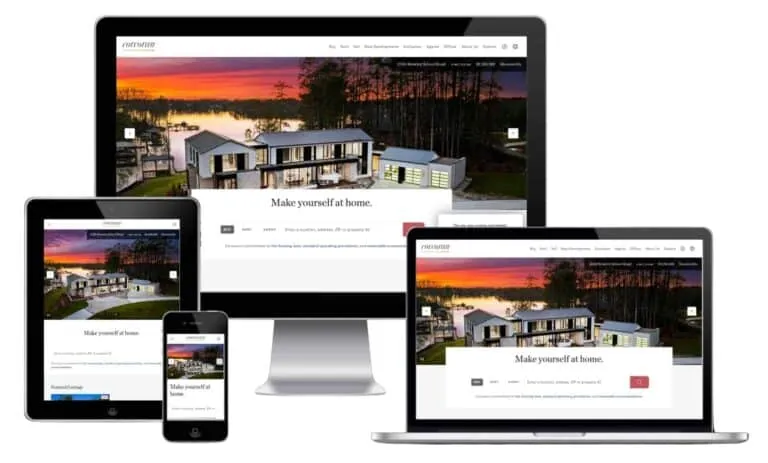
Corcoran Group
Real Estate | Neighborhood Architecture
Neighborhood hubs, comparison content, and schema for a brand whose buyers arrive from many language backgrounds. Engagement-wide numbers, reported as tracked.
- +288% Lead Growth
- 11,000 → 24,200 Organic Sessions
- 13.8 → 4.2 Avg. Position
-
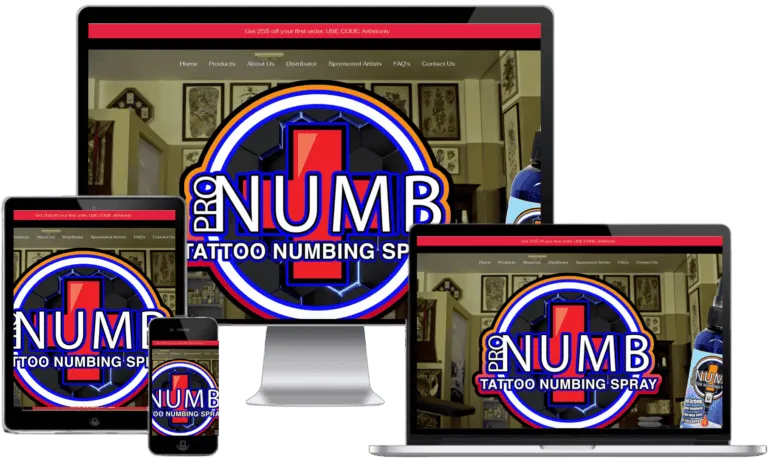
Pro Numb
Ecommerce | AI Visibility
A product brand whose answer-formatted content now surfaces across AI results for its most competitive term, the same retrieval mechanics the bilingual AI section describes. Whole-engagement numbers.
- 47 Featured Snippets
- +340% Organic Traffic
- $2M+ Monthly Revenue
-
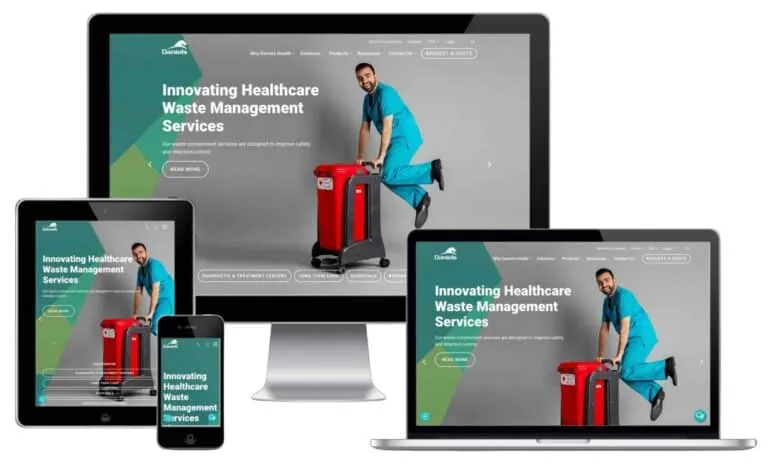
Daniels Health
Healthcare Compliance | Authority
Earned coverage and referring-domain growth for a compliance brand, the authority base any language version inherits when it lives in a subfolder. Numbers cover the engagement.
- +520 Referring Domains
- DR 58 Domain Rating
- +73% Search Visibility
-
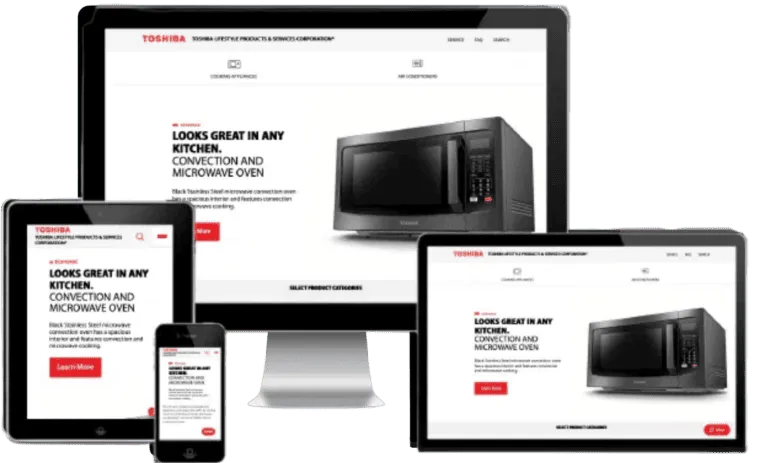
Toshiba Lifestyle
Consumer Electronics | Scale
Enterprise-scale rankings work across thousands of pages, the same governance a large bilingual catalog needs when every product exists twice. Whole-engagement numbers, labeled honestly.
- +185% Organic Traffic
- 2,400+ Rankings Improved
- +67% Revenue Growth
-

Original Penguin
Retail | Store Pages + GBP
Store-level pages and Google Business Profiles built out location by location, the local groundwork bilingual GBP content sits on top of. Engagement numbers, reported as tracked.
- 10,400 → 24,600 Store Page Sessions
- 1,280 → 2,840 GBP Actions
- 195k → 410k Impressions
More engagements, sliced by service, industry, and platform, live in our SEO case studies.
What Our Clients Say
Client numbers here are register-fed and sourced, the same reporting standard both language versions of your site would get.
-

Maria Antoinette
Founder, Maria Antoinette Realtors
"Significant increase in leads"
In 3 months our organic real-estate leads went from 4 to 24 per month after Egochi refreshed neighborhood pages and tuned our Google Business Profile for Miami searches. Visibility improved across Brickell and Coral Gables. Source: GA4 and GBP Insights.
-

Krispen Culbertson
Sr. Partner, Culbertson Law
"Blown away by the results"
Within 6 months qualified calls rose 91% and signed case inquiries increased from 8 to 41 monthly. Egochi rebuilt key practice pages and launched a steady review program. Source: CallRail, GA4, GBP Insights.
-

Justin Tyme
Owner, Reef Side Tattoo
"Couldn’t be happier"
Weekly bookings increased from 18 to 56 and direction requests grew 96% in 4 months after Egochi tuned our portfolio pages and Google Business Profile for Miami Beach searches. Source: GA4 and GBP Insights.
Meet Your Bilingual SEO Team
The strategists, native-fluency writers, and technical SEOs who build both language versions, and then answer for the rankings of each.
-

Jobin John
Chief Executive Officer
-

Justin Brown
Head of Search Engine Optimization
-

Bryan Thomson
Head of Web Design & Development
-

Ina Komins
Head of Social Media Marketing
-

Kierra Pita
Head of Advertising & Content Marketing
-

Patricia Turner
Chief Creative Officer
-

William Carter
Chief Digital Strategy Officer
-

Andrew Miller
Senior SEO Strategist
-

Amy Robinson
Content Marketing Manager
-

Betty Harrison
PPC Campaign Specialist
-

Anthony Carter
Lead Digital Account Executive
-

Amanda Cooper
Social Media Director
-
Carol Parker
Senior Client Success Manager
-
Barbara Bennett
Email Marketing Lead
-

Charles Turner
Technical SEO Analyst
-

Brian Sullivan
Creative Director
-

Christine Walker
Director of Project Management
-

Christopher Brooks
Digital Marketing Strategist
-

Daniel Wright
Senior Analytics Specialist
-

David Henderson
Lead Content Strategist
-

Donna Mitchell
Client Communications Manager
-

Elizabeth Foster
Director of Paid Advertising
-

Emily Baredi
Brand Experience Specialist
-

Emma Scott
Social Media Content Creator
-

George Crawford
Technical Solutions Architect
-

Jacob Evans
Digital Content Coordinator
-

James Anderson
Marketing Automation Specialist
-

Jason Palmer
Junior Copywriter
-

Jeffrey Reynolds
Paid Media Analyst
-

Jennifer Lewis
Community Engagement Specialist
-

Jonathan Murphy
SEO Reporting Specialist
-

Joseph Morgan
Influencer Marketing Coordinator
-

Kenneth Stevens
Digital PR Manager
-

Kimberly Harper
Digital Marketing Intern
-

Kevin Morris
SEO Outreach Specialist
-

Lee Dawson
Junior Web Developer
-

Linda Peterson
Email Campaign Coordinator
-
Lisa Thompson
Social Media Ads Specialist
-

Margaret Bradley
Marketing Operations Lead
-

Mark Richards
Data & Insights Analyst
-

Mary Kennedy
Senior Copyeditor
-

Matthew Clark
Growth Marketing Manager
-

Michelle Sanders
Junior Marketing Designer
-

Michael Foster
Senior Conversion Rate Specialist
-

Nancy Wheeler
Digital Analytics Manager
-

Nicholas Pierce
Affiliate Marketing Specialist
-

Nicole Adams
Outreach Program Coordinator
-

Paul Franklin
Paid Social Campaign Manager
-

Richard Barnes
Reputation Management Specialist
-

Robert Murphy
Lead Solutions Architect
-

Ronald Davis
Marketing Technology Analyst
-

Ryan Bell
Paid Media Buyer
-

Sandra Gregory
Digital Account Coordinator
-

Scott Hopkins
CRM Implementation Specialist
-

Shirley Ellis
Customer Insights Manager
-

Stephanie Cross
Brand Content Designer
-

Steven Greene
Web Analytics Specialist
-

Susan Price
Affiliate Campaign Manager
-

Thomas Fisher
Lead Technical Architect
-

Timothy Nash
Mobile Marketing Strategist
Bilingual SEO FAQs
What is the difference between bilingual SEO and multilingual SEO?
Bilingual SEO covers two languages on one site; multilingual SEO services cover three or more. The techniques overlap, but two languages allow tighter internal linking between versions, faster rollout, and simpler governance. Most US businesses considering this are genuinely bilingual cases, usually English and Spanish, and pretending otherwise just multiplies cost.
Should the Spanish site live in a subfolder, subdomain, or separate domain?
Subfolders like /es/ share your domain’s authority and are the default recommendation for US businesses. Subdomains fit when separate platforms or teams force the split. Country domains suit country-specific targeting with distinct operations. The choice is structural and expensive to reverse, so we decide it from your goals before any page is built.
How do hreflang tags work with canonical tags?
Each language version canonicalizes to itself, and hreflang connects the set: every page names all alternates plus itself, in both directions. The common failure is pointing the Spanish page’s canonical at the English page, which tells Google to deindex the Spanish version. Annotations also must reference final, indexable URLs, never redirects.
Do you use native speakers or translators?
Native-fluency writers for anything that has to rank or convert, because transcreation means writing for how the market phrases its searches, not rendering English accurately. Straight human translation still has a place: legal, regulatory, and technical passages where fidelity beats style. Machine translation ships nothing on our programs.
How long does bilingual SEO take to show results?
Technical work shows first: hreflang and structure fixes typically register within weeks as Google recrawls. New Spanish pages behave like new pages anywhere, gaining traction over three to six months depending on competition. The Spanish side often moves faster than the English side did originally, because fewer competitors publish natively there.
Can my Google Business Profile work in two languages?
Yes, within Google’s limits. Descriptions, services, posts, and Q&A can carry both languages, reviews arrive in whichever language customers write, and answering Spanish reviews in Spanish is a visible trust signal. We also keep categories and attributes consistent so the profile matches the site it links to.
How do you report results separately by language?
GA4 and Search Console get segmented by language and landing path from day one, so English and Spanish each report their own rankings, sessions, and conversions. Blended reporting hides a stalled language inside a healthy average; split reporting names the problem and moves budget toward whichever language earns it.
How do I pick a bilingual SEO agency?
Ask who writes the Spanish pages: you want native-fluency writers, not translators polishing machine output. Ask whether keyword research runs separately per language and how hreflang gets validated after launch. A good agency checks your query data first and tells you when the second language is not worth building. Ask for pricing before the call ends, in writing.
Do you guarantee rankings in either language?
No, and nobody honest does: rankings are decided by Google, competitors, and time, not promises. What you get instead is a scoped plan from real query data, natively written work you can inspect in both languages, validated technical setup, and monthly reporting where each language answers for itself.
How do I choose a bilingual SEO agency?
Ask who does the Spanish-language work; a native-fluency writer or a translation pass. Ask how keyword research runs in each language, because translated keywords are not researched keywords. Ask how the two language versions link and signal to Google without competing. Ask to see bilingual work they have shipped. And ask how reporting splits by language, so you can see which audience the growth is coming from.
Ready to Rank in Both Languages?
Bilingual SEO is a specialty inside our full search engine optimization services, so the research, the writing, and the technical work run as one program with one owner. Tell us about your site and we will send back a plan with real findings in it: the Spanish-language demand in your market, what your current setup does with it, and what we would build first.
Questions? Call (888) 644-7795 or email care@egochi.com
Egochi Stats
- 250+ Google Reviews
- 5.0 Clutch Rating
- 12+ Years Experience
- $200M+ Revenue Generated
- 4 US Offices
- 190+ Clutch Reviews
Blog Posts
- Aug 12, 2026 GEO vs. SEO: A Comparative Guide for Digital Marketers
- Aug 12, 2026 What is llms.txt? | How to Create llms.txt file for your website
- Aug 12, 2026 What is Semantic SEO? | How to Build Topical Authority That Ranks
- Aug 12, 2026 What is Schema Markup? | How to Add Structured Data to Your Website
- Aug 12, 2026 How to Optimize for Voice Search: A Realistic 2026 Guide