Off-Page SEO Services
Backlinks, brand mentions, citations, and reviews built as one program, so Google and AI engines keep finding reasons to trust your site.
Off-page SEO services build the ranking signals that live outside your website: backlinks, brand mentions, local citations, reviews, and digital PR coverage. Egochi runs off-page SEO as one coordinated program rather than a link quota, for businesses from local firms to national brands, because the signals only hold weight when they agree with each other. The next step costs nothing: a free authority analysis that maps your external profile against the competitors outranking you.
Google does not read authority off any single signal. Links, mentions, citations, and reviews have to agree with each other, which is why bought links alone never hold.
As Featured In





How much do off-page SEO services cost?
Off-page SEO at Egochi runs inside monthly programs from $1,500 to $15,000, scoped by the size of the authority gap and how much digital PR the plan carries. Standalone authority audits run $2,500 to $10,000 by site size. The honest market note: real editorial signals cost real research and outreach time, and anything priced like a commodity is one.
Egochi has been earning links, mentions, and reviews for clients since 2014, from offices in New York, Miami, Milwaukee, and Madison, with 250+ Google reviews and 190+ Clutch reviews at a 5.0 rating behind the work. Those review counts are themselves the point: they are an off-page signal we built for our own brand the same way we build yours, one earned review and one earned mention at a time.
What is off-page SEO?
Off-page SEO, also called off-site SEO, is the work of building ranking signals that live outside your website: backlinks from other sites, brand mentions with or without links, local citations, reviews, social presence, and earned press coverage. Google reads these signals as the internet vouching for you. On-page work makes a page worth ranking; off-page work proves other people agree.
The Off-Page SEO Signals Google Reads
Eight external signals, each one a different way for the internet to vouch for you. Rankings follow the profile, not any single line.
-
Backlinks
Links from other sites remain the strongest external signal Google has. Quality and topical fit decide what a link is worth; raw counts decide almost nothing.
-
Brand Mentions
References to your business, with or without a link. Google has said unlinked mentions carry meaning, and AI engines lean on them even harder.
-
Citations
Name, address, and phone listings across directories and data networks. Consistency is the signal: listings that disagree quietly erode local rankings.
-
Reviews
Volume, recency, and sentiment across Google and industry platforms. A direct local ranking input, and the first thing human buyers check.
-
Branded Searches
People typing your name into Google. The one off-page signal money cannot buy directly, which is exactly why it carries weight.
-
Digital PR Coverage
Earned stories and expert quotes in publications with editorial standards. High-trust links, plus the mentions AI systems retrieve.
-
Social Signals
Not a direct ranking factor, by Google’s own statements. Still worth tending: profiles rank for your name and put content in front of the people who link.
-
Linking-Site Quality
Who links matters more than how many. A handful of sites with real traffic and editorial standards outweigh hundreds of empty directories.
On-Page SEO vs Off-Page SEO
Two halves of one system. One you control completely; the other you earn, which is exactly why Google trusts it.
| Factor | On-Page SEO | Off-Page SEO |
|---|---|---|
| What it covers | Titles, headers, content, internal links, schema | Backlinks, mentions, citations, reviews, digital PR |
| Who controls it | You, completely: it lives on your site | Other people: editors, customers, platforms |
| How it is built | Directly, by fixing pages | Earned through outreach, service, and coverage |
| Time to impact | Two to eight weeks after a recrawl | Three to six months as authority compounds |
| What it tells Google | What each page is about and for whom | Whether the rest of the internet agrees |
Neither half carries a site alone. Pages with weak titles and structure waste the authority that links bring them, which is why our on-page SEO services usually run first or alongside: relevance is the foundation, and off-page signals are the vote of confidence stacked on top of it.
Is off-page SEO just link building?
No. Backlinks are the strongest off-page signal, and link building gets its own dedicated program here, but off-page SEO also covers brand mentions, citation consistency, review growth, and digital PR. The signals reinforce each other: coverage produces mentions, mentions become links, reviews deepen trust. A program that only chases links leaves most of that compounding on the table.
The Three Pillars of Off-Page SEO
Everything on this page falls into three kinds of work. A real program runs all three, because each one makes the others credible.
-
Link Acquisition
Backlinks remain the strongest external signal, and the only versions worth having are the ones an editor chose to give. We earn placements through digital PR, contributions with real substance, and content worth citing, then report every URL so the work can be inspected.
-
Brand Building
Brand searches, mentions, and recognition tell Google your business exists beyond its own website. Expert commentary, original data, and earned coverage build credibility and make your name something people search for, which is the signal no budget can purchase directly.
-
Presence Expansion
Your footprint across the rest of the internet: citations in directories, profiles on the platforms your industry uses, reviews on third-party sites. Individually modest signals that become hard to fake in aggregate, because each one implies a relationship that exists offline too.
Link acquisition is deep enough to be its own engagement, and it has its own page: our link building services cover the tactics, the anchor logic, the pricing, and the disclosed monthly report in full. This page is the discipline those links live inside.
What Our Off-Page SEO Services Cover
Eight pieces of work, scoped per profile. The audit decides which ones your gap actually needs, so nothing gets sold by default.
-
Link Building
Editorial placements earned through outreach and digital PR, with every URL and anchor named in the monthly report. The deep tactics get their own page.
-
Digital PR
Original data, expert commentary, and story angles pitched to journalists. Coverage arrives in bursts around real stories, and we say so upfront.
-
Citation Building
Listings standardized across your Google Business Profile, data networks, major directories, and the platforms your industry actually uses, then checked for drift.
-
Review Management
Asking real customers at the right moment, responding to everything, and never gating or buying. Growth in reviews you could defend to a regulator.
-
Brand Monitoring
Tracking who mentions your name across news, blogs, and forums, then converting unlinked mentions into links the publisher already half-agreed to.
-
Social Profiles
LinkedIn, YouTube, and the rest of your profiles kept complete, active, and consistent, so they hold their rankings for your brand name and distribute the content that earns links.
-
Influencer Outreach
Partnerships with people your buyers already trust, scoped for mentions and reviews that read as genuine because they are.
-
Competitor Gap Analysis
The sites that cite your rivals and not you, mapped signal by signal. Proven linkers and reviewers in your topic seed every target list.
The Honest Read on Authority Metrics
Two things the off-page industry sells hard and explains rarely. Knowing both will save you money with any agency, including us.
-
DA and DR are vendor scores, not Google
Domain Authority belongs to Moz. Domain Rating belongs to Ahrefs. Google uses neither, and has said so repeatedly. They are useful thermometers because they roughly track link profiles, and they are terrible targets, because packages that guarantee a DA number game the vendor formula instead of your rankings. We report them as directional context and measure the program against rankings, traffic, and leads.
-
Relevance beats velocity
Buyers worry about how fast links arrive. The pattern that gets profiles flagged is not speed, it is sameness: a steady drip of off-topic placements with money-keyword anchors. A burst of coverage when a real story lands is natural and safe. What Google weighs is where a link sits, on a page about your topic, on a site with its own readers, inside the argument rather than the footer.
-
The brand-search flywheel
Every off-page signal eventually shows up as people searching your name, and branded search volume is the one signal nobody can buy on a marketplace. Coverage creates mentions, mentions create curiosity, curiosity becomes branded queries, and Google reads that pattern as a business the market already trusts. It compounds quietly, which is why the programs that build it look slow in month two and inevitable in month twelve.
Brand Building Is the Off-Page Signal Nobody Can Buy
Google notices when the internet talks about you. Publications that quote your people, podcasts that host them, and customers who search your name afterward all feed the same pattern: a business that exists beyond its own website. Brand building is the deliberate version of that pattern.
-
Expert commentary
Your executives positioned as sources through reporter query services and direct journalist relationships. Speed and genuine expertise decide which experts get quoted.
-
Original data and trend reports
Research your industry cites becomes the reference point in your niche, and every story that uses it mentions you. The compounding play.
-
Podcast and event appearances
Conversations with audiences your buyers already trust. Each appearance leaves a page with your name on it in a source AI engines read.
-
Award submissions, where real
Third-party recognition worth having is recognition with a judging process. We submit where the award means something and skip the pay-to-play plaques.
-
Unlinked mention conversion
Publishers already talking about you without linking made the editorial decision long ago; someone just has to ask. The easiest earned link there is.
Off-Page SEO for Local Rankings
Map pack positions run almost entirely on off-page signals. Three kinds of groundwork decide them.
-
Citations that agree with each other
Name, address, and phone details standardized across data networks, major directories, and industry platforms, then checked for drift. The deep citation work runs inside our local SEO services, where the listings, the profile, and the pages get built together.
-
Reviews earned the defensible way
Asking real customers at the right moment, responding to every review, never gating or paying. When a reputation needs repair rather than growth, that is its own program: our online reputation management services handle review crises and name-search cleanup.
-
Local links that prove you are here
Chambers of commerce, community sponsorships, local news, and neighborhood organizations. Links national competitors cannot replicate, because each one implies showing up somewhere in person.
What We Will Not Do
The fastest way to judge an off-page vendor is to ask what they refuse to sell. Here is our list, with the reasons.
-
PBNs and link farms
Networks that exist to sell links are exactly what Google’s link spam systems are trained on. Best case the links get ignored and the money bought nothing; worst case the pattern earns a manual action on your domain, not the vendor’s.
-
Paid links dressed up as earned
If money changes hands, the placement carries a sponsored attribute or we walk away. Disclosure-hunting is automated now, and when a publisher gets caught, every undisclosed buyer is in the blast radius.
-
Guaranteed-DA packages and link quotas
Editorial decisions belong to publishers and DA belongs to Moz, so guaranteeing either means manufacturing it. The only way to hit a quota every month is to stop caring where the links come from, and that trade always lands on your domain.
-
Fake, gated, or incentivized reviews
Buying or gating reviews violates platform rules and, since the FTC’s 2024 rule on fake reviews, federal law with per-violation penalties. Real customers, asked well, at the right moment. Nothing else touches your profile.
Our Off-Page SEO Process, Built on VERTEX Search™
Off-page work runs inside the same 18-step framework as our full SEO programs. The six moves below are its external-signal core, feeding the stages around them: Discover, Structure, Create, Validate, Amplify.
-
Authority Audit
A full export of your backlink profile and wider external footprint: link quality and anchors, mention frequency and sentiment, citation accuracy, review volume and velocity, branded search trend. The output is a signal-by-signal scorecard against the competitors who outrank you.
-
Competitor Gap Mapping
The sites that link to, cite, and review your rivals but not you, mapped into a target list. Sites already vouching for several competitors are proven vouchers in your topic, and they get priority.
-
Link Acquisition Campaigns
Digital PR, editorial outreach, and mention conversion running together, scoped by the gap analysis rather than a quota. Every placement lands in a report that names the URL and the anchor text.
-
Citation and Review Groundwork
Listings standardized across data networks and directories, then review growth built into how your business asks: timing, channel, and staff habits. Unglamorous work that decides local rankings.
-
Brand Visibility Push
Expert sourcing, data stories, podcasts, and award submissions where the award is real. The goal is measurable: more people searching your name this quarter than last.
-
Reporting and Reallocation
Monthly reporting by signal: links with URLs, mentions converted, citation accuracy, review counts, branded search movement, and rankings. Budget follows ROI: what the numbers say is working.
VERTEX Search™ is the search discipline inside the EGOCHI VERTEX™ Growth System, the operating system behind every Egochi engagement.
Does off-page SEO matter for AI search?
More than it mattered for classic search alone. AI engines assemble answers from sources they retrieve and trust, and brands that get cited, mentioned, and reviewed across the web show up in those retrieval pools far more often. Unlinked mentions, once a nice-to-have, now feed the systems that decide which businesses AI assistants recommend by name.
How AI Search Changes Off-Page SEO
AI Overviews, ChatGPT, Gemini, and Perplexity do not crawl your website and take your word for it. They assemble answers from sources they already trust, which makes off-page SEO the discipline that decides whether you exist in those answers.
-
Mentions feed retrieval
AI engines pull from pools of sources that cite and discuss brands, so the coverage, reviews, and mentions you earn decide how often you surface as an answer. An unlinked mention in a publication an engine reads can now do work a nofollow link never did.
-
Third-party pages become your pitch
When someone asks an assistant for the best provider in your category, the answer is synthesized from review platforms, press coverage, and comparison pages, not from your homepage. Off-page work is how you shape what those third-party sources say before the question gets asked.
-
Consistency reads as truth
Language models weigh agreement across sources. A business whose name, offering, and reputation read the same across directories, reviews, and coverage gets treated as established fact; one with a contradictory footprint gets hedged or skipped. Citation discipline quietly became AI groundwork.
Earning citations in AI answers is a discipline with its own audit and measurement. Our generative engine optimization services cover that side end to end; the mentions, reviews, and coverage on this page are the raw material those citations are made from.
Is Off-Page SEO Right for You?
Who this is for
- Your pages rank on page two behind better-known competitors, and a gap analysis confirms authority, not content quality, is the constraint.
- Your business wins or loses on local visibility, and your citations, reviews, and local links have never been built deliberately.
- You have expertise or data worth quoting and nobody pitching it: the raw material for digital PR is sitting unused.
- You want AI assistants recommending your brand by name, and the sources they read barely mention you.
When this may not be the right fit
- Your site has nothing worth citing yet. Off-page signals have to point at something, and if the pages are thin or aimed at the wrong terms, the honest sequence is keyword research and mapping first, then content, then authority. We will scope that instead of taking the retainer.
- You are shopping for a guaranteed DA increase or a fixed number of links per month. We decline that work, because hitting a quota every month means caring less each month about where the signals come from.
Fair Questions Before You Buy Off-Page SEO
Can I just buy links and skip the rest of this?
You can, and the market will happily sell them to you. Two problems. Google’s link spam systems are trained on purchased inventory, so bought links get ignored at best and penalized at worst. And even the ones that slip through build nothing else: no mentions, no reviews, no branded searches. A profile where links grow and every other signal stays flat reads as manufactured, because it is. The signals are only convincing together, which is the honest reason this page describes a program and not a link store.
Is domain authority a Google ranking factor?
No. Domain Authority is a Moz score, Domain Rating is an Ahrefs score, and Google has said plainly that it uses no equivalent single metric. The scores are useful as thermometers because they loosely track link profiles, and dangerous as goals, because they can be inflated with exactly the junk links that do nothing for rankings. Any package that guarantees a DA number is tuning a vendor formula on your invoice. We report the scores as context and measure the work against rankings, traffic, and leads instead.
Do social signals directly rank pages?
By everything Google has stated publicly, no: likes and shares are not direct ranking inputs, and agencies that sell them as such are selling correlation. Pages that get shared widely also tend to earn links and mentions, which are the signals doing the ranking work. The honest role of social in off-page SEO is distribution and presence: profiles that rank for your brand name, and content placed in front of the people capable of citing it. We treat it that way and price it that way.
How long until off-page work shows in rankings?
Signal by signal, honestly: an individual link starts counting when Google recrawls the linking page, usually within weeks. Citations take one to two months to propagate through the directory ecosystem. Review growth shows in local rankings within weeks of real velocity change. Authority movement you can see in rankings takes three to six months of steady work, and competitive head terms can take six to twelve. Off-page compounds where paid traffic resets: what you earn this quarter keeps working next year.
Off-Page Wins, as Published in Our Portfolio
Engagements where the external signals carried real weight. Where an engagement was bigger than the off-page work alone, the numbers cover the whole engagement, labeled honestly.
-

Daniels Health
Healthcare Compliance | Digital PR
The off-page program in full: expert commentary, data-led pitches, and earned coverage from medical and compliance publications. The referring-domain and rating growth is the off-page receipt; numbers cover the engagement.
- +520 Referring Domains
- DR 58 Domain Rating
- +73% Search Visibility
-
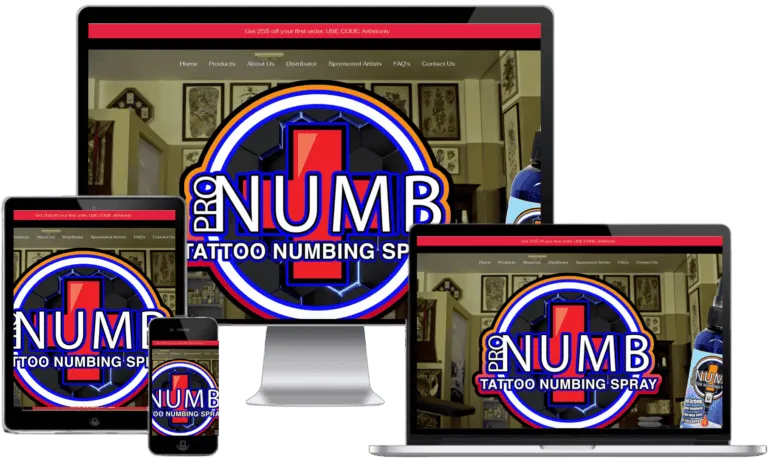
Pro Numb
Ecommerce | Brand Signals + AI Visibility
A product brand whose mentions, reviews, and answer-formatted content now surface across AI results and branded search for its most competitive term. Whole-engagement numbers, labeled honestly.
- 47 Featured Snippets
- +340% Organic Traffic
- $2M+ Monthly Revenue
-

Culbertson Law
Family Law | Citations + Reviews
Local off-page in its purest form: bar and association links, citation cleanup, and steady review growth moving together. The map pack position moved with the profile; engagement-wide numbers.
- 9 → 2 Map Pack Position
- 47 New Google Reviews
- +91% Qualified Calls
-

Grown Brilliance
Luxury Jewelry Ecommerce
A category where page one is priced in authority. Earned placements in the publications its buyers read carried the ranking work; the numbers cover the whole engagement.
- 160K+ Organic Visits
- +95% Ranking Improvement
- $200M Annual Revenue
-

DOORS NYC
Fashion Retail | NYC Press
A SoHo retailer whose authority came from city fashion press and style publications rather than directories alone. The calls and direction requests followed the mentions; whole-engagement numbers.
- ↑58% Calls
- ↑71% Directions
- ↑62% Organic Sessions
-

Original Penguin
Heritage Menswear | Citations + Local Press
Citations standardized across 60+ directories, with event coverage earned from NYC lifestyle publications layered on top. Individually modest signals, collectively hard to fake. Engagement numbers.
- 10,400 → 24,600 Store Page Sessions
- 1,280 → 2,840 GBP Actions
- 195k → 410k Impressions
-
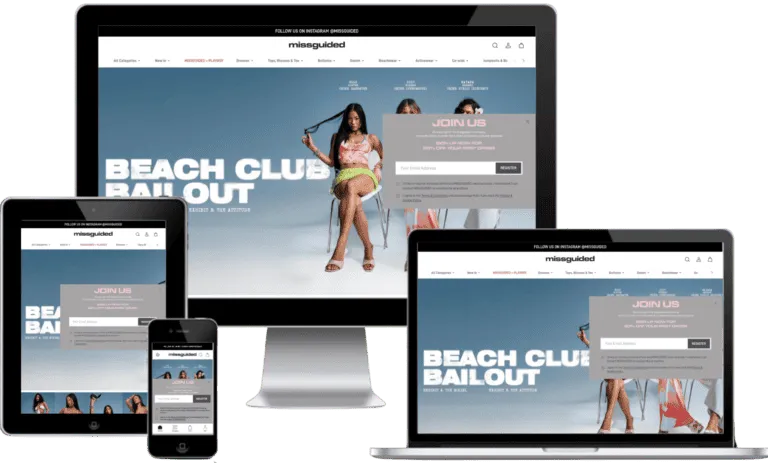
MissGuided
Fashion Ecommerce
Links earned from fashion publishers built the authority, and structured content spent it on featured snippet wins. Whole-engagement numbers, reported as tracked.
- 32,000 → 56,000 Organic Sessions
- 28 Featured Snippets
- +55% Revenue
More engagements, sliced by service, industry, and platform, live in our SEO case studies.
Meet Your Off-Page SEO Team
The outreach specialists, PR writers, and strategists who earn the signals this page describes, and then answer for the rankings.
-

Jobin John
Chief Executive Officer
-

Justin Brown
Head of Search Engine Optimization
-

Bryan Thomson
Head of Web Design & Development
-

Ina Komins
Head of Social Media Marketing
-

Kierra Pita
Head of Advertising & Content Marketing
-

Patricia Turner
Chief Creative Officer
-

William Carter
Chief Digital Strategy Officer
-

Andrew Miller
Senior SEO Strategist
-

Amy Robinson
Content Marketing Manager
-

Betty Harrison
PPC Campaign Specialist
-

Anthony Carter
Lead Digital Account Executive
-

Amanda Cooper
Social Media Director
-

Carol Parker
Senior Client Success Manager
-

Barbara Bennett
Email Marketing Lead
-

Charles Turner
Technical SEO Analyst
-

Brian Sullivan
Creative Director
-

Christine Walker
Director of Project Management
-

Christopher Brooks
Digital Marketing Strategist
-

Daniel Wright
Senior Analytics Specialist
-

David Henderson
Lead Content Strategist
-

Donna Mitchell
Client Communications Manager
-

Elizabeth Foster
Director of Paid Advertising
-

Emily Baredi
Brand Experience Specialist
-

Emma Scott
Social Media Content Creator
-

George Crawford
Technical Solutions Architect
-

Jacob Evans
Digital Content Coordinator
-

James Anderson
Marketing Automation Specialist
-

Jason Palmer
Junior Copywriter
-

Jeffrey Reynolds
Paid Media Analyst
-

Jennifer Lewis
Community Engagement Specialist
-

Jonathan Murphy
SEO Reporting Specialist
-

Joseph Morgan
Influencer Marketing Coordinator
-

Kenneth Stevens
Digital PR Manager
-

Kimberly Harper
Digital Marketing Intern
-

Kevin Morris
SEO Outreach Specialist
-

Lee Dawson
Junior Web Developer
-

Linda Peterson
Email Campaign Coordinator
-

Lisa Thompson
Social Media Ads Specialist
-

Margaret Bradley
Marketing Operations Lead
-

Mark Richards
Data & Insights Analyst
-

Mary Kennedy
Senior Copyeditor
-

Matthew Clark
Growth Marketing Manager
-

Michelle Sanders
Junior Marketing Designer
-

Michael Foster
Senior Conversion Rate Specialist
-

Nancy Wheeler
Digital Analytics Manager
-

Nicholas Pierce
Affiliate Marketing Specialist
-

Nicole Adams
Outreach Program Coordinator
-

Paul Franklin
Paid Social Campaign Manager
-

Richard Barnes
Reputation Management Specialist
-

Robert Murphy
Lead Solutions Architect
-

Ronald Davis
Marketing Technology Analyst
-

Ryan Bell
Paid Media Buyer
-

Sandra Gregory
Digital Account Coordinator
-

Scott Hopkins
CRM Implementation Specialist
-

Shirley Ellis
Customer Insights Manager
-

Stephanie Cross
Brand Content Designer
-

Steven Greene
Web Analytics Specialist
-

Susan Price
Affiliate Campaign Manager
-

Thomas Fisher
Lead Technical Architect
-

Timothy Nash
Mobile Marketing Strategist
Off-Page SEO FAQs
What does an off-page SEO company do?
An off-page SEO agency builds the external signals search engines weigh: earning backlinks from real publications, converting unlinked brand mentions, standardizing citations across directories, growing genuine reviews, and pitching stories that earn coverage. The judgment is the service: which signals your profile is missing, which opportunities to decline, and how to sequence the work so the signals compound.
Why is off-page SEO important?
Because content alone hits a ceiling. Two sites with equally good pages do not rank equally: the one the rest of the internet links to, mentions, and reviews wins, on the theory that external validation is harder to fake than a page. An off-page SEO strategy is how that validation gets built deliberately instead of waited for.
Is off-page SEO safe, or can it hurt my site?
Done honestly, it is safe by construction: real coverage, real citations, and real reviews cannot trigger a penalty. The risk lives entirely in shortcuts. Bought links, private blog networks, and fake reviews violate Google policies and, for reviews, federal FTC rules. Our decline list exists so nothing in your profile ever needs explaining later.
Can you clean up bad backlinks?
When it is genuinely needed, yes. Google says its systems already ignore most spammy links, so a scary backlink export is usually not an emergency. The disavow tool earns its keep in the real cases: a manual action naming unnatural links, or a paid-link history that needs a documented cleanup. The audit tells you which situation yours is.
Do reviews really affect rankings?
For local results, directly: Google names review signals among the map pack factors, so volume, recency, and responses all count. For national terms the effect is indirect but real, because third-party review pages rank for your brand and feed the sources AI engines summarize. Either way, only genuine reviews: gating and incentives cross lines we will not.
What industries get the most from off-page SEO?
Any business whose buyers check reputation before spending: local services where citations and reviews decide map rankings, ecommerce brands fighting for product-term authority, professional services where a thin external profile reads as risk, and B2B markets where earned coverage separates lookalike vendors. The mix of signals shifts by industry; the discipline does not.
Do you guarantee links, mentions, or a DA increase?
No, and the reasons are structural. Editorial decisions belong to publishers, review decisions belong to customers, and DA belongs to Moz, so guaranteeing any of them means manufacturing them. What you get instead is a scoped plan, monthly work you can inspect signal by signal, and reporting against rankings and revenue rather than a vendor score.
What separates a good off-page SEO agency from a bad one?
Start with the decline list: a serious agency names what it will not sell, link networks, undisclosed paid placements, incentivized reviews, without being pressed. Ask what the monthly report names; every link should arrive with its URL and anchor, checkable in your own tools. And ask what the program is measured against: rankings, traffic, and leads are the honest answer, a promised DA number is a vendor score being gamed on your invoice.
How do you report off-page SEO results?
Monthly, by signal: new links with URLs and anchors, mentions found and converted, citation accuracy, review counts and ratings, branded search trend, and movement on tracked keywords. Everything is checkable in your own tools. Averages hide problems, so the report names what moved, what stalled, and where next month gets spent.
Ready to Close the Authority Gap?
Off-page SEO is the external half of our full search engine optimization services, so the audit, the outreach, and the rankings work run as one program with one owner. Tell us about your site and we will send back a plan with real findings in it: your signal-by-signal profile, the gap against the competitors outranking you, and what we would do first.
Questions? Call (888) 644-7795 or email care@egochi.com
Egochi Stats
- 250+ Google Reviews
- 5.0 Clutch Rating
- 12+ Years Experience
- $200M+ Revenue Generated
- 4 US Offices
- 190+ Clutch Reviews
Blog Posts
- Aug 12, 2026 GEO vs. SEO: A Comparative Guide for Digital Marketers
- Aug 12, 2026 What is llms.txt? | How to Create llms.txt file for your website
- Aug 12, 2026 What is Semantic SEO? | How to Build Topical Authority That Ranks
- Aug 12, 2026 What is Schema Markup? | How to Add Structured Data to Your Website
- Aug 12, 2026 How to Optimize for Voice Search: A Realistic 2026 Guide